Comprehensive Environmental Control and Noise Reduction Technology
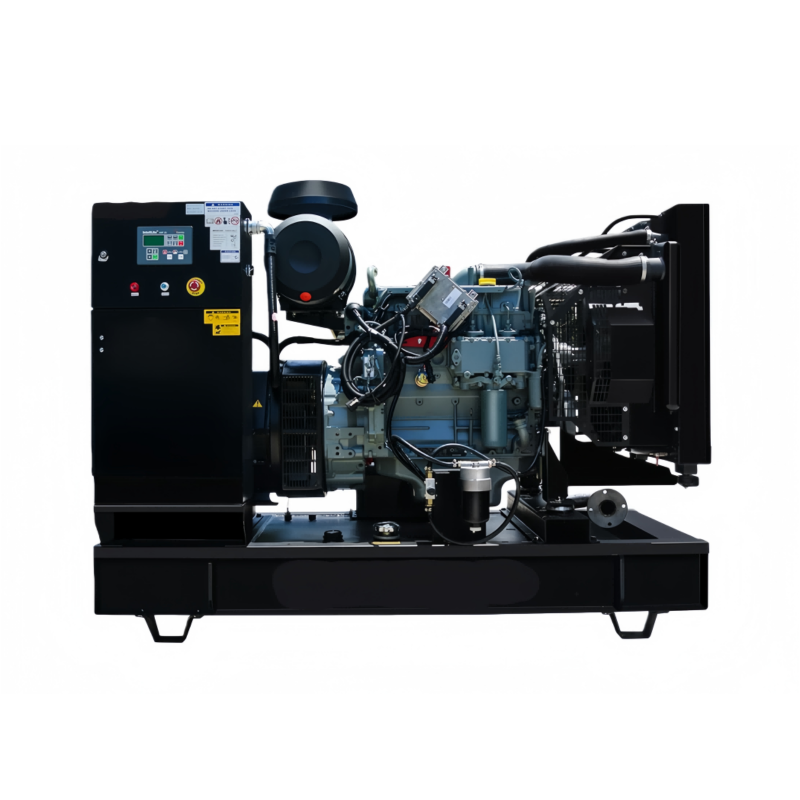
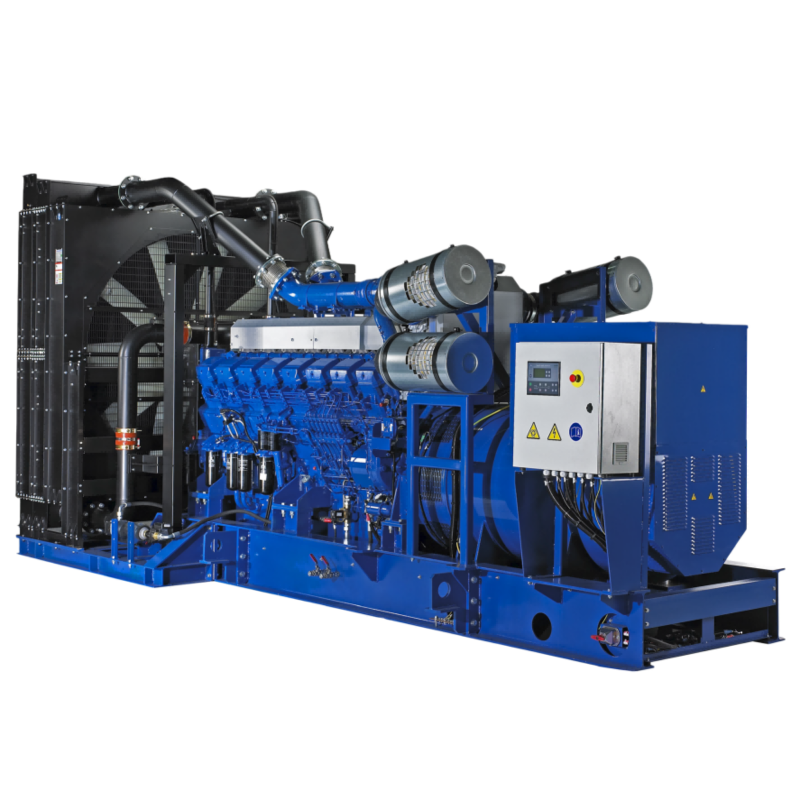
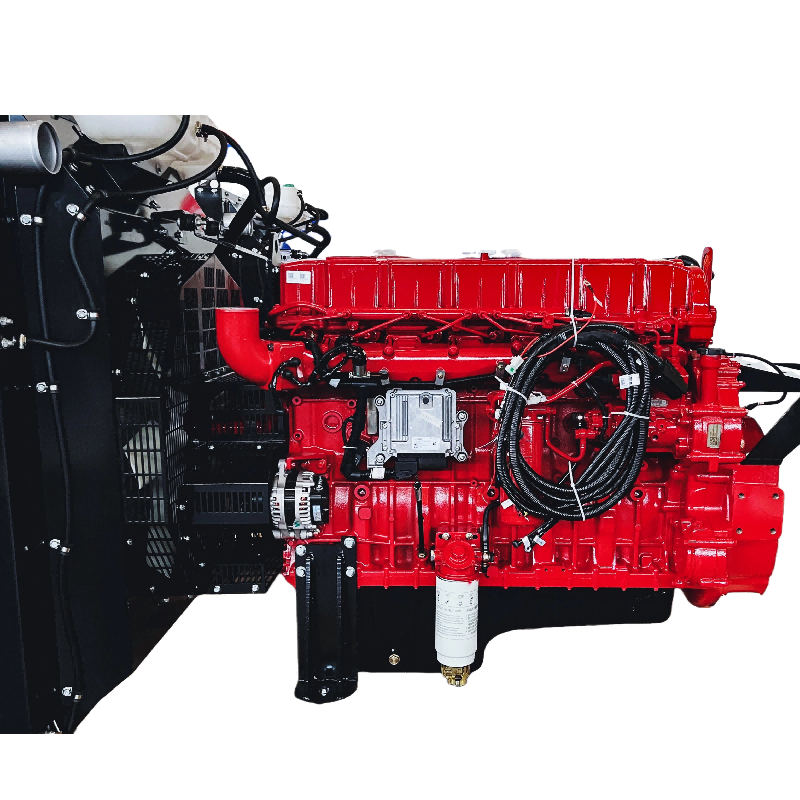
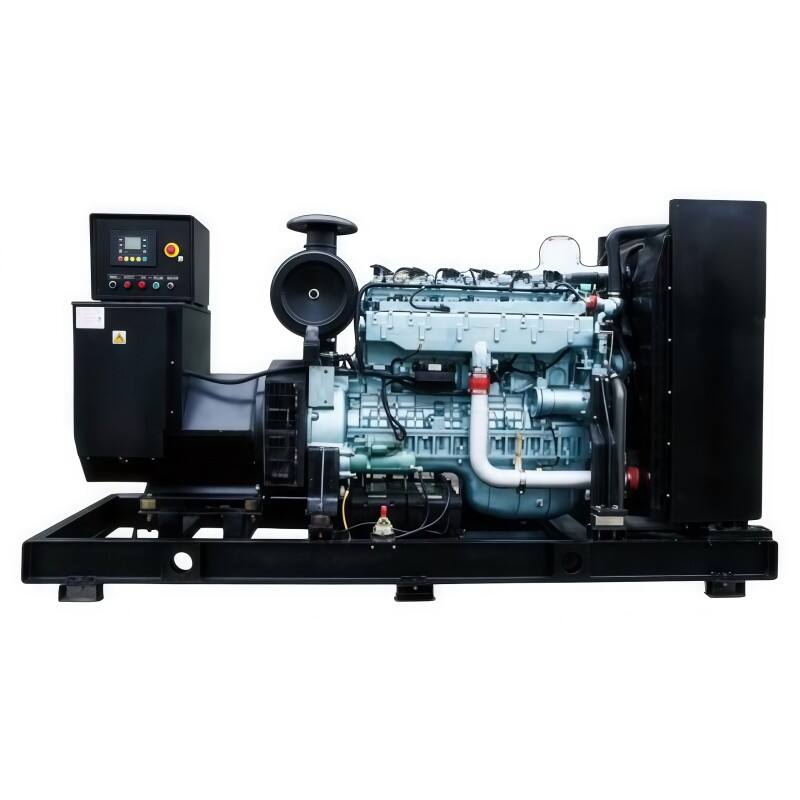
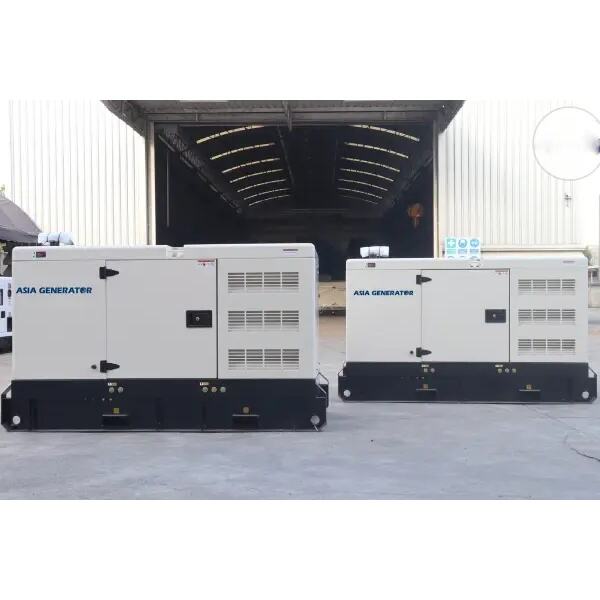
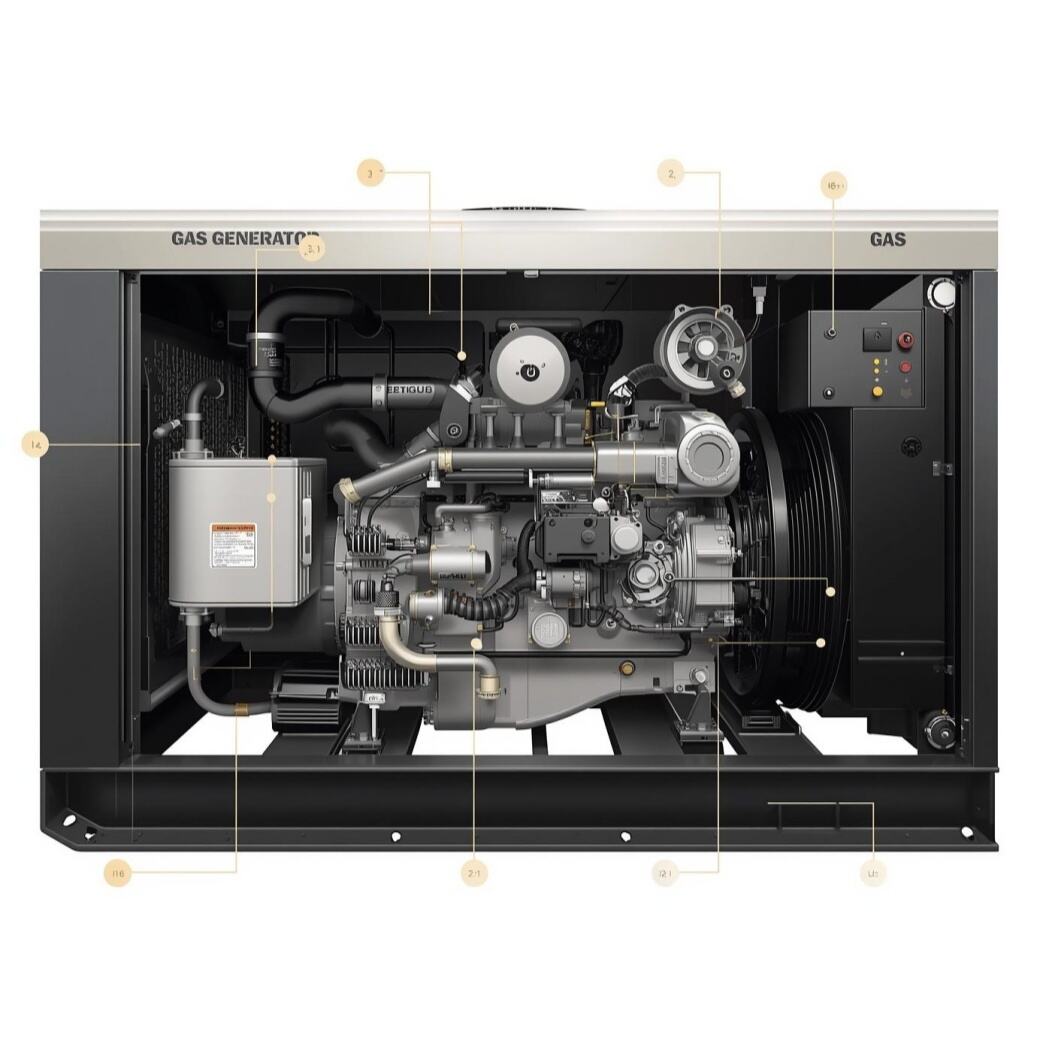
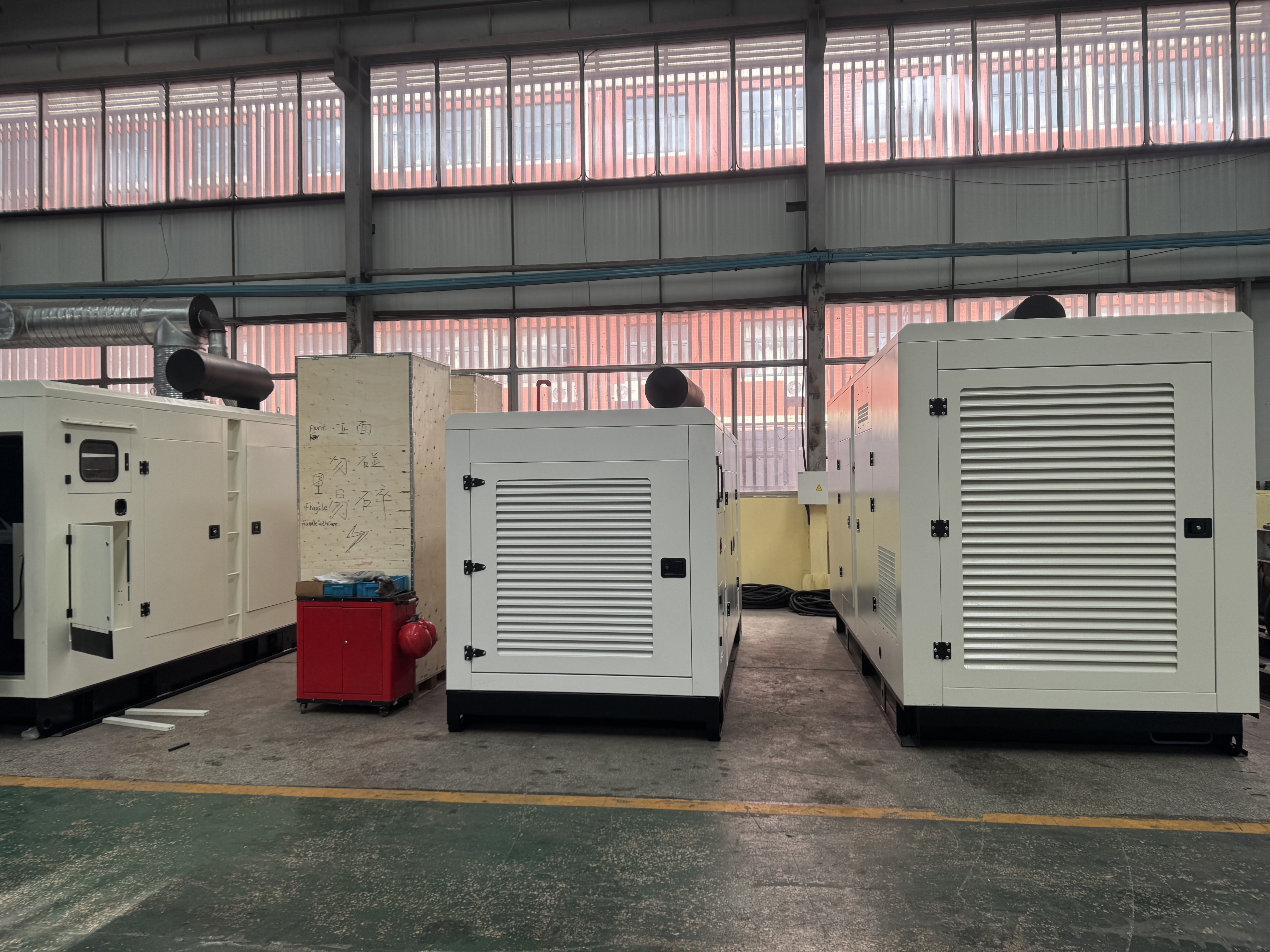
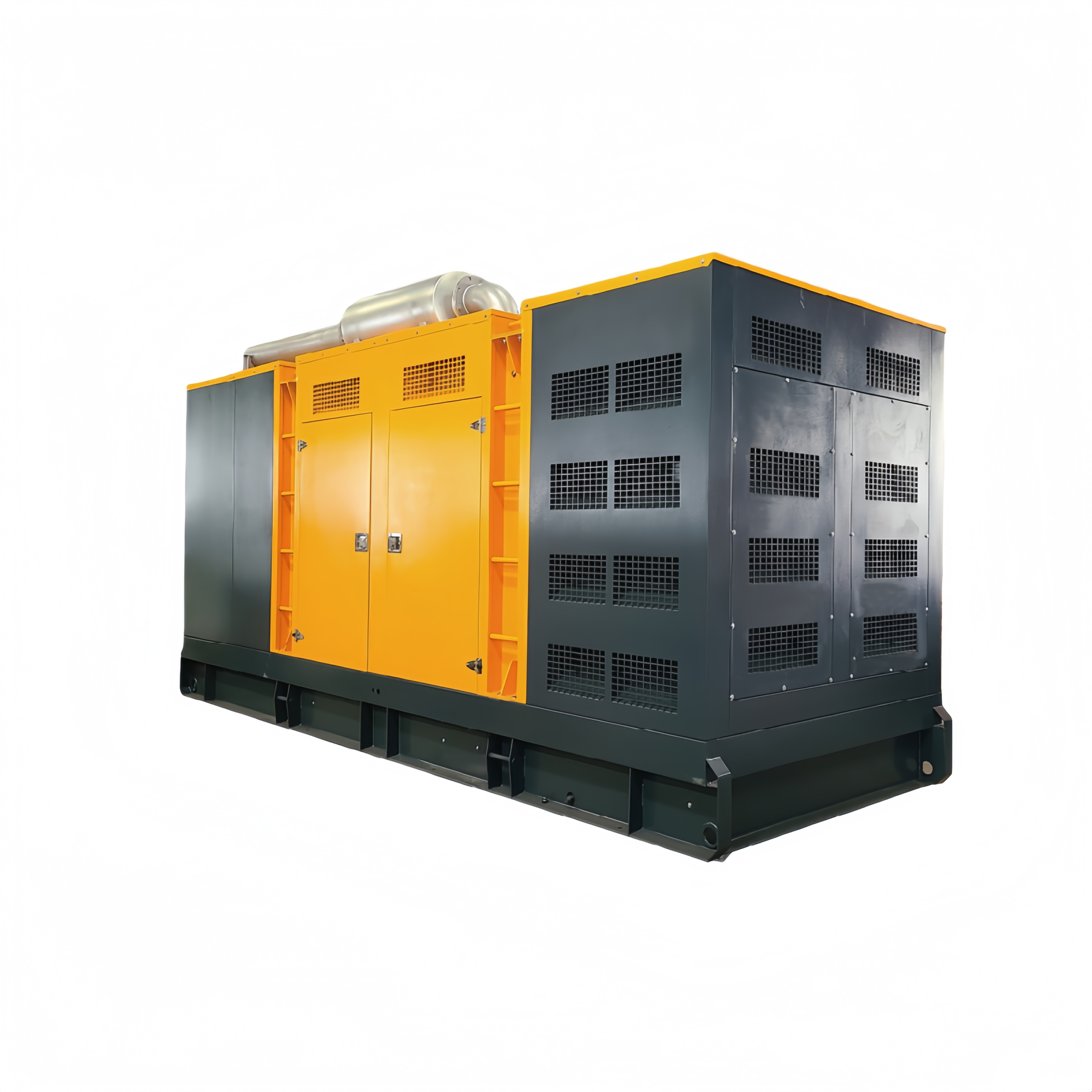
The diesel generator for data center incorporates state-of-the-art environmental control systems and noise reduction technologies that address both regulatory compliance requirements and community consideration concerns while maintaining optimal operational performance. Advanced emission control systems utilize selective catalytic reduction technology, diesel particulate filters, and exhaust gas recirculation to significantly reduce nitrogen oxide emissions, particulate matter, and hydrocarbon output, ensuring compliance with the most stringent environmental regulations including EPA Tier 4 standards. The emission control systems operate seamlessly with engine management systems, optimizing combustion parameters and exhaust treatment processes without compromising power output or fuel efficiency. Sound attenuation technology represents a critical feature of modern diesel generator for data center installations, incorporating multi-stage noise reduction approaches that include engine compartment sound dampening, exhaust silencers, intake air noise reduction, and external sound barriers that can reduce operational noise levels by 15-25 decibels compared to unattenuated units. The acoustic enclosure design utilizes advanced materials including perforated metal panels backed with sound-absorbing foam, creating effective noise barriers while maintaining adequate ventilation for engine cooling and combustion air supply. Vibration isolation systems prevent mechanical noise transmission through building structures, utilizing spring-mounted generator sets and flexible connections for fuel lines, exhaust systems, and electrical conduits. Temperature management systems maintain optimal operating conditions through thermostatically controlled cooling fans, engine coolant heating systems for cold weather operation, and ventilation systems that prevent overheating in enclosed installations. The diesel generator for data center features intelligent cooling systems that adjust fan speeds and coolant flow rates based on operating temperature and ambient conditions, minimizing energy consumption while ensuring adequate cooling capacity. Air quality management includes crankcase ventilation systems that capture and properly dispose of engine blow-by gases, preventing indoor air quality issues in enclosed generator rooms. Environmental monitoring capabilities track operating parameters including coolant temperature, oil pressure, exhaust temperature, and emission levels, providing comprehensive data for regulatory reporting and preventive maintenance planning. Weather resistance features protect all environmental control components from moisture, temperature extremes, and corrosive atmospheric conditions, ensuring reliable operation throughout varying seasonal conditions while maintaining long-term component integrity and system performance reliability.
 EN
EN