Data Center Power Generator Solutions: Reliable Backup Power Systems for Critical IT Infrastructure

All Categories

Get a Free Quote

Our representative will contact you soon.
Email
Name
Tel/WhatsApp
Company Name
Message
0/1000

data center power generator

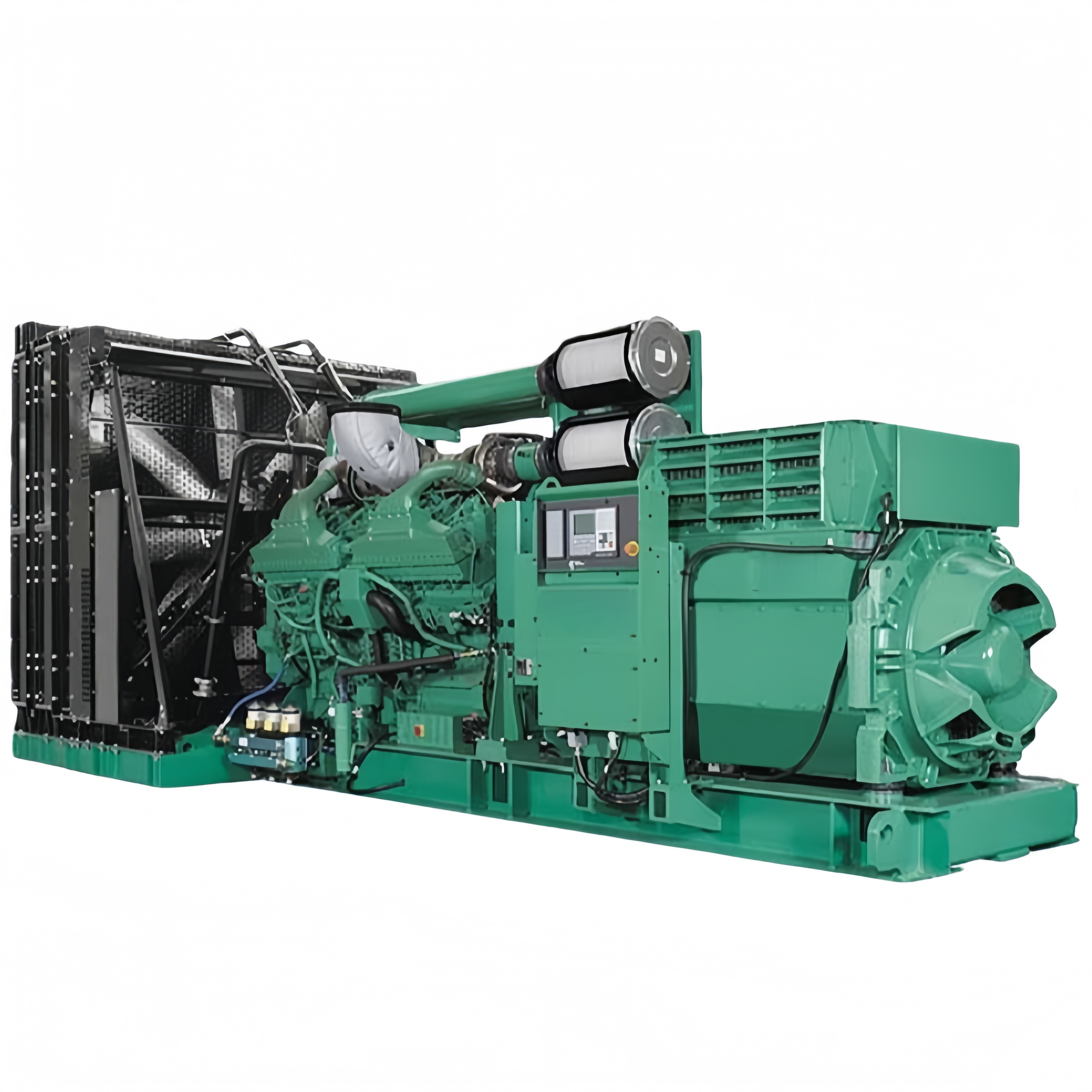
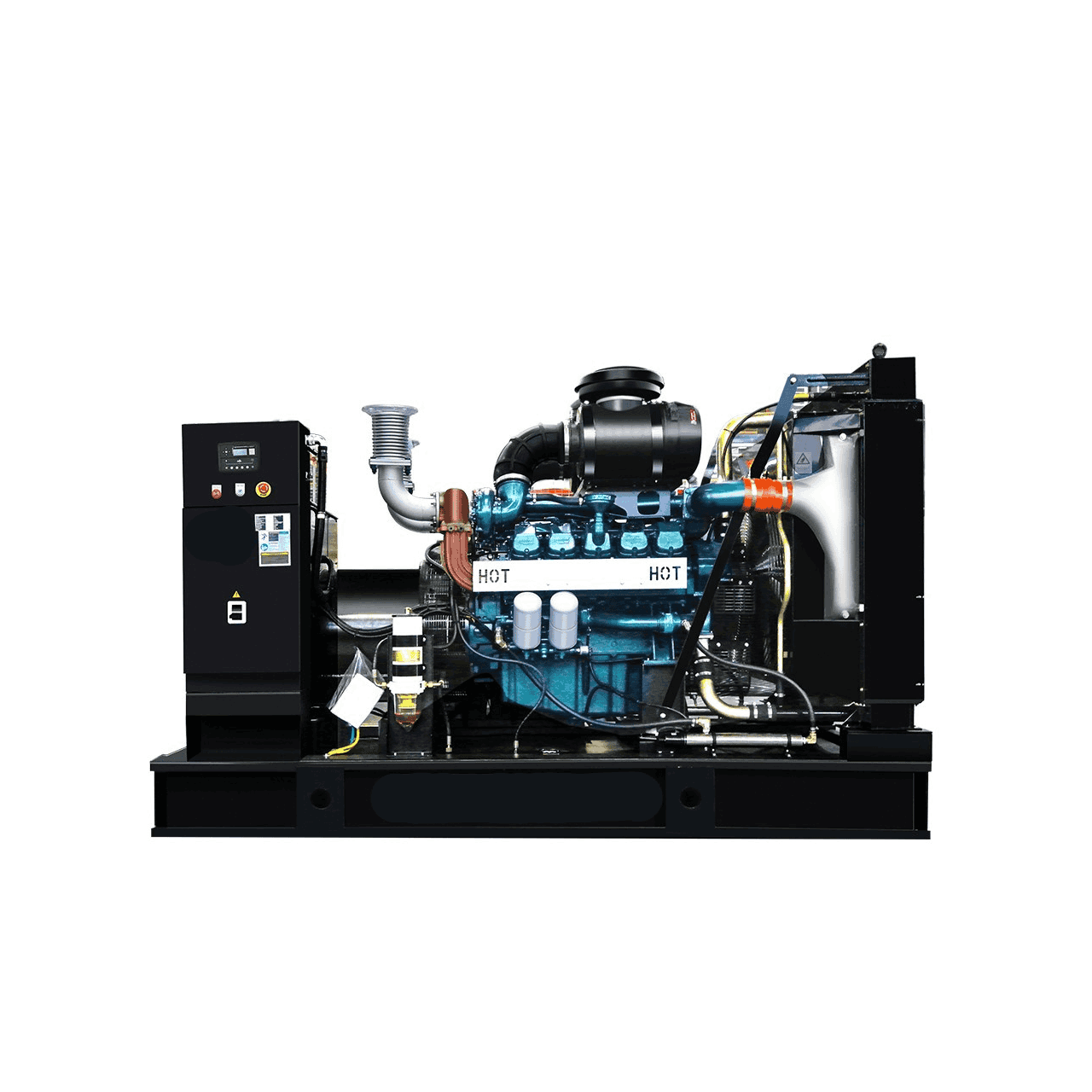
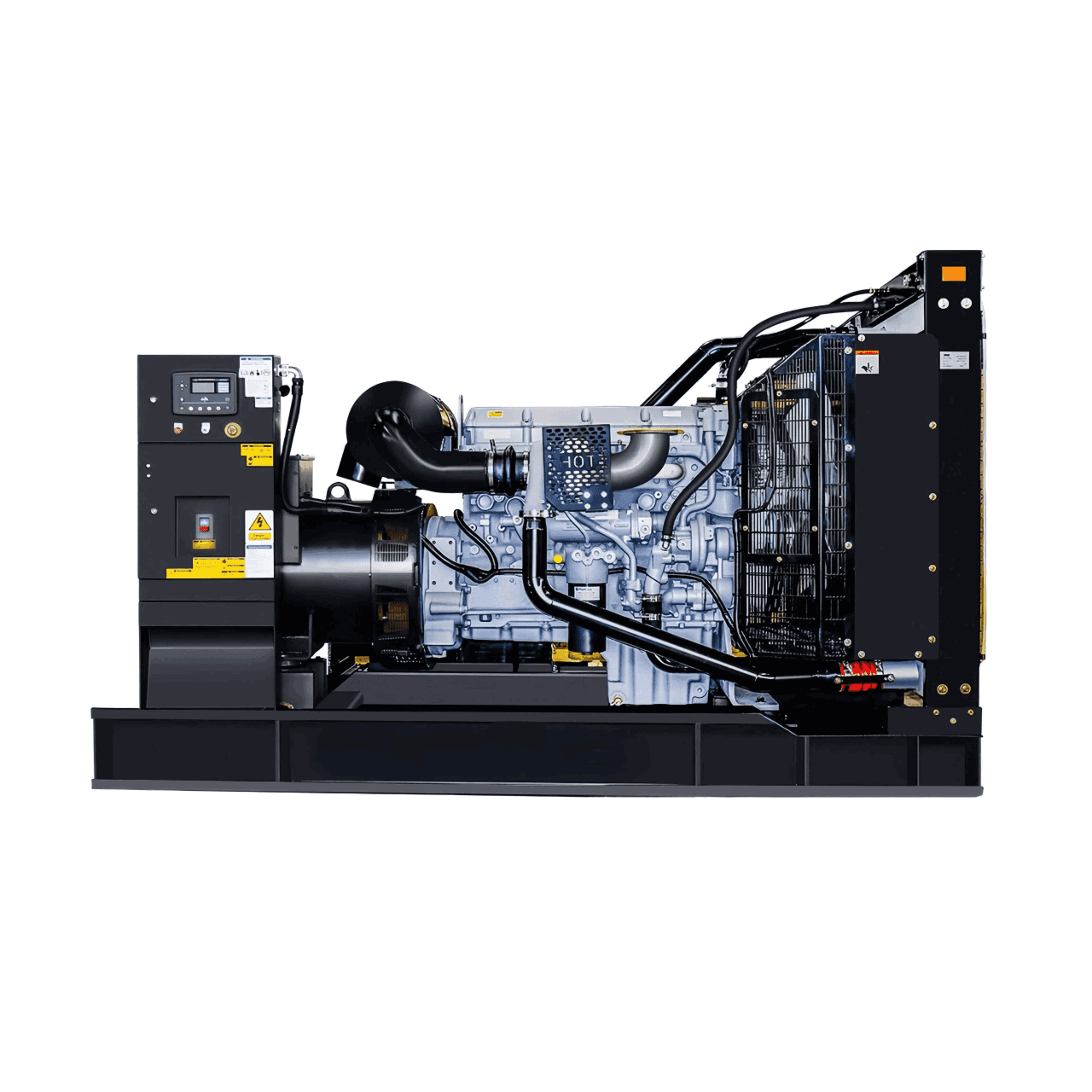
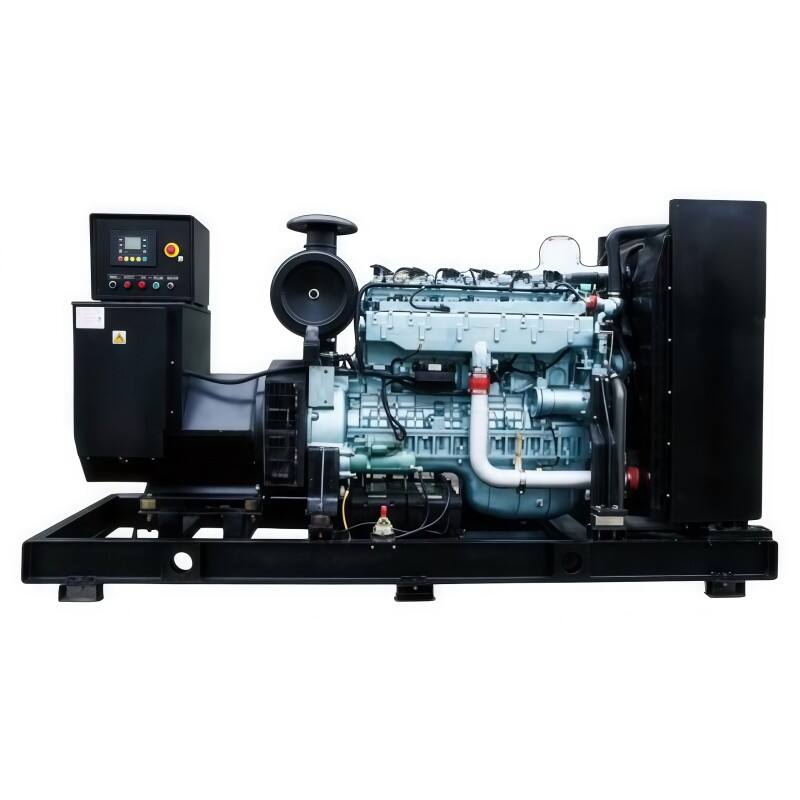
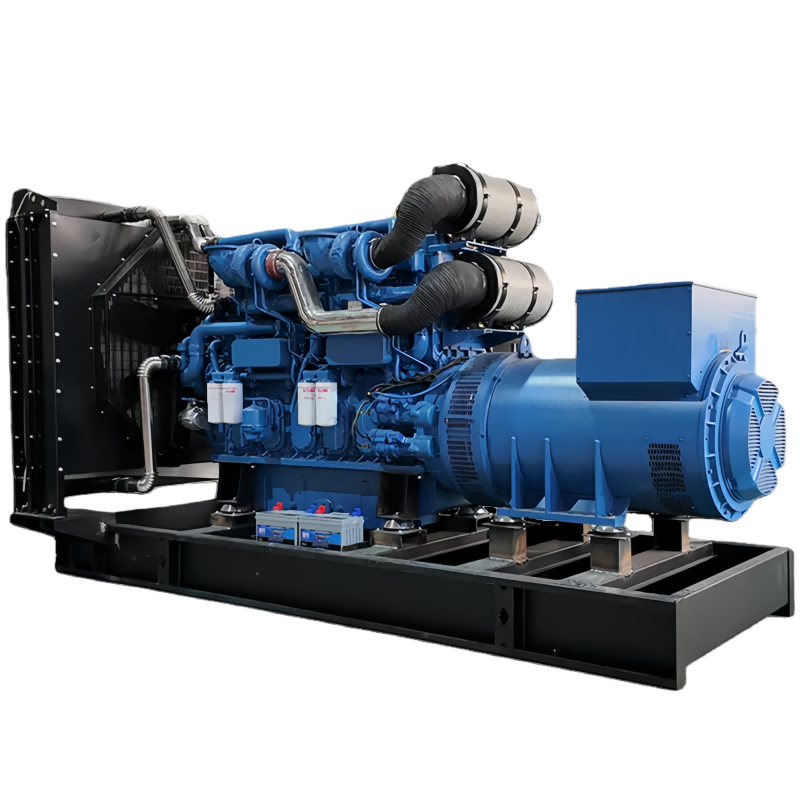
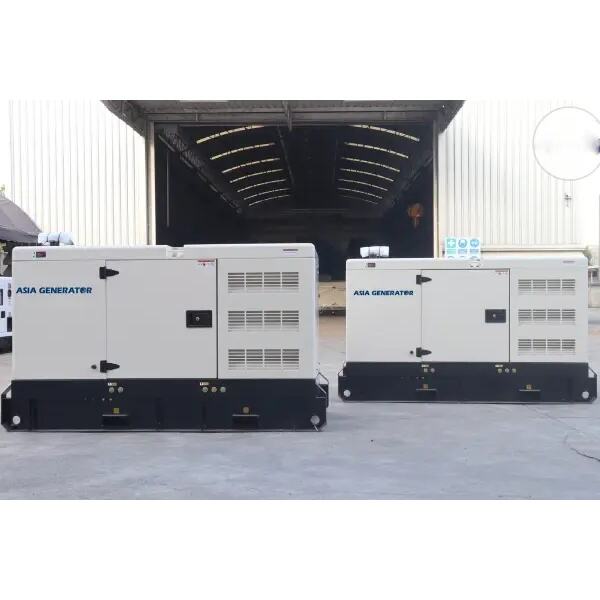
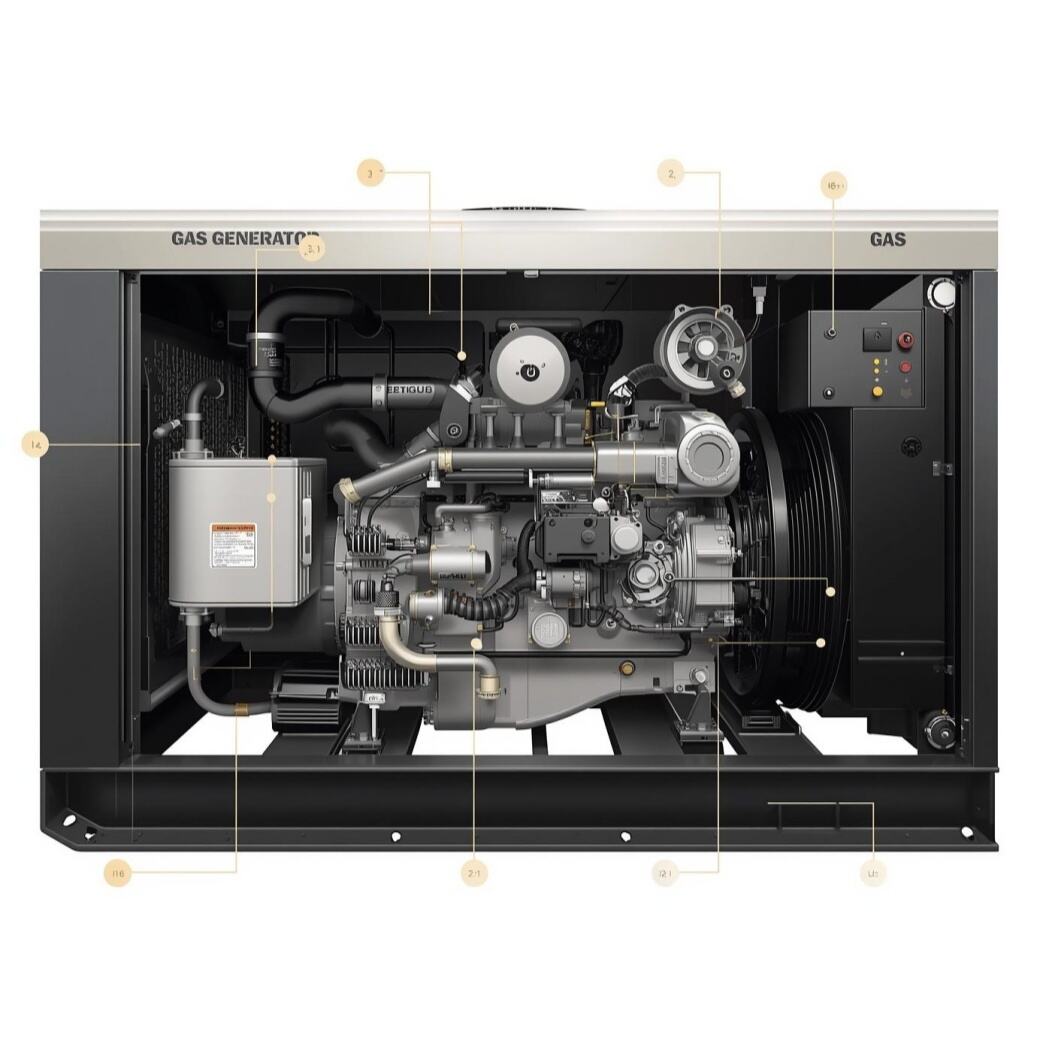
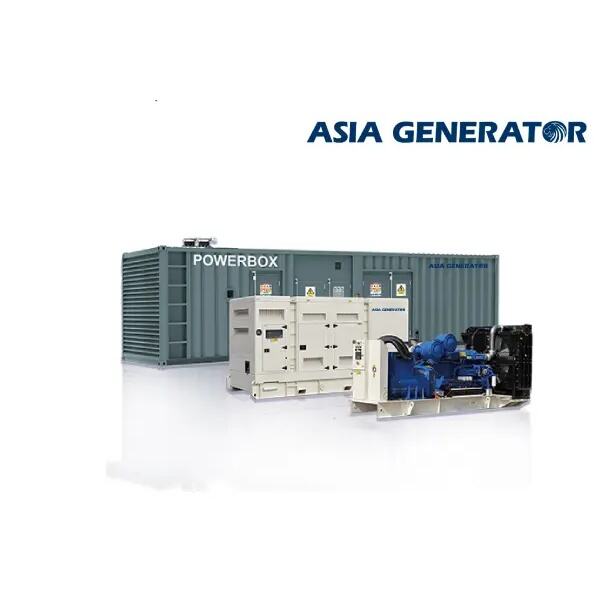
Data center power generators serve as critical backup power systems that ensure uninterrupted operations for mission-critical IT infrastructure. These sophisticated power solutions automatically activate during utility power outages, providing seamless electricity supply to servers, networking equipment, cooling systems, and security infrastructure. Modern data center power generators utilize advanced diesel, natural gas, or hybrid fuel technologies to deliver reliable emergency power with rapid response capabilities. The primary function of a data center power generator involves maintaining continuous power delivery during grid failures, planned maintenance, or natural disasters. These systems feature automatic transfer switches that detect power interruptions within milliseconds and initiate generator startup procedures without human intervention. Advanced monitoring systems continuously track fuel levels, engine performance, battery status, and environmental conditions to ensure optimal readiness. Technological features include digital control panels with remote monitoring capabilities, allowing facility managers to oversee generator status from centralized locations. Load management systems distribute power efficiently across different data center zones while maintaining proper voltage regulation and frequency stability. Noise reduction technologies minimize acoustic impact on surrounding areas through advanced muffler systems and sound-dampening enclosures. Applications span across enterprise data centers, cloud computing facilities, telecommunications hubs, financial trading centers, healthcare IT systems, and government installations. Scalable configurations accommodate facilities ranging from small server rooms requiring 50kW backup power to massive hyperscale data centers demanding multi-megawatt generator arrays. Integration capabilities allow seamless connection with existing electrical infrastructure, uninterruptible power supplies, and building management systems. Environmental compliance features ensure adherence to emission standards while maintaining peak performance levels. Regular maintenance schedules and automated self-testing protocols verify system readiness and identify potential issues before they impact operations.
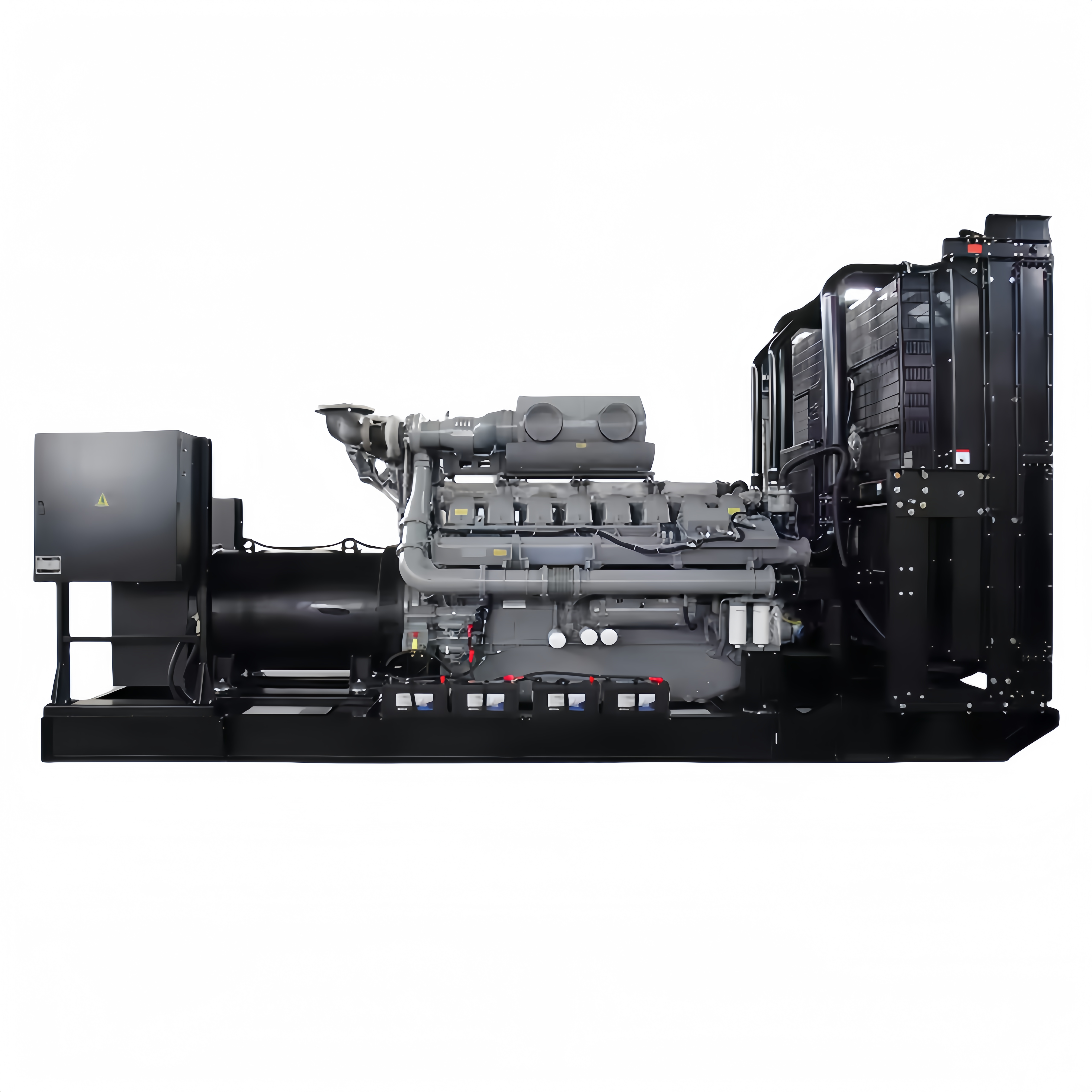
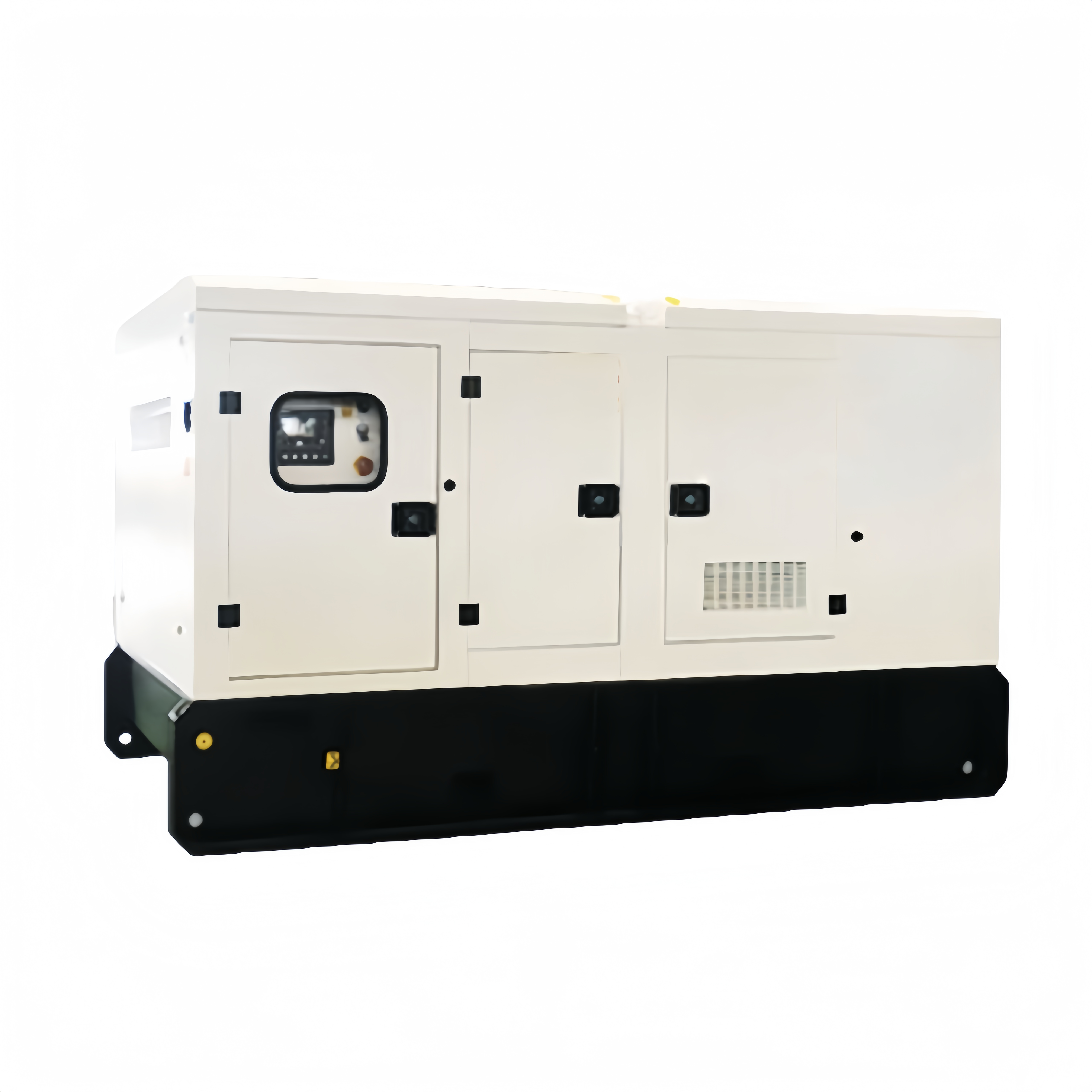
New Product Releases

Data center power generators provide substantial cost savings by preventing expensive downtime incidents that can cost organizations thousands of dollars per minute during outages. These reliable backup systems protect valuable data and maintain business continuity when utility power fails unexpectedly. Quick startup capabilities ensure minimal interruption to critical operations, with most modern generators achieving full power output within thirty seconds of activation. Fuel efficiency improvements reduce operational expenses through optimized combustion processes and smart load management features that adjust power output based on actual demand. Remote monitoring capabilities allow technical teams to oversee multiple generator installations from centralized control rooms, reducing staffing requirements and enabling faster response times to potential issues. Automated maintenance alerts notify operators when service intervals approach, preventing unexpected failures and extending equipment lifespan through proactive care. Scalable design options accommodate growing power requirements without complete system replacement, protecting initial investments while supporting facility expansion plans. Advanced emission control systems ensure compliance with environmental regulations while minimizing impact on local air quality standards. Weather-resistant enclosures protect sensitive components from harsh environmental conditions, ensuring reliable operation during storms, extreme temperatures, and other challenging weather events. Integration flexibility allows seamless connection with existing electrical systems, battery backup arrays, and facility management platforms without extensive infrastructure modifications. Load testing capabilities verify system performance regularly without disrupting normal operations, providing confidence in emergency readiness. Redundant safety systems prevent equipment damage and ensure operator protection through multiple backup mechanisms and fail-safe protocols. Comprehensive warranty coverage and manufacturer support programs provide peace of mind and protect against unexpected repair costs. Energy management features optimize fuel consumption patterns, extending runtime capabilities during extended outages while maintaining essential power levels for critical systems. Professional installation and commissioning services ensure proper setup and configuration for maximum reliability and performance.

Tips And Tricks

How Noise Is A Silent Type Generator Set?

09

Dec

How Noise Is A Silent Type Generator Set?

View More
How Does a Gas Generator Work?

09

Dec

How Does a Gas Generator Work?

View More
What Is The Difference between Open Generator And Silent Generator?

09

Dec

What Is The Difference between Open Generator And Silent Generator?

View More

Get a Free Quote

Our representative will contact you soon.
Email
Name
Tel/WhatsApp
Company Name
Message
0/1000

data center power generator

Advanced Automatic Transfer Switch Technology

Advanced Automatic Transfer Switch Technology

The automatic transfer switch represents the technological heart of modern data center power generator systems, providing instantaneous power transition capabilities that ensure zero interruption to critical IT operations. This sophisticated switching mechanism continuously monitors incoming utility power quality, voltage levels, and frequency stability through advanced sensing equipment that detects even minor fluctuations before they impact sensitive computing equipment. When utility power degradation occurs, the automatic transfer switch initiates generator startup procedures while simultaneously isolating the facility from the compromised grid connection. The switching process completes within ten to fifteen seconds, faster than most uninterruptible power supply systems can maintain full load support, creating a seamless power handoff that prevents data loss and system crashes. Advanced microprocessor controls manage the entire transition sequence, coordinating generator warmup periods, voltage synchronization, and load transfer timing to ensure smooth electrical transitions without power spikes or interruptions. Digital communication protocols allow real-time coordination between multiple transfer switches in complex data center configurations, enabling sophisticated load management strategies that optimize power distribution across different facility zones. Remote monitoring capabilities provide facility managers with instant notifications when transfer events occur, along with detailed diagnostic information about power quality conditions and system performance metrics. Programmable delay settings accommodate specific facility requirements, allowing customization of transfer timing based on load sensitivity and backup power availability. Bypass maintenance switches enable service work on transfer switch components without compromising facility protection, ensuring continuous backup power readiness even during equipment maintenance periods. Quality assurance testing protocols verify transfer switch performance regularly through automated exercise cycles that simulate actual power outage conditions without disrupting normal operations.
Intelligent Load Management and Power Distribution

Intelligent Load Management and Power Distribution

Intelligent load management systems within data center power generators optimize electrical distribution efficiency while maintaining critical system priorities during emergency power operations. These advanced control systems automatically prioritize essential equipment such as servers, networking hardware, and cooling systems while temporarily reducing power to non-critical loads like lighting and office equipment during extended outages. Smart algorithms continuously analyze power consumption patterns and adjust generator output accordingly, maximizing fuel efficiency and extending operational runtime when utility power restoration may be delayed. Load shedding capabilities allow systematic shutdown of less critical systems in predetermined sequences, preserving power for mission-critical operations while preventing generator overload conditions that could compromise overall system stability. Dynamic load balancing distributes electrical loads evenly across multiple generator units in parallel configurations, ensuring optimal performance and preventing individual unit stress that could lead to premature failure. Power quality monitoring maintains voltage regulation within strict tolerances required by sensitive IT equipment, utilizing automatic voltage regulators and frequency controllers that compensate for load variations and ensure stable electrical output. Predictive load forecasting analyzes historical consumption data and real-time facility conditions to anticipate power requirements and optimize generator performance proactively. Communication interfaces enable integration with building management systems and data center infrastructure management platforms, providing centralized oversight of power consumption trends and generator performance metrics. Customizable priority settings allow facility managers to define specific load hierarchies based on business requirements and operational criticality, ensuring that the most important systems receive uninterrupted power during capacity-limited situations. Remote load control capabilities enable operators to adjust power distribution remotely, responding quickly to changing operational requirements without requiring on-site personnel intervention during emergency situations.
Comprehensive Environmental Protection and Compliance

Comprehensive Environmental Protection and Compliance

Environmental protection features in modern data center power generators address regulatory compliance requirements while minimizing ecological impact through advanced emission control technologies and sustainable operational practices. Tier 4 Final diesel engines incorporate sophisticated after-treatment systems including diesel particulate filters and selective catalytic reduction technology that dramatically reduce nitrogen oxide emissions and particulate matter output compared to older generator models. Low-emission natural gas options provide cleaner combustion alternatives for facilities prioritizing environmental sustainability, utilizing lean-burn combustion processes that significantly reduce greenhouse gas emissions while maintaining reliable backup power capabilities. Advanced fuel management systems prevent environmental contamination through double-wall tank construction, leak detection sensors, and automatic shutoff mechanisms that contain potential spills before they reach surrounding soil or water sources. Noise abatement technologies including hospital-grade silencers and acoustic enclosures minimize sound pollution impact on neighboring properties while maintaining optimal cooling airflow for engine performance. Smart exhaust systems route combustion byproducts through elevated discharge points and utilize dispersion modeling to minimize ground-level concentration impacts on air quality. Computerized emission monitoring provides real-time tracking of pollutant output levels, ensuring continuous compliance with local environmental regulations and enabling proactive maintenance scheduling to maintain optimal emission performance. Biodegradable lubricants and environmentally friendly coolants reduce potential environmental impact from routine maintenance activities while maintaining engine protection and performance standards. Weather-resistant secondary containment systems protect fuel storage areas from precipitation infiltration and provide spill containment capacity exceeding regulatory requirements. Regular environmental compliance auditing ensures ongoing adherence to evolving regulatory standards while identifying opportunities for further environmental impact reduction. Carbon footprint optimization features include runtime limitation controls and efficiency monitoring systems that balance environmental responsibility with backup power reliability requirements for critical data center operations.
Data Center Power Generator Solutions: Reliable Backup Power Systems for Critical IT Infrastructure

Get a Free Quote

Our representative will contact you soon.
Email
Name
Tel/WhatsApp
Company Name
Message
0/1000