 EN
EN

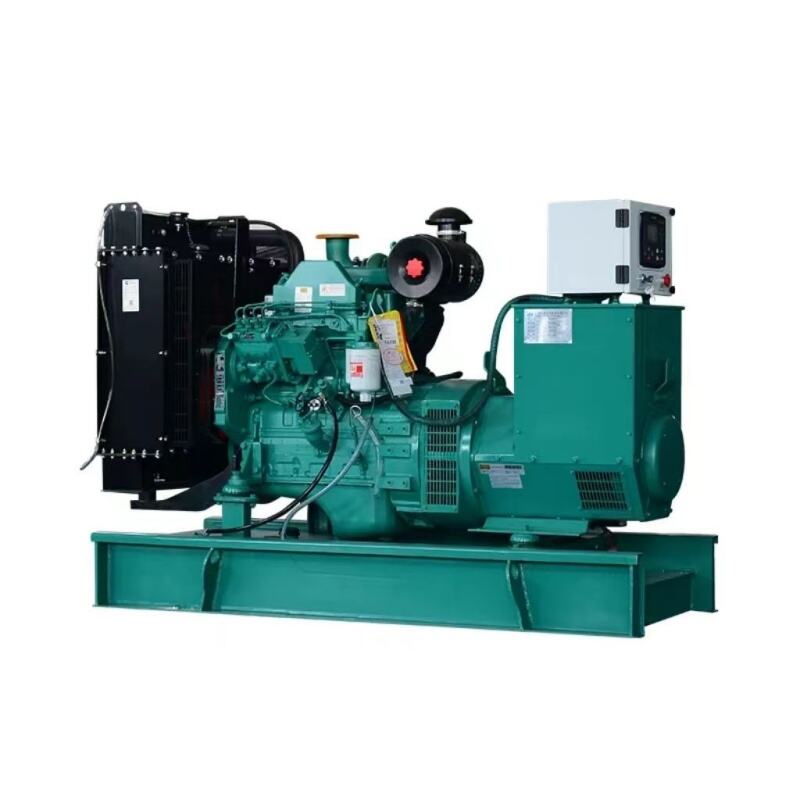
Mobile generator procurement decisions significantly impact operational efficiency and project success across industrial applications. Power range selection represents one of the most critical factors that determine whether a mobile generator system will adequately support specific operational requirements while maintaining cost-effectiveness and reliability throughout its service life.
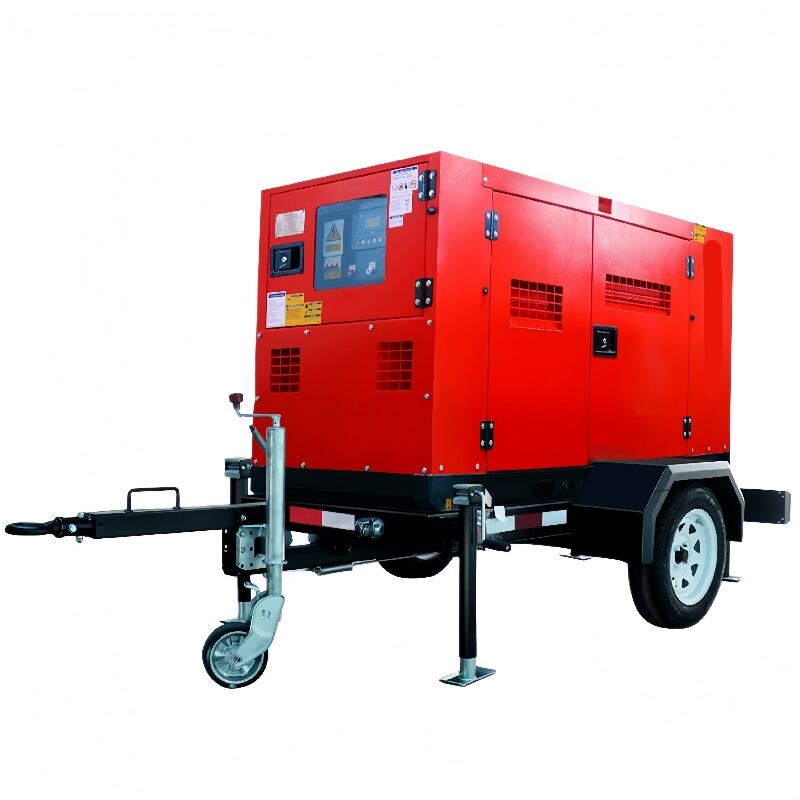
Understanding the key power range factors that influence mobile generator procurement enables businesses to make informed decisions that align with both immediate power needs and long-term operational strategies. These factors encompass load calculations, scalability requirements, fuel efficiency considerations, and environmental operating conditions that directly affect generator performance and total cost of ownership.
Load Assessment and Power Demand Analysis
Primary Load Calculations
Accurate load assessment forms the foundation of mobile generator power range selection. Primary loads include essential equipment that must operate continuously during power outages or remote operations. These calculations require detailed analysis of starting currents, running currents, and power factor characteristics of connected equipment to determine the minimum generator capacity needed for reliable operation.
Industrial facilities typically experience varying load profiles throughout operational cycles, making it essential to identify peak demand periods and sustained load requirements. A mobile generator must accommodate both scenarios without compromising performance or risking equipment damage due to inadequate power supply capacity.
Motor starting requirements often represent the most demanding aspect of load calculations, as large motors can require three to seven times their running current during startup. This factor significantly influences mobile generator sizing decisions and may require generators with higher power ratings than steady-state load calculations would initially suggest.
Secondary and Emergency Load Considerations
Secondary loads encompass non-critical equipment that enhances operational comfort and efficiency but may not be essential during emergency power scenarios. These loads provide flexibility in mobile generator utilization and allow operators to prioritize power distribution based on operational needs and generator capacity limitations.
Emergency load shedding capabilities become crucial when mobile generator capacity approaches maximum limits. Understanding which loads can be temporarily disconnected without compromising safety or critical operations enables more efficient use of available generator power and extends operational runtime during fuel-constrained scenarios.
Load growth projections influence mobile generator procurement decisions by accounting for future expansion or increased power demands. Selecting a mobile generator with adequate headroom for load growth prevents premature replacement and ensures long-term operational viability across evolving power requirements.
Fuel Efficiency and Operating Cost Implications
Power Range Impact on Fuel Consumption
Mobile generator fuel consumption characteristics vary significantly across different power ranges and load conditions. Larger generators typically demonstrate better fuel efficiency at higher load percentages but consume more fuel during light load operations. This relationship directly affects operating costs and determines the most economical generator size for specific applications.
Fuel efficiency curves show optimal operating ranges where generators achieve maximum fuel economy relative to power output. Operating a mobile generator consistently within its optimal efficiency range reduces fuel costs and minimizes environmental impact while maintaining reliable power delivery throughout extended operational periods.
Load factor optimization requires matching generator power range to anticipated operating conditions. A mobile generator operating at 70-80% of rated capacity typically achieves better fuel efficiency than one operating at 30-40% capacity, making proper sizing essential for cost-effective long-term operation.
Maintenance and Lifecycle Cost Considerations
Mobile generator maintenance requirements and associated costs correlate with power range selection and operating patterns. Higher capacity generators generally require more extensive maintenance procedures and higher-cost replacement parts, while smaller units may require more frequent service intervals when operated at maximum capacity.
Component wear patterns differ significantly between oversized and properly sized mobile generator installations. Oversized generators operating at low load factors may experience carbon buildup, cylinder glazing, and other issues associated with light loading, ultimately increasing maintenance costs and reducing service life.
Preventive maintenance scheduling becomes more critical for mobile generator systems operating in demanding industrial environments. Power range selection affects maintenance complexity, parts availability, and service technician requirements, all of which contribute to total ownership costs over the generator's operational lifespan.
Environmental and Operational Constraints
Site Accessibility and Installation Requirements
Mobile generator power range directly influences physical dimensions, weight, and transportation requirements that affect site accessibility and installation feasibility. Higher power range units typically require specialized transportation equipment, larger installation footprints, and more substantial foundation or mounting systems.
Remote site access limitations may restrict mobile generator power range options due to road weight restrictions, bridge clearances, or terrain challenges that limit the size of equipment that can be transported to operational locations. These constraints require careful evaluation during the procurement process to ensure selected generators can reach intended installation sites.
Installation timeline considerations include crane requirements, utility connections, and fuel system installations that become more complex as mobile generator power range increases. Project scheduling must account for these factors to ensure timely deployment and operational readiness.
Noise and Emission Compliance
Mobile generator power range affects noise generation and emission characteristics that must comply with local regulations and environmental standards. Larger generators typically produce higher noise levels and emissions, requiring additional sound attenuation and emission control systems that add to procurement and installation costs.
Urban and residential applications often face strict noise limitations that influence mobile generator power range selection. Sound enclosures, exhaust silencing systems, and operational hour restrictions may be necessary to achieve compliance, affecting both initial costs and operational flexibility.
Emission tier requirements vary by region and application, with some areas mandating specific emission standards for mobile generator installations. These regulations may limit available power range options or require additional emission control equipment that affects total system costs and complexity.
Scalability and Future Expansion Planning
Modular Power Solutions
Modular mobile generator configurations offer flexibility in power range management by enabling parallel operation of multiple smaller units instead of single large generators. This approach provides redundancy, improved load matching capabilities, and easier maintenance scheduling while maintaining overall system reliability and performance.
Parallel operation capabilities require sophisticated control systems and synchronization equipment that add complexity to mobile generator installations. However, the operational advantages of load sharing, redundancy, and incremental capacity additions often justify the additional investment for critical applications.
Scalability planning must consider future power growth, changing operational requirements, and potential site expansion that may affect mobile generator power range needs. Modular approaches enable incremental capacity additions without requiring complete system replacement as power demands evolve.
Technology Integration and Smart Controls
Advanced mobile generator control systems enable dynamic power management and load optimization that maximize efficiency across varying power range requirements. Smart controls can automatically adjust generator output to match load demands, improving fuel efficiency and reducing wear on generator components.
Remote monitoring capabilities provide real-time performance data and predictive maintenance insights that optimize mobile generator operation regardless of power range. These systems enable proactive maintenance scheduling and performance optimization that extends equipment life and reduces operational costs.
Integration with renewable energy sources and energy storage systems creates hybrid power solutions that reduce mobile generator runtime requirements while maintaining reliable power supply. These integrated approaches influence power range selection by providing alternative power sources during low-demand periods.
FAQ
How do I calculate the correct power range for my mobile generator needs?
Calculate your mobile generator power range by analyzing total connected load, including both running and starting currents for all equipment. Add a 20-25% safety factor for motor starting and future growth, then consider load factor optimization to ensure efficient operation. Professional load analysis may be necessary for complex industrial applications with variable power demands.
What happens if I select a mobile generator with too much or too little power capacity?
An oversized mobile generator operates at low load factors, resulting in poor fuel efficiency, carbon buildup, and potential engine problems. An undersized generator risks overloading, voltage instability, and premature failure. Both scenarios increase operating costs and reduce equipment reliability, making proper sizing critical for optimal performance and longevity.
Can mobile generator power range be adjusted after installation?
Mobile generator power output cannot be permanently modified beyond manufacturer specifications. However, load management systems can optimize power utilization, and modular configurations allow capacity additions through parallel operation. If power range requirements change significantly, generator replacement or supplemental units may be necessary to meet new demands effectively.
How do environmental conditions affect mobile generator power range selection?
High altitude, extreme temperatures, and humidity reduce mobile generator power output and affect cooling efficiency. Generators lose approximately 3.5% power per 1,000 feet of elevation above sea level, while high temperatures can reduce capacity by 1% per 10°F above standard conditions. These factors must be considered when selecting appropriate power range for specific operating environments.
Table of Contents
- Load Assessment and Power Demand Analysis
- Fuel Efficiency and Operating Cost Implications
- Environmental and Operational Constraints
- Scalability and Future Expansion Planning
-
FAQ
- How do I calculate the correct power range for my mobile generator needs?
- What happens if I select a mobile generator with too much or too little power capacity?
- Can mobile generator power range be adjusted after installation?
- How do environmental conditions affect mobile generator power range selection?