 EN
EN

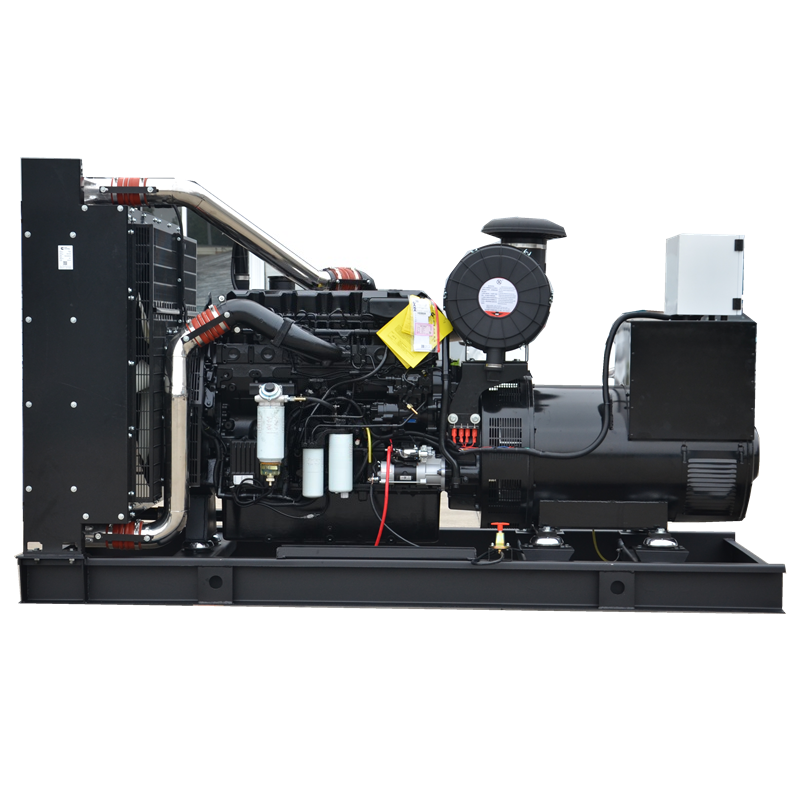
Specifying backup power generators for data centers and hospitals requires a comprehensive understanding of critical load requirements, regulatory compliance, and operational continuity demands. These mission-critical facilities cannot afford power interruptions, making the generator specification process fundamentally different from standard commercial applications. The specification process involves detailed power analysis, redundancy planning, fuel system design, and integration with existing electrical infrastructure to ensure seamless operation during utility outages.
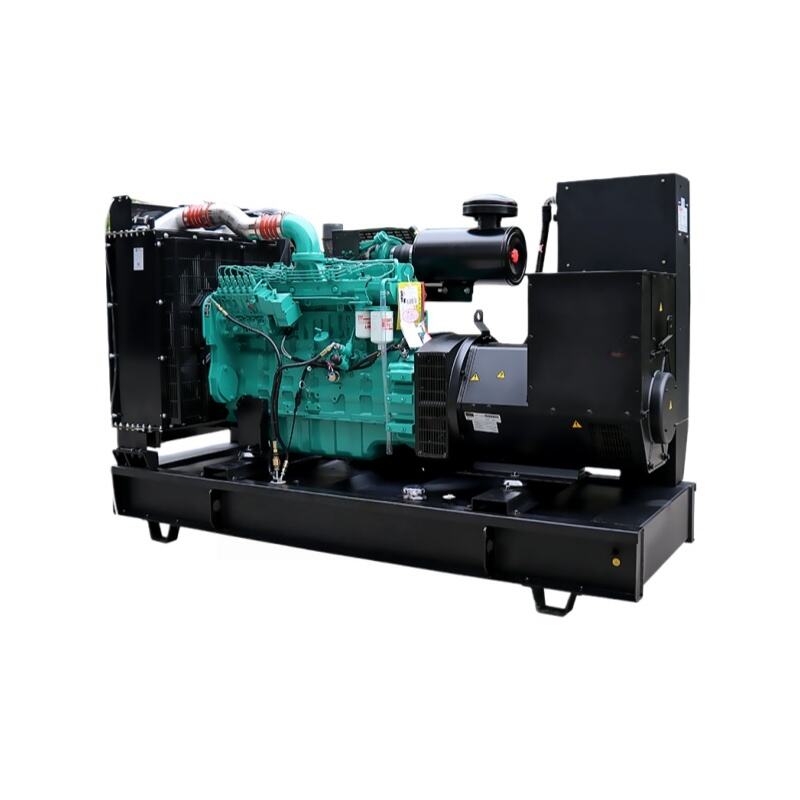
The specification methodology for backup power generators in these environments follows stringent engineering standards and considers factors such as load diversity, starting requirements, environmental conditions, and maintenance accessibility. Engineers must evaluate both steady-state power demands and transient conditions, including motor starting currents and IT equipment inrush characteristics. Additionally, the specification process must account for future expansion plans, ensuring that the selected generator systems can accommodate growing power requirements without requiring complete system replacement.
Power Load Assessment and Sizing Methodology
Critical Load Analysis for Data Centers
Data center backup power generators require precise load calculations that account for IT equipment, cooling systems, lighting, and support infrastructure. The specification process begins with a comprehensive audit of all connected loads, including servers, storage arrays, network equipment, and uninterruptible power supply systems. Engineers must consider the power factor characteristics of modern IT equipment, which typically ranges from 0.9 to 0.95 lagging, affecting the generator sizing requirements significantly.
Load diversity factors play a crucial role in generator specification, as not all equipment operates at maximum capacity simultaneously. Data center backup power generators are typically sized for 80-90% of total connected load, with additional margin for future expansion. The specification must also account for cooling system demands, which can represent 30-40% of total facility power consumption, requiring careful analysis of chiller and air handling unit starting requirements.
Modern data centers increasingly utilize variable frequency drives and power management systems that can affect generator performance. The specification process must evaluate harmonic distortion levels and ensure that selected backup power generators can handle non-linear loads without compromising voltage regulation or frequency stability. This analysis is critical for maintaining IT equipment reliability and preventing costly downtime events.
Hospital Power Requirements and Life Safety Systems
Hospital backup power generators must support life safety systems, critical care equipment, and essential building services according to NFPA 99 and NFPA 110 standards. The specification process categorizes electrical loads into different levels of criticality, with Level 1 systems requiring automatic transfer within 10 seconds. These systems include operating room equipment, intensive care units, emergency lighting, and fire alarm systems that cannot tolerate any interruption in power supply.
Medical equipment presents unique challenges for generator specification due to sensitive electronic devices that require clean, stable power. Backup power generators for hospitals must maintain tight voltage regulation within ±5% and frequency stability within ±0.5 Hz to ensure proper operation of diagnostic equipment, ventilators, and monitoring systems. The specification process must also consider the high inrush currents associated with X-ray machines and MRI systems, which can cause significant voltage dips if not properly addressed.
Hospital facilities require multiple generator units for redundancy, with each unit capable of carrying the full essential load. The specification typically includes provisions for automatic load shedding systems that prioritize life safety equipment during generator startup sequences. Additionally, fuel storage requirements for hospitals are more stringent, often requiring 48-96 hours of operation at full load to ensure continuity during extended utility outages.
Regulatory Compliance and Standards Requirements
Data Center Industry Standards and Certifications
Data center backup power generators must comply with multiple industry standards including TIA-942 for telecommunications infrastructure, ASHRAE guidelines for mechanical systems, and local electrical codes. The Uptime Institute's tier classification system significantly influences generator specification requirements, with Tier III and IV facilities requiring N+1 or 2N redundancy configurations. These standards mandate specific performance criteria for backup power generators, including startup times, voltage regulation, and parallel operation capabilities.
Environmental regulations increasingly impact generator specification, particularly for facilities seeking LEED certification or operating under strict emissions standards. Modern backup power generators for data centers must meet EPA Tier 4 emissions requirements while maintaining reliable performance characteristics. The specification process must balance environmental compliance with operational requirements, often necessitating advanced after-treatment systems or alternative fuel technologies.
Seismic and wind load requirements vary by geographic location and can significantly affect generator installation specifications. Data center backup power generators in seismically active regions require special mounting systems and flexible fuel connections to maintain operation during seismic events. The specification must also address acoustic requirements, particularly for urban installations where noise ordinances limit permissible sound levels.
Healthcare Facility Codes and Safety Standards
Hospital backup power generators must comply with comprehensive regulatory frameworks including NFPA 99 Health Care Facilities Code, NFPA 110 Emergency and Standby Power Systems, and Joint Commission accreditation requirements. These standards specify minimum fuel storage capacity, automatic transfer switch requirements, and mandatory testing protocols. The specification process must ensure that selected generators meet all applicable codes while providing reliable service for critical patient care areas.
The Centers for Medicare and Medicaid Services impose additional requirements for hospitals participating in federal programs, mandating specific backup power capabilities for different areas of the facility. Emergency power systems must provide illumination for exit routes, support essential medical equipment, and maintain environmental controls in patient care areas. Backup power generators for hospitals require automatic operation without human intervention and must include provisions for load addition and load shedding as facility conditions change.
State and local health departments often impose additional requirements beyond federal standards, particularly regarding fuel storage, emissions control, and emergency response procedures. The specification process must account for all applicable regulations and ensure that the selected generator system can meet current and future compliance requirements. Regular testing and maintenance protocols mandated by these regulations significantly influence the specification of monitoring and control systems.
System Integration and Infrastructure Considerations
Electrical Infrastructure Integration
Integrating backup power generators with existing electrical infrastructure requires careful consideration of protective coordination, grounding systems, and load transfer mechanisms. The specification process must ensure that generator output characteristics match facility electrical requirements, including voltage levels, phase configuration, and grounding arrangements. Modern facilities often utilize complex distribution systems with multiple voltage levels, requiring generators with sophisticated output configurations.
Automatic transfer switches represent critical components in generator system integration, with specification requirements varying based on application and load characteristics. Data center applications typically require closed transition transfer switches to prevent momentary power interruptions, while hospital applications may utilize open transition switches with fast transfer times. The selection and specification of transfer equipment directly impacts overall system reliability and must be coordinated with backup power generators to ensure compatible operation.
Paralleling switchgear enables multiple generators to operate together, providing increased capacity and redundancy for large facilities. The specification process must address load sharing accuracy, fault protection coordination, and synchronization requirements. Modern paralleling systems incorporate digital controls that can optimize generator loading and provide sophisticated monitoring capabilities, but require careful specification to ensure compatibility with selected generator units.
Fuel System Design and Storage Requirements
Fuel system specification for backup power generators involves complex considerations including storage capacity, delivery systems, and environmental protection measures. Data centers typically require 24-48 hours of fuel storage at full load, while hospitals may require 48-96 hours depending on local emergency response capabilities. The specification must account for fuel consumption rates at various load levels and include provisions for fuel delivery during extended outages.
Underground fuel storage tanks require specialized specification to prevent environmental contamination and ensure long-term reliability. Double-wall tank construction, leak detection systems, and corrosion protection are standard requirements that significantly impact project costs and installation complexity. Above-ground fuel storage may be preferred in some installations but requires additional fire protection measures and security considerations that affect the overall generator specification.
Fuel quality management systems are increasingly important for backup power generators, particularly those using biodiesel blends or operating in challenging environmental conditions. The specification must include provisions for fuel polishing systems, water separation equipment, and fuel testing protocols to ensure generator reliability. Modern fuel management systems can provide remote monitoring capabilities and automated maintenance functions that reduce operational costs and improve system availability.
Performance Verification and Testing Protocols
Commissioning and Acceptance Testing
Comprehensive testing protocols are essential for verifying that backup power generators meet specification requirements and perform reliably under actual operating conditions. The commissioning process typically includes factory testing, site acceptance testing, and integrated system testing with all connected loads. These tests verify generator performance characteristics including voltage regulation, frequency stability, transient response, and parallel operation capabilities.
Load bank testing represents a critical component of generator commissioning, allowing verification of performance at various load levels without impacting facility operations. The specification must define testing requirements including minimum test duration, load steps, and acceptance criteria. Modern testing protocols often include harmonic analysis and power quality measurements to ensure compatibility with sensitive electronic equipment common in data centers and hospitals.
Integrated system testing verifies proper operation of all generator system components including automatic transfer switches, paralleling equipment, and control systems. These tests simulate actual operating conditions and verify that backup power generators can successfully start, synchronize, and carry facility loads without interruption. The specification must define specific test procedures and acceptance criteria to ensure that the installed system meets performance requirements.
Ongoing Testing and Maintenance Requirements
Regular testing and maintenance protocols are mandated by regulatory standards and are essential for ensuring continued reliability of backup power generators. Monthly no-load testing and annual full-load testing are typically required, with specific procedures and documentation requirements defined by applicable codes. The specification must consider maintenance accessibility and include provisions for testing equipment and monitoring systems.
Predictive maintenance technologies are increasingly incorporated into generator specifications to minimize maintenance costs and improve reliability. Vibration monitoring, oil analysis systems, and remote monitoring capabilities can provide early warning of developing problems and optimize maintenance intervals. The specification process must evaluate these technologies and determine appropriate integration levels based on facility criticality and operational requirements.
Documentation and record-keeping requirements significantly impact the specification of control and monitoring systems for backup power generators. Regulatory compliance requires detailed logs of testing activities, maintenance performed, and system performance data. Modern generator control systems can automate much of this documentation process, but must be properly specified to meet all applicable requirements and provide necessary data for regulatory compliance and system optimization.
FAQ
What is the typical sizing margin required for backup power generators in critical facilities?
Critical facilities typically require backup power generators sized at 125-150% of calculated peak load to account for load growth, starting requirements, and derating factors. Data centers often use 80-90% load diversity factors, while hospitals may require full nameplate capacity sizing for life safety systems. The sizing margin must also consider altitude, temperature, and fuel quality derating factors that can reduce generator output capacity.
How do environmental regulations impact generator specification for urban installations?
Urban backup power generators must comply with strict emissions standards including EPA Tier 4 requirements and local air quality regulations. This often necessitates diesel particulate filters, selective catalytic reduction systems, or alternative fuel technologies. Acoustic requirements in urban areas may require sound attenuated enclosures or special installation techniques to meet local noise ordinances, significantly impacting specification and cost considerations.
What are the key differences between data center and hospital generator specifications?
Hospital backup power generators require compliance with NFPA 99 and must support life safety systems with automatic operation within 10 seconds. Data centers focus on IT load protection and typically allow longer transfer times but require superior power quality. Hospitals need longer fuel storage duration (48-96 hours) compared to data centers (24-48 hours), and hospital systems must prioritize life safety loads during startup sequences.
How do modern IT loads affect backup power generator specification?
Modern IT equipment presents high power factor loads (0.9-0.95 lagging) and significant harmonic content that affects generator sizing and performance. Backup power generators for IT applications must maintain tight voltage and frequency regulation to prevent equipment malfunction. Variable frequency drives and switch-mode power supplies common in data centers require generators with enhanced harmonic handling capabilities and superior transient response characteristics.
Table of Contents
- Power Load Assessment and Sizing Methodology
- Regulatory Compliance and Standards Requirements
- System Integration and Infrastructure Considerations
- Performance Verification and Testing Protocols
-
FAQ
- What is the typical sizing margin required for backup power generators in critical facilities?
- How do environmental regulations impact generator specification for urban installations?
- What are the key differences between data center and hospital generator specifications?
- How do modern IT loads affect backup power generator specification?