 EN
EN

Mobile generator noise levels significantly influence purchasing decisions across industrial, commercial, and residential applications. Understanding how noise control requirements shape generator selection criteria enables buyers to choose equipment that meets both power demands and acoustic compliance standards while avoiding costly operational disruptions.
Noise regulations vary dramatically between applications, with some environments requiring whisper-quiet operation below 60 decibels while others permit standard industrial noise levels. This regulatory landscape directly affects mobile generator design features, enclosure requirements, and ultimately the total cost of ownership for power solutions across different deployment scenarios.
Understanding Mobile Generator Noise Impact Factors
Engine Configuration and Noise Generation
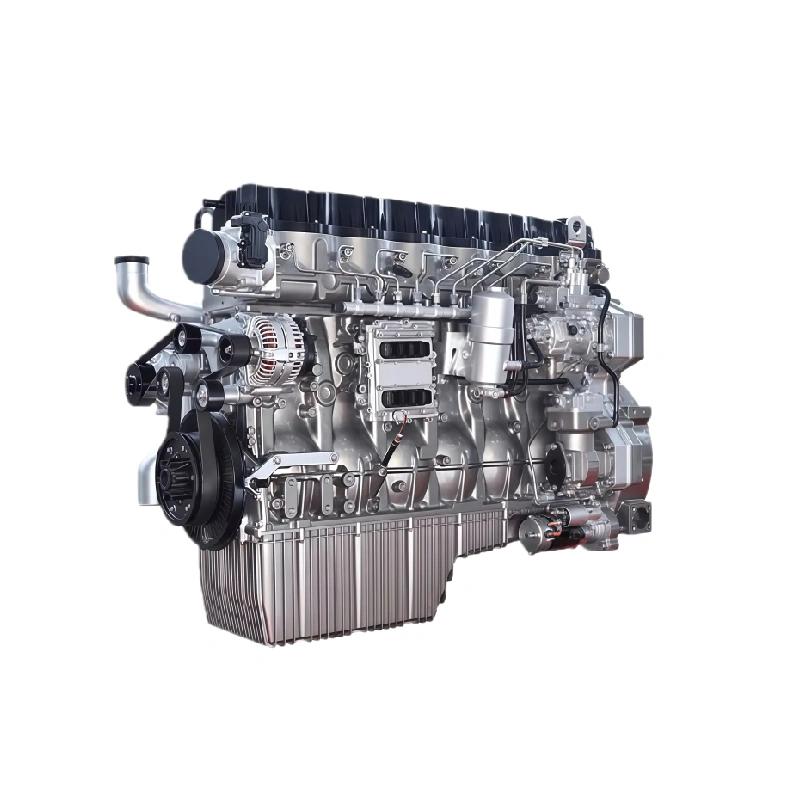
The engine type fundamentally determines baseline noise characteristics in any mobile generator system. Diesel engines typically produce higher decibel levels than their gasoline counterparts, with larger displacement engines generating proportionally more acoustic energy during operation.
Single-cylinder engines create distinctive intermittent noise patterns that can be particularly disruptive in quiet environments, while multi-cylinder configurations offer smoother acoustic profiles. The combustion cycle timing, fuel injection system design, and exhaust gas flow dynamics all contribute to the overall noise signature that buyers must consider when evaluating mobile generator options.
Variable speed operation capabilities allow modern mobile generator units to adjust engine rpm based on electrical load demands, potentially reducing noise output during low-power periods. This feature becomes especially valuable in applications where power requirements fluctuate throughout operational cycles.
Enclosure Design and Sound Attenuation
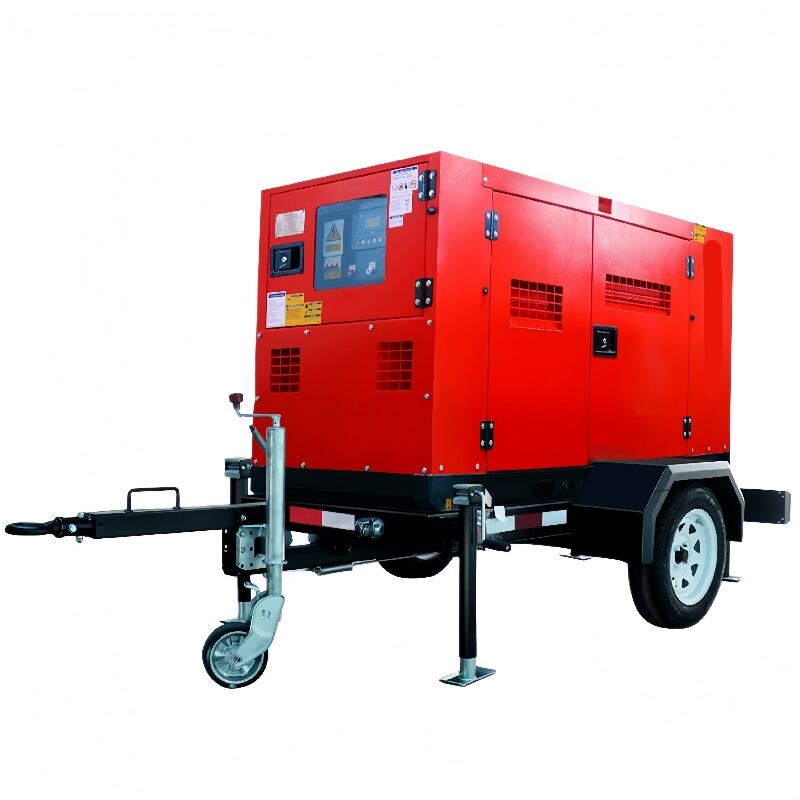
Acoustic enclosures represent the primary noise control method employed in mobile generator manufacturing, with materials and design approaches varying significantly between standard and super-quiet models. Multi-layer sound dampening systems incorporate dense foam barriers, mass-loaded vinyl sheets, and perforated metal panels to achieve substantial decibel reductions.
Ventilation requirements create inherent challenges in enclosure design, as cooling airflow paths can compromise acoustic sealing effectiveness. Engineers must balance thermal management needs with sound attenuation goals, often resulting in complex baffle systems that maintain adequate cooling while minimizing noise escape routes.
Weather-resistant enclosure materials must maintain acoustic properties across temperature extremes and humidity variations, influencing both initial costs and long-term maintenance requirements for mobile generator installations.
Regulatory Compliance Requirements
Municipal and Zoning Noise Ordinances
Local noise ordinances establish specific decibel limits for different zoning classifications, with residential areas typically requiring the quietest mobile generator operation levels. Commercial zones may permit moderate noise increases, while industrial areas often allow standard generator noise output without special acoustic treatments.
Time-of-day restrictions further complicate mobile generator selection, as many jurisdictions enforce stricter noise limits during evening and overnight hours. Emergency backup generators may receive exemptions from standard noise regulations, but planned maintenance operations and testing procedures must still comply with local acoustic requirements.
Permit applications for temporary power installations frequently require documented noise level specifications, making acoustic performance data a critical factor in mobile generator procurement decisions for construction, events, and emergency response applications.
Industry-Specific Acoustic Standards
Healthcare facilities demand exceptionally quiet mobile generator operation to avoid disrupting patient care environments, with many hospitals specifying maximum noise levels well below standard equipment capabilities. These requirements often necessitate custom acoustic treatments or specialized low-noise generator designs.
Educational institutions face similar challenges during daytime operations when mobile generator noise could interfere with classroom instruction or testing environments. Summer construction projects at schools frequently require super-quiet generator rental units to maintain acceptable acoustic conditions.
Film production and broadcasting applications represent extreme cases where mobile generator noise must remain virtually inaudible to sensitive recording equipment, driving demand for premium acoustic enclosure designs and specialized mounting systems that minimize vibration transmission.
Cost Implications of Noise Control Features
Initial Purchase Price Variations
Standard mobile generator models without special acoustic treatments typically offer the lowest initial purchase costs, making them attractive for applications where noise restrictions are minimal. However, the price premium for sound-attenuated versions can range from 20% to 50% above baseline equipment costs depending on the required noise reduction level.
Super-quiet mobile generator designs command the highest prices due to advanced enclosure materials, precision manufacturing requirements, and additional engineering complexity. These units may cost double the price of standard models while delivering noise reductions of 15-25 decibels compared to unenclosed generators.
Custom acoustic solutions for specialized applications can push mobile generator costs even higher, particularly when unique enclosure designs or exotic sound-dampening materials are required to meet specific noise compliance standards.
Operational and Maintenance Cost Factors
Acoustic enclosures can impact mobile generator maintenance accessibility, potentially increasing service time and labor costs for routine inspections and repairs. Removable panels and service doors help mitigate these concerns but add complexity to the overall enclosure design.
Thermal management challenges in sound-attenuated mobile generator units may require more frequent cooling system maintenance or premium-grade fluids to ensure reliable operation under reduced ventilation conditions. These ongoing costs should factor into total ownership calculations.
Noise control features generally improve mobile generator resale values, particularly in markets where acoustic compliance requirements are becoming more stringent over time. The initial premium investment often recovers partially through higher residual equipment values.
Selection Criteria Based on Application Requirements
Site Assessment and Noise Mapping
Professional noise assessments help determine appropriate mobile generator specifications by measuring ambient sound levels and identifying sensitive receptor locations around proposed installation sites. These evaluations consider distance attenuation effects, terrain features, and existing structures that influence sound propagation patterns.
Property line measurements establish baseline requirements for mobile generator acoustic performance, with regulations typically specifying maximum permissible noise increases above ambient levels rather than absolute decibel limits.
Time-weighted noise analysis accounts for varying sensitivity periods throughout daily and weekly cycles, helping buyers understand when enhanced acoustic performance may be most critical for successful mobile generator deployment.
Power Requirements vs. Acoustic Performance
Higher power mobile generator units typically produce proportionally more noise due to larger engines and increased airflow requirements, creating natural tension between capacity needs and acoustic compliance goals. Load analysis helps identify opportunities for smaller, quieter units that meet actual power demands rather than oversized specifications.
Multiple smaller mobile generator units can sometimes provide better acoustic performance than single large units, particularly when load management systems allow sequential startup and shutdown based on demand patterns. This approach also improves system redundancy and maintenance flexibility.
Variable speed technology enables mobile generator units to operate at reduced noise levels during partial load conditions, providing significant acoustic benefits for applications with fluctuating power requirements throughout operational cycles.
FAQ
What noise levels can I expect from standard mobile generators?
Standard mobile generator units typically produce noise levels between 65-75 decibels at 23 feet (7 meters) distance, while sound-attenuated models reduce this to 55-65 decibels. Super-quiet units can achieve levels below 60 decibels through advanced acoustic enclosures and specialized design features.
How do local noise regulations affect mobile generator rental decisions?
Local noise ordinances directly determine which mobile generator models are legally permissible for specific sites and operating hours. Rental companies often maintain fleets of both standard and sound-attenuated units to meet varying regulatory requirements, with quiet models commanding higher rental rates due to their specialized design features.
Can mobile generator noise levels be reduced after purchase?
Aftermarket acoustic treatments can provide modest noise reductions of 5-10 decibels through sound barriers, muffler upgrades, and vibration isolation systems. However, significant noise reduction typically requires factory-designed acoustic enclosures that integrate properly with cooling and ventilation systems.
Do quieter mobile generators sacrifice reliability or performance?
Modern sound-attenuated mobile generator designs maintain equivalent reliability and power output compared to standard models through careful thermal management and robust construction. Some premium quiet units actually demonstrate enhanced durability due to better protection from environmental elements and reduced vibration levels during operation.