 EN
EN

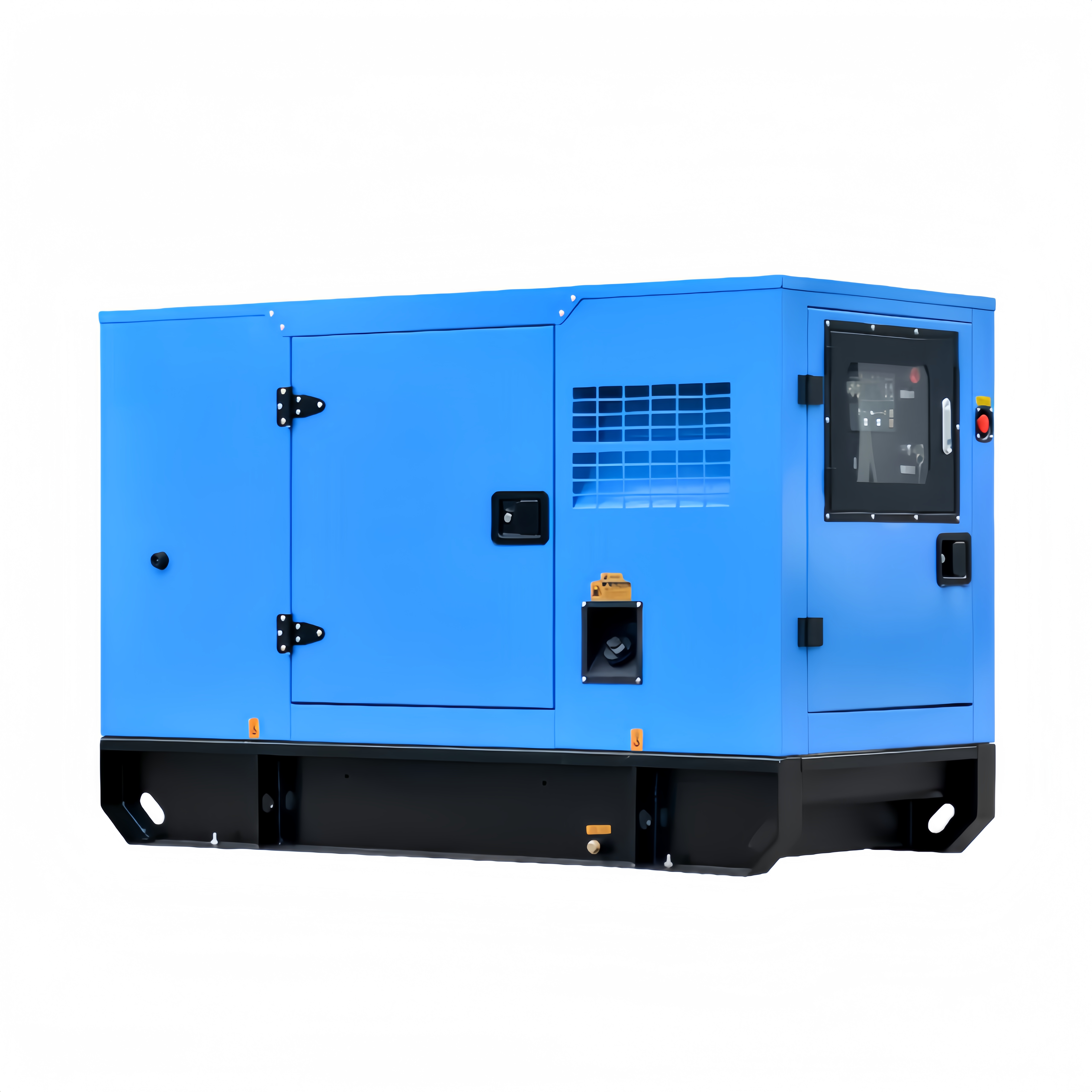
Selecting the right generator for construction sites is one of the most critical decisions a project manager or site engineer will make before breaking ground. Construction environments are uniquely demanding — they involve heavy equipment, unpredictable load swings, outdoor exposure, and the constant pressure of project timelines. A poorly chosen power solution can stall operations, damage sensitive machinery, cause safety hazards, and drive up costs in ways that are difficult to recover from mid-project. Understanding how to match a generator to a site's actual power requirements is therefore not just a technical exercise — it is a business-critical decision.
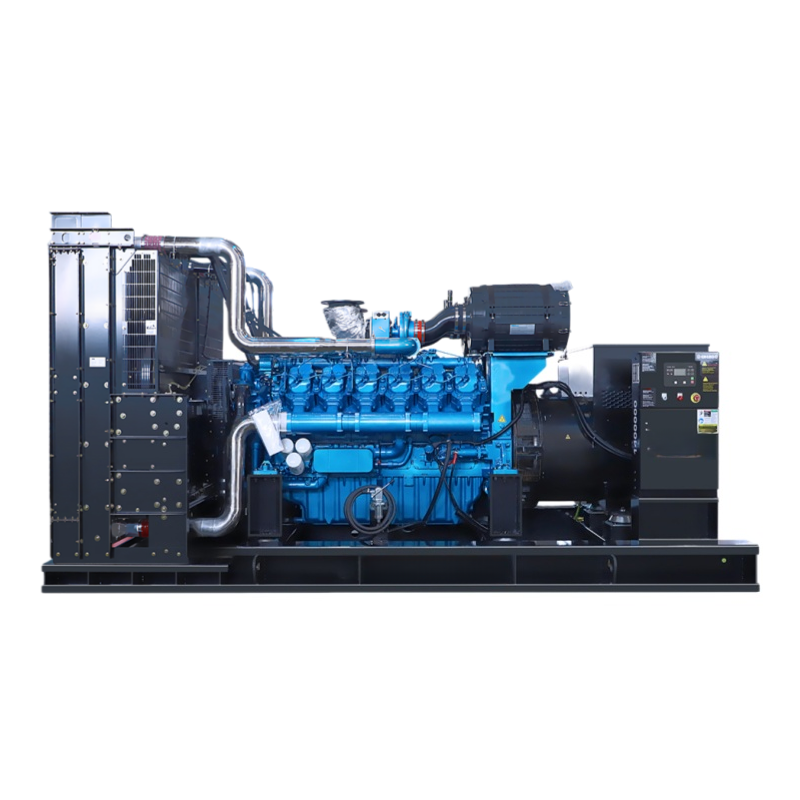
This guide walks through the essential considerations that go into choosing the best generator for construction sites, covering power capacity, fuel type, mobility, noise compliance, and durability requirements. Whether you are managing a small residential build or a large-scale commercial development, the principles remain consistent: match the generator's capabilities to the site's real-world demands, and factor in operational flexibility to handle the unexpected. The sections below provide a structured framework for making that decision with confidence.
Understanding Power Requirements on a Construction Site
Calculating the Total Load Demand
Before selecting a generator for construction sites, the first step is performing an accurate load assessment. This means identifying every piece of electrical equipment that will be running simultaneously at peak demand — including power tools, lighting systems, compressors, welding equipment, water pumps, hoists, and temporary site offices. Each piece of equipment has a rated wattage, but motors and compressors also have a startup surge current that can be two to three times higher than the running current.
To avoid undersizing, engineers typically calculate the total running load and then add a surge margin of 20 to 30 percent. This buffer ensures the generator can handle sudden load spikes without tripping, stalling, or causing voltage fluctuations that damage sensitive electronics. A generator that is consistently running at or near its maximum rated capacity will also experience accelerated wear, so proper sizing protects both the equipment and the power source itself.
It is also important to distinguish between standby power ratings and prime power ratings. A generator for construction sites that is used as the primary power source — rather than backup — should be selected based on its prime power rating, which represents continuous output under variable load conditions. Using a standby-rated unit for primary construction site duty is a common and costly mistake.
Accounting for Load Variability Over the Project Lifecycle
Construction sites are dynamic environments where power demand fluctuates significantly from phase to phase. During foundation work, heavy drilling and pumping equipment may dominate the load profile. During structural framing, welding machines and lifting hoists take over. As finishing work begins, lighting, HVAC units, and precision tools become the primary consumers. A smart approach to generator selection accounts for this variability rather than sizing for a single moment in time.
Some project teams opt for a modular power strategy — using multiple smaller generators that can be added or removed as the project progresses. Others invest in a single higher-capacity generator for construction sites that can carry the full project load from start to finish. The right choice depends on project duration, budget, site logistics, and how easily the equipment can be relocated or scaled. For long-duration commercial builds, a robust high-capacity diesel generator often proves to be the more economical solution over time.
Fuel Type Selection and Its Practical Implications
Diesel as the Dominant Choice for Heavy-Duty Sites
Diesel remains the most widely used fuel type for a generator for construction sites, and for good reason. Diesel engines offer superior fuel efficiency at high load factors, better torque for motor-heavy environments, and greater durability under continuous operation. Diesel fuel is also widely available in most markets and relatively straightforward to store on-site in bulk tanks, which reduces the frequency of refueling logistics and associated downtime.
Modern diesel generators equipped with electronic control systems, automatic voltage regulators, and advanced alternators — such as brushless designs — provide stable, clean power output that is suitable even for sensitive construction IT systems, measurement instruments, and BMS equipment. A well-maintained diesel generator for construction sites can operate reliably for tens of thousands of hours, making it a strong long-term investment for contractors who frequently move between projects.
Emissions compliance is an important consideration when choosing diesel. Many urban and residential construction zones are subject to Tier 4 or equivalent emissions standards, which require modern diesel engines with particulate filters and exhaust after-treatment. Selecting a generator that meets local emissions regulations avoids potential fines, permit issues, and community complaints.
Gas and Hybrid Options for Specific Use Cases
Natural gas and LPG-powered generators are occasionally used on construction sites where a gas supply is already available or where emissions restrictions are particularly stringent. These fuels produce fewer particulate emissions than diesel and can be cost-effective in regions with low gas prices. However, gas generators are generally less practical for mobile construction environments because of the complexity of fuel supply logistics and the lower energy density of gas compared to diesel.
Hybrid generator systems — which combine a diesel engine with battery storage — are an emerging option for construction sites that require quiet operation during certain hours or want to reduce overall fuel consumption. These systems allow the generator to operate at optimal efficiency while batteries handle short-duration peak loads or provide power during low-demand periods. While the upfront cost is higher, hybrid systems can reduce both fuel costs and noise levels, which is particularly relevant for sites in urban settings.
Portability, Mobility, and Site Logistics
Towable vs. Stationary Generators for Construction Use
The physical form factor of a generator for construction sites has significant implications for operational efficiency. Towable generators mounted on trailers offer maximum flexibility — they can be repositioned as the active work area shifts, transported easily between project sites, and set up without crane or forklift assistance. For smaller projects or contractors managing multiple simultaneous sites, towable generators are often the most practical choice.
Stationary or containerized generators, on the other hand, are better suited for large-scale projects where a centralized power distribution strategy makes more sense. A high-capacity containerized unit installed at a fixed location on site, with power cables distributed to work zones, reduces the complexity of managing multiple mobile units and simplifies fuel management, maintenance scheduling, and access control. For major commercial or infrastructure projects lasting months or years, this approach offers better total cost management.
Ease of Transport and On-Site Setup
When evaluating a generator for construction sites, consider not only how it will arrive at the site but also how it will be positioned, connected, and serviced. Generators in the 100 kW to 500 kW range typically require forklift access or a crane for placement. Confirming that the site has the equipment and access routes to handle the generator before purchase or rental can prevent costly delays on delivery day.
Connections to the site's temporary distribution board, grounding requirements, fuel delivery access, and service panel accessibility should all be factored into the site layout planning. A generator that is difficult to access for routine oil changes, filter replacements, and load bank testing will be serviced less frequently, increasing the risk of failure during critical project phases.
Noise Levels, Enclosures, and Regulatory Compliance
Understanding Noise Regulations in Construction Zones
Noise is a frequently underestimated factor when selecting a generator for construction sites. Most municipalities impose noise limits on construction activity, and generators — which operate continuously throughout the working day — are often a significant source of site noise. Exceeding permitted noise levels can result in complaints, stop-work orders, and reputational damage, particularly for contractors working in residential neighborhoods or near schools and hospitals.
Generator noise is measured in decibels at a specified distance — typically 7 meters. Open-frame generators are the loudest and are typically only suitable for remote or industrial sites where noise is not a constraint. Sound-attenuated or 'low-noise' canopy enclosures reduce operating noise significantly and are the standard specification for urban and suburban construction projects. Always confirm the dB(A) rating of the generator at the relevant measurement distance before committing to a purchase or rental.
Selecting the Right Enclosure for Site Conditions
Beyond noise reduction, enclosures protect the generator from weather, dust, and debris — all of which are abundant on active construction sites. A weather-proof canopy with adequate ventilation, dust filtration, and IP-rated electrical panels ensures reliable performance in harsh environments. For sites in regions with extreme temperature variation, selecting a generator with appropriate cold-start capability or tropical cooling configurations matters as much as the raw power output.
The generator for construction sites should be evaluated holistically — enclosure quality, cooling system design, control panel protection level, and exhaust routing all contribute to long-term reliability in the field. A generator that performs well in a factory acceptance test but degrades rapidly under real-world site conditions is not a cost-effective choice regardless of its initial price point.
Engine Brand, Alternator Quality, and Support Infrastructure
Why Engine and Alternator Specifications Matter
The engine and alternator are the two core components that determine the quality and longevity of a generator for construction sites. Reputable diesel engines from well-established manufacturers provide predictable performance, broad parts availability, and documented service intervals. For high-demand construction applications, engines with electronic governors, common rail fuel injection, and robust cooling systems deliver better load response and fuel efficiency than older mechanical designs.
The alternator determines the quality of the electrical output. Brushless alternators are strongly preferred for construction use because they require less maintenance, produce cleaner voltage waveforms, and are more resistant to the demanding load cycles typical of construction environments. A brushless alternator with a low total harmonic distortion rating protects variable-speed tools, inverter drives, and electronic control systems from power quality damage — an increasingly important consideration as modern construction equipment becomes more electronically sophisticated.
After-Sales Support and Parts Availability
For contractors, a generator for construction sites is only as reliable as the support ecosystem behind it. Before purchasing, evaluate the supplier's ability to provide spare parts within acceptable lead times, on-site service support, and remote diagnostics capability. A generator failure at a critical project milestone can cost far more in delayed completion penalties and labor idle time than the value of the generator itself.
Service contracts, preventive maintenance schedules, and genuine parts supply chains should all be confirmed before finalizing the purchase. Contractors managing multiple simultaneous projects benefit from standardizing on a single generator platform that allows parts inventory to be shared across sites, simplifying maintenance logistics and reducing the risk of unexpected downtime. Choosing a generator for construction sites from a supplier with a well-established service network is as important as the technical specifications on the data sheet.
Ultimately, the decision-making process for a generator for construction sites requires balancing technical capability, operational practicality, regulatory compliance, and total lifecycle cost. A generator that is correctly sized, fuel-efficient, noise-compliant, and well-supported will deliver far greater value than one selected purely on the basis of upfront price. Taking the time to evaluate all of these dimensions before committing to a solution is the hallmark of experienced construction procurement.
FAQ
What size generator do I need for a typical construction site?
The correct size depends on your total connected load, including all tools, equipment, lighting, and temporary facilities operating simultaneously. A good starting point is to calculate the sum of all running loads and add a 25 to 30 percent surge buffer. For medium to large commercial construction projects, generators in the 200 kW to 500 kW range are commonly used, though exact sizing should always be based on a formal load assessment specific to your site.
Is a diesel generator always the best choice for construction sites?
Diesel is the most practical choice for the majority of construction sites due to its fuel efficiency, high torque output, fuel availability, and durability under continuous operation. However, sites in areas with strict emissions regulations, or those located near sensitive communities, may benefit from exploring gas or hybrid alternatives. The best choice depends on your site's specific regulatory environment, fuel supply infrastructure, and operational requirements.
How important is noise rating when choosing a generator for construction sites?
Noise rating is critically important for urban, suburban, or environmentally sensitive construction sites. Many local authorities enforce noise limits during specific hours, and generators that exceed these limits can result in stop-work orders. Always check the generator's dB(A) rating at 7 meters and compare it to your local noise ordinance requirements. Low-noise canopy enclosures are standard for most commercial and residential construction environments.
Should I rent or buy a generator for my construction project?
The rent-vs-buy decision depends on project duration, frequency of future use, and capital budget. For contractors who regularly take on large projects, owning a high-quality generator for construction sites typically offers better long-term economics and operational control. For one-off projects or those requiring specialized equipment, rental may be more cost-effective. Consider the total cost of ownership, including maintenance, storage, and transport, when making this comparison.