 EN
EN

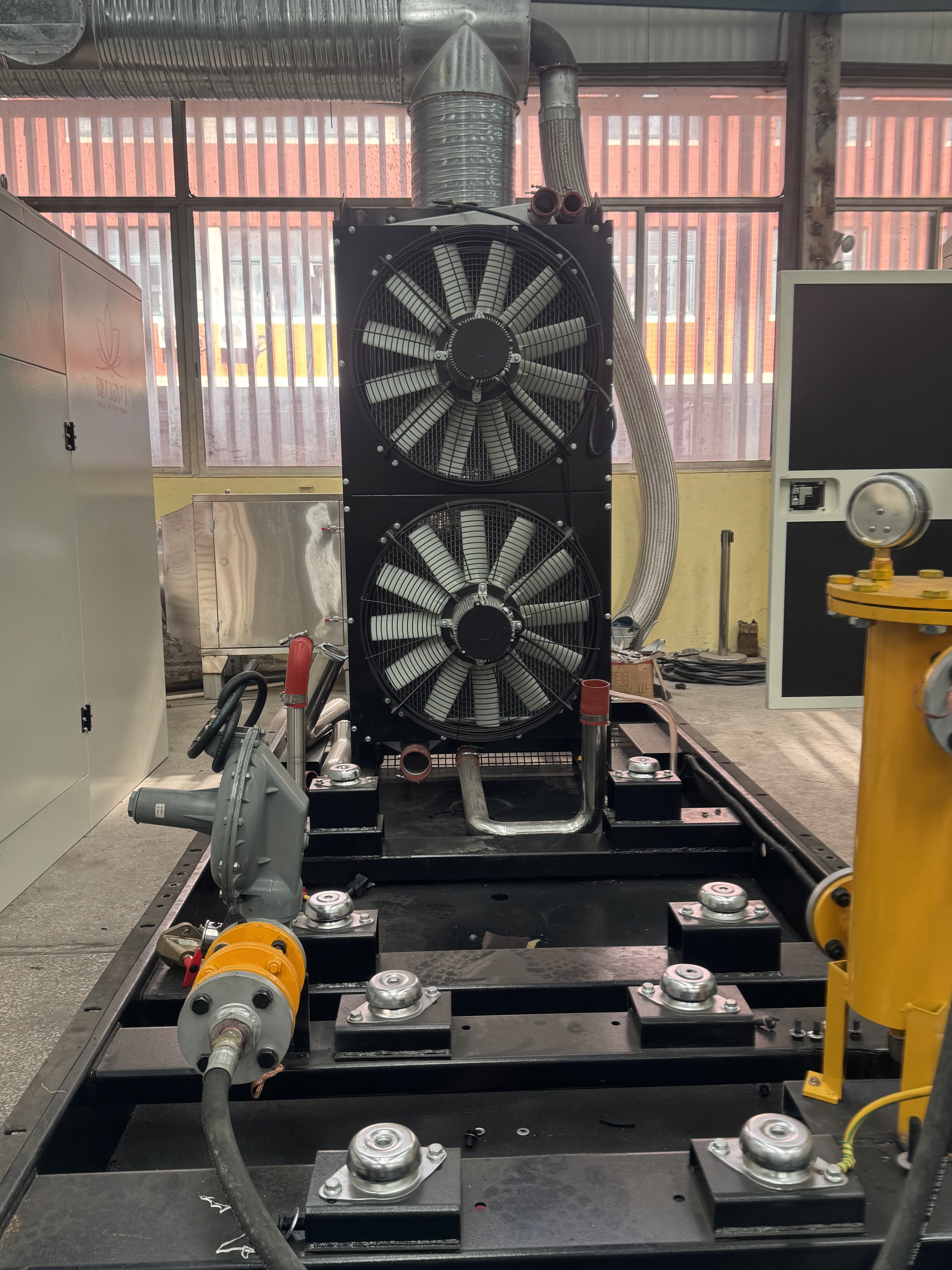
Mining operations demand power solutions that are as tough and relentless as the environments they serve. Whether deep underground, on a remote open-pit site, or at a processing facility located far from the nearest utility grid, every aspect of a mine's productivity depends on reliable electricity. Selecting the right mining diesel generator is not simply a procurement decision — it is a strategic investment that directly affects operational continuity, worker safety, and the bottom line. Understanding what makes a generator truly fit for mining use is the first step toward making the right choice.
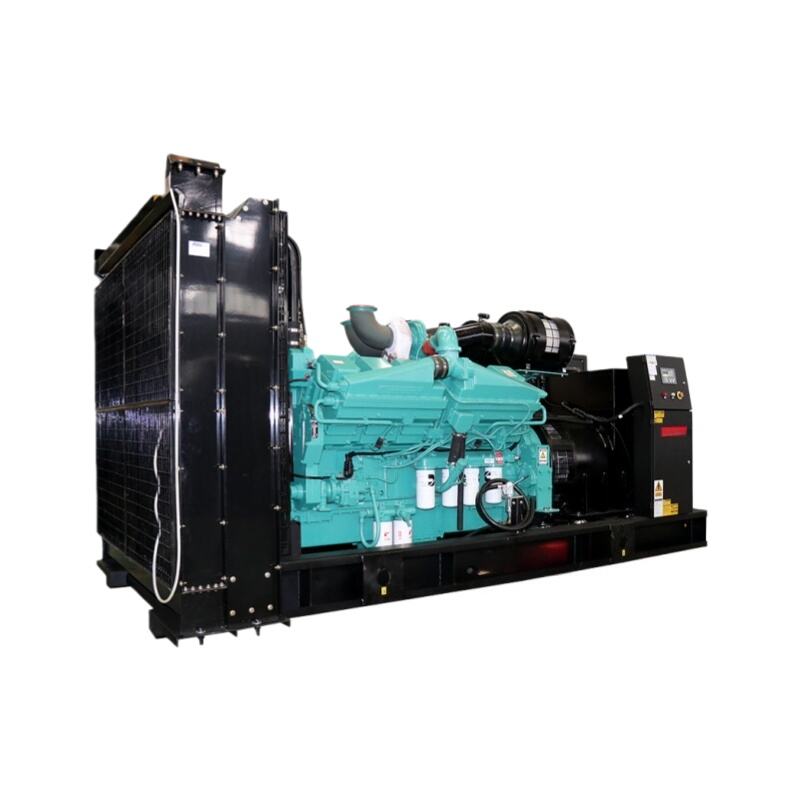
The complexity of mining power requirements sets this industry apart from most other commercial or industrial sectors. A mining diesel generator must withstand extreme temperatures, heavy vibration, high-altitude conditions, constant heavy loads, and often continuous 24/7 runtime. At the same time, it must comply with increasingly strict environmental regulations and offer enough flexibility to scale with the evolving power demands of a growing operation. This article explores the key considerations that mining engineers, site managers, and procurement teams must evaluate before committing to a generator solution.
Understanding the Power Demands of Mining Sites
High and Variable Load Requirements
Mining sites rarely operate with a consistent or predictable power load. Crushers, conveyors, pumps, ventilation fans, hoisting systems, and lighting grids all draw power simultaneously and at varying intensities. A mining diesel generator sized for average load will fail to support peak demand moments, leading to tripping events, equipment shutdowns, and potentially dangerous situations underground. Accurate load profiling — accounting for both continuous load and peak surge demand — is essential before any generator selection can begin.
The starting currents of large electric motors, especially those driving compressors and hoisting equipment, can momentarily reach three to six times the running current. A mining diesel generator must have sufficient transient load handling capacity to absorb these spikes without significant voltage or frequency deviation. Units with high motor starting capability ratings and robust alternator designs are strongly preferred in mining environments where simultaneous motor starts are routine.
Load growth over time is another critical consideration. As a mining operation expands — adding new galleries, deepening shafts, or increasing processing throughput — power demand grows accordingly. Specifying a mining diesel generator with a reasonable headroom above current demand, or selecting a scalable parallel-ready configuration, protects the investment from becoming inadequate within a short operational window.
Continuous vs. Standby vs. Prime Power Configurations
Not all generator ratings are equivalent, and misunderstanding this point is one of the most costly mistakes in mining power planning. A standby-rated mining diesel generator is designed for limited hours of operation per year and cannot safely run at full load continuously. In contrast, a prime-rated unit is engineered to operate as the primary power source with no fixed time limit, making it the appropriate choice for remote mining sites that rely entirely on diesel generation.
Continuous power ratings represent the most demanding classification, where the generator must sustain 100% of its rated load indefinitely. This classification is relevant for mines where energy-intensive processing occurs around the clock. Selecting the wrong rating category for a mining diesel generator leads to premature engine wear, reduced service intervals, and ultimately a shortened operational lifespan — all of which translate into unplanned costs and downtime.
Environmental and Site Conditions That Affect Generator Selection
Altitude and Temperature Derating
Many major mining operations are located at high altitudes — copper mines in the Andes, gold mines on African plateaus, and coal operations in mountainous regions all sit well above sea level. At high altitude, air density decreases, which directly reduces the volumetric efficiency of a diesel engine. As a result, a mining diesel generator operating at 3,000 meters above sea level may produce significantly less power than its nameplate rating suggests at sea level conditions.
Reputable mining diesel generator suppliers provide altitude derating charts or correction factors that allow site engineers to calculate the actual available power at a specific elevation. Some engines are fitted with turbochargers and aftercoolers specifically to compensate for altitude-related air density loss. When specifying a generator for a high-altitude mine, it is critical to obtain derated output figures and to size the unit based on those real-world numbers rather than nominal specifications.
Ambient temperature extremes present a similar challenge. In desert open-pit mines, daytime air temperatures can exceed 45°C, which impairs both engine cooling and alternator thermal performance. In high-altitude or arctic mining environments, sub-zero temperatures create cold-start challenges and require pre-heating systems, arctic-grade lubricants, and insulated enclosures. A properly specified mining diesel generator must account for the full range of site temperatures encountered across all seasons of operation.
Dust, Moisture, and Corrosive Atmospheres
Mining environments generate extraordinary quantities of airborne dust — fine silica particles, coal dust, metallic ore dust — all of which can infiltrate air filtration systems, contaminate fuel, and accelerate engine wear if not properly managed. A mining diesel generator intended for use on or near active working faces must be equipped with high-efficiency multi-stage air filtration systems and dust-resistant enclosures that meet appropriate ingress protection ratings.
Underground mines also introduce humidity challenges. Groundwater seepage, ventilation air moisture, and the natural humidity of deep rock environments create conditions where electrical components and control systems are vulnerable to corrosion. The alternator windings, control panels, and switchgear of a mining diesel generator used underground should incorporate moisture-resistant insulation, conformal coatings on circuit boards, and stainless steel or coated enclosures where practical.
Certain mines — particularly those processing sulfide ores or operating near chemical treatment plants — expose equipment to corrosive gases such as hydrogen sulfide or sulfur dioxide. For these applications, the enclosure design, ventilation strategy, and material selection for a mining diesel generator must factor in chemical resistance alongside the more conventional durability requirements.
Fuel Management and Operational Efficiency
Fuel Consumption and Total Operating Cost
In remote mining operations, fuel is not simply a commodity — it is a logistical challenge. Every liter of diesel must be transported to the site, stored safely, and managed carefully to prevent contamination, theft, and supply shortfalls. The fuel consumption rate of a mining diesel generator therefore has a direct and compounding effect on the total cost of operation over the life of a project.
Modern mining diesel generator models benefit from electronically controlled fuel injection systems, optimized combustion geometry, and advanced governor technology to achieve favorable specific fuel consumption rates across a wide load range. Selecting a unit that maintains good fuel efficiency at partial loads — which is common during night shifts or maintenance windows — can yield substantial savings over a multi-year mine life. Evaluating fuel consumption at 25%, 50%, 75%, and 100% load points gives a more complete efficiency picture than peak-load ratings alone.
Parallel operation of multiple generators offers an additional efficiency pathway. Rather than running one oversized mining diesel generator at low load efficiency, a parallel set configuration allows individual units to be switched on or off based on real-time demand, keeping all active units operating within their efficient load bands. This approach also improves redundancy and simplifies maintenance scheduling without full site shutdowns.
Fuel Quality, Storage, and Contamination Control
Diesel fuel quality in remote mining regions is frequently inconsistent. High sulfur content, microbial contamination from prolonged storage, water ingress, and sediment accumulation are documented problems at mine sites worldwide. A mining diesel generator fitted with advanced fuel filtration — including pre-filters, water separators, and fine final-stage filters — provides a degree of protection against these real-world fuel quality challenges.
Fuel storage tank design is equally important. Day tanks should be sized to allow adequate fuel dwell time for water to settle and be drained before combustion. Main bulk storage tanks should incorporate floating suction tubes, bottom drain valves, and regular water-and-sediment testing protocols. The interaction between fuel system engineering and the mining diesel generator's engine design determines how reliably the unit will perform when fuel quality is less than ideal.
Maintenance, Serviceability, and Lifecycle Support
Designing for Maintainability in Harsh Conditions
Maintenance access on a remote mining site is fundamentally different from maintaining equipment in a well-equipped urban workshop. Spare parts lead times can extend to weeks or months. Qualified technicians may need to travel long distances. Crane access for lifting heavy components may be limited. These realities make the maintainability of a mining diesel generator a critical selection criterion, not an afterthought.
Key serviceability features to evaluate include the accessibility of filters, belts, and fluid service points from ground level without special lifting equipment; the availability of exploded service diagrams and digital maintenance documentation; the degree to which common wear parts are standardized across global supply chains; and the robustness of the enclosure design to prevent maintenance-induced damage from grit and debris during open-air servicing.
Remote monitoring and telematics capabilities have become increasingly important for mining diesel generator management at multi-site or large-scale operations. The ability to track fuel consumption, engine runtime hours, fault codes, and load profiles remotely enables proactive maintenance scheduling and early fault detection — both of which reduce unplanned downtime and extend the interval between major service events.
Long-Term Parts Availability and Supplier Support
A mining project may span a decade or more. During that time, the mining diesel generator at its core must remain supportable through an active supply chain for engine parts, alternator components, control system firmware, and consumable service items. Specifying equipment from suppliers with documented long-term parts support commitments and globally distributed service networks reduces lifecycle risk considerably.
Engine platform selection is particularly consequential. Diesel engine families with broad industrial adoption tend to have superior parts availability, a wider pool of qualified service technicians, and better long-term manufacturer support than niche or proprietary platforms. When evaluating a mining diesel generator, understanding the underlying engine's global installed base and manufacturer support policy is as important as evaluating its initial performance specifications.
Safety, Compliance, and Emissions Considerations
Safety Standards for Underground and Surface Mining
Mining is one of the most regulated industries globally, and the power systems that support mine operations are subject to strict safety standards. For underground applications, a mining diesel generator must typically comply with regulations governing exhaust emission limits, fire suppression requirements, enclosure temperature limits, and explosion-proof or flameproof certifications where applicable in gassy mine atmospheres.
Exhaust particulate and nitrogen oxide emissions from underground diesel equipment directly affect air quality in confined working spaces. Diesel Particulate Filters (DPF), Selective Catalytic Reduction (SCR) systems, and oxidation catalysts are increasingly mandated for underground mining equipment in many jurisdictions. Specifying a mining diesel generator that meets the required emission tier level for the operating jurisdiction — whether Tier 4 Final, Stage V, or an equivalent international standard — is a compliance prerequisite, not an optional feature.
Surface mining operations are not exempt from safety and environmental oversight. Noise regulations, visual screening requirements, bunding for fuel containment, and local air quality standards all impose constraints on how a mining diesel generator is installed, operated, and maintained. Acoustic enclosure options, automatic fuel shutoff systems, and integrated bunded base frames are features that facilitate compliance with these surface-level regulatory requirements.
Electrical Protection and Grid Interface Requirements
Mining electrical systems are complex networks that must be protected against faults, overloads, and islanding conditions. A mining diesel generator integrated into a mine's distribution network must be compatible with the site's protection relay settings, earthing system, and automatic transfer switching requirements. Improper integration can result in nuisance tripping, equipment damage, or hazardous fault conditions.
When multiple generators are paralleled — a common configuration for large mines — synchronization accuracy, load sharing stability, and reactive power management all become engineering considerations that affect both safety and equipment longevity. Generator control systems with advanced droop characteristics, isochronous load sharing, and automatic synchronization ensure stable parallel operation even as site loads fluctuate dynamically.
FAQ
What size mining diesel generator is typically needed for a medium-scale mining operation?
The correct generator size depends entirely on the specific load profile of the operation, including the running load of all connected equipment, the peak surge demand during motor starting events, and a reasonable headroom for load growth. Medium-scale mining operations commonly require generator sets ranging from several hundred kilowatts to multiple megawatts. A detailed load analysis performed by a qualified electrical engineer is the only reliable basis for sizing a mining diesel generator accurately for a specific site.
Can a mining diesel generator operate continuously without scheduled downtime?
A prime-rated or continuous-rated mining diesel generator is designed for extended uninterrupted operation, but all diesel generating sets require scheduled maintenance at manufacturer-specified intervals — typically based on engine running hours. Maintenance intervals for oil changes, filter replacements, coolant checks, and belt inspections must be planned into the operational schedule. Parallel generator configurations allow maintenance on individual units while the remaining set continues to supply site power, effectively achieving near-continuous availability at the system level.
How does high altitude affect the performance of a mining diesel generator?
At high altitude, reduced air density limits the amount of oxygen available for combustion, which causes a diesel engine to produce less power than its sea-level nameplate rating. This effect is known as altitude derating. The degree of derating depends on the specific altitude, the engine's aspiration type (naturally aspirated engines derate more severely than turbocharged units), and the ambient temperature. Mining sites above 1,000 meters should consult the engine manufacturer's derating tables and select a mining diesel generator with sufficient rated capacity to meet demand after applying the relevant correction factors.
What emission standards apply to diesel generators used in underground mines?
Emission standards for underground mining diesel equipment vary by country and jurisdiction, but many regions now require compliance with strict particulate matter and nitrogen oxide limits to protect worker health in confined underground environments. In regulated markets, a mining diesel generator intended for underground use may need to meet Tier 4 Final, Stage V, or equivalent national standards, and may require an after-treatment system such as a Diesel Particulate Filter. Site operators should consult the applicable mining safety regulations and environmental permits for their specific jurisdiction before specifying underground power equipment.
Table of Contents
- Understanding the Power Demands of Mining Sites
- Environmental and Site Conditions That Affect Generator Selection
- Fuel Management and Operational Efficiency
- Maintenance, Serviceability, and Lifecycle Support
- Safety, Compliance, and Emissions Considerations
-
FAQ
- What size mining diesel generator is typically needed for a medium-scale mining operation?
- Can a mining diesel generator operate continuously without scheduled downtime?
- How does high altitude affect the performance of a mining diesel generator?
- What emission standards apply to diesel generators used in underground mines?