 EN
EN

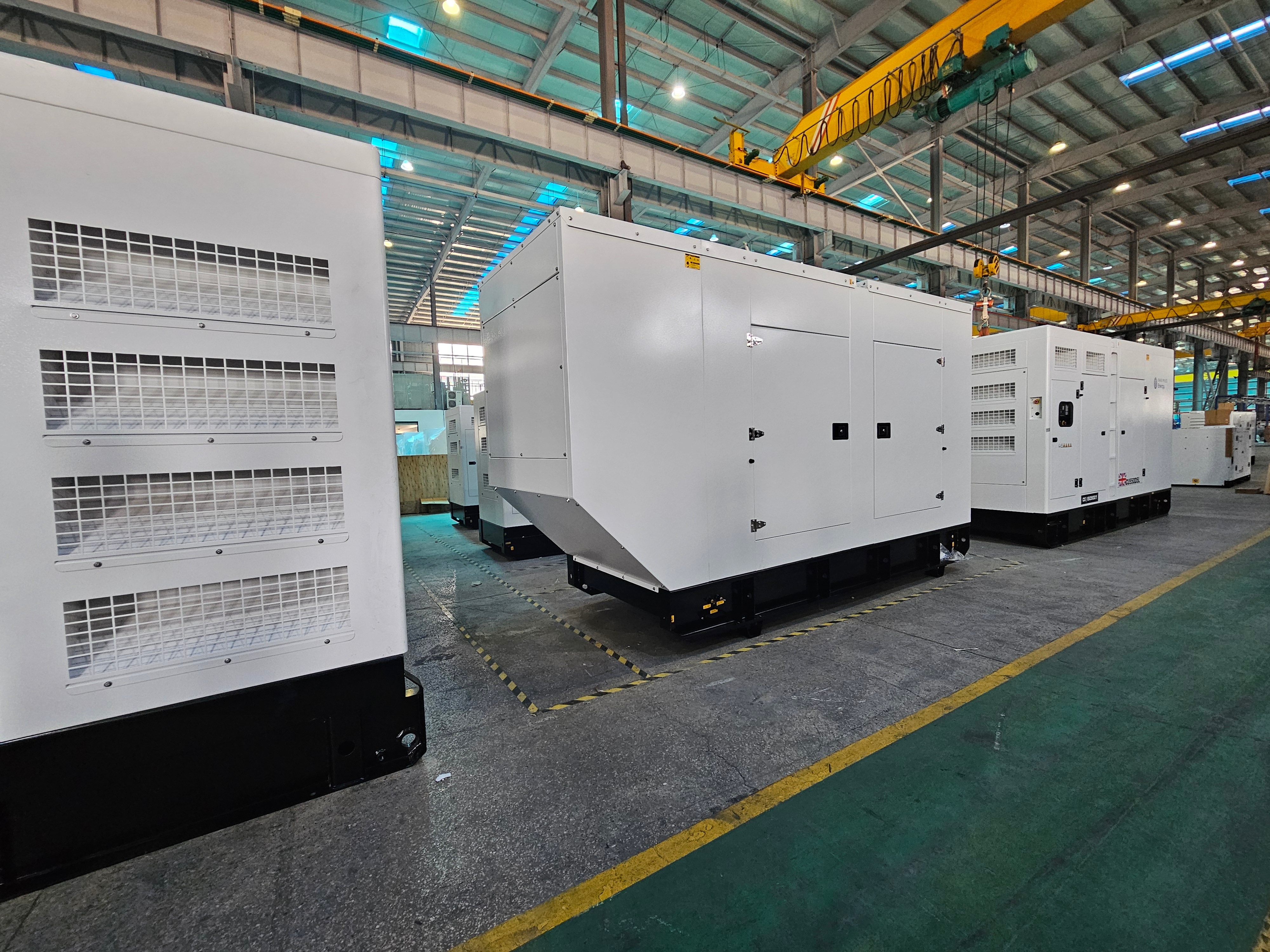
Choosing the right industrial diesel generator for a factory environment is one of the most consequential infrastructure decisions a facility manager or procurement engineer will make. The wrong choice leads to costly downtime, overloaded circuits, premature equipment failure, and budget overruns that compound over years of operation. Getting it right, on the other hand, means reliable power continuity, predictable operating costs, and a system that scales with your production demands.
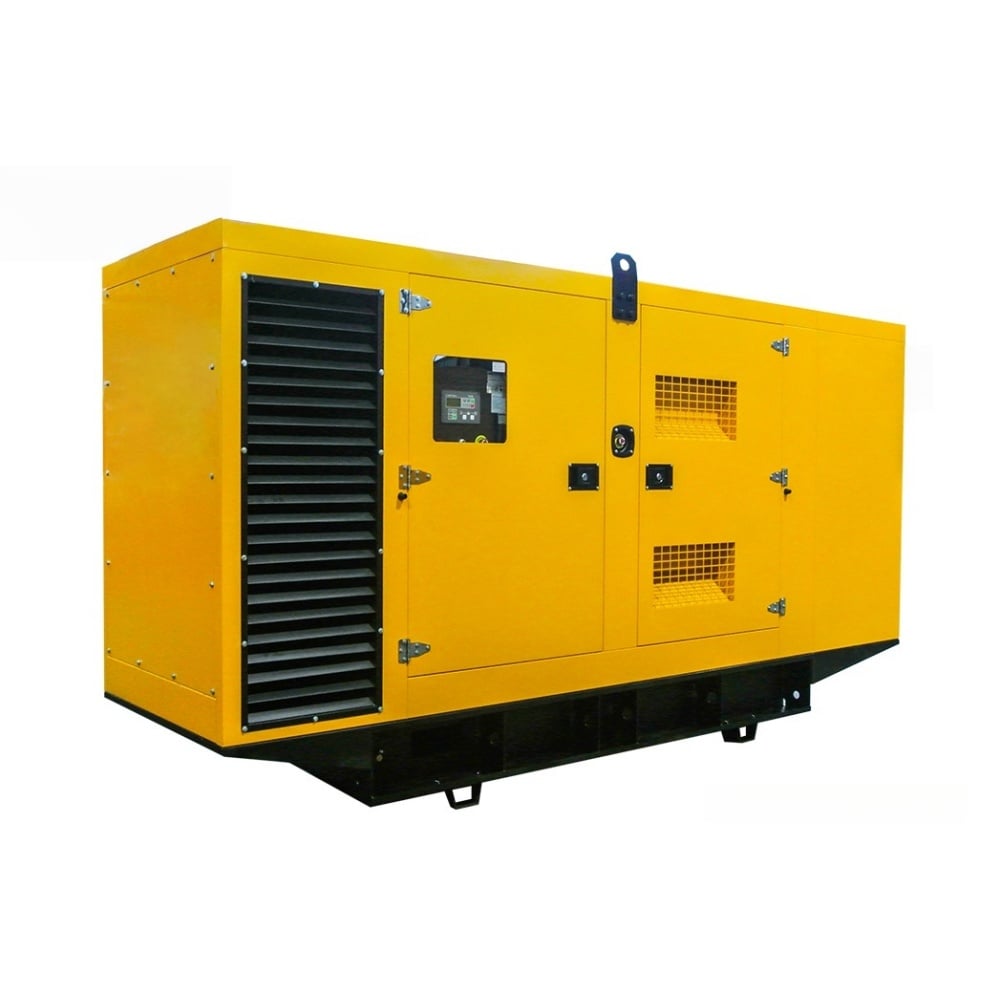
This guide is designed specifically for industrial factory contexts, where power requirements are large, runtime expectations are demanding, and cost efficiency is non-negotiable. Whether you are evaluating a primary power source, a standby backup system, or a peak-shaving solution, understanding the relationship between power output, runtime capacity, and total cost of ownership will help you make a selection that serves your facility for the long term. An industrial diesel generator is not a commodity purchase — it is a strategic asset that must be matched precisely to your operational profile.
Understanding Power Requirements in Industrial Factory Settings
Calculating Your Factory's True Load Demand
Before evaluating any industrial diesel generator, you must establish a clear and accurate picture of your facility's electrical load. This means cataloguing every piece of equipment that will draw power from the generator, including motors, compressors, HVAC systems, lighting, control panels, and any auxiliary machinery. Each load type has a running wattage and a startup surge wattage, and the surge values for inductive loads like motors can be two to three times higher than their steady-state draw.
A common mistake in factory generator selection is sizing based only on average running loads. Industrial environments are dynamic — production lines cycle, heavy equipment starts and stops, and demand spikes occur unpredictably. Your industrial diesel generator must handle the worst-case simultaneous load scenario without voltage sag or frequency instability. A load analysis conducted by a qualified electrical engineer is the most reliable way to establish this figure.
Once you have a total load figure in kilowatts, apply a safety margin of at least 20 to 25 percent. This buffer accounts for future capacity additions, load growth as production scales, and the derating effects of high ambient temperatures or altitude, both of which reduce an industrial diesel generator's effective output. A generator rated at 900 kW, for example, should not be routinely loaded beyond 720 to 750 kW in continuous operation.
Three-Phase Power and Industrial Compatibility
Most industrial factories operate on three-phase electrical systems, and your industrial diesel generator must match this configuration. Three-phase power distributes load more evenly across phases, reduces conductor size requirements, and supports the operation of large three-phase motors that are standard in manufacturing environments. A single-phase generator is simply not suitable for most factory applications regardless of its rated output.
When reviewing generator specifications, confirm the voltage output matches your facility's distribution system — commonly 380V, 400V, or 480V depending on your region and equipment standards. Frequency must also align, with 50 Hz being standard across most of Asia, Europe, and Africa, and 60 Hz standard in North America. Mismatches in voltage or frequency can damage sensitive equipment and void warranties on connected machinery.
An industrial diesel generator with a brushless alternator and automatic voltage regulation (AVR) provides the voltage stability that precision manufacturing equipment demands. AVR systems continuously adjust excitation to maintain output voltage within tight tolerances, protecting CNC machines, PLCs, and other sensitive industrial electronics from the voltage fluctuations that can cause faults or data loss.
Runtime Considerations: Matching Generator Endurance to Factory Operations
Continuous Duty vs. Standby vs. Prime Power Ratings
One of the most misunderstood aspects of industrial diesel generator selection is the difference between power ratings. Manufacturers publish multiple ratings for the same unit, and selecting the wrong one for your application will result in premature engine wear, voided warranties, and unreliable performance. Understanding these distinctions is essential before committing to any purchase.
A standby rating applies when the industrial diesel generator is used only during utility power outages, typically for limited hours per year. This rating allows the engine to operate at a higher output ceiling because it is not under sustained load. A prime power rating applies when the generator serves as the primary or sole power source for extended periods, and the rated output reflects what the engine can sustain continuously without degradation. A continuous power rating is the most conservative and is used for applications where the generator runs at a fixed load indefinitely.
For factories that rely on an industrial diesel generator as their primary power source — common in regions with unreliable grid infrastructure — the prime or continuous rating is the correct benchmark. Using a standby-rated unit in a continuous-duty role will accelerate engine wear, increase maintenance frequency, and shorten the generator's service life significantly. Always match the rating type to your actual operational pattern.
Fuel Tank Capacity and Runtime Planning
Runtime between refueling is a practical operational concern that directly affects production continuity. An industrial diesel generator's fuel consumption rate depends on its load level — a unit running at 75 percent load will consume significantly less fuel per hour than one running at full capacity. Manufacturers provide fuel consumption tables at various load percentages, and these figures should be used to calculate expected runtime based on your base tank capacity.
For factories in remote locations or regions where fuel delivery logistics are complex, extended fuel tank options or auxiliary tank connections are worth specifying at the time of purchase. Some industrial diesel generator models support sub-base fuel tanks that can extend runtime to 24, 48, or even 72 hours without refueling. This capability is particularly valuable for critical manufacturing processes where any interruption carries significant financial consequences.
Fuel quality management is equally important for sustained runtime reliability. Diesel fuel stored for extended periods can degrade, develop microbial contamination, or accumulate water condensation — all of which can clog fuel filters and injectors. Establishing a fuel management protocol, including regular tank inspections, fuel polishing, and biocide treatment where appropriate, is part of responsible industrial diesel generator ownership in a factory context.
Automatic Transfer Switching and Startup Response
In standby applications, the time between a grid failure and the industrial diesel generator reaching full operating voltage is a critical parameter. Most modern units equipped with an automatic transfer switch (ATS) can detect a power outage and bring the generator online within 10 to 30 seconds. For factories with processes that cannot tolerate even brief interruptions — such as continuous casting, chemical processing, or data-intensive operations — this response time must be evaluated carefully.
An ATS also handles the safe reconnection to grid power once utility supply is restored, preventing dangerous back-feeding and ensuring a smooth transition that does not disrupt running equipment. When specifying an industrial diesel generator for a factory, the ATS rating must match the generator's output capacity and the facility's main distribution panel configuration. Undersized or mismatched transfer switches are a common source of installation problems and operational failures.
Total Cost of Ownership: Beyond the Purchase Price
Capital Cost vs. Lifecycle Cost Analysis
The purchase price of an industrial diesel generator represents only a fraction of its true cost over a typical 15 to 20 year service life. Procurement decisions made purely on upfront price often result in higher total expenditure due to elevated fuel consumption, frequent maintenance requirements, and shorter replacement cycles. A lifecycle cost analysis that accounts for all cost categories is the only reliable basis for comparing generator options.
Key cost components to model include fuel consumption over the expected annual runtime, scheduled maintenance intervals and parts costs, unscheduled repair frequency based on engine reliability data, installation costs including civil works, exhaust systems, and electrical integration, and eventual decommissioning or resale value. An industrial diesel generator with a higher initial price but a more fuel-efficient engine and longer service intervals may deliver substantially lower total cost over its operational life.
For large factory installations, even a modest improvement in fuel efficiency translates to significant savings at scale. A generator consuming 5 percent less fuel per hour running 4,000 hours per year at current diesel prices can represent tens of thousands of dollars in annual savings. These figures should be part of every serious procurement evaluation for an industrial diesel generator at the factory level.
Maintenance Planning and Service Infrastructure
An industrial diesel generator requires a structured preventive maintenance program to deliver reliable performance and achieve its rated service life. Maintenance intervals are typically defined by operating hours — common checkpoints occur at 250, 500, and 1,000 hour intervals — and include engine oil and filter changes, fuel filter replacement, coolant system inspection, air filter servicing, belt and hose checks, and battery maintenance for the starting system.
Before finalizing a generator selection, verify that qualified service technicians and genuine spare parts are accessible within your region. An industrial diesel generator supported by a strong local service network will have shorter downtime during maintenance events and faster response when unexpected repairs are needed. Generators using widely available engine platforms — such as those from established commercial diesel engine manufacturers — generally offer better parts availability and broader technician familiarity than proprietary or obscure engine designs.
Factory environments also impose specific maintenance challenges. High ambient dust levels accelerate air filter loading and require more frequent inspection. Vibration from nearby heavy machinery can loosen connections and fasteners over time. Elevated temperatures in tropical or desert climates increase thermal stress on the cooling system. Your maintenance schedule should be adapted to these site-specific conditions rather than following only the manufacturer's standard interval recommendations.
Noise, Emissions, and Regulatory Compliance Costs
Industrial factories operating in or near populated areas face increasing regulatory pressure on generator noise and exhaust emissions. A silent or super-silent industrial diesel generator — typically defined as producing less than 75 dB(A) at 7 meters — uses acoustic enclosures and vibration isolation to reduce noise to levels acceptable for industrial zones adjacent to residential or commercial areas. Specifying a canopied unit from the outset is far more cost-effective than retrofitting noise mitigation after installation.
Emissions compliance is an evolving regulatory landscape. Many jurisdictions now require diesel generators to meet specific exhaust emission standards, particularly for NOx and particulate matter. Engines certified to current emission tiers may require diesel exhaust fluid (DEF) systems or particulate filters, which add to both capital and operating costs. Understanding the regulatory requirements in your specific location before purchasing an industrial diesel generator avoids costly compliance retrofits or operational restrictions later.
Permit and installation compliance costs should also be factored into the total cost model. Depending on your jurisdiction, installing a large industrial diesel generator may require environmental impact assessments, noise surveys, fuel storage permits, and electrical inspection sign-offs. Engaging with local authorities early in the planning process prevents delays and unexpected compliance expenditures that can significantly inflate the effective cost of the installation.
Key Selection Criteria for Factory-Specific Generator Procurement
Matching Generator Class to Factory Scale and Criticality
Not all factories have the same power continuity requirements, and the appropriate class of industrial diesel generator varies accordingly. A light manufacturing facility with non-critical processes may be adequately served by a mid-range standby unit, while a continuous-process chemical plant or a large automotive assembly facility requires a prime-rated industrial diesel generator with redundant systems and N+1 capacity planning. Defining your facility's criticality tier before specifying a generator prevents both over-investment and dangerous under-specification.
For very large factory installations — those with total load demands in the range of several hundred kilowatts to multiple megawatts — a single large industrial diesel generator may be preferable to multiple smaller units from a maintenance and fuel logistics standpoint. However, parallel operation of multiple generators offers redundancy advantages: if one unit requires maintenance or fails, the others continue to supply power. The right architecture depends on your specific uptime requirements and the consequences of a total power loss event.
Generator control systems have become increasingly sophisticated, and modern industrial diesel generator units offer remote monitoring, load management, and predictive maintenance capabilities through digital control panels and IoT connectivity. For factories with centralized building management systems or energy management platforms, specifying a generator with compatible communication protocols — such as Modbus or SNMP — enables integration that improves operational visibility and reduces the risk of undetected faults.
Environmental and Site Conditions That Affect Selection
The physical environment where an industrial diesel generator will operate has a direct bearing on which specifications are appropriate. Ambient temperature affects both engine output and cooling system design — a generator rated at 900 kW at 25°C may deliver only 850 kW at 40°C due to air density reduction and increased cooling load. Manufacturers publish derating curves for temperature and altitude, and these must be applied to your load calculations to ensure the selected unit can actually meet your demand under real site conditions.
Altitude derating is particularly relevant for factories located in highland regions. Diesel engines lose approximately 3 to 4 percent of their rated output for every 300 meters above sea level due to reduced air density affecting combustion efficiency. A factory at 1,500 meters elevation may need to specify an industrial diesel generator with a nominal rating 15 to 20 percent higher than the calculated load to achieve the required effective output at that altitude.
Humidity and corrosive atmospheres — common in coastal industrial zones or chemical processing environments — require attention to enclosure materials, electrical insulation ratings, and alternator protection class. Specifying an industrial diesel generator with IP-rated enclosures and tropicalized alternator windings in these environments prevents premature corrosion-related failures that would otherwise significantly shorten service life and increase maintenance costs.
FAQ
What size industrial diesel generator does a typical manufacturing factory need?
The required size depends entirely on the factory's total electrical load, including both running loads and startup surge demands. A thorough load analysis is essential before sizing. As a general principle, the selected industrial diesel generator should be rated to handle the peak simultaneous load with a 20 to 25 percent safety margin. Mid-size factories commonly require units in the 200 to 600 kW range, while large industrial facilities may require 900 kW or above.
How often does an industrial diesel generator need to be serviced in a factory environment?
Standard preventive maintenance intervals for an industrial diesel generator are typically based on operating hours, with minor service at every 250 hours and more comprehensive service at 500 and 1,000 hour intervals. In factory environments with high dust, heat, or vibration, some intervals — particularly air filter and coolant inspections — should be shortened. Following the manufacturer's schedule and adapting it to site conditions is the most reliable approach to maintaining performance and service life.
Is a silent industrial diesel generator necessary for factory use?
Whether a silent enclosure is necessary depends on the factory's location and local noise regulations. Factories in industrial zones away from residential areas may be able to operate open-frame generators within permitted noise limits. However, factories near populated areas, or those subject to strict environmental permits, will typically need a canopied industrial diesel generator rated at 75 dB(A) or lower at 7 meters. Checking local regulations before purchase avoids costly retrofitting.
What is the typical lifespan of an industrial diesel generator used in continuous factory operation?
A well-maintained industrial diesel generator used in prime or continuous duty applications can achieve 20,000 to 30,000 operating hours before a major engine overhaul is required, which translates to 15 to 20 years of service in many factory scenarios. Lifespan is heavily influenced by load management — avoiding chronic overloading or prolonged light loading — adherence to maintenance schedules, fuel quality, and the quality of the original engine and alternator components. Proper selection and disciplined maintenance are the two most controllable factors in maximizing generator longevity.
Table of Contents
- Understanding Power Requirements in Industrial Factory Settings
- Runtime Considerations: Matching Generator Endurance to Factory Operations
- Total Cost of Ownership: Beyond the Purchase Price
- Key Selection Criteria for Factory-Specific Generator Procurement
-
FAQ
- What size industrial diesel generator does a typical manufacturing factory need?
- How often does an industrial diesel generator need to be serviced in a factory environment?
- Is a silent industrial diesel generator necessary for factory use?
- What is the typical lifespan of an industrial diesel generator used in continuous factory operation?