 EN
EN

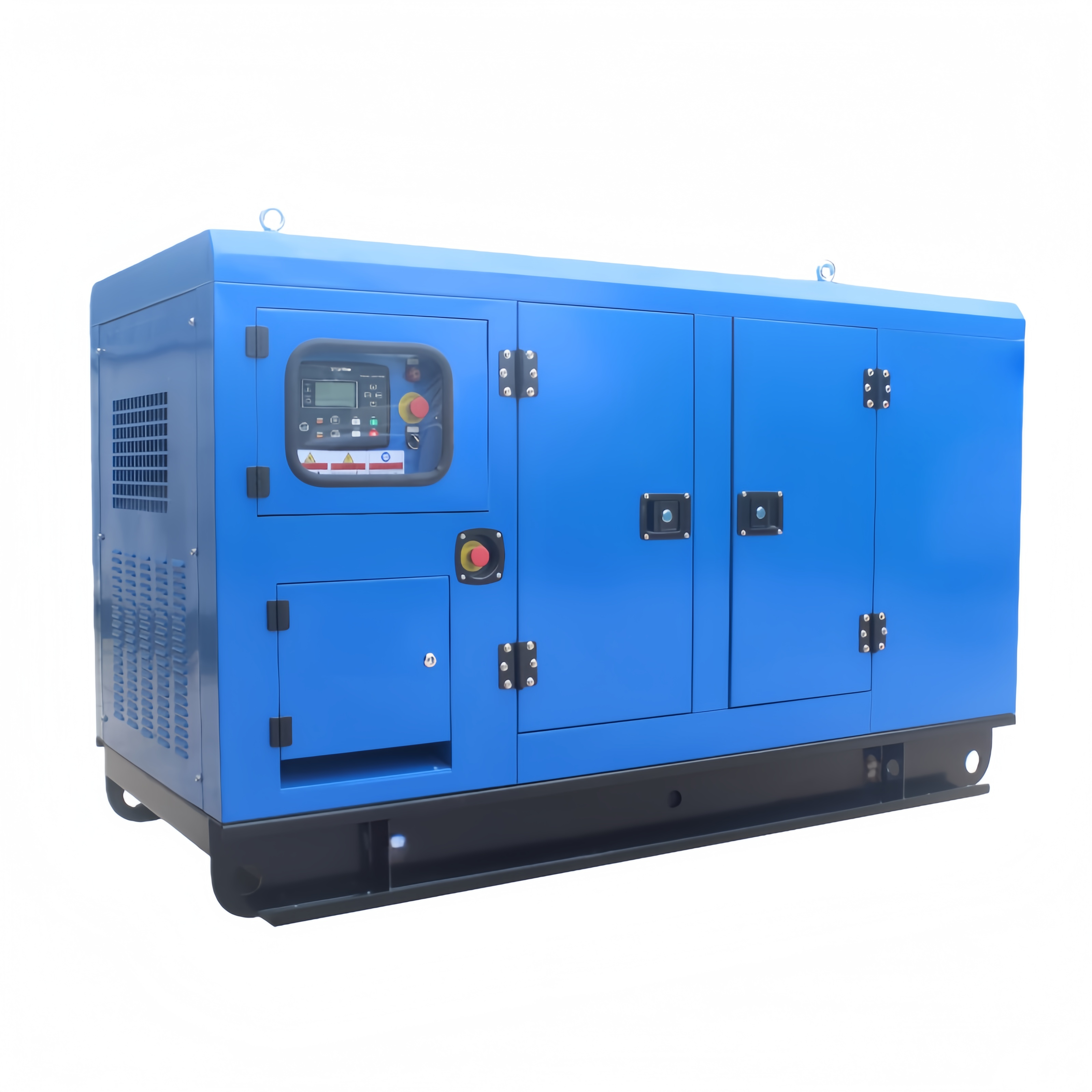
When businesses face temporary power requirements, selecting the right mobile generators becomes a critical decision that affects operational continuity and project success. These portable power solutions have evolved significantly, offering unprecedented flexibility for construction sites, emergency response scenarios, outdoor events, and industrial applications where grid connectivity remains unavailable or unreliable. Understanding the key factors that influence buyer decisions helps organizations make informed choices that align with their specific power requirements and operational constraints.
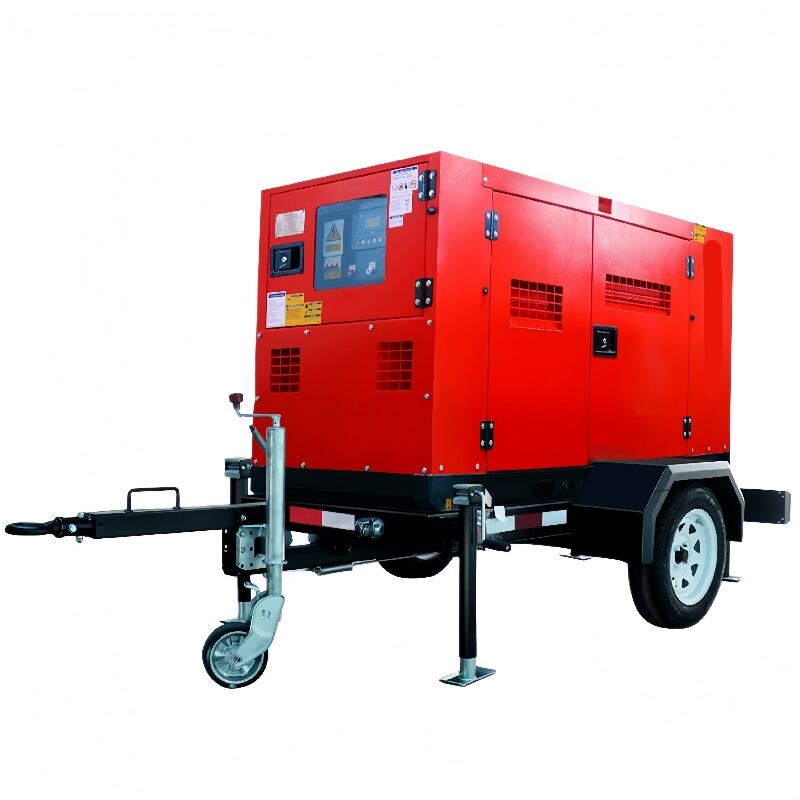
Power Output Requirements and Load Assessment
Calculating Essential Power Demands
The foundation of selecting appropriate mobile generators begins with accurate power demand calculations. Buyers must evaluate both continuous and peak power requirements across all equipment and systems that need electrical supply. This assessment includes lighting systems, machinery, tools, communication equipment, and climate control systems that directly impact operational efficiency. Professional load analysis helps prevent undersized units that struggle under demand or oversized generators that waste fuel and increase operational costs.
Modern mobile generators offer power outputs ranging from small 5kW units suitable for basic tool operations to massive 2000kW+ systems capable of powering entire industrial facilities. Understanding the difference between standby, prime, and continuous power ratings ensures buyers select units with adequate capacity for their specific applications. Many experienced buyers incorporate a 20-25% power buffer to accommodate unexpected load increases or equipment additions during project execution.
Voltage and Frequency Specifications
Electrical specifications beyond raw power output significantly influence mobile generator selection decisions. Voltage requirements vary dramatically across different applications, with some requiring single-phase 120/240V for basic tools while others need three-phase 480V for industrial machinery. International projects often require 50Hz frequency output instead of the standard North American 60Hz, making generator compatibility a crucial consideration for global operations.
Advanced mobile generators incorporate automatic voltage regulation and frequency control systems that maintain stable power quality regardless of load fluctuations. These features become particularly important when powering sensitive electronic equipment, medical devices, or precision manufacturing tools that require clean, consistent electrical supply. Buyers increasingly prioritize generators with low total harmonic distortion ratings to protect valuable equipment from power quality issues.
Fuel Type and Efficiency Considerations
Diesel vs Alternative Fuel Options
Fuel selection represents one of the most significant long-term cost factors when operating mobile generators for extended periods. Diesel remains the dominant choice for larger units due to its superior energy density, widespread availability, and proven reliability in demanding applications. However, environmental regulations and sustainability initiatives drive increasing interest in alternative fuel options including natural gas, propane, and hybrid electric systems.
Natural gas powered mobile generators offer cleaner emissions and potentially lower operating costs in areas with established gas infrastructure. Propane units provide excellent cold weather performance and extended storage capabilities without fuel degradation concerns. Some buyers opt for dual-fuel systems that provide operational flexibility by switching between diesel and natural gas based on availability and cost considerations. These multi-fuel capabilities enhance operational resilience while optimizing long-term operating expenses.
Fuel Consumption and Runtime Analysis
Fuel efficiency directly impacts operating costs and logistical requirements for mobile generator deployments. Modern Tier 4 Final compliant engines incorporate advanced combustion technologies that significantly reduce fuel consumption compared to older generator sets. Buyers typically evaluate fuel consumption at various load levels since real-world operations rarely maintain constant full-load conditions throughout operational periods.
Extended runtime capabilities become crucial for applications requiring continuous operation between refueling cycles. Large capacity fuel tanks or external fuel storage systems enable longer autonomous operation but increase transportation weight and complexity. Some mobile generators incorporate fuel level monitoring systems with remote alerts that notify operators before reserves reach critical levels, preventing unexpected shutdowns that could disrupt operations.
Portability and Site Access Requirements
Transportation and Mobility Features
Physical dimensions and weight specifications significantly influence mobile generator selection for buyers operating in space-constrained environments. Trailer-mounted units offer superior mobility for frequent relocations but require appropriate towing vehicles and may face height restrictions under bridges or in covered areas. Skid-mounted generators provide compact footprints suitable for crane lifting into elevated positions or tight spaces where trailers cannot access.
Weather protection enclosures add substantial value for outdoor deployments by protecting critical components from environmental hazards while reducing noise levels. Sound-attenuated enclosures become essential in noise-sensitive environments near residential areas or during nighttime operations. Some buyers prioritize generators with removable panels for enhanced serviceability while maintaining weather protection during operation.
Ground Conditions and Stability
Site preparation requirements and ground stability considerations affect mobile generator placement and operational safety. Soft or uneven terrain may require additional support structures or grading to ensure proper operation and prevent mechanical stress on generator components. Units with integrated lifting points and forklift pockets facilitate positioning using standard construction equipment available on most job sites.
Vibration isolation systems protect both the generator and surrounding structures from operational vibrations that could cause premature wear or noise complaints. Some mobile generators incorporate adjustable leveling systems that compensate for uneven surfaces while maintaining proper engine oil levels and cooling system function. These features reduce site preparation costs and enable deployment in challenging locations where traditional generators cannot operate effectively.
Control Systems and Monitoring Capabilities
Digital Control Interfaces
Modern mobile generators incorporate sophisticated digital control systems that provide real-time operational data and automated protective functions. Advanced controllers monitor engine parameters, electrical output, fuel levels, and environmental conditions while automatically adjusting operation to optimize performance and protect equipment. Color touchscreen displays present information in user-friendly formats that facilitate quick assessment of generator status and performance trends.
Programmable start/stop sequences and load management features enable automatic operation without constant supervision. These systems can prioritize critical loads during overload conditions or automatically shed non-essential equipment to maintain power to vital systems. Some controllers incorporate event logging capabilities that record operational data for maintenance planning and warranty compliance documentation.
Remote Monitoring and Communication
Wireless communication capabilities transform mobile generator management by enabling remote monitoring and control from virtually any location. Cellular, WiFi, or satellite communication systems transmit real-time data including fuel levels, operating hours, maintenance alerts, and alarm conditions to centralized monitoring platforms. This connectivity allows operators to manage multiple generator deployments efficiently while responding quickly to potential issues.
Cloud-based monitoring platforms aggregate data from multiple mobile generators to provide fleet-wide visibility and performance analysis. Predictive maintenance algorithms analyze operational patterns to forecast component replacement needs and schedule preventive maintenance activities. These capabilities reduce unexpected downtime while optimizing maintenance costs through data-driven decision making.
Environmental and Regulatory Compliance
Emissions Standards and Environmental Impact
Environmental regulations significantly influence mobile generator selection as buyers must comply with local, state, and federal emissions standards. Tier 4 Final engines represent the current gold standard for diesel generators, incorporating advanced after-treatment systems including diesel particulate filters and selective catalytic reduction to minimize harmful emissions. These systems require periodic regeneration cycles and specialized maintenance procedures that affect operating costs and complexity.
Some jurisdictions impose additional restrictions on generator operation including noise limits, operating hours, and fuel storage requirements. California's stringent emissions standards often require specialized equipment that may not be necessary in other regions. Buyers operating across multiple jurisdictions must ensure their mobile generators meet the most restrictive standards they will encounter during deployment.
Noise Regulations and Community Relations
Noise control becomes increasingly important as mobile generators operate in proximity to residential areas, schools, hospitals, and other noise-sensitive locations. Sound-attenuated enclosures can reduce noise levels by 10-20 dB compared to open-frame units, but add weight, cost, and complexity. Some buyers invest in super-silent generators specifically designed for urban environments where noise ordinances limit acceptable sound levels.
Community relations considerations extend beyond regulatory compliance to include proactive communication with affected residents and businesses. Mobile generators equipped with advanced muffling systems and vibration isolation help minimize disruption while maintaining necessary power supply. Strategic placement and operational scheduling can further reduce community impact while meeting project power requirements.
Maintenance and Service Support
Preventive Maintenance Requirements
Long-term reliability of mobile generators depends heavily on adherence to manufacturer-specified maintenance schedules and procedures. Buyers must evaluate maintenance requirements including service intervals, filter replacement costs, and fluid capacity requirements when calculating total ownership costs. Some generators require specialized tools or training for routine maintenance tasks, affecting operational flexibility and service costs.
Extended service intervals reduce maintenance burden and operating costs but may require higher-grade lubricants and filters that increase per-service costs. Remote monitoring systems can optimize maintenance scheduling by tracking actual operating conditions rather than relying solely on hour-based intervals. This condition-based maintenance approach extends component life while ensuring reliability through data-driven service decisions.
Parts Availability and Technical Support
Service network coverage and parts availability significantly impact mobile generator ownership experience, particularly for buyers operating in remote locations or international markets. Established manufacturers typically maintain extensive dealer networks with factory-trained technicians and genuine parts inventory. Emergency service capabilities become crucial for critical applications where generator downtime could result in significant operational or financial consequences.
Technical support resources including online documentation, troubleshooting guides, and remote diagnostic capabilities enable faster problem resolution and reduced downtime. Some manufacturers provide 24/7 technical support hotlines staffed by factory-trained specialists who can guide operators through complex diagnostic procedures or emergency repairs. These support capabilities often justify premium pricing for buyers prioritizing operational continuity.
Cost Analysis and Financial Considerations
Initial Purchase vs Rental Decisions
Financial analysis of mobile generator acquisition involves comparing purchase, lease, and rental options based on projected utilization rates and project duration. Purchase makes financial sense for buyers with consistent, long-term power requirements or multiple concurrent projects requiring generator capacity. Rental provides flexibility for short-term projects or applications with uncertain duration while avoiding maintenance responsibilities and storage costs.
Lease agreements offer middle-ground solutions that provide access to newer technology while spreading costs over predictable monthly payments. Some lease programs include maintenance packages that simplify budgeting and ensure proper equipment care. Tax considerations including depreciation schedules and Section 179 deductions may favor purchase decisions for qualifying buyers.
Total Cost of Ownership Calculations
Comprehensive cost analysis extends beyond initial purchase price to include fuel consumption, maintenance costs, transportation expenses, and residual value projections. Fuel-efficient mobile generators may justify higher initial costs through reduced operating expenses over extended operational periods. Insurance costs vary based on generator value, application, and coverage requirements.
Financing options including traditional loans, equipment financing, and manufacturer financing programs affect cash flow and total acquisition costs. Interest rates, down payment requirements, and terms significantly impact monthly payments and total interest expense. Some buyers negotiate package deals combining generators with maintenance contracts or extended warranties to simplify budgeting and reduce administrative burden.
FAQ
What size mobile generator do I need for my application
Mobile generator sizing depends on your total electrical load requirements including continuous and starting power demands. Calculate the wattage of all equipment that will operate simultaneously, add 20-25% safety margin, and consider future expansion needs. Professional load analysis ensures accurate sizing and prevents costly oversizing or inadequate capacity issues.
How do fuel costs compare between diesel and natural gas mobile generators
Fuel costs vary significantly by region and market conditions, but natural gas typically offers 30-50% lower operating costs compared to diesel when infrastructure is available. Diesel provides superior energy density and availability in remote locations where natural gas connections are impractical. Consider both fuel costs and infrastructure requirements when evaluating options.
What maintenance is required for mobile generators during extended operation
Mobile generator maintenance includes regular oil changes, filter replacements, coolant system service, and battery maintenance based on operating hours and manufacturer specifications. Modern units may require 250-500 hour service intervals depending on operating conditions. Remote monitoring systems can optimize maintenance scheduling and prevent unexpected failures through condition-based maintenance approaches.
Can mobile generators operate in extreme weather conditions
Quality mobile generators operate reliably in temperature ranges from -20°F to 120°F with proper cold weather and high-altitude kits when required. Weather-protected enclosures shield components from rain, snow, and wind while maintaining ventilation for proper cooling. Extreme conditions may require supplemental heating, cooling, or specialized lubricants to ensure reliable operation.