 EN
EN

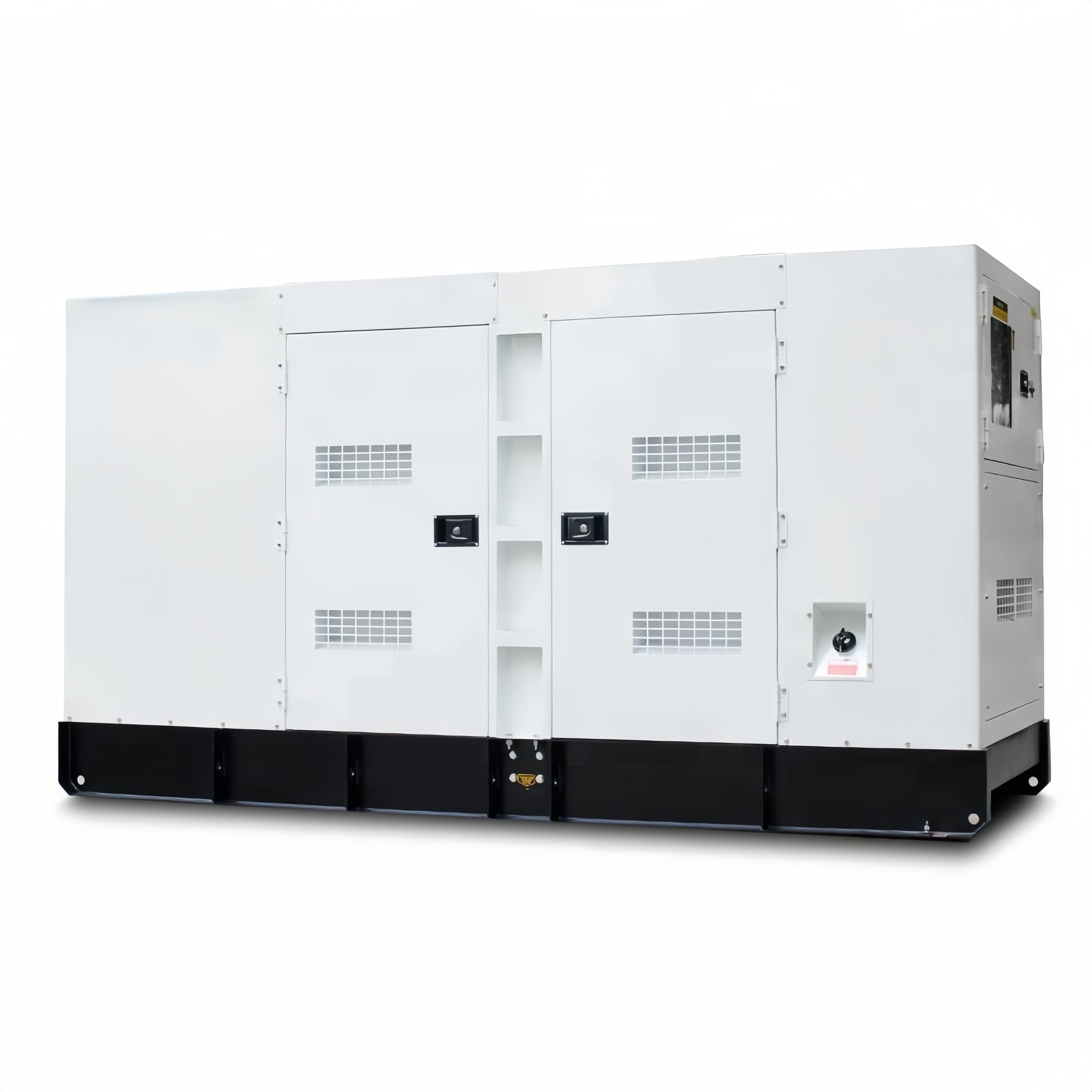
When OEM buyers seek reliable power solutions for their applications, selecting the right three phase power generator manufacturer becomes a critical decision that impacts operational efficiency, cost management, and long-term sustainability. The evaluation process involves comprehensive assessment criteria that go beyond basic specifications to encompass manufacturing capabilities, quality assurance protocols, and post-sales support systems. Understanding these evaluation parameters helps both buyers and manufacturers align their expectations and establish productive partnerships in the competitive power generation industry.
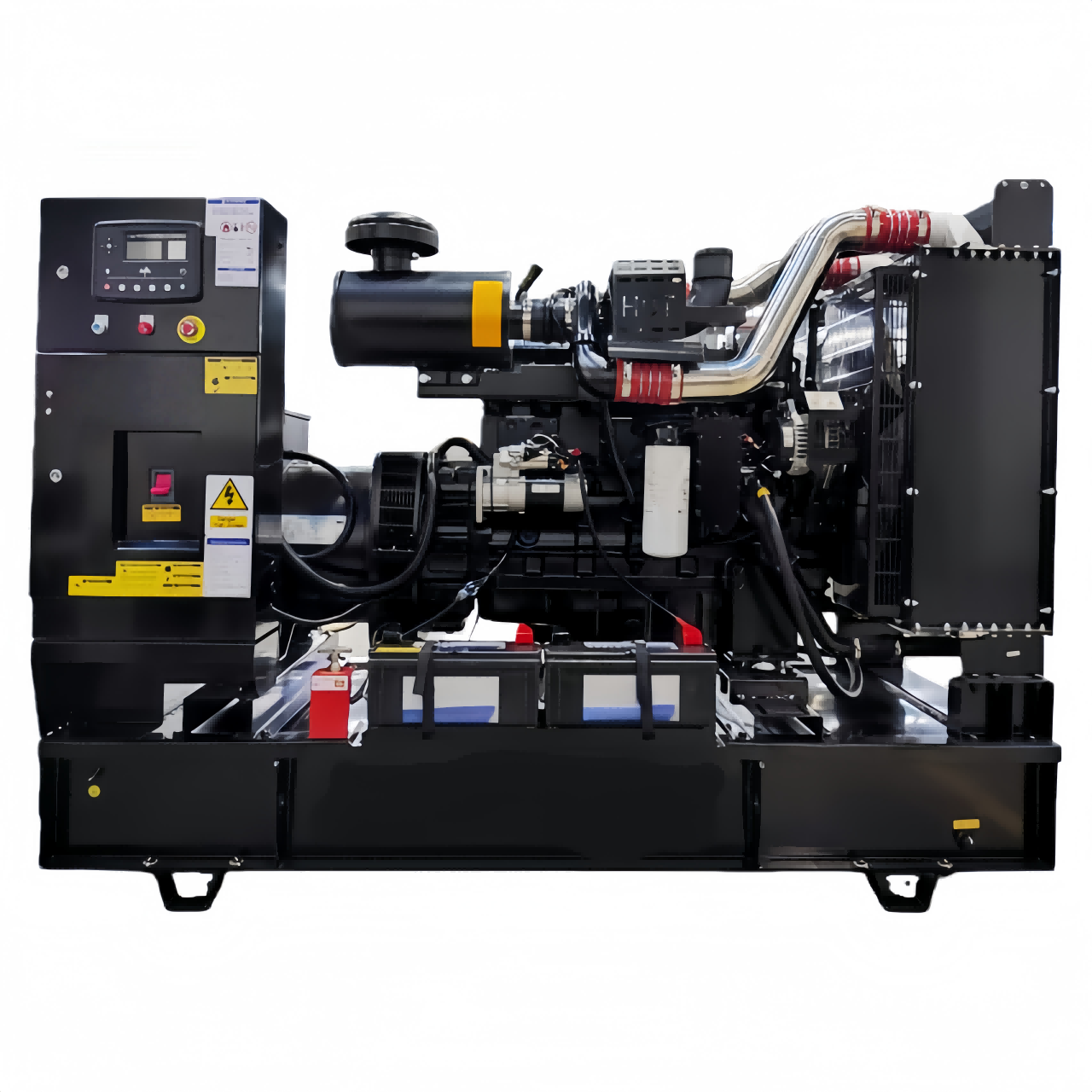
Manufacturing Expertise and Technical Capabilities
Production Facility Assessment
OEM buyers prioritize manufacturers with state-of-the-art production facilities equipped with advanced manufacturing technologies. Modern fabrication capabilities indicate a manufacturer's commitment to precision engineering and consistent quality output. Buyers examine the integration of automated assembly lines, computerized testing equipment, and quality control systems throughout the manufacturing process. The physical infrastructure assessment includes evaluating production capacity, scalability potential, and the ability to handle customized three phase power generator requirements.
Manufacturing flexibility represents another crucial factor, as OEM buyers often require modifications to standard generator specifications. Manufacturers demonstrating adaptability in their production processes while maintaining quality standards typically receive higher evaluation scores. The presence of research and development facilities within the manufacturing complex signals ongoing innovation and technical advancement capabilities.
Engineering Design Standards
Technical expertise evaluation focuses on the manufacturer's engineering design philosophy and adherence to international standards. Buyers analyze design documentation, engineering drawings, and technical specifications to assess the sophistication of generator design. The implementation of advanced simulation software, finite element analysis, and computer-aided design tools demonstrates engineering competency and modern design approaches.
Compliance with industry standards such as ISO 9001, CE marking, and other relevant certifications provides assurance of systematic quality management. OEM buyers scrutinize the manufacturer's ability to customize three phase power generator designs while maintaining structural integrity and performance reliability across various operating conditions.
Quality Assurance and Testing Protocols
Component Sourcing and Validation
Reputable manufacturers maintain strict component sourcing policies, partnering with established suppliers for critical generator components including engines, alternators, and control systems. OEM buyers evaluate supplier qualification processes, incoming material inspection procedures, and component traceability systems. The quality of sourced components directly influences the overall performance and reliability of the finished three phase power generator product.
Material certification and testing protocols demonstrate manufacturer commitment to using quality-grade components. Buyers assess whether manufacturers conduct independent component testing, maintain component databases, and implement supplier performance monitoring systems. These practices ensure consistent component quality and minimize potential failure points in the final generator assembly.
Performance Testing and Validation
Comprehensive testing protocols separate professional manufacturers from basic assemblers in the three phase power generator market. OEM buyers examine factory testing capabilities including load bank testing, vibration analysis, noise level measurement, and environmental condition simulation. Advanced manufacturers utilize specialized testing equipment to validate generator performance across full load ranges and various operating scenarios.
Documentation of testing procedures and results provides transparency and confidence to OEM buyers. Manufacturers maintaining detailed test records, performance curves, and quality metrics demonstrate systematic approaches to product validation. The availability of witnessed testing opportunities allows buyers to verify manufacturer claims and assess product quality firsthand.
Customization Capabilities and Flexibility
Design Modification Services
OEM applications frequently require specialized three phase power generator configurations that differ from standard commercial models. Manufacturers offering comprehensive customization services typically score higher in buyer evaluations. These services include mechanical modifications, electrical system adaptations, and integration of specialized components to meet specific application requirements.
The scope of customization capabilities extends to enclosure design, mounting configurations, fuel system modifications, and control system programming. Experienced manufacturers maintain design teams capable of translating customer requirements into practical engineering solutions while preserving generator reliability and performance characteristics.
Prototype Development and Validation
Advanced manufacturers offer prototype development services, allowing OEM buyers to validate generator designs before committing to full production orders. Prototype programs provide opportunities to test customized three phase power generator configurations under actual operating conditions and make necessary adjustments before mass production.
The prototype development process includes design review sessions, engineering consultations, and iterative refinement cycles. Manufacturers supporting comprehensive prototype programs demonstrate confidence in their engineering capabilities and commitment to customer satisfaction through collaborative development approaches.
Supply Chain Management and Logistics
Production Scheduling and Capacity
OEM buyers evaluate manufacturer production scheduling systems and capacity management capabilities to ensure reliable delivery performance. Effective production planning systems incorporate demand forecasting, resource allocation, and contingency planning to maintain consistent delivery schedules even during peak demand periods.
Manufacturing capacity assessment includes current utilization rates, expansion capabilities, and ability to handle surge orders without compromising quality standards. Three phase power generator manufacturers with flexible production systems can accommodate varying order sizes and delivery requirements that align with OEM buyer operational schedules.
Global Distribution and Logistics Support
International OEM buyers require manufacturers with established global distribution networks and logistics capabilities. Efficient shipping arrangements, export documentation services, and international compliance support reduce procurement complexity and minimize delivery risks. Manufacturers maintaining strategic partnerships with freight forwarders and logistics providers offer enhanced service levels.
Regional service centers and distribution facilities enable faster response times and reduced shipping costs for international customers. The presence of local inventory management systems and expedited shipping options provides additional value for time-sensitive three phase power generator requirements.
Technical Support and After-Sales Service
Pre-Sales Engineering Support
Comprehensive pre-sales technical support distinguishes professional manufacturers from basic suppliers. OEM buyers value manufacturers providing detailed engineering consultations, application analysis, and technical recommendations during the selection process. These services help buyers optimize generator specifications for their specific applications and avoid costly specification errors.
Technical support services include load analysis, environmental consideration assessment, and integration planning assistance. Manufacturers offering these consultative services demonstrate technical expertise and customer-focused approaches that build long-term business relationships with OEM buyers.
Training and Documentation Services
Professional manufacturers provide comprehensive training programs for customer technical personnel, covering three phase power generator operation, maintenance procedures, and troubleshooting techniques. Training services may include on-site instruction, factory training programs, and online learning platforms that ensure proper generator utilization and maintenance.
Complete documentation packages including operation manuals, maintenance schedules, parts catalogs, and technical drawings support effective generator lifecycle management. High-quality documentation reduces operational risks and enables efficient maintenance planning for OEM customers.
Financial Stability and Business Continuity
Corporate Financial Health
OEM buyers assess manufacturer financial stability to ensure reliable long-term partnerships and continued support availability. Financial evaluation includes analysis of company revenue trends, profitability metrics, and debt management practices. Financially stable manufacturers provide greater assurance of ongoing business continuity and sustained technical support.
Investment in research and development, facility upgrades, and technology advancement indicates manufacturer commitment to long-term market presence. Companies demonstrating consistent reinvestment in their capabilities typically provide more reliable partnerships for three phase power generator procurement needs.
Business Continuity Planning
Established manufacturers maintain business continuity plans addressing potential disruptions to production, supply chains, and customer support services. These plans include backup supplier arrangements, alternative production facilities, and emergency response protocols that minimize impact on customer deliveries.
Risk management strategies encompassing natural disasters, supply chain disruptions, and economic uncertainties provide additional security for OEM buyers relying on consistent three phase power generator supplies. Manufacturers with robust continuity planning demonstrate professional management and customer-focused business practices.
FAQ
What certifications should OEM buyers look for when evaluating three phase power generator manufacturers
OEM buyers should prioritize manufacturers holding ISO 9001 quality management certification, CE marking for European compliance, and relevant industry-specific certifications such as IEC standards. Additionally, environmental certifications like ISO 14001 and occupational safety certifications demonstrate comprehensive management systems. Engine manufacturer authorizations from major brands like Cummins, Perkins, or Volvo indicate established supplier relationships and technical competency in integrating premium components.
How important is customization capability when selecting a three phase power generator manufacturer
Customization capability is extremely important for OEM applications, as standard generators rarely meet specific integration requirements. Manufacturers offering design modification services, prototype development, and application engineering support provide significant value to OEM buyers. The ability to modify enclosures, control systems, mounting configurations, and electrical specifications while maintaining reliability and warranty coverage is essential for successful OEM partnerships.
What factors determine the reliability of a three phase power generator manufacturer
Manufacturer reliability is determined by multiple factors including production facility quality, component sourcing practices, testing protocols, and quality management systems. Track record analysis through customer references, case studies, and industry reputation provides insight into historical performance. Financial stability, business continuity planning, and investment in technology advancement also indicate long-term reliability as a supplier partner.
How do OEM buyers assess the technical support capabilities of generator manufacturers
Technical support assessment includes evaluating pre-sales engineering services, documentation quality, training programs, and post-sales support availability. Buyers examine the manufacturer's technical team qualifications, response time commitments, and global support network coverage. The availability of remote diagnostic capabilities, spare parts inventory, and field service technicians provides additional assurance of comprehensive technical support throughout the three phase power generator lifecycle.
Table of Contents
- Manufacturing Expertise and Technical Capabilities
- Quality Assurance and Testing Protocols
- Customization Capabilities and Flexibility
- Supply Chain Management and Logistics
- Technical Support and After-Sales Service
- Financial Stability and Business Continuity
-
FAQ
- What certifications should OEM buyers look for when evaluating three phase power generator manufacturers
- How important is customization capability when selecting a three phase power generator manufacturer
- What factors determine the reliability of a three phase power generator manufacturer
- How do OEM buyers assess the technical support capabilities of generator manufacturers