 EN
EN

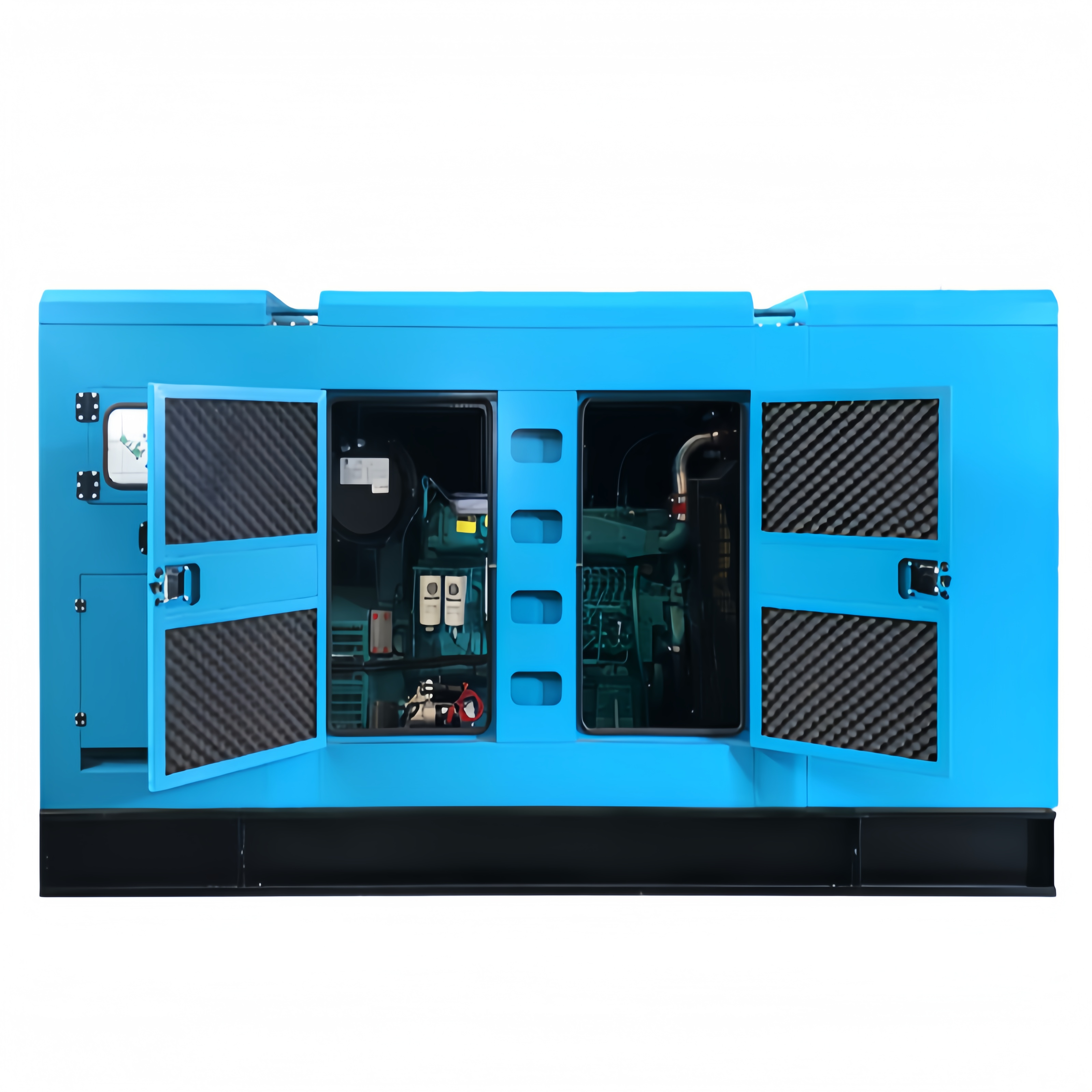
Contractors working on remote job sites face unique challenges when it comes to reliable power supply. The selection of appropriate trailer generators becomes a critical decision that can determine project success or failure. These mobile power solutions must withstand harsh conditions, deliver consistent performance, and provide the flexibility needed for diverse construction environments. Understanding the key factors that influence generator selection helps contractors make informed decisions that optimize both operational efficiency and project budgets.
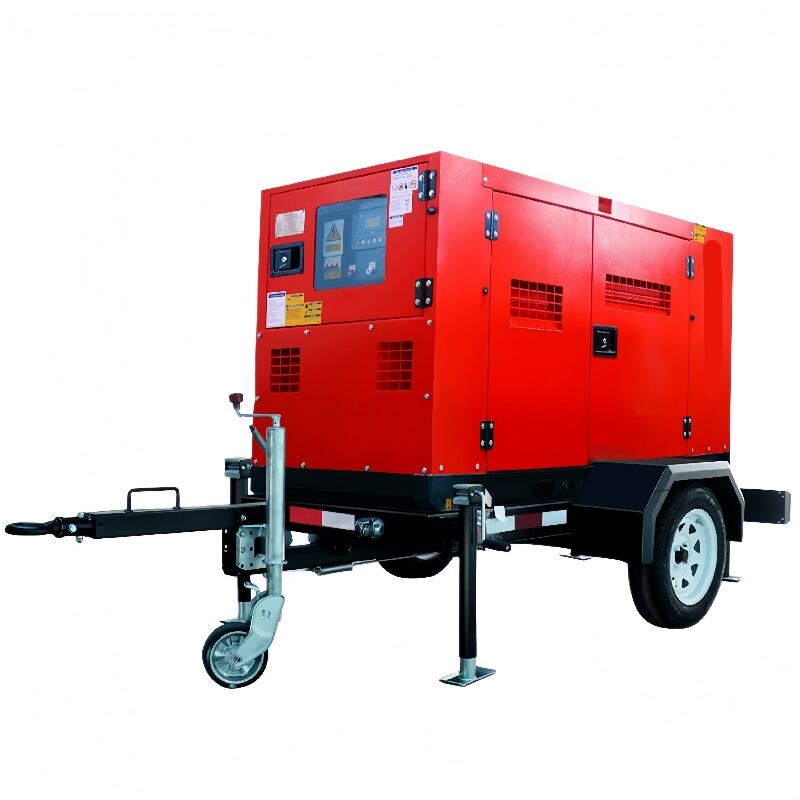
Power Requirements Assessment for Remote Construction Sites
Calculating Total Load Demands
The foundation of selecting suitable trailer generators begins with accurate load calculations. Contractors must inventory all electrical equipment that will operate simultaneously on the job site. This includes power tools, lighting systems, temporary heating or cooling units, and safety equipment. Each device's wattage requirements should be documented, with special attention to startup surge currents that can be significantly higher than running loads. Professional contractors typically add a 20-30% safety margin to account for unexpected power needs and future equipment additions.
Load diversity factors also play a crucial role in sizing decisions. Not all equipment operates continuously or simultaneously, allowing for more efficient generator selection. Understanding usage patterns helps contractors avoid oversizing trailer generators, which leads to higher fuel consumption and unnecessary costs. Peak demand periods should be identified and planned for, ensuring the selected generator can handle maximum concurrent loads without compromising performance or reliability.
Voltage and Phase Configuration Considerations
Different construction applications require specific voltage and phase configurations from trailer generators. Standard residential-style tools typically operate on 120/240V single-phase power, while larger equipment like welders, compressors, and pumps may require 480V three-phase power. Contractors must verify the electrical requirements of all equipment before generator selection to ensure compatibility and avoid costly mismatches.
Many modern trailer generators offer multiple output configurations, providing flexibility for diverse equipment needs. These units feature various receptacle types and voltage options, allowing contractors to power different tools without requiring separate transformers or converters. The ability to simultaneously provide both single-phase and three-phase power from the same unit significantly enhances operational efficiency on complex job sites.
Environmental and Site-Specific Factors
Weather Resistance and Protection Features
Remote job sites often expose trailer generators to extreme weather conditions that can impact performance and longevity. Rain, snow, dust, and temperature fluctuations all present challenges that must be addressed through proper equipment selection. Weather-resistant enclosures protect critical components while maintaining adequate ventilation for optimal engine operation. Quality trailer generators feature sealed electrical connections, corrosion-resistant materials, and robust housing designed to withstand harsh outdoor environments.
Temperature considerations are particularly important when selecting trailer generators for remote locations. Cold weather can affect engine starting and fuel flow, while excessive heat can reduce output capacity and accelerate component wear. Units designed for extreme climates include features like engine block heaters, cold-weather starting aids, and enhanced cooling systems. These features ensure reliable operation across a wide temperature range, maintaining consistent power supply regardless of seasonal conditions.
Site Access and Transportation Requirements
The physical characteristics of remote job sites significantly influence trailer generator selection. Access roads, terrain conditions, and available space all impact which units can be effectively deployed and positioned. Contractors must consider the weight and dimensions of potential trailer generators in relation to site accessibility. Smaller, more maneuverable units may be necessary for sites with limited access, while larger projects might accommodate bigger, more powerful generators.
Transportation logistics also affect generator choice, particularly for projects in remote areas. The availability of delivery services, road restrictions, and local regulations can all influence which trailer generators are practical options. Contractors should verify that selected units can be transported to the job site using available equipment and within budget constraints. Self-contained units with integral trailers often provide the most flexibility for remote deployment scenarios.
Fuel Efficiency and Runtime Considerations
Fuel Type Selection and Availability
Fuel availability at remote job sites is a critical factor when choosing trailer generators. Diesel fuel is generally preferred for construction applications due to its energy density, storage stability, and widespread availability. Diesel trailer generators typically offer superior fuel efficiency and longer engine life compared to gasoline alternatives. However, contractors must consider local fuel supply logistics and storage requirements when making their selection.
Some remote locations may have limited access to diesel fuel, making gasoline or propane-powered trailer generators more practical choices. Propane offers advantages in cold weather starting and produces cleaner emissions, though it typically requires more frequent refueling. Natural gas connections may be available in some areas, providing cost-effective operation for long-term projects. The choice of fuel type should align with local availability, environmental regulations, and project duration requirements.
Tank Capacity and Refueling Intervals
Extended runtime capabilities are essential for trailer generators serving remote construction sites. Large fuel tanks reduce refueling frequency, minimizing project interruptions and logistical challenges. Contractors should calculate expected runtime based on load requirements and fuel consumption rates to determine appropriate tank sizing. Units with 12-24 hour runtime capabilities at full load provide operational flexibility and reduce the need for frequent fuel deliveries.
Refueling logistics become increasingly important for projects in remote areas where fuel delivery is expensive or challenging. Some trailer generators offer external fuel tank connections, allowing for extended runtime through auxiliary fuel supplies. This capability enables continuous operation during critical project phases while reducing the frequency of service interruptions. Contractors should also consider fuel storage regulations and safety requirements when planning for extended runtime needs.
Maintenance and Service Accessibility
Preventive Maintenance Requirements
Regular maintenance is crucial for reliable operation of trailer generators in demanding construction environments. Contractors must consider the maintenance requirements and intervals specified by manufacturers when selecting equipment. Units with longer service intervals reduce operational disruptions and maintenance costs, particularly important for remote projects where service access is limited. Engine hour meters and maintenance reminder systems help ensure proper service scheduling.
The complexity of maintenance procedures also influences equipment selection. Trailer generators with simplified maintenance requirements and easily accessible service points reduce downtime and allow for basic maintenance by job site personnel. Features like quick-drain oil systems, easy-access air filters, and external dipsticks facilitate routine maintenance tasks. Contractors should ensure that basic maintenance supplies and spare parts are readily available for their chosen units.
Service Network and Support Availability
The availability of qualified service technicians and parts support becomes critical when trailer generators experience problems on remote job sites. Contractors should research the service network coverage for different generator brands and models in their operating areas. Manufacturers with extensive dealer networks and mobile service capabilities provide better support for remote operations. Emergency service availability and response times can significantly impact project schedules when equipment failures occur.
Parts availability and delivery logistics also influence long-term operational costs and downtime risks. Common wear items like filters, belts, and spark plugs should be readily available through local suppliers or quick shipping programs. Some manufacturers maintain regional parts distribution centers that ensure faster delivery to remote locations. Contractors should establish relationships with service providers and maintain basic spare parts inventory to minimize potential disruptions.
Cost Analysis and Budget Considerations
Initial Investment versus Operating Costs
The selection of trailer generators involves balancing initial purchase or rental costs against long-term operating expenses. Higher-quality units typically command premium prices but offer superior fuel efficiency, longer service life, and reduced maintenance requirements. Contractors must evaluate the total cost of ownership over the expected equipment lifespan, considering factors like fuel consumption, maintenance costs, and resale value.
Rental versus purchase decisions depend on project duration, frequency of use, and capital availability. Short-term projects often benefit from rental arrangements that eliminate maintenance responsibilities and provide access to newer technology. Long-term or frequent users may find purchase more economical, particularly when considering tax advantages and equipment appreciation. The flexibility to upgrade or change specifications between projects favors rental arrangements for many contractors.
Energy Efficiency and Environmental Impact
Modern trailer generators incorporate advanced engine technologies that improve fuel efficiency and reduce emissions. Tier 4 Final compliant engines meet strict environmental standards while delivering enhanced performance. These units often feature electronic fuel injection, variable speed operation, and advanced engine management systems that optimize efficiency across varying load conditions. The improved fuel economy translates to lower operating costs and reduced environmental impact.
Some contractors prioritize environmentally friendly trailer generators to meet project sustainability requirements or corporate environmental policies. Alternative fuel options, hybrid systems, and high-efficiency engines contribute to reduced carbon footprints. While these technologies may involve higher initial costs, they often provide operational benefits and help contractors meet increasingly stringent environmental regulations on construction projects.
Technology and Control Features
Monitoring and Remote Management Capabilities
Advanced trailer generators incorporate sophisticated monitoring and control systems that enhance operational efficiency and reliability. Digital displays provide real-time information about engine parameters, electrical output, fuel levels, and maintenance requirements. Remote monitoring capabilities allow contractors to track generator performance and receive alerts about potential issues from off-site locations, reducing the need for constant on-site supervision.
Telematics systems enable remote diagnostics and performance optimization for trailer generators on multiple job sites. These systems can automatically alert service providers when maintenance is due or when operational issues arise. GPS tracking capabilities help contractors monitor equipment location and usage patterns, providing valuable data for fleet management and security purposes. The integration of these technologies reduces operational costs and improves equipment utilization rates.
Safety and Protection Systems
Safety features are paramount when selecting trailer generators for remote construction environments. Ground fault circuit interrupter (GFCI) protection prevents electrical shock hazards in wet conditions common on construction sites. Automatic shutdown systems protect engines from damage due to low oil pressure, high temperature, or other fault conditions. These protective features prevent costly repairs and ensure worker safety in challenging environments.
Emergency stop systems and lockout/tagout capabilities are essential safety features for trailer generators used in construction applications. Weatherproof control panels with clear labeling and intuitive operation reduce the risk of operator error. Some units include automatic transfer switches that seamlessly manage multiple power sources, ensuring continuous operation during utility outages or equipment maintenance periods.
FAQ
What size trailer generator do I need for a typical construction job site
The appropriate size depends on your specific equipment loads, but most small to medium construction sites require trailer generators ranging from 20kW to 100kW. Calculate the total wattage of all equipment that might run simultaneously, add a 25% safety margin, and consider future expansion needs. A qualified electrical contractor can help perform accurate load calculations to ensure proper sizing.
How often do trailer generators require maintenance in construction environments
Maintenance intervals vary by manufacturer and operating conditions, but typical construction applications require service every 250-500 operating hours. Harsh environments with dust, extreme temperatures, or heavy loads may necessitate more frequent maintenance. Daily checks of oil level, fuel, and coolant should be performed, while comprehensive service including filters and fluid changes occurs at scheduled intervals.
Can trailer generators operate in extreme weather conditions
Quality trailer generators are designed to operate in a wide range of weather conditions, typically from -20°F to 120°F (-29°C to 49°C). Weather-resistant enclosures protect components from rain, snow, and dust. However, extreme conditions may require special features like engine block heaters for cold weather or enhanced cooling systems for high-temperature environments. Always verify the manufacturer's environmental specifications for your specific operating conditions.
What are the advantages of diesel versus gasoline trailer generators for construction use
Diesel trailer generators typically offer 20-30% better fuel efficiency, longer engine life, and higher power density compared to gasoline units. Diesel fuel is also more stable for long-term storage and generally safer to handle. However, gasoline generators usually have lower initial costs and may be more suitable for smaller applications or areas where diesel fuel availability is limited. The choice depends on your specific power requirements, operating environment, and fuel logistics.
Table of Contents
- Power Requirements Assessment for Remote Construction Sites
- Environmental and Site-Specific Factors
- Fuel Efficiency and Runtime Considerations
- Maintenance and Service Accessibility
- Cost Analysis and Budget Considerations
- Technology and Control Features
-
FAQ
- What size trailer generator do I need for a typical construction job site
- How often do trailer generators require maintenance in construction environments
- Can trailer generators operate in extreme weather conditions
- What are the advantages of diesel versus gasoline trailer generators for construction use