 EN
EN

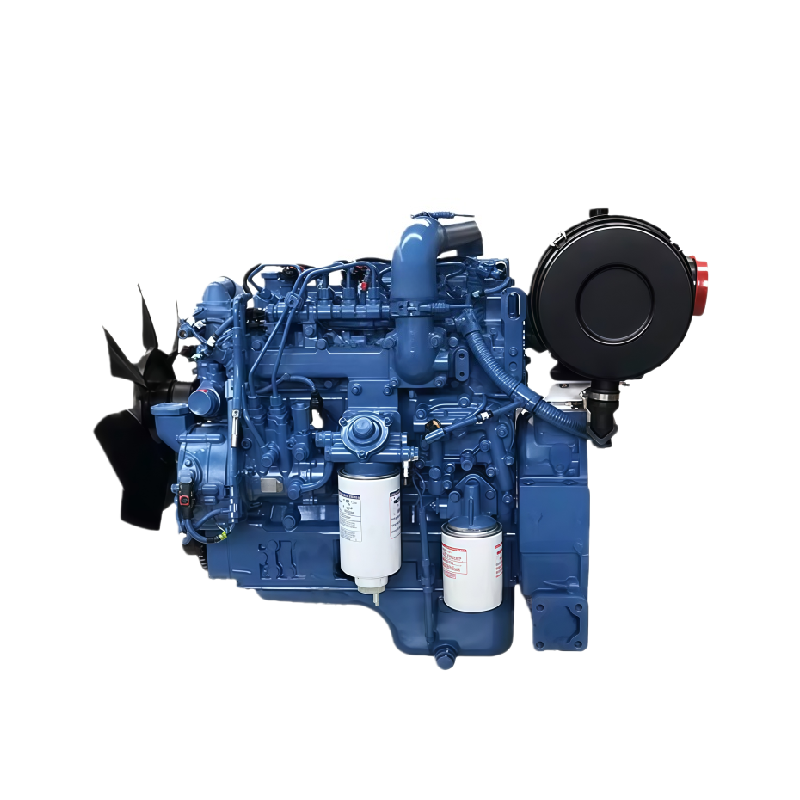
When selecting industrial power solutions for commercial facilities, understanding the specific load and voltage requirements is crucial for optimal performance and safety. The right three phase power generator can mean the difference between seamless operations and costly downtime. Proper evaluation of electrical specifications ensures that your power generation system meets both current demands and future expansion needs while maintaining regulatory compliance and operational efficiency.
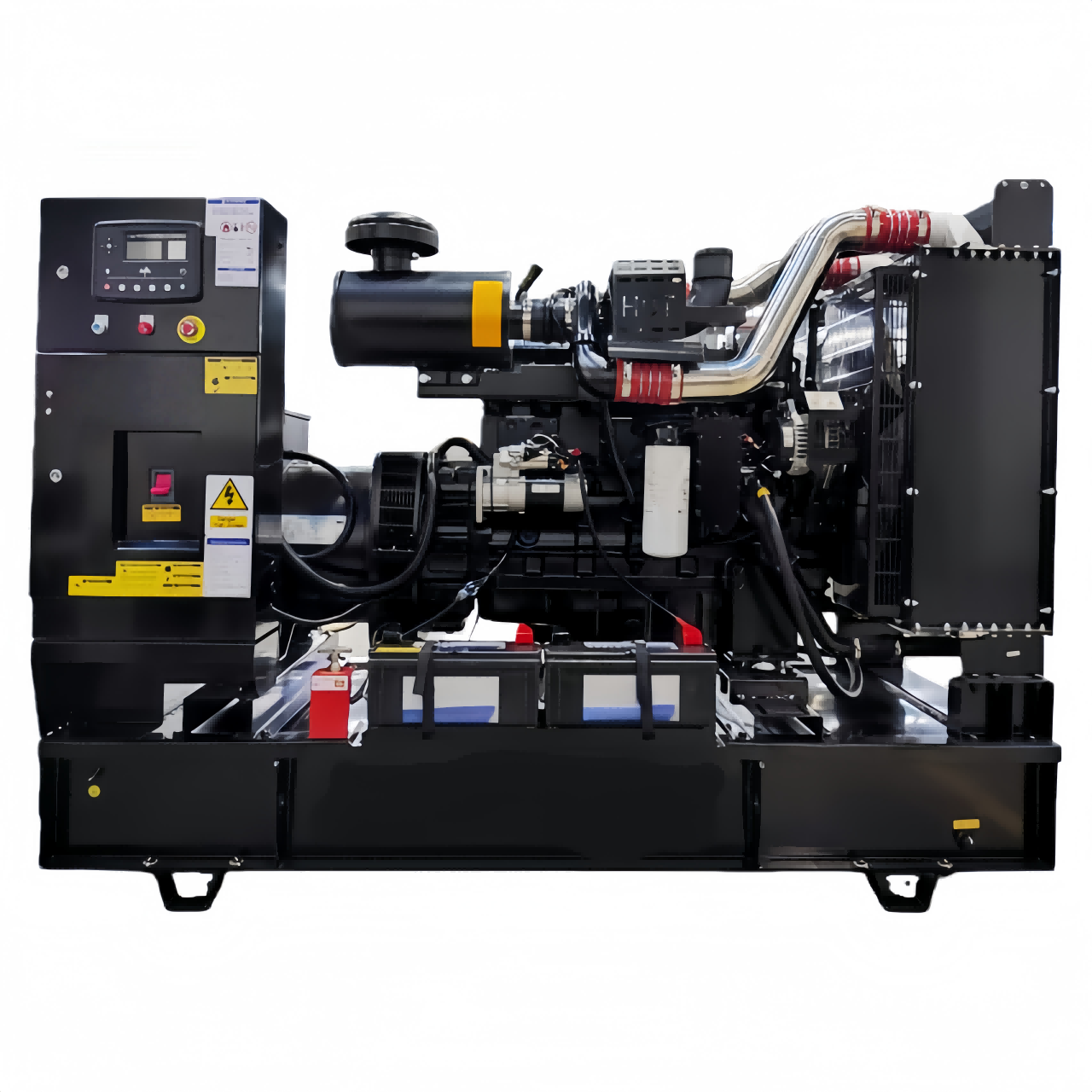
Understanding Load Rating Fundamentals
Continuous Load Capacity Requirements
The continuous load rating represents the maximum power output that a three phase power generator can deliver consistently over extended periods without compromising performance or component longevity. This rating, typically expressed in kilowatts (kW) or kilovolt-amperes (kVA), forms the foundation of proper generator sizing. Industrial facilities must account for all connected loads including motors, lighting systems, HVAC equipment, and electronic devices that operate simultaneously during normal business operations.
Calculating accurate load requirements involves analyzing both resistive and reactive components of electrical demand. Resistive loads such as heating elements and incandescent lighting consume power in direct proportion to voltage and current, while reactive loads including motors and transformers create phase shifts that affect overall system efficiency. A properly sized three phase power generator must accommodate these varying load characteristics while maintaining stable voltage and frequency output.
Peak Demand and Starting Current Considerations
Motor starting currents can exceed normal running currents by factors of three to seven times, creating temporary but significant power demands that must be factored into generator selection criteria. These inrush currents occur when electric motors overcome static friction and accelerate to operating speed, requiring substantial instantaneous power delivery. Modern three phase power generator systems incorporate automatic voltage regulators and sophisticated control systems to manage these transient conditions effectively.
Sequential starting protocols help minimize peak demand impacts by staggering motor startup sequences rather than allowing simultaneous activation of multiple high-current devices. This approach reduces the required generator capacity while ensuring reliable operation of all connected equipment. Professional load analysis often reveals opportunities to optimize starting sequences and reduce overall power generation requirements through intelligent control strategies.
Critical Voltage Rating Specifications
Standard Industrial Voltage Levels
Industrial three phase systems commonly operate at specific standardized voltage levels including 208V, 240V, 480V, and 600V configurations, each designed to serve particular application requirements and electrical distribution architectures. Low voltage systems typically range from 208V to 600V and serve most commercial and light industrial applications, while medium voltage systems extending from 1kV to 35kV support heavy industrial processes and large facility distribution networks.
Voltage selection impacts conductor sizing, insulation requirements, safety protocols, and equipment compatibility throughout the electrical system. Higher voltage operation reduces current flow for equivalent power levels, enabling smaller conductor cross-sections and reduced copper costs in distribution wiring. However, higher voltages require enhanced safety measures, specialized equipment, and qualified personnel for installation and maintenance activities.
Voltage Regulation and Stability Parameters
Precise voltage regulation maintains output within acceptable tolerance bands, typically plus or minus 5% of nominal voltage under varying load conditions. Modern three phase power generator systems utilize electronic governors and automatic voltage regulators to maintain consistent output despite load fluctuations, environmental changes, and fuel quality variations.
Voltage stability becomes particularly critical when serving sensitive electronic equipment, variable frequency drives, and precision manufacturing processes that require clean, stable power for optimal performance. Inadequate voltage regulation can cause equipment malfunctions, reduced operational efficiency, and premature component failure in connected devices. Advanced generator control systems monitor multiple parameters continuously and make real-time adjustments to maintain specified voltage and frequency parameters.
Load Factor Analysis and Sizing Methods
Demand Factor Calculations
Demand factor represents the ratio between maximum actual demand and total connected load, providing insight into actual power utilization patterns within industrial facilities. This metric helps optimize three phase power generator sizing by accounting for the reality that not all connected equipment operates simultaneously at full capacity during normal operations. Typical demand factors range from 0.6 to 0.9 depending on facility type, operational patterns, and load diversity characteristics.
Historical load data analysis reveals patterns of power consumption throughout daily, weekly, and seasonal cycles, enabling more accurate generator sizing decisions. Energy management systems collect detailed consumption information that identifies peak demand periods, average load levels, and minimum operating requirements. This data-driven approach prevents both undersizing that compromises reliability and oversizing that increases capital costs unnecessarily.
Diversity and Coincidence Factors
Diversity factor accounts for the statistical probability that multiple loads will not reach maximum demand simultaneously, allowing for more efficient generator sizing in facilities with numerous independent electrical loads. Manufacturing plants, office buildings, and mixed-use developments benefit from diversity factor applications that recognize realistic operational patterns rather than theoretical maximum demand scenarios.
Coincidence factor represents the inverse of diversity factor and indicates the fraction of total connected load that operates simultaneously during peak demand periods. Professional electrical engineers utilize these factors in conjunction with load analysis software to determine appropriate three phase power generator capacity while maintaining adequate safety margins for unexpected demand increases or emergency operating conditions.
Environmental and Operational Factors
Temperature and Altitude Derating
Generator performance decreases with increasing altitude and ambient temperature due to reduced air density that affects combustion efficiency and cooling capacity. Standard rating conditions specify sea level altitude and 25°C ambient temperature, requiring derating calculations for installations in different environmental conditions. High altitude locations above 1000 meters typically require capacity reductions of approximately 4% per 300 meters of additional elevation.
Extreme temperature environments necessitate specialized cooling systems, cold weather packages, or enhanced ventilation to maintain optimal operating conditions for three phase power generator systems. Arctic installations may require block heaters, battery warmers, and specialized lubricants to ensure reliable starting in sub-zero conditions. Conversely, high temperature environments require enhanced cooling capacity and may necessitate oversized radiators or supplementary cooling systems.
Fuel Type and Quality Considerations
Fuel selection impacts generator performance characteristics, maintenance requirements, and operational costs throughout the equipment lifecycle. Diesel fuel offers high energy density and reliable ignition characteristics, making it suitable for standby and prime power applications. Natural gas provides clean combustion and convenient fuel supply through utility connections, while propane offers portability and extended storage capabilities for remote installations.
Fuel quality specifications directly affect engine performance, emissions compliance, and maintenance intervals for three phase power generator systems. Poor fuel quality can cause injector fouling, combustion chamber deposits, and premature component wear that reduces reliability and increases operating costs. Fuel treatment systems including filters, water separators, and biocide additives help maintain optimal fuel condition and extend equipment service life.
Integration with Electrical Distribution Systems
Paralleling and Load Sharing Capabilities
Multiple generator paralleling enables increased capacity, improved reliability, and enhanced fuel efficiency through load sharing arrangements that optimize power production based on actual demand levels. Sophisticated control systems coordinate generator operation to maintain proper load distribution, voltage regulation, and frequency synchronization across parallel units. This approach provides redundancy that maintains partial power availability even when individual generators require maintenance or experience mechanical failures.
Load sharing algorithms distribute electrical demand proportionally among operating generators while maintaining optimal efficiency for each unit. Modern three phase power generator control systems communicate through digital networks that coordinate starting sequences, load transfers, and shutdown procedures automatically. These advanced control strategies reduce operator intervention requirements while maximizing system reliability and fuel economy.
Transfer Switch Coordination
Automatic transfer switches provide seamless transitions between utility power and generator backup systems while protecting equipment from voltage transients and frequency variations during switching operations. Proper coordination between transfer switch timing and generator startup sequences ensures continuous power availability for critical loads while preventing backfeeding that could endanger utility workers or damage equipment.
Transfer switch ratings must accommodate the full current capacity of connected loads while providing adequate interrupting capacity for fault conditions. Maintenance switches enable safe isolation of individual three phase power generator units for service without disrupting power to critical loads. Advanced transfer switch systems include monitoring capabilities that track system performance, log operational events, and provide remote status indication for facility management systems.
Maintenance and Lifecycle Considerations
Preventive Maintenance Requirements
Regular maintenance schedules preserve three phase power generator reliability and extend equipment service life through systematic inspection, testing, and component replacement programs. Engine oil analysis reveals wear patterns and contamination levels that indicate internal component condition and optimal change intervals. Cooling system maintenance includes radiator cleaning, coolant testing, and thermostat replacement to prevent overheating that can cause catastrophic engine damage.
Electrical system maintenance encompasses control panel inspection, wiring condition assessment, and protective device testing to ensure safe and reliable operation. Battery systems require regular capacity testing, terminal cleaning, and electrolyte level monitoring to guarantee reliable engine starting when utility power fails. Generator exercise programs maintain component lubrication and identify potential problems before emergency operation is required.
Performance Monitoring and Diagnostics
Advanced monitoring systems continuously track generator performance parameters including engine temperature, oil pressure, fuel consumption, and electrical output characteristics. Data logging capabilities enable trend analysis that identifies gradual performance degradation before component failures occur. Remote monitoring through cellular or internet connections allows service technicians to assess three phase power generator status without site visits, reducing maintenance costs and improving response times.
Diagnostic systems utilize sensor data to detect abnormal operating conditions and alert operators to potential problems through visual displays, audible alarms, and remote notifications. Predictive maintenance algorithms analyze historical performance data to forecast component replacement needs and schedule service activities during planned downtime periods. These proactive approaches minimize unexpected failures and reduce total ownership costs over the generator lifecycle.
FAQ
What is the difference between kW and kVA ratings for three phase power generators
kW (kilowatt) represents actual power delivered to perform useful work, while kVA (kilovolt-ampere) represents apparent power that includes both real and reactive components. The relationship between these ratings depends on power factor, with kW = kVA × power factor. Generators are typically rated in kW for prime power applications and kVA for standby applications, reflecting different operational expectations and load characteristics.
How do I calculate the correct generator size for my facility
Proper generator sizing requires comprehensive load analysis including all connected equipment, starting current requirements, and operational diversity factors. Begin by cataloging all electrical loads with their power consumption and operating schedules. Apply appropriate demand and diversity factors based on facility type and usage patterns. Include safety margins of 10-25% for future expansion and unexpected load increases while considering environmental derating factors for your specific installation location.
What voltage configuration is best for industrial three phase applications
Voltage selection depends on load requirements, distribution system architecture, and safety considerations. 480V three-phase systems are common in North American industrial applications due to reduced conductor costs and widespread equipment availability. Higher voltages like 600V may be advantageous for large motors and long cable runs, while lower voltages like 208V suit smaller facilities with predominantly lighting and receptacle loads. Consult with electrical engineers to determine optimal voltage levels for your specific application requirements.
How often should three phase power generators be exercised and maintained
Regular exercise schedules typically call for weekly or monthly generator operation under load for 30-60 minutes to maintain component lubrication and identify potential issues. Comprehensive maintenance should occur every 200-500 operating hours or annually, whichever comes first, including oil changes, filter replacements, and system inspections. Critical standby applications may require more frequent testing and maintenance to ensure maximum reliability during emergency conditions. Follow manufacturer recommendations and local codes for specific maintenance requirements.