 EN
EN

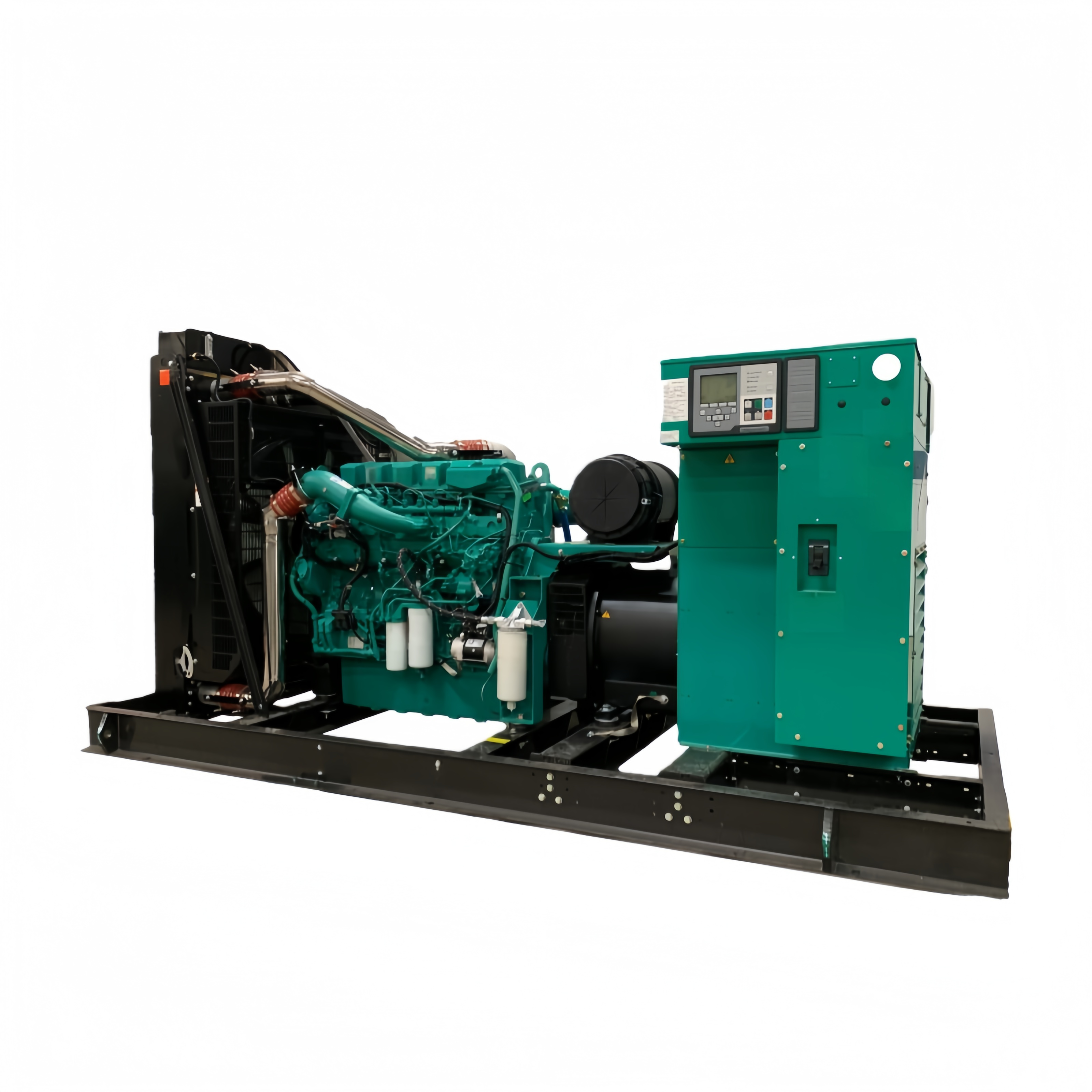
Understanding the relationship between fuel efficiency and the total cost of ownership for trailer generators is crucial for businesses making informed equipment investments. Fuel consumption represents one of the largest ongoing operational expenses throughout a trailer generator's lifecycle, often accounting for 60-70% of total operating costs over a five-year period. Companies that prioritize fuel-efficient models can achieve significant long-term savings while maintaining reliable power generation capabilities for their mobile applications.
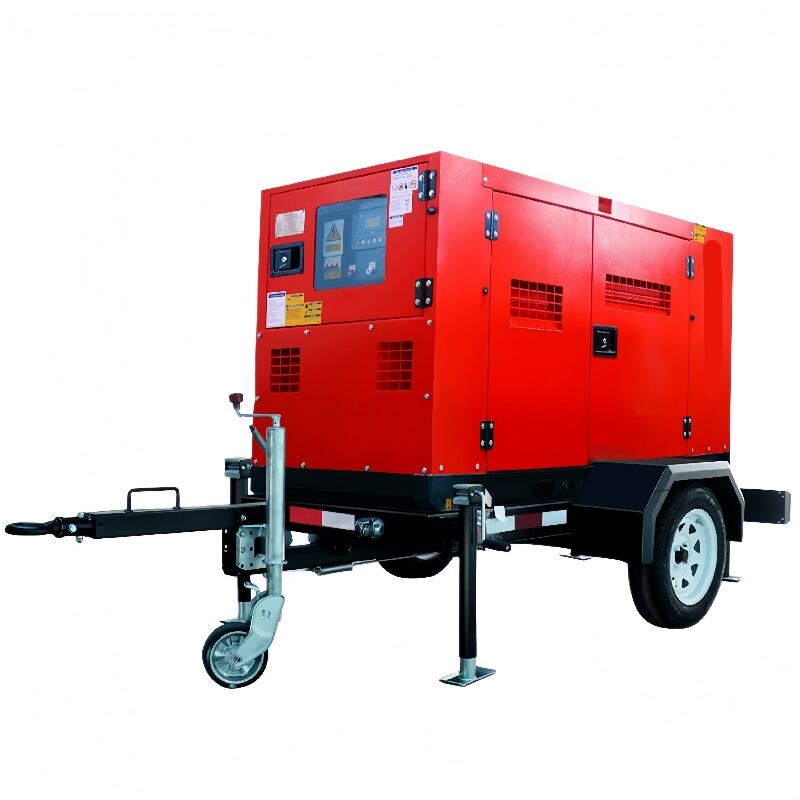
The initial purchase price of a trailer generator represents only a fraction of its total ownership cost. Modern businesses increasingly recognize that fuel efficiency directly impacts profitability, especially in applications requiring extended operation periods. Remote construction sites, emergency response operations, and temporary event power requirements all demand generators that can deliver consistent performance while minimizing fuel consumption and associated transportation costs.
Fuel Consumption Impact on Operating Expenses
Daily Fuel Cost Calculations
A standard trailer generator typically consumes between 3 to 8 gallons of fuel per hour, depending on load capacity and engine efficiency. For a unit operating 12 hours daily, fuel costs can range from $120 to $320 per day at current diesel prices. Over a month-long project, this translates to fuel expenses between $3,600 and $9,600, highlighting the substantial impact of efficiency ratings on operational budgets.
Fuel-efficient trailer generator models incorporate advanced engine technologies such as electronic fuel injection, variable speed governors, and optimized combustion chambers. These innovations can reduce fuel consumption by 15-25% compared to conventional units, resulting in daily savings of $18 to $80 depending on operational requirements. The cumulative effect of these savings becomes increasingly significant for companies operating multiple units or maintaining continuous power generation schedules.
Load Management and Efficiency Optimization
The relationship between load demand and fuel efficiency in trailer generators follows a predictable pattern, with optimal efficiency typically occurring at 75-85% of rated capacity. Operating a trailer generator at extremely light loads can actually increase fuel consumption per kilowatt-hour produced, while maximum load conditions may push the engine beyond its most efficient operating range.
Smart load management systems integrated into modern trailer generators automatically adjust engine speed and fuel delivery based on real-time power demands. These systems can improve fuel efficiency by up to 30% during variable load conditions, particularly beneficial for applications with fluctuating power requirements such as construction sites or outdoor events where electrical demand changes throughout the day.
Long-term Financial Analysis of Fuel Efficiency
Return on Investment Calculations
When evaluating trailer generator options, businesses must consider the premium cost of fuel-efficient models against projected fuel savings over the equipment's operational lifetime. A high-efficiency trailer generator might cost $5,000 to $15,000 more than a standard model, but annual fuel savings of $8,000 to $25,000 can justify this investment within the first year of operation for high-utilization applications.
Financial analysis should include fuel price volatility projections, as diesel costs have historically fluctuated between $2.50 and $5.00 per gallon over the past decade. Trailer generator investments in fuel efficiency provide hedge protection against future fuel price increases, offering predictable operational cost structures that facilitate better project budgeting and profit margin protection.
Maintenance Cost Correlations
Fuel-efficient trailer generator engines typically feature advanced technologies that also contribute to reduced maintenance requirements and extended service intervals. Electronic fuel injection systems provide more precise fuel delivery, reducing carbon buildup and extending oil change intervals by 25-40%. Variable speed operation reduces engine stress during light load conditions, potentially extending major overhaul intervals from 15,000 to 20,000 hours.
Lower fuel consumption directly correlates with reduced emissions system maintenance, particularly important for trailer generators operating in environmentally sensitive areas or jurisdictions with strict emission regulations. Cleaner combustion reduces exhaust aftertreatment system regeneration cycles, decreasing maintenance downtime and associated service costs that can average $2,000 to $5,000 annually for heavily utilized units.
Environmental and Regulatory Considerations
Emission Standards Compliance
Modern trailer generator units must comply with increasingly stringent EPA Tier 4 Final emission standards, which mandate significant reductions in nitrogen oxides and particulate matter emissions. Fuel-efficient engines inherently produce lower emissions per kilowatt-hour generated, making compliance more cost-effective and reducing the complexity of exhaust aftertreatment systems required for regulatory compliance.
Companies operating trailer generators in multiple states or international markets benefit from fuel efficiency investments that exceed minimum regulatory requirements. Future emission standards will likely become more restrictive, and trailer generator units with superior fuel efficiency and emission performance will maintain regulatory compliance longer, protecting equipment investments and avoiding premature replacement costs.
Carbon Footprint Reduction Programs
Corporate sustainability initiatives increasingly focus on reducing carbon emissions from mobile power generation equipment. A fuel-efficient trailer generator producing 100 kW can reduce CO2 emissions by 15-30 tons annually compared to less efficient alternatives, supporting corporate environmental goals while generating operational cost savings.
Many industries now require contractors to demonstrate environmental responsibility through equipment selection and operational practices. Trailer generator fleets with documented fuel efficiency performance can provide competitive advantages in bid processes and support long-term customer relationships with environmentally conscious organizations.
Technology Innovations Driving Efficiency
Engine Management Systems
Advanced engine control modules in contemporary trailer generator designs continuously optimize fuel injection timing, air-fuel ratios, and turbocharger operation based on real-time load conditions and environmental factors. These systems can adjust parameters thousands of times per minute, ensuring optimal combustion efficiency across varying operational conditions.
Predictive maintenance algorithms integrated into trailer generator control systems monitor engine performance parameters and fuel efficiency trends, alerting operators to developing issues before they impact operational costs. Early detection of fuel system problems, air filter restrictions, or engine wear patterns enables proactive maintenance that preserves fuel efficiency throughout the equipment's service life.
Hybrid and Alternative Fuel Technologies
Emerging hybrid trailer generator configurations combine traditional diesel engines with battery energy storage systems, enabling operation at optimal efficiency points while meeting variable load demands through battery supplementation. These systems can reduce fuel consumption by 20-40% in applications with intermittent or cyclical power requirements.
Alternative fuel options including biodiesel, natural gas, and propane provide additional opportunities for cost reduction and environmental compliance in trailer generator applications. Natural gas trailer generators can reduce fuel costs by 30-50% compared to diesel units in areas with abundant natural gas supplies, while biodiesel options support sustainability objectives with minimal modification to existing diesel trailer generator systems.
Operational Strategies for Maximum Efficiency
Site Planning and Generator Sizing
Proper trailer generator sizing significantly impacts fuel efficiency, as oversized units operating at light loads consume disproportionate amounts of fuel relative to power output. Conducting detailed load analysis ensures trailer generator selection matches actual power requirements, maintaining operation within optimal efficiency ranges while providing adequate reserve capacity for peak demands.
Multi-generator configurations using smaller trailer generator units can provide superior fuel efficiency for applications with varying load profiles. Automatic load sharing systems can bring additional units online only when required, maintaining high efficiency across the primary trailer generator while providing redundancy and capacity flexibility for changing operational requirements.
Preventive Maintenance Programs
Systematic maintenance schedules preserve trailer generator fuel efficiency throughout operational life cycles. Regular air filter replacement, fuel system cleaning, and engine oil analysis prevent performance degradation that can increase fuel consumption by 5-15% over time. Fuel quality testing and treatment programs ensure optimal combustion efficiency while protecting fuel system components from contamination and degradation.
Temperature management through proper ventilation and cooling system maintenance maintains trailer generator engine efficiency during extreme weather conditions. Heat exchanger cleaning, coolant system servicing, and radiator maintenance prevent thermal stress conditions that force engines to operate outside optimal efficiency parameters, particularly important for trailer generators operating in harsh environmental conditions.
FAQ
How much can fuel efficiency improvements reduce total trailer generator operating costs
Fuel efficiency improvements of 20-25% can reduce total operating costs by 12-18% over a five-year period, considering that fuel typically represents 60-70% of operational expenses. For a trailer generator operating 2000 hours annually, this translates to savings of $15,000 to $30,000 per year depending on fuel prices and load requirements.
What trailer generator engine technologies provide the best fuel efficiency
Electronic fuel injection, variable speed governors, turbocharging with intercooling, and advanced engine management systems provide the most significant fuel efficiency improvements. These technologies combined can improve fuel economy by 25-35% compared to mechanical fuel injection systems while maintaining reliable performance across varying load conditions.
How does trailer generator maintenance affect long-term fuel efficiency
Proper preventive maintenance can preserve 95-98% of original fuel efficiency throughout a trailer generator's operational life. Neglected maintenance can increase fuel consumption by 15-25% within 3-5 years, emphasizing the importance of regular air filter replacement, fuel system servicing, and engine oil analysis programs.
What factors should be considered when calculating trailer generator fuel efficiency ROI
Key factors include initial equipment premium costs, projected annual operating hours, current and projected fuel prices, maintenance cost differences, resale value impacts, and regulatory compliance requirements. Most fuel-efficient trailer generator investments achieve positive ROI within 12-24 months for applications exceeding 1500 annual operating hours.
Table of Contents
- Fuel Consumption Impact on Operating Expenses
- Long-term Financial Analysis of Fuel Efficiency
- Environmental and Regulatory Considerations
- Technology Innovations Driving Efficiency
- Operational Strategies for Maximum Efficiency
-
FAQ
- How much can fuel efficiency improvements reduce total trailer generator operating costs
- What trailer generator engine technologies provide the best fuel efficiency
- How does trailer generator maintenance affect long-term fuel efficiency
- What factors should be considered when calculating trailer generator fuel efficiency ROI