 EN
EN

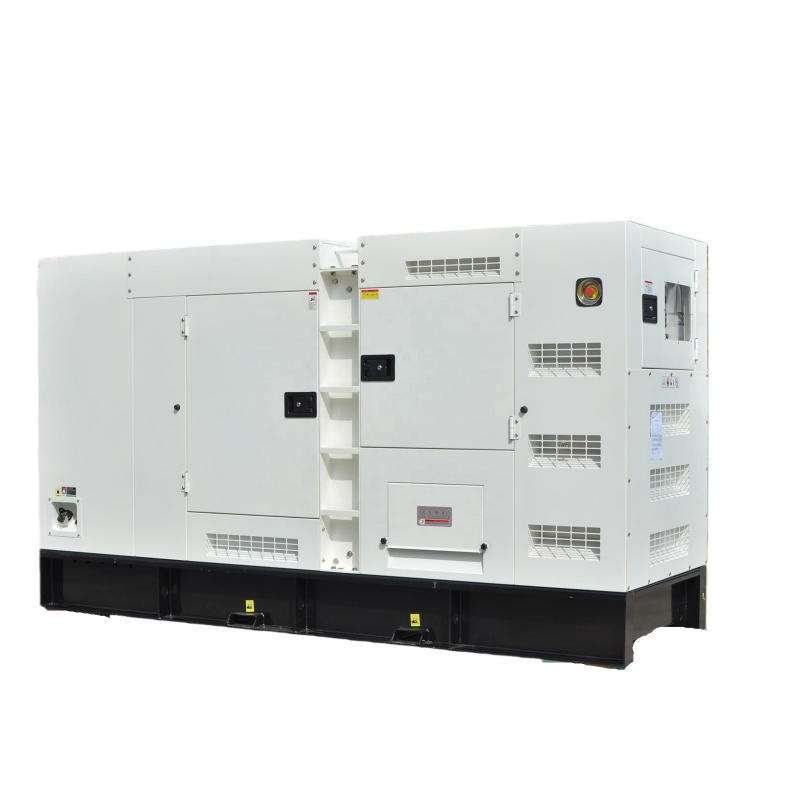
Operating environment conditions play a crucial role in determining the most suitable gas generator set for industrial and commercial applications. From ambient temperature fluctuations to altitude variations, dust levels, humidity, and chemical exposure, each environmental factor directly impacts generator performance, efficiency, and longevity. Understanding these environmental influences enables facility managers and engineers to make informed decisions when specifying a gas generator set that will deliver reliable power under specific operational conditions. The selection process requires careful evaluation of site-specific parameters to ensure optimal generator performance throughout its operational lifecycle.
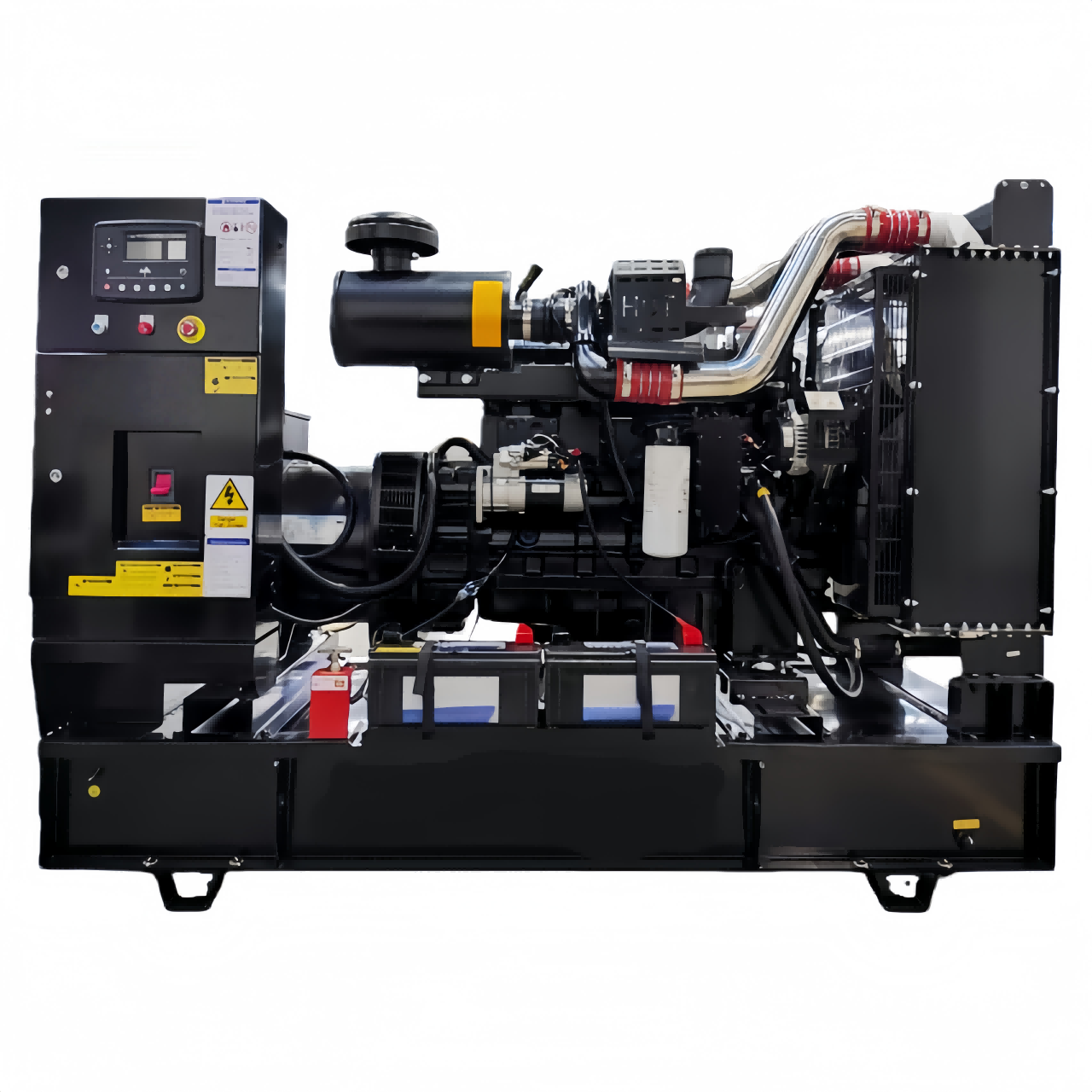
Environmental Temperature Impact on Generator Performance
High Temperature Operating Conditions
Elevated ambient temperatures significantly affect gas generator set performance by reducing power output and increasing fuel consumption. When operating temperatures exceed standard conditions, typically above 25°C (77°F), generators experience derating effects that can reduce available power by 3-4% for every 10°C increase. This thermal derating occurs because higher ambient temperatures reduce air density, affecting combustion efficiency and cooling system performance. Industrial facilities located in hot climates must account for these derating factors when sizing their gas generator set to ensure adequate power capacity during peak temperature periods.
High-temperature environments also accelerate component wear and increase maintenance requirements for gas generator systems. Cooling system components, including radiators, fans, and coolant pumps, work harder to maintain optimal operating temperatures, potentially leading to premature failure if not properly specified. Additionally, electronic control systems and alternator windings are susceptible to thermal stress, requiring enhanced cooling provisions or temperature-resistant components when operating in consistently hot environments.
Cold Weather Generator Considerations
Cold operating environments present unique challenges for gas generator set operation, particularly regarding fuel system performance and engine starting reliability. Natural gas and propane systems require special consideration in sub-freezing temperatures to prevent fuel line freezing and ensure consistent gas flow. Cold weather packages typically include engine block heaters, battery warmers, and fuel system heating elements to maintain reliable starting and operation in temperatures below -18°C (0°F).
Low ambient temperatures can actually improve gas generator set power output due to increased air density, but this advantage is often offset by increased starting difficulties and potential fuel system complications. Cold weather operation also requires synthetic lubricants and extended warm-up periods to ensure proper engine operation. Facilities in northern climates must specify appropriate cold weather accessories and protection systems to maintain reliable emergency power capabilities throughout winter months.
Altitude and Atmospheric Pressure Effects
High Altitude Derating Requirements
Altitude significantly impacts gas generator set performance due to reduced atmospheric pressure and lower oxygen concentration at elevated locations. Standard generator ratings apply at sea level conditions, but power output decreases approximately 3.5% for every 300 meters (1,000 feet) above sea level. This derating factor becomes critical for facilities located at high altitudes, where a gas generator set may produce substantially less power than its nameplate rating suggests.
High-altitude installations require careful consideration of both power derating and cooling system performance. Reduced air density affects not only combustion efficiency but also cooling system effectiveness, as heat dissipation becomes more challenging at elevation. Some manufacturers offer high-altitude kits that include larger cooling systems, modified fuel mapping, and enhanced air intake systems to partially compensate for altitude effects, though complete power recovery is rarely achievable without turbocharging or other forced induction systems.
Atmospheric Pressure Compensation
Modern gas generator set control systems incorporate atmospheric pressure sensors to automatically adjust fuel-air mixtures for varying pressure conditions. These systems help maintain optimal combustion efficiency and emissions compliance across different operating altitudes and barometric pressure variations. However, automatic compensation has limitations, and significant altitude changes still require physical modifications to achieve optimal performance.
Barometric pressure variations due to weather changes also affect generator performance, though to a lesser extent than permanent altitude installations. Gas generator systems equipped with advanced engine management systems can adapt to these daily pressure variations automatically, maintaining consistent power output and fuel efficiency. Understanding these atmospheric effects helps operators anticipate performance variations and schedule maintenance appropriately.
Humidity and Moisture Considerations
High Humidity Operating Challenges
Excessive humidity presents several challenges for gas generator set operation, including electrical system vulnerability, corrosion acceleration, and air quality degradation. High humidity environments, particularly those exceeding 85% relative humidity, can cause electrical component failures, insulation breakdown, and control system malfunctions. Tropical and coastal installations require enhanced electrical protection, including sealed control panels, dehumidification systems, and corrosion-resistant wiring and connections.
Moisture in the combustion air affects gas generator set performance by altering combustion characteristics and potentially causing unstable operation. While modern fuel management systems can compensate for moderate humidity variations, extreme conditions may require air conditioning or dehumidification systems for the generator enclosure. Additionally, high humidity accelerates corrosion of metal components, requiring enhanced protective coatings and more frequent maintenance intervals to prevent premature equipment failure.
Condensation Prevention Strategies
Condensation prevention is critical for gas generator set reliability in humid environments. Effective strategies include maintaining positive enclosure pressure, installing moisture barriers, and implementing heating systems to keep internal temperatures above dew point. Space heaters activated during shutdown periods help prevent moisture accumulation on electrical components and reduce corrosion risk during extended standby periods.
Proper ventilation design balances the need for adequate cooling air with moisture control requirements. Ventilation systems should include moisture traps, air filters, and automatic dampers to minimize humid air infiltration during shutdown periods. Regular monitoring of internal humidity levels and implementing automated controls helps maintain optimal conditions for gas generator set components throughout varying environmental conditions.
Dust and Contaminant Management
Air Filtration System Design
Dusty environments require specialized air filtration systems to protect gas generator set engines from premature wear and performance degradation. Heavy dust loading can clog air filters rapidly, reducing airflow and causing power loss, increased fuel consumption, and potential engine damage. Industrial sites, construction areas, and desert locations typically require multi-stage filtration systems with pre-cleaners, primary filters, and safety elements to ensure adequate engine protection.
Advanced air filtration systems for gas generator applications include restriction indicators, automatic filter monitoring, and remote alarm capabilities to alert operators when filter replacement is necessary. Some installations benefit from cyclone pre-cleaners that remove larger particles before air enters the main filtration system. The selection of appropriate filtration efficiency levels must balance engine protection with system restriction to maintain optimal performance while extending filter service life.
Chemical Contaminant Resistance
Chemical processing facilities, refineries, and industrial plants often expose gas generator set equipment to corrosive atmospheres containing sulfur compounds, chlorides, or other aggressive chemicals. These environments require special material selections, enhanced protective coatings, and potentially upgraded ventilation systems to prevent accelerated corrosion and component degradation. Stainless steel components, epoxy coatings, and chemical-resistant gaskets become necessary in severe chemical environments.
Gas generator systems operating in chemically aggressive environments also require more frequent maintenance and inspection schedules to identify potential problems before they result in equipment failure. Specialized lubricants and coolants may be necessary to provide adequate protection against chemical attack. Understanding the specific contaminants present at each installation site enables proper specification of protective measures and maintenance protocols to ensure reliable long-term operation.
Seismic and Weather Protection
Earthquake Resistant Installation
Seismic considerations become critical for gas generator set installations in earthquake-prone regions. Proper foundation design, flexible fuel connections, and seismic restraint systems help ensure continued operation following seismic events. Generator sets require engineered mounting systems that can withstand specified seismic forces while maintaining alignment and preventing damage to connected systems including fuel lines, electrical connections, and cooling systems.
Post-earthquake functionality is essential for emergency power systems, requiring careful attention to fuel system integrity and automatic restart capabilities. Gas generator installations in seismic zones benefit from flexible connections, automatic shut-off valves, and leak detection systems that can quickly identify and isolate damaged components while allowing continued operation of undamaged systems. Regular seismic compliance inspections help ensure continued protection and operational readiness.
Weather Protection Systems
Severe weather conditions including high winds, hail, flooding, and ice storms can damage exposed gas generator set equipment and compromise emergency power reliability. Weather-resistant enclosures provide protection against wind-driven rain, hail damage, and temperature extremes while maintaining adequate ventilation for proper operation. Some installations require specialized features including tornado-resistant construction, flood-resistant designs, or ice-prevention systems.
Lightning protection becomes particularly important for gas generator installations due to the combustible nature of fuel systems and the critical nature of emergency power applications. Comprehensive lightning protection systems include air terminals, down conductors, and grounding systems designed specifically for generator installations. Weather monitoring systems can provide early warning of severe conditions, enabling automatic shutdown procedures to protect equipment when necessary.
Noise and Vibration Control
Sound Attenuation Requirements
Urban and residential proximity installations often require extensive sound attenuation measures to comply with local noise ordinances and minimize community impact. Gas generator set installations can implement various noise control strategies including acoustic enclosures, sound barriers, and exhaust silencers to achieve required sound levels. Critical-grade silencers and residential-grade enclosures can reduce sound levels significantly, though at increased cost and space requirements.
Sound level requirements vary significantly based on location, time of operation, and local regulations. Some jurisdictions impose different limits for daytime and nighttime operation, requiring variable sound attenuation systems or operational restrictions. Understanding local sound level requirements during the selection process ensures compliance and prevents costly modifications after installation. Gas generator systems in noise-sensitive areas benefit from low-speed operation and enhanced muffling systems.
Vibration Isolation Systems
Vibration control becomes important for gas generator set installations in sensitive buildings or where vibration transmission could affect nearby equipment or occupants. Spring isolators, elastomeric pads, and inertia bases help reduce vibration transmission to building structures. Proper vibration isolation design considers both the generator set characteristics and the supporting structure to achieve effective isolation across the operating frequency range.
Building-mounted installations require careful structural analysis to prevent resonance conditions that could amplify vibrations and cause structural damage. Some installations benefit from separate foundation systems that decouple the generator set from the main building structure. Regular vibration monitoring helps identify developing mechanical issues before they result in equipment failure or structural problems.
FAQ
How does ambient temperature affect gas generator set power output
Ambient temperature directly impacts gas generator set power output through air density effects on combustion efficiency. Higher temperatures reduce air density, resulting in power derating of approximately 3-4% for every 10°C above standard conditions. Modern generators include temperature compensation systems, but significant derating still occurs in hot climates, requiring oversizing to meet power requirements during peak temperature periods.
What altitude limitations apply to standard gas generator sets
Standard gas generator sets experience power derating of approximately 3.5% for every 300 meters (1,000 feet) above sea level due to reduced atmospheric pressure and oxygen concentration. Most generators can operate effectively up to 1,500 meters without special modifications, though power output will be reduced. Higher altitude installations may require turbocharged engines or special high-altitude kits to maintain acceptable performance levels.
How do humidity levels impact generator reliability and maintenance
High humidity environments accelerate corrosion, increase electrical system vulnerability, and can cause control system malfunctions in gas generator installations. Humidity levels above 85% typically require enhanced electrical protection, dehumidification systems, and more frequent maintenance intervals. Proper enclosure design with heating and ventilation systems helps maintain optimal internal conditions regardless of external humidity levels.
What environmental factors require the most significant generator modifications
Extreme temperature conditions, high altitude installations, and chemically aggressive environments typically require the most extensive gas generator set modifications. These conditions may necessitate enhanced cooling systems, special materials, upgraded air filtration, and modified control systems. Combining multiple severe environmental factors often requires custom-engineered solutions to ensure reliable operation and acceptable equipment life.