 EN
EN

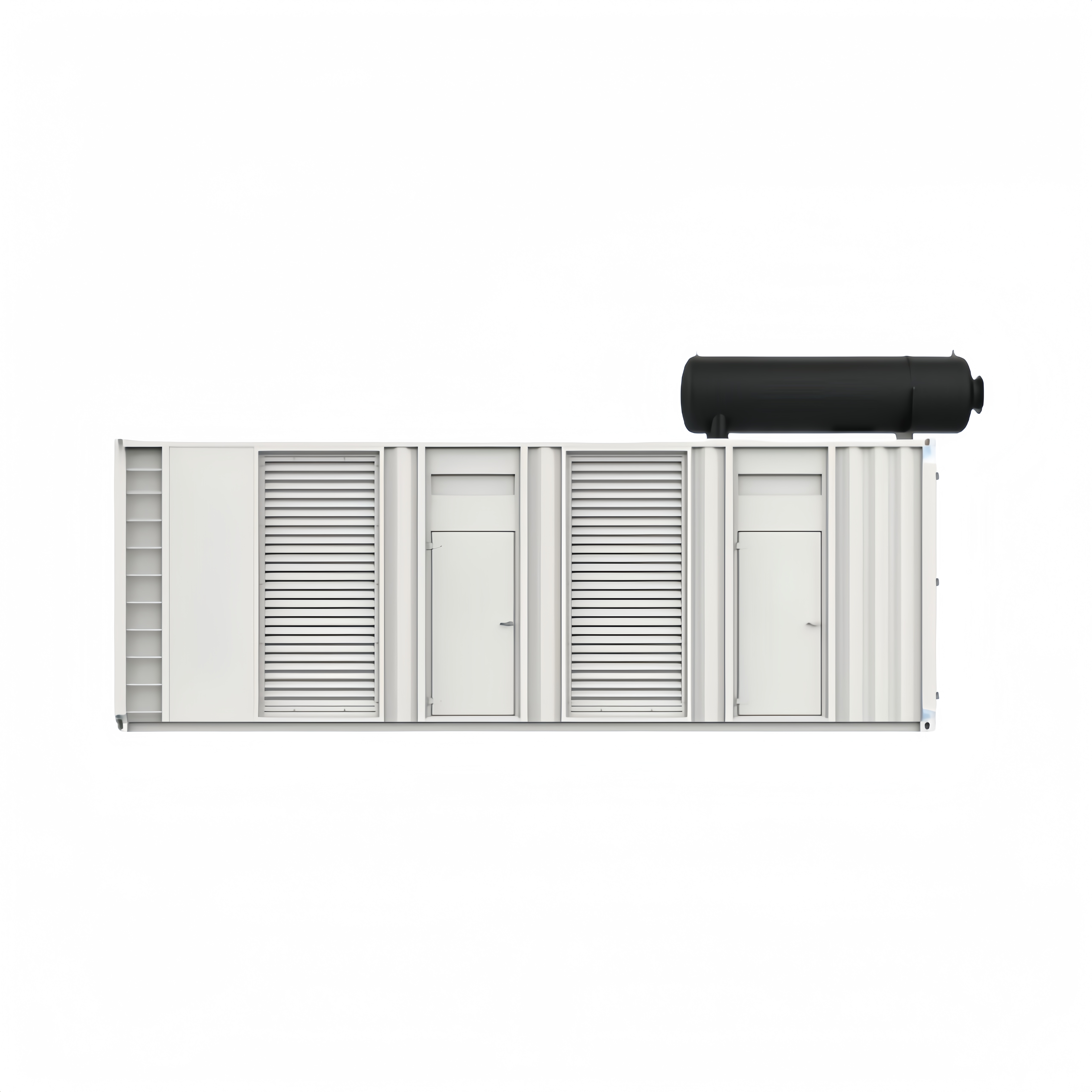
When industrial facilities, power plants, or commercial operations require around-the-clock energy supply, the reliability and performance of gas engines become absolutely critical. Unlike standby or peaking applications, continuous operation systems impose a relentless duty cycle on every mechanical and electronic component. Understanding how gas engines are engineered and adapted for these demanding environments helps procurement managers, plant engineers, and energy project developers make smarter investment decisions.
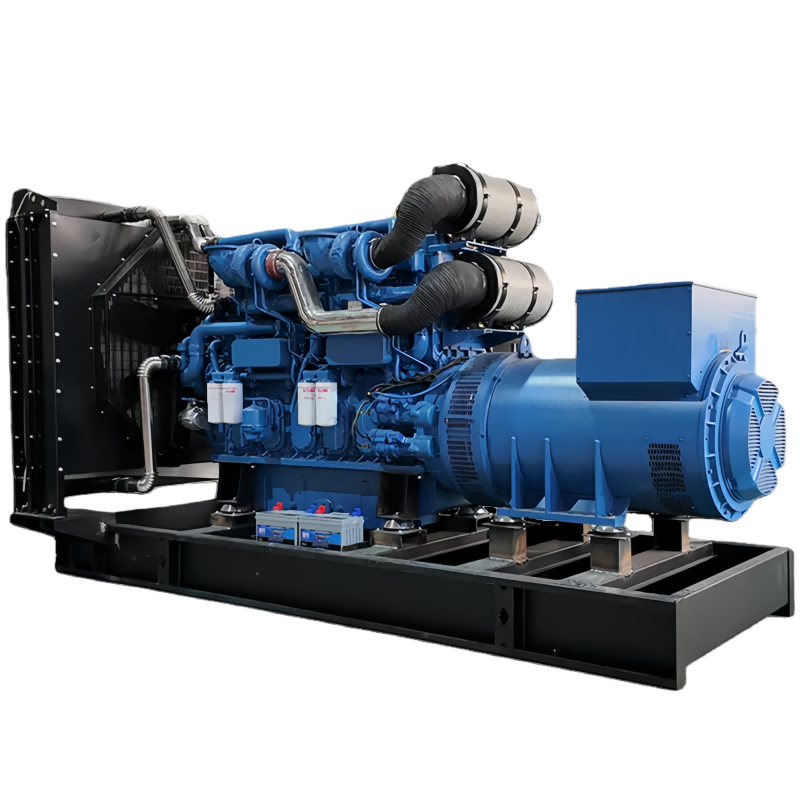
The customization of gas engines for continuous operation is not a single modification but a layered engineering process that touches combustion design, thermal management, control architecture, lubrication systems, and maintenance scheduling. Each adjustment works in concert with the others to ensure that gas engines can sustain full-load or near-full-load output for thousands of hours without unexpected failures. This article walks through the primary methods and principles that define how gas engines are tailored for always-on systems.
The Engineering Foundation of Continuous Operation
Combustion Optimization for Extended Duty Cycles
At the heart of any continuous operation customization is the combustion chamber. Gas engines intended for intermittent use are typically designed around peak efficiency at a specific load point, but continuous-duty gas engines require a flat efficiency curve across a broader load range. Engineers reshape piston crown geometry, adjust compression ratios, and calibrate valve timing to ensure stable combustion across varying fuel compositions, including natural gas, biogas, and landfill gas.
Lean-burn combustion strategies are widely adopted in continuous-duty gas engines because they reduce thermal stress on components while maintaining low emissions. By running a leaner air-fuel mixture, combustion temperatures are kept within safer boundaries, which directly prolongs the service life of valves, pistons, and cylinder liners. This is a critical design choice for applications where downtime is economically unacceptable.
Manufacturers also pay close attention to detonation control in gas engines running continuously. Knock sensors tied to electronic control units allow real-time ignition timing adjustments, preventing destructive pre-ignition events that could damage engine internals after thousands of operating hours. This closed-loop combustion management is one of the defining features that separates industrial-grade continuous gas engines from general-purpose alternatives.
Structural Reinforcement and Material Upgrades
Continuous operation means that structural fatigue accumulates at a far faster rate than in standby applications. For this reason, gas engines customized for always-on systems typically feature reinforced crankshafts manufactured from higher-grade alloyed steel, with tighter surface finish tolerances to resist micro-crack propagation over extended running hours. Connecting rods and main bearing caps are similarly upgraded to handle the cumulative mechanical loads.
Cylinder heads in continuous-duty gas engines often use a different alloy composition compared to standard models, with improved thermal conductivity to transfer heat away from the combustion zone more efficiently. Valve seat materials are selected for superior wear resistance because continuous operation means the valves are opening and closing millions of times more frequently than in a typical standby engine configuration.
Block design also plays a role. Many gas engines built for continuous service use a deep-skirt block architecture, which increases rigidity and reduces vibration-induced stress at the main bearing locations. These structural decisions collectively extend the mean time between overhauls, which is a key metric for any facility operating gas engines in a 24/7 environment.
Thermal and Cooling System Adaptations
Advanced Cooling Circuit Engineering
Heat rejection is one of the most significant engineering challenges in continuous-duty gas engines. When an engine runs for thousands of hours without stopping, the cooling system must maintain consistent operating temperatures without allowing hot spots to develop in the cylinder head, piston crowns, or exhaust manifold. Most industrial gas engines for continuous service use a two-circuit cooling system that separates high-temperature and low-temperature coolant loops.
The high-temperature circuit handles the primary engine block cooling, while the low-temperature circuit manages charge air cooling after the turbocharger. By separating these two thermal loads, engineers can precisely control the charge air temperature entering the cylinders, which directly affects power density, fuel efficiency, and emission levels. This dual-circuit architecture is considered essential for gas engines operating under continuous-duty conditions.
Thermostat design in continuous-duty gas engines is also more sophisticated than in standard configurations. Variable thermostat systems that adjust coolant flow based on real-time load conditions help maintain optimal thermal stability during partial-load periods, which is important in applications like cogeneration where thermal output demand fluctuates even as electrical demand remains constant.
Lubrication System Enhancements
Oil degradation is accelerated in continuous operation because the lubrication system never has an opportunity to fully recover between run cycles. Gas engines customized for this purpose typically feature larger oil sump capacity, which dilutes the rate of contaminant accumulation and extends oil change intervals. Some configurations include a bypass oil filtration module that continuously removes fine particulates without interrupting engine operation.
Oil pressure regulation is tightened in continuous-duty gas engines because pressure fluctuations during extended operation can cause bearing wear that accumulates slowly but leads to catastrophic failure if ignored. Pressure relief valves and oil pump designs are calibrated to maintain stable film thickness at all bearing surfaces regardless of oil temperature or viscosity changes that occur over a long run cycle.
Piston cooling jets are another common feature in gas engines built for continuous service. These small nozzles direct a stream of pressurized oil onto the underside of the piston crown, removing heat from one of the most thermally stressed components in the engine. This targeted cooling strategy allows gas engines to sustain higher power ratings without accelerating piston wear, a key advantage in continuous generation applications.
Control Systems and Remote Monitoring Integration
Adaptive Engine Management for Long-Run Stability
Modern gas engines operating in continuous systems rely on sophisticated engine management systems that go well beyond basic speed and temperature control. The electronic control unit in a continuous-duty engine monitors dozens of parameters simultaneously, including lambda value, exhaust gas temperature, cylinder-specific knock intensity, coolant flow rate, and oil pressure delta across the filtration system. This data feeds adaptive algorithms that make micro-adjustments to ignition timing, fuel metering, and air flow in real time.
Over extended operating periods, gas engines experience gradual changes in valve clearance, injector performance, and sensor calibration. Adaptive control systems can compensate for many of these drift phenomena without requiring manual intervention. This self-correcting capability is particularly valuable in remote or unmanned installations where immediate technician response is not always possible.
Load management integration is another dimension of control system customization. Gas engines in continuous systems are often linked to grid management platforms or site energy management systems via communication protocols. This allows the engine to respond automatically to demand signals, ramp output within safe limits, and coordinate with other generation assets, all while maintaining the stability and longevity that continuous operation demands.
Predictive Maintenance and Condition Monitoring
One of the most impactful developments in continuous-duty gas engines is the integration of condition-based maintenance frameworks. Rather than following fixed service intervals, these systems analyze vibration signatures, exhaust composition data, oil quality sensors, and thermal imaging outputs to predict when components are approaching the end of their service life. This approach minimizes unnecessary maintenance while preventing unplanned failures.
Remote diagnostics platforms allow operators to monitor gas engines from centralized control rooms or even mobile devices, receiving real-time alerts when anomalies are detected. For facilities running multiple gas engines in parallel, this capability provides fleet-level visibility that makes maintenance scheduling far more efficient. The ability to plan component replacements during scheduled windows rather than reacting to breakdowns is a major operational advantage for continuous power users.
Data logging functionality also supports warranty management, regulatory compliance, and performance optimization. Continuous-duty gas engines accumulate thousands of hours of operational data that can be analyzed to identify efficiency losses, adjust fuel consumption targets, and plan capacity upgrades well in advance of actual demand changes.
Fuel System Flexibility and Emissions Compliance
Multi-Fuel Capability and Fuel Quality Management
Gas engines used in continuous systems often operate on fuel sources that vary in composition over time, particularly in biogas or landfill gas applications. Customization for these environments involves installing gas analyzers that measure methane content, inert gas fractions, and moisture levels in real time. The engine management system then adjusts air-fuel ratios dynamically to maintain stable combustion despite fluctuating fuel quality.
Fuel pre-treatment systems are often integrated upstream of continuous-duty gas engines to remove hydrogen sulfide, siloxanes, and condensate that would otherwise cause accelerated corrosion and deposit buildup inside the engine. These treatment systems are sized to match the flow demands of continuous operation, ensuring that gas engines always receive clean, consistent fuel regardless of source variability.
Pressure regulation is also carefully designed for continuous gas engines. Fuel supply pressure must remain within tight tolerances to prevent lean misfire or rich combustion events. Multi-stage pressure regulators with automatic compensation provide the stable inlet conditions that gas engines need to maintain consistent performance and emissions levels over their operational life.
Emissions Control for Continuous Regulatory Compliance
Facilities running gas engines in continuous operation are subject to ongoing emissions monitoring because their cumulative output is substantially higher than that of standby systems. Catalytic oxidation converters are commonly fitted to reduce carbon monoxide and hydrocarbon emissions, while selective catalytic reduction systems handle nitrogen oxide levels in regions with strict air quality standards. These aftertreatment systems are designed for continuous-duty service with appropriate catalyst volumes and durable substrate materials.
Closed-loop lambda control, combined with precisely calibrated injector systems, allows gas engines to maintain the stoichiometric or lean combustion conditions required for optimal catalyst efficiency. When the air-fuel ratio drifts outside the catalyst's operating window, emissions compliance deteriorates rapidly, which is why the integration of combustion control and aftertreatment management is treated as a single system in continuous-duty configurations.
Regular catalyst inspection and replacement planning form part of the broader maintenance framework for continuous gas engines. Unlike batch or standby engines, where catalyst life is measured in calendar years, continuous-duty gas engines consume catalyst capacity rapidly. Factoring in catalyst replacement costs and lead times is an important aspect of total cost of ownership modeling for any continuous operation project.
FAQ
What makes gas engines different for continuous operation versus standby use?
Gas engines built for continuous operation are engineered with reinforced components, advanced thermal management systems, adaptive control algorithms, and predictive maintenance capabilities that standard standby engines typically lack. The goal is to sustain full or near-full output for thousands of hours without degradation, whereas standby gas engines are optimized for fast start response and limited run durations.
How do gas engines handle variable fuel quality in long-term continuous service?
Continuous-duty gas engines use inline gas analyzers and adaptive fuel management systems to compensate for changes in methane content, moisture, and inert gas fractions. Upstream pre-treatment systems remove damaging contaminants, while the engine control unit adjusts combustion parameters in real time to maintain stable operation regardless of fuel quality fluctuations.
What maintenance intervals should be expected for gas engines in continuous operation?
Maintenance intervals for continuous-duty gas engines depend on engine design, fuel type, and operating conditions, but condition-based maintenance systems now allow many facilities to extend service intervals beyond traditional fixed schedules. Oil changes, valve adjustments, spark plug replacements, and major overhauls are planned based on actual component condition data rather than calendar or hour thresholds alone.
Can gas engines in continuous systems be integrated with renewable energy or grid management platforms?
Yes, modern continuous-duty gas engines are designed with open communication protocols that allow integration with grid management systems, energy storage platforms, and renewable energy controls. This connectivity allows gas engines to respond to demand signals, coordinate with solar or wind generation assets, and optimize fuel consumption across the entire energy system rather than operating in isolation.
Table of Contents
- The Engineering Foundation of Continuous Operation
- Thermal and Cooling System Adaptations
- Control Systems and Remote Monitoring Integration
- Fuel System Flexibility and Emissions Compliance
-
FAQ
- What makes gas engines different for continuous operation versus standby use?
- How do gas engines handle variable fuel quality in long-term continuous service?
- What maintenance intervals should be expected for gas engines in continuous operation?
- Can gas engines in continuous systems be integrated with renewable energy or grid management platforms?