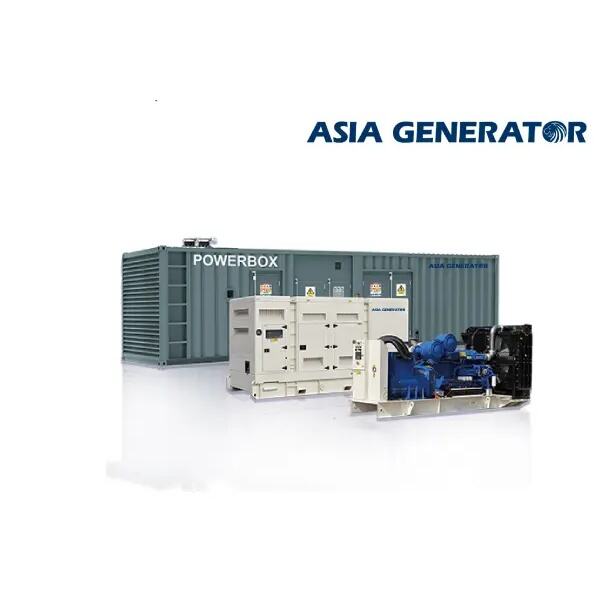
Power Supply Generators: Reliable Backup Power Solutions for Industrial and Commercial Applications

All Categories

Get a Free Quote

Our representative will contact you soon.
Email
Name
Tel/WhatsApp
Company Name
Message
0/1000

power supply generator

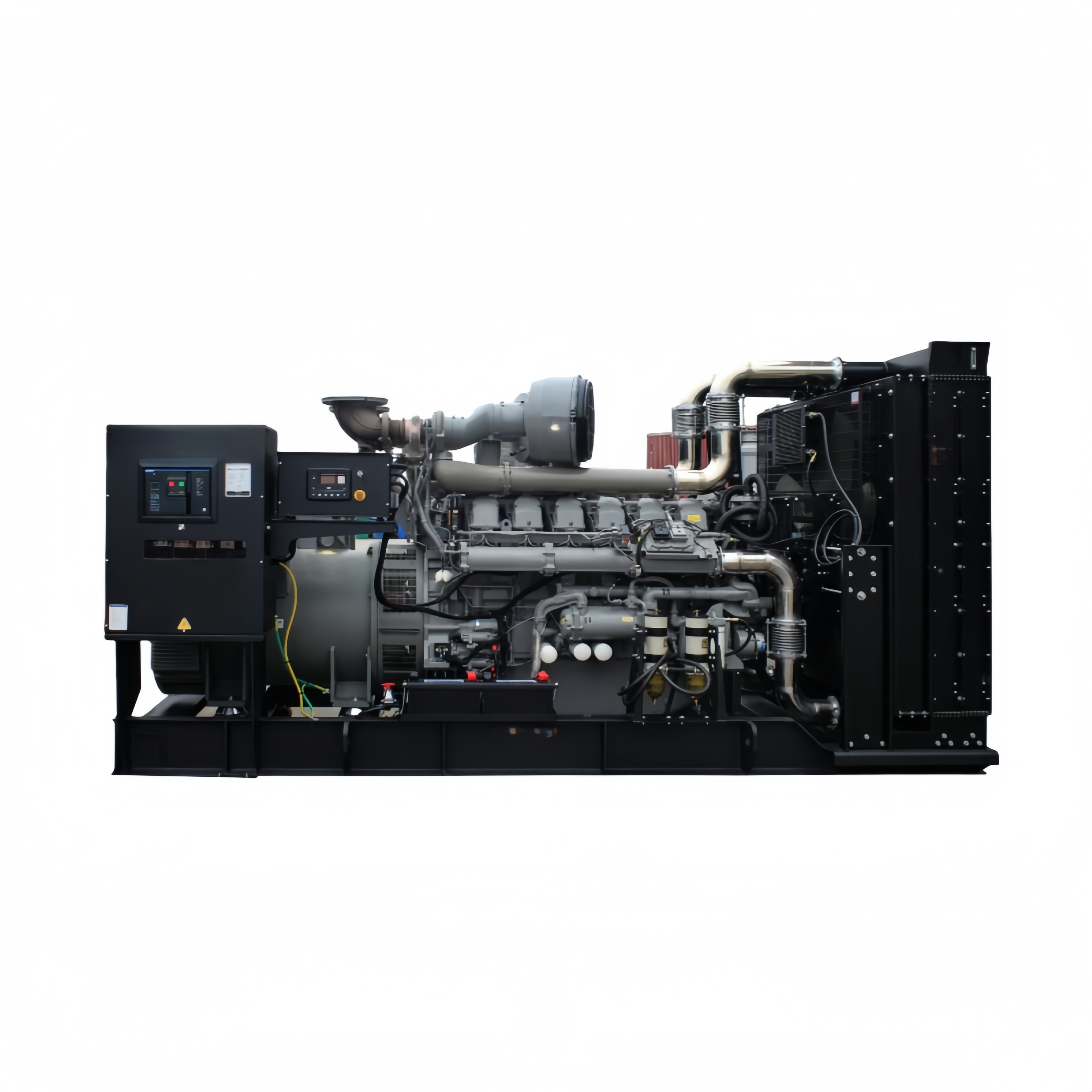
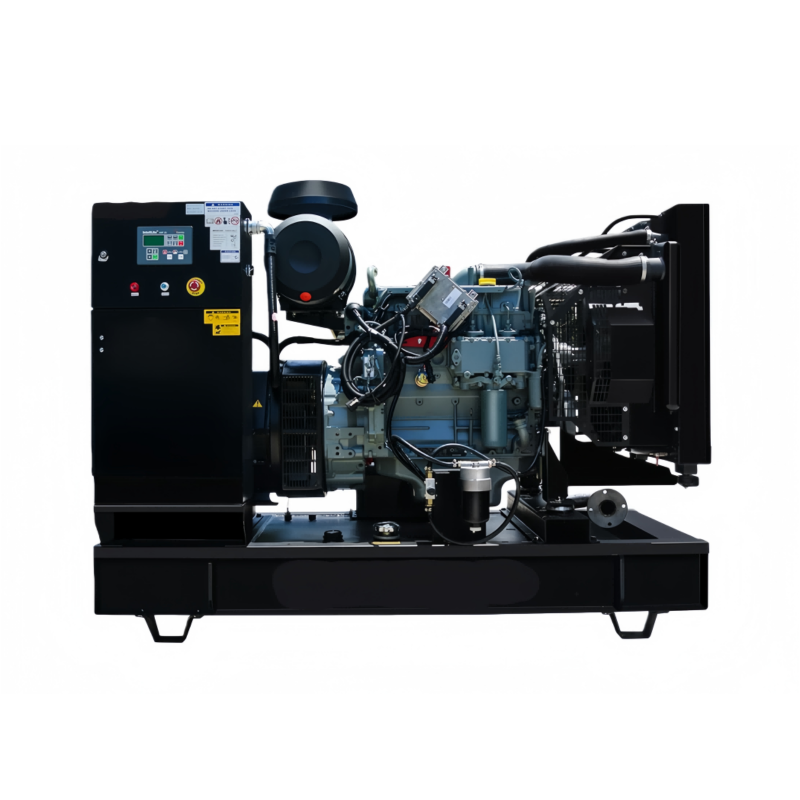
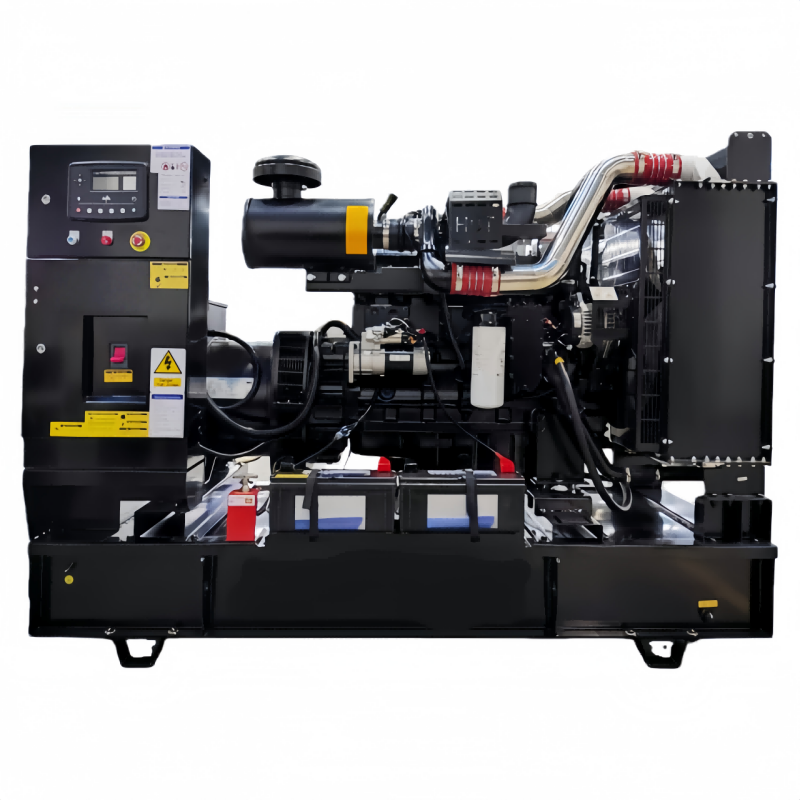
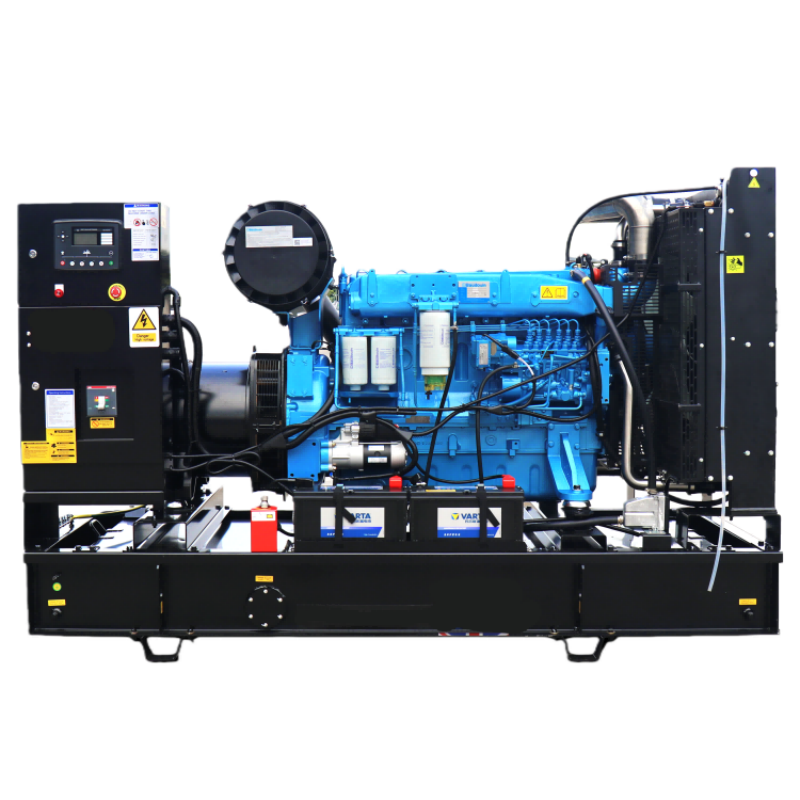
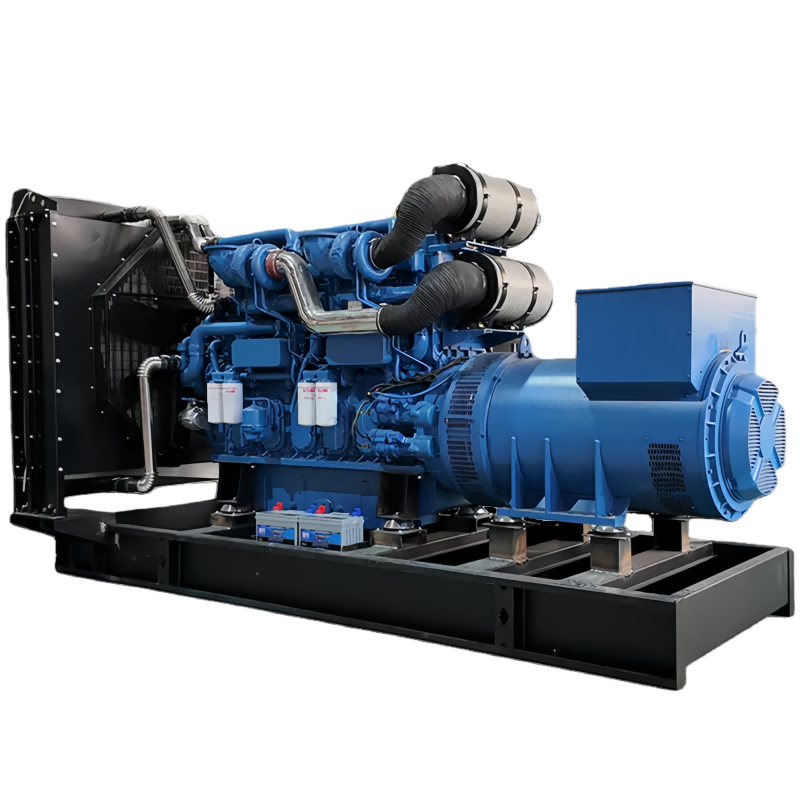
A power supply generator serves as a critical electrical device that converts mechanical energy into electrical power, providing reliable electricity when primary power sources are unavailable or insufficient. These versatile machines operate through electromagnetic induction principles, where a rotating generator head produces alternating current that can be distributed to various electrical loads. Modern power supply generators incorporate advanced control systems, automatic voltage regulation, and sophisticated monitoring capabilities to ensure consistent performance across diverse operating conditions. The fundamental design includes an engine or prime mover, typically diesel, gasoline, or natural gas powered, coupled with an alternator assembly that transforms rotational motion into electrical energy. Contemporary power supply generator systems feature intelligent load management, digital display panels, and remote monitoring capabilities that allow operators to track performance metrics in real-time. These units range from portable residential models producing several kilowatts to industrial-grade systems capable of generating megawatts of power. The technological architecture incorporates protective systems including overcurrent protection, voltage regulation circuits, and automatic shutdown mechanisms that prevent equipment damage during abnormal operating conditions. Power supply generators find applications across numerous sectors including healthcare facilities, data centers, construction sites, manufacturing plants, and residential backup power systems. Emergency response scenarios particularly benefit from mobile power supply generator units that can rapidly deploy to disaster-affected areas. The integration of smart grid technology enables modern power supply generators to seamlessly interface with existing electrical infrastructure, providing grid-tie capabilities and load-sharing functionality. Environmental considerations have driven manufacturers to develop cleaner-burning engines and noise-reduction technologies, making power supply generators more suitable for urban applications. Maintenance requirements vary based on generator size and usage patterns, with larger industrial units requiring scheduled servicing intervals and smaller residential models needing periodic oil changes and filter replacements.

New Product Recommendations

Power supply generators deliver exceptional reliability during power outages, ensuring continuous operation of critical systems and equipment when utility power fails. These robust machines provide immediate backup power activation through automatic transfer switches, eliminating manual intervention and reducing downtime risks. The versatility of power supply generators allows customization for specific power requirements, from small residential units supporting essential appliances to large industrial systems maintaining entire facility operations. Fuel efficiency improvements in modern power supply generators significantly reduce operating costs while extending runtime between refueling cycles. Advanced control systems enable precise load management, optimizing fuel consumption based on actual electrical demand rather than running at full capacity continuously. The portability factor of smaller power supply generators provides tremendous flexibility for temporary power needs at remote locations, construction sites, and outdoor events where grid power remains unavailable. Maintenance costs stay relatively low compared to alternative backup power solutions, with standardized components and widespread service network availability reducing repair expenses and downtime. Modern power supply generators incorporate noise reduction technologies that minimize sound levels, making them suitable for residential neighborhoods and noise-sensitive environments. The scalability advantage allows businesses to start with smaller units and expand capacity as power requirements grow, avoiding substantial upfront investments in oversized systems. Environmental benefits emerge from cleaner-burning engines and improved emission controls that meet stringent regulatory standards while reducing environmental impact. Power quality features including voltage regulation and frequency stability ensure sensitive electronic equipment receives clean, consistent power that prevents damage and operational disruptions. Remote monitoring capabilities enable proactive maintenance scheduling and real-time performance tracking, preventing unexpected failures and optimizing generator efficiency. The rapid deployment capability of mobile power supply generators makes them invaluable for emergency response situations, disaster recovery operations, and temporary power requirements. Cost-effectiveness becomes apparent when comparing generator ownership to utility backup services or alternative power solutions, particularly for facilities requiring extended backup power duration. Integration flexibility allows power supply generators to work alongside renewable energy systems, providing reliable backup when solar or wind resources prove insufficient.

Practical Tips

How Noise Is A Silent Type Generator Set?

09

Dec

How Noise Is A Silent Type Generator Set?

View More
How Does a Gas Generator Work?

09

Dec

How Does a Gas Generator Work?

View More
What Is The Difference between Open Generator And Silent Generator?

09

Dec

What Is The Difference between Open Generator And Silent Generator?

View More

Get a Free Quote

Our representative will contact you soon.
Email
Name
Tel/WhatsApp
Company Name
Message
0/1000

power supply generator

Advanced Automatic Transfer Switch Technology

Advanced Automatic Transfer Switch Technology

The sophisticated automatic transfer switch technology integrated into modern power supply generators represents a revolutionary advancement in backup power management systems. This intelligent switching mechanism continuously monitors utility power quality and automatically initiates generator startup when voltage drops below predetermined thresholds or complete power loss occurs. The seamless transition happens within seconds, ensuring critical loads never experience interruption during power transfer between utility and generator sources. Advanced microprocessor controls within the transfer switch system provide precise voltage and frequency monitoring, preventing false starts caused by minor utility fluctuations while ensuring immediate response to actual power emergencies. The technology incorporates time delay functions that prevent unnecessary generator cycling during brief utility interruptions, extending engine life and reducing fuel consumption. Modern automatic transfer switches feature load shedding capabilities that prioritize essential circuits during generator operation, maximizing runtime and preventing overload conditions. The system includes comprehensive diagnostic functions that continuously monitor generator health, fuel levels, battery condition, and operational parameters, providing early warning alerts for potential maintenance issues. Integration with building management systems allows centralized monitoring and control of multiple power supply generators across large facilities or campus environments. The transfer switch technology supports both open and closed transition operation modes, enabling seamless power quality management during utility restoration. Safety features include interlocks that prevent parallel operation between utility and generator sources unless specifically designed for such operation, protecting equipment and personnel from dangerous feedback conditions. Remote communication capabilities enable facility managers to monitor transfer switch status and generator performance from anywhere, receiving instant notifications of power events or system alerts. The robust construction of automatic transfer switches ensures reliable operation in harsh environmental conditions, with weather-resistant enclosures and temperature compensation features maintaining performance across wide operating temperature ranges.
Fuel Efficiency and Environmental Performance

Fuel Efficiency and Environmental Performance

Contemporary power supply generators achieve remarkable fuel efficiency through advanced engine technologies and intelligent load management systems that optimize consumption based on actual electrical demand. Variable speed technology allows generators to adjust engine RPM according to load requirements, dramatically reducing fuel consumption during light load conditions while maintaining power quality standards. The implementation of electronic fuel injection systems provides precise fuel delivery control, improving combustion efficiency and reducing emissions compared to traditional carburetor-based systems. Modern power supply generators incorporate catalytic reduction systems and diesel particulate filters that significantly decrease harmful emissions, meeting strict environmental regulations while maintaining operational performance. Fuel monitoring systems provide real-time consumption data and predictive analytics that help operators optimize refueling schedules and identify efficiency improvement opportunities. The integration of hybrid technology in some power supply generators combines traditional engine operation with battery storage systems, reducing runtime requirements and further improving overall efficiency. Advanced cooling systems maintain optimal operating temperatures while minimizing parasitic power losses, ensuring maximum fuel energy converts to electrical output. Smart load bank testing capabilities allow operators to verify generator efficiency without disrupting facility operations, maintaining peak performance through regular optimization cycles. Biofuel compatibility in many modern power supply generators provides environmentally conscious organizations with sustainable fuel options that reduce carbon footprint while maintaining reliable backup power. Waste heat recovery systems in larger industrial power supply generators capture engine heat for building heating or hot water production, improving overall energy efficiency and reducing facility operating costs. Remote monitoring of fuel consumption patterns enables predictive maintenance scheduling and early identification of efficiency degradation, preventing costly repairs and maintaining optimal performance. The implementation of variable valve timing and turbocharging technologies in power supply generators maximizes power output while minimizing fuel consumption, providing superior performance per gallon compared to older generation equipment.
Comprehensive Digital Control and Monitoring Systems

Comprehensive Digital Control and Monitoring Systems

The integration of sophisticated digital control and monitoring systems transforms modern power supply generators into intelligent power management platforms that provide unprecedented operational visibility and control capabilities. These advanced systems feature intuitive touchscreen interfaces that display real-time operational parameters including voltage, current, frequency, power factor, and fuel consumption, enabling operators to make informed decisions about generator operation and maintenance. Remote monitoring capabilities through cellular, ethernet, or satellite communication links allow facility managers to oversee multiple power supply generators from centralized control rooms or mobile devices, receiving instant alerts about operational changes or maintenance requirements. The digital control systems incorporate comprehensive data logging functions that record operational history, maintenance intervals, and performance trends, providing valuable insights for optimizing generator efficiency and planning preventive maintenance schedules. Advanced diagnostic capabilities continuously monitor engine parameters, alternator performance, and auxiliary system operation, identifying potential issues before they cause equipment failures or service interruptions. Customizable alarm systems provide multiple notification methods including email, text messages, and audible alerts, ensuring appropriate personnel receive immediate notification of any operational anomalies or maintenance requirements. The control systems support multiple language options and user access levels, allowing organizations to configure appropriate operational permissions while maintaining security and preventing unauthorized modifications. Integration with building automation systems enables power supply generators to participate in comprehensive facility energy management programs, optimizing overall electrical system performance and reducing operational costs. Weather compensation features automatically adjust generator operation based on ambient temperature and humidity conditions, maintaining optimal performance across seasonal variations. The digital systems support firmware updates that continuously improve functionality and add new features without requiring hardware modifications, protecting long-term investment value. Predictive maintenance algorithms analyze operational data patterns to recommend optimal service intervals and identify components requiring attention before failures occur, minimizing unplanned downtime and reducing maintenance costs.
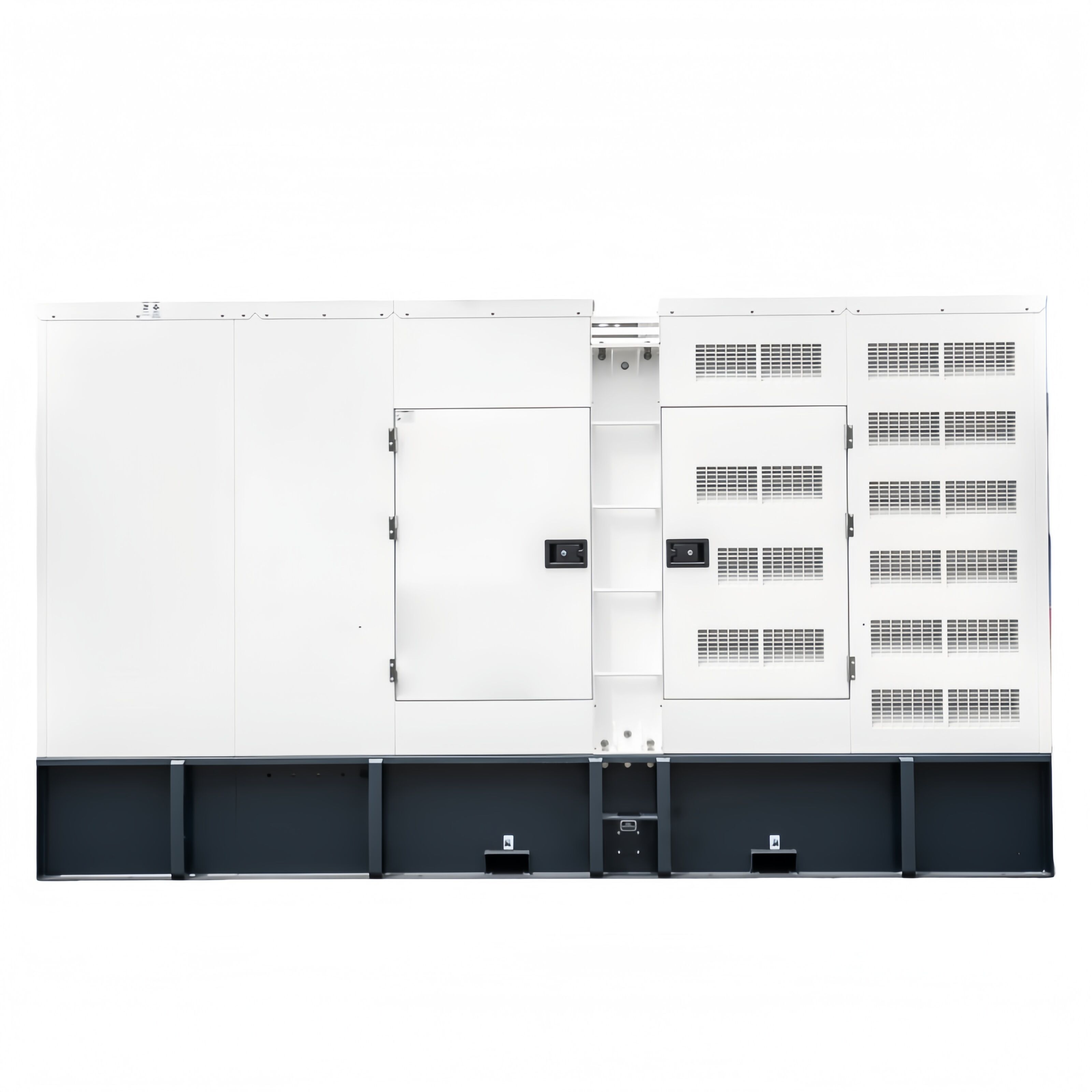
Power Supply Generators: Reliable Backup Power Solutions for Industrial and Commercial Applications

Get a Free Quote

Our representative will contact you soon.
Email
Name
Tel/WhatsApp
Company Name
Message
0/1000