Advanced Power Plant Technology: Efficient, Reliable, and Environmentally Responsible Energy Solutions

All Categories

Get a Free Quote

Our representative will contact you soon.
Email
Name
Tel/WhatsApp
Company Name
Message
0/1000

power plant

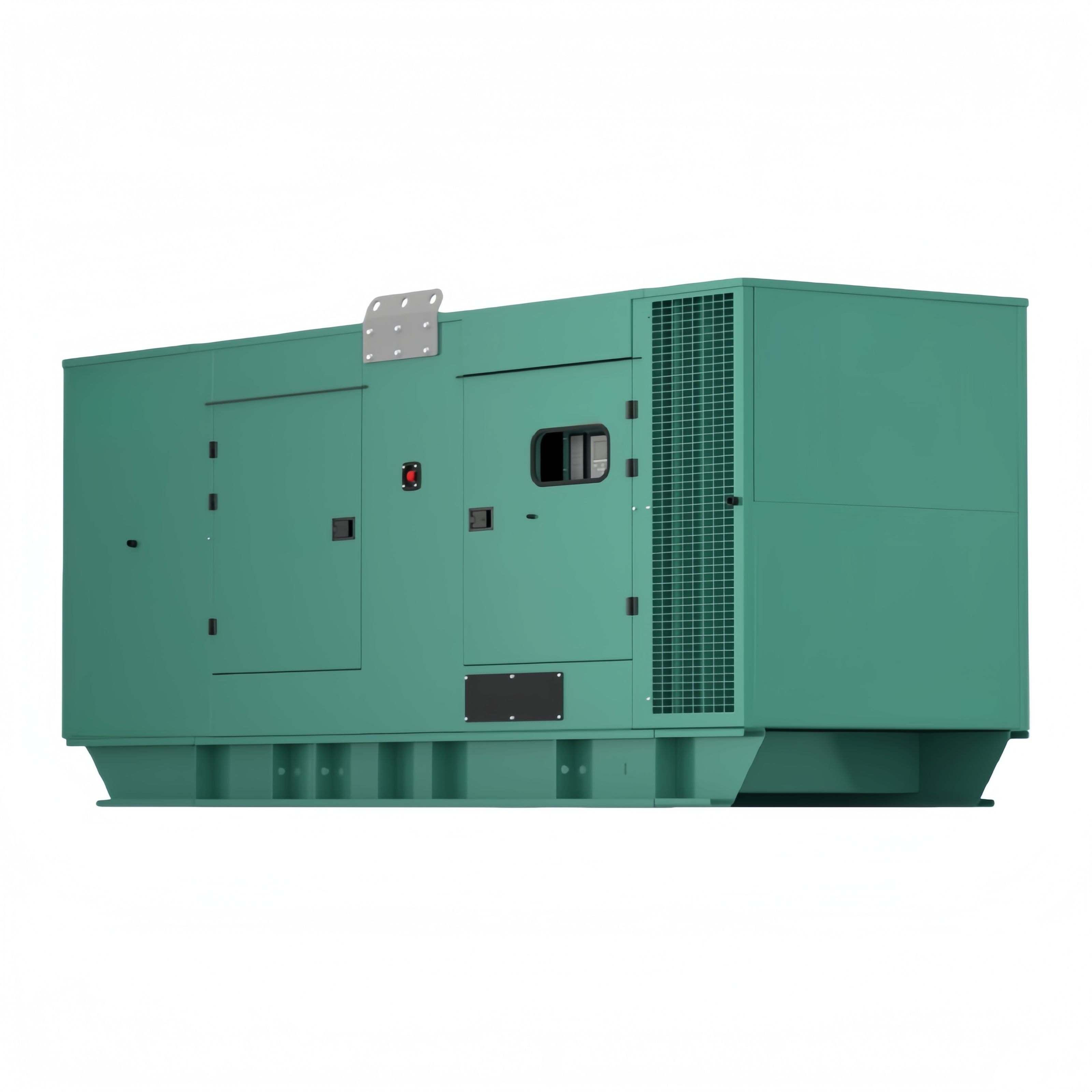
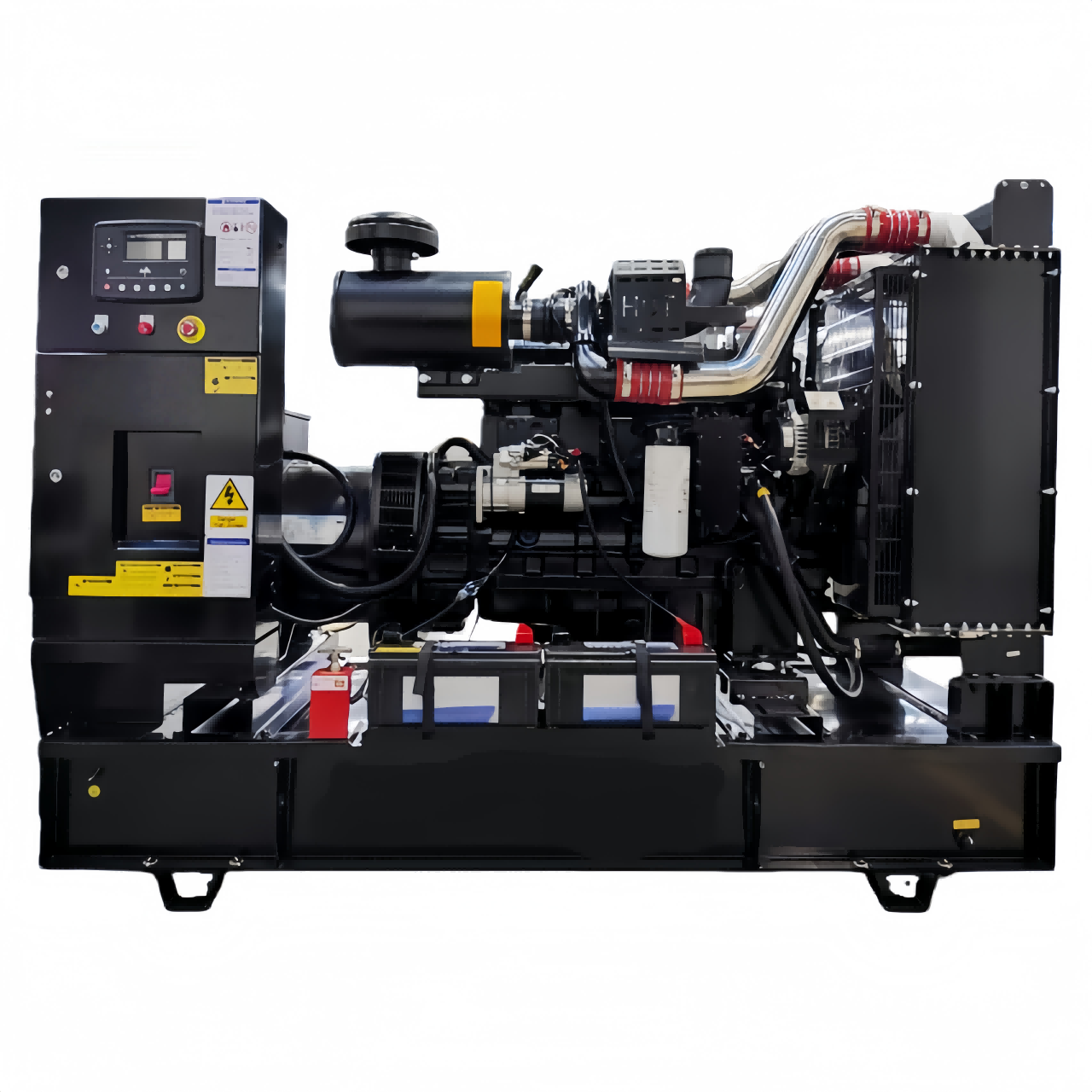
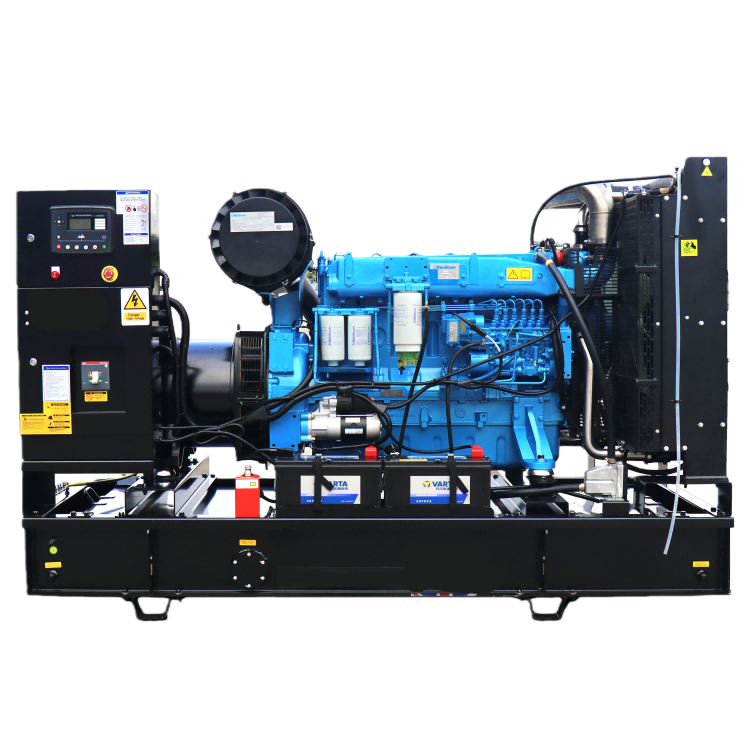
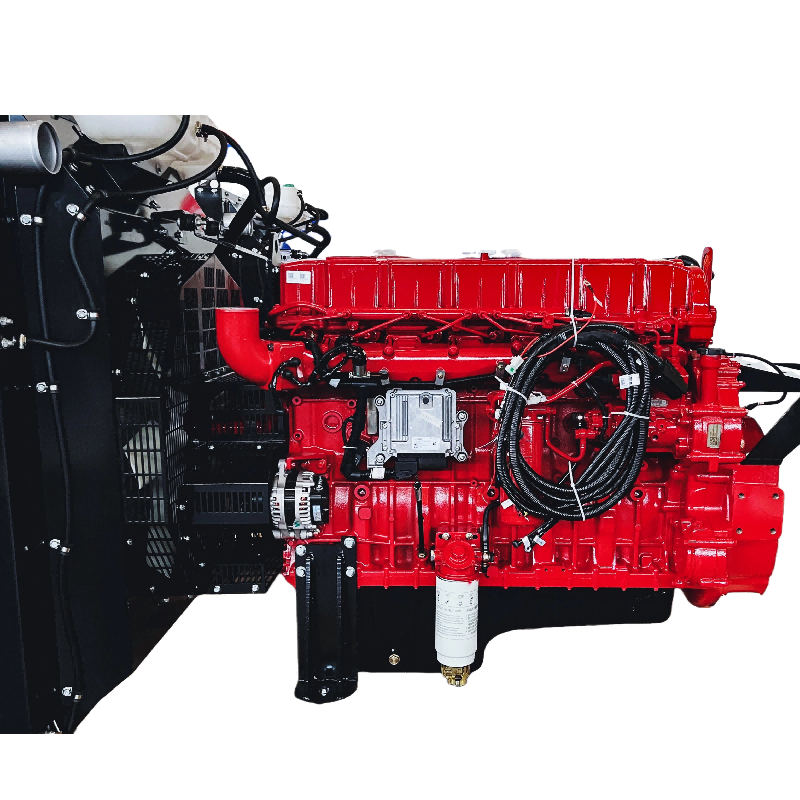
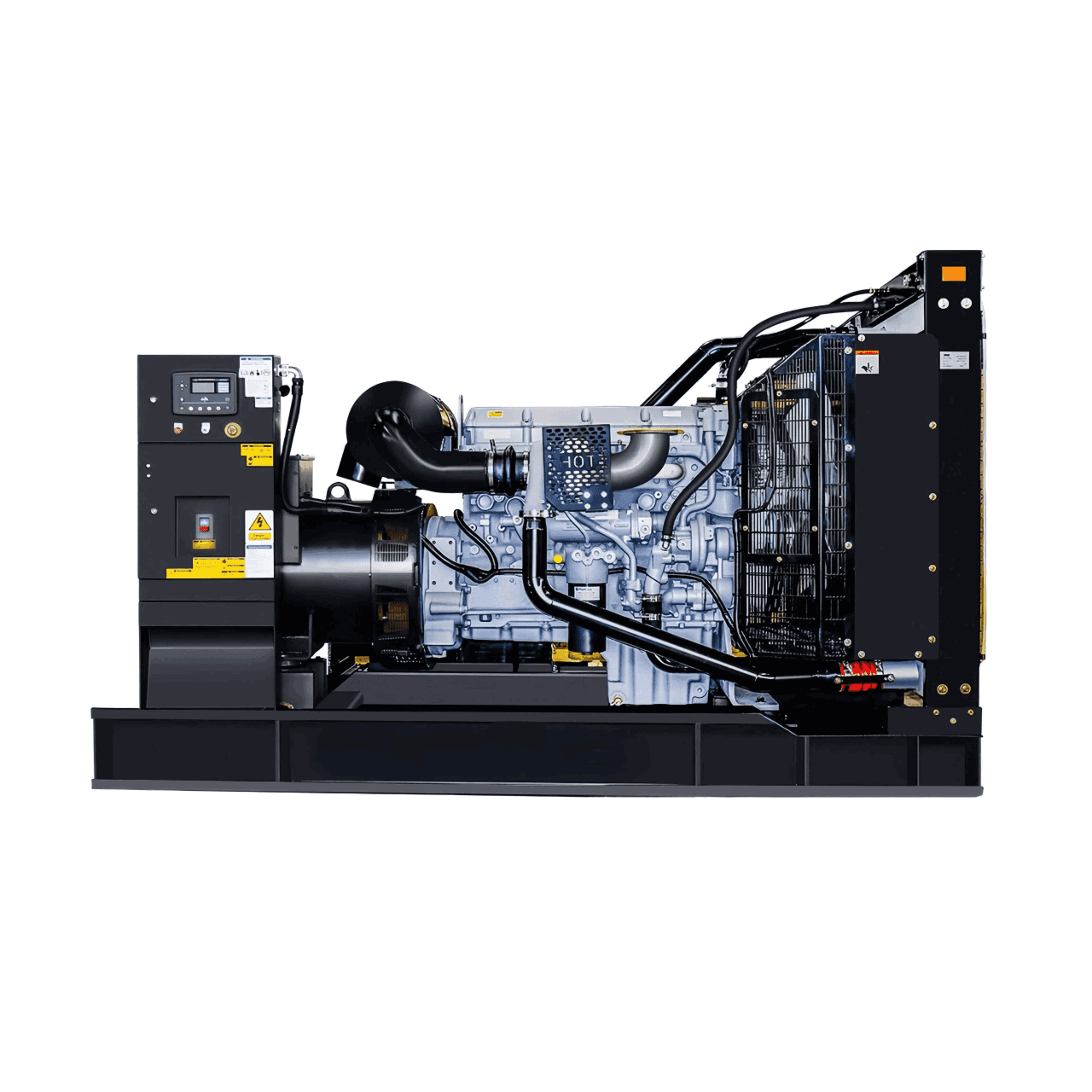
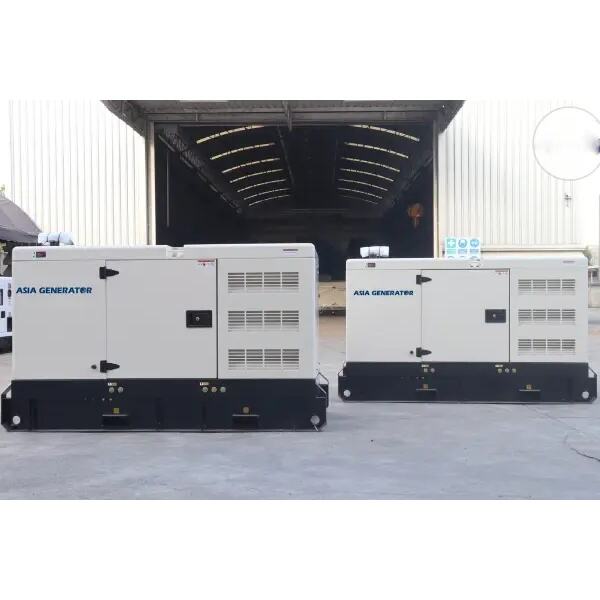
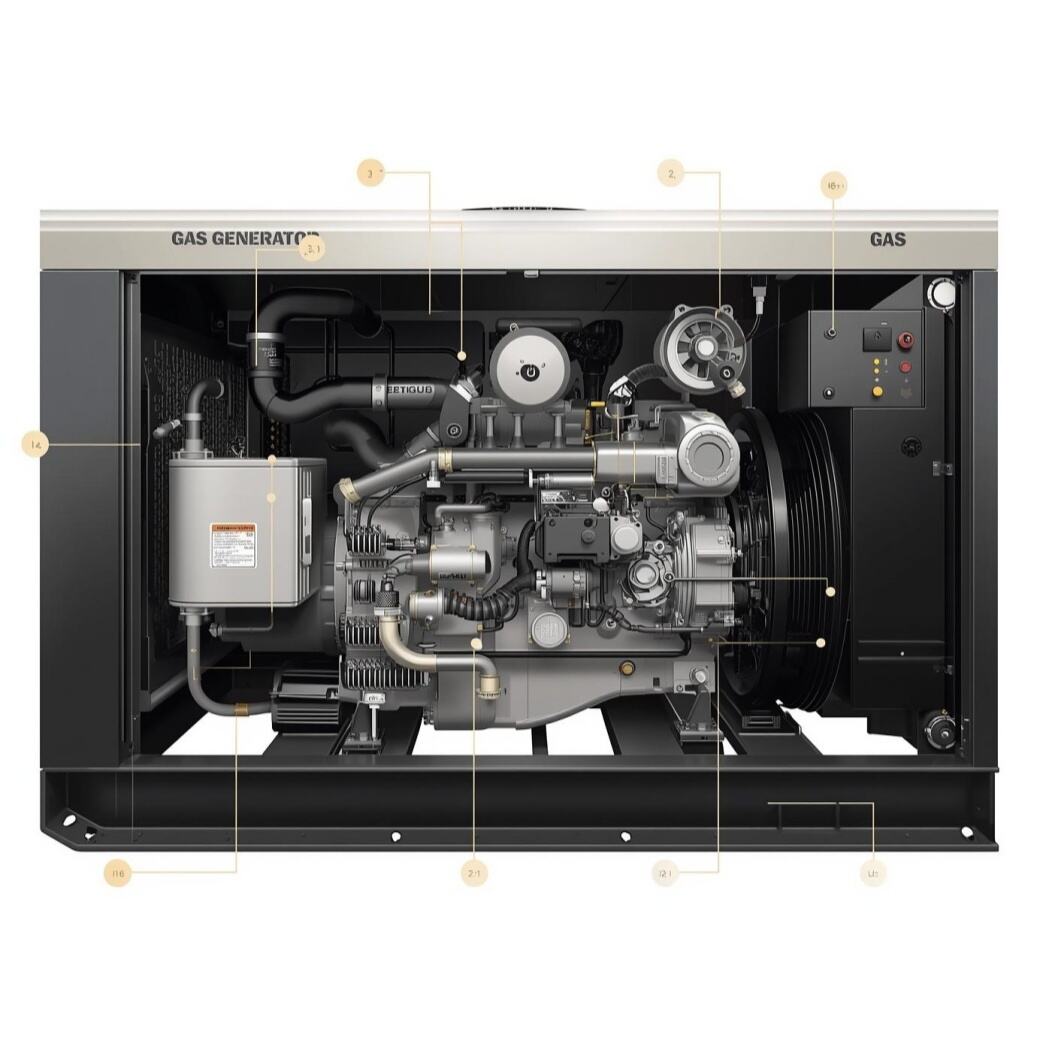
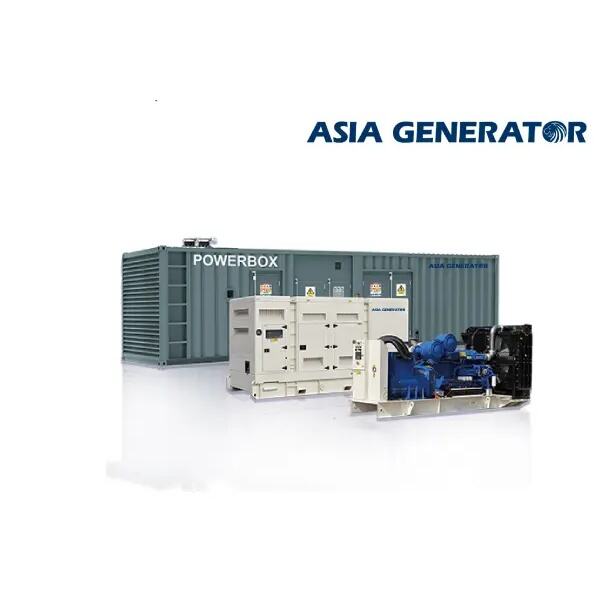
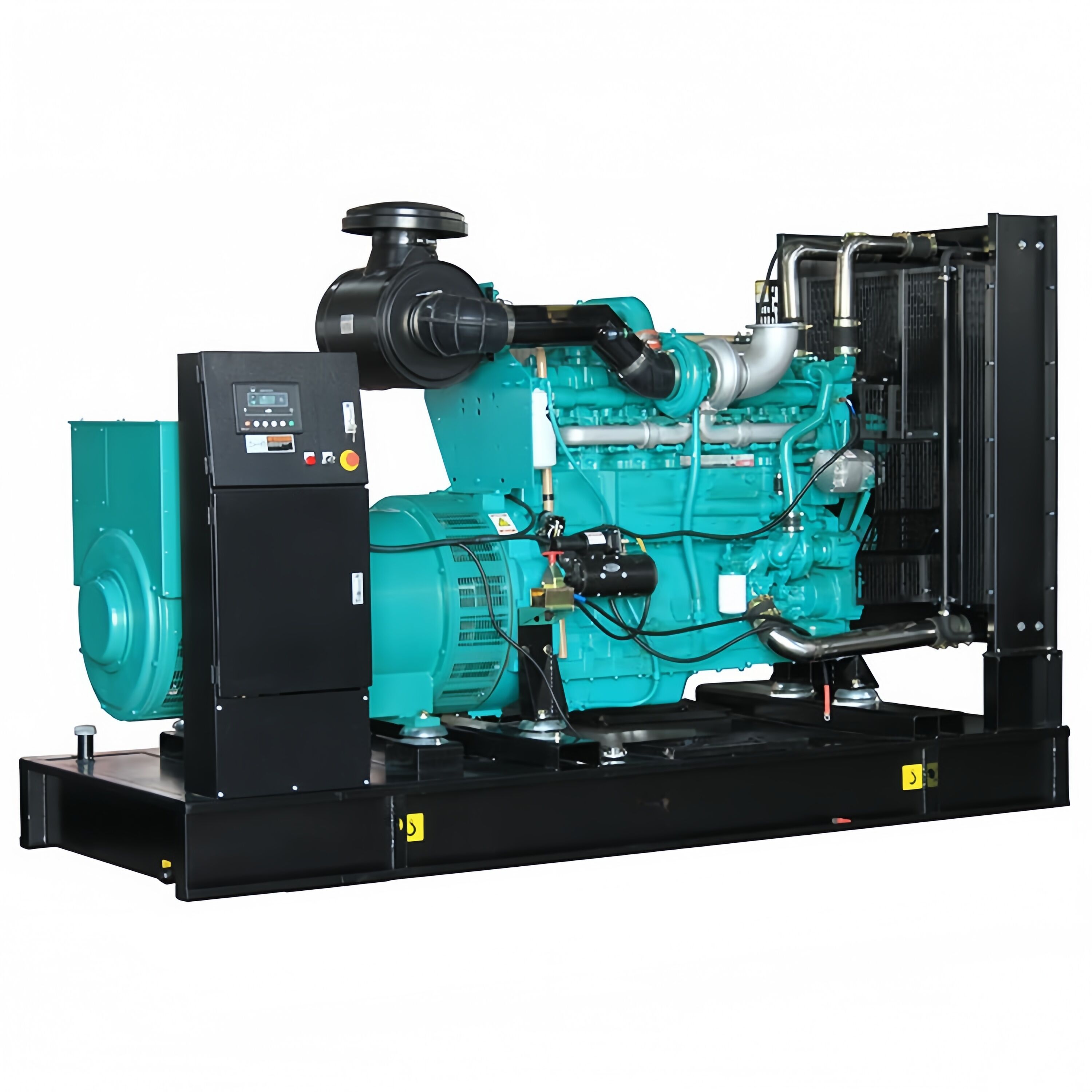
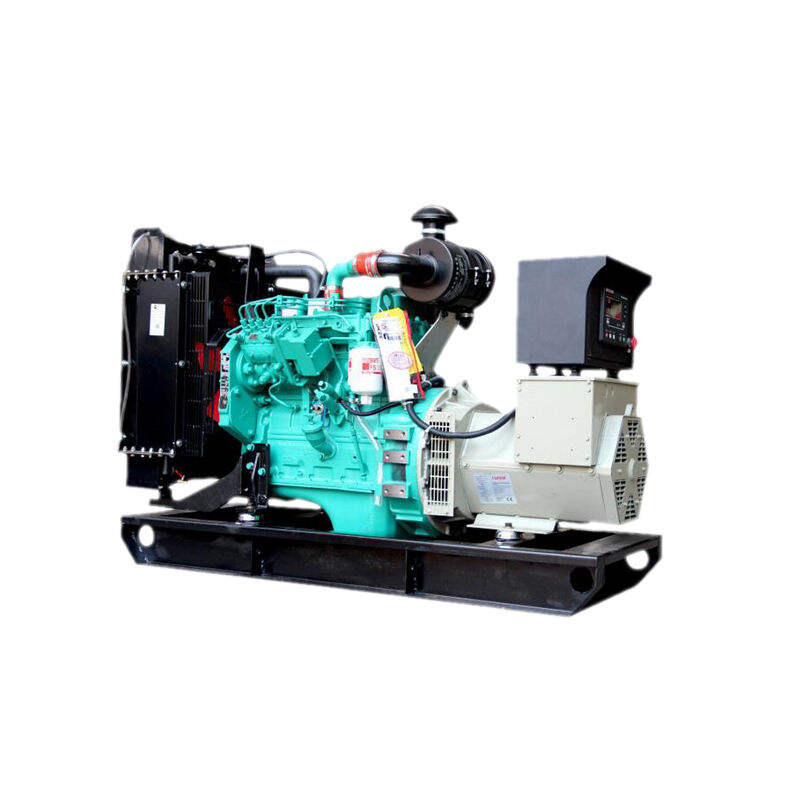
A power plant represents the cornerstone of modern electrical infrastructure, serving as a sophisticated facility designed to convert various forms of energy into electricity for widespread distribution. These complex installations play a crucial role in meeting society's ever-growing energy demands while maintaining grid stability and reliability. The primary function of any power plant involves transforming raw energy sources through carefully engineered processes that generate electrical current suitable for transmission across vast networks. Modern power plant facilities incorporate advanced control systems that monitor every aspect of electricity generation, from fuel input to final output distribution. The technological architecture of contemporary power plants encompasses multiple interconnected components including turbines, generators, transformers, and comprehensive monitoring equipment that ensures optimal performance under varying load conditions. Steam turbines, gas turbines, and renewable energy converters work in harmony with sophisticated automation systems that respond instantaneously to fluctuating electrical demands throughout different regions. Power plant operations require precise coordination between mechanical systems, electrical components, and digital control networks that maintain consistent voltage levels while protecting against system failures. These installations typically feature redundant safety mechanisms and backup systems that guarantee uninterrupted electricity supply even during equipment maintenance or unexpected component failures. The applications of power plant technology extend beyond basic electricity generation to include frequency regulation, voltage stabilization, and grid support services that maintain overall system integrity. Modern installations often incorporate smart grid connectivity that enables real-time communication with distribution networks, allowing for dynamic load balancing and enhanced efficiency optimization. Environmental considerations have driven significant innovations in power plant design, leading to cleaner combustion processes, reduced emissions, and improved fuel utilization rates that minimize ecological impact while maximizing energy output.
New Products

The advantages of modern power plant technology deliver substantial benefits that directly impact operational costs, environmental performance, and energy security for communities and businesses alike. Enhanced efficiency ratings in contemporary power plant designs translate to significantly lower fuel consumption, reducing operational expenses while generating more electricity from the same energy input compared to older installations. This improved fuel utilization directly benefits consumers through reduced electricity rates and provides utility companies with enhanced profit margins that can fund further infrastructure improvements. Advanced monitoring systems in modern power plant facilities enable predictive maintenance protocols that identify potential equipment issues before they cause costly breakdowns, ensuring continuous operation and minimizing unexpected repair expenses. The reliability improvements achieved through sophisticated control systems mean fewer power outages and voltage fluctuations, protecting sensitive electronic equipment in homes and businesses while maintaining productivity in industrial operations. Environmental benefits from cleaner power plant technologies include reduced air pollutants, lower carbon emissions, and improved water conservation practices that help communities meet regulatory requirements while supporting sustainability goals. Modern installations offer exceptional flexibility in responding to changing electricity demands, allowing operators to quickly adjust output levels based on real-time consumption patterns throughout different seasons and times of day. The integration capabilities of advanced power plant systems enable seamless coordination with renewable energy sources like solar and wind installations, creating hybrid generation portfolios that maximize clean energy utilization while maintaining grid stability during variable weather conditions. Automated safety systems in contemporary power plant designs provide multiple layers of protection that exceed traditional safety standards, ensuring worker protection and community safety through comprehensive emergency response protocols. The economic impact extends beyond direct operational savings to include job creation opportunities in high-skilled technical positions, local tax revenue generation, and increased property values in surrounding areas. Long-term durability improvements in modern power plant components result in extended operational lifespans that provide decades of reliable service with minimal maintenance requirements, offering exceptional return on investment for utility companies and ratepayers.

Latest News

How Noise Is A Silent Type Generator Set?

09

Dec

How Noise Is A Silent Type Generator Set?

View More
How Does a Gas Generator Work?

09

Dec

How Does a Gas Generator Work?

View More
What Is The Difference between Open Generator And Silent Generator?

09

Dec

What Is The Difference between Open Generator And Silent Generator?

View More

Get a Free Quote

Our representative will contact you soon.
Email
Name
Tel/WhatsApp
Company Name
Message
0/1000

power plant

Advanced Efficiency Optimization Technology

Advanced Efficiency Optimization Technology

The revolutionary efficiency optimization systems integrated into modern power plant operations represent a quantum leap forward in energy conversion capabilities, delivering unprecedented fuel utilization rates that dramatically reduce operational costs while maximizing electricity output. These sophisticated systems employ artificial intelligence algorithms and machine learning protocols that continuously analyze thousands of operational parameters in real-time, making micro-adjustments to combustion processes, turbine speeds, and generator loads that optimize performance under constantly changing conditions. The advanced control systems monitor fuel injection timing, air-to-fuel ratios, and temperature gradients throughout the entire power plant facility, ensuring that every component operates at peak efficiency regardless of external factors like ambient temperature, humidity levels, or grid demand fluctuations. This intelligent optimization technology can improve overall power plant efficiency by fifteen to twenty percent compared to conventional systems, translating directly into substantial cost savings for utility companies and reduced electricity rates for consumers. The predictive analytics capabilities built into these optimization systems anticipate equipment performance trends and automatically adjust operational parameters to prevent efficiency degradation before it occurs, maintaining consistent output quality throughout the entire operational lifecycle. Real-time data processing enables instantaneous responses to changing load demands, allowing the power plant to seamlessly transition between different operational modes while maintaining optimal fuel consumption rates and minimal emissions output. The economic benefits of this advanced efficiency technology compound over time, with reduced fuel costs, lower maintenance requirements, and extended equipment lifespans providing exceptional return on investment that benefits both utility operators and end-user customers through improved service reliability and competitive electricity pricing.
Comprehensive Environmental Protection Systems

Comprehensive Environmental Protection Systems

The integrated environmental protection systems incorporated into modern power plant designs establish new benchmarks for clean energy generation while maintaining robust electricity output capabilities that meet growing community demands. These advanced emission control technologies utilize multi-stage filtration processes, selective catalytic reduction systems, and innovative scrubbing techniques that remove harmful pollutants before they reach the atmosphere, achieving emission levels that often exceed stringent regulatory requirements by significant margins. The sophisticated monitoring networks continuously track air quality parameters, water discharge characteristics, and noise levels throughout the entire power plant facility, providing real-time environmental data that ensures compliance with all applicable regulations while demonstrating corporate commitment to community health and ecological preservation. Advanced cooling systems minimize thermal impact on local water sources through closed-loop designs and innovative heat recovery processes that capture waste energy for beneficial reuse, reducing overall environmental footprint while improving operational efficiency. The waste management protocols integrated into these environmental protection systems convert byproducts into useful materials for construction and manufacturing applications, creating circular economy benefits that eliminate traditional disposal costs while generating additional revenue streams. Carbon capture technologies being implemented in next-generation power plant facilities can sequester significant portions of carbon dioxide emissions, contributing to climate change mitigation efforts while maintaining reliable electricity generation capabilities. The environmental monitoring systems provide transparent reporting mechanisms that allow community members to access real-time data about air quality, water quality, and emission levels, fostering trust and accountability between power plant operators and local residents. These comprehensive protection systems also include wildlife preservation measures, habitat restoration programs, and biodiversity enhancement initiatives that create positive ecological impacts extending far beyond the immediate power plant boundaries, demonstrating how modern energy infrastructure can coexist harmoniously with natural environments.
Intelligent Grid Integration and Reliability Features

Intelligent Grid Integration and Reliability Features

The cutting-edge grid integration capabilities of contemporary power plant systems provide unparalleled reliability and stability features that ensure consistent electricity delivery even during challenging operational conditions or unexpected system disturbances. These intelligent systems employ advanced communication protocols and real-time data exchange mechanisms that maintain constant connectivity with regional transmission networks, enabling instantaneous coordination between multiple generation sources and distribution systems across vast geographical areas. The sophisticated load balancing algorithms continuously monitor electricity demand patterns and automatically adjust power plant output to match consumption requirements, preventing grid overloads while maintaining optimal voltage and frequency characteristics throughout the entire electrical network. Dynamic response capabilities allow modern power plant facilities to provide critical grid support services including frequency regulation, voltage stabilization, and reactive power compensation that maintain system integrity during peak demand periods or emergency conditions. The integrated backup systems and redundant safety mechanisms ensure uninterrupted electricity generation even during equipment maintenance, component failures, or severe weather events, providing communities with enhanced energy security and reduced risk of extended power outages. Smart grid connectivity enables bidirectional communication between power plant control systems and consumer devices, facilitating demand response programs that optimize electricity usage patterns while reducing peak load requirements and associated infrastructure costs. The reliability monitoring systems track performance metrics across all critical components and provide predictive maintenance alerts that prevent equipment failures before they impact electricity generation capabilities, ensuring consistent service delivery while minimizing operational disruptions. These advanced integration features also support renewable energy integration by providing rapid ramping capabilities that complement variable generation sources like solar and wind installations, creating flexible generation portfolios that maximize clean energy utilization while maintaining grid stability and reliability standards that exceed traditional power plant performance benchmarks.
Advanced Power Plant Technology: Efficient, Reliable, and Environmentally Responsible Energy Solutions

Get a Free Quote

Our representative will contact you soon.
Email
Name
Tel/WhatsApp
Company Name
Message
0/1000