3 phase generator
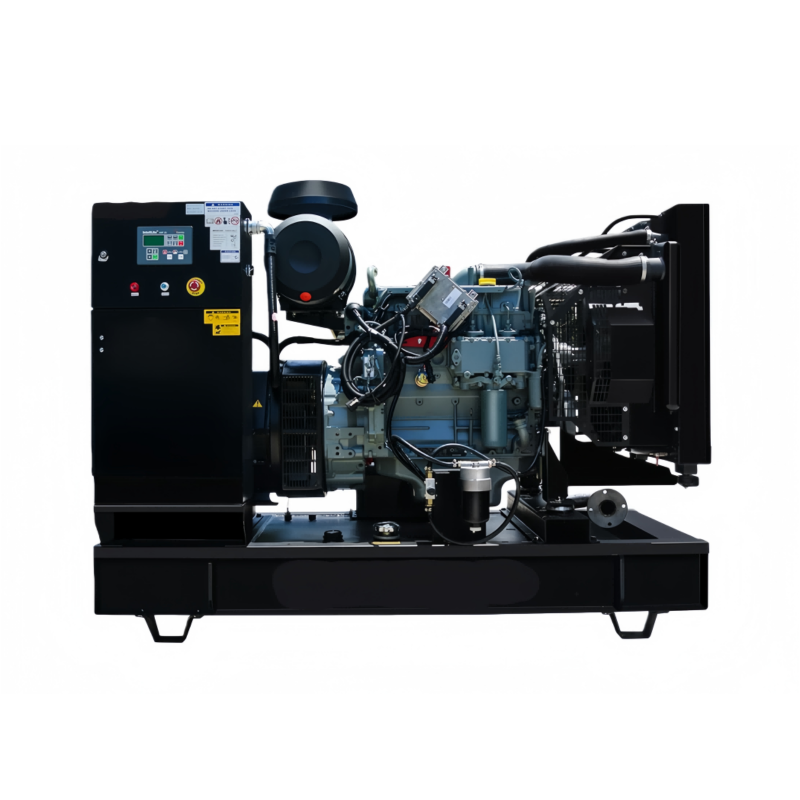
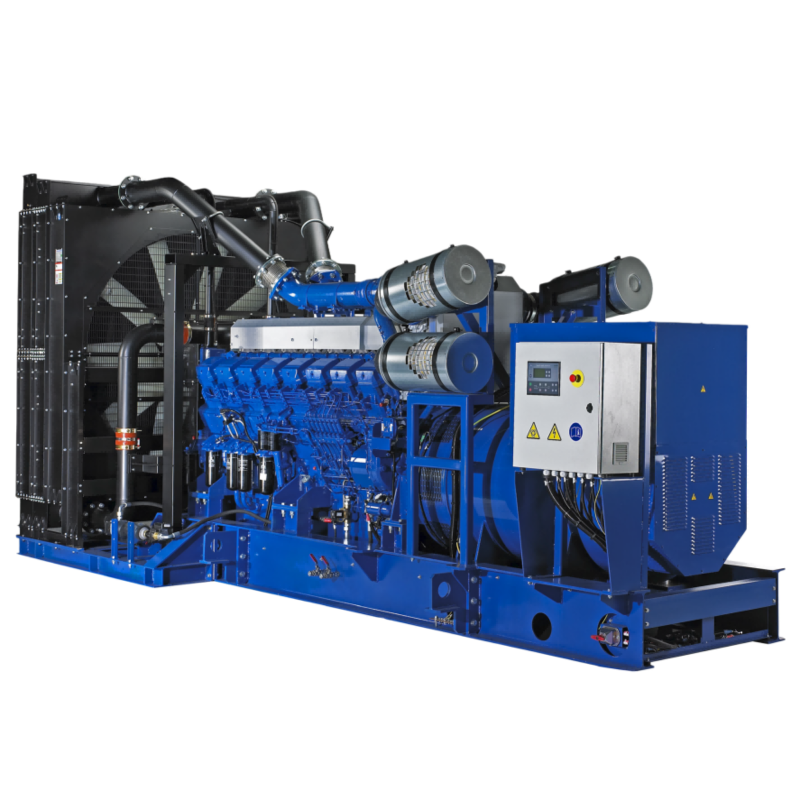
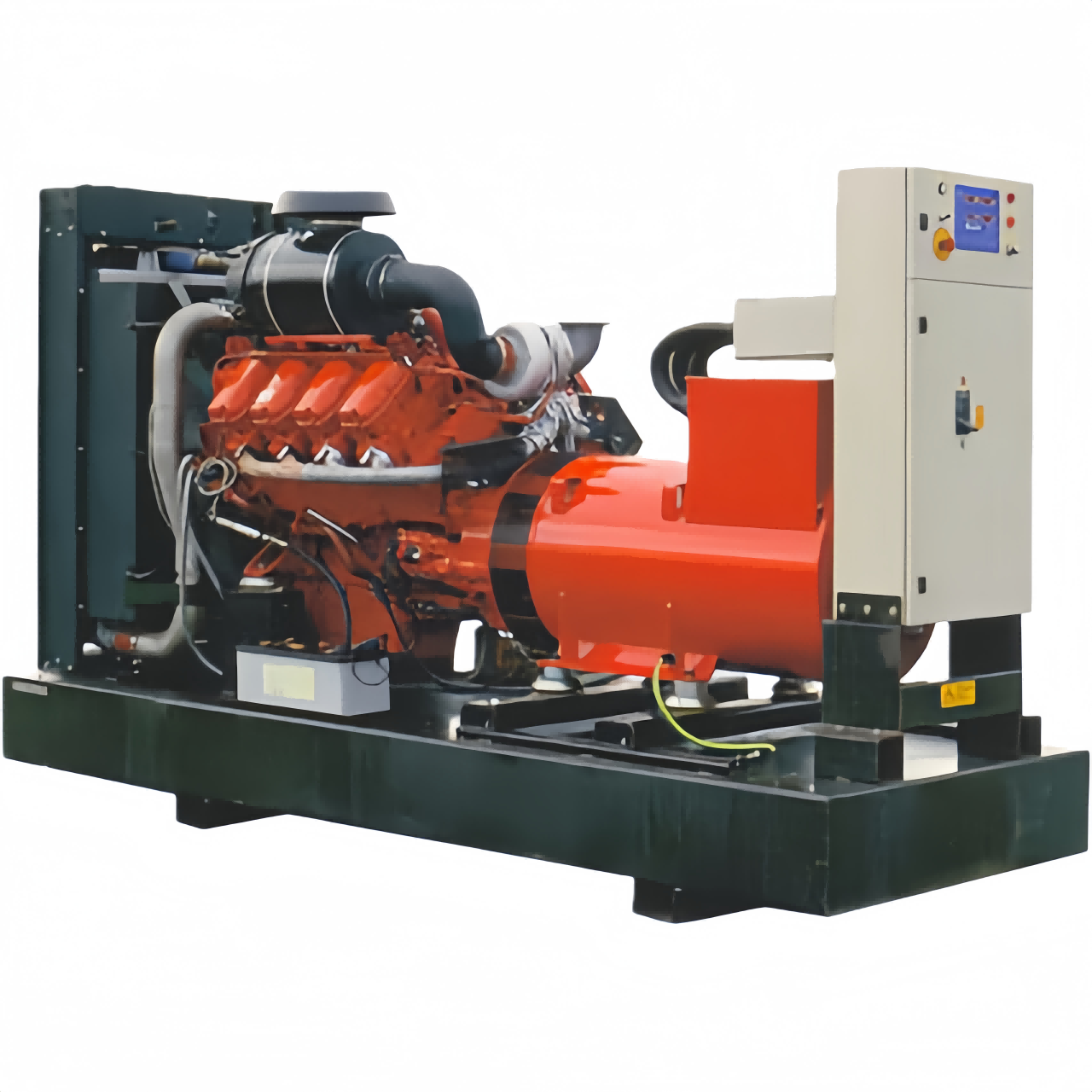
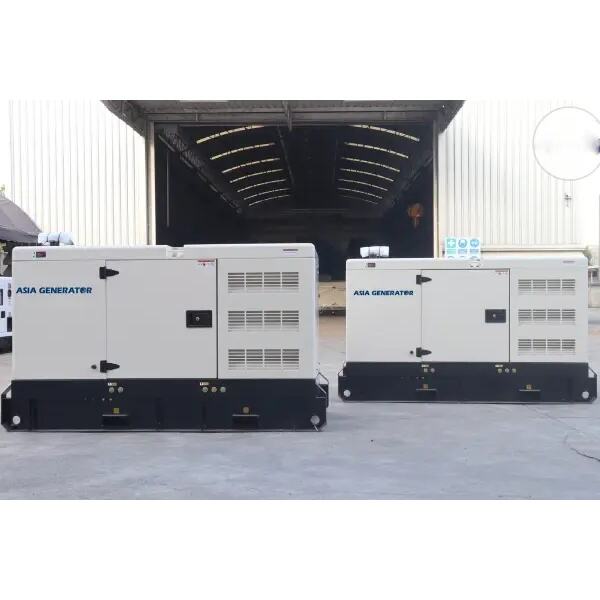
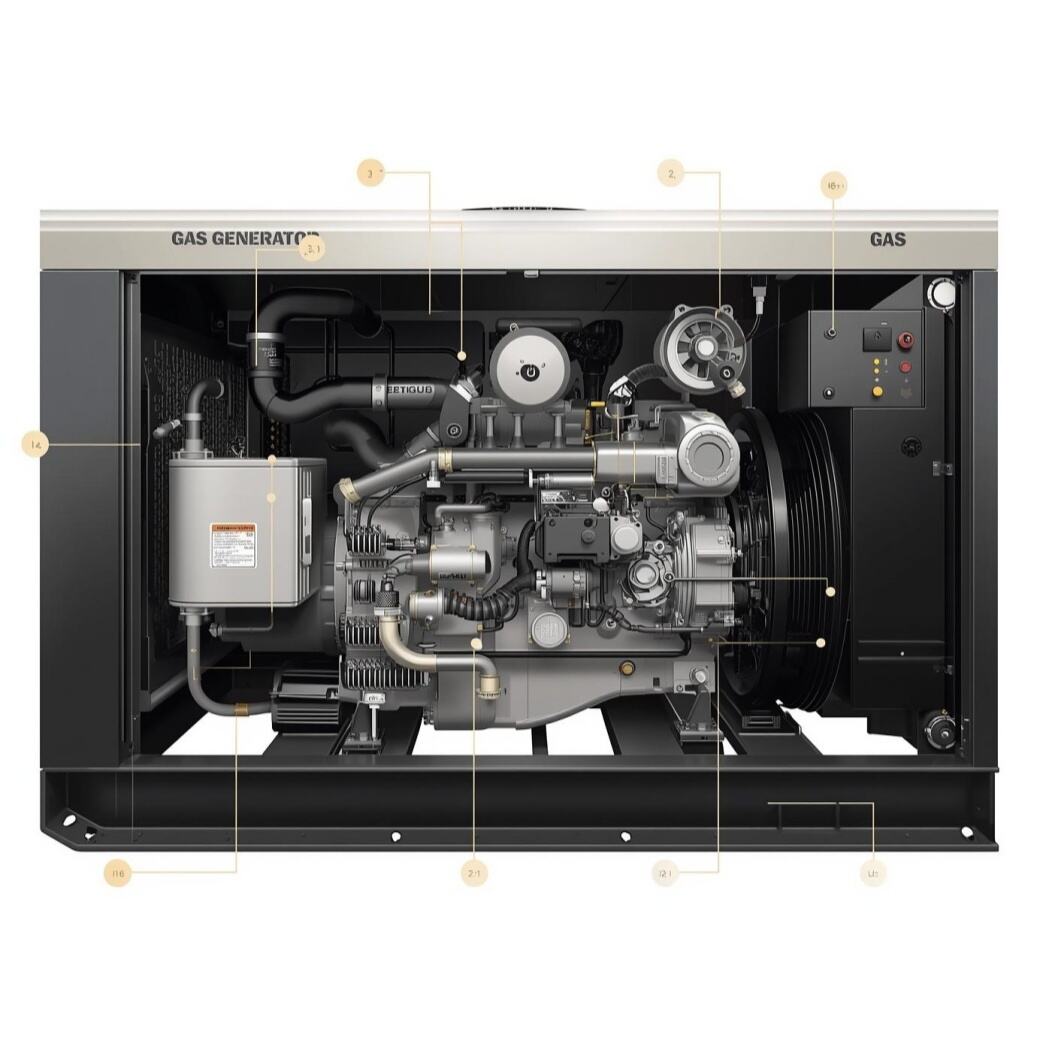
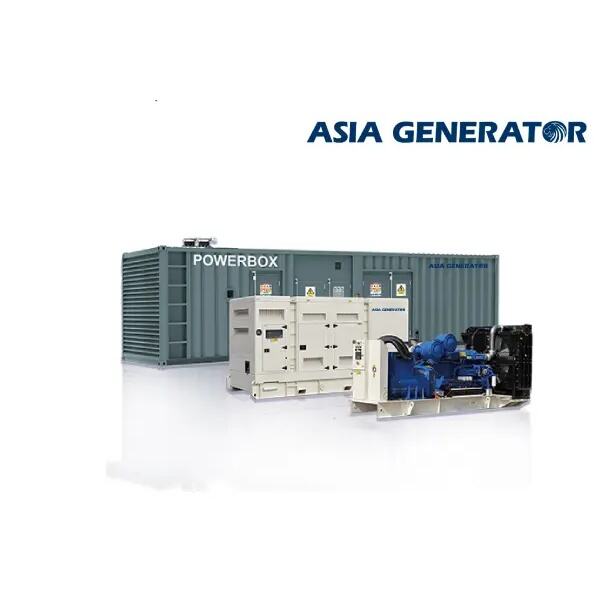
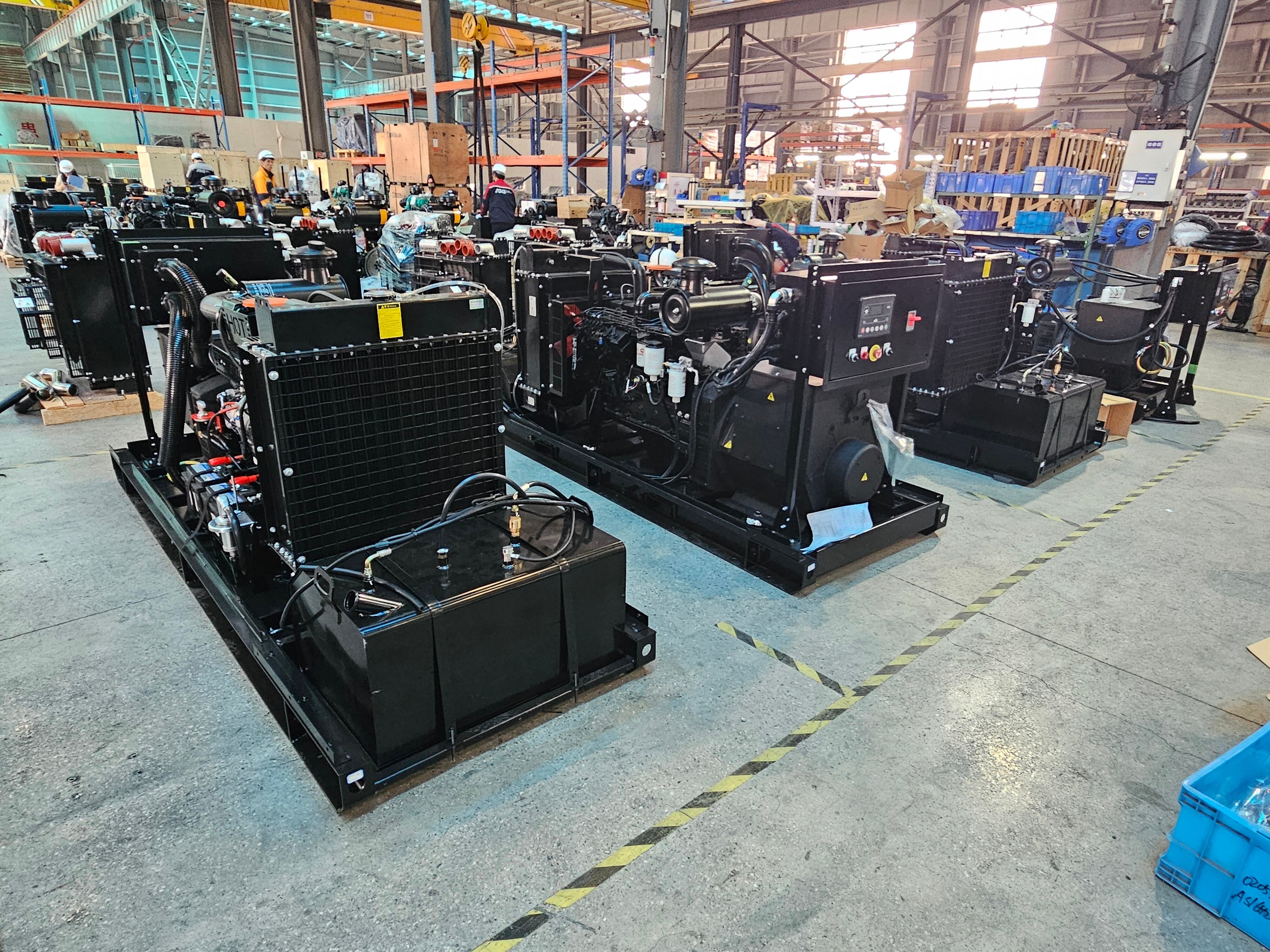
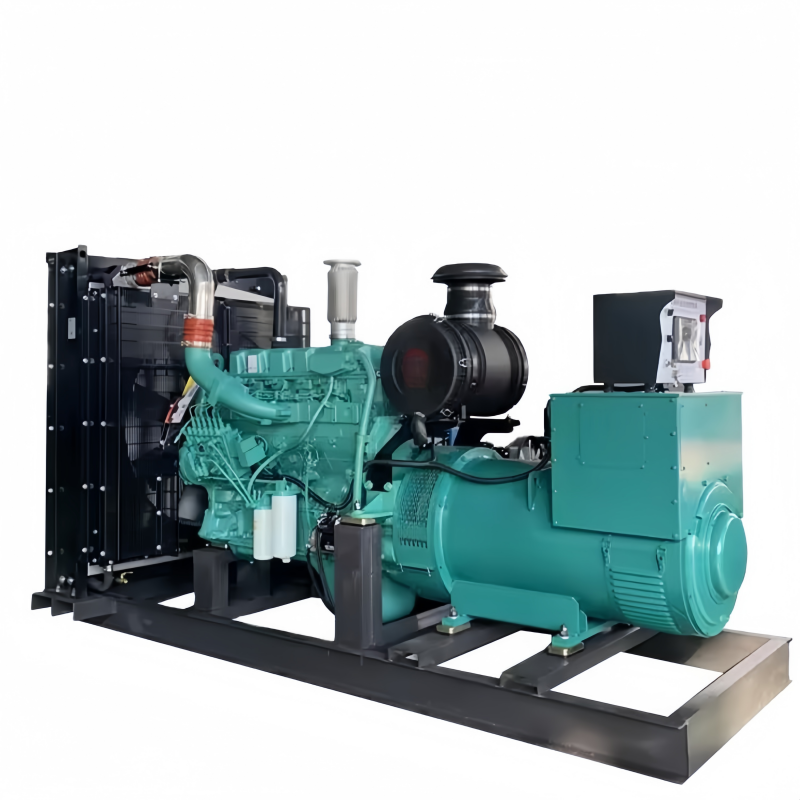
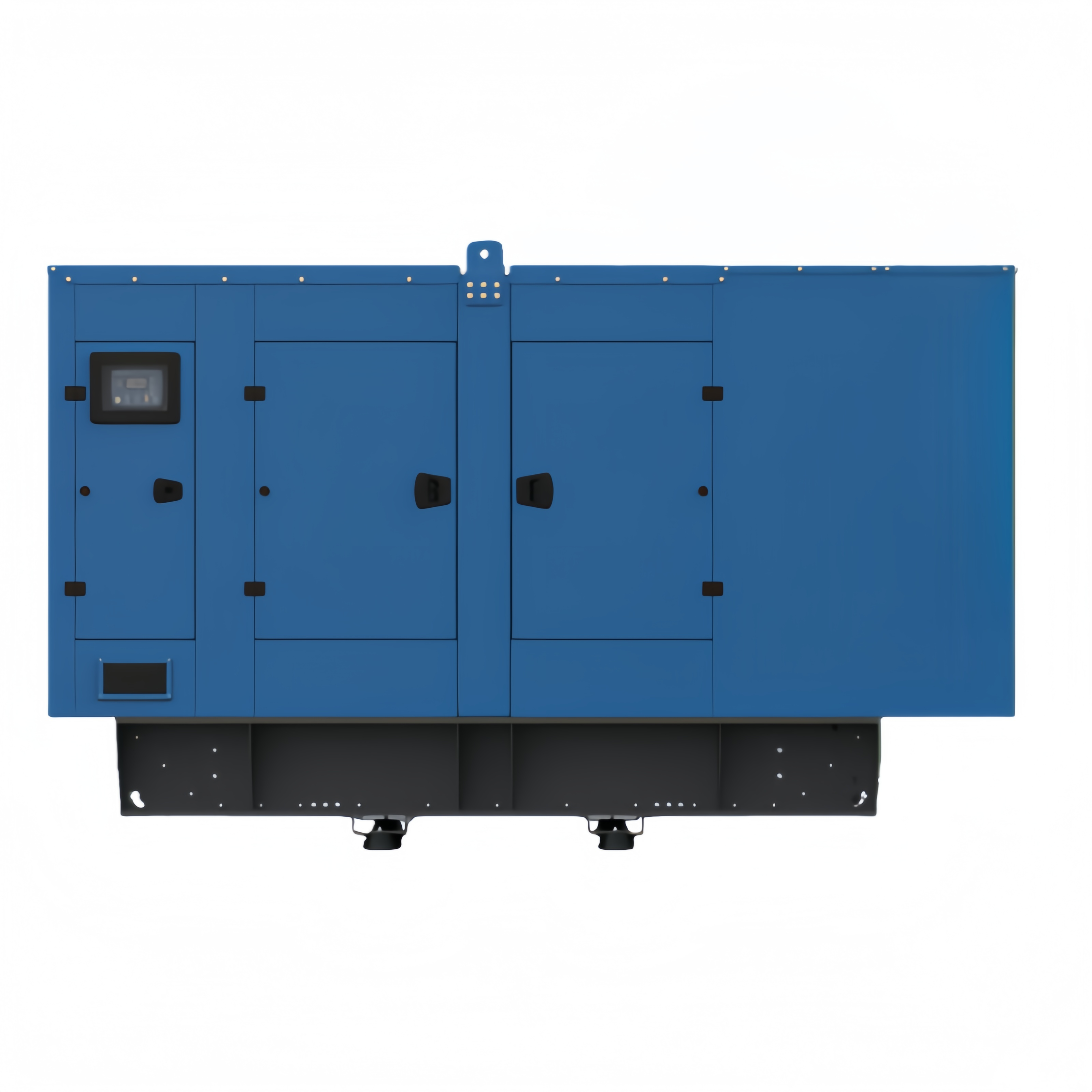
A 3 phase generator represents a sophisticated electrical power generation system that produces three alternating current waveforms, each separated by 120 degrees in phase. This advanced configuration delivers superior power distribution compared to single-phase alternatives, making it essential for industrial, commercial, and heavy-duty residential applications. The 3 phase generator operates through three separate windings positioned strategically around the rotor, creating a continuous and balanced power output that significantly reduces electrical fluctuations and enhances overall system efficiency. Modern 3 phase generator units incorporate cutting-edge technology including automatic voltage regulation, digital control panels, and smart monitoring systems that provide real-time performance data. These generators feature robust construction with heavy-duty alternators, precision-engineered engines, and advanced cooling systems designed to withstand demanding operational conditions. The technological framework of a 3 phase generator includes sophisticated synchronization capabilities, allowing seamless integration with existing electrical infrastructure and enabling parallel operation with utility grids or other generators. Key applications span across manufacturing facilities, construction sites, hospitals, data centers, and large residential complexes where consistent, high-quality power supply remains critical. The 3 phase generator system delivers exceptional load handling capacity, supporting heavy machinery, industrial equipment, and multiple simultaneous electrical demands without compromising performance. Advanced models incorporate environmentally conscious features such as reduced emissions, fuel efficiency optimization, and noise reduction technology. The versatility of 3 phase generator systems extends to backup power solutions, prime power applications, and portable configurations designed for temporary installations. These generators provide essential power security during utility outages, natural disasters, or remote location operations where grid connectivity proves unavailable or unreliable.
 EN
EN