 EN
EN

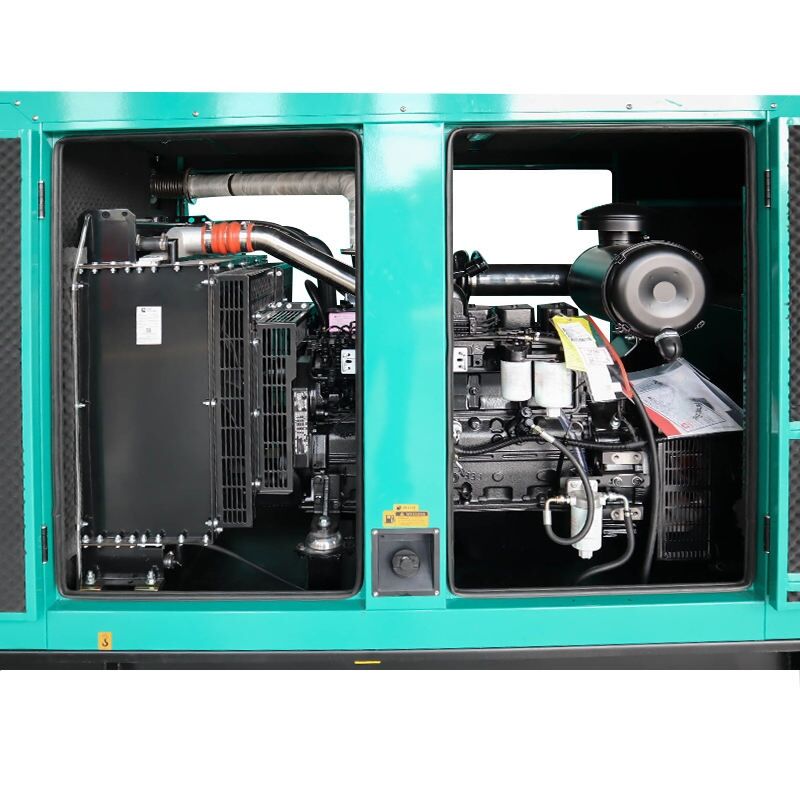
کنسٹرکشن اور انڈسٹریل سائٹس کے لیے ڈیزل جنریٹرز کی خصوصیات طے کرنا ایک منظم نقطہ نظر کا متقاضی ہوتا ہے جو بجلی کی ضروریات، آپریشنل تقاضوں، ماحولیاتی حالات اور قانونی مطابقت کے درمیان توازن قائم کرتا ہے۔ عمومی بجلی کے استعمال کے برعکس، کنسٹرکشن اور انڈسٹریل ماحول میں متغیر لوڈز، سخت آپریشنل حالات، دور دراز مقامات اور مستقل قابل اعتماد بجلی کی ضرورت جیسے منفرد چیلنجز پیش آتے ہیں۔ ان مشکل درجہ کے استعمال کے لیے ڈیزل جنریٹرز کی خصوصیات طے کرنے کے طریقہ کار کو سمجھنا آپٹیمل کارکردگی، آپریشنل کارآمدی اور طویل المدتی قابل اعتمادی کو یقینی بناتا ہے۔ خصوصیات طے کرنے کا عمل بجلی کے لوڈز، ڈیوٹی سائیکلز، سائٹ کی صورتحال، ایندھن کی لاگستکس اور ایکسپریشن کی ضروریات کے جامع تجزیے پر مشتمل ہوتا ہے جو براہ راست منصوبے کی کامیابی اور آپریشنل مسلسلی کو متاثر کرتا ہے۔
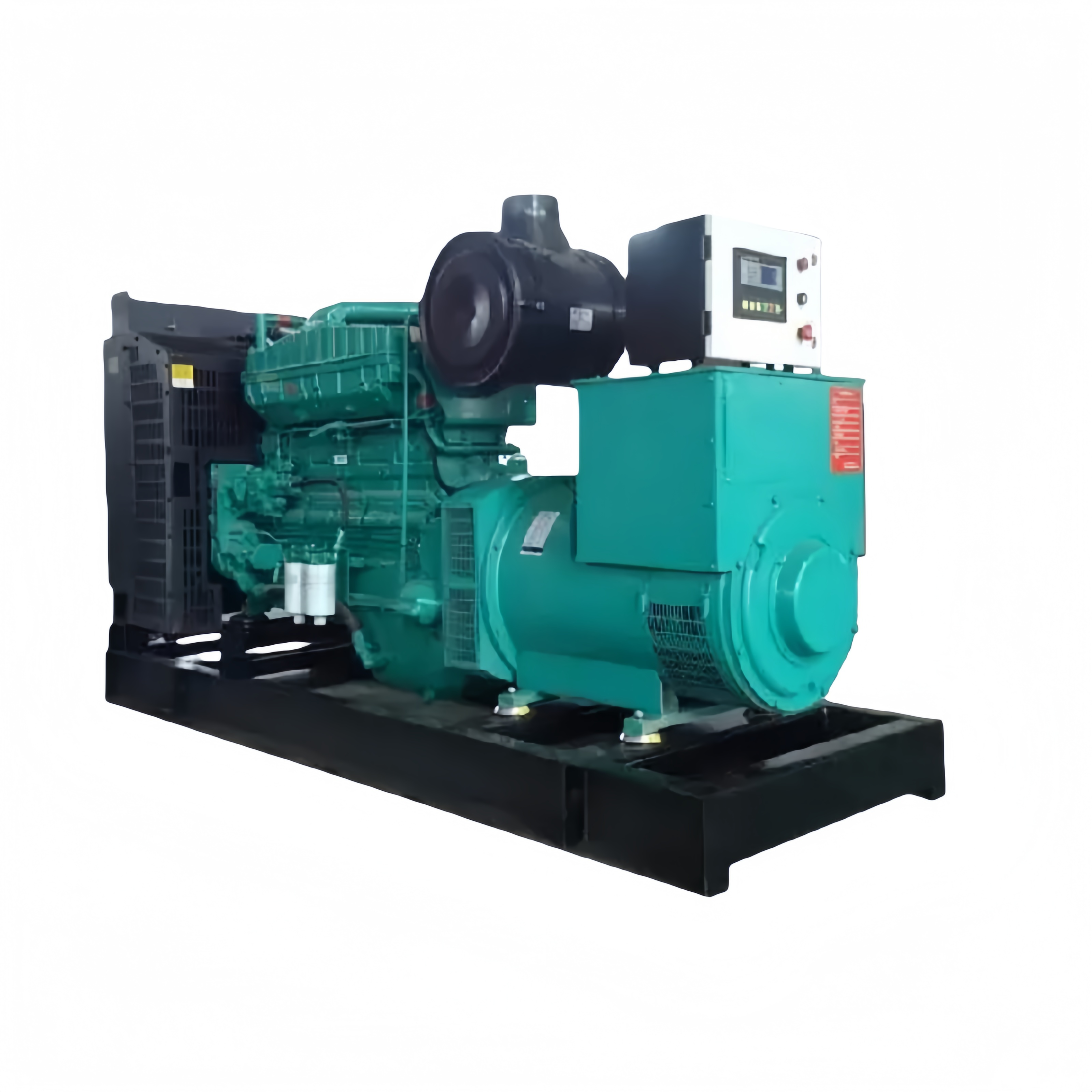
ڈیزل جنریٹرز کی خصوصیات کا تعین کرنے کا عمل تعمیراتی اور صنعتی درجہ بندیوں میں رہائشی یا ہلکی تجارتی انسٹالیشنز سے بنیادی طور پر مختلف ہوتا ہے، کیونکہ یہاں بجلی کی ضروریات کا درجہ، پیچیدگی اور اہمیت بہت زیادہ ہوتی ہے۔ تعمیراتی مقامات پر بجلی کی مانگ مختلف کام کے مراحل کے ساتھ بدلتی رہتی ہے، جبکہ صنعتی سہولیات کو پیداواری رکاوٹوں کی قیمتی صورتحال سے بچنے کے لیے بجلی کی معیار اور قابل اعتماد فراہمی کی درست پیمائش کی ضرورت ہوتی ہے۔ پیشہ ورانہ انجینئرز اور منصوبہ بندی کے منتظمین کو بنیادی بجلی کی درجہ بندی، اضافی طاقت کی صلاحیت، ولٹیج ریگولیشن، ہارمونک ڈسٹورشن، بڑے موٹروں کو شروع کرنے کی صلاحیت، اور ماحولیاتی مضبوطی سمیت متعدد فنی پیرامیٹرز کا جائزہ لینا ضروری ہوتا ہے۔ ڈیزل جنریٹرز کی خصوصیات کا یہ جامع تعین کرنا یقینی بناتا ہے کہ منتخب آلات نہ صرف فوری آپریشنل ضروریات کو پورا کرتے ہیں بلکہ مختلف مقامی حالات میں طویل المدتی کارکردگی کی توقعات کو بھی پورا کرتے ہیں۔
لوڈ کا تجزیہ اور بجلی کی ضروریات کا جائزہ
کل منسلک لوڈ کا حساب لگانا
ڈیزل جنریٹرز کو تعمیراتی اور صنعتی مقامات کے لیے مخصوص کرنے کی بنیاد کل منسلک لوڈ کا درست حساب لگانا ہے۔ انجینئرز کو ہر بجلائی کے آلات کی فہرست تیار کرنی ہوگی جو ایک ساتھ کام کریں گے، جس میں تعمیراتی مشینری، ویلڈنگ کے آلات، روشنی کے نظام، ایچ وی اے سی یونٹس، پمپ، کمپریسرز اور دفتری سہولیات شامل ہیں۔ ہر لوڈ کا جزو کلو واٹ میں ماپی جانے والی کل طاقت کی طلب میں اضافہ کرتا ہے، اور ان کا مجموعہ درکار انتہائی کم سے کم جنریٹر گنجائش کا تعین کرتا ہے۔ تعمیراتی مقامات عام طور پر متغیر لوڈ کے پیٹرن کا سامنا کرتے ہیں جہاں مختلف آلات دن بھر میں مختلف اوقات پر کام کرتے ہیں، جس کے لیے اعلیٰ طلب کے اوقات کا غور سے جائزہ لینا ضروری ہوتا ہے۔ صنعتی سہولیات میں لوڈ زیادہ قابل پیش گوئی ہو سکتے ہیں لیکن اکثر بڑے موٹروں جیسے اعلیٰ داخلی بہاؤ (ہائی انرش) والے آلات شامل ہوتے ہیں جن پر خصوصی غور کی ضرورت ہوتی ہے جب جنریٹرز کی خصوصیات طے کی جا رہی ہوں۔
پیشہ ورانہ لوڈ کا تجزیہ صرف نام پلیٹ ریٹنگز کو جمع کرنے سے آگے بڑھ کر اصل آپریٹنگ حالات اور ڈائیورسٹی فیکٹرز کو مدنظر رکھتا ہے۔ تمام منسلک سامان ایک وقت میں مکمل طور پر فعال نہیں ہوتا، اور مختلف مقامات کی قسم اور آپریشنل الگوں کے مطابق عام طور پر 0.6 سے 0.9 تک کے ڈائیورسٹی فیکٹرز لاگو کیے جاتے ہیں۔ تعمیراتی درخواستوں کے لیے، ڈیزل جنریٹرز کو اہم سامان کے ہم زمانہ آپریشن کو برداشت کرنے کے ساتھ ساتھ غیر متوقع تقاضوں کے لیے کافی ریزرو کیپیسٹی برقرار رکھنی ہوتی ہے۔ صنعتی خصوصیات اکثر تفصیلی لوڈ شیڈولز شامل کرتی ہیں جو گھنٹہ وار یا شفٹ کے حساب سے استعمال کے الگوں کو ظاہر کرتی ہیں، جس سے ڈیزل جنریٹرز کا درست سائز تعین کرنا ممکن ہوتا ہے تاکہ وہ اصل آپریشنل ضروریات کے مطابق ہوں، بغیر غیر ضروری طور پر بڑے سائز کے تعین کے جو ایندھن کی کارکردگی کو کم کرتا ہے اور سرمایہ کے اخراجات میں اضافہ کرتا ہے۔
لوڈ کی اقسام اور خصوصیات کو سمجھنا
مختلف لوڈ کی اقسام ڈیزل جنریٹرز پر الگ الگ ضروریات عائد کرتی ہیں، جو تعمیراتی اور صنعتی درجات کے لیے جنریٹرز کی خصوصیات کے فیصلوں کو متاثر کرتی ہیں۔ روشنی اور گرمی کے عناصر جیسے مزاحمتی لوڈ وولٹیج کے تناسب سے مستقل کرنٹ کھینچتے ہیں اور یہ سب سے آسان لوڈ کی قسم ہیں۔ موٹرز، ٹرانسفارمرز اور ویلڈنگ کے آلات جیسے حثیتی لوڈ ری ایکٹو پاور کی ضروریات پیدا کرتے ہیں جو جنریٹر کے سائز اور کارکردگی کی خصوصیات کو متاثر کرتی ہیں۔ طاقت کے فیکٹر کی درستگی کے آلات اور الیکٹرانک آلات سے نکلنے والے کیپیسیٹو لوڈ ہارمونک ڈسٹورشن کے مسائل پیدا کرتے ہیں جن کے لیے بہتر شدہ وولٹیج ریگولیشن کی صلاحیتوں والے جنریٹرز کی ضرورت ہو سکتی ہے۔ تعمیراتی مقامات پر عام طور پر تینوں لوڈ کی اقسام ایک ساتھ استعمال کی جاتی ہیں، جس کے لیے مضبوط گورنرز اور خودکار وولٹیج ریگولیٹرز کے ساتھ ڈیزل جنریٹرز کی ضرورت ہوتی ہے تاکہ مختلف کام کرنے کی حالتوں میں مستحکم آؤٹ پٹ برقرار رکھا جا سکے۔
موٹر کا شروع ہونا صنعتی اور تعمیراتی ماحول کے لیے ڈیزل جنریٹرز کی خصوصیات طے کرتے وقت سب سے زیادہ طلب کرنے والے لوڈ کے مندرجات میں سے ایک ہے۔ بڑی موٹرز استعمال شدہ کرنٹ کے پانچ سے سات گنا کرنٹ کو شروع ہونے کے دوران کھینچ سکتی ہیں، جس سے عارضی لیکن شدید طلب کے اُچھال پیدا ہوتے ہیں جن کو چھوٹے جنریٹرز وولٹیج کے گرنے یا فریکوئنسی کے انحراف کے بغیر برداشت نہیں کر سکتے۔ خصوصیات کے انجینئرز کو سب سے بڑی موٹر یا ایک ساتھ شروع ہونے والی موٹروں کے امتزاج کا جائزہ لینا ہوگا اور یہ یقینی بنانا ہوگا کہ منتخب کردہ ڈیزل جنریٹرز میں کلو وولٹ ایمپئیر میں ماپی جانے والی مناسب شروعاتی صلاحیت موجود ہو۔ جدید صنعتی درخواستوں میں جنریٹرز کی خصوصیات طے کی جا سکتی ہیں جن میں پروگرام کی جانے والی سافٹ اسٹارٹ کی صلاحیتیں یا ترتیب وار شروع ہونے کے نظام شامل ہوں جو آٹومیٹک طور پر داخل ہونے والے کرنٹ کو کنٹرول کرتے ہیں، جس سے شروع ہونے کے واقعات کے دوران جنریٹر اور منسلک سامان دونوں کو برقی دباؤ سے بچایا جا سکتا ہے۔
بنیادی طاقت بمقابلہ غیر فعال طاقت کی درجہ بندیاں
ڈیزل جنریٹرز کو تعمیراتی اور صنعتی مقامات کے لیے مخصوص کرتے وقت پرائم پاور اور اسٹینڈ بائی پاور ریٹنگز کے درمیان فرق کرنا ایک اہم فیصلہ ہوتا ہے۔ پرائم پاور ریٹنگز وہ زیادہ سے زیادہ مستقل آؤٹ پٹ کی وضاحت کرتی ہیں جو جنریٹر سالانہ لا محدود گھنٹوں تک متغیر لوڈ کے تحت فراہم کر سکتا ہے، جس کی وجہ سے یہ خصوصیت ان تعمیراتی مقامات کے لیے مناسب ہے جہاں بجلی کا قومی نیٹ ورک دستیاب نہ ہو یا ان صنعتی سہولیات کے لیے جہاں جنریٹرز بنیادی طور پر بجلی کا ذریعہ استعمال کیے جاتے ہوں۔ اسٹینڈ بائی پاور ریٹنگز وہ زیادہ سے زیادہ آؤٹ پٹ کی نشاندہی کرتی ہیں جو بجلی کی قومی فراہمی میں اچانک خرابی کی صورت میں محدود گھنٹوں تک دستیاب ہوتی ہے، جو عام طور پر اُن اضافی (بیک اپ) درجات کے لیے مخصوص کی جاتی ہیں جہاں قومی بجلی کا نیٹ ورک بنیادی طور پر بجلی کا ذریعہ ہو۔ غلط ریٹنگ کی درجہ بندی کا انتخاب انجن کے جلدی استعمال کے نشانات، اجزاء کی عمر میں کمی اور منصوبے کی معاشیات کو متاثر کرنے والے غیر متوقع رفتاری اخراجات کا باعث بن سکتا ہے۔
تعمیراتی درخواستوں کے لیے تقریباً ہر جگہ ڈیزل جنریٹرز کی ضرورت ہوتی ہے جن کی درجہ بندی پرائم پاور ریٹنگز کے مطابق کی گئی ہو، کیونکہ یہ اکائیاں منصوبے کی پوری مدت تک بغیر کسی یوٹیلیٹی بیک اپ کے مستقل طور پر کام کرتی ہیں۔ انڈسٹریل مقامات جن کا گرڈ سے رابطہ ہو، ایمرجنسی بیک اپ کے لیے اسٹینڈ بائی ریٹڈ جنریٹرز کی درجہ بندی کر سکتے ہیں، لیکن دور دراز مقامات پر واقع سہولیات یا وہ سہولیات جن میں مکمل بجلی کی قابل اعتماد فراہمی کی ضرورت ہو، عام طور پر پرائم ریٹڈ اکائیوں کو ترجیح دیتی ہیں۔ اس فرق کے جنریٹر کی لاگت پر اہم اثرات مرتب ہوتے ہیں، کیونکہ پرائم ریٹڈ ڈیزل جنریٹرز میں موٹے درجے کے اجزاء، بہتر شدہ کولنگ سسٹمز اور مستقل آپریشن کو برداشت کرنے کے قابل مضبوط تعمیر شامل ہوتی ہے۔ اسپیسفیکیشن دستاویزات میں واضح طور پر مقصد کا ڈیوٹی سائیکل اور آپریٹنگ پروفائل بیان کرنا ضروری ہے تاکہ سپلائرز مناسب طور پر ریٹڈ سامان کی پیشکش کریں جو اصل سائٹ کی ضروریات کے مطابق ہو، نہ کہ غیر مناسب طور پر ریٹ کردہ اکائیاں جو مستقل لوڈ کے تحت جلدی خراب ہو جاتی ہیں۔
ماحولیاتی اور سائٹ کی حالت کے اعتبارات
محیطی درجہ حرارت اور بلندی کے اثرات
تعمیراتی اور صنعتی مقامات پر ماحولیاتی حالات براہ راست ڈیزل جنریٹر کے عمل کو متاثر کرتے ہیں اور انہیں خصوصیات کے فیصلوں میں اہم عنصر کے طور پر شامل کیا جانا چاہیے۔ ماحولیاتی درجہ حرارت انجن کے ٹھنڈا ہونے کی مؤثریت اور ہوا کی کثافت دونوں کو متاثر کرتا ہے، جو احتراق کی موثریت اور طاقت کے اخراج کو متاثر کرتا ہے۔ 40 ڈگری سیلسیس سے زیادہ درجہ حرارت کے ماحول میں کام کرنے والے ڈیزل جنریٹرز کی طاقت میں کمی واقع ہوتی ہے، کیونکہ ٹھنڈا ہونے کی صلاحیت کم ہو جاتی ہے اور ہوا کی کثافت کم ہو جاتی ہے، جس کی وجہ سے مطلوبہ اخراج برقرار رکھنے کے لیے بڑے سائز کے جنریٹرز کی خصوصیات طے کرنی ہوتی ہیں۔ صحرا کے علاقوں میں تعمیراتی مقامات یا اعلیٰ ماحولیاتی درجہ حرارت والی صنعتی سہولیات کے لیے جنریٹرز کی ضرورت ہو سکتی ہے جن میں بڑے ریڈی ایٹرز، بہتر شدہ ٹھنڈا ہونے کے نظام یا استوائی درجہ حرارت کے لیے درجہ بند اجزاء شامل ہوں تاکہ شدید گرمی کی حالتوں میں درجہ بند طاقت برقرار رہے۔
بلندی ایک اور اہم معیاری عنصر ہے جو ڈیزل جنریٹر کی کارکردگی کو فضا کے دباؤ اور احتراق کے لیے آکسیجن کی دستیابی میں کمی کے ذریعے متاثر کرتی ہے۔ جنریٹرز سمندری سطح سے اوپر ہر 300 میٹر کی بلندی پر اپنی درجہ بند شدہ طاقت کا تقریباً تین سے چار فیصد حصہ کھو دیتے ہیں، جس کی وجہ سے پہاڑی علاقوں میں تعمیراتی منصوبوں یا بلندی والی صنعتی سہولیات کے لیے آلات کی خصوصیات طے کرتے وقت درست تنزلی (derating) کے حسابات کی ضرورت ہوتی ہے۔ ٹربو چارجڈ ڈیزل جنریٹرز قدرتی طور پر سانس لینے والے (naturally aspirated) اکائیوں کے مقابلے میں بلندی پر بہتر کارکردگی برقرار رکھتے ہیں، اس لیے انہیں بلند مقامات کے لیے ترجیحی انتخاب سمجھا جاتا ہے۔ خصوصیات طے کرنے والے انجینئرز کو فراہم کنندگان کو درست مقامی بلندی کے اعداد و شمار فراہم کرنے چاہئیں اور یہ واضح طور پر بیان کرنا چاہیے کہ درج کردہ صلاحیتیں اصل مقامی حالات کے مطابق تنزلی شدہ اقدار ہیں یا سمندری سطح پر معیاری درجہ بندیاں ہیں، تاکہ غلط فہمیوں سے بچا جا سکے جو ناکافی سائز کے انسٹالیشن کا باعث بن سکتی ہیں۔
محفوظ کرنے کے تقاضے اور موسمی تحفظ
ڈیزل جنریٹرز کے لیے مناسب انکلوژر کے اقسام کا انتخاب تعمیراتی اور صنعتی مقامات پر سخت موسمی حالات کے معرضِ تعرض ہونے والے جنریٹرز کے لیے ایک اہم خصوصیات کا فیصلہ ہوتا ہے۔ موسمی حفاظت کے بغیر کھلے فریم جنریٹرز اندر کی انسٹالیشنز یا جن مقامات پر جنریٹر کے لیے مخصوص عمارتیں موجود ہوں، کے لیے موزوں ہیں، اور جب ماحولیاتی حفاظت کا بندوبست ہو تو یہ سب سے معاشی آپشن ہوتا ہے۔ موسمی حفاظت فراہم کرنے والے کینوپیز بارش اور برف کی حفاظت فراہم کرتے ہیں جبکہ قدرتی وینٹی لیشن کی اجازت دیتے ہیں، جس کی وجہ سے یہ معتدل آب و ہوا والے علاقوں میں عارضی تعمیراتی درخواستوں کے لیے موزوں ہیں۔ آواز کو کم کرنے والے انکلوژرز موسمی حفاظت کے ساتھ ساتھ آواز کو کم کرنے کا امتزاج فراہم کرتے ہیں، جو شہری تعمیراتی مقامات یا رہائشی علاقوں کے قریب واقع صنعتی سہولیات میں عام طور پر ماحولیاتی عرضہ اور آواز کے اخراج کی ضروریات دونوں کو پورا کرتے ہیں۔
صنعتی مقامات جہاں مستقل جنریٹر کی انسٹالیشن کی گئی ہو، عام طور پر لمبے عرصے تک باہر کے ماحول کے لیے ڈیزائن کردہ کنٹینرائزڈ یا آواز کو روکنے والے گھیرے کی وضاحت کرتے ہیں جن میں مکمل موسمی سیلنگ، کھانے والے مواد سے محفوظ مواد، اور اندرونی فیول ٹینک شامل ہوتے ہیں۔ ان بند ڈیزل جنریٹرز کو بارش، برف، دھول اور شدید درجہ حرارت سے بہتر حفاظت فراہم کی جاتی ہے جبکہ روزمرہ کی دیکھ بھال کی ضروریات کم کی جاتی ہیں اور آلات کی عمر بڑھائی جاتی ہے۔ ساحلی ماحول میں تعمیراتی مقامات کے لیے کھانے کی حفاظت پر خاص توجہ دینے کی ضرورت ہوتی ہے، جس میں سمندری معیار کی کوٹنگز، سٹین لیس سٹیل کے فاسٹنرز، اور نمکین ہوا کے اثرات سے محفوظ سیلڈ بجلی کے اجزاء کی وضاحت شامل ہوتی ہے۔ قطبی یا ذیلی قطبی منصوبوں کے لیے سرد موسم کے پیکیجز کی ضرورت ہوتی ہے جن میں انجن بلاک ہیٹرز، بیٹری گرم کرنے والے آلات، اور قطبی معیار کے لیوبریکنٹس شامل ہوتے ہیں جو شدید سردی میں قابل اعتماد اسٹارٹ اور آپریشن کو یقینی بناتے ہیں جہاں معیاری ڈیزل جنریٹرز اسٹارٹ نہیں ہو سکتے یا آپریشن برقرار نہیں رکھ سکتے۔
آواز کی کارکردگی اور شور کے قوانین
آواز کے اخراج کی خصوصیات کو تعمیراتی اور صنعتی مقامات کے لیے ڈیزل جنریٹرز کی خصوصیات طے کرتے وقت بڑھتی ہوئی اہمیت حاصل ہو گئی ہے، خاص طور پر ان شہری علاقوں میں جہاں آواز کے سخت قوانین نافذ ہیں۔ معیاری کھلے فریم جنریٹرز عام طور پر سات میٹر کی دوری پر 95 سے 105 ڈیسی بل کی آواز پیدا کرتے ہیں، جو کہ بہت سے علاقوں میں قابلِ اجازت حد سے تجاوز کر جاتے ہیں اور قریبی رہائشیوں یا مقامی عملے کے لیے غیرقابلِ قبول حالات پیدا کرتے ہیں۔ خصوصیات طے کرنے والے انجینئرز کو مقامی آواز کے قوانین کی تحقیق کرنی ہوگی، جائیداد کی سرحدوں پر زیادہ سے زیادہ قابلِ اجازت آواز کی سطح طے کرنی ہوگی، اور مناسب انتخاب کرنا ہوگا، ڈیزل جینریٹرز جس میں مناسب آواز کم کرنے والی خصوصیات ہوں تاکہ عملی کارکردگی یا مرمت کے لیے رسائی کو متاثر کیے بغیر قانونی ضروریات پوری کی جا سکیں۔
صنعتی سہولیات اکثر آواز کو کم کرنے والے ڈیزل جنریٹرز کی وضاحت کرتی ہیں جن کی آواز کی سطح آواز کو جذب کرنے والی مواد، مفلر اور وائبریشن علیحدگی کے نظام کے ساتھ آواز کو روکنے والے خانوں کے ذریعے 65-75 ڈیسی بل تک کم کر دی جاتی ہے۔ تعمیراتی مقامات پر انتہائی خاموش جنریٹرز کی ضرورت ہو سکتی ہے جو اسپتالوں، اسکولوں یا رہائشی علاقوں کے قریب کام کرتے وقت 60 ڈیسی بل یا اس سے بھی کم آواز پیدا کریں جہاں حساس وصول کنندہ موجود ہوں۔ آواز کے معیار کی وضاحت براہ راست جنریٹر کی لاگت، جسمانی سائز اور ٹھنڈا کرنے کی ضروریات کو متاثر کرتی ہے، کیونکہ آواز کو کم کرنا ہوا کے بہاؤ کو کم کرتا ہے اور بڑے خانوں کی ضرورت ہوتی ہے جن میں بہتر شدہ تهویہ کے نظام ہوں۔ انجینئرز کو آواز کو کم کرنے کی ضروریات کو بجٹ کی پابندیوں، جگہ کی محدودیتوں اور مرمت تک رسائی جیسے عملی اعتبارات کے مقابلے میں متوازن کرنا ہوتا ہے جب وہ آواز کے لحاظ سے حساس مقامات کے لیے ڈیزل جنریٹرز کی وضاحت کرتے ہیں۔
ایفیول سسٹم کی ڈیزائن اور لاگسٹکس کی منصوبہ بندی
ایفیول ٹینک کی گنجائش اور خودمختاری کی ضروریات
ڈیزل جنریٹرز کے لیے ایندھن سسٹم کی خصوصیات تعمیراتی اور صنعتی مقامات پر آپریشنل خودمختاری کی ضروریات، ایندھن کی دوبارہ فراہمی کی لاگتکس، اور ایندھن کی ذخیرہ کاری کو منظم کرنے والے قانونی پابندیوں پر منحصر ہوتی ہیں۔ جنریٹر اسکڈز کے ساتھ ایک ساتھ نصب بنیادی ماؤنٹڈ ایندھن ٹینکس معاہدہ کردہ اور کم جگہ لینے والی انسٹالیشن فراہم کرتے ہیں جن کی عام طور پر مکمل لوڈ پر آٹھ سے چوبیس گھنٹے کی خودمختاری ہوتی ہے، جو باقاعدہ ایندھن کی ترسیل کے شیڈول کے ساتھ تعمیراتی مقامات یا بجلی کی غیر موجودگی کے دوران محدود وقت تک چلنے والے بیک اپ جنریٹرز کے لیے مناسب ہیں۔ دور دراز تعمیراتی مقامات یا لمبے عرصے تک خودمختاری کی ضرورت رکھنے والی اہم صنعتی سہولیات کے لیے کئی ہزار سے دسیوں ہزار لیٹر تک کے بیرونی بڑے ایندھن ٹینکس مخصوص کیے جاتے ہیں، جو بغیر دوبارہ ایندھن بھرے ہوئے کئی دنوں یا حتی ایک ہفتے تک کام کرنے کی صلاحیت فراہم کرتے ہیں۔
سپیسفیکیشن انجینئرز کو جنریٹر لوڈ پروفائلز اور مطلوبہ آٹونومی دورانیوں کی بنیاد پر ایندھن کے استعمال کی شرح کا حساب لگانا ہوتا ہے تاکہ مناسب ٹینک کی گنجائش طے کی جا سکے۔ ڈیزل جنریٹرز عام طور پر مکمل لوڈ پر فی کلوواٹ-آور 0.25 سے 0.35 لیٹر ایندھن استعمال کرتے ہیں، جبکہ جزوی لوڈ پر استعمال کم ہو جاتا ہے، جو انجن کی کارکردگی کی خصوصیات پر منحصر ہوتا ہے۔ دور دراز مقامات پر تعمیراتی منصوبوں میں ایندھن کے نظام کو بڑا بنایا جا سکتا ہے تاکہ ترسیل کی فریکوئنسی اور اس سے وابستہ لاگسٹکس کے اخراجات کو کم کیا جا سکے، جبکہ شہری صنعتی مقامات پر آگ کے ضوابط اور ماحولیاتی قوانین کی وجہ سے ایندھن ذخیرہ کرنے کی گنجائش پر پابندیاں عائد ہوتی ہیں۔ دوہری دیوار والے ایندھن کے ٹینک جن میں بیچ کی نگرانی کا نظام موجود ہو، مستقل انسٹالیشنز کے لیے بہت سے علاقوں میں مطلوبہ ماحولیاتی تحفظ فراہم کرتے ہیں، جو ممکنہ رساو یا ان spill کی وجہ سے زمین اور زیر زمین پانی کے آلودگی کو روکتے ہیں۔
ایندھن کی معیار اور علاج کے نظام
ایفیول کی معیار کا ڈیزل جنریٹر کی قابل اعتمادی اور عمر پر بہت زیادہ اثر پڑتا ہے، جس کی وجہ سے تعمیراتی اور صنعتی درجوں کے لیے ایندھن کی شرطیات اور علاج کے نظام کو اہم خصوصیات کے طور پر مدنظر رکھنا ضروری ہوتا ہے۔ ڈیزل ایندھن وقت کے ساتھ آکسیڈیشن، مائیکروبیل نمو اور پانی کے آلودگی کی وجہ سے اپنی معیار کھو دیتا ہے، جو خاص طور پر ان اسٹینڈ بائی جنریٹرز کے لیے مسئلہ بن جاتا ہے جو اپنے آپریٹنگ سائیکلز کے درمیان ماہوں تک ایندھن ذخیرہ کرتے ہیں۔ جنریٹر کے ایندھن سرکٹ میں اندراج شدہ بنیادی ایندھن فلٹریشن سسٹم انجیکشن سسٹمز کی حفاظت کے لیے ذرات اور پانی کو دور کرتے ہیں، لیکن طویل مدتی ذخیرہ ایندھن کے استعمال کے لیے اضافی ایندھن پالش سسٹم فائدہ مند ثابت ہوتے ہیں جو ذخیرہ شدہ ایندھن کو مستقل طور پر گھمائیں اور فلٹر کریں، آلودگی کو دور کریں اور ایندھن کے احتراق کے معیار کو برقرار رکھیں۔
گرم یا نمی دار آب و ہوا والے علاقوں میں تعمیراتی مقامات کو ایندھن کے نظام کی وضاحت کرنی چاہیے جس میں پانی کو الگ کرنے والے آلے، مائکروبی سائیڈ علاج کے انتظامات، اور فلٹرز کو بند کرنے والے اور انجیکشن کے اجزاء کی کارکردگی کو خراب کرنے والے مائکروبیل نمو کو روکنے کے لیے باقاعدہ ایندھن کے ٹیسٹنگ کے طریقہ کار شامل ہوں۔ اہم بیک اپ پاور کی ضروریات والی صنعتی سہولیات دو مرحلہ فلٹریشن، ایندھن کے اضافی اجزاء، اور ٹھنڈی آب و ہوا میں موم جیسی تشکیل (پیرافن کی بلوری شکل) کو روکنے کے لیے گرم کیے گئے ایندھن کے لائنز کی وضاحت کر سکتی ہیں جو ایندھن کے بہاؤ کو روک سکتی ہے۔ اعلیٰ معیار کے ڈیزل ایندھن تک رسائی نہ ہونے والے دور دراز مقامات کو کم معیار کے ایندھن کو برداشت کرنے کے لیے بہتر شدہ فلٹریشن اور علاج کی صلاحیتوں کی ضرورت ہو سکتی ہے، جبکہ جنریٹر کی کارکردگی برقرار رکھی جا سکے اور انجن کے اجزاء کو آلودگی کی وجہ سے جلدی پہننے سے بچایا جا سکے۔
ری فیولنگ کی بنیادی سہولیات اور حفاظتی نظام
ڈیزل جنریٹرز کے لیے تعمیراتی اور صنعتی مقامات پر دوبارہ فیول بھرنے کی بنیادی سہولیات کی خصوصیات میں آپریشنل کارکردگی، حفاظتی ضوابط کی پابندی، اور ماحولیاتی تحفظ کو یقینی بنانا شامل ہونا چاہیے۔ فیول بھرنے کے کنیکشنز کو آسانی سے قابل رسائی مقامات پر واقع کرنا چاہیے اور انہیں مناسب نشانات، رساو کو روکنے کے انتظامات، اور ٹینکوں کی گنجائش مکمل ہونے پر فیول کے بہاؤ کو خود بخود بند کرنے والے اوورفل پریونشن ڈیوائسز کے ساتھ واضح طور پر نشان زد کرنا چاہیے۔ ٹینک کی سطح کے سینسرز کے ساتھ دور سے نگرانی کے نظام فیول کے موثر انتظام کو یقینی بناتے ہیں، جو آپریٹرز کو وقتاً فوقتاً فیول بھرنے کی ضرورت کے بارے میں اطلاع دیتے ہیں اور لمبے عرصے تک جاری آپریشن کے دوران غیر متوقع طور پر فیول کے ختم ہونے کو روکتے ہیں۔ متعدد ڈیزل جنریٹرز والے تعمیراتی مقامات پر مرکزی بڑی مقدار میں فیول ذخیرہ کرنے اور افرادی جنریٹرز تک تقسیم کے لیے پائپ لائن کا استعمال کرنے کی وضاحت کی جا سکتی ہے، جس سے فیول بھرنے کے لیے مزدوری کم ہوتی ہے اور فیول کے انوینٹری کنٹرول میں بہتری آتی ہے۔
ڈیزل جنریٹر کے ایندھن کی انسٹالیشن کے لیے مخصوص حفاظتی نظاموں میں رساو کا پتہ لگانے والا نظام، خودکار بند کرنے والے والوز، آگ بجھانے کے انتظامات، اور دوسری تھام کے نظام شامل ہیں جو رساو کو روکتے ہیں اور ماحولیاتی رہائی کو روکتے ہیں۔ ماحولیاتی ضوابط کے تحت آنے والی صنعتی سہولیات عام طور پر جنریٹر کے ایندھن کے نظام کے ڈیزائن کے ساتھ ایک جامع رساو روکنے، کنٹرول اور مقابلے کے منصوبوں کو مخصوص کرتی ہیں، جس میں تھام کے لیے برمز، جذب کرنے والی مواد، اور ہنگامی صورتحال کے لیے جوابی کارروائی کا سامان شامل ہوتا ہے۔ زیرِ زمین ایندھن کی ذخیرہ اندوزی کے ٹینک، حالانکہ جگہ کے لحاظ سے موثر ہوتے ہیں، رساو کا پتہ لگانے کے لیے پیچیدہ نظاموں اور کوروزن سے متعلقہ ناکامیوں کو روکنے کے لیے کیتھوڈک تحفظ کی ضرورت رکھتے ہیں جو مہنگی ماحولیاتی اصلاحات کا باعث بن سکتی ہیں۔ اوپر زمین پر انسٹالیشن کا معائنہ اور دیکھ بھال کرنا آسان ہوتا ہے لیکن انہیں گاڑیوں کے تصادم، شرارت اور موسمی عوامل کے خلاف مضبوط جسمانی تحفظ فراہم کرنے کی ضرورت ہوتی ہے، جس کے لیے مناسب رکاوٹیں اور پناہ گاہیں استعمال کی جاتی ہیں۔
برقی انضمام اور کنٹرول سسٹم کی ضروریات
ولٹیج کنفیگریشن اور تقسیم انٹیگریشن
تعمیراتی اور صنعتی مقامات پر ڈیزل جنریٹرز کی برقی خصوصیات کو موجودہ تقسیم نظام کے ساتھ بالکل مطابقت رکھنا ضروری ہے، یا پھر معزول درخواستوں کے لیے الگ برقی آرکیٹیکچر کی وضاحت کرنا ضروری ہے۔ ولٹیج کنفیگریشن بنیادی خصوصیات کا اہم پیرامیٹر ہے، جس میں عام اختیارات میں شمال امریکہ کے تعمیراتی مقامات کے لیے تین فیز چار تار والی 208/120 ولٹ سسٹم، بین الاقوامی منصوبوں کے لیے 400/230 ولٹ سسٹم، اور بڑے صنعتی اداروں کے لیے مختلف درمیانی ولٹیج کنفیگریشنز شامل ہیں۔ جنریٹر کا آؤٹ پٹ ولٹیج منسلک سامان کی ضروریات کے مطابق ہونا ضروری ہے، اور اگر مطابقت نہ ہو تو مہنگے ٹرانسفارمر آلات کی ضرورت پڑتی ہے جو مجموعی سسٹم کی کارکردگی کو کم کرتے ہیں اور پیچیدگی میں اضافہ کرتے ہیں۔
انڈسٹریل سہولیات جن کے پاس موجودہ بجلی کی بنیادی ڈھانچہ ہے، انہیں ڈیزل جنریٹرز کی ضرورت ہوتی ہے جو تقسیم سوئچ گیئر، خودکار ٹرانسفر سوئچز اور سنکرونائزیشن کنٹرولز کے ساتھ بے دردی سے ضم ہونے کے لیے مخصوص ہوں، تاکہ یوٹیلیٹی پاور یا دیگر جنریٹرز کے ساتھ متوازی آپریشن ممکن ہو سکے۔ وولٹیج ریگولیشن کی خصوصیات عام طور پر تمام لوڈ کی صورتوں میں نامزدگی وولٹیج کے مائنس یا پلس تین فیصد کو برقرار رکھنے کی ضرورت رکھتی ہیں، جبکہ حساس الیکٹرانک آلات یا درست تی manufacturing عمل کے لیے مزید سخت رواداری کی ضرورت ہوتی ہے۔ تعمیراتی مقامات جہاں عارضی بجلی کا تقسیم نظام قائم کیا جا رہا ہو، وہ جنریٹرز کی وضاحت کر سکتے ہیں جن میں اندرونی تقسیم پینلز، متعدد وولٹیج آؤٹ پٹس اور زمینی غلطی کے تحفظ کے نظام شامل ہوں، جو انسٹالیشن کو آسان بناتے ہیں اور الگ الگ جنریٹر اور تقسیم کے سامان کے مقابلے میں پلانٹ کے باقی حصے کی لاگت کو کم کرتے ہیں۔
سنکرونائزیشن اور متوازی آپریشن کی صلاحیتیں
بڑے تعمیراتی منصوبوں اور صنعتی سہولیات کے لیے جنہیں واحد جنریٹر کی حد سے زیادہ بجلی کی صلاحیت کی ضرورت ہوتی ہے، ڈیزل جنریٹرز کو مخصوص کرنا ہوگا جن میں سنکرونائزیشن اور پیرلیلنگ کی صلاحیتیں ہوں تاکہ متعدد یونٹس ایک یکجُت نظام کے طور پر کام کر سکیں۔ سنکرونائزیشن کنٹرولز خود بخود جنریٹرز کے درمیان وولٹیج، فریکوئنسی اور فیز رشتے کو مطابقت دیتے ہیں، اس کے بعد ہی پیرلیلنگ بریکرز کو بند کیا جاتا ہے، جس سے تباہ کن بجلائی عارضی حالات (ٹرانزینٹس) کو روکا جاتا ہے جو آلات کو نقصان پہنچا سکتے ہیں یا آپریشنز کو متاثر کر سکتے ہیں۔ پیرلیلنگ سسٹمز حقیقی طاقت (ریئل پاور) اور غیر فعال طاقت (ری ایکٹو پاور) کے اشتراک کے الگورتھمز کی بنیاد پر بوجھ کو متعدد جنریٹرز کے درمیان مناسب طریقے سے تقسیم کرتے ہیں، جس سے ایندھن کی کارکردگی کو زیادہ سے زیادہ بنایا جاتا ہے اور اس میں ناکامی کی صورت میں ایک یونٹ کے خراب ہونے سے بھی مقامی آپریشنز متوقف نہیں ہوتے۔
موازی ڈیزل جنریٹرز کے لیے صنعتی خصوصیات اکثر پیچیدہ لوڈ مینجمنٹ سسٹمز کو شامل کرتی ہیں جو آٹومیٹک طور پر جنریٹرز کو کل سہولت کی تقاضا کے مطابق شروع اور بند کرتے ہیں، تاکہ موجودہ لوڈ کو سنبھالنے کے لیے ضروری اکائیوں کی کم از کم تعداد کو چلانے کے ذریعے ایندھن کی صرف واری کو بہتر بنایا جا سکے۔ تعمیراتی مقامات پر 'این پلس ون' (N+1) کی وافر گنجائش کی خصوصیات طے کی جا سکتی ہیں، جہاں کل گنجائش زیادہ سے زیادہ توقع کردہ تقاضا سے ایک مکمل جنریٹر کے برابر زیادہ ہوتی ہے، تاکہ دیکھ بھال یا غیر متوقع ناکامی کے دوران برقی طاقت کی مسلسل فراہمی یقینی بنائی جا سکے۔ موازی سوئچ گیئر کی خصوصیات میں کمپنی کی مختصر سرکٹ ریٹنگز، تحفظی ریلے کی مناسبت، اور کنٹرول انٹیگریشن کو بھی شامل کرنا ضروری ہے تاکہ عام آپریشن اور ہنگامی صورتحال دونوں کے دوران تمام لوڈ کی حالتیں اور سوئچنگ کے مندرجہ ذیل منصوبوں کے تحت محفوظ اور قابل اعتماد آپریشن یقینی بنایا جا سکے۔
دور دراز نگرانی اور خودکار نظام
جدید ڈیزل جنریٹرز کو تعمیراتی اور صنعتی درجات کے لیے جدید کنٹرول اور نگرانی کے نظاموں کے ساتھ فراہم کیا جاتا ہے، جن کا جائزہ لینا ماہرِ خصوصیات کے لیے ضروری ہوتا ہے تاکہ وہ آپریشنل ضروریات اور مقامی انتظامی صلاحیتوں کے مطابق ان کا جائزہ لے سکیں۔ بنیادی کنٹرول پیکیجز مقامی طور پر شروع اور بند کرنے کی صلاحیت، اہم پیرامیٹرز کو ظاہر کرنے والے آنالاگ گیج، اور خرابی کی صورت میں سادہ الرٹ آؤٹ پٹ فراہم کرتے ہیں۔ صنعتی سہولیات کے لیے مخصوص جدید نظاموں میں پروگرام ایبل لاگک کنٹرولرز، ٹچ اسکرین انٹرفیسز، جامع ڈیٹا لاگنگ، اور سیلولر یا سیٹلائٹ رابطہ کے ذریعے دور سے نگرانی کی صلاحیتیں شامل ہوتی ہیں، جو جنریٹر کی مقام کے باوجود مرکزی کنٹرول روم سے 24/7 نگرانی کو ممکن بناتی ہیں۔
دورانی نگرانی کی خصوصیات عام طور پر آپریٹنگ پیرامیٹرز کے حقیقی وقت کے ڈیٹا کے انتقال کو شامل کرتی ہیں، جن میں وولٹیج، کرنٹ، فریکوئنسی، تیل کا دباؤ، کولنٹ کا درجہ حرارت، ایندھن کی سطح، اور چلنے کے گھنٹے شامل ہیں، اس کے علاوہ غیر معمولی حالات پیدا ہونے پر ای میل یا متن پیغام کے ذریعے الرٹ کی اطلاع دینا بھی شامل ہے۔ تعمیراتی مقامات کو خودکار شروع/بند کرنے کے شیڈول، لوڈ بینک ٹیسٹنگ کی صلاحیتوں، اور روزمرہ کی دیکھ بھال کی یاد دہانی کے نظام سے فائدہ ہوتا ہے، جو مقامی منیجرز کو جنریٹر کے استعمال کو بہتر بنانے اور سامان کی تیاری کو یقینی بنانے میں مدد دیتے ہیں۔ صنعتی خصوصیات میں عمارت کے انتظامی نظام، ایس سی اے ڈی اے (SCADA) پلیٹ فارمز، یا ادارہ جاتی اثاثہ انتظامی سافٹ ویئر کے ساتھ انضمام کی ضرورت ہو سکتی ہے، جس کے لیے مخصوص رابطے کے پروٹوکول جیسے موڈ بس (Modbus)، بیک نیٹ (BACnet)، یا پیشہ ورانہ سازوں کے ذاتی معیارات کی ضرورت ہوتی ہے تاکہ سہولت کے نگرانی کے بنیادی ڈھانچے میں بے رکاوٹ ڈیٹا کا تبادلہ ممکن ہو سکے۔
regulatory compliance اور اجازت کی ضروریات
اخراج کے معیارات اور ماحولیاتی اجازتیں
ایمیشن کے اصول و ضوابط بڑھتی ہوئی حد تک تعمیراتی اور صنعتی مقامات کے لیے ڈیزل جنریٹرز کی خصوصیات طے کرنے کو متاثر کرتے ہیں، خاص طور پر ان علاقوں میں جہاں ہوا کی معیاری شرائط سخت ہیں۔ ماحولیاتی اداروں کے ذریعہ طے کردہ ٹائر ایمیشن معیارات طاقت کی درجہ بندی اور تیاری کی تاریخ کے مطابق ڈیزل انجن سے نائٹروجن آکسائیڈز، ذراتی مواد، ہائیڈروکاربن اور کاربن مونو آکسائیڈ کی زیادہ سے زیادہ قابلِ اجازت سطحیں طے کرتے ہیں۔ جدید دور کے ڈیزل جنریٹرز جدید کمبشن ٹیکنالوجی، اگلے گیس ری سرکولیشن اور ڈیزل پارٹیکولیٹ فلٹرز اور سلیکٹو کیٹالیٹک ریڈکشن جیسے بعد کے علاج کے نظاموں کے ذریعہ ضروری معیارات کو پورا کرتے ہیں، جو ایمیشن کو ضروری حد تک کم کرتے ہیں جبکہ عملکرد اور ایندھن کی کارکردگی برقرار رکھی جاتی ہے۔
ہوا کی معیار کے لیے غیر حاصل شدہ علاقوں میں صنعتی سہولیات کو اضافی اجازت کی ضروریات کا سامنا ہو سکتا ہے، جس میں اخراج کے بدلے کے انتظامات، مستقل اخراج کی نگرانی، اور سالانہ آپریٹنگ گھنٹوں کی حدود شامل ہیں جو جنریٹر کے استعمال کو محدود کرتی ہیں۔ شہری ماحول میں یا حساس مقامات کے قریب تعمیراتی مقامات پر کم اخراج والے ڈیزل جنریٹرز کی وضاحت کرنی چاہیے جو سب سے سخت معیارات پر پورا اتریں تاکہ اجازت کی منظوری آسان ہو سکے اور برادری کے تعلقات برقرار رہیں۔ منصوبہ بندی کے مرحلے میں سپیسفیکیشن انجینئرز کو مقامی، علاقائی اور قومی اخراج کے اصولوں کی تحقیق کرنی ہوگی، کیونکہ انسٹالیشن کے بعد شامل کیے گئے ریٹرو فٹ اخراج کنٹرولز عام طور پر ابتدائی خریداری کے دوران فیکٹری میں انٹیگریٹڈ سسٹمز کے مقابلے میں کافی زیادہ لاگت کا باعث بنتے ہیں۔
برقی ضوابط اور حفاظتی معیارات
کنسٹرکشن اور انڈسٹریل سائٹس کے لیے مخصوص ڈیزل جنریٹرز کو برقی ضوابط اور حفاظتی معیارات کے عین مطابق ہونا ضروری ہے جو ان کی انسٹالیشن، آپریشن اور مرمت کے طریقوں کو حکم دیتے ہیں۔ ریاستہائے متحدہ امریکہ میں قومی برقی ضابطہ کی شرائط جنریٹر کی انسٹالیشن کے لیے زمینی تعلیق کے طریقے، اوور کرنٹ تحفظ، کنڈکٹر کا سائز، اور منقطع کرنے کے ذرائع کو متعین کرتی ہیں، جبکہ دنیا بھر کے دیگر علاقوں میں بھی اسی قسم کے معیارات لاگو ہوتے ہیں۔ ورک پلیس حفاظتی ضوابط کے تحت آنے والی انڈسٹریل سہولیات کو ایسے جنریٹرز کا انتخاب کرنا ہوگا جن میں مناسب حفاظتی ڈھانچہ، ہنگامی بند کرنے کے نظام، اور لاک آؤٹ-ٹیگ آؤٹ کے انتظامات شامل ہوں تاکہ عملہ کو برقی اور مکینیکل خطرات سے بچانے کے لیے محفوظ مرمت کے طریقہ کار کو یقینی بنایا جا سکے۔
تعمیراتی مقامات کو عارضی بجلی کی انسٹالیشنز کی ضرورت ہوتی ہے جو قابلِ اطلاق بجلائی کوڈز کو پورا کرتی ہوں جبکہ تعمیراتی سرگرمیوں کی عارضی نوعیت اور کام کی پیش رفت کے ساتھ بار بار دوبارہ ترتیب دینے کی ضروریات کو بھی مدنظر رکھا جائے۔ جنریٹر کی خصوصیات میں آرک فلیش خطرے کا تجزیہ، زمینی غلطی کی حفاظت، اور نیچے کی طرف لگے ہوئے تحفظی آلات کے ساتھ مناسبت شامل ہونی چاہیے تاکہ غلطیوں کو علیحدہ کرنے کے لیے انتخابی عمل کو یقینی بنایا جا سکے بغیر کہ پورے مقامی تقسیم نظام کو غیر فعال کرنا ضروری ہو۔ جہاں خطرناک مقامات کو قابلِ انفجار ماحول کے لیے درجہ بند کیا گیا ہو، وہاں صنعتی درخواستوں کے لیے ڈیزل جنریٹرز کی ضرورت ہوتی ہے جن کی داخلی حفاظت کی درجہ بندی مناسب ہو، جو درجہ بند شدہ علاقوں میں استعمال کے لیے سرٹیفائیڈ ہوں، اور جن میں ایسی حفاظتی خصوصیات ہوں جو قابلِ اشتعال گیسوں یا قابلِ احتراق دھول کی موجودگی میں آگ یا دھماکوں کو روکنے والے شعلہ پیدا کرنے والے ذرائع کو روکنے کے لیے ہوں۔
مقامی اجازتوں اور انسٹالیشن کی منظوریاں
مقامی اجازت کاری کی ضروریات تعمیراتی اور صنعتی دونوں اطلاقات کے لیے ڈیزل جنریٹر کی تفصیلات پر کافی حد تک اثر انداز ہوتی ہیں، جو مختلف علاقوں میں مقامی احکامات، فائر کوڈز اور ماحولیاتی ضوابط کی بنیاد پر وسیع پیمانے پر مختلف ہوتی ہیں۔ عمارت کی اجازت عام طور پر جنریٹر کی جگہ، ایندھن ذخیرہ کنفیگریشن، اخراج روٹنگ اور جائیداد کی لکیریں یا ساختوں سے کلیئرنسز دکھاتے ہوئے تفصیلی انسٹالیشن ڈرائنگز کی ضرورت ہوتی ہے۔ فائر ڈیپارٹمنٹ کی منظوریاں جنریٹر کی صلاحیت اور انسٹالیشن کی جگہ کی بنیاد پر مخصوص ایندھن ٹینک سائز، فائر سپریشن سسٹمز اور ہنگامی رسائی کے انتظامات کا مطالبہ کر سکتی ہیں۔ ماحولیاتی اجازتیں شور کے اخراجات، ہوا کی کوالٹی پر اثرات، بارش کے پانی کے انتظام اور گرد و نواحی کمیونٹیز اور قدرتی وسائل کی حفاظت کے لیے ضروری رساو کی روک تھام کے اقدامات سے متعلق ہوتی ہیں۔
سپیسفیکیشن انجینئرز کو منصوبہ کی منصوبہ بندی کے ابتدائی مراحل میں مقامی حکام سے رابطہ قائم کرنا چاہیے تاکہ لاگو ضروریات کی شناخت کی جا سکے اور خریداری سے پہلے جنریٹر کی سپیسفیکیشنز میں ضروری انتظامات شامل کیے جا سکیں۔ رہائشی علاقوں میں تعمیراتی مقامات پر آپریشنل پابندیاں عائد ہو سکتی ہیں جو جنریٹر کے استعمال کے اوقات کو مخصوص گھنٹوں تک محدود کر دیتی ہیں یا حساس دورانیوں کے دوران عارضی آواز کے رکاوٹوں کی ضرورت پیدا کر دیتی ہیں۔ صنعتی انسٹالیشنز کے لیے اکثر جامع اجازت نامہ دریافت کرنے کے درخواستیں لازمی ہوتی ہیں، جن میں ماحولیاتی اثرات کا جائزہ، عوامی اطلاع کے طریقہ کار، اور مستقل نگرانی کے انتظامات شامل ہوتے ہیں، جو جنریٹر کے انتخاب، انسٹالیشن کے طریقوں، اور آپریشنل پروٹوکولز کو متاثر کرتے ہیں۔ سپیسفیکیشن کی تیاری کے دوران اجازت نامہ کی ضروریات کو مناسب طریقے سے حل نہ کرنا منصوبہ کی تاخیر، مہنگی ترمیمات، یا جنریٹرز کو قانونی طور پر چلانے کی ناکامی کا باعث بن سکتا ہے، جس سے منصوبہ کے شیڈول اور معاشیات دونوں متاثر ہوتے ہیں۔
فیک کی بات
کیا میں تعمیراتی مقام کے لیے کتنے سائز کا ڈیزل جنریٹر استعمال کروں؟
کسی تعمیراتی مقام کے لیے مناسب سائز کے ڈیزل جنریٹر کا تعین کرنے کے لیے تمام مشینری، آلات، روشنیوں اور وہ تمام سائٹ سہولیات جو ایک وقت میں چل رہی ہوں، کے کل منسلک بجلی کے لوڈ کا حساب لگانا ضروری ہوتا ہے۔ تمام آلات کی طاقت کی ضروریات کلو واٹ میں جمع کریں، غیر ہم زمانی عمل کو مدنظر رکھتے ہوئے عام طور پر 0.7 سے 0.9 کے درمیان تنوع کا عامل (ڈائیورسٹی فیکٹر) لاگو کریں، اور مستقبل کی ضروریات اور موٹروں کے شروع ہونے کے دوران اُچھال برقی کرنٹ (انرش کرنٹس) کو سنبھالنے کے لیے 20-25 فیصد اضافی صلاحیت کا اضافہ کریں۔ زیادہ تر تعمیراتی مقامات کے لیے جنریٹرز کی ضرورت چھوٹے رہائشی منصوبوں کے لیے 20 کلو واٹ سے لے کر بڑے تجارتی یا بنیادی ڈھانچے کی تعمیر کے لیے کئی میگا واٹ تک ہوتی ہے، جبکہ مخصوص سائز منصوبے کے دائرہ کار، موجودہ آلات کی فہرست اور تعمیر کے دوران بجلی کی تقاضا کے پیٹرن پر منحصر ہوتی ہے۔
پرائم ریٹڈ اور اسٹینڈ بائی ریٹڈ جنریٹرز میں کیا فرق ہے؟
پرائم ریٹڈ ڈیزل جنریٹرز کو متغیر لوڈز کے ساتھ مسلسل آپریشن کے لیے بےحد گھنٹوں تک بنایا گیا ہے، جس کی وجہ سے یہ اُن تعمیراتی مقامات یا دور دراز صنعتی سہولیات کے لیے مناسب ہیں جہاں بجلی کی سپلائی دستیاب نہ ہو۔ اسٹینڈ بائی ریٹڈ جنریٹرز زیادہ اعلیٰ پیک پاور آؤٹ پٹ فراہم کرتے ہیں لیکن انہیں صرف ایمرجنسی بیک اَپ سروس کے لیے ڈیزائن کیا گیا ہے، جس میں سالانہ آپریشن کے گھنٹے محدود ہوتے ہیں، عام طور پر بجلی کی فراہمی میں خرابی کے دوران سالانہ 200 گھنٹوں سے کم۔ پرائم ریٹڈ یونٹس میں زیادہ مضبوط اجزاء، بہتر شدہ کولنگ سسٹم اور محتاط طریقے سے تعینات پاور ریٹنگز ہوتی ہیں تاکہ مسلسل آپریشن کے دوران لمبے عرصے تک قابل اعتماد کارکردگی یقینی بنائی جا سکے، جبکہ اسٹینڈ بائی یونٹس مختصراً ایمرجنسی سروس کے لیے اعلیٰ پیک کیپیسٹی کو بہتر بناتے ہیں۔ اگر پرائم پاور کے اطلاقات میں اسٹینڈ بائی ریٹڈ جنریٹر کا استعمال کیا جائے تو اس کے نتیجے میں ڈیزائن کے پیرامیٹرز سے تجاوز کرنے کی وجہ سے جلدی پہننے، بار بار مرمت کی ضرورت اور ممکنہ طور پر ناکامی واقع ہو سکتی ہے۔
ماحولیاتی حالات جنریٹر کی خصوصیات کو کیسے متاثر کرتے ہیں؟
ماحولیاتی حالات جن میں ماحولیاتی درجہ حرارت، بلندی، نمی اور موسم کے عوامل کے سامنے آنا شامل ہیں، ڈیزل جنریٹر کی کارکردگی اور خصوصیات کی ضروریات پر انتہائی اثر انداز ہوتے ہیں۔ 40 ڈگری سینٹی گریڈ سے زیادہ درجہ حرارت اور 300 میٹر سے زیادہ بلندی پر طاقت کا اخراج کم ہو جاتا ہے، جس کی وجہ سے درست طریقے سے طاقت کو کم کرنے کے حساب کتاب یا مطلوبہ صلاحیت برقرار رکھنے کے لیے بڑے سائز کے جنریٹرز کی خصوصیات کا تعین کرنا ضروری ہوتا ہے۔ شدید سردی کی صورت میں بلاک ہیٹرز اور قطبی گریس کے ساتھ سرد موسم کے لیے مخصوص پیکیج کی ضرورت ہوتی ہے، جبکہ نم یا ساحلی ماحول میں جنریٹرز کو جنگال روکنے والی مواد اور بہترین سیلنگ کی ضرورت ہوتی ہے۔ باہر کی تنصیبات کے لیے موسم کے مقابلے کے لیے تحفظ فراہم کرنے والے یا آواز کو کم کرنے والے گھر (انکلوژرز) کی ضرورت ہوتی ہے، جو موسمی حالات اور آواز کے قوانین کے مطابق ہوں، جبکہ استوائی آب و ہوا میں بڑے سائز کے ٹھنڈا کرنے کے نظام کا فائدہ اُٹھایا جا سکتا ہے اور صحرا کے استعمال کے لیے انجن کو جسامتی ذرات کے داخل ہونے سے بچانے کے لیے دھول کی فلٹریشن کی ضرورت ہوتی ہے، جو پہننے کی شرح کو تیز کرتی ہے۔
جنریٹر کی خصوصیات میں کون سے روزمرہ کے دیکھ بھال کے اصولوں کو شامل کیا جانا چاہیے؟
ڈیزل جنریٹرز کی خصوصیات طے کرتے وقت تعمیراتی اور صنعتی مقامات کے لیے دیکھ بھال کی رسائی اور مرمت کی سہولت کا جائزہ لینا چاہیے، کیونکہ روزانہ کی دیکھ بھال کی ضروریات براہ راست آپریشنل اخراجات اور آلات کی قابل اعتمادی کو متاثر کرتی ہیں۔ خصوصیات میں سیال سروس کے نقاط، فلٹرز، بیٹریاں اور معائنہ کے دروازے تک آسان رسائی کی ضرورت ہونی چاہیے، بغیر بڑے حفاظتی پینلز کو ہٹائے یا ماہرین کے خاص آلات کی ضرورت کے۔ صنعتی سہولیات کو خودکار دیکھ بھال یاد دہانی کے نظام، شرط کی نگرانی کے لیے تیل کے نمونہ لینے کے دروازے، اور لمبے وقفے کے ساتھ دیکھ بھال کے مواقع کے ساتھ جنریٹرز سے فائدہ ہوتا ہے جو دیکھ بھال کی تعدد اور محنت کے اخراجات کو کم کرتے ہیں۔ دور دراز مقامات پر تعمیراتی مقامات کے لیے ایسے جنریٹرز کی خصوصیات طے کرنی چاہیے جن میں بڑے تیل کے ٹینک، اعلیٰ صلاحیت کے ہوا کے فلٹرز، اور مضبوط تعمیر شامل ہو تاکہ جب ماہرین کی دیکھ بھال کے وسائل فوری طور پر دستیاب نہ ہوں تو لمبے وقفے کے ساتھ دیکھ بھال کی ضروریات پوری کی جا سکیں؛ اس کے علاوہ، ٹوٹنے کی صورت میں کم سے کم ٹھہراؤ کے لیے کافی اضافی پرزے کا ذخیرہ اور مقامی سروس کی حمایت کو یقینی بنانا بھی ضروری ہے۔