 EN
EN

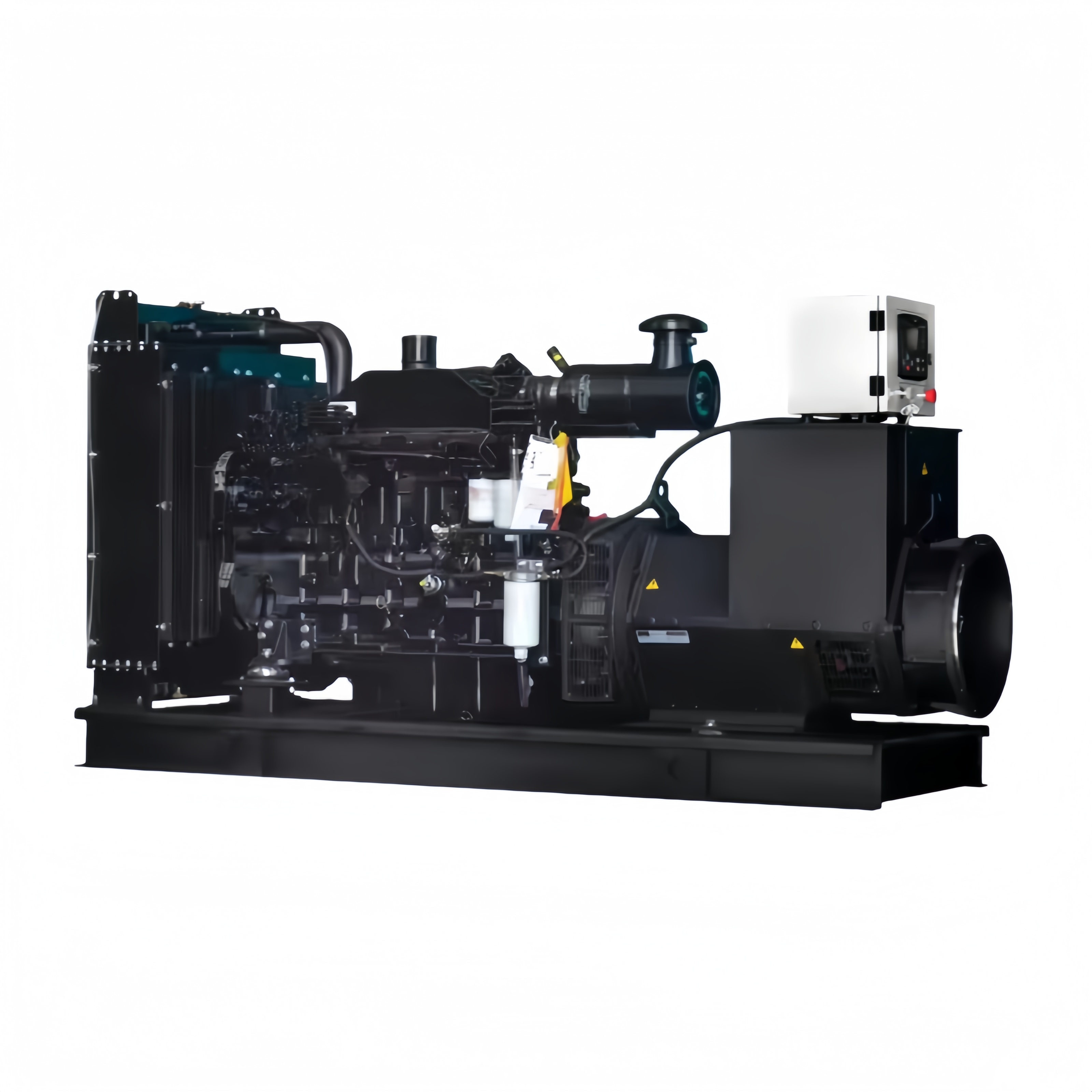
Industrial buyers face a critical decision when selecting diesel generators for continuous operation, as these power systems must deliver uninterrupted electricity for extended periods without compromising reliability or efficiency. Unlike standby generators designed for occasional emergency use, diesel generators for continuous operation serve as primary power sources in remote industrial sites, manufacturing facilities, data centers, and critical infrastructure where grid power is unavailable or unreliable. The selection process demands careful evaluation of engine durability, fuel efficiency, thermal management capabilities, and total cost of ownership over thousands of operating hours annually. Industrial procurement teams must balance immediate capital investment against long-term operational expenses while ensuring the chosen equipment meets both current power demands and future scalability requirements.
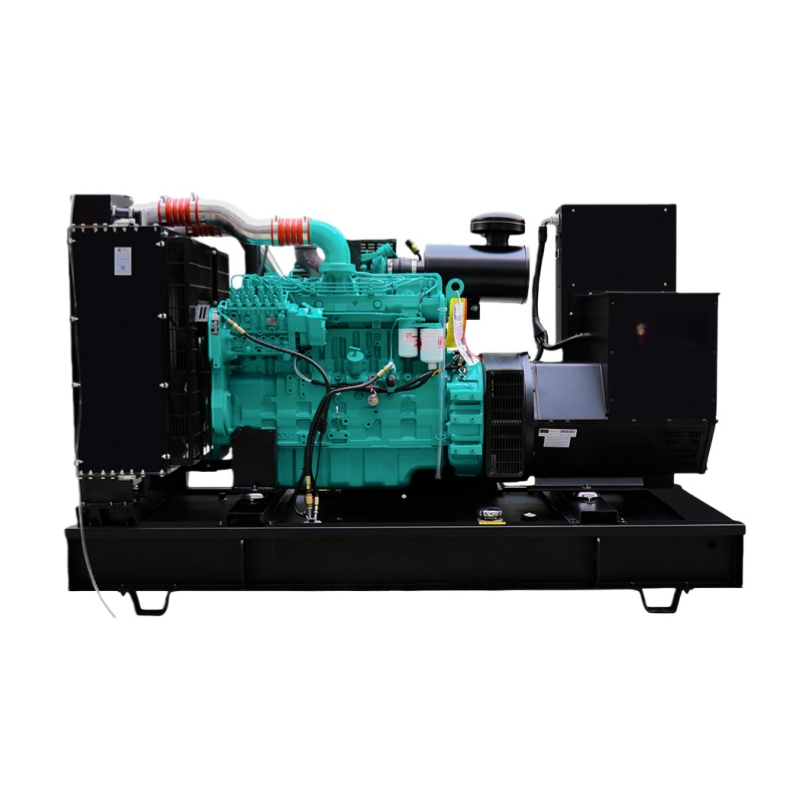
The decision-making framework for continuous-duty diesel generators differs fundamentally from selecting emergency backup units because continuous operation requires components engineered for sustained mechanical stress, advanced cooling systems, and superior fuel management. Industrial buyers typically follow a structured procurement methodology that begins with comprehensive load analysis, extends through technical specification verification, and concludes with supplier capability assessment. This article examines the specific evaluation criteria, technical considerations, and decision-making factors that guide industrial buyers through the complex selection process for diesel generators designed to operate continuously under demanding industrial conditions.
Understanding Continuous Operation Requirements
Defining Continuous Duty Classification
Diesel generators for continuous operation are engineered to deliver rated power output without time limitations, operating twenty-four hours daily throughout the year with minimal maintenance interruptions. The International Organization for Standardization defines continuous power rating as the maximum power available during an unlimited number of annual operating hours under specified environmental conditions with standard maintenance intervals. Industrial buyers must distinguish between continuous, prime, and standby power ratings, as manufacturers often publish multiple power ratings for the same generator model. Continuous-rated equipment typically operates at 70-80 percent of maximum engine capacity to ensure thermal stability and component longevity, whereas prime power ratings allow occasional overload capacity for brief periods.
The mechanical design of diesel generators for continuous operation incorporates heavy-duty engine blocks, reinforced crankshafts, oversized bearings, and enhanced lubrication systems that withstand sustained operational stress. Industrial buyers evaluate whether proposed equipment carries genuine continuous duty certification from recognized standards organizations rather than relying solely on manufacturer claims. Authentic continuous-rated generators feature derating curves that specify output capacity adjustments for altitude, ambient temperature, and fuel quality variations. The selection process requires buyers to verify that equipment specifications align with site-specific environmental conditions and operational duty cycles, ensuring the generator maintains rated output without exceeding thermal or mechanical design limits throughout its operational lifespan.
Load Profile Analysis and Power Demand Forecasting
Industrial buyers initiate the selection process by conducting detailed load profile analysis that documents hourly power consumption patterns, identifies peak demand periods, and quantifies starting current requirements for inductive loads such as motors and compressors. Continuous operation applications demand precise load forecasting because undersized diesel generators for continuous operation experience accelerated component wear and premature failure, while oversized units operate inefficiently at partial loads with increased fuel consumption and excessive cylinder wear. Electrical engineers develop comprehensive load inventories that categorize connected equipment by operational priority, duty cycle, and power factor characteristics, enabling accurate generator sizing calculations that account for simultaneous demand and load growth projections over the equipment lifecycle.
The temporal distribution of electrical loads significantly influences generator selection because continuous operation does not necessarily mean constant load conditions. Manufacturing facilities may experience significant load variations between production shifts, while telecommunications facilities maintain relatively stable power consumption. Industrial buyers analyze load duration curves that display the percentage of time various load levels occur, allowing optimization of generator capacity to match actual operational patterns rather than instantaneous peak demands. This analysis reveals whether multiple smaller generators operating in parallel configuration offer better efficiency and redundancy than a single large unit, particularly for applications where load varies substantially throughout daily or seasonal cycles.
Environmental and Operational Context Assessment
Site-specific environmental conditions directly impact the performance and longevity of diesel generators for continuous operation, requiring buyers to evaluate altitude, ambient temperature ranges, humidity levels, and air quality characteristics at the installation location. Generator output capacity decreases approximately three percent for each thousand feet of elevation above sea level due to reduced air density, while sustained operation in high ambient temperatures exceeding 40 degrees Celsius demands enhanced cooling systems and further output derating. Industrial buyers must specify equipment designed for the actual environmental envelope rather than standard reference conditions, ensuring thermal management systems maintain safe operating temperatures during peak ambient conditions with full electrical loading.
Operational context assessment includes evaluating fuel supply logistics, maintenance resource availability, emission regulation compliance requirements, and acoustic constraints that influence equipment selection and configuration. Remote industrial sites may require diesel generators for continuous operation with extended fuel tank capacity or dual-fuel capability to accommodate supply chain limitations. Buyers in environmentally sensitive locations or urban industrial zones must specify low-emission engines meeting Tier 4 Final or Euro Stage V standards with selective catalytic reduction and diesel particulate filters, which add complexity and maintenance requirements but ensure regulatory compliance. The selection process incorporates noise attenuation requirements, determining whether standard industrial enclosures suffice or whether custom acoustic treatment is necessary to meet community noise ordinances during continuous twenty-four-hour operation.
Critical Technical Specifications for Continuous Duty
Engine Design and Durability Features
The foundation of reliable diesel generators for continuous operation rests in engine architecture specifically engineered for sustained high-duty cycles with components dimensioned beyond standard industrial engine specifications. Industrial buyers evaluate engine block construction, preferring cast iron blocks over aluminum for superior thermal stability and structural rigidity under continuous loading conditions. Critical wear components including cylinder liners, piston rings, connecting rod bearings, and crankshaft journals must feature hardened surfaces and precision tolerances that minimize friction losses while extending maintenance intervals between major overhauls. Continuous-duty engines typically incorporate four-valve-per-cylinder designs with optimized combustion chamber geometry that enhances fuel efficiency and reduces thermal stress compared to older two-valve configurations.
Buyers scrutinize manufacturer documentation for mean time between overhaul specifications, which for genuine continuous-rated engines typically ranges from 15,000 to 30,000 operating hours depending on load factor and maintenance quality. The selection process includes verifying that proposed diesel generators for continuous operation feature replaceable cylinder liners rather than parent-bore cylinder walls, enabling cost-effective major overhauls without complete engine replacement. Industrial buyers assess whether engines incorporate advanced features such as electronically controlled fuel injection, variable valve timing, and integrated engine condition monitoring that optimize combustion efficiency while providing predictive maintenance capabilities. The availability of service parts, technical support infrastructure, and qualified service technicians within reasonable proximity to the installation site represents an essential consideration, as continuous operation applications cannot tolerate extended downtime awaiting parts or specialized repair expertise.
Cooling System Capacity and Thermal Management
Effective thermal management constitutes a critical differentiator between generators capable of sustained continuous operation and those suitable only for intermittent duty, as inadequate cooling leads to accelerated lubricant degradation, thermal stress cracking, and premature component failure. Industrial buyers evaluate whether proposed diesel generators for continuous operation incorporate oversized radiators with sufficient heat rejection capacity to maintain stable coolant temperatures under maximum ambient conditions with full electrical loading. The cooling system design must account for altitude effects that reduce radiator efficiency and for sustained operation at elevated ambient temperatures that challenge thermal management capabilities. Buyers specify equipment with radiator capacities rated at least twenty percent above minimum requirements to provide thermal margin during exceptionally hot conditions or when radiator surfaces accumulate dust and debris between cleaning intervals.
Advanced cooling configurations for continuous-duty applications include closed-loop radiator systems with remote-mounted heat exchangers that separate heat rejection equipment from the generator enclosure, improving acoustic performance and allowing optimized airflow patterns. Industrial buyers assess fan drive mechanisms, preferring hydraulic or variable-speed electric fans over fixed-speed engine-driven fans because modulated cooling reduces parasitic power losses and acoustic emissions during partial load operation. The selection process includes evaluating coolant quality requirements, corrosion inhibitor specifications, and maintenance protocols that preserve cooling system integrity throughout the equipment lifecycle. Buyers specify integrated coolant level sensors, temperature monitoring, and automatic shutdown protection that safeguards engines against thermal damage if cooling system failures occur during unattended continuous operation periods.
Alternator Design and Power Quality Characteristics
The alternator component of diesel generators for continuous operation must deliver stable voltage and frequency regulation while maintaining acceptable waveform quality under varying load conditions throughout extended operating periods. Industrial buyers evaluate alternator construction, preferring brushless synchronous designs with permanent magnet or auxiliary-winding excitation systems that eliminate carbon brush maintenance requirements and associated electrical noise. Continuous-duty alternators feature oversized windings with Class H insulation systems rated for sustained operation at elevated temperatures, and incorporate advanced voltage regulation with digital automatic voltage regulators that maintain output voltage within plus-or-minus one percent under steady-state conditions and provide rapid response to transient load changes.
Power quality specifications become particularly critical for sensitive electronic loads including variable frequency drives, programmable logic controllers, and information technology equipment that may malfunction when subjected to voltage distortion or frequency instability. Buyers specify total harmonic distortion limits typically below five percent for voltage waveforms and assess alternator capability to handle non-linear loads that generate harmonic currents. The selection of diesel generators for continuous operation includes evaluating alternator short-circuit capacity, which determines the unit's ability to supply motor starting currents and fault currents for protective device coordination. Industrial buyers assess whether proposed equipment incorporates three-bearing alternator designs with isolated front bearings that reduce shaft stress and extend bearing life compared to two-bearing configurations, particularly important for large-frame generators operating continuously at high utilization factors.
Fuel System Design and Operational Economics
Fuel Efficiency and Consumption Analysis
Fuel consumption represents the dominant operational expense for diesel generators for continuous operation, making fuel efficiency a paramount selection criterion that significantly impacts total cost of ownership over the equipment lifecycle. Industrial buyers analyze manufacturer-published fuel consumption curves that specify consumption rates at various load percentages, recognizing that specific fuel consumption typically reaches minimum values at 75-85 percent loading while increasing substantially at light loads below 30 percent. The selection process requires calculating annual fuel consumption based on anticipated load profiles and operating hours, then evaluating lifecycle fuel costs against equipment capital cost differentials between standard and premium-efficiency models. A diesel generator consuming 15 liters per hour versus 18 liters per hour at typical operating loads generates annual fuel savings exceeding the initial price premium within the first operational year for continuous-duty applications.
Modern diesel generators for continuous operation incorporate common-rail fuel injection systems operating at pressures exceeding 2,000 bar with multiple injection events per combustion cycle, optimizing fuel atomization and combustion efficiency while reducing particulate emissions. Industrial buyers evaluate whether proposed equipment features advanced engine management systems that optimize injection timing and fuel delivery based on load conditions, ambient temperature, and altitude to maintain peak efficiency across the operational envelope. The selection process includes assessing fuel filtration requirements, water separator specifications, and fuel polishing system integration that maintains fuel quality during extended storage periods. Buyers specify fuel consumption monitoring capabilities integrated with supervisory control systems that enable continuous tracking of operational efficiency and early detection of performance degradation indicating maintenance requirements.
Fuel Storage and Supply Infrastructure
Continuous operation applications require comprehensive fuel storage and supply infrastructure planning that ensures uninterrupted fuel availability while meeting fire safety codes, environmental protection regulations, and operational security requirements. Industrial buyers calculate minimum fuel storage capacity based on generator consumption rates, desired autonomy periods between refueling operations, and supply chain reliability considerations. Remote industrial installations may specify diesel generators for continuous operation with base-mounted fuel tanks providing 24-48 hours of autonomy plus bulk storage systems delivering seven to fourteen days of operational independence. Fuel storage system design addresses fuel degradation concerns, incorporating filtration and recirculation systems that maintain fuel quality during extended storage periods and prevent microbial growth that clogs fuel filters and injection systems.
The integration of fuel management systems with automated tank level monitoring, leak detection, and refueling coordination ensures operational continuity while minimizing manual oversight requirements. Industrial buyers evaluate secondary containment requirements for bulk fuel storage, assessing double-wall tanks versus concrete containment vaults based on site conditions and regulatory requirements. The selection process for diesel generators for continuous operation includes specifying fuel transfer pumps, filtration assemblies, and fuel conditioning equipment that maintains injection system cleanliness standards. Buyers assess whether proposed installations incorporate fuel quality testing protocols and fuel polishing schedules that prevent operational disruptions from contaminated fuel, recognizing that continuous-duty applications cannot tolerate the downtime associated with fuel system cleaning and component replacement caused by inadequate fuel quality management.
Lubrication Systems and Oil Management
Proper lubrication management critically influences the longevity and reliability of diesel generators for continuous operation, with oil quality degradation rates directly correlating to operating temperatures, combustion efficiency, and oil change intervals. Industrial buyers evaluate lubrication system capacity, preferring engines with oversized oil sumps that reduce oil temperature through increased thermal mass and extend intervals between oil changes. Continuous-duty applications typically require premium synthetic lubricants with extended drain intervals and superior thermal stability compared to conventional mineral oils used in standby applications. The selection process includes assessing oil filtration specifications, with bypass filtration systems removing sub-micron contaminants that accelerate bearing wear and determining whether proposed equipment incorporates oil condition monitoring that schedules oil changes based on actual degradation rather than arbitrary hour intervals.
Advanced diesel generators for continuous operation feature centralized lubrication systems with automatic oil makeup capabilities that maintain proper oil levels during extended operating periods and incorporate oil coolers that stabilize lubricant temperatures under high ambient conditions. Industrial buyers evaluate whether proposed equipment includes integrated oil analysis sampling ports facilitating routine oil condition testing without interrupting operations, enabling predictive maintenance strategies that identify developing mechanical problems before catastrophic failures occur. The specification process addresses used oil management, environmental compliance for oil storage and disposal, and whether on-site oil recycling systems justify economic investment for high-consumption continuous-duty applications. Buyers assess lubricant consumption rates and specify engines with effective piston ring sealing and crankcase ventilation systems that minimize oil consumption while preventing combustion gas contamination that degrades lubricant quality and reduces effective drain intervals.
Control Systems and Integration Requirements
Generator Control and Protection Systems
Sophisticated control and protection systems distinguish diesel generators for continuous operation from basic standby units, providing comprehensive monitoring, automatic fault detection, and protective shutdown capabilities essential for unattended continuous operation. Industrial buyers evaluate controller capabilities including multi-parameter digital displays, programmable logic functions, and communication interfaces that integrate generators into facility management systems. Continuous-duty applications require controllers monitoring dozens of operational parameters including engine temperature, oil pressure, fuel level, battery voltage, vibration levels, and electrical output characteristics with configurable alarm thresholds and automatic shutdown protection preventing catastrophic damage if critical parameters exceed safe operating limits. The selection process emphasizes controller reliability, specifying industrial-grade components with proven track records in harsh environmental conditions rather than consumer-grade electronics prone to failure under temperature extremes and electrical transients.
Advanced control systems for diesel generators for continuous operation incorporate load management functions including soft-loading capabilities that gradually apply electrical load during startup, automatic load sharing for paralleled generators, and peak shaving functions that optimize multiple generator operation based on total facility demand. Industrial buyers assess whether proposed controllers provide comprehensive event logging with timestamped fault histories, operational statistics tracking, and maintenance scheduling reminders based on accumulated operating hours or calendar intervals. The specification process includes evaluating remote monitoring capabilities, cellular modem integration for off-site system access, and whether control systems support standard industrial communication protocols including Modbus, BACnet, or SNMP enabling integration with building management systems and supervisory control and data acquisition platforms. Buyers specify cybersecurity features including password protection, encrypted communications, and network isolation capabilities that protect critical power infrastructure from unauthorized access while maintaining operational visibility for authorized personnel.
Synchronization and Parallel Operation Capabilities
Many continuous operation applications require multiple diesel generators for continuous operation operating in parallel configuration to provide redundancy, accommodate load growth, and improve partial-load efficiency through optimized generator staging. Industrial buyers evaluate synchronization equipment capabilities including automatic synchronizers that match voltage, frequency, and phase relationship before closing paralleling breakers, and load sharing controllers that distribute electrical load proportionally across operating generators. Parallel systems require sophisticated control coordination ensuring seamless load transfer between generators, automatic starting of additional units when running generators approach capacity limits, and orderly shutdown of excess capacity during reduced demand periods. The selection process includes specifying paralleling switchgear with appropriate interrupting ratings, protective relaying, and metering equipment that enables independent monitoring of individual generator performance within the parallel system.
Industrial buyers assess whether proposed diesel generators for continuous operation incorporate digital governors and voltage regulators with droop characteristics or isochronous load sharing capabilities appropriate for the application's control architecture. Droop control allows simple parallel operation without communication between generators but results in small frequency and voltage variations with load changes, while isochronous control maintains precise frequency and voltage but requires communication networks between generator controllers. The specification process addresses generator sizing strategies for parallel systems, evaluating whether identical generators simplify spare parts inventory and maintenance scheduling versus mixed-capacity generators providing operational flexibility. Buyers specify automatic transfer schemes that maintain power continuity during generator maintenance by transferring loads to remaining units, and assess system redundancy levels determining whether N+1 configuration with one spare generator capacity or N+2 configuration with two spare units provides appropriate reliability for the application's criticality level.
Remote Monitoring and Predictive Maintenance Integration
Continuous operation demands proactive maintenance strategies enabled by remote monitoring systems that provide real-time operational visibility and predictive analytics identifying developing problems before they cause unexpected failures. Industrial buyers specify diesel generators for continuous operation with integrated telematics systems transmitting operational data including engine performance parameters, electrical output characteristics, fuel consumption rates, and fault conditions to cloud-based platforms accessible via web interfaces and mobile applications. Remote monitoring capabilities reduce site visit requirements for routine status checks while enabling rapid response to alarm conditions and providing maintenance personnel with diagnostic information before dispatching to site. The selection process evaluates whether monitoring platforms provide configurable alert notifications via email, text message, or push notifications ensuring appropriate personnel receive timely information about operational anomalies requiring attention.
Advanced predictive maintenance capabilities analyze operational data trends identifying gradual performance degradation indicative of developing mechanical problems including bearing wear, fuel system degradation, or cooling system inefficiencies. Industrial buyers assess whether proposed diesel generators for continuous operation incorporate vibration monitoring systems detecting abnormal mechanical signatures, oil analysis integration tracking lubricant condition parameters, and thermal imaging capabilities identifying cooling system problems or electrical connection deterioration. The specification process includes evaluating data analytics capabilities, machine learning algorithms that establish equipment-specific baseline performance characteristics, and exception reporting that highlights deviations from normal operating patterns. Buyers specify maintenance management system integration that automatically schedules preventive maintenance tasks based on accumulated operating hours, starts, or condition-based triggers, ensuring maintenance activities occur at optimal intervals maximizing equipment availability while minimizing unnecessary service interventions.
Supplier Evaluation and Total Cost of Ownership Analysis
Manufacturer Reputation and Product Track Record
Industrial buyers prioritize manufacturers with established reputations for engineering excellence and proven track records supplying diesel generators for continuous operation in demanding industrial applications. The supplier evaluation process examines manufacturer history, production facility certifications, quality management system compliance, and references from existing installations operating in similar applications. Buyers seek manufacturers with vertically integrated production capabilities controlling critical component manufacturing including engine blocks, crankshafts, and alternator assemblies, reducing supply chain dependencies and ensuring consistent quality standards. The selection process includes evaluating manufacturer financial stability and long-term viability, recognizing that continuous-duty generators require parts and service support extending decades beyond initial purchase.
Industrial buyers investigate manufacturer testing protocols verifying that diesel generators for continuous operation undergo comprehensive factory acceptance testing including full-load performance verification, transient response testing, and endurance testing demonstrating sustained operation capabilities. The evaluation process assesses whether manufacturers maintain application engineering resources providing technical support during equipment selection, installation design, and commissioning phases. Buyers examine warranty coverage terms, particularly provisions addressing continuous-duty applications which some manufacturers exclude from standard warranty terms or subject to reduced coverage periods compared to standby applications. The selection process includes evaluating manufacturer service network density, parts availability commitments, and emergency response capabilities ensuring that technical support and replacement components arrive promptly when operational issues arise.
Service Support Infrastructure and Parts Availability
Comprehensive service support infrastructure represents a critical selection criterion for diesel generators for continuous operation because extended downtime directly impacts production revenue and operational continuity. Industrial buyers evaluate distributor and service provider networks assessing geographic coverage, technician training and certification levels, and service fleet capabilities including diagnostic equipment and specialized tooling required for major repairs. The selection process examines parts inventory locations and distribution logistics determining realistic lead times for routine maintenance components and critical spare parts. Buyers specify equipment from manufacturers maintaining regional parts distribution centers with comprehensive inventory including high-wear components, control system modules, and major assemblies enabling rapid parts delivery minimizing operational disruptions during unplanned maintenance events.
The evaluation of service capabilities includes assessing whether service providers offer customized maintenance agreements with guaranteed response times, scheduled maintenance visit frequencies, and comprehensive coverage including routine services, emergency repairs, and major overhauls. Industrial buyers investigate service provider capabilities performing advanced diagnostics, electronic control system troubleshooting, and precision mechanical repairs including crankshaft grinding, cylinder head reconditioning, and alternator rewinding. The specification process for diesel generators for continuous operation addresses training requirements for facility maintenance personnel, evaluating manufacturer training programs and whether equipment design facilitates owner-performed routine maintenance versus requiring specialized service provider intervention. Buyers assess technical documentation quality including maintenance manuals, parts catalogs, and troubleshooting guides ensuring facility personnel access comprehensive information supporting effective equipment operation and maintenance throughout the service life.
Lifecycle Cost Modeling and Financial Analysis
Total cost of ownership analysis extends beyond initial capital investment to encompass fuel consumption, routine maintenance expenses, major overhaul costs, and operational reliability impacts over the generator's economic service life typically spanning 20-30 years for continuous-duty applications. Industrial buyers develop comprehensive financial models incorporating equipment capital costs, installation expenses, annual fuel consumption at projected diesel prices, scheduled maintenance costs, and estimated major overhaul expenses at defined operating hour intervals. The analysis accounts for time value of money through net present value calculations comparing alternatives with different capital costs and operating expense profiles. Diesel generators for continuous operation with premium initial costs but superior fuel efficiency and extended maintenance intervals frequently demonstrate lower total ownership costs compared to economy models despite higher purchase prices.
Lifecycle cost modeling includes quantifying reliability and availability impacts, estimating production losses or service interruptions resulting from generator failures or maintenance downtime. Industrial buyers assign economic values to generator unavailability based on application-specific revenue impacts, contractual penalties, or safety consequences of power interruptions. The financial analysis evaluates risk-adjusted costs incorporating probability-weighted failure scenarios and associated consequences, often justifying premium equipment selection for critical applications where power interruption costs dramatically exceed equipment cost differentials. The selection process for diesel generators for continuous operation includes sensitivity analysis examining how total ownership costs vary with fuel price changes, utilization factor adjustments, and maintenance cost escalation, providing decision-makers with comprehensive financial perspectives supporting equipment selection decisions. Buyers consider residual equipment values and disposition costs at end-of-life, evaluating whether equipment design facilitates component remanufacturing and resale or requires complete replacement with associated disposal expenses and environmental remediation costs.
FAQ
What distinguishes continuous-rated diesel generators from prime or standby-rated units?
Continuous-rated diesel generators are engineered to deliver their rated power output without time limitations, operating unlimited annual hours with only scheduled maintenance interruptions, whereas prime-rated generators provide maximum power for varying loads with occasional brief overload capacity but typically operate 80-85 percent of annual hours, and standby-rated generators deliver maximum power only during emergency utility outages for limited annual hours typically not exceeding 200 hours. Continuous-duty equipment features heavy-duty mechanical components, oversized cooling systems, and enhanced lubrication designed for sustained operation at rated capacity, while standby units utilize lighter-duty components adequate for intermittent operation but prone to premature failure under continuous loading conditions. Industrial buyers must verify equipment carries genuine continuous duty certification rather than selecting prime-rated generators marketed as suitable for continuous applications but lacking appropriate engineering margins.
How do industrial buyers determine the appropriate generator capacity for continuous operation applications?
Industrial buyers determine appropriate generator capacity through comprehensive load analysis documenting all connected electrical equipment, operating duty cycles, starting current requirements, and anticipated load growth over the equipment lifecycle, then applying appropriate sizing factors accounting for altitude derating, ambient temperature effects, and operational margins ensuring generators operate at optimal efficiency ranges typically 70-85 percent of rated capacity. The sizing process distinguishes between instantaneous peak demands that occur briefly during motor starting events and sustained load levels requiring continuous power delivery, using load duration curve analysis identifying the percentage of time various load levels occur. Buyers evaluate whether single large generators or multiple smaller units in parallel configuration better match the application's load profile, considering that parallel systems improve partial-load efficiency and provide operational redundancy but increase system complexity and initial capital investment compared to single-generator installations.
What maintenance intervals and service requirements apply to continuous-duty diesel generators?
Continuous-duty diesel generators require comprehensive preventive maintenance programs with service intervals defined by accumulated operating hours rather than calendar periods, typically including daily visual inspections, weekly fluid level checks, oil and filter changes every 250-500 hours depending on oil type and operating conditions, coolant system service every 1,000-2,000 hours, and major inspections including valve adjustments and fuel system service every 2,000-3,000 hours. Major overhauls involving cylinder head removal, piston replacement, and bearing inspection occur at 15,000-30,000 operating hour intervals depending on load factors and maintenance quality, with continuous operation at 75-80 percent loading extending overhaul intervals compared to highly variable loading patterns or sustained operation exceeding 85 percent capacity. Industrial buyers implement oil analysis programs sampling lubricants at regular intervals detecting abnormal wear metals, fuel dilution, or coolant contamination enabling predictive maintenance that addresses developing problems before catastrophic failures occur, significantly reducing unplanned downtime and extending equipment service life beyond published maintenance intervals when operating conditions and maintenance quality exceed manufacturer baseline assumptions.
How critical is fuel quality management for diesel generators operating continuously?
Fuel quality management proves absolutely critical for diesel generators for continuous operation because contaminated fuel causes injection system component wear, combustion efficiency degradation, and operational failures that interrupt power delivery and necessitate expensive repairs, with modern common-rail injection systems particularly sensitive to particulate contamination and water ingress that damages precision components operating at extreme pressures exceeding 2,000 bar. Industrial buyers implement comprehensive fuel management programs including primary filtration at delivery, bulk storage tank maintenance with bottom water drainage and periodic tank cleaning, secondary filtration before generator day tanks, and fuel polishing systems continuously circulating stored fuel through filtration equipment removing water and particulate contamination. Fuel quality testing protocols monitor fuel for microbial growth, water content, particulate levels, and chemical degradation that occurs during extended storage periods, with test results triggering fuel treatment or replacement before injection system damage occurs. Continuous operation applications justify investment in sophisticated fuel conditioning equipment because fuel-related failures cause extended downtime exceeding costs of preventive fuel management systems, and injection system repairs or replacements resulting from fuel contamination represent major unplanned expenses significantly impacting total ownership costs over the generator's operational lifespan.
Table of Contents
- Understanding Continuous Operation Requirements
- Critical Technical Specifications for Continuous Duty
- Fuel System Design and Operational Economics
- Control Systems and Integration Requirements
- Supplier Evaluation and Total Cost of Ownership Analysis
-
FAQ
- What distinguishes continuous-rated diesel generators from prime or standby-rated units?
- How do industrial buyers determine the appropriate generator capacity for continuous operation applications?
- What maintenance intervals and service requirements apply to continuous-duty diesel generators?
- How critical is fuel quality management for diesel generators operating continuously?