 EN
EN

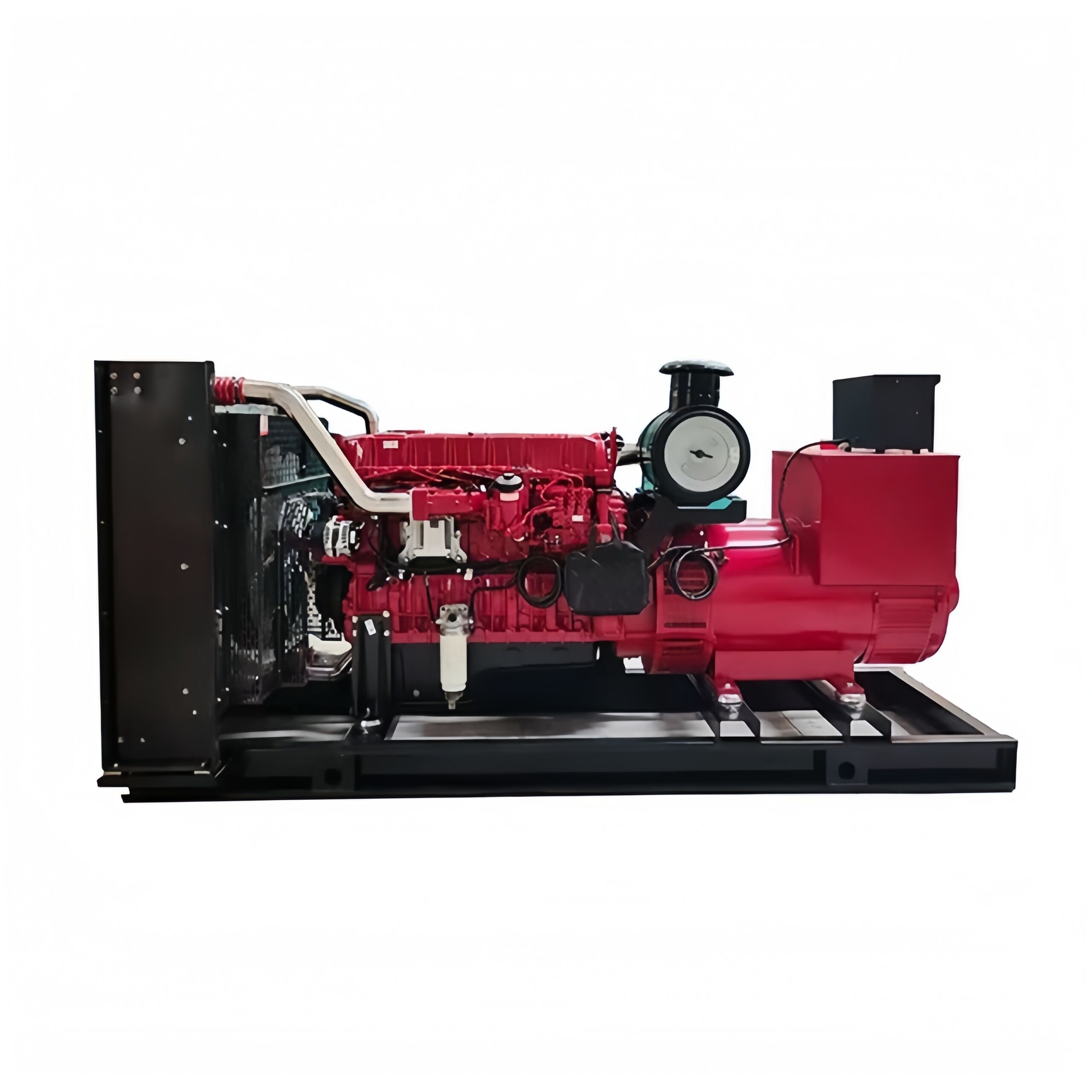
איסוף מولدات ביתיות לשווקים המגורים הוא תהליך שדורש חשיבה אסטרטגית הרבה יותר מאשר הזמנת כמות גדולה פשוטה מהספק הקרוב ביותר. מפיצים המצליחים בתחום זה מבינים שקונים פרטיים מצפים לאמינות, רמות רעש נמוכות, יעילות דלק וקלות בהתקנה — ושהגשמת ציפיות אלו מתחילה זמן רב לפני שהמוצר מגיע לחניון של בעל הבית. החלטות האיסוף שננקטות בשלב המוקדם משפיעות ישירות על איכות המוצר, הפוטנציאל להישגים כלכליים והסמכות המותגית שבונים המפיצים לאורך זמן.
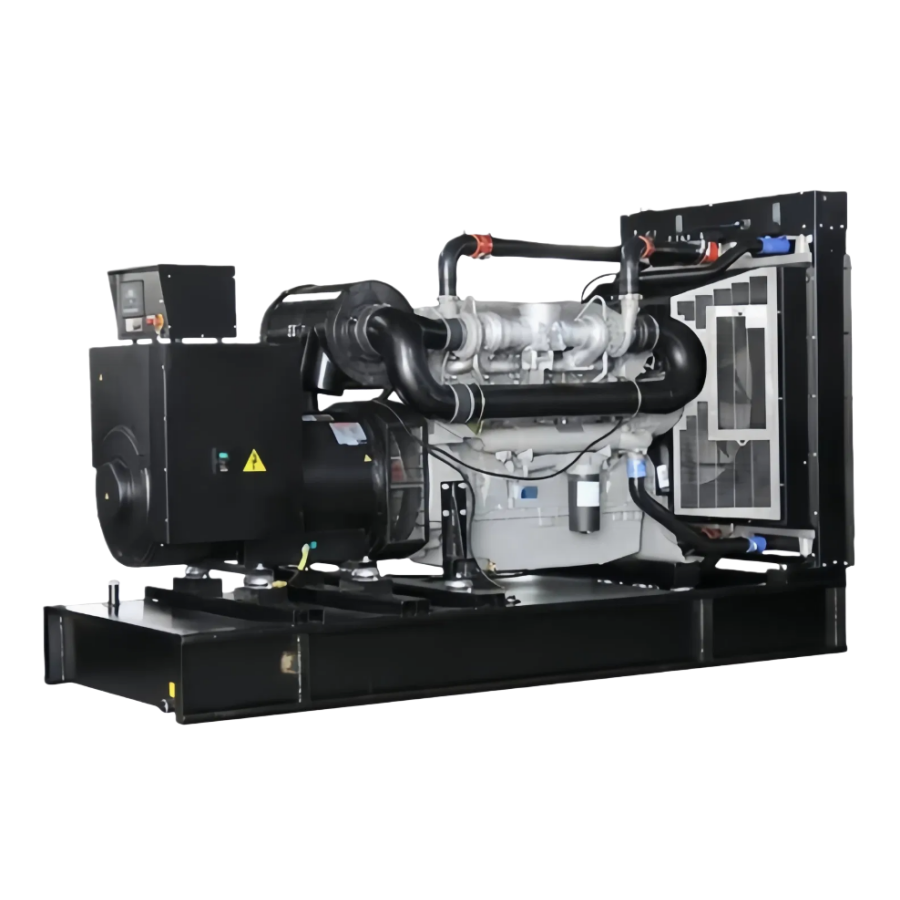
למפיצים הנכנסים או המרחיבים את פעילותם בקטע הספקת החשמל החוזרת למשקי בית, מסע האיסוף כולל הערכת יצרנים, הבנת דרישות האישורים, התאמת مواפייני המוצר לדפוסי הביקוש המקומיים, ובניית קשרי ספק שיכלו להתפתח ולגדול. מאמר זה מתאר את המراحل והשקולות המרכזיים שמגדירים כיצד מפיצים מצליחים באיסוף מולדי חשמל ביתיים לשווקים הביתיים, מהאימות הראשוני של הספקים ועד לתכנון הלוגיסטיקה ותמיכה לאחר המכירה.
הבנת השוק הביתי לפני תחילת הרכישה
מיפוי דפוסי הביקוש באזורי היעד
לפני שמערכת הפצה פונה לייצרן אחד, הצעד החשוב ביותר הוא להבין מה באמת צריכים לקוחות ביתיים באזור היעד ממחשפים לבית. הביקוש לכוח גיבוי משתנה במידה רבה בהתאם לאמינות הרשת המקומית, לתנאי האקלים, לסוגי הדיור ולצריכת החשמל הממוצעת של משפחות. באזור שבו נותרים חוסרים תכופים עקב תשתית מיושנת, יתמקדו בזמן פעילות וביעילות הצריכה של הדלק, בעוד שבעירונית פרברית שבה חוסרים קצרים מתרחשים לעיתים קרובות בעקבות סופות, יתמקדו יותר בהפעלה שקטה ובגודל קטן.
מوزעים שמדלגים על ניתוח זה לרוב מסיימים לרכוש יחידות שטכנית תקינות אך לא מתאימות מסחרית. לדוגמה, מولد שדורג לייצור תעשייתי עשוי להיות מעוצב במעורפל ויקר מדי לבית טיפוסי עם שלושה חדרי שינה. להפך, רכישת יחידות חסרות כוח מספיק כדי לחסוך בהוצאות מובילה לתלונות הלקוחות והחזרות. הקטע הביתי מكافא את המוזעים שמתאימים את مواصفות המוצר באופן צמוד לצרכים האמתיים של עומסים ביתיים.
מיפוי דרישה פרקטי כולל סקירת נתוני הפסקות חשמל מקומיות, ייעוץ עם חשמלאים ומתקינים שמשרתים לקוחות ביתיים, וניתוח מה שהמוזעים המתחרים מציעים כרגע. מידע זה יוצר את תיאור המוצר שמוזעים מביאים לשיחות עם יצרנים, מה שהופך את השיחות הללו ליותר מועילות ומדויקות.
הגדרת مواصفות המוצר הנכונות לשימוש ביתי
מחשפים ביתיים המיועדים לשוק הביתי נושאים פרופיל مواصفות שונה מזה של יחידות מסחריות או תעשייתיות. פרמטרים מרכזיים כוללים טווח תפוקת הספק, שכולל בדרך כלל בין 5 קילוואט ל-20 קילוואט עבור רוב המשקי בית, תאימות לסוג הדלק כגון בנזין, דיזל, גז טבעי או פרופאן, רמת הרעש הנמדדת בדציבלים, תאימות למתג העברה אוטומטי, וממדים פיזיים המתאימים לחללים להתקנה ביתיים.
מחשפים ביתיים חסרי רעש או בעלי רעש נמוך הפכו חשובים יותר ויותר בהחלטות הקנייה הבתיות. בעלי בתים באזורים פרבריאליים ועירוניים רגישים לרעש שהמחשף מפיק, ורבות מהרשויות המקומיות קבעו תקנות רעש המגבילות את הפעלת המחשפים מעבר לסדרת דציבלים מסוימת. המפיצים שמקנים מחשפים ביתיים לשווקים אלו חייבים לתת עדיפות ליחידות עם מעטפות אקוסטיות ומערכות מדפי רעש מתקדמות כדרישת בסיס, ולא כאופציה יוקרתית.
גמישות הדלק היא תכונה נוספת שעל המפיצים להעריך בזהירות. בשווקים שבהם התשתית לגז טבעי מפותחת היטב, מחוללים ביתיים דו-דליים או המופעלים בגז טבעי מציעים לבעלי בתים יתרון מרשים מבחינת זמינות הדלק במהלך חוסרים ממושכים ברשת. לעומת זאת, מחוללים ביתיים המופעלים בדיזל נותרו פופולריים באזוריים שבהם אחסון דלק הוא פרקטי וחוסרים ברשת נוטים להיות ממושכים.
הערכה ואישור יצרנים של מחוללים ביתיים
אישורים והתאמה כמסנן שאינו ניתן לוותר עליו
למوزיעים שמקבלים מפעלים מהותיקי מחולקים destined for regulated residential markets, התאמה לאישורים היא המסנן הראשון שמוריד יצרנים שאינם מתאימים. בהתאם לשוק היעד, האישורים הרלוונטיים עשויים לכלול תקני ניהול איכות של ארגון הסטנדרטים הבינלאומי (ISO), סימון CE לשוק האירופאי, אישורי UL או CSA לשוק הצפון-אמריקאי, והתאמה לתקנות הסוכנות להגנת הסביבה (EPA) או לועדת רגולציה לאוטומובילים בקליפורניה (CARB) בשווקים עם תקנות סביבתיות קשיחות. יצרנים שלא מסוגלים לספק מסמכים זכאיים לתעודה, מעודכנים וניתנים לאימות, לא צריכים לעבור את שלב האישור הראשוני.
הסמכות ISO ו-CE על מولدים ביתיים מעידות על כך שהיצרן פועל במסגרת מערכת מוסמכת לניהול האיכות, ועל כך שהמוצר נבדק בהתאם סטנדרטים מוכרים לביטחון וביצועים. עבור מפיצים, הסמכות הללו מפחיתות את החשיפה לתביעות אשם ומקלות את תהליך הייבוא והפינוי המכסי ברוב התחומים המשפטיים. הן גם משרתות כנקודת מכירה אמינה כאשר מפיצים מسوقים מولدים ביתיים לקונים פרטיים שבוחרים להשקיע סכום משמעותי בתשתיות חשמל זמינות.
מעבר לאישורים, המوزעים צריכים לבקש מיצרנים פוטנציאליים דוחות ביקורת במפעל, תוצאות בדיקות של צד שלישי ונתוני טענות על אחריות. יצרן ששיעור הטענות על האחריות שלו על מولدات הבית שלו נמוך, מפגין אמינות מוצר במציאות – וזהו בסופו של דבר מה שלקוחות פרטיים משלמים עליו. מוזילים שמשקיעים זמן בשלב זה של האימות מגנים על המוניטין שלהם ומפחיתים את עלות שירות לאחר המכירה.
הערכת קיבולת הייצור והעקביות באספקה
הביקוש הביתי למחוללים לא תמיד הוא ביטוי ליניארי. הוא עולה באופן חדה לאחר אירועים מזג אוויר גדולים, במהלך תקופות של אי-יציבות ברשת החשמל, או כאשר תוכניות תמריץ ממשלתיות מעודדות בעלי בתים להשקיע בהספקת חשמל גיבוי. המפיצים זקוקים לייצרנים שיכלו להגיב לעליות ביקוש אלו ללא פגיעה בזמן האספקה או באיכות המוצר. לכן, הערכת היכולת הייצורית של היצרן, עומק מקורות החומר הגלמי שלו ומדיניות ניהול המלאי שלו מהווה חלק קריטי באומדן רכש.
המפיצים צריכים לשאול את יצרני הפוטנציאל על זמני האספקה הרגילים שלהם להזמנות סטנדרטיות, על יכולתם להתמודד עם הזמנות דחופות ועל הגישה שלהם לאספקת רכיבים לרכיבים מרכזיים כגון מנועים, אלטרנטורים ולוחות בקרה. יצרנים התלויים במפיץ אחד בלבד לרכיבים קריטיים נושאים סיכון גבוה יותר בשרשרת האספקה, מה שיכול להוביל ישירות לחוסר מלאי אצל המפיצים בתקופות ביקוש שיא.
העקביות באספקה לטווח הארוך תלויה גם בהתייצבות הכספית ובמוכנות הפעולה של היצרן. מפיצים שמקבלים מחולקים של יצרני חשמל ביתיים בקנה מידה גדול צריכים לבצע בדיקת נאמנות כספית בסיסית על שותפים פוטנציאליים, במיוחד בעת כניסה להסדרי הפצה בלעדיים או כמעט בלעדיים. יצרן שלא מסוגל לתמוך בפעילותו גם במהלך רבעון איטי אינו שותף מהימן לטווח הארוך עבור מפיץ שבונה נוכחות בשוק הביתי.
ניפוש בתנאי המחירים, כמות ההזמנה המינימלית (MOQ) והתנאים המסחריים
איזון בין עלות היחידה לעלות הכוללת לאחר היבוא
אחת השגיאות הנפוצות ביותר שמבוצעות על ידי מوزגים ברכישת מولدات בית היא התמקדות צרה מדי במחיר היחידה תוך הערכת נמוכה של העלות הכוללת לאחר נסיעה. המחיר המוצטט על ידי היצרן בשער המפעל הוא רק רכיב אחד מבין מה שמוזג משלם בסופו של דבר. עלויות שינוע, מכסים ייבוא, ביטוח, עמלות טיפול בנמל, תחבורה מקומית ואחסון תורמים כולן לעלות הסופית ליחידה, ומשתנים אלו יכולים לשנות באופן משמעותי את הכלכלה של החלטת הרכש.
מوزעים שמחפשים מפעלי ייצור מחו"ל של מولدات חשמל לבית חייבים לבנות מודל מפורט של עלות היבוא לפני שהם נוקטים בהליך קביעת ספק. המודל הזה חייב לכלול את הסיווג המכסי הנוכחי של המוצר בשוק היעד, את ההבדל בתעריפי המשלוח בין משלוח ימי לאווירי, וכן כל סיכון הקשוי להחלפת מטבע בהקשר לתנאי התשלום. יצרן המציע מחיר ליחידה מעט גבוה יותר, אך עם אריזה טובה יותר, שיעור נזקים נמוך יותר במהלך ההובלה ותנאי תשלום מוצלחים יותר, עשוי לספק עלות כוללת של ייבוא נמוכה יותר מאשר פתרון זול יותר.
כמויות ההזמנה המינימליות הן משתנה מסחרי נוסף שמנהלי ההפצה חייבים לנהל משא ומתן בזהירות. יצרני מولدات ביתיים קובעים לעיתים קרובות כמויות הזמנה מינימליות (MOQ) על סמך התייעלות הפקה, אך כמויות אלו עשויות שלא להתאים לנפח הכניסה הראשוני של מנהל הפצה לשוק. מנהלי הפצה בעלי ניסיון מנהלים משא ומתן על מבנים מחירים מדורגים שמאפשרים להם להתחיל בהזמנות ראשוניות קטנות יותר, תוך חסימת מחירים טובים יותר ככל שהנפחים גדלים, ובכך מפחיתים את הסיכון במלאי בשלב פיתוח השוק.
מבנה תקופות התשלום וחלוקת הסיכונים
תנאי התשלום בקניות בינלאומיות של מولدات חשמל לבית כוללים בדרך כלל שילוב של תשלום מראש, אגרות זכאות וסדרי חשבון פתוח, בהתאם למידת הביטחון והאינטגרציה הקיימת ביחס עם הספק. יחסים חדשים בין מפיצים לייצרנים מתחילים בדרך כלל בתנאי תשלום מראש גבוהים יותר, אשר מגנים על הייצרן אך גם מגדילים את דרישות ההון העו"ש של המפיץ. ככל שמתגבשת האמון וההיסטוריה של העסקאות, תנאי התשלום הופכים ליותר נוחים.
המפיצים צריכים גם לנהל משא ומתן על תוספת תנאים ברורים בנוגע לתביעות איכות, החלפת יחידות פגומות ותמיכה במושגים. יצרן המציע אחריות מקיפה על מולדות החשמל לבית שלו, אך לא מספק תהליך ברור לטיפול בתביעות אחריות בשוק של המפיץ, מציע ערך מעשי מוגבל בלבד. תנאי האחריות חייבים לציין את זמני התגובה, הלוגיסטיקה להחלפת היחידות, ואת חלוקת העלות עבור מוצרים פגומים שזוהו לאחר המסירה.
לוגיסטיקה, איחסון ומסירת קצה אחרונה לשוק הביתי
התאמת תשתית שרשרת האספקה לציפיות של הקונים הביתיים
לקונים פרטיים של מولدات חשמל לבית יש דרישות שונות לאספקה בהשוואה לקונים מסחריים או תעשייתיים. בעלי בתים מצפים בדרך כלל לאספקה יחסית מהירה לאחר הרכישה, לטיפול מקצועי כדי למנוע נזקים קוסמטיים, ובמקרים רבים לתמיכה בהתקנה או הפניה לבעלי מקצוע מוסמכים להתקנה. מפיצים שמקבלים מولدות חשמל לבית ללא תכנון מראש לדרישות האספקה האחרונות (Last-Mile) לרוב מגלה כי התשתית הלוגיסטית שלהם, שתוכננה לאספקת סחורה ברמות פליטות (Pallet-Level) מסחריות, אינה מתאימה להגשמת דרישות אספקה ללקוחות פרטיים.
התאמת הלוגיסטיקה להפצת מولدات חשמל לביתיות עשויה לכלול שיתופי פעולה עם שירותים למסירה יוקרתית ('white-glove'), הקמת מרכזי הפצה אזוריים כדי לקצר את זמני ההגעה של המוצרים, ופיתוח קשרים עם חשמלאים מורשים וקבלנים המתקינים מولدות, אשר יכולים לספק שירות 'מפתח-ביד' ללקוחות הסופיים. שיתופי פעולה אלו מוסיפים ערך מעבר למוצר עצמו ויוצרים יתרון תחרותי שקשה למתחרים חדשים לשכפל אותו במהרה.
האריזה היא גם נושא לוגיסטי שנוטים להמעיט בחשיבותו בעת רכישת מولدות חשמל לביתיות. היחידות חייבות להגיע לכתובות ביתיות באריזה המגנה עליהן מפני נזקים במהלך השינוע, שהיא נוחה לעובדי המסירה, ובהחלט מכילה הנחאות התקנה ברורות. המפיצים צריכים לציין את דרישות האריזה לייצרנים בשלב רכישת המוצרים, ולא לקבל אריזה סטנדרטית לייצוא שיכולה להיות מתאימה למשלוחים מסחריים אך אינה מתאימה למשלוחים לבתי.
ניהול רמות המלאי לאורך מחזורי הביקוש העונתיים
הביקוש למחשפים ביתיים בשווקים המגורים עוקב אחרי דפוסים עונתיים מוכרים באיזורים רבים. עונת ההוריקנים, תקופות סופות החורף והגלים של חום הקיץ שמעמיסים את רשתות החשמל יוצרים עלות ביקוש צפוייה. מפיצים שמבינים את המחזורים האלה יכולים לעבוד יחד עם יצרנים כדי לבנות מלאי מראש תקופות השיא, ולבטח מחירים טובים יותר דרך קנייה מראש תוך כדי אחריות לזמינות המוצר בעת שיא הביקוש.
ניהול המלאי למחשפים ביתיים דורש איזון בין עלות האחזקה במלאי לבין הסיכון להפסד הכנסות עקב חוסר זמינות המוצר בתקופות ביקוש גבוה. על המפיצים לפתח מודלים לחיזוי הביקוש הכוללים נתונים היסטוריים על מכירות, ניתוח דפוסי מזג אוויר וтенדנציות באימונים של אמינות הרשת האזורית. המודלים הללו מספקים מידע לקביעת החלטות קנייה ועוזרים למפיצים לנהל משא ומתן עם היצרנים בנוגע ללוחות הזמנים לייצור שמתאימים לביקוש הצפוי.
תמיכה לאחר המכירה כגורם שיקול באספקה
למה תשתית התמיכה לאחר המכירה משפיעה על החלטות האספקה
מوزעים שמעריכים את התמיכה לאחר המכירה כנושא משני בתהליך האספקה מפגינים ביצועים נמוכים באופן עקבי בהשוואה לאלו שבונים יכולת שירות לתוך אסטרטגיית האספקה שלהם כבר בשלב הראשוני. יצרניות ביתיות הן מוצרים בעלי מחזור חיים ארוך הדורשים תחזוקה מחזורית, תיקונים מזדמנים וגישה לחלקי חילוף. לקוחות פרטיים שלא יכולים לקבל תמיכה שרת בזמן עבור היצרניות הביתיות שלהם הופכים ללקוחות לא מרוצים שמייצרים ביקורות שליליות ומפחיתים את שיעור הקניות החוזרות.
בעת הערכת יצרנים, מפיצים צריכים להעריך את זמינות חלקי החילוף, את איכות התיעוד הטכני שסופק עם המוצר, ואת המוכנות של היצרן לתמוך באימוני שירות ברמת המפיץ. יצרנים שמספקים מדריכי שירות מקיפים, קטלוגי חלקים ומשאבי הדרכה עושים את המשימה של בניית רשת שירות מספקת בשווקים שלהם קלה בהרבה למפיצים. תשתית התמיכה הזו מהווה אמצעי הבחנה אמיתי בעת השוואת מولدات ביתיות דומות מאופיים מיצרנים שונים.
בניית רשת שירות שתתמוך בלקוחות פרטיים
רשת השירות של מפיץ למחוללים ביתיים בשווקי הדיור מורכבת בדרך כלל משילוב של טכנאים פנימיים, סוכני שירות מורשים ומרכזי שירות הנתמכים על ידי היצרן. בניית רשת זו דורשת השקעה באימונים, ציוד ובמלאי חלפים, אך היא יוצרת יתרון תחרותי עמיד וזרם הכנסות חוזר באמצעות חוזי שירות והסכמי תחזוקה.
על המפיצים לנהל משא ומתן עם היצרנים בנוגע לתנאי התמיכה בשירות במסגרת הסכם האספקה הראשוני, כולל התחייבות לתקופות זמינות של חלפים, גישה לתמיכה טכנית ולתהליך טיפול בבקשות אחריות. תנאים אלו חשובים מסחרית באותה מידה כמו מחירי היחידות ותנאי התשלום, במיוחד עבור מפיצים שמתכוונים לבנות נוכחות עתידית בשווקי הדיור ולא רק למכור מוצרים באופן טרנזקציוני.
שאלה נפוצה
אילו אישורים על המפיצים לחפש בעת קניית מחוללים ביתיים?
המوزיעים צריכים לשים דגש על מولدات חשמל לבית שמאושרות לפי תקן ניהול איכות ISO, סימון CE לשווקים האירופאיים ותעודת אישור UL או CSA לשווקים הצפוני-אמריקאיים. התאמה לתקנות ה-EPA או CARB בנוגע לפליטות היא חיונית בשווקים עם תקנות סביבתיות קפדניות. תעודות האישור הללו מאשרות שהמוצר עומד בסטנדרטים המוכרים לבטיחות, ביצועים וסביבה, ובכך מפחיתות את הסיכון לתביעות ומקלות את תהליכי הייבוא.
איך מוזיעים קובעים את טווח עוצמת ההספק הנכון למولدות חשמל לבית?
הפלט החשמלי המתאים למחוללים ביתיים בשווקי הדיור הוא בדרך כלל בטווח של 5 קילוואט עד 20 קילוואט, בהתאם לגודל הבית ולעומסים שהמחולל צריך לתמוך בהם. המפיצים צריכים לעבוד יחד עם חשמלאים ומתקינים בשווקים היעדים שלהם כדי להבין את פרופילי העומס הסטנדרטיים בבתים, ולאחר מכן לרכוש יחידות שטווח הפלט שלהן תואם לפרופילים אלו. הצעת טווח מוצרים מדורג שמכסה עומסי דיור קלים, בינוניים וחזקים מאפשרת למפיצים לשרת קהל לקוחות רחב יותר.
מה הדרך הטובה ביותר למפיצים לנהל גלישות ביקוש למחוללים ביתיים?
ניהול קפיצות ביקוש למחשפים ביתיים דורש שילוב של תחזית ביקוש, הסכמים מראש לרכישת מוצרי מחשפים מייצרנים, ומערכת מיקום מלאי אזורית. המפצים צריכים לנתח את דפוסי הביקוש ההיסטוריים הקשורים לאירועי מזג אוויר ונתוני אמינות הרשת, ולאחר מכן לנהל משא ומתן עם יצרנים על התחייבויות לתכנון ייצור שיאפשרו בניית מלאי מראש של תקופות השיא הצפויות. שימור מלאי בטחון במרכזי הפצה איזוריים מפחית את הסיכון להיעדר מלאי במהלך חלונות הביקוש הגבוה.
מהי החשיבות של רמת הרעש בעת רכישת מחשפים ביתיים לשוק המגורים השכונתי?
רמת הרעש היא مواصفה קריטית למחוללים לשימוש ביתי המיועדים לשוק התחנות השכונתיות והעירוניות. רבות מהרשויות המקומיות מטילות תקנות רעש המגבילות את הפעלת מחוללים מעל סף דציבלים מסוים, ובעלי בתים באזורים צפופים מאוד רגישים לרעש הנובע מרכוש שכנים. המפיצים שמקבלים סחורה לשווקים אלו צריכים להתייחס לפעולת נמוכה ברעש או ללא רעש כדרישה בסיסית, ולעדוף יחידות עם מעטפות אקוסטיות ומערכות מדפים מתקדמות במקום להתייחס לפעולת שקט כתכונה פרימיום.