 EN
EN

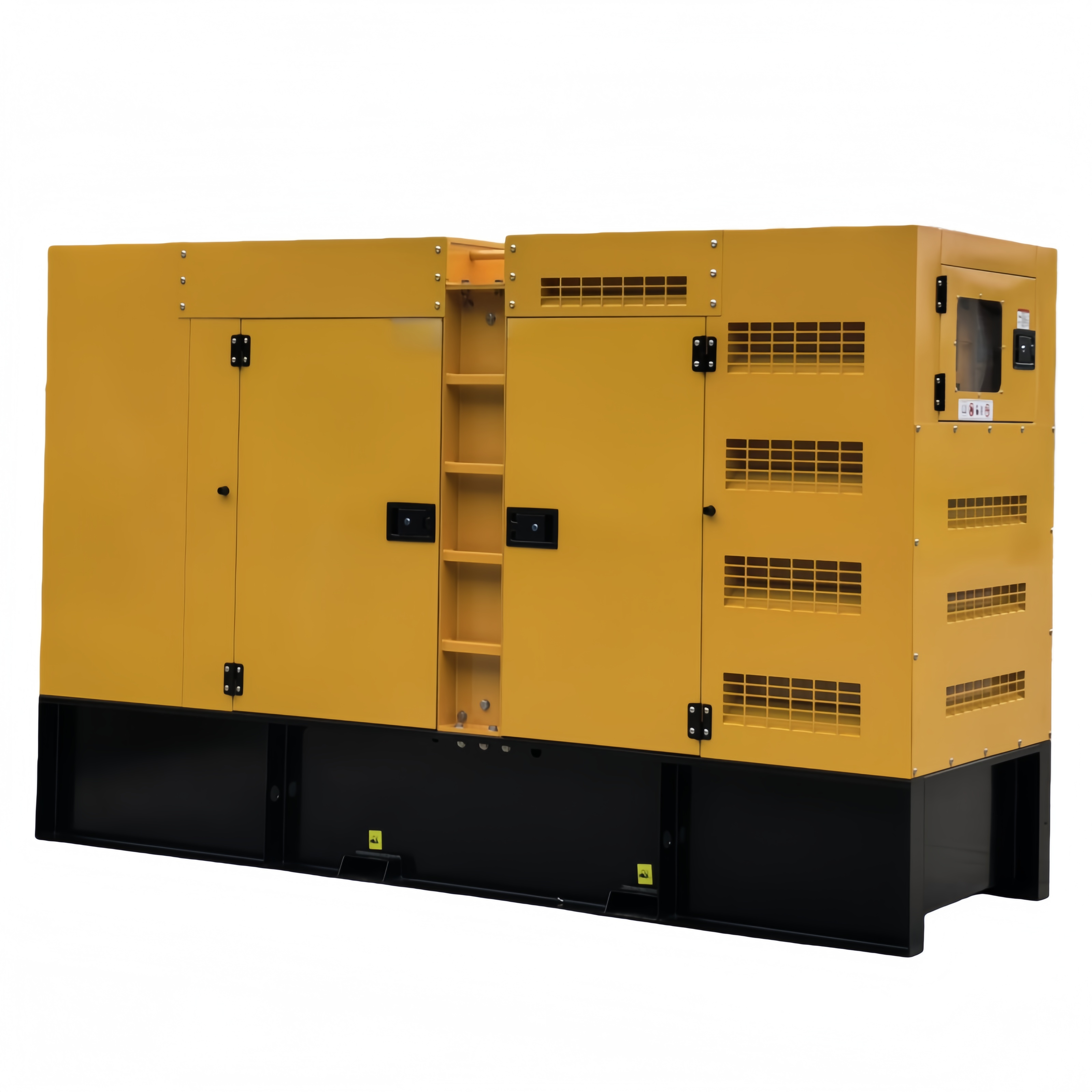
When the power goes out, having a reliable backup generator can mean the difference between comfort and chaos. Homeowners today face an important choice: should they invest in a whole house backup generator that powers every circuit, or would a partial backup generator — one that covers only essential loads — serve them just as well? This decision has real financial, practical, and safety implications that deserve careful thought before any purchase is made.
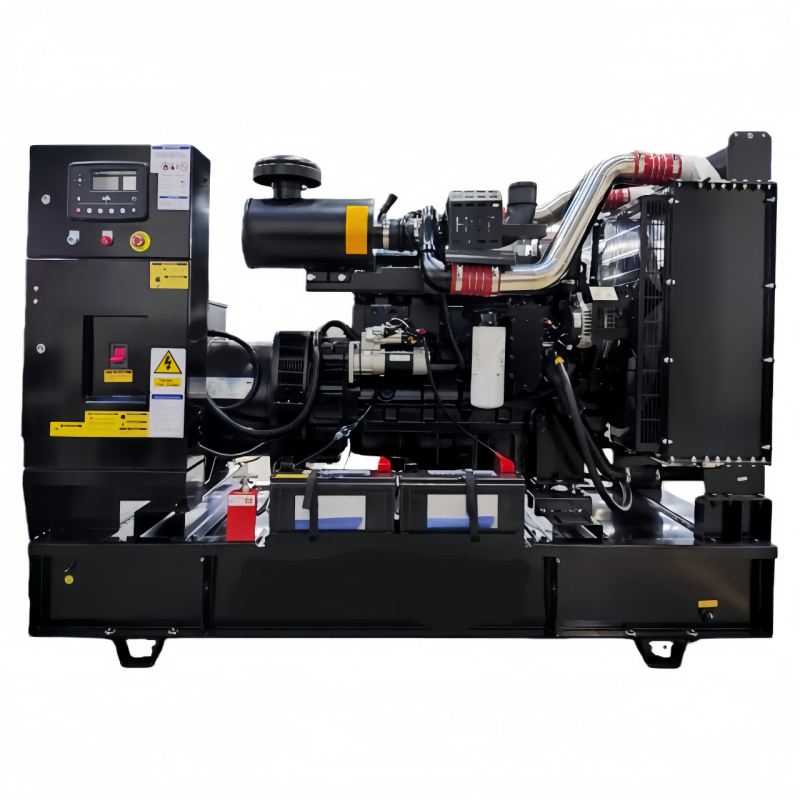
A backup generator is no longer a luxury reserved for large estates or commercial properties. As extreme weather events become more frequent and grid reliability continues to vary across regions, more households are evaluating their options. Understanding exactly what separates a whole house backup generator from a partial backup generator will help you make a smarter, better-informed investment for your home and family.
What Each Type of Backup Generator Actually Does
The Whole House Backup Generator
A whole house backup generator is designed to supply power to every circuit in your home automatically when the utility grid fails. This type of backup generator connects directly to your home's main electrical panel and activates within seconds of detecting an outage. It runs on natural gas or propane and can sustain your entire home — including HVAC systems, kitchen appliances, water heaters, and lighting — for extended periods without manual intervention. For households that rely on medical equipment, work from home full-time, or simply cannot tolerate any interruption, a whole house backup generator offers the highest level of protection available.
The Partial Backup Generator
A partial backup generator, sometimes called a standby generator with a sub-panel or a portable backup generator with a transfer switch, covers only the circuits you designate as essential. Rather than powering your whole home, this type of backup generator keeps critical systems running — such as the refrigerator, sump pump, select lighting, and possibly one or two HVAC zones. A partial backup generator is typically smaller in output capacity, lower in upfront cost, and more straightforward to install. It suits households that want core protection without the expense of a full-capacity backup generator system.
Key Factors That Drive the Decision
Power Output and Load Requirements
Sizing is one of the most important factors when comparing a whole house backup generator to a partial backup generator. A whole house backup generator typically ranges from 20 kW to 48 kW or more, depending on the square footage and electrical demands of the home. A partial backup generator, by contrast, may range from 7 kW to 15 kW, since it only needs to handle a fraction of the total load. Before selecting a backup generator, you should conduct a load analysis — listing every appliance and system you want protected and calculating their combined starting and running wattage. This step prevents the common mistake of choosing a backup generator that is either undersized or needlessly oversized for your actual needs.
Installation, Cost, and Ongoing Maintenance
The cost difference between a whole house backup generator and a partial backup generator is significant. A whole house backup generator installation can range from several thousand dollars for the unit alone, plus additional costs for a transfer switch, fuel line connection, concrete pad, and licensed installation. A partial backup generator typically costs less upfront and may require only a manual transfer switch for critical circuits. However, both types of backup generator require periodic maintenance — including oil changes, filter replacements, and regular test runs — to ensure they perform when needed. Factor in long-term service costs when budgeting for any backup generator, not just the purchase price.
Fuel Source and Runtime Considerations
Most whole house backup generator models connect to a municipal natural gas line, which provides essentially unlimited runtime as long as the gas supply remains active. A partial backup generator may use propane stored in an on-site tank, or in the case of a portable backup generator, gasoline or dual-fuel options. Runtime for a propane or gasoline-powered backup generator depends entirely on tank capacity and load. If your area experiences multi-day outages, a whole house backup generator connected to natural gas has a clear advantage. For occasional short outages, a partial backup generator with a properly sized propane tank can provide more than adequate coverage.
Choosing the Right Backup Generator for Your Situation
When a Whole House Backup Generator Makes Sense
A whole house backup generator is the right choice when your home has a high dependency on continuous power. This includes homes with electric heating and cooling as the primary climate systems, households with residents who depend on powered medical devices, properties in areas with frequent or prolonged outages, or homes used for remote work where internet and workstation power cannot be interrupted. A whole house backup generator also adds measurable resale value to a property, making it a dual-purpose investment. If seamless, automatic, full-coverage power restoration is your priority, the whole house backup generator is the clear answer.
When a Partial Backup Generator Is the Better Fit
A partial backup generator is often the smarter choice for homeowners who want meaningful protection without the full price tag of a whole house backup generator system. If your home uses gas appliances for heating and cooking, your actual electrical needs during an outage may be smaller than you think. A partial backup generator covering your refrigerator, sump pump, a few lights, and one HVAC unit may satisfy 80 percent of your real comfort and safety needs at 40 percent of the cost. A partial backup generator also works well for vacation homes, rental properties, or homes in areas where outages are rare and short. Matching the backup generator capacity to realistic outage scenarios leads to better value over the long term.
FAQ
Can a partial backup generator be upgraded to a whole house backup generator later?
Yes, in many cases a partial backup generator installation can be expanded. If the initial backup generator setup includes a transfer switch and proper wiring, upgrading to a larger whole house backup generator unit may only require replacing the generator itself and adjusting the transfer switch configuration. Consulting a licensed electrician during the original backup generator installation is the best way to ensure future expandability.
How long can a backup generator run continuously?
A natural gas-connected whole house backup generator can run for days or even weeks as long as the gas supply is uninterrupted, though most manufacturers recommend a brief maintenance pause every 24 to 48 hours. A propane or gasoline-powered partial backup generator runtime depends on tank size and load level. A properly sized backup generator with adequate fuel can typically run 8 to 24 hours per tank fill for a partial load scenario.
Is a backup generator worth the investment for an average home?
For most homeowners, a backup generator delivers genuine value — particularly in regions with unstable grids or severe weather seasons. A whole house backup generator offers complete peace of mind, while a partial backup generator provides core protection at lower cost. Even a modest backup generator protecting your food supply, sump pump, and heating system can prevent thousands of dollars in damage or losses during a single extended outage. The right backup generator pays for itself faster than most homeowners expect.