 EN
EN

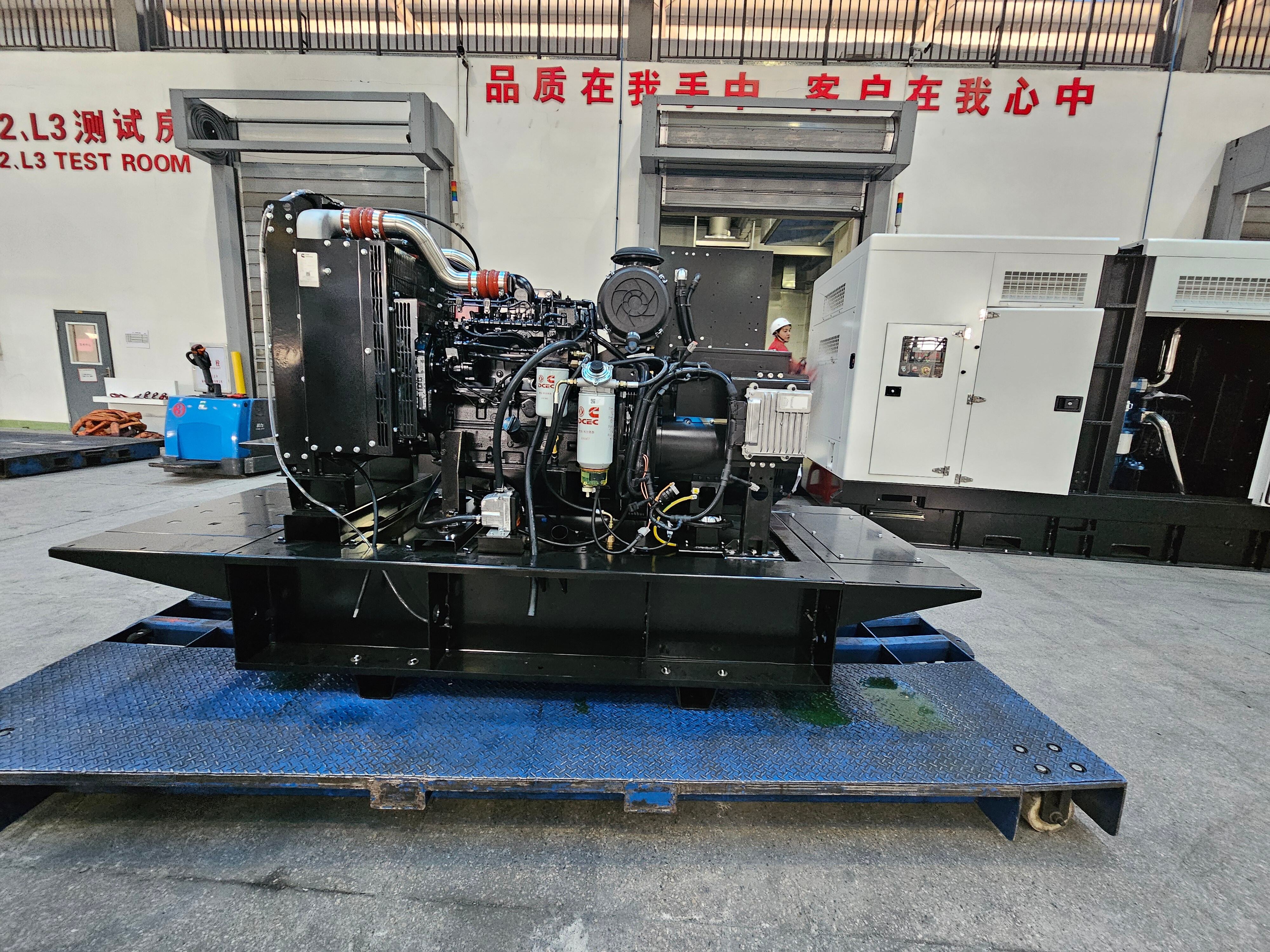
Industrial facilities depend on reliable electrical power systems to maintain continuous operations, with three phase power generators serving as critical backup solutions during outages or as primary power sources in remote locations. These sophisticated electrical systems deliver balanced power distribution across multiple phases, ensuring optimal performance for heavy machinery, motor drives, and industrial equipment that require stable voltage regulation and high power capacity.
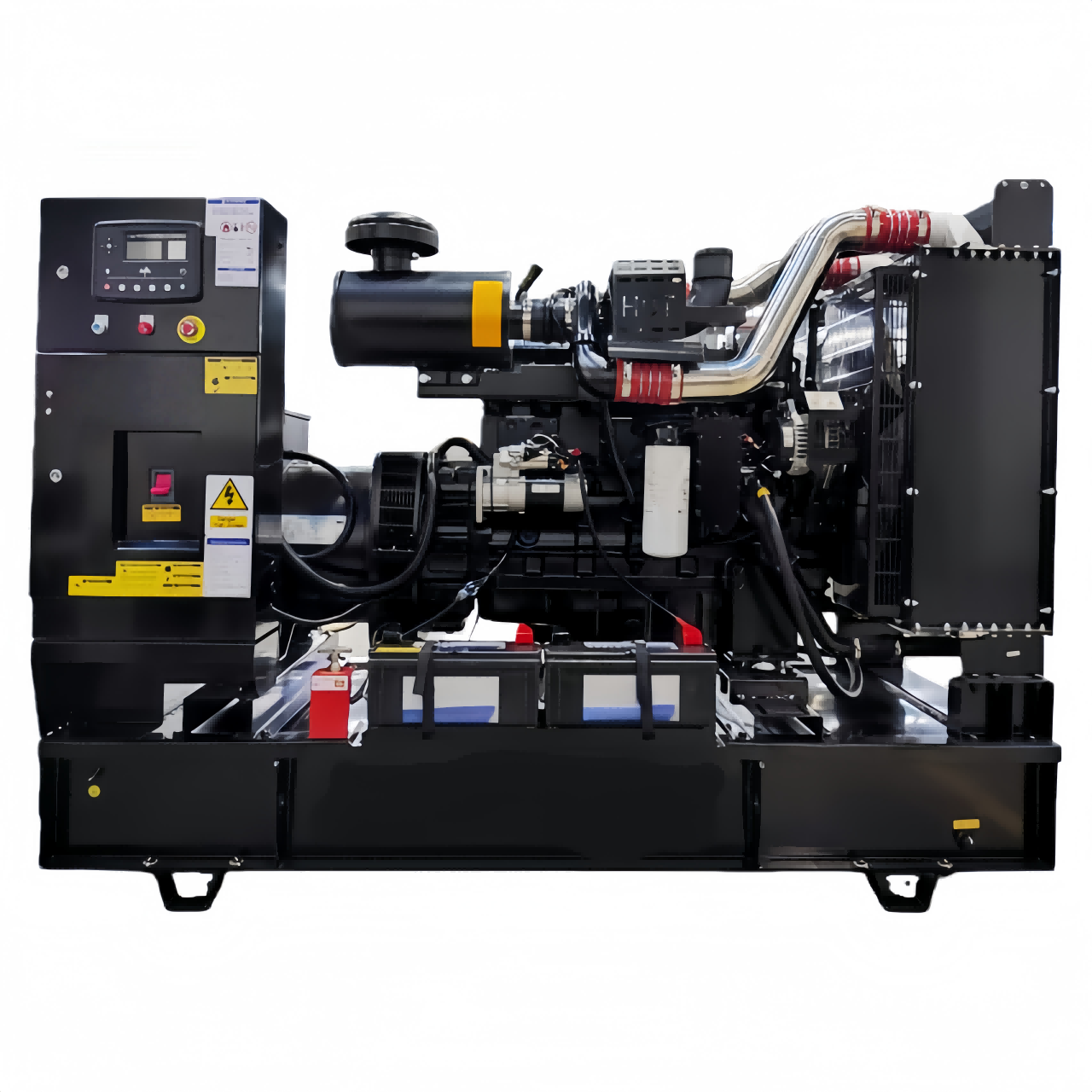
Plant engineers and facility managers must carefully evaluate numerous technical specifications when selecting three phase power generators for their operations. The complexity of modern industrial processes demands precise power management solutions that can handle fluctuating loads while maintaining electrical system integrity. Understanding the fundamental characteristics of three phase electrical systems becomes essential for making informed procurement decisions that align with operational requirements and regulatory compliance standards.
Understanding Three Phase Power Generation Fundamentals
Phase Configuration and Electrical Balance
Three phase power generators produce alternating current through three separate windings positioned 120 degrees apart within the generator stator. This configuration creates a balanced electrical system where each phase carries equal voltage magnitudes while maintaining consistent phase relationships. The resulting power output provides smoother energy delivery compared to single-phase systems, reducing vibration and improving overall equipment performance in industrial applications.
The balanced nature of three phase power generators enables efficient power transmission over long distances with reduced conductor requirements. Industrial buyers recognize this advantage when planning electrical infrastructure for large manufacturing facilities or distributed plant operations. The symmetrical voltage waveforms produced by properly configured three phase systems minimize harmonic distortion and provide stable operating conditions for sensitive electronic equipment and precision machinery.
Voltage and Frequency Specifications
Industrial three phase power generators typically operate at standard voltage levels including 208V, 480V, and 600V configurations depending on regional electrical codes and specific application requirements. Higher voltage systems reduce current flow for equivalent power levels, resulting in smaller conductor sizes and reduced electrical losses throughout the distribution network. Plant engineers must match generator voltage outputs with existing electrical infrastructure to ensure seamless integration and optimal system performance.
Frequency stability represents another critical specification for three phase power generators serving industrial applications. Most systems operate at 50Hz or 60Hz depending on regional standards, with tight frequency regulation requirements to prevent equipment malfunction. Modern generator control systems maintain frequency within ±0.5% during steady-state operation, ensuring compatible operation with frequency-sensitive equipment such as computer systems, variable frequency drives, and precision manufacturing tools.
Power Rating and Load Analysis Considerations
Determining Standby vs Continuous Power Requirements
Industrial buyers must distinguish between standby power ratings and continuous power capabilities when specifying three phase power generators for plant operations. Standby ratings indicate maximum power output during emergency conditions for limited duration, typically allowing 10% overload capacity for short periods. Continuous ratings reflect sustained power delivery capabilities during normal operation without time limitations, usually rated at 90% of standby capacity to ensure reliable long-term performance.
Load analysis involves calculating both steady-state power demands and transient requirements during equipment startup conditions. Large motors and transformers create significant inrush currents that can exceed normal operating levels by 500-800% for several seconds. Three phase power generators must accommodate these temporary overloads while maintaining voltage regulation within acceptable limits. Proper load analysis prevents generator oversizing while ensuring adequate capacity for all operational scenarios.
Power Factor and Reactive Power Management
Industrial loads typically exhibit lagging power factors due to inductive equipment such as motors, transformers, and welding systems. Three phase power generators must supply both active power for useful work and reactive power for magnetic field establishment in inductive loads. Generator capacity ratings account for power factor effects, with typical industrial applications requiring generators sized for 0.8 power factor operation to handle realistic load characteristics.
Advanced three phase power generators incorporate automatic voltage regulators and excitation systems that optimize reactive power delivery based on load conditions. These systems maintain stable voltage levels across varying load power factors while maximizing generator efficiency. Industrial buyers should specify generators with robust excitation systems capable of handling capacitive loads from power factor correction equipment and harmonic filtering systems commonly found in modern manufacturing facilities.
Engine Performance and Fuel System Requirements
Engine Technology and Emission Compliance
Diesel engines powering industrial three phase power generators must comply with increasingly stringent emission regulations while delivering reliable performance under varying load conditions. Tier 4 Final emission standards require advanced aftertreatment systems including diesel particulate filters and selective catalytic reduction technology. These systems impact fuel consumption, maintenance requirements, and operational procedures that industrial buyers must consider during specification development.
Engine sizing for three phase power generators involves matching displacement and power characteristics with electrical output requirements while maintaining optimal fuel efficiency. Turbocharged and intercooled engines provide enhanced power density and altitude compensation capabilities essential for installations at elevated locations. Industrial applications often require engines designed for continuous duty cycles with extended service intervals to minimize maintenance disruptions during critical production periods.
Fuel Storage and Supply Systems
Industrial three phase power generators require comprehensive fuel management systems to ensure reliable operation during extended outages or continuous operation modes. Base-mounted fuel tanks typically provide 8-24 hours of operation at full load, while larger installations may incorporate separate day tanks with automatic transfer pumps from bulk storage facilities. Fuel system design must account for local fire codes, environmental regulations, and accessibility requirements for routine maintenance and emergency refueling.
Fuel quality management becomes critical for three phase power generators operating in industrial environments where contamination from dust, moisture, and temperature fluctuations can affect system reliability. Primary and secondary fuel filtration systems protect injection equipment and ensure consistent engine performance. Industrial buyers should specify generators with fuel conditioning systems appropriate for local fuel quality and storage duration requirements to minimize maintenance issues and operational disruptions.
Control Systems and Monitoring Integration
Digital Control and Communication Protocols
Modern three phase power generators incorporate sophisticated digital control systems that provide comprehensive monitoring, protection, and communication capabilities for industrial applications. These controllers manage engine operation, electrical parameters, and safety systems while providing real-time data through various communication protocols including Modbus, Ethernet, and proprietary networking standards. Integration with building management systems or industrial control networks enables centralized monitoring and automated response to changing operational conditions.
Advanced control systems for three phase power generators include load bank testing capabilities, predictive maintenance algorithms, and remote diagnostic features that reduce operational costs and improve system reliability. Industrial buyers benefit from specifying generators with controllers that support their existing infrastructure while providing expansion capabilities for future system integration requirements. Standardized communication protocols ensure compatibility with third-party monitoring equipment and facilitate integration with existing maintenance management systems.
Protection Systems and Safety Features
Industrial three phase power generators require comprehensive protection systems to prevent damage during fault conditions and ensure personnel safety during operation and maintenance activities. Engine protection includes monitoring systems for coolant temperature, oil pressure, overspeed conditions, and emission system performance. Electrical protection encompasses differential relaying, overcurrent protection, ground fault detection, and reverse power protection to prevent damage during parallel operation with utility systems.
Safety systems for three phase power generators in industrial environments must comply with OSHA requirements and industry-specific safety standards. Emergency shutdown systems provide multiple methods for stopping generator operation including manual controls, remote signals, and automatic triggers based on detected hazardous conditions. Proper ventilation systems prevent accumulation of exhaust gases while noise attenuation measures protect personnel from harmful sound exposure during generator operation.
Installation Requirements and Site Preparation
Foundation Design and Vibration Control
Three phase power generators for industrial applications require properly engineered foundations to support equipment weight while controlling vibration transmission to surrounding structures. Concrete pad foundations must account for dynamic loads created by engine operation and provide adequate mass to minimize vibration amplitude. Industrial installations often incorporate vibration isolation systems including spring mounts or elastomeric pads to prevent transmission of mechanical energy to sensitive equipment in adjacent areas.
Site preparation for three phase power generators involves coordination with multiple engineering disciplines to ensure proper installation and integration with existing facility systems. Electrical connections require appropriate conduit systems, grounding networks, and switchgear coordination to maintain safety and reliability standards. Mechanical systems including cooling air circulation, exhaust routing, and fuel supply connections must comply with applicable codes while providing accessibility for routine maintenance operations.
Environmental Considerations and Weather Protection
Industrial three phase power generators operating in outdoor environments require weather-resistant enclosures designed for specific climatic conditions including temperature extremes, humidity levels, and precipitation exposure. Sound-attenuated enclosures provide weather protection while reducing noise emissions to comply with local ordinances and industrial facility requirements. Proper ventilation design ensures adequate cooling airflow while preventing contamination from dust, moisture, and corrosive atmospheric conditions.
Cold weather operation packages for three phase power generators include engine block heaters, battery warmers, and fuel heating systems to ensure reliable starting and operation in low-temperature environments. Industrial buyers in northern climates must specify appropriate cold weather equipment to maintain generator availability during winter months when heating loads typically peak. Automatic exercising systems maintain generator readiness by periodically operating equipment under controlled conditions to prevent degradation during extended standby periods.
Maintenance Planning and Service Support
Preventive Maintenance Scheduling
Industrial three phase power generators require systematic preventive maintenance programs to ensure reliable operation and extend equipment service life. Maintenance intervals depend on operating conditions, fuel quality, and environmental factors but typically include weekly exercising, monthly inspections, and comprehensive annual service procedures. Engine maintenance follows manufacturer recommendations for oil changes, filter replacements, and component inspections based on operating hours or calendar intervals.
Electrical system maintenance for three phase power generators includes testing of protective relaying, control circuits, and monitoring systems to verify proper operation during emergency conditions. Battery maintenance ensures reliable starting capability while generator exercising under load conditions validates system performance and identifies potential issues before they cause operational failures. Industrial facilities benefit from establishing maintenance contracts with qualified service providers to ensure consistent care and prompt response during emergency situations.
Parts Availability and Technical Support
Industrial buyers must evaluate parts availability and technical support capabilities when selecting three phase power generators for critical applications. Established manufacturers typically maintain comprehensive parts inventories and service networks to support industrial customers with minimal downtime during maintenance or repair operations. Local service capabilities become particularly important for facilities in remote locations where shipping delays could extend outage durations during emergency repairs.
Technical support services for three phase power generators include training programs for facility maintenance personnel, remote diagnostic capabilities, and emergency service response programs. Industrial applications often require 24/7 support availability to address issues that could impact production schedules or safety systems. Comprehensive warranty programs provide additional protection for industrial investments while service agreements ensure ongoing technical support throughout the generator service life.
FAQ
What factors determine the required capacity for industrial three phase power generators
Capacity requirements for industrial three phase power generators depend on connected load analysis, including steady-state power demands and motor starting requirements. Engineers must calculate total connected loads, apply appropriate demand factors, and account for future expansion needs. Motor starting currents typically require 6-8 times normal operating current, necessitating generator sizing based on the largest motor or group of motors that may start simultaneously. Power factor correction and harmonic filtering equipment also influence capacity requirements, with typical industrial applications requiring generators sized for 0.8 power factor operation.
How do environmental conditions affect three phase power generator performance specifications
Environmental conditions significantly impact three phase power generator performance through altitude derating, temperature effects, and air quality considerations. Engine power output decreases approximately 3-4% per 1000 feet of altitude above sea level due to reduced air density. High ambient temperatures reduce both engine and alternator capacity, requiring derating calculations based on site-specific conditions. Dust, humidity, and corrosive atmospheres necessitate specialized filtration systems and protective coatings to maintain reliable operation in harsh industrial environments.
What communication and monitoring capabilities should industrial buyers specify for generator control systems
Modern industrial three phase power generator control systems should include comprehensive monitoring capabilities with data logging, alarm management, and remote communication features. Standard communication protocols such as Modbus RTU, Modbus TCP, and SNMP enable integration with existing building management systems or industrial control networks. Advanced features include predictive maintenance algorithms, load bank testing capabilities, and remote diagnostic access for troubleshooting and performance optimization. Web-based interfaces allow authorized personnel to monitor generator status and receive automated notifications of operational events or maintenance requirements.
How do utility interconnection requirements affect three phase power generator specifications
Utility interconnection requirements for three phase power generators vary by jurisdiction but typically include protective relaying, synchronization equipment, and isolation systems to prevent backfeeding during utility outages. IEEE 1547 standards govern distributed generation interconnection requirements, specifying voltage and frequency limits, reconnection delays, and anti-islanding protection systems. Industrial buyers must coordinate with local utilities early in the specification process to ensure compliance with specific interconnection requirements, which may include revenue-grade metering, communication interfaces, and specialized protection schemes for parallel operation with the electrical grid.
Table of Contents
- Understanding Three Phase Power Generation Fundamentals
- Power Rating and Load Analysis Considerations
- Engine Performance and Fuel System Requirements
- Control Systems and Monitoring Integration
- Installation Requirements and Site Preparation
- Maintenance Planning and Service Support
-
FAQ
- What factors determine the required capacity for industrial three phase power generators
- How do environmental conditions affect three phase power generator performance specifications
- What communication and monitoring capabilities should industrial buyers specify for generator control systems
- How do utility interconnection requirements affect three phase power generator specifications