 EN
EN

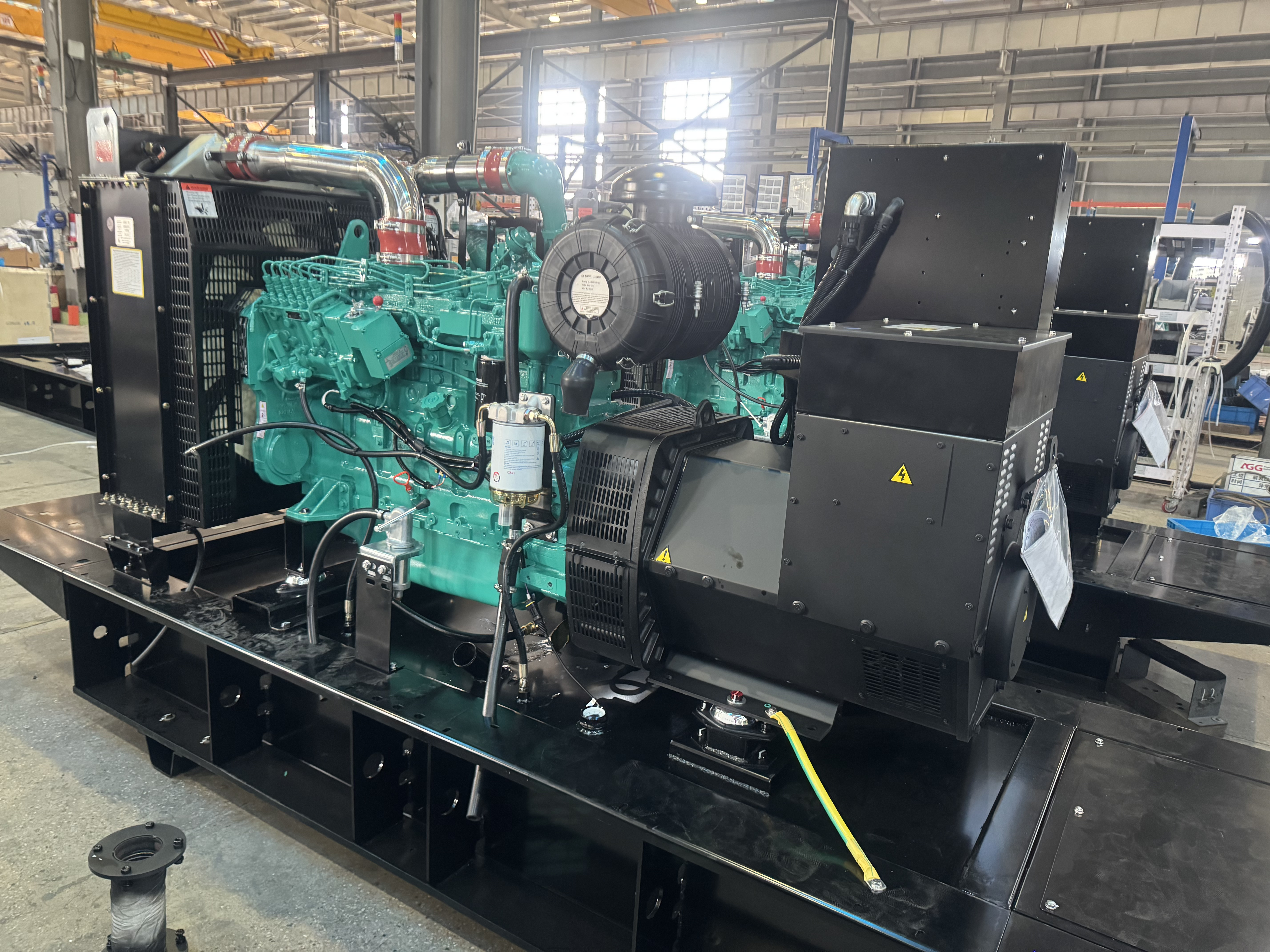
Industrial facilities and commercial operations increasingly rely on clean energy solutions to meet stringent environmental regulations while maintaining reliable power generation. A natural gas generator represents one of the most environmentally responsible choices for backup and primary power applications, offering significantly lower emissions compared to diesel alternatives. Understanding the emission standards that govern these systems becomes crucial when selecting the right equipment for your facility, as compliance requirements vary by region and application type.
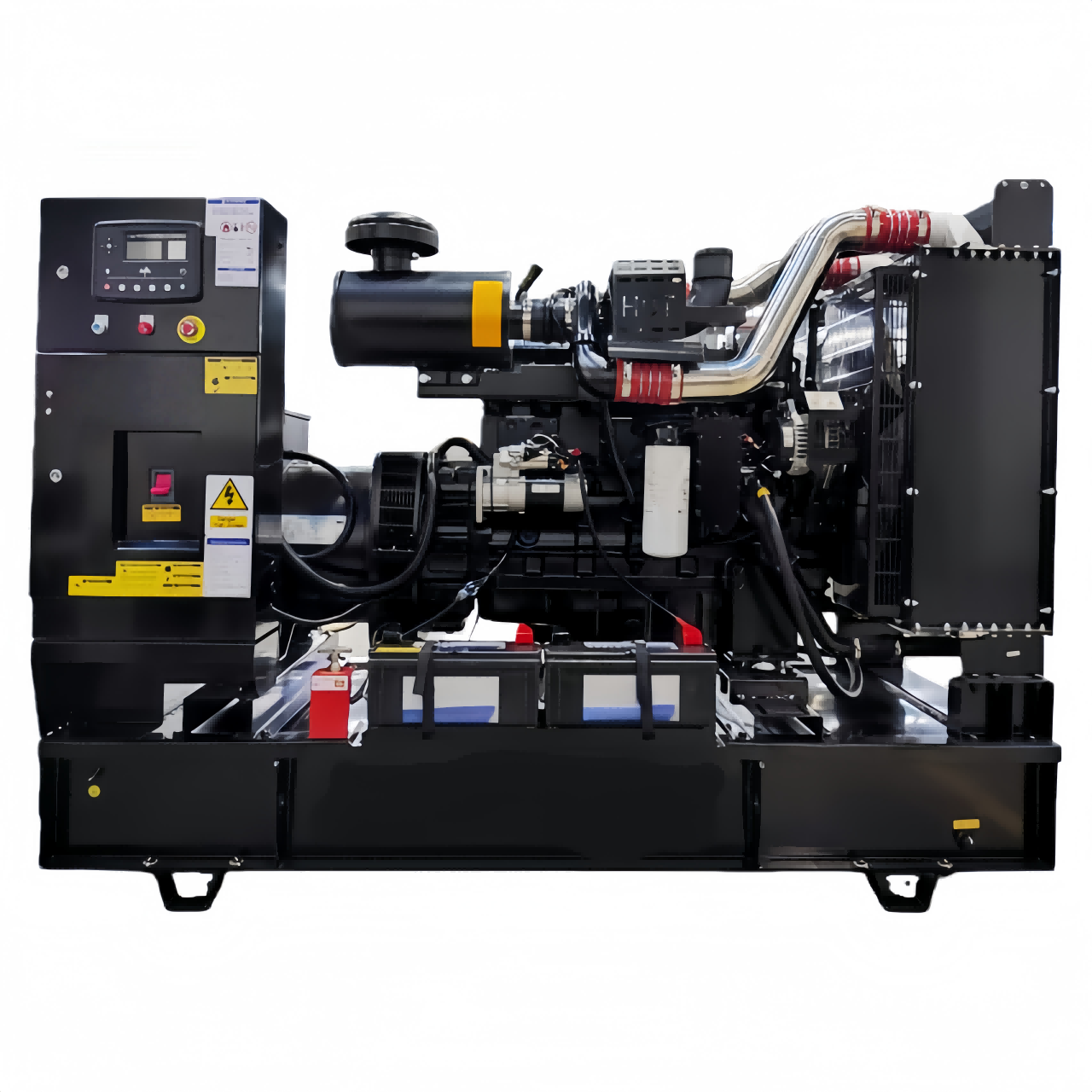
The regulatory landscape surrounding generator emissions has evolved rapidly over the past decade, with new standards emerging to address air quality concerns in urban and industrial areas. Modern natural gas generator systems must navigate complex federal, state, and local regulations that dictate acceptable emission levels for nitrogen oxides, carbon monoxide, and particulate matter. These standards directly impact equipment selection, installation requirements, and operational protocols, making it essential for facility managers to understand which regulations apply to their specific situation.
Federal EPA Emission Standards for Stationary Engines
National Emission Standards for Hazardous Air Pollutants
The Environmental Protection Agency's National Emission Standards for Hazardous Air Pollutants (NESHAP) establishes comprehensive requirements for stationary reciprocating internal combustion engines, including natural gas generator units. These standards apply to engines with power ratings exceeding 500 brake horsepower at major sources of hazardous air pollutants, or engines larger than 500 brake horsepower at area sources. The regulations specify emission limits for formaldehyde, which represents the primary hazardous air pollutant of concern for natural gas combustion systems.
Under NESHAP requirements, existing natural gas generator installations must demonstrate compliance through periodic testing or continuous monitoring systems. New installations face more stringent requirements, including the use of oxidation catalysts or other emission control technologies to achieve formaldehyde emission limits of 14 parts per million or less. These requirements significantly influence the selection of emission control equipment and operational procedures for facilities deploying new natural gas generator systems.
New Source Performance Standards
The EPA's New Source Performance Standards (NSPS) provide additional regulatory framework for stationary internal combustion engines, establishing emission limits for nitrogen oxides, carbon monoxide, and volatile organic compounds. These standards apply to natural gas generator units based on their construction or modification dates, with different requirements for emergency and non-emergency applications. Emergency generators typically benefit from less stringent emission limits due to their limited operating hours, while continuous-duty systems face more demanding requirements.
NSPS compliance requires careful consideration of engine technology, fuel specifications, and emission control systems during the equipment selection process. Modern natural gas generator designs incorporate advanced combustion technologies and exhaust after-treatment systems to meet these federal requirements while maintaining operational reliability. Understanding these standards helps facility managers identify compliant equipment options and avoid costly modifications after installation.
State-Level Emission Regulations and Permitting
California Air Resources Board Standards
California maintains some of the most stringent emission standards in the United States through the California Air Resources Board (CARB), which establishes requirements that often exceed federal EPA standards. The state's Airborne Toxic Control Measure for stationary compression ignition engines includes specific provisions for natural gas generator systems, particularly those operating in non-attainment areas for ozone and particulate matter. These regulations require advanced emission control technologies and may mandate the use of certified clean fuel specifications.
CARB standards significantly influence equipment selection for California installations, often requiring manufacturers to obtain specific certifications for natural gas generator models sold in the state. The regulations also establish operational requirements, including limitations on operating hours for emergency generators and mandatory emission testing protocols. Facilities planning natural gas generator installations in California must factor these enhanced requirements into their project budgets and timelines.
Regional Air Quality Management Districts
Local air quality management districts across the United States maintain authority to establish emission standards that may be more restrictive than federal or state requirements. The South Coast Air Quality Management District in Southern California, for example, maintains Rule 1110.2, which establishes specific emission limits and operational requirements for stationary internal combustion engines, including natural gas generator systems. These local regulations often address regional air quality concerns and may include provisions for emission offsets or enhanced monitoring requirements.
Understanding local air district requirements becomes particularly important for large natural gas generator installations or facilities located in non-attainment areas for federal air quality standards. Many districts require pre-construction permits that specify emission limits, operational restrictions, and compliance demonstration requirements. The permitting process typically involves detailed emission calculations, dispersion modeling, and public notification procedures that can significantly impact project schedules.
International Emission Standards and Compliance
European Union Stage V Standards
The European Union's Stage V emission standards represent some of the world's most demanding requirements for non-road mobile machinery and stationary engines, including natural gas generator applications. These standards establish strict limits for nitrogen oxides, particulate matter, and other regulated pollutants, often requiring advanced after-treatment technologies such as selective catalytic reduction systems. Stage V compliance has driven significant technological advancement in natural gas generator design, with manufacturers developing sophisticated emission control solutions to meet these requirements.
For multinational corporations or equipment manufacturers serving global markets, understanding Stage V requirements becomes essential for product development and market access. The standards influence engine design parameters, fuel system specifications, and emission control strategies that may benefit facilities worldwide. Natural gas generator systems designed to meet Stage V requirements often exceed emission performance expectations in other regulatory environments, providing additional operational flexibility.
ISO 8178 Testing Protocols
The International Organization for Standardization's ISO 8178 series establishes globally recognized testing protocols for measuring emissions from reciprocating internal combustion engines, including natural gas generator systems. These standards provide consistent methodologies for emission testing across different regulatory jurisdictions, enabling manufacturers to demonstrate compliance with various national and regional requirements. Understanding ISO 8178 protocols helps facility managers evaluate emission performance data and compare different natural gas generator options.
ISO 8178 testing covers multiple operating modes and load conditions to provide comprehensive emission characterization for natural gas generator systems. The protocols address transient and steady-state operation, cold start conditions, and various fuel compositions that may affect emission performance. This standardized approach enables reliable comparison of emission data across different manufacturers and engine technologies, supporting informed equipment selection decisions.
Technology Solutions for Emission Compliance
Advanced Combustion Systems
Modern natural gas generator designs incorporate sophisticated combustion technologies to minimize emissions at the source, reducing reliance on exhaust after-treatment systems. Lean-burn combustion strategies optimize the air-fuel ratio to minimize nitrogen oxide formation while maintaining high thermal efficiency and operational reliability. These systems typically operate with excess air ratios that promote complete fuel combustion while limiting peak combustion temperatures that drive NOx formation.
Prechamber ignition systems represent another advancement in natural gas generator combustion technology, providing precise control over ignition timing and flame propagation characteristics. These systems enable stable combustion across wide load ranges while minimizing emissions and maintaining fuel efficiency. The technology proves particularly effective for variable load applications where traditional combustion systems may struggle to maintain optimal emission performance across the entire operating range.
Exhaust After-Treatment Technologies
Selective catalytic reduction (SCR) systems provide highly effective nitrogen oxide control for natural gas generator applications requiring compliance with stringent emission standards. These systems inject a urea-based reducing agent into the exhaust stream, where it reacts with NOx over a specialized catalyst to form nitrogen and water vapor. SCR technology can achieve NOx reduction efficiencies exceeding 90 percent, making it suitable for the most demanding regulatory environments.
Oxidation catalysts offer cost-effective emission control for carbon monoxide, volatile organic compounds, and formaldehyde from natural gas generator exhaust streams. These systems require minimal maintenance and provide consistent emission reduction performance across varying operating conditions. The technology proves particularly valuable for meeting NESHAP formaldehyde requirements and can be integrated with SCR systems for comprehensive emission control when necessary.
Economic Considerations in Emission Compliance
Capital Cost Implications
Emission control requirements significantly impact the capital cost of natural gas generator installations, with advanced after-treatment systems representing substantial additional investment beyond basic engine costs. SCR systems typically add 15 to 25 percent to the base engine cost, while oxidation catalysts represent a more modest 5 to 10 percent premium. These costs must be evaluated against the potential for regulatory penalties, operational restrictions, or permit delays associated with non-compliant equipment.
The economic analysis should also consider the potential for future regulatory changes that may require emission control upgrades for existing natural gas generator installations. Investing in systems that exceed current requirements may provide protection against future regulatory tightening while avoiding costly retrofits during the equipment's operating life. This forward-looking approach often proves cost-effective for long-term installations where regulatory evolution is anticipated.
Operational Cost Factors
Emission control systems impose ongoing operational costs through consumable requirements, maintenance needs, and potential efficiency impacts on natural gas generator performance. SCR systems require periodic replacement of catalyst materials and continuous supply of urea-based reducing agents, with annual operating costs typically ranging from $0.005 to $0.015 per kilowatt-hour of generation. These costs must be factored into long-term operating budgets and economic analyses for natural gas generator projects.
Compliance monitoring and reporting requirements also contribute to operational costs through testing, record-keeping, and potential consultant fees for regulatory support. Many jurisdictions require annual or semi-annual emission testing for natural gas generator systems, with testing costs ranging from $5,000 to $15,000 per event depending on the scope of required measurements. These recurring costs should be incorporated into lifecycle cost analyses for equipment selection and budgeting purposes.
FAQ
What are the key differences between EPA and CARB emission standards for natural gas generators?
EPA standards provide federal baseline requirements for natural gas generator emissions, while CARB standards in California are typically more stringent and may require additional emission control technologies. CARB standards often include lower emission limits, enhanced monitoring requirements, and specific certification procedures that exceed federal EPA requirements. California installations must comply with both federal and state standards, effectively requiring adherence to the more restrictive CARB requirements.
How do emergency and continuous duty classifications affect emission requirements?
Emergency natural gas generator systems typically benefit from less stringent emission limits due to their limited annual operating hours, usually restricted to 100 hours per year for non-emergency operation. Continuous duty systems face more demanding emission requirements and may require advanced after-treatment technologies such as SCR or oxidation catalysts. The classification significantly impacts equipment costs, permitting requirements, and operational flexibility for facility owners.
What testing and monitoring requirements apply to natural gas generator emissions?
Testing requirements vary by jurisdiction and engine size, but typically include initial compliance testing within 60 to 180 days of startup, followed by periodic testing every one to three years. Large natural gas generator installations may require continuous emission monitoring systems for key pollutants, while smaller units often rely on periodic stack testing. Operators must maintain detailed records of testing results, maintenance activities, and operational hours for regulatory compliance demonstration.
How do local air quality districts influence natural gas generator emission requirements?
Local air quality management districts can establish emission standards that are more restrictive than federal or state requirements, particularly in areas with poor air quality or high population density. These districts may require pre-construction permits, emission offsets, enhanced monitoring, or operational restrictions that significantly impact natural gas generator projects. Facility owners must research applicable local requirements early in the planning process to ensure compliance and avoid project delays.
Table of Contents
- Federal EPA Emission Standards for Stationary Engines
- State-Level Emission Regulations and Permitting
- International Emission Standards and Compliance
- Technology Solutions for Emission Compliance
- Economic Considerations in Emission Compliance
-
FAQ
- What are the key differences between EPA and CARB emission standards for natural gas generators?
- How do emergency and continuous duty classifications affect emission requirements?
- What testing and monitoring requirements apply to natural gas generator emissions?
- How do local air quality districts influence natural gas generator emission requirements?