 EN
EN

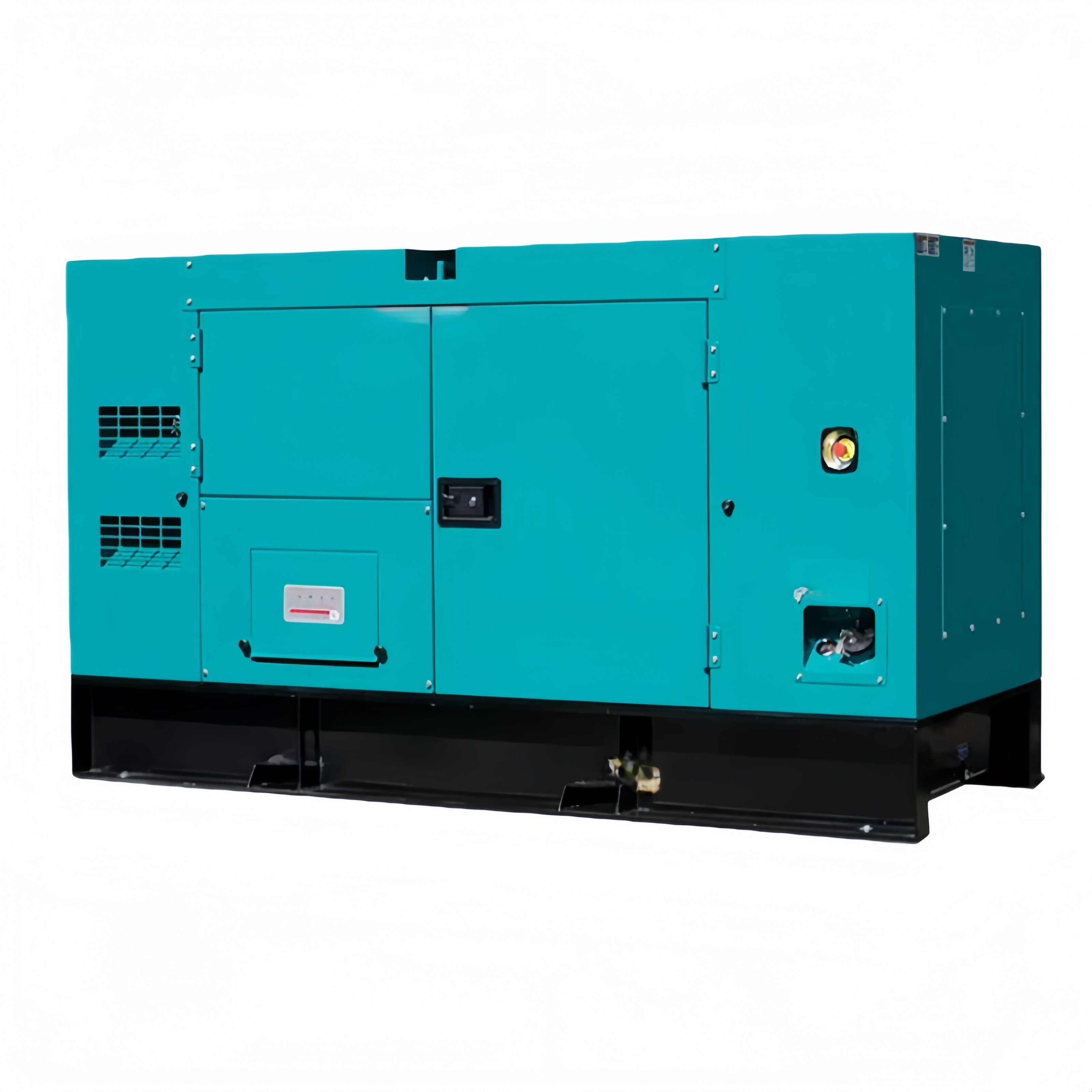
Understanding the total cost of ownership is crucial when making informed power generator purchasing decisions. Beyond the initial acquisition price, organizations must consider a comprehensive range of lifecycle expenses that significantly impact long-term profitability. These costs encompass everything from installation and maintenance to fuel consumption and eventual disposal, creating a complex financial landscape that demands careful analysis.
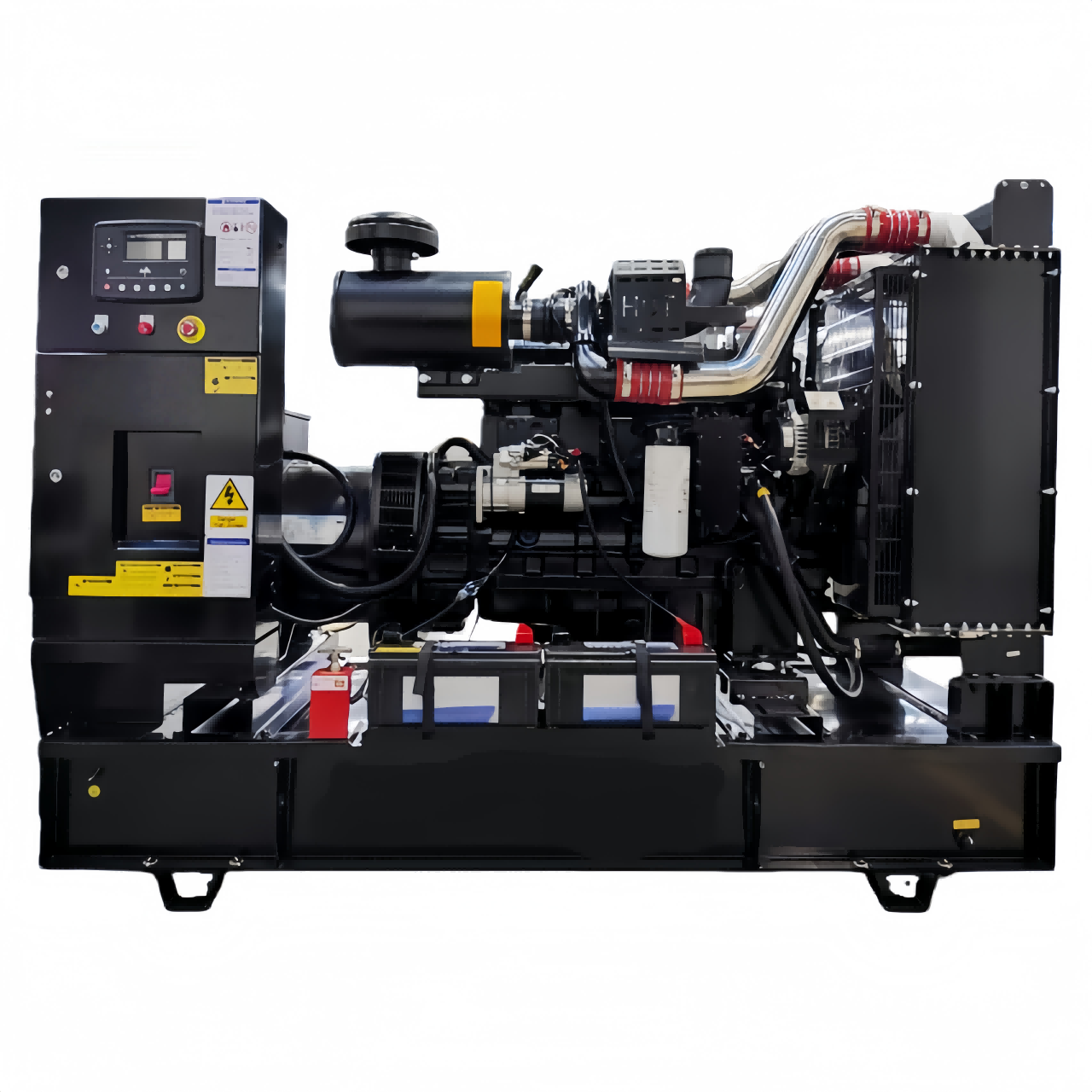
Modern enterprises face increasingly complex energy requirements, making power generator purchasing decisions more challenging than ever before. The financial implications of these choices extend far beyond the showroom floor, affecting operational budgets for years or even decades. Smart procurement professionals recognize that the lowest upfront cost rarely translates to the most economical solution over the generator's operational lifespan.
Initial Acquisition and Installation Expenses
Purchase Price Considerations
The purchase price represents the most visible component of power generator purchasing decisions, yet it often accounts for only 20-30% of total lifecycle costs. Premium generators with advanced control systems and superior build quality typically command higher upfront investments but deliver enhanced reliability and efficiency over time. Budget-conscious buyers must balance initial savings against potential long-term operational penalties when evaluating different price points.
Generator capacity directly influences purchase price, with larger units commanding proportionally higher costs. However, oversizing can lead to inefficient operation and increased fuel consumption, while undersizing may result in inadequate backup power during critical situations. Proper load analysis becomes essential for optimizing both performance and cost-effectiveness in power generator purchasing decisions.
Installation and Infrastructure Requirements
Installation costs frequently surprise first-time buyers, often adding 15-25% to the total project budget. Site preparation requirements include concrete pads, electrical connections, fuel systems, and environmental compliance measures. Complex installations in urban environments or facilities with restricted access can significantly escalate these expenses, making thorough site surveys essential during the planning phase.
Electrical integration demands careful coordination with existing power distribution systems. Transfer switch installation, control system programming, and load bank testing add substantial costs that vary depending on facility complexity and local electrical codes. Professional installation ensures optimal performance and compliance while protecting warranty coverage, making it a critical investment in successful power generator purchasing decisions.
Operational and Maintenance Cost Factors
Scheduled Maintenance Requirements
Preventive maintenance represents the largest ongoing expense category for most generators, typically consuming 40-50% of total lifecycle costs. Regular service intervals include oil changes, filter replacements, coolant system maintenance, and comprehensive inspections that ensure reliable operation. Neglecting scheduled maintenance inevitably leads to premature component failures and expensive emergency repairs that far exceed routine service costs.
Maintenance frequency varies significantly between different generator technologies and operating environments. Air-cooled units generally require more frequent service than liquid-cooled systems, while generators operating in harsh conditions need accelerated maintenance schedules. Understanding these requirements helps organizations budget accurately and avoid unexpected expenses that can derail power generator purchasing decisions.
Parts Availability and Service Costs
Component replacement costs vary dramatically between different manufacturers and model lines. Common wear items like filters and belts represent relatively minor expenses, but major components such as alternators, control panels, and engine assemblies can cost thousands of dollars. Evaluating parts availability and pricing during the selection process helps prevent costly surprises during the generator's operational life.
Service labor rates and technician availability significantly impact maintenance costs, particularly in remote locations or specialized applications. Generators using proprietary components or requiring factory-trained technicians often incur higher service expenses than units with standardized parts and widespread service networks. These factors become increasingly important for organizations making multiple power generator purchasing decisions across different geographic regions.
Fuel Consumption and Energy Efficiency
Fuel Type Selection Impact
Fuel costs represent a major variable in generator lifecycle economics, with consumption rates varying significantly between different engine technologies and fuel types. Diesel generators typically offer superior fuel efficiency and longer service intervals, while natural gas units provide lower fuel costs and reduced emissions in many markets. Propane systems offer fuel storage advantages but may sacrifice some efficiency compared to liquid fuel alternatives.
Fuel price volatility adds uncertainty to long-term cost projections, making efficiency optimization crucial for sound power generator purchasing decisions. Modern electronic fuel injection systems and advanced engine management technologies can improve efficiency by 10-15% compared to older mechanical systems. These improvements become more valuable as fuel costs increase and runtime hours accumulate over the generator's operational life.
Load Factor and Operating Efficiency
Generator efficiency varies significantly with load factor, typically peaking at 75-85% of rated capacity. Operating generators at very light loads increases fuel consumption per kilowatt-hour while potentially causing wet stacking in diesel engines. Proper sizing analysis ensures optimal efficiency ranges during typical operation, minimizing fuel costs and extending engine life in power generator purchasing decisions.
Variable speed generators and load bank systems offer improved efficiency across wider operating ranges, though they require higher initial investments. These technologies become particularly valuable in applications with highly variable loads or extended runtime requirements. The additional cost often pays for itself through reduced fuel consumption and improved component longevity over the generator's operational life.
Environmental Compliance and Regulatory Costs
Emissions Control Requirements
Environmental regulations increasingly impact generator selection and operational costs, particularly for units operating in urban areas or sensitive environmental zones. Tier 4 emissions compliance adds significant upfront costs but becomes mandatory for many applications. After-treatment systems require specialized maintenance and periodic regeneration cycles that increase operational complexity and expenses.
Air quality permits and emissions testing requirements vary by jurisdiction but can add substantial ongoing costs to generator ownership. Some regions impose emissions fees or operating hour restrictions that directly impact economic viability. Understanding local regulations early in the selection process prevents costly compliance issues that could compromise power generator purchasing decisions.
Noise Control and Site Restrictions
Noise regulations often require expensive sound attenuation measures that significantly impact total project costs. Level 1 and Level 2 sound enclosures can add 20-40% to generator prices while weather-resistant housings provide additional protection at premium costs. Site restrictions may mandate underground installations or specialized acoustic barriers that further escalate project expenses.
Operating hour restrictions in noise-sensitive areas can limit generator utility and increase backup power costs through alternative arrangements. Understanding local sound ordinances and community concerns helps optimize power generator purchasing decisions while avoiding potential conflicts that could restrict operations or require expensive modifications after installation.
Technology Obsolescence and Upgrade Considerations
Control System Evolution
Generator control technology evolves rapidly, with newer systems offering enhanced monitoring, remote access capabilities, and improved integration with building management systems. Older control panels may become obsolete within 10-15 years, requiring expensive upgrades or complete replacement to maintain optimal functionality. Selecting controllers with proven track records and ongoing manufacturer support helps extend useful system life.
Cybersecurity concerns increasingly influence control system selection as generators become more connected and vulnerable to network threats. Modern controllers require regular firmware updates and security patches that may not be available for discontinued products. These considerations become particularly important for critical applications where generator reliability directly impacts business continuity and safety systems.
Parts Availability and Manufacturer Support
Long-term parts availability varies significantly between different manufacturers and product lines. Established manufacturers with extensive service networks typically provide better parts support throughout the generator's operational life. However, discontinued models or manufacturers exiting specific market segments can leave owners with expensive sourcing challenges that impact power generator purchasing decisions.
Warranty terms and extended service programs offer protection against unexpected repair costs but require careful evaluation of coverage limitations and exclusions. Comprehensive warranty packages may justify higher initial costs through reduced risk and predictable maintenance expenses. Understanding manufacturer stability and commitment to ongoing support helps ensure long-term parts availability and service quality.
End-of-Life Disposal and Replacement Planning
Depreciation and Residual Value
Generator depreciation rates vary based on technology, manufacturer reputation, and market conditions. Premium units typically retain value better than budget alternatives, though rapid technological advancement can accelerate obsolescence for all products. Understanding depreciation patterns helps optimize replacement timing and minimize total ownership costs in power generator purchasing decisions.
Residual value depends heavily on maintenance history, operating hours, and overall condition at retirement. Well-maintained generators with complete service records command significantly higher resale prices than neglected units. Proper documentation and preventive maintenance programs protect residual value while ensuring reliable operation throughout the generator's service life.
Disposal and Environmental Costs
Environmental disposal requirements add costs at the end of generator life, particularly for units containing hazardous materials or requiring specialized handling. Proper disposal of batteries, coolants, and electronic components requires certified waste management services. Some jurisdictions mandate recycling programs that impose fees on generator owners regardless of disposal method chosen.
Removal and transportation costs vary based on generator size and site accessibility. Large generators may require crane services and specialized transportation that significantly increase disposal expenses. Planning for end-of-life costs during initial power generator purchasing decisions helps organizations budget appropriately and avoid unexpected expenses during replacement projects.
FAQ
What percentage of total costs does fuel consumption represent over a generator's lifetime
Fuel consumption typically accounts for 30-50% of total lifecycle costs, depending on runtime hours and fuel prices. Generators operating frequently or during extended outages see fuel costs dominate their economic profile, while standby units used only occasionally have lower fuel cost percentages relative to maintenance and depreciation expenses.
How do maintenance costs compare between different generator sizes
Maintenance costs generally increase with generator size, but not proportionally. Large generators benefit from economies of scale in service procedures, while smaller units may require more frequent attention relative to their power output. The key factor is matching generator capacity to actual load requirements to optimize both performance and maintenance efficiency.
What hidden costs should buyers expect beyond the purchase price
Hidden costs include site preparation, permits, electrical integration, ongoing maintenance contracts, fuel storage systems, and environmental compliance measures. These expenses often add 50-100% to the initial purchase price, making comprehensive budgeting essential for accurate power generator purchasing decisions and avoiding project cost overruns.
How long do commercial generators typically last before requiring replacement
Commercial generators typically operate reliably for 15-25 years with proper maintenance, though technology obsolescence may drive earlier replacement. Runtime hours, maintenance quality, and operating environment significantly impact lifespan. Generators in harsh conditions or heavy-duty applications may require replacement sooner than units operating in controlled environments with minimal usage.
Table of Contents
- Initial Acquisition and Installation Expenses
- Operational and Maintenance Cost Factors
- Fuel Consumption and Energy Efficiency
- Environmental Compliance and Regulatory Costs
- Technology Obsolescence and Upgrade Considerations
- End-of-Life Disposal and Replacement Planning
-
FAQ
- What percentage of total costs does fuel consumption represent over a generator's lifetime
- How do maintenance costs compare between different generator sizes
- What hidden costs should buyers expect beyond the purchase price
- How long do commercial generators typically last before requiring replacement