 EN
EN

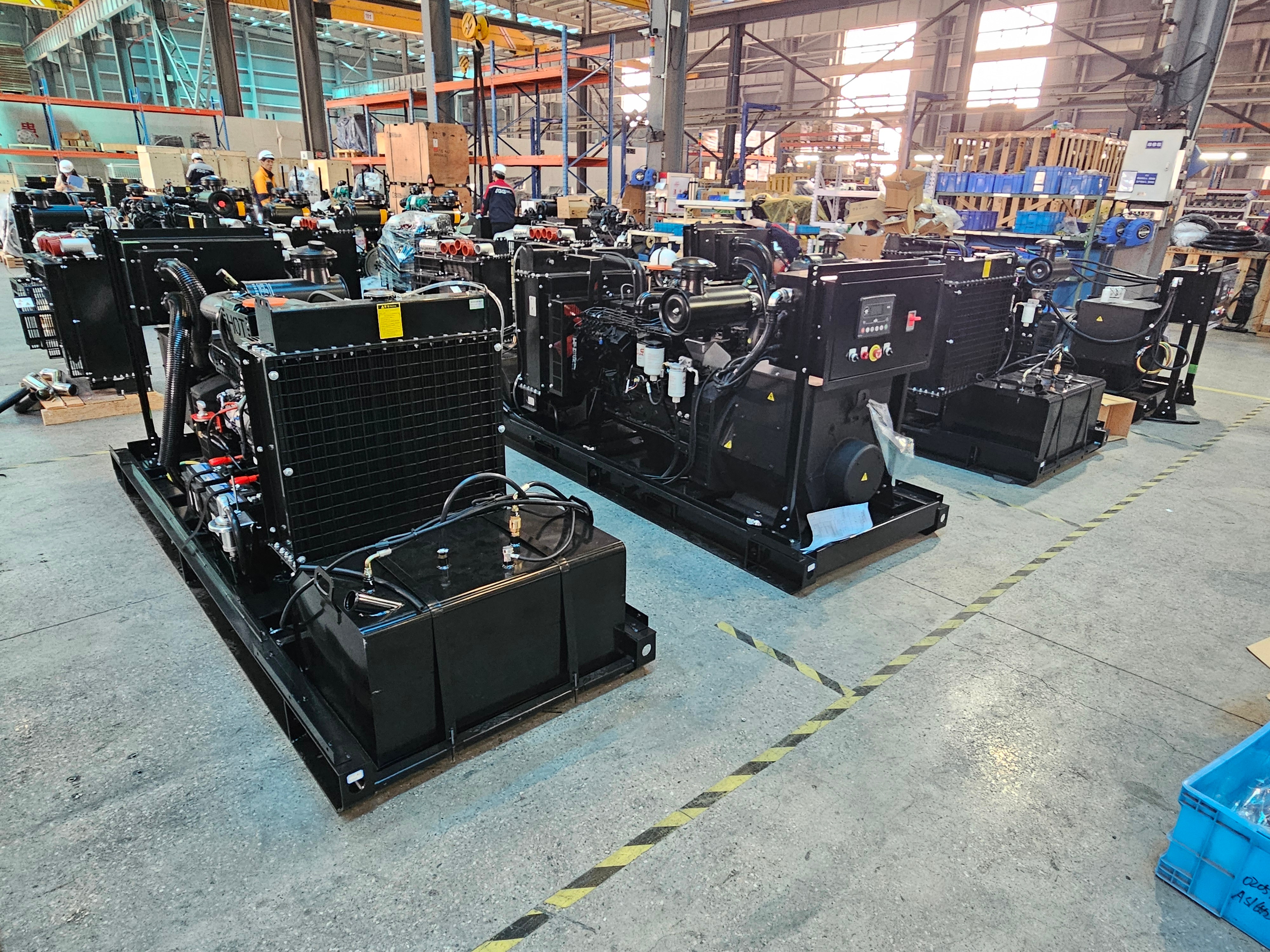
Choosing the right home generator is one of the most practical decisions a homeowner can make. Whether you face frequent power outages, live in a storm-prone region, or simply want peace of mind, a home generator provides reliable backup power when the grid goes down. But before you invest, you need to answer one critical question: what size home generator do you actually need?
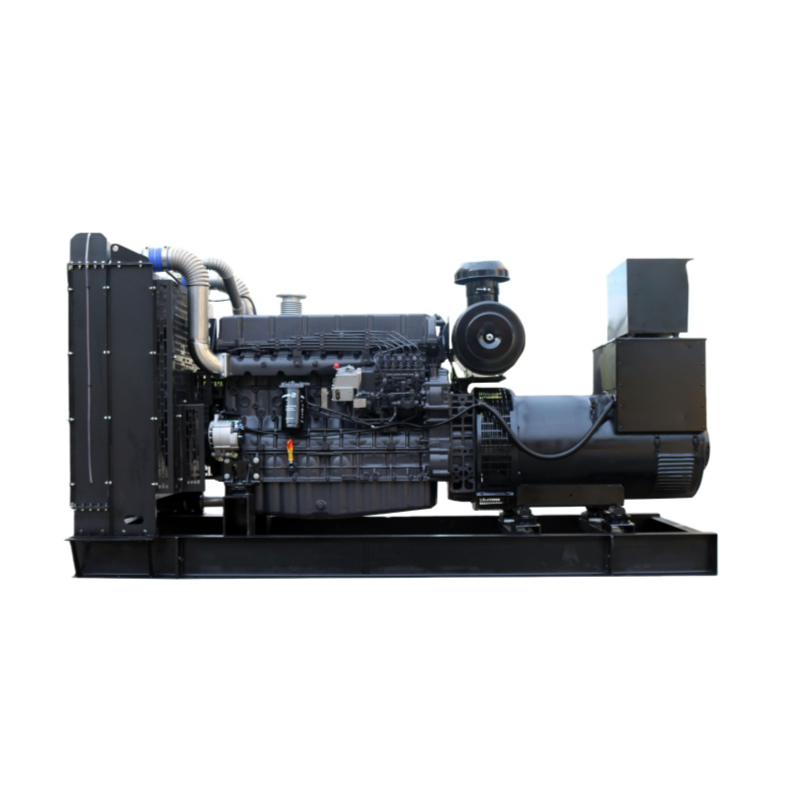
Sizing a home generator correctly is not just about picking the largest model available. An oversized home generator wastes fuel and costs more upfront, while an undersized home generator will struggle to power your essential appliances and may even damage sensitive electronics. Getting the size right means understanding your home's power demands, your usage priorities, and the generator's output capacity. This guide walks you through everything you need to make a confident, well-informed decision.
Understanding Home Generator Capacity
What Wattage Means for a Home Generator
Every home generator is rated in watts, which measures how much electrical power it can deliver at any given moment. There are two key ratings to understand: running watts and starting watts. Running watts reflect the continuous power a home generator can supply, while starting watts represent the short burst of extra power required to start motor-driven appliances like refrigerators or air conditioners. When sizing a home generator, you must account for both figures to avoid overloading the unit.
A home generator rated at 5,000 running watts may support starting watts of 6,500 or more. This distinction matters significantly when you have multiple high-draw appliances running simultaneously. Always check the wattage labels on your key appliances and add them up before comparing home generator specifications.
Common Home Generator Size Ranges
Home generator sizes typically range from small portable units of around 2,000 watts to large standby home generator systems exceeding 20,000 watts. A small home generator in the 2,000 to 4,000 watt range can power essential items like lighting, a phone charger, a small refrigerator, and a fan. A mid-range home generator between 5,000 and 9,000 watts can handle a larger portion of a household, including a window air conditioner or a sump pump. For whole-home coverage, a home generator rated at 10,000 watts or above is often necessary.
Calculating Your Home's Power Requirements
Step One: List Your Essential Appliances
The most reliable way to size a home generator is to calculate your total load. Start by listing every appliance you want the home generator to power during an outage. Prioritize essentials first: refrigerator, water heater, HVAC system, medical equipment, lighting, and kitchen appliances. Each of these has a wattage rating printed on its label or listed in its manual. Add up the running watts for all appliances you plan to run at the same time.
Next, identify which appliances have motors, since those require extra starting watts. The largest motor-driven appliance in your list will determine the peak starting load your home generator must handle. As a practical rule, take the highest single starting wattage and add it to your total running load to estimate the minimum home generator output you need.
Accounting for Future Growth and Safety Margin
When sizing a home generator, it is wise to add a safety buffer of at least 20 percent above your calculated load. This buffer protects your home generator from running at maximum capacity constantly, which reduces mechanical stress and extends the unit's service life. It also gives you flexibility if you add new appliances or if your usage patterns change over time.
For example, if your total load calculation results in a requirement of 8,000 watts, consider selecting a home generator rated for at least 9,500 to 10,000 watts. This margin ensures your home generator operates efficiently without being pushed to its limits every time your household demands peak power.
Choosing the Right Home Generator Type for Your Needs
Portable vs. Standby Home Generator Options
Once you have established the wattage you need, the next decision is which type of home generator best suits your situation. A portable home generator offers flexibility and lower upfront cost. It can be stored and brought out during outages, making it suitable for occasional use and smaller power needs. However, a portable home generator requires manual startup and must be operated outdoors due to exhaust fumes.
A standby home generator is permanently installed outside your home and connects directly to your electrical panel. It starts automatically within seconds of a power failure, making it ideal for households that need uninterrupted power for medical equipment, security systems, or business operations run from home. A standby home generator typically runs on natural gas or propane, removing the need to store or refuel with gasoline.
Fuel Type and Installation Considerations
The fuel type of your home generator affects both convenience and operating cost. Gasoline-powered home generator models are widely available and easy to find during normal conditions, but fuel storage can be challenging during prolonged outages. Propane and natural gas home generator models offer a more stable fuel supply, especially if your home already has a gas line. Diesel home generator systems provide strong fuel efficiency and are often preferred for larger residential installations.
Installation requirements also vary by home generator type and local regulations. Standby home generator units require a licensed electrician to install an automatic transfer switch, which safely disconnects your home from the utility grid before the home generator takes over. Always consult with a qualified professional to ensure your home generator installation meets local building codes and safety standards.
FAQ
How do I know if my home generator is the right size?
If your home generator runs all intended appliances without tripping or stalling, it is likely sized correctly. If it struggles under load or shuts down frequently, it may be undersized. Review your wattage calculations and compare them against your home generator's rated capacity to confirm alignment.
Can a home generator power an entire house?
Yes, a home generator can power an entire house if it is appropriately sized. Whole-home coverage typically requires a standby home generator rated between 14,000 and 20,000 watts or more, depending on your home's square footage and appliance load. Smaller homes with modest electrical needs may achieve full coverage with a 10,000-watt home generator.
How often should a home generator be serviced?
A home generator should be serviced at least once a year or after every 100 to 200 hours of operation, depending on the manufacturer's recommendation. Regular maintenance includes checking oil levels, replacing filters, inspecting spark plugs, and testing the automatic transfer switch. Consistent servicing ensures your home generator remains ready when you need it most.