 EN
EN

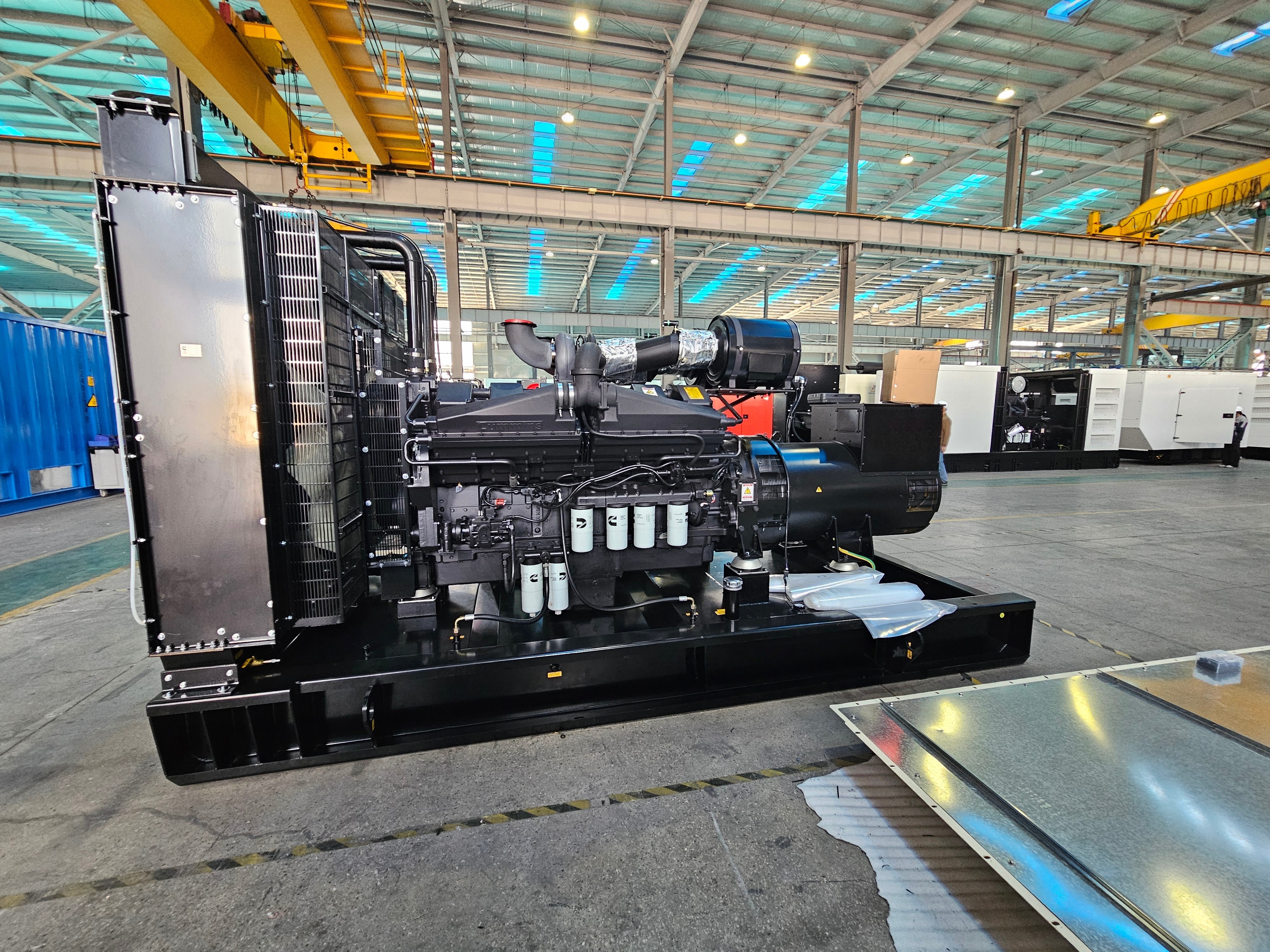
When a construction project needs power before the grid connection is ready, or when an outdoor event demands reliable electricity far from any utility line, generators for rental become the most practical and cost-effective answer. Unlike permanent installations, generators for rental are designed to be deployed quickly, operated for a defined period, and then returned or redeployed elsewhere. This flexibility makes them indispensable across dozens of industries that cannot afford downtime but also cannot justify the capital cost of owning standby power equipment outright.
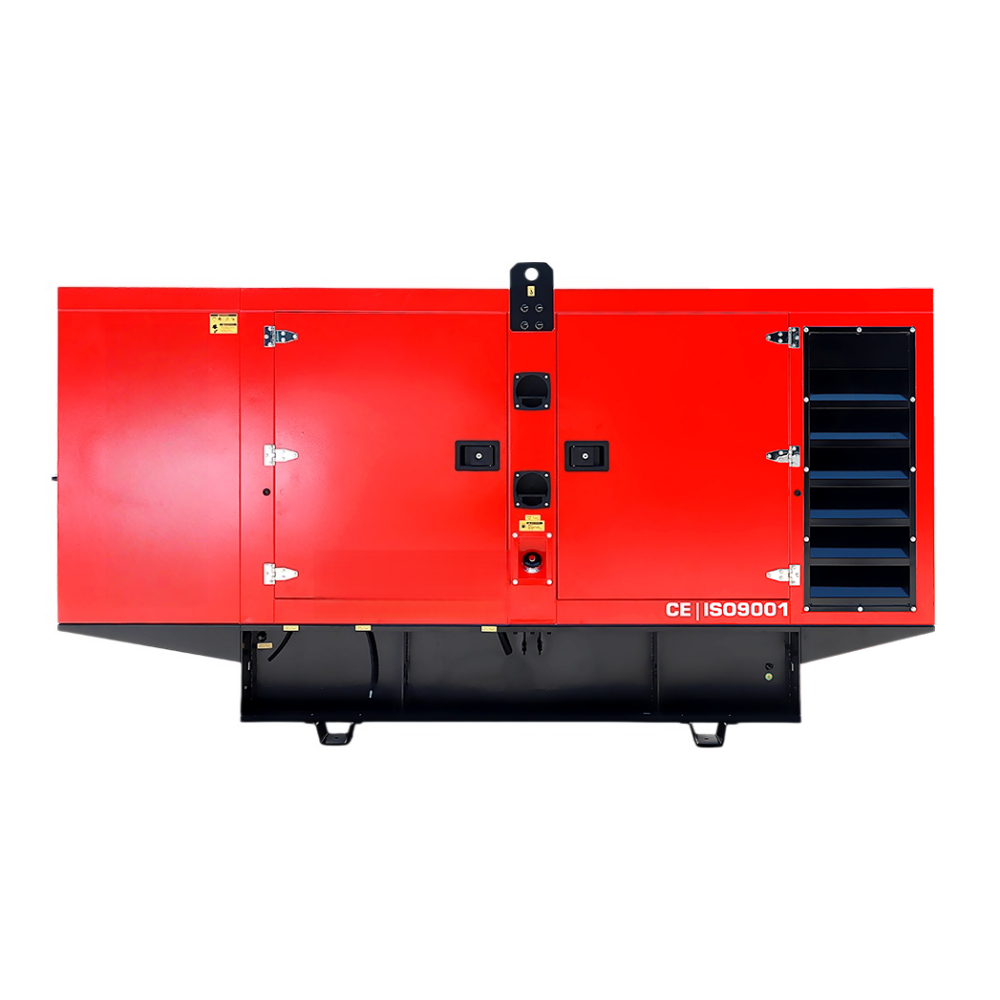
Generators for rental represent a fast-growing segment of the power equipment market precisely because temporary power needs are universal. From disaster recovery operations and peak-load shaving to trade shows and remote drilling sites, generators for rental bridge the gap between a power demand and a permanent solution. Understanding how to select, size, and deploy generators for rental correctly can mean the difference between a smooth operation and costly interruptions. This article explores the key considerations that drive successful rental generator decisions.
Why Generators for Rental Suit Temporary Power Demands
The Core Advantage of Renting Over Buying
One of the strongest arguments for choosing generators for rental rather than purchasing is capital efficiency. Buying a large diesel generator means tying up significant capital in an asset that may only be used for a few weeks or months each year. Generators for rental eliminate that burden entirely, converting a capital expenditure into a predictable operating cost that aligns with the specific project timeline. For contractors, event organizers, and facility managers, this financial flexibility is a compelling reason to rely on generators for rental rather than ownership.
Beyond cost, generators for rental also transfer maintenance responsibility to the rental provider. Modern rental fleets are serviced on strict schedules, ensuring that every unit delivered to a site is in optimal working condition. When end-users choose generators for rental, they receive not just the equipment but also the assurance of pre-delivery inspection, technical support, and rapid replacement if a fault occurs. This service layer significantly reduces operational risk, especially on time-sensitive projects where generator failure would have serious consequences.
Deployment Speed and Site Readiness
Generators for rental are engineered with rapid deployment in mind. Silent and portable diesel units, for example, arrive fully fueled, pre-wired, and ready to connect within hours of delivery. This speed matters enormously in scenarios such as emergency grid outages, last-minute event setups, or fast-moving construction schedules. Generators for rental designed specifically for exhibition and event use often feature ultra-quiet enclosures, compact footprints, and clean exhaust systems that meet venue regulations and noise ordinances without requiring additional modifications on site.
Key Selection Criteria for Rental Generators
Matching Power Output to Application Requirements
Selecting the right generators for rental begins with an accurate load assessment. Under-sizing a generator creates voltage instability and equipment damage, while over-sizing wastes fuel and inflates rental costs. A professional load calculation should account for starting loads, which can be two to three times higher than running loads for motors and compressors. Generators for rental are available in a wide output range, from compact 20 kVA portable units suitable for small events to large 1000 kVA trailer-mounted sets used on industrial construction sites. Matching the output tier to the actual demand is the single most important technical decision in any generators for rental engagement.
Rental providers typically offer generators for rental in standardized power bands, making it straightforward to scale up or add parallel units as project demands grow. Modular rental fleets allow two or more generators for rental to be synchronized in parallel, effectively doubling or tripling available capacity without requiring a single large unit that would be difficult to transport. This scalability is a unique advantage that generators for rental offer over fixed installations, where capacity upgrades require costly infrastructure changes.
Fuel Type and Runtime Considerations
Diesel remains the dominant fuel choice for generators for rental because diesel engines deliver high energy density, long runtime per tank, and reliable cold-start performance. Generators for rental powered by diesel are well-suited to construction sites, outdoor festivals, and remote industrial operations where refueling logistics can be planned around predictable consumption rates. Some generators for rental are now available in dual-fuel or gas configurations, which can reduce emissions in environmentally sensitive areas or where natural gas infrastructure is accessible on site. Selecting the right fuel type for generators for rental depends on local regulations, site access, and the total duration of the rental period.
Application Scenarios Where Rental Generators Excel
Events, Exhibitions, and Temporary Facilities
Generators for rental are the standard power source for outdoor events, trade exhibitions, concerts, sporting fixtures, and temporary retail installations. In these environments, generators for rental must combine reliability with minimal noise and visual impact. Silent-type generators for rental, housed in acoustic enclosures that reduce operating noise to below 65 dB at seven meters, are specifically designed for these high-visibility applications. Rental units intended for exhibition use also tend to feature clean panel designs, easy access doors, and integrated fuel tanks that extend runtime without requiring additional bladder tanks or visible fuel lines that could detract from event aesthetics.
Construction, Infrastructure, and Industrial Sites
On construction and infrastructure projects, generators for rental power everything from site lighting and power tools to concrete batching plants and temporary offices. Heavy-duty generators for rental in the 200 kVA to 500 kVA range are commonly deployed on large civil engineering sites where grid connection is months away. Industrial facilities undergoing planned shutdowns or equipment upgrades also rely on generators for rental to maintain critical process power while permanent systems are offline. In all these cases, generators for rental provide a reliable, well-supported power bridge that keeps projects on schedule and within budget.
Emergency and disaster recovery operations represent another critical use case for generators for rental. When natural disasters or grid failures strike, generators for rental can be dispatched rapidly to hospitals, water treatment facilities, emergency shelters, and communication centers. The ability to deploy generators for rental within hours, rather than days, makes them an essential component of any business continuity or emergency response strategy. Rental providers that maintain large, diverse fleets of generators for rental are invaluable partners in crisis management scenarios where speed and reliability are non-negotiable.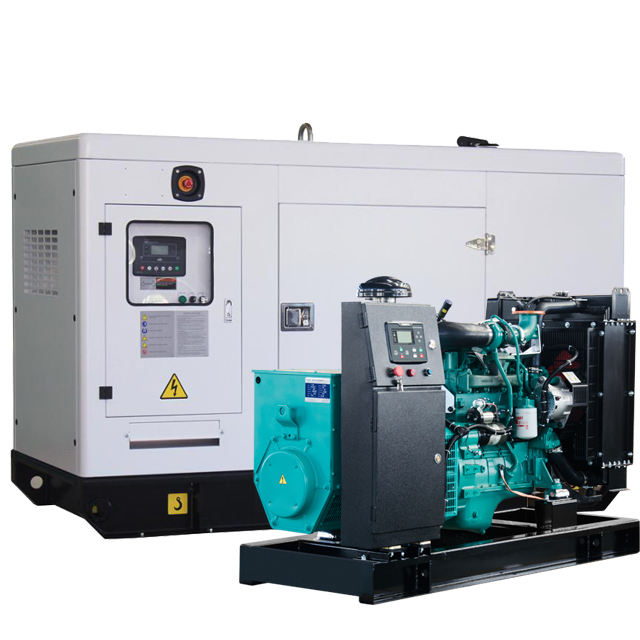
FAQ
How long can I rent generators for rental applications?
Generators for rental are available for periods ranging from a single day to several years, depending on the provider and project requirements. Short-term rentals covering events or emergency situations are common, while long-term rentals for construction or industrial projects can extend to twelve months or more. Most rental providers offer flexible contract terms for generators for rental, allowing extensions or early returns based on how the project evolves.
What maintenance is required when using generators for rental?
When you use generators for rental, routine maintenance such as oil changes, filter replacements, and load bank testing is typically handled by the rental provider before and after each deployment. The renter is generally responsible for daily checks such as fuel level monitoring, coolant inspection, and reporting any unusual sounds or performance changes. Generators for rental come with clear operator guides, and most rental companies provide 24-hour technical support to address any issues that arise during the rental period.
What size generators for rental do I need for an outdoor event?
Sizing generators for rental for an outdoor event requires a detailed load list that includes lighting rigs, sound systems, catering equipment, air conditioning units, and any other powered items. As a general guideline, generators for rental in the 60 kVA to 150 kVA range serve medium-sized events, while large festivals or multi-stage exhibitions may require generators for rental exceeding 500 kVA in total capacity. Always consult with the rental provider's technical team to conduct a proper load assessment before confirming which generators for rental will be delivered to the site.