 EN
EN

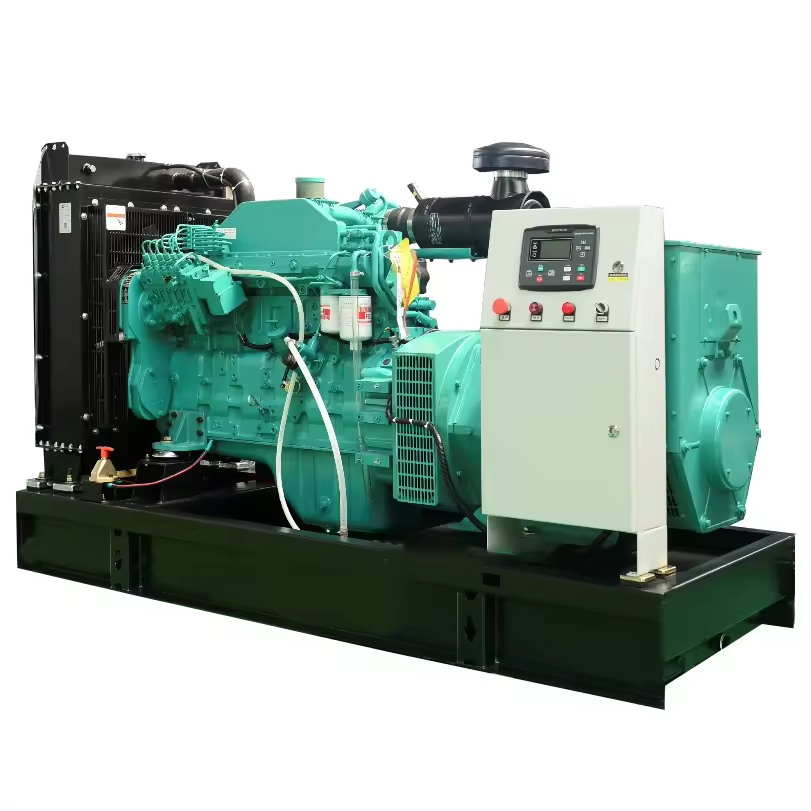
Selecting the right industrial generator is one of the most critical decisions a facility manager or project engineer will make. An undersized industrial generator leads to overloads, voltage instability, and costly operational shutdowns. An oversized industrial generator wastes capital, increases fuel consumption, and delivers poor load performance. Sizing an industrial generator correctly from the start ensures your facility has reliable, efficient, and cost-effective power that matches your actual operational demands.
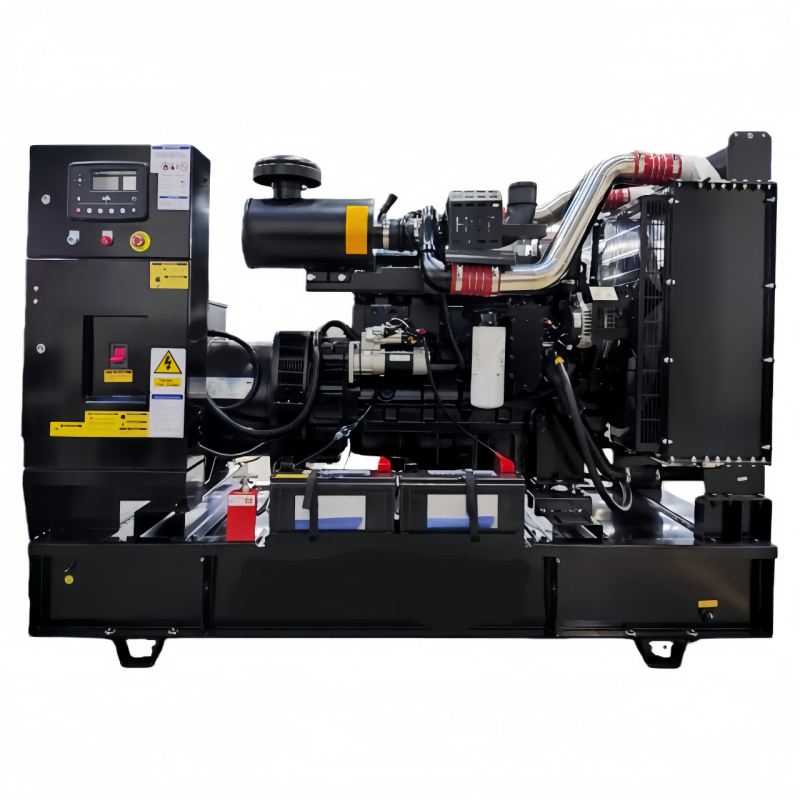
This guide walks through the core principles of industrial generator sizing, from calculating your total load to understanding power factor, starting surge requirements, and runtime considerations. Whether you are planning a new facility, upgrading existing backup power, or specifying prime power for a remote site, understanding how to properly size an industrial generator will help you make a sound investment and avoid expensive mistakes. Each step in the sizing process directly influences the performance and lifespan of your industrial generator system.
Understanding Load Requirements for an Industrial Generator
Calculating Total Connected Load
The first step in sizing an industrial generator is identifying every electrical load that will draw power from the unit. This includes motors, HVAC systems, lighting circuits, compressors, control panels, and any other connected equipment. For each load, you need the rated wattage or kilowatt demand. Totaling these values gives you the base connected load, which your industrial generator must be capable of supplying under continuous operation. This figure forms the foundation of every industrial generator sizing decision you will make.
It is important to distinguish between continuous loads and intermittent loads when sizing an industrial generator. Continuous loads run for extended periods and require sustained power output from the industrial generator. Intermittent loads cycle on and off and may not all operate simultaneously. A realistic load profile, rather than a simple sum of all rated values, helps you specify an industrial generator that handles real-world demand without excessive oversizing. Use demand factors and load diversity factors where applicable to refine your industrial generator sizing calculation.
Accounting for Motor Starting Surge
Electric motors draw significantly more current when starting than when running at full speed. This starting surge can reach three to seven times the motor's rated running current, and an industrial generator must handle this spike without voltage collapsing or tripping protective devices. When sizing an industrial generator for a facility with large motors, you must identify the largest motor that will start across the line and add its starting kVA demand to the running load of all other equipment. Failing to account for motor starting surge is one of the most common industrial generator sizing errors in industrial applications.
Power Factor and Generator Rating in Industrial Sizing
Why Power Factor Matters for an Industrial Generator
An industrial generator is rated in kilovolt-amperes, or kVA, rather than kilowatts alone. The relationship between kW and kVA is defined by the power factor of your load. Most industrial generator ratings assume a power factor of 0.8, meaning the generator can deliver 80 percent of its kVA rating as usable kilowatt output. If your facility has a lower power factor due to inductive motor loads, the effective power output of your industrial generator decreases. Always confirm the power factor of your total load before finalizing your industrial generator specification to avoid selecting a unit that cannot meet real kilowatt demand.
Power factor correction capacitors can improve the power factor of an industrial load and allow a smaller industrial generator to serve the same facility effectively. However, capacitor banks must be carefully matched to the load and the industrial generator's voltage regulation characteristics. Consult with your electrical engineer before applying power factor correction in an industrial generator system to avoid resonance issues or voltage instability.
Matching Generator Rating to Application Type
Industrial generator ratings differ depending on whether the unit is used for standby, prime, or continuous power. A standby industrial generator is rated for emergency use and is not designed for sustained full-load operation. A prime-rated industrial generator can operate at variable loads for unlimited hours. A continuous-rated industrial generator is designed to run at a consistent load indefinitely. Using a standby-rated industrial generator in a prime or continuous application will shorten its service life significantly. Always match the industrial generator rating type to the intended application before confirming your selection.
Site Conditions and Derating Factors for an Industrial Generator
Altitude and Temperature Effects
An industrial generator's rated output is typically established at sea level and a standard ambient temperature, often 25 to 40 degrees Celsius depending on the manufacturer's specification. At higher altitudes, reduced air density lowers the combustion efficiency of the engine, which reduces the power output of the industrial generator. For every 300 meters above sea level, an industrial generator may lose approximately three to four percent of its rated output. High ambient temperatures also derate industrial generator performance by reducing cooling efficiency and increasing heat rejection demands.
When sizing an industrial generator for a high-altitude or hot-climate site, apply the appropriate derating factor to the generator's nameplate rating before comparing it against your load requirements. If your site is at 1000 meters elevation with a 45-degree ambient temperature, your industrial generator may deliver only 85 to 90 percent of its nominal kW rating. Applying derating correctly ensures your industrial generator can meet demand even under the most challenging site conditions your facility experiences.
Future Load Growth and Sizing Margin
A well-designed industrial generator sizing plan accounts for future load growth. Industrial facilities frequently add equipment, expand production lines, or increase shift operations over time. Selecting an industrial generator with a modest headroom above current demand, typically 10 to 20 percent, allows for growth without requiring early replacement of the unit. However, running an industrial generator at consistently low loads below 30 percent of rated capacity causes wet stacking and premature engine wear. Balance the sizing margin carefully so your industrial generator operates efficiently both today and as your facility grows.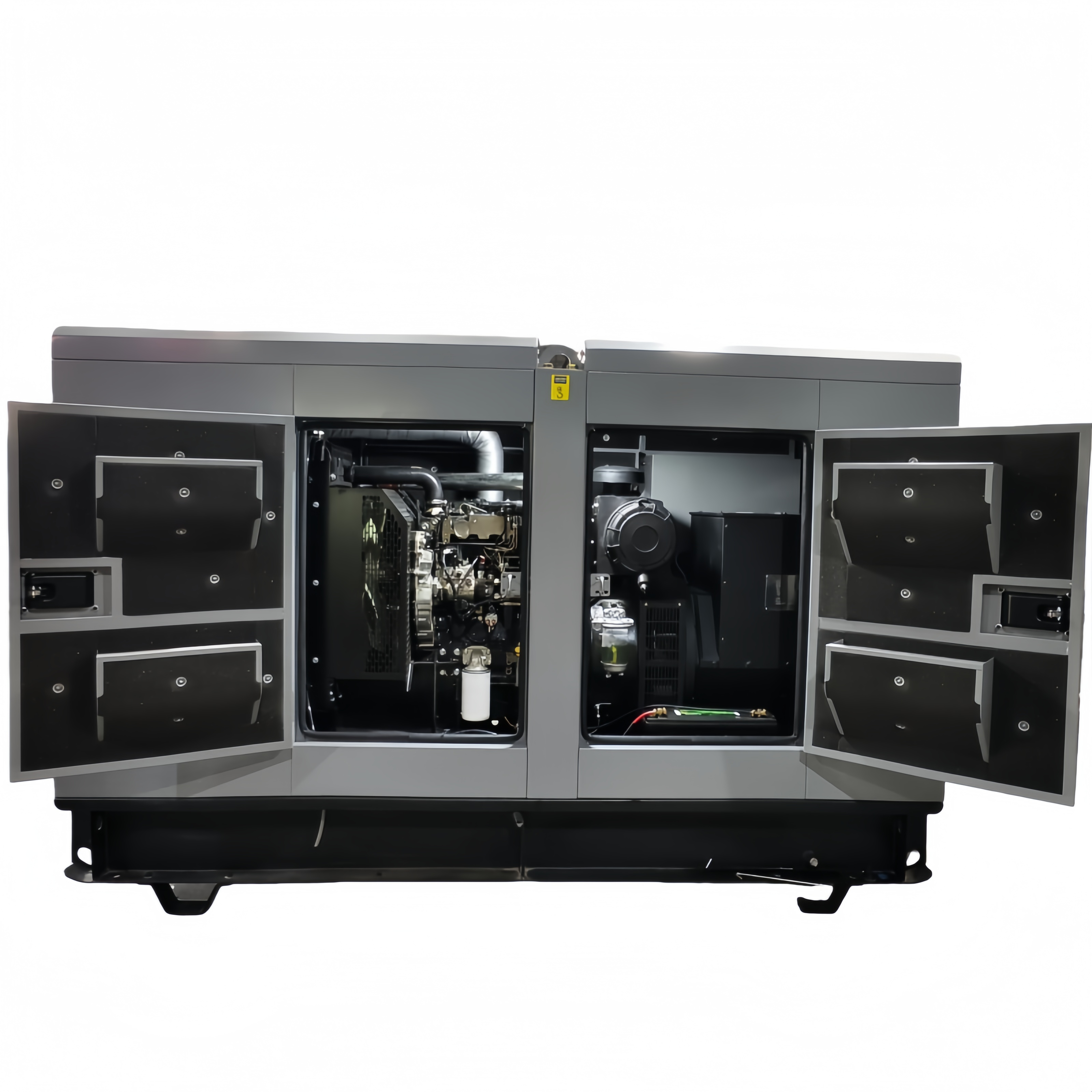
FAQ
What is the most important factor when sizing an industrial generator?
The most important factor is an accurate load analysis. You must calculate the total running load, account for motor starting surge, and apply the correct power factor before selecting an industrial generator. Without a precise load profile, you risk choosing a unit that either overloads during peak demand or runs far below its efficient operating range.
How do I know if my industrial generator needs derating?
Derating is required whenever your installation site differs from the standard rating conditions of the industrial generator. If your site is above 1000 meters in altitude, has ambient temperatures exceeding 40 degrees Celsius, or has restricted ventilation, you should apply derating factors to the nameplate rating of your industrial generator and resize accordingly to maintain reliable output.
Can I use a standby industrial generator for daily prime power use?
No. A standby industrial generator is engineered for limited annual run hours and is not built to sustain continuous or prime power duty cycles. Using a standby-rated industrial generator for daily operations will accelerate engine wear, void warranties, and increase maintenance costs significantly. For regular daily use, always specify a prime-rated or continuous-rated industrial generator to ensure durability and long-term performance.