 EN
EN

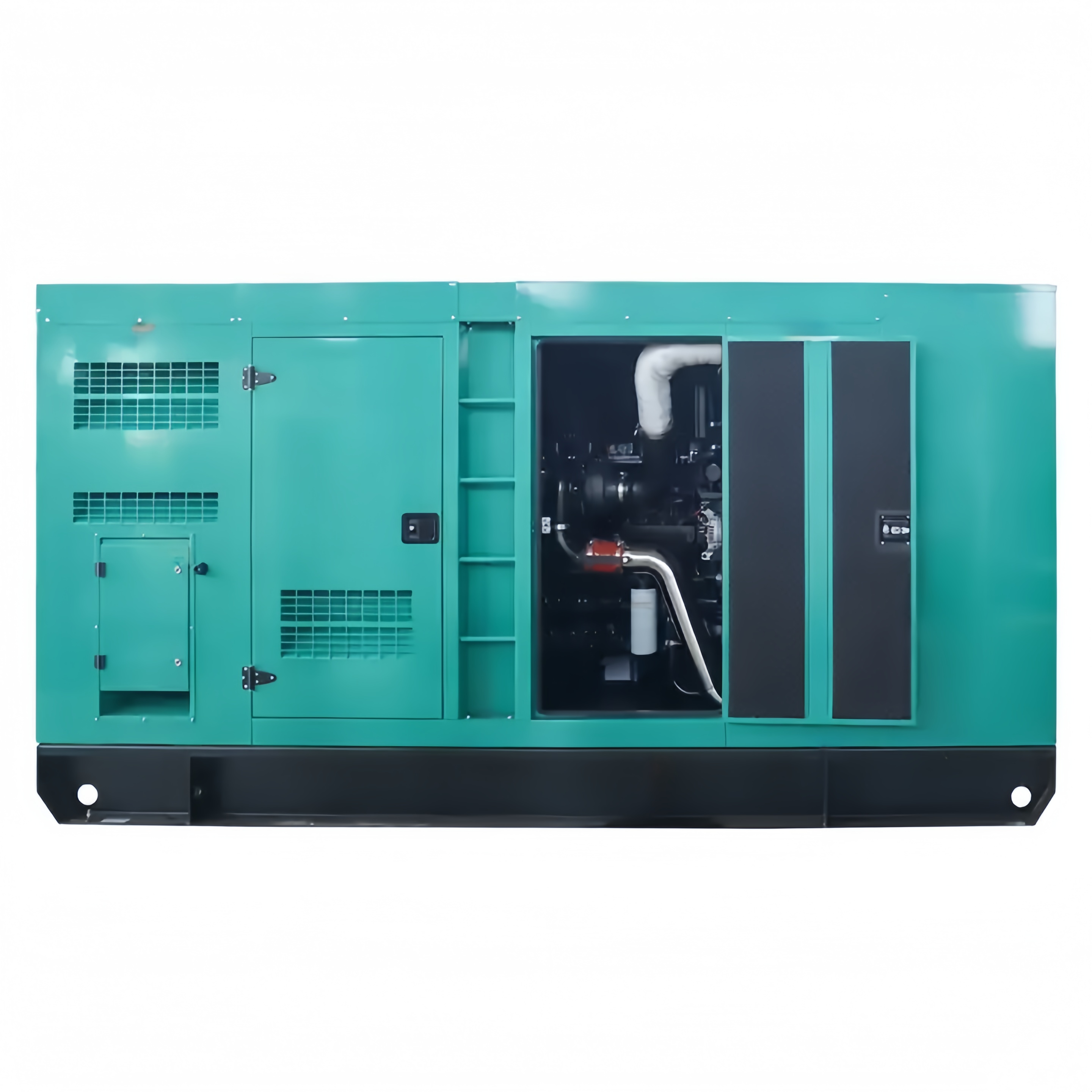
When power continuity is non-negotiable, generator systems for data centers become the most critical layer of infrastructure protection available to facility operators. Data centers run around the clock, serving financial platforms, cloud services, healthcare networks, and enterprise applications that cannot tolerate even brief outages. Without reliable generator systems for data centers, a single grid failure can translate into massive revenue loss, data corruption, and irreparable reputational damage. Understanding what makes generator systems for data centers effective is the first step toward building a resilient power strategy.
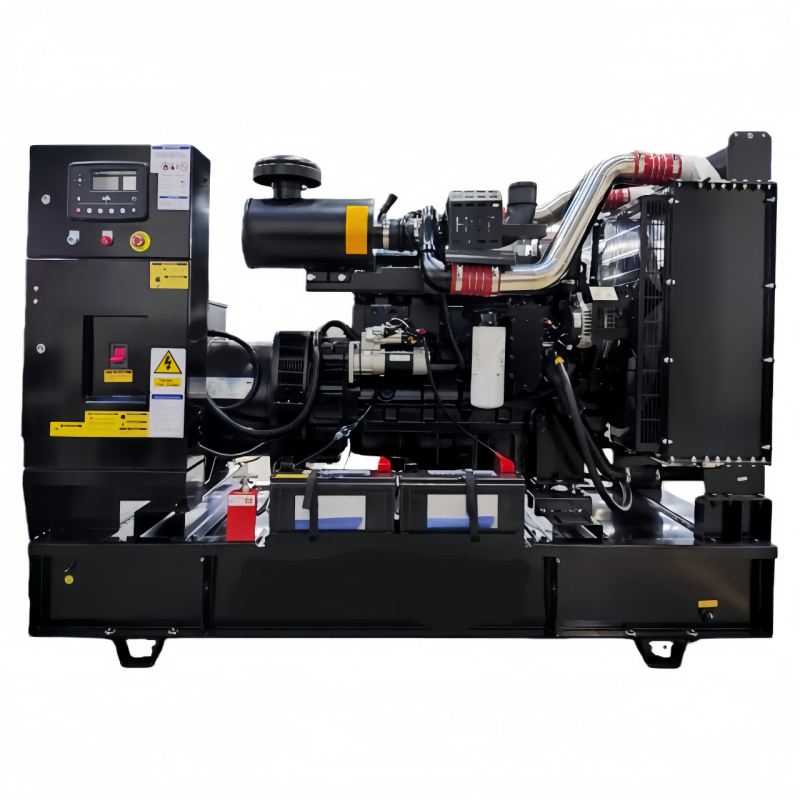
Generator systems for data centers are not simply backup units parked in a utility room. They are engineered power solutions designed to respond within seconds, carry full facility load, and operate continuously for extended periods. As data center density increases and workloads grow more demanding, the performance requirements placed on generator systems for data centers continue to rise. This article examines the reliability principles, core components, load management strategies, and maintenance frameworks that define high-performing generator systems for data centers.
Reliability Principles Behind Generator Systems for Data Centers
Why Reliability Is the Central Metric
The fundamental purpose of generator systems for data centers is to eliminate unplanned downtime caused by utility grid instability. Reliability in this context means the ability of generator systems for data centers to start automatically, reach operating voltage and frequency within ten seconds, and sustain that output without interruption. Industry frameworks such as the Uptime Institute Tier classification system evaluate data center resilience largely based on how generator systems for data centers are configured and protected. A Tier III or Tier IV facility must demonstrate that generator systems for data centers can maintain operations even during maintenance or a single component failure.
Reliability is also a function of fuel system design. Generator systems for data centers depend on diesel fuel storage that meets minimum runtime requirements, typically 24 to 72 hours of full-load operation. Fuel quality management, day tank sizing, and bulk fuel transfer systems all directly influence whether generator systems for data centers can perform under extended grid outages. Operators who treat generator systems for data centers as static backup assets rather than active infrastructure components often discover reliability gaps only during a real emergency.
Redundancy Configurations That Protect Uptime
Redundancy is what separates enterprise-grade generator systems for data centers from basic standby solutions. The most common configuration is N+1 redundancy, where one additional generator beyond the calculated load requirement is deployed so that generator systems for data centers remain fully operational if one unit fails or requires service. For higher-tier facilities, 2N redundancy means that generator systems for data centers are deployed in two fully independent sets, each capable of carrying the entire facility load independently. This level of design ensures that generator systems for data centers provide uninterrupted power even under simultaneous failures in one redundant path.
Core Components of Generator Systems for Data Centers
Prime Movers, Alternators, and Control Systems
Effective generator systems for data centers are built around three core elements: the prime mover engine, the alternator, and the digital control system. The prime mover, typically a diesel or gas engine, must be matched precisely to the load profile of the data center so that generator systems for data centers neither underperform under peak demand nor operate inefficiently at light loads. The alternator converts mechanical energy into electrical output, and its quality determines how cleanly generator systems for data centers deliver power to sensitive IT equipment. Voltage regulation accuracy and harmonic distortion levels are critical specifications when selecting generator systems for data centers for high-density computing environments.
The control system is the intelligence layer of generator systems for data centers. Modern digital controllers monitor engine health, manage automatic transfer sequences, coordinate parallel operation between multiple units, and log performance data for analysis. Advanced control platforms allow generator systems for data centers to communicate with building management systems and data center infrastructure management software, creating a unified view of power status across the facility. This level of integration makes generator systems for data centers a proactive component of facility management rather than a passive safety net.
Automatic Transfer Switches and Parallel Operation
Automatic transfer switches are the gateway through which generator systems for data centers take over utility load. When a grid disturbance is detected, the automatic transfer switch signals generator systems for data centers to start and, once stable output is confirmed, transfers the electrical load within milliseconds. This transition must be seamless because even a brief voltage gap can disrupt uninterruptible power supplies and battery systems that bridge generator systems for data centers to IT loads. Parallel operation capability allows multiple generator systems for data centers to share load proportionally, improving efficiency and enabling individual units to be isolated for maintenance without affecting overall power delivery.
Maintenance and Long-Term Performance of Generator Systems for Data Centers
Scheduled Testing and Preventive Maintenance
Generator systems for data centers must be tested regularly under load conditions that reflect real operational demands. Monthly no-load tests are insufficient for verifying that generator systems for data centers can perform under full data center load. Quarterly or semi-annual load bank testing applies a controlled electrical load to generator systems for data centers, allowing engineers to identify issues with fuel systems, cooling circuits, voltage regulators, and exhaust systems before they become critical failures. A structured preventive maintenance program is what keeps generator systems for data centers in a state of continuous readiness rather than degrading quietly between emergencies.
Fuel Management and System Monitoring
Fuel degradation is one of the leading causes of failure in generator systems for data centers that are infrequently exercised. Diesel fuel stored for extended periods develops microbial contamination, water accumulation, and sediment that can clog filters and injectors in generator systems for data centers during an actual outage. Fuel polishing systems, regular sampling, and additive treatments help maintain fuel quality so that generator systems for data centers start reliably when needed. Continuous remote monitoring platforms now allow facilities teams to track fuel levels, battery charge status, coolant temperature, and controller alerts across all generator systems for data centers from a centralized dashboard.
FAQ
How quickly do generator systems for data centers respond to a power outage?
Most generator systems for data centers are engineered to reach stable operating speed and voltage within 10 to 15 seconds of detecting a utility failure. During this transition, uninterruptible power supplies bridge the gap so that generator systems for data centers can assume load without any interruption to IT equipment. Faster response configurations are available for facilities with stricter continuity requirements.
What fuel type is most common for generator systems for data centers?
Diesel remains the dominant fuel choice for generator systems for data centers because of its energy density, widespread availability, and long storage life relative to natural gas. However, natural gas generator systems for data centers are growing in adoption where pipeline supply is reliable, as they eliminate on-site fuel storage logistics. The choice of fuel directly affects how generator systems for data centers are sized, stored, and maintained over their service life.
How often should generator systems for data centers be tested?
Industry best practice recommends that generator systems for data centers undergo monthly operational tests and at least one annual full-load bank test. More frequent load testing may be required for generator systems for data centers in Tier III and Tier IV facilities where continuous availability commitments demand a higher standard of verified readiness. Testing frequency should be documented and reviewed as part of the facility's overall power continuity plan.