 EN
EN

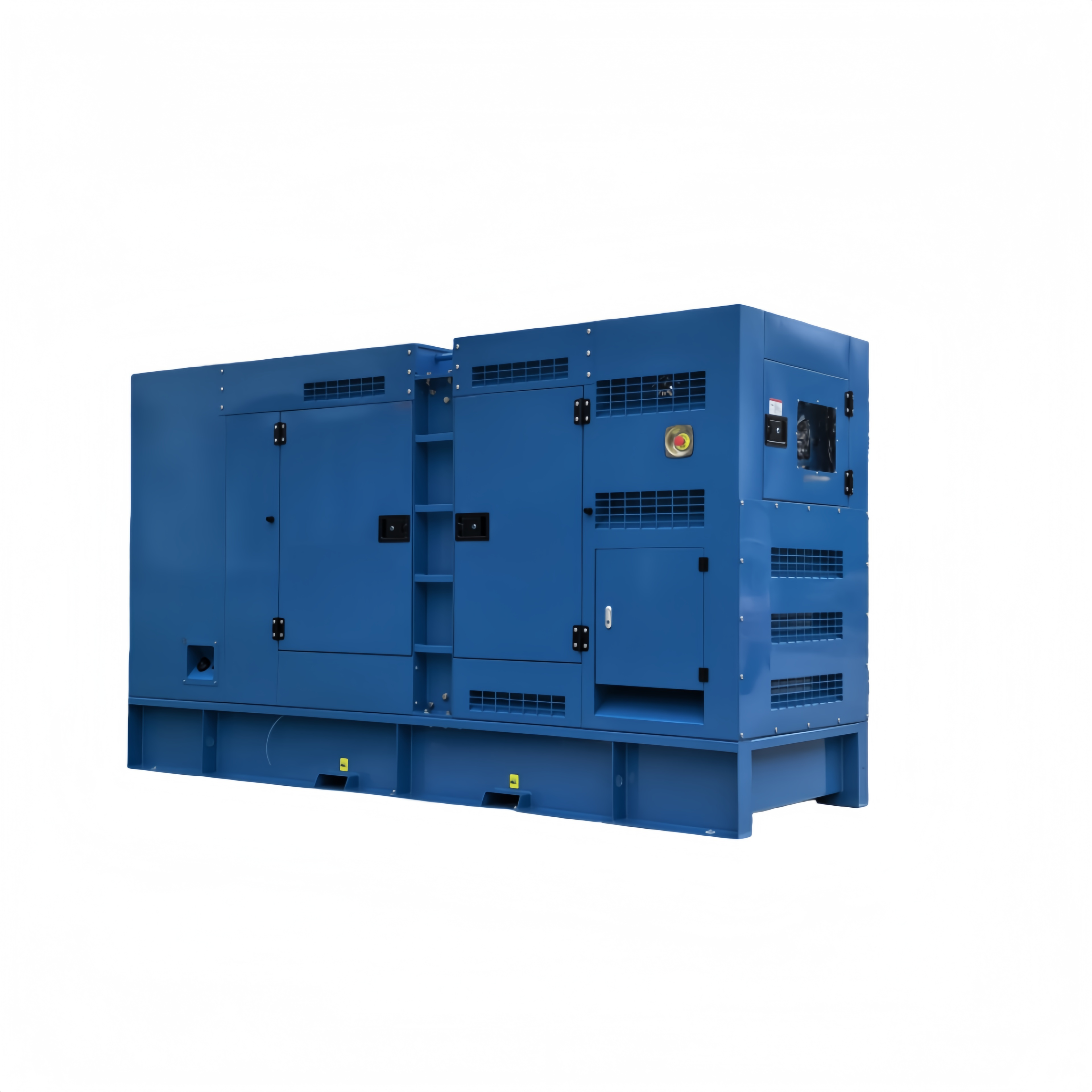
Understanding the distinction between prime power and standby power generators is essential for industrial operations, construction sites, and critical infrastructure facilities. While both types serve critical roles in delivering reliable electricity, they operate under fundamentally different conditions and carry distinct performance characteristics. A prime power generator functions as your primary source of electrical supply, operating continuously at variable loads, whereas a standby power generator activates only during emergencies or grid failures. Selecting the wrong power generator type can lead to equipment failure, operational downtime, and substantial financial losses. This guide clarifies the essential differences, helping you make an informed decision based on your specific operational requirements.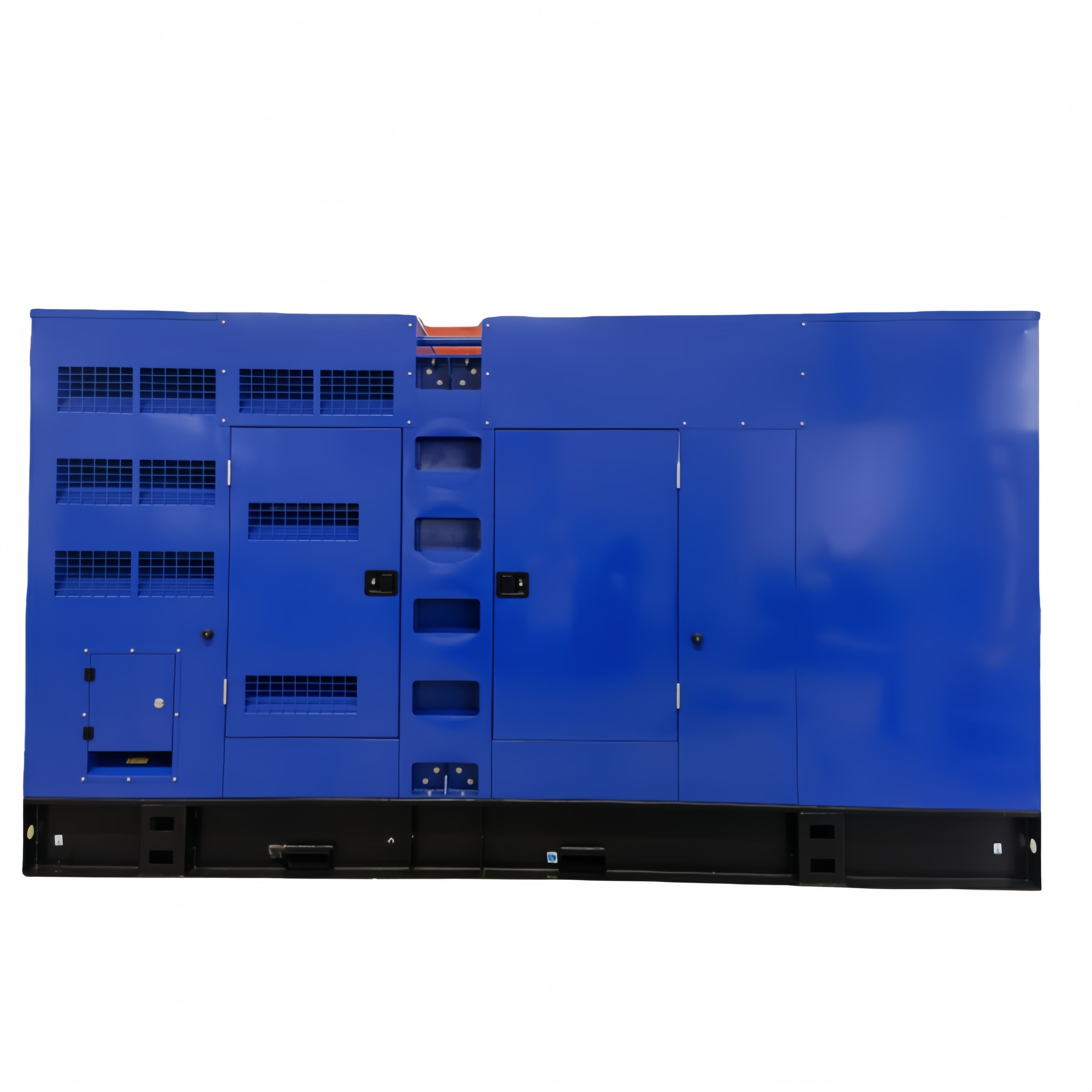
Prime power and standby generators represent two distinct classes within the broader power generator category, each engineered for specific deployment scenarios. The primary difference lies in duty cycle, runtime expectations, and design tolerances. When selecting a power generator for your facility, understanding these operational distinctions ensures optimal performance, cost efficiency, and equipment longevity. Industrial operations increasingly rely on accurate power generator classification to maintain regulatory compliance and operational reliability.
Power Generator Duty Cycles and Operating Conditions
Prime Power Generator Continuous Operation
A prime power generator serves as the principal electrical source, operating continuously throughout the year under variable load conditions. This power generator category is engineered to function for unlimited hours, cycling through daily demand fluctuations without requiring downtime. Prime power generator units maintain lower fuel consumption rates and deliver consistent output across extended operational periods. Industrial plants, remote mining operations, and island utilities depend on prime power generator reliability for their sustained operations. The design philosophy of a prime power generator emphasizes durability, fuel efficiency, and variable load tolerance rather than emergency response speed.
Standby Generator Emergency Readiness
A standby power generator remains inactive during normal operations, activating automatically only when grid power fails or during scheduled maintenance windows. This power generator type operates under limited-use protocols, typically running fewer than 100 hours annually in emergency scenarios. Standby generator design prioritizes rapid engine startup, typically achieving full load capability within seconds of activation. Data centers, hospitals, and mission-critical facilities depend on standby power generator instantaneous response to prevent service interruption. The standby power generator class accepts higher fuel consumption rates during operation because runtime remains brief and infrequent.
Regulatory Load Ratings and Performance Standards
Prime Power Generator Load Classification
Prime power generator ratings are established under ISO 8528-4 standards, designating continuous power output available at variable loads between 0% and 100% capacity. A prime power generator typically operates at 70% average load factor over extended periods, permitting occasional overload capacity up to 110% for brief durations. This power generator classification reflects realistic industrial demand patterns, where equipment operates at varying levels throughout operational cycles. International standards recognize that prime power generator performance must sustain across seasonal variations, ambient temperature extremes, and supply voltage fluctuations. The power generator rating system for prime units emphasizes long-term reliability and thermal stability rather than peak instantaneous capacity.
Standby Generator Load Specifications
Standby power generator ratings follow ISO 8528-2 classifications, permitting full rated load application for limited emergency periods, typically 200 operating hours annually. This power generator standard allows 10% overload capacity above nameplate rating during emergency situations, acknowledging the temporary nature of standby deployment. Standby power generator specifications often exceed prime power generator output ratings when comparing similarly-sized units, reflecting the emergency-only duty cycle. The power generator classification for standby units prioritizes rapid load pickup and fault tolerance during crisis situations rather than sustained thermal performance. Understanding these power generator rating differences prevents selecting undersized emergency units or oversized continuous-duty generators.
Maintenance Intervals and Component Design Philosophy
Prime Power Generator Maintenance Requirements
Prime power generator units require rigorous preventive maintenance schedules, with oil changes typically occurring every 250 to 500 operating hours and comprehensive inspections at regular intervals. This power generator category demands professional maintenance protocols because continuous operation exposes internal components to cumulative stress and thermal cycling. Prime power generator components experience gradual degradation that must be managed proactively through scheduled maintenance, fuel system cleaning, and cooling system optimization. Industrial sites maintaining prime power generator installations typically employ dedicated technicians or contracted maintenance teams. The power generator investment in preventive maintenance significantly extends equipment life and prevents catastrophic field failures.
Standby Generator Service Intervals
Standby power generator maintenance focuses on readiness assurance rather than continuous performance optimization, with monthly load-testing and periodic inspections replacing frequent service interventions. This power generator class requires less aggressive maintenance scheduling because dormancy periods allow components to avoid cumulative thermal stress. Standby power generator design often incorporates automatic transfer switches and automated exercise protocols that run the power generator under light load monthly to prevent fuel degradation and component seizing. The power generator maintenance philosophy for standby units emphasizes reliability verification rather than scheduled part replacement. Facility managers overseeing standby power generator installations benefit from simplified logistics and reduced maintenance personnel requirements.
Fuel Consumption and Efficiency Profiles
Prime Power Generator Fuel Economics
Prime power generator fuel efficiency represents a critical operational cost factor, with consumption rates optimized for sustained variable-load performance at 70% average utilization. This power generator efficiency profile typically delivers 0.180 to 0.220 liters per kilowatt-hour under representative industrial operating conditions. Prime power generator economics improve substantially when units operate consistently within their rated load envelope, where engine thermal efficiency peaks. Industrial operations comparing prime power generator options across different manufacturers frequently prioritize fuel consumption metrics alongside capital equipment costs. The power generator lifetime operating expense significantly exceeds initial purchase price, making fuel efficiency a primary selection criterion.
Standby Generator Fuel Usage Patterns
Standby power generator fuel consumption occurs intermittently during emergency activation or monthly test cycles, eliminating fuel costs from routine operational budgets. This power generator category exhibits higher fuel consumption rates during operation, typically 0.240 to 0.280 liters per kilowatt-hour, because operation occurs outside optimized efficiency zones. Standby power generator fuel management focuses on preventing degradation during storage rather than minimizing consumption rates. Facilities maintaining standby power generator units benefit from reduced fuel storage requirements and eliminated daily operating costs, offsetting higher per-hour consumption rates. The power generator total cost ownership for standby systems reflects infrequent operation, emphasizing reliability over efficiency.
Noise Levels and Environmental Installation Considerations
Prime Power Generator Acoustic Performance
Prime power generator installations operate continuously, making noise attenuation a significant design consideration for urban industrial facilities and sensitive locations. This power generator category requires substantial acoustic enclosures, achieving 75 to 85 decibel sound levels at standard measurement distances through comprehensive sound dampening systems. Prime power generator noise management adds considerable capital cost and installation complexity for urban deployments. Industrial sites positioning prime power generator units must evaluate neighboring noise exposure and potential regulatory compliance challenges. The power generator acoustic environment influences siting decisions, equipment shelter requirements, and community relations planning.
Standby Generator Noise Mitigation
Standby power generator noise occurs only during emergency activation or brief monthly testing, permitting simpler acoustic solutions compared to continuous-duty installations. This power generator class typically operates at similar decibel levels as prime units during activation but requires noise control only for emergency durations. Standby power generator noise management often relies on standard muffler systems and basic weatherproof housings rather than engineered acoustic enclosures. Facilities installing standby power generator units generally achieve noise compliance through modest weatherproofing rather than substantial infrastructure investment. The power generator environmental integration for standby systems remains simpler than prime installations because operational duration remains limited.
FAQ
Can a standby power generator substitute for prime power generator requirements?
No, standby power generators cannot reliably substitute for prime power requirements because design standards, runtime expectations, and component durability differ fundamentally. Standby power generator units undergo limited testing cycles and component stress evaluation designed for emergency-only operation, not continuous duty. Operating a standby power generator continuously will cause accelerated component failure, excessive fuel consumption, and potential warranty invalidation. Prime power generator specifications explicitly require engines, cooling systems, and fuel management designed for daily variable-load operation. Attempting to operate a standby power generator in a prime power role represents a critical operational mistake with substantial reliability and financial consequences.
What determines whether a facility requires a prime power generator versus standby capability?
Determining prime power generator versus standby power generator requirements depends on grid reliability, operational criticality, and continuous electricity demand. Remote locations lacking stable utility connection require prime power generator installations as their primary electricity source. Mission-critical facilities such as hospitals and data centers typically deploy standby power generator backup alongside grid primary supply. Manufacturing operations in areas experiencing frequent outages may require hybrid systems combining prime power generator primary capacity with standby power generator emergency reserves. The power generator type selection process evaluates local grid stability, regulatory uptime requirements, operational consequence of electricity interruption, and capital budget constraints.
How does preventive maintenance affect long-term power generator reliability and cost?
Preventive maintenance directly determines prime power generator longevity and operational cost, with disciplined service schedules extending equipment life by 50% compared to reactive repair approaches. Prime power generator reliability decreases significantly when maintenance intervals are skipped or extended beyond manufacturer specifications. Standby power generator maintenance focuses on ensuring immediate readiness rather than extending lifespan, with monthly exercise runs preventing fuel degradation and component corrosion. Well-maintained power generator installations require fewer emergency repairs and avoid catastrophic failures that interrupt operations and necessitate rental equipment. Industrial operators recognizing power generator maintenance as an investment rather than expense achieve superior long-term reliability and financial performance.