 EN
EN

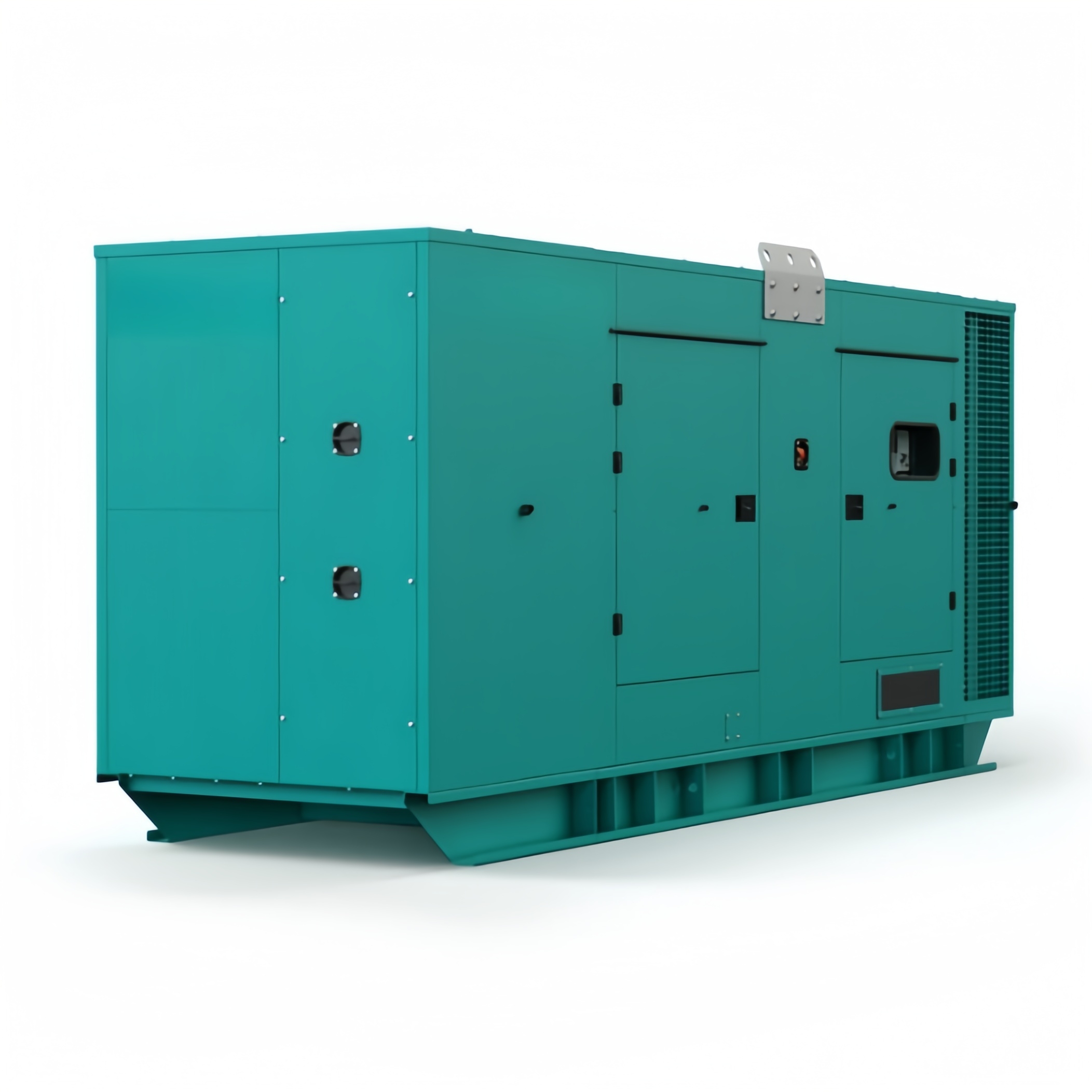
Selecting the right power generator for your project is one of the most critical infrastructure decisions you'll make. Whether you're powering a construction site, providing backup electricity for a facility, or running temporary operations, the choice between diesel and gas generators significantly impacts your operating costs, reliability, and long-term performance. Both fuel types offer distinct advantages and trade-offs that must be carefully evaluated against your specific project requirements, budget constraints, and expected runtime demands.

The decision between diesel and gas power generator technology ultimately depends on your project timeline, fuel availability, maintenance capacity, and total cost of ownership. This comprehensive guide breaks down the key differences between these two power generator types, helping you make an informed decision that aligns with your operational needs and financial objectives.
Fuel Efficiency and Operating Costs
Diesel Power Generator Efficiency
Diesel power generator units deliver superior fuel efficiency compared to their gasoline counterparts, often converting 35 to 45 percent of fuel energy into usable electricity. This higher efficiency translates directly into lower per-hour operating costs, especially during extended runtime scenarios. A diesel power generator running continuously for weeks or months will consume significantly less fuel than an equivalent gas model, reducing your overall project expenses and minimizing fuel supply logistics. The thermal efficiency of diesel engines allows them to extract more work from each gallon of fuel, making them economically superior for long-duration power needs.
Gas Power Generator Operating Economy
Gasoline-powered power generator models typically achieve fuel efficiency ratings between 25 and 35 percent, meaning more fuel is required to produce the same electrical output as a diesel power generator. However, gas power generator units often have lower upfront purchase prices and may be more cost-effective for short-term projects with limited runtime requirements. The fuel efficiency trade-off becomes less critical when your power generator runs for only a few days or weeks rather than continuously over months. For projects with unpredictable power demands or intermittent usage patterns, a gas power generator might provide acceptable economics despite higher fuel consumption rates.
Power Output, Runtime, and Load Capacity
Diesel Power Generator Performance Characteristics
Diesel-based power generator systems excel at maintaining consistent power output under heavy load conditions without stress or performance degradation. A diesel power generator can typically run at 80 to 90 percent of its rated capacity continuously for extended periods, providing reliable power delivery for demanding industrial applications. The combustion characteristics of diesel fuel enable power generator units to handle sudden load increases and maintain voltage stability during equipment startup surges. Diesel power generator technology also offers superior fuel tank capacity options, allowing installations to run for 24 to 72 hours or more without refueling, depending on load and tank size.
Gas Power Generator Operational Limits
Gasoline power generator engines are generally designed for lighter-duty applications and shorter operational windows, typically handling 50 to 75 percent of rated load capacity comfortably. A gas power generator running continuously at full capacity will experience faster wear, overheating risks, and reduced engine lifespan compared to diesel power generator models under similar conditions. However, modern gas power generator designs have improved, and many can now handle moderate-duty industrial applications for brief periods. The smaller fuel tank capacities typical of gas power generator units require more frequent refueling, which can become logistically challenging during extended projects.
Maintenance Requirements and Long-Term Reliability
Diesel Power Generator Maintenance Profiles
Diesel power generator engines require scheduled maintenance including oil changes, fuel filter replacements, and occasional injector cleaning to maintain peak performance and longevity. However, a well-maintained diesel power generator can operate reliably for 10,000 to 20,000 hours before major overhaul becomes necessary, representing exceptional service life for industrial equipment. The robust construction of diesel power generator engines means they tolerate neglect better than gasoline units, though regular maintenance still optimizes efficiency and prevents costly failures. Diesel power generator fuel stores more stably than gasoline, reducing contamination risks and degradation issues during long storage periods between uses.
Gas Power Generator Maintenance Considerations
Gasoline-powered power generator units require more frequent maintenance intervals, particularly regarding spark plug replacement, carburetor cleaning, and fuel system flushing to prevent buildup. A gas power generator typically reaches end-of-life status around 6,000 to 10,000 operating hours, roughly half the service life expected from comparable diesel power generator installations. Gasoline stored in power generator fuel tanks can degrade and varnish over time, especially if the equipment remains idle for extended periods, requiring fuel stabilizers and periodic draining. The simpler engine architecture of gas power generator models makes repairs generally faster and sometimes less expensive than diesel power generator service, though parts availability may vary by location.
Environmental Impact and Regulatory Compliance
Emissions Profiles and Compliance
Diesel power generator units produce higher particulate matter and nitrogen oxides compared to gasoline power generator models, subject to increasingly stringent environmental regulations in many jurisdictions. Modern diesel power generator systems often require emission control systems such as diesel particulate filters and selective catalytic reduction units to meet environmental standards. Gasoline-based power generator technology typically produces fewer particulate emissions but may exceed regulations for volatile organic compound and carbon monoxide levels depending on local rules. Understanding local emission requirements before selecting your power generator type ensures compliance and prevents costly retrofits or operational shutdowns.
Fuel Availability and Supply Chain
Gasoline remains more universally available than diesel in many regions, making a gas power generator easier to fuel in remote locations or areas with limited fuel distribution infrastructure. Conversely, diesel fuel availability dominates in industrial zones, construction areas, and commercial centers where larger power generator installations operate. Your project location significantly influences which power generator fuel type proves most practical and economical to support throughout your operation timeline.
FAQ
Which power generator type costs less upfront?
Gas generators typically have lower initial purchase prices than comparable diesel power generator models, making them attractive for budget-conscious buyers or short-term projects. However, total cost of ownership over the equipment's lifetime usually favors diesel power generator investments due to superior fuel efficiency and longer service life.
How long can a diesel power generator run continuously?
A diesel power generator can operate continuously for extended periods, often 24 to 72 hours or more without refueling depending on fuel tank capacity and power load. This extended runtime capability makes diesel power generator technology ideal for backup power systems, construction sites, and remote locations where fuel delivery presents logistical challenges.
Is a gas power generator suitable for heavy industrial applications?
Gasoline power generator models work best for light to moderate industrial applications and temporary power needs rather than heavy-duty continuous operations. For demanding industrial projects requiring sustained power delivery, a diesel power generator provides superior reliability, load capacity, and long-term cost effectiveness than gas alternatives.