 EN
EN

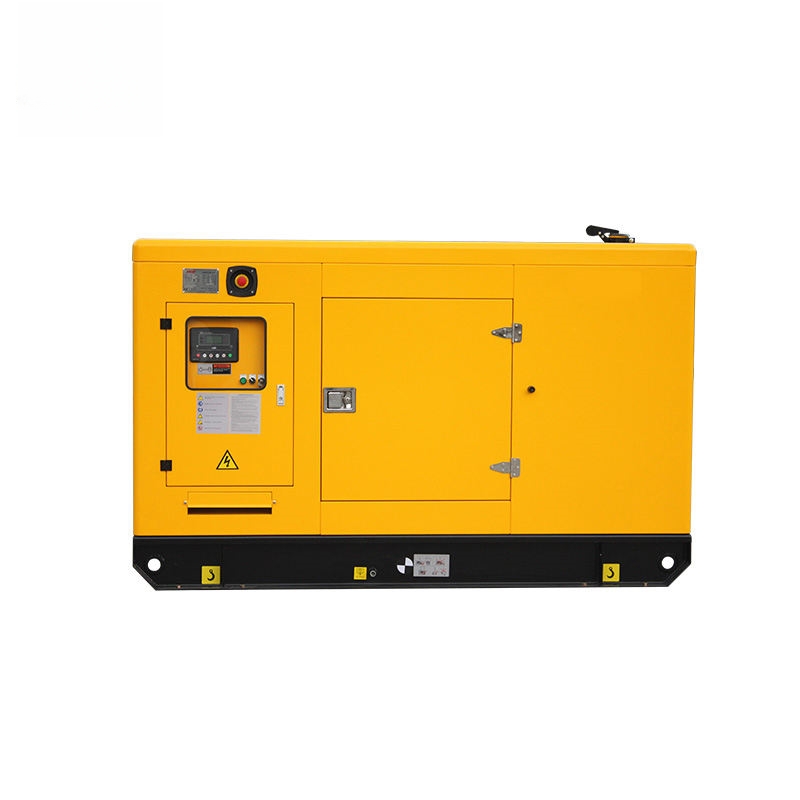
When selecting power generation equipment for industrial, commercial, or residential applications, understanding the distinction between open type and silent generator models is critical to making an informed purchasing decision. Both generator types serve essential functions in modern infrastructure, yet they differ significantly in design, operational characteristics, noise output, and suitability for specific environments. A silent generator prioritizes acoustic performance through advanced soundproofing technologies, while open type units emphasize simplicity and cost-effectiveness. The choice between these two categories directly impacts your operational expenses, regulatory compliance, site conditions, and long-term maintenance requirements.
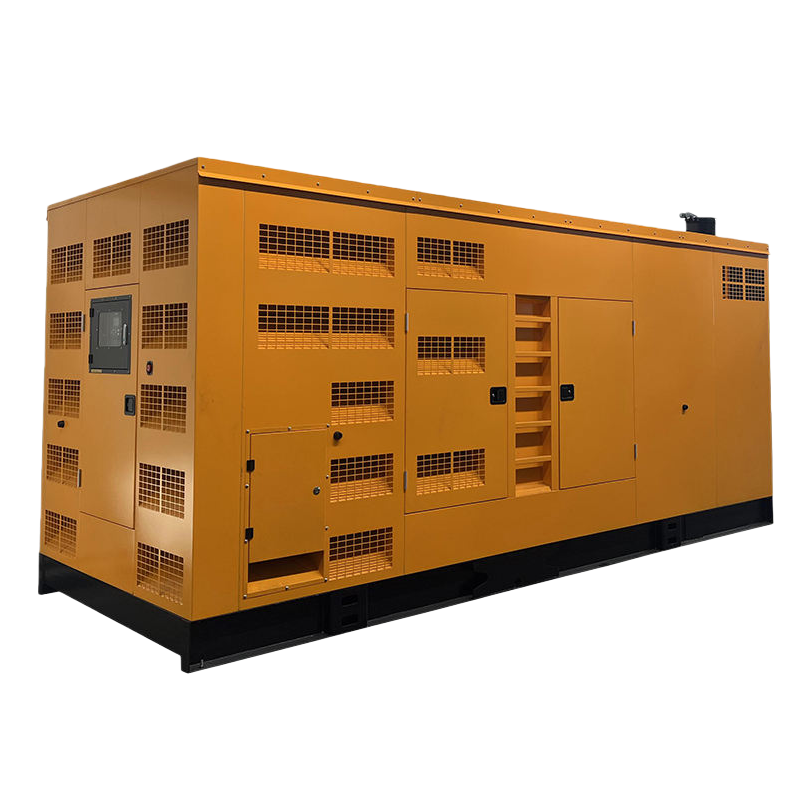
Understanding these differences begins with recognizing that power generation needs vary widely across industries and settings. A silent generator installation in an urban hospital requires entirely different specifications than an open type unit deployed at a remote industrial mining site. This article explores the fundamental distinctions, practical implications, and decision criteria that help facilities managers, procurement professionals, and business owners select the right generator configuration for their unique operational demands and environmental constraints.
Fundamental Design and Construction Differences
Housing and Enclosure Architecture
The most obvious distinction between open type and silent generator units lies in their physical construction. An open type generator features a basic skeletal frame with minimal protective covering, leaving the engine, alternator, and cooling components largely exposed to the external environment. This exposed design allows maximum airflow circulation but provides virtually no acoustic insulation. A silent generator, by contrast, incorporates a fully enclosed weatherproof housing constructed from acoustic materials such as dense foam, fiberglass, or specialized composite panels that absorb and dampen sound waves. The enclosure design of a silent generator includes strategic ventilation pathways that maintain engine cooling while directing exhaust and sound through silencing baffles and mufflers.
The structural approach to an open type generator prioritizes accessibility and maintenance simplicity, allowing technicians direct contact with internal components without removing protective barriers. A silent generator requires more deliberate maintenance procedures because technicians must remove or open panels to reach internal mechanisms. However, this trade-off delivers substantial noise reduction that open type models cannot achieve. The enclosure weight of a silent generator also contributes to overall unit stability and vibration dampening, reducing transmission of operational vibration to surrounding structures and foundations.
Cooling System Integration
Thermal management approaches differ significantly between open type and silent generator configurations. Open type generators rely on passive air circulation through open design, drawing ambient air directly across the engine block and cooling fins. This method is simple but allows unfiltered air entry that can introduce dust, debris, and environmental contaminants. A silent generator incorporates enclosed air intake systems with multi-stage filters that trap particulates before they reach cooling components, extending engine life and improving reliability. The exhaust pathway in a silent generator routes through acoustic baffles that cool exhaust gases while progressively reducing noise levels before release into the atmosphere.
Temperature management inside the silent generator enclosure requires careful ventilation design to prevent heat buildup that could damage internal components or trigger automatic shutdown systems. Modern silent generator designs incorporate thermostatic dampers and controlled ventilation louvers that maintain optimal operating temperatures while preserving acoustic performance. This complexity adds cost but ensures reliable operation across varying climate conditions and load profiles that an open type generator handles more simplistically through raw exposure to external air.
Noise Performance and Environmental Impact
Acoustic Output Specifications
Noise reduction represents the defining characteristic that separates a silent generator from open type alternatives. Typical open type generators produce noise levels ranging from 85 to 110 decibels at standard measurement distance, depending on engine size, fuel type, and load conditions. These noise levels equivalent to busy traffic or heavy machinery operation and exceed permissible limits for many urban residential neighborhoods and healthcare facilities. A silent generator typically achieves noise reduction of 25 to 35 decibels through combined effect of acoustic enclosure, exhaust silencers, and vibration isolation mounts, resulting in operating noise levels between 60 and 80 decibels. This substantial reduction allows a silent generator to operate in noise-sensitive locations where open type units would generate community complaints, regulatory violations, and operational shutdowns.
The noise performance advantage of a silent generator becomes increasingly valuable in densely populated areas, adjacent to schools or hospitals, or in regions with strict environmental noise ordinances. Many jurisdictions legally restrict open type generator operation during specific hours or prohibit their use entirely in certain zones, making a silent generator the only compliant option. The acoustic benefits extend beyond regulatory compliance; reducing noise pollution contributes to worker health, community relations, and operational sustainability in long-term facility planning.
Regulatory Compliance and Zoning Restrictions
Environmental regulations and municipal codes increasingly mandate that power generation equipment meet specific noise standards. A silent generator installation typically achieves compliance with EPA standards, ISO acoustic classifications, and local noise ordinances without modification or special permitting procedures. Open type generators frequently require additional soundproofing enclosures, operational time restrictions, or distance setbacks from property lines to achieve compliance, adding unexpected costs and operational limitations. Selecting a silent generator from initial procurement eliminates these compliance complications and future-proofs your facility against anticipated stricter noise standards.
Some regions offer incentives or favorable regulations for facilities operating silent generator equipment, recognizing their contribution to community environmental quality. A silent generator demonstrates corporate responsibility and environmental stewardship, enhancing facility reputation and community standing in ways that open type installations cannot replicate.
Cost Analysis and Total Operational Economics
Initial Capital Investment
The upfront cost differential between open type and silent generator models represents a significant procurement consideration. Open type generators typically cost 30 to 50 percent less than comparable capacity silent generator units because they omit expensive acoustic engineering, specialized materials, and advanced sound-dampening technology. For a facility with unlimited capital and no noise constraints, the lower acquisition cost of open type equipment appears financially advantageous. However, comprehensive cost analysis must consider total lifecycle expenses rather than isolated purchase price. A silent generator investment includes premium initial expenditure but delivers long-term economic benefits through regulatory compliance, maintenance efficiency, and operational flexibility that justify the higher investment.
Operating Costs and Maintenance Economics
Operating expenses differ between open type and silent generator configurations due to design variations. The enclosed design of a silent generator provides superior engine protection from environmental exposure, dust, and contaminants, reducing wear rates and extending maintenance intervals compared to open type units operating in demanding environments. A silent generator with filtered air intake systems experiences significantly lower internal corrosion and debris-related damage, translating to fewer unplanned repairs and extended service life. However, routine maintenance of a silent generator may involve additional labor for accessing components behind protective enclosures, partially offsetting the protection benefits.
Fuel efficiency characteristics remain relatively similar between properly maintained open type and silent generator units at equivalent load levels, as acoustic engineering does not directly impact combustion efficiency. However, the superior cooling system control in a silent generator can optimize engine operating temperature for slightly improved fuel economy under variable load conditions. When calculated across multiple years of operation, the combined benefits of extended service intervals, reduced emergency repairs, and operational reliability often make a silent generator more economical than the initial cost premium suggests.
A silent generator enables continuous operation during typical business hours without community disruption, maximizing equipment utilization and return on investment. Open type units may require operational restrictions or relocation to alternative sites to maintain community relations, reducing effective runtime and generating underutilization costs that diminish financial justification for the initial capital savings.
FAQ
What noise levels can a silent generator achieve compared to open type models?
A silent generator typically operates between 60 and 80 decibels at standard measurement distance, while open type generators produce 85 to 110 decibels depending on engine size and load. This 25 to 35 decibel reduction achieved by a silent generator represents substantial improvement that enables operation in noise-sensitive environments where open type equipment would violate regulations or generate community complaints. The acoustic advantage of a silent generator grows more significant as distance from the unit decreases, making it essential for urban or indoor installations.
When should a facility choose a silent generator over open type equipment?
Facilities located in urban areas, adjacent to residential neighborhoods, schools, or hospitals should prioritize silent generator installation to ensure regulatory compliance and maintain community relations. A silent generator becomes necessary when local noise ordinances restrict operations during business hours or when open type equipment would require expensive soundproofing enclosures and operational limitations. If your facility operates continuously or requires power reliability in noise-sensitive contexts, a silent generator delivers superior long-term value despite higher initial acquisition costs compared to open type alternatives.
How does maintenance differ between silent generator and open type units?
A silent generator requires slightly more complex maintenance procedures because protective enclosures must be opened to access internal components, whereas open type units allow direct technician access. However, the environmental protection provided by a silent generator enclosure reduces exposure to dust and contaminants, minimizing wear and extending service intervals compared to open type models. The filtered air intake system of a silent generator requires periodic filter replacement but prevents debris accumulation inside the engine, ultimately reducing overall maintenance burden and unplanned repairs despite procedural complexity.