 EN
EN

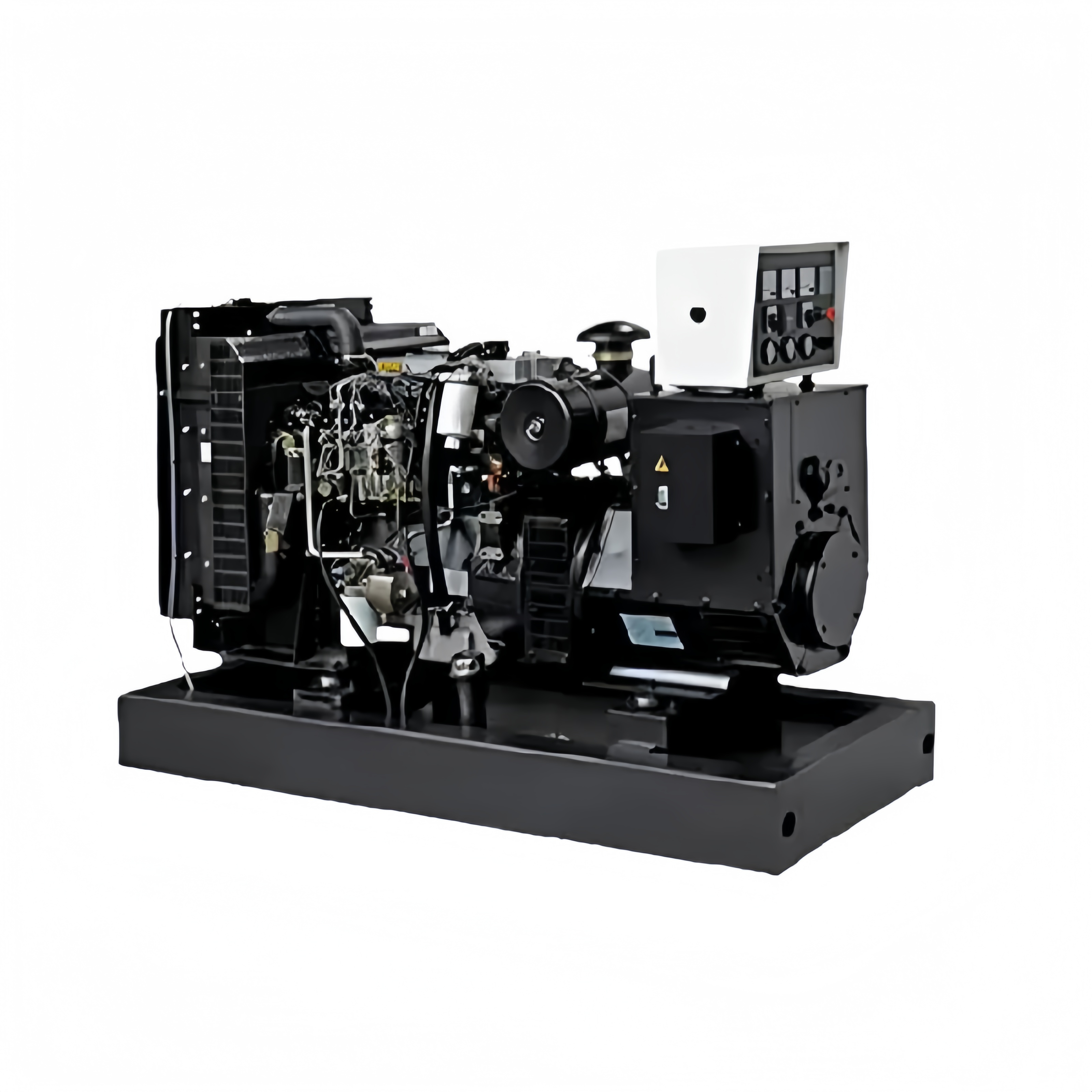
Choosing between a mobile generator set and a stationary generator represents a critical decision for industrial operations. Each technology offers distinct advantages tailored to specific operational contexts, project requirements, and long-term business objectives. Understanding the practical differences between these two power solutions enables facility managers, project engineers, and procurement specialists to make informed decisions that directly impact project efficiency, operational continuity, and capital expenditure management.
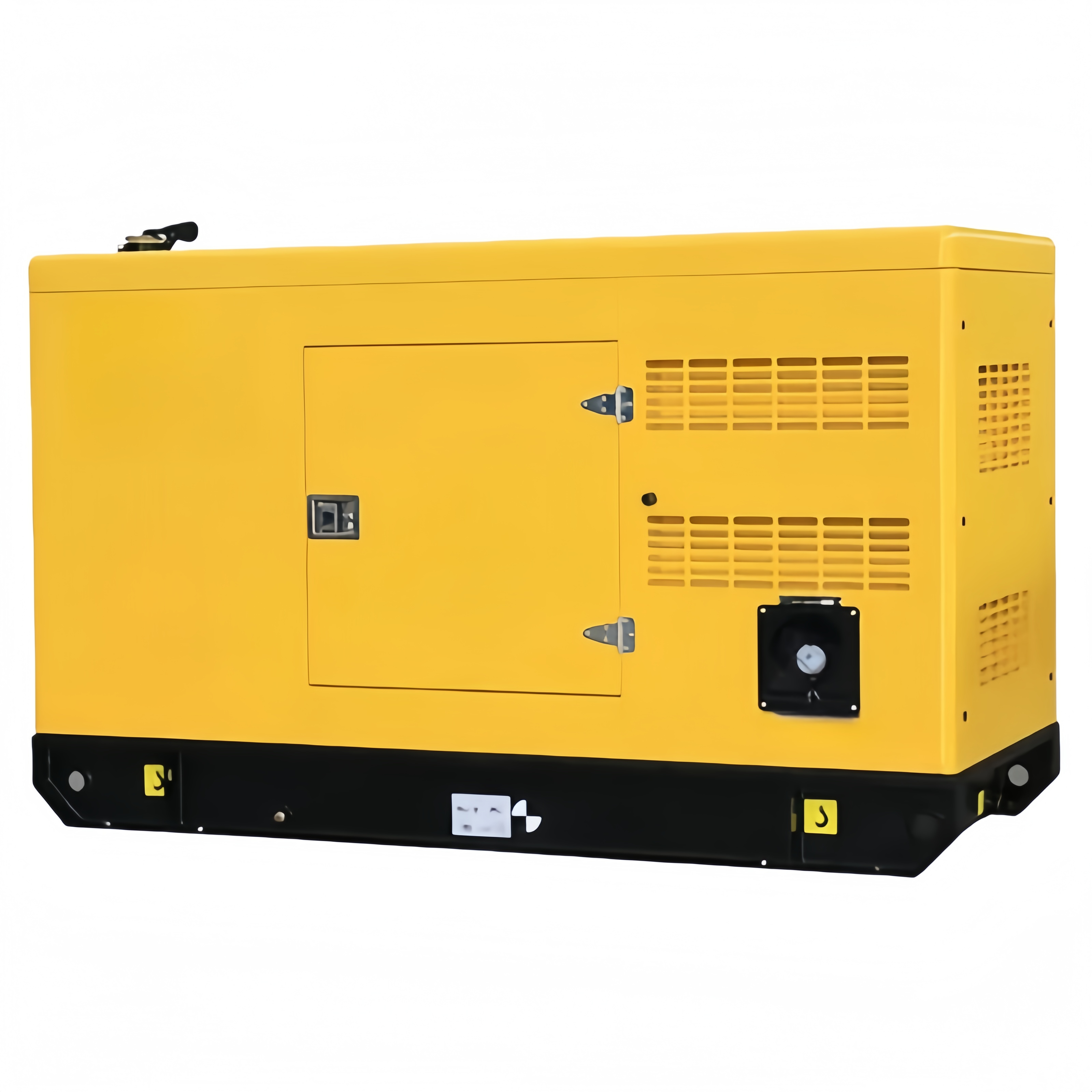
The selection between a mobile generator set and fixed installations fundamentally shapes operational flexibility, infrastructure costs, and response capabilities across manufacturing facilities, construction sites, data centers, and emergency response scenarios. This guide explores the core distinctions, deployment strategies, and decision frameworks that help industrial stakeholders select the most appropriate power generation approach for their specific operational demands.
Operational Flexibility and Deployment Capability
Mobility and Rapid Deployment
A mobile generator set delivers unmatched deployment speed and geographic flexibility across multiple job sites and temporary operational locations. Construction projects, emergency response situations, and temporary facility expansions require power solutions that can be transported quickly and positioned precisely where needed. Unlike stationary generators that demand extensive site preparation, electrical integration, and permanent installation infrastructure, a mobile generator set can be operational within hours of arrival at any job site. This rapid deployment capability directly translates into accelerated project timelines, reduced setup costs, and immediate power availability for critical operations.
The portability of a mobile generator set makes it ideal for industries managing multiple work locations simultaneously. Oil and gas exploration teams, mining operations, and infrastructure contractors benefit from deploying a single mobile generator set across several sites throughout a project season. When project requirements shift, a mobile generator set can be relocated to the next location, maximizing capital asset utilization and eliminating stranded equipment investments. Stationary generators, by contrast, remain fixed installations designed for permanent operational locations where power demand is predictable and infrastructure supports long-term installation.
Scalability and Temporary Power Needs
Industrial operations frequently face temporary power demands that do not justify permanent infrastructure investment. Facility maintenance shutdowns, equipment testing phases, seasonal production increases, and emergency backup situations all represent scenarios where a mobile generator set provides superior economic and operational value compared to stationary alternatives. A mobile generator set can be deployed for the exact duration of temporary power needs, then relocated or stored without creating permanent capital liabilities. This scalability advantage eliminates overbuilding infrastructure for peak demands that occur infrequently throughout an operational calendar.
Stationary generators are optimized for permanent baseline power requirements where fixed installations become economically justified through years of continuous operational service. However, when power needs fluctuate seasonally or project-based demand cycles emerge, a mobile generator set offers superior flexibility. Industrial facilities can maintain a fleet of mobile generator sets for temporary needs while reserving stationary installations for core baseline power demands, creating a hybrid power strategy that balances both permanent reliability and temporary operational adaptability.
Installation Infrastructure and Ongoing Maintenance
Site Preparation and Installation Complexity
Stationary generators demand comprehensive site preparation, structural foundation work, electrical integration, fuel storage infrastructure, and utility interconnection before operational deployment. These installation requirements add significant capital expenditure, extend project timelines, and create permanent physical modifications to facility infrastructure. A mobile generator set eliminates these preparatory complexities by arriving at any location as a self-contained unit requiring minimal site preparation. Power connection points, fuel supply access, and ventilation clearances represent the only prerequisites for deploying a mobile generator set in virtually any industrial environment.
The streamlined deployment process for a mobile generator set dramatically reduces project initialization costs and accelerates time-to-power availability. Temporary construction sites, emergency response situations, and facilities without existing generator infrastructure can implement power solutions using a mobile generator set within days rather than weeks or months. Stationary generators serve permanent power needs where substantial upfront infrastructure investment becomes justified through decades of reliable operational service. For enterprises requiring both permanent and temporary power solutions, a comprehensive mobile generator set strategy paired with strategic stationary installations creates operational resilience while managing capital expenditure efficiently.
Maintenance, Servicing, and Operating Costs
Mobile generator sets benefit from standardized maintenance protocols, modular component design, and manufacturer support networks optimized for fieldwork environments. Service technicians can perform routine maintenance at the job site or transport equipment to service facilities for comprehensive inspections. Operating costs for a mobile generator set include fuel consumption, regular maintenance intervals, and potential rental fees if using third-party equipment. Stationary generators incur installation costs, ongoing facility maintenance, real estate allocation costs, and fixed utility overhead regardless of actual power demand levels.
The total cost of ownership differs significantly between mobile generator set deployments and permanent stationary installations. Organizations operating multiple construction sites or seasonal business cycles benefit financially from deploying mobile generator sets rather than installing stationary generators at each temporary location. However, facilities with predictable year-round power demands discover that stationary generators deliver lower operating costs over multi-decade operational lifecycles. Strategic procurement decisions comparing capital expenditure, operating costs, maintenance complexity, and deployment timelines determine which power generation approach best aligns with specific industrial operational requirements and financial constraints.
Power Reliability, Performance, and Industrial Application Suitability
Continuous Operation and Load Management
Stationary generators are engineered for continuous uninterrupted power delivery supporting baseline facility operations, critical infrastructure, and mission-essential systems. These installations feature sophisticated automatic transfer switches, voltage regulation systems, and load management capabilities that maintain consistent power quality across complex industrial equipment networks. A mobile generator set performs optimally for temporary power requirements, emergency backup scenarios, and defined operational periods where continuous multi-year deployment is not the operational requirement. Performance characteristics, fuel efficiency ratings, and power output specifications differ substantially between equipment designed for permanent industrial deployment versus temporary mobile operation.
Industrial equipment compatibility, power factor correction, and voltage stability requirements demand careful analysis when selecting between a mobile generator set and stationary alternatives. Manufacturing facilities operating sensitive electronic control systems, pharmaceutical production lines, and data processing centers require power stability that stationary generators deliver through permanent installations with sophisticated electrical integration. Temporary worksites, emergency response operations, and short-duration industrial projects can leverage mobile generator set capabilities without requiring the advanced power conditioning systems inherent to stationary installations. Understanding equipment power requirements, operational duration expectations, and facility infrastructure determines optimal technology selection for specific industrial scenarios.
Scalability for Facility Expansion and Future Demand
Permanent facility expansions, production line additions, and long-term capacity growth justify stationary generator investments because power demand increases become predictable and sustained. Facilities planning multi-year facility expansion programs discover that stationary installations provide economical, reliable power growth capacity aligned with development timelines. Conversely, enterprises uncertain about future power demands or managing temporary production increases find that mobile generator sets eliminate infrastructure overbuilding risk. A mobile generator set can be deployed when demand materializes, then relocated or released when project phases complete, protecting capital resources while maintaining operational flexibility.
The strategic decision between mobile generator set deployment and stationary generator installation reflects fundamental operational philosophy: organizations prioritizing adaptability, temporary capacity, and minimal infrastructure commitment leverage mobile solutions effectively. Enterprises pursuing stability, continuous power reliability, and permanent infrastructure optimization invest in stationary generators. Many sophisticated industrial operations employ both technologies strategically, deploying mobile generator sets for temporary needs while maintaining stationary installations for baseline power delivery, creating comprehensive power management strategies that balance operational resilience with economic efficiency.
FAQ
When should industrial operations choose a mobile generator set over stationary installation?
Industrial operations should select a mobile generator set for temporary power requirements, multi-site operations, emergency backup scenarios, and situations where deployment flexibility outweighs permanent infrastructure benefits. Construction projects, facility maintenance windows, seasonal production peaks, and emergency response situations all benefit from mobile generator set deployment. When power needs are temporary, unpredictable, or distributed across multiple locations, a mobile generator set delivers superior economic and operational value compared to permanent stationary installations that require substantial infrastructure investment and fixed facility commitment.
What are the primary cost advantages of using a mobile generator set versus stationary generators?
Mobile generator set deployments eliminate substantial installation infrastructure costs, site preparation expenses, and permanent facility modifications required by stationary installations. Operating a mobile generator set for temporary requirements avoids years of fixed overhead costs associated with permanent facilities, real estate allocation, and continuous facility maintenance. Enterprises managing multiple temporary job sites discover that deploying a shared fleet of mobile generator sets across multiple locations costs significantly less than installing permanent stationary generators at each site. However, facilities with continuous baseline power demands discover that stationary generators deliver lower total cost of ownership over multi-decade operational lifecycles.
Can a mobile generator set reliably support sensitive industrial equipment and critical operations?
Mobile generator sets can support sensitive industrial equipment when properly sized, equipped with appropriate power conditioning systems, and operated within manufacturer specifications. However, stationary generators with sophisticated voltage regulation, automatic load management, and permanent electrical integration systems provide superior power quality and reliability for mission-critical applications. Sensitive pharmaceutical production, electronic control systems, and data processing equipment typically require stationary generator installations with advanced power conditioning capabilities. A mobile generator set works effectively for temporary support roles, emergency backup power, and non-critical operations, while permanent sensitive equipment installations warrant stationary generator technology for optimal power reliability and equipment protection.