 EN
EN

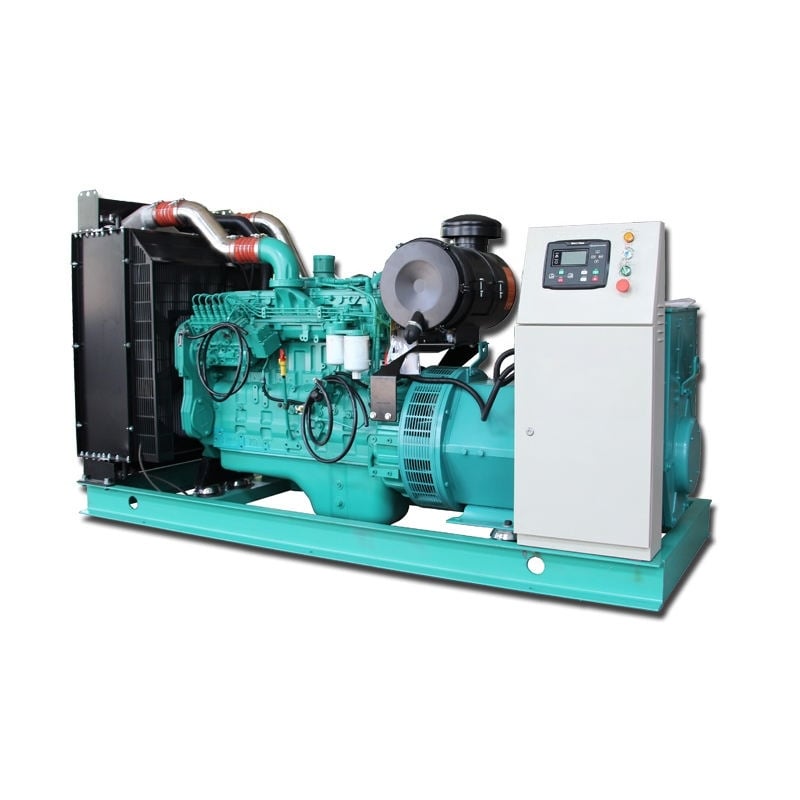
A power generator can run continuously for extended periods, but the actual duration depends on several critical factors including fuel supply, maintenance schedules, engine design, and load demands. Understanding the limitations and capabilities of your power generator is essential for industrial operations, backup power systems, and emergency response planning. Most modern power generators are engineered to operate continuously for anywhere from 24 hours to several weeks, provided they receive proper fuel replenishment and routine maintenance.
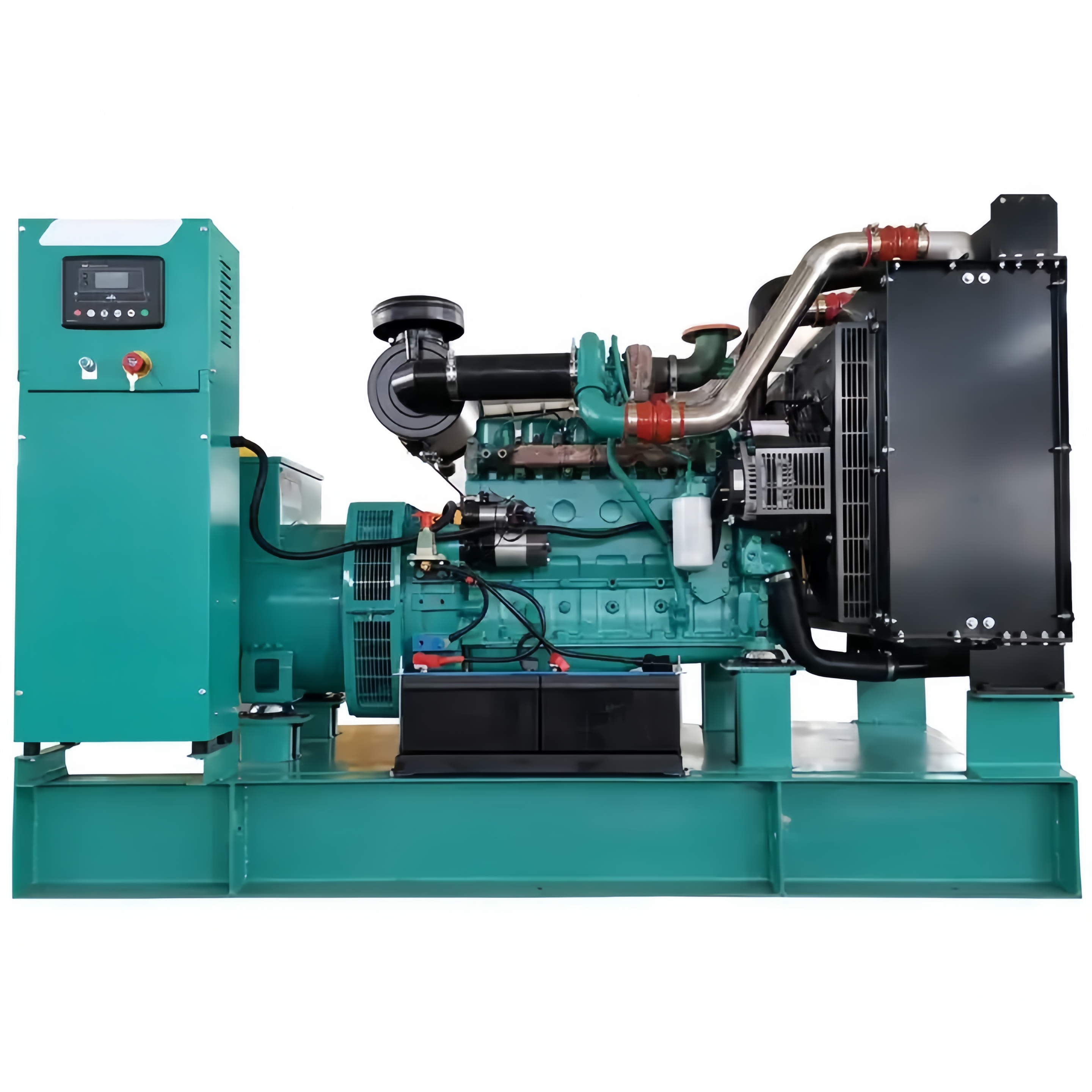
The reality of power generator continuous operation is that there is no fixed maximum runtime. Instead, a power generator operates based on fuel availability and maintenance requirements. Large industrial-grade power generators with significant fuel tanks can theoretically run indefinitely as long as fuel is supplied and routine maintenance is performed on schedule. However, residential and smaller commercial power generators typically have runtime constraints related to their fuel tank capacity and design specifications.
Fuel Supply and Tank Capacity
Understanding Fuel Tank Limitations
The primary factor determining how long a power generator can run continuously is fuel availability. A power generator with a 100-gallon fuel tank running at 50 percent load on diesel fuel will operate for approximately 12 to 16 hours before requiring a refill. The same power generator running at 75 percent load may only last 8 to 10 hours. This inverse relationship between load and runtime means that a power generator's actual continuous operation duration is directly tied to fuel consumption rates and tank size. Industrial-scale power generators often feature larger fuel storage systems or external fuel supply connections, enabling extended operation periods without interruption.
Fuel Type and Consumption Efficiency
Different fuel types affect how long a power generator can run continuously. Diesel-powered models generally offer superior fuel efficiency compared to gasoline variants, allowing a power generator to operate longer on the same fuel volume. A power generator burning diesel at full load consumes less fuel per megawatt-hour than equivalent gasoline units. Additionally, modern power generator engines with advanced fuel injection systems and turbochargers optimize combustion efficiency, extending runtime between refueling intervals. For businesses requiring extended backup power, selecting a diesel-powered power generator is a critical decision that directly impacts operational continuity and fuel costs.
Maintenance Intervals and Engine Health
Oil Changes and Service Requirements
A power generator cannot run indefinitely without maintenance, and scheduled service directly affects continuous operation capability. Most manufacturers recommend oil changes for a power generator every 150 to 250 hours of operation, depending on engine type and fuel quality. Neglecting these intervals causes engine degradation, increased friction, and eventual failure. Professional-grade power generators used in critical infrastructure or industrial settings often incorporate extended oil drain intervals through synthetic lubricants, allowing a power generator to operate longer between service windows. When planning continuous runtime for a power generator, facility managers must factor in scheduled maintenance windows that interrupt operation temporarily but ensure long-term reliability.
Filter Replacement and Fuel Quality
The longevity of a power generator during continuous operation depends significantly on fuel filter quality and maintenance discipline. Contaminated fuel clogs filters, forcing a power generator to work harder and consume more fuel while producing less power. Replacing fuel and air filters according to manufacturer specifications ensures your power generator maintains optimal efficiency throughout extended runtime periods. High-quality diesel or gasoline stored properly prevents water accumulation and microbial growth, both of which degrade power generator performance. Industrial operators managing critical backup systems invest in fuel polishing equipment to maintain fuel quality, allowing their power generator to sustain peak performance during prolonged continuous operation scenarios.
Load Management and Runtime Optimization
Understanding Load Percentage Impact
The load placed on a power generator directly determines how long it can run continuously. Most power generator specifications list runtime at 50 percent, 75 percent, and 100 percent load levels because fuel consumption varies dramatically across these operating conditions. A power generator running at 25 percent load uses significantly less fuel than the same model at full capacity, extending potential continuous runtime by several hours or more. Strategic load management in industrial environments allows facility managers to prioritize critical systems and extend a power generator's continuous operation window during fuel shortages or supply chain disruptions. Understanding your power generator's load-to-runtime curve enables better capacity planning and emergency preparedness.
Parallel Operation and Redundancy
Advanced industrial facilities employ multiple power generator units operating in parallel to achieve longer continuous runtime while distributing load stress. When two identical power generators share electrical load, each unit operates at lower percentage capacity, improving fuel efficiency and extending overall system runtime. This configuration allows a power generator network to theoretically run indefinitely if fuel supply logistics support continuous refueling. Parallel-connected power generators also provide redundancy, meaning if one unit requires maintenance, others continue supplying power. For mission-critical applications requiring extended continuous operation, investing in multiple power generator sets with automatic switching and load-balancing controls represents the most reliable approach to uninterrupted power supply.
Practical Continuous Operation Scenarios
Industrial and Commercial Applications
Real-world deployments of power generator systems demonstrate that continuous operation for weeks or months is achievable with proper planning. Data centers, hospitals, and telecommunications facilities operate backup power generator systems continuously during extended power grid outages. These installations pair large-capacity diesel power generators with dedicated fuel delivery infrastructure, allowing a power generator to run continuously as long as the external fuel supply remains available. A power generator in such environments receives routine maintenance during pre-scheduled windows, often rotating multiple units through service cycles to maintain power availability. The practical limit of power generator continuous operation in these scenarios depends entirely on fuel logistics and maintenance planning rather than any inherent equipment limitation.
Emergency Response and Disaster Recovery
Emergency management agencies deploy large power generator systems capable of continuous operation for extended disaster recovery periods. During hurricanes, earthquakes, or extended infrastructure failures, a power generator with adequate fuel supplies can sustain critical operations for 30 days or longer. Mobile power generator units are strategically positioned with fuel tankers to replenish supplies, ensuring continuous operation throughout emergency periods. These large-scale power generator deployments prioritize essential services like hospitals, water treatment facilities, and emergency operations centers. The success of such operations depends on coordinating power generator runtime expectations with fuel delivery schedules and maintenance crew availability, demonstrating that extended continuous operation is feasible with comprehensive planning.
FAQ
Can a power generator run 24 hours continuously without issues?
Yes, a well-maintained power generator can safely run 24 hours continuously, provided it has adequate fuel supply and receives scheduled maintenance. Most modern power generators are designed for extended operation, with engines rated for 20,000 to 30,000 hours of continuous runtime over their operational lifetime. However, a power generator should have oil levels checked regularly during extended runs, fuel quality monitored, and filters inspected. Manufacturers recommend stopping a power generator every 200 to 400 operating hours for maintenance checks, even during continuous operation scenarios. Proper preparation and monitoring make 24-hour continuous power generator operation a standard practice in industrial and emergency settings.
What factors reduce a power generator's continuous runtime?
Several factors limit how long a power generator can run continuously, with fuel tank capacity being the most obvious constraint. Operating a power generator at full load consumes fuel rapidly, reducing runtime compared to partial load operation. Environmental conditions like extreme heat increase cooling system demand, causing a power generator to consume more fuel. Poor fuel quality introduces contaminants that clog filters and degrade power generator efficiency. Deferred maintenance also reduces runtime as worn components force a power generator to work harder and consume more fuel. Altitude and humidity affect air density, influencing engine combustion efficiency and overall power generator performance during continuous operation periods.
How can I extend my power generator's continuous runtime?
Extending a power generator's continuous runtime requires a multi-faceted approach combining fuel management, load optimization, and maintenance discipline. Installing a larger external fuel tank directly increases runtime without modifying the power generator itself. Reducing electrical load on a power generator through load shedding or prioritization extends runtime significantly since lower-load operation consumes less fuel. Maintaining a power generator according to manufacturer schedules preserves engine efficiency, allowing it to produce more power with less fuel consumption. Investing in synthetic oils and high-quality diesel fuel improves power generator performance and extends intervals between maintenance activities. For critical applications, implementing parallel power generator configurations provides redundancy while allowing extended continuous operation through coordinated fuel and maintenance management.