 EN
EN

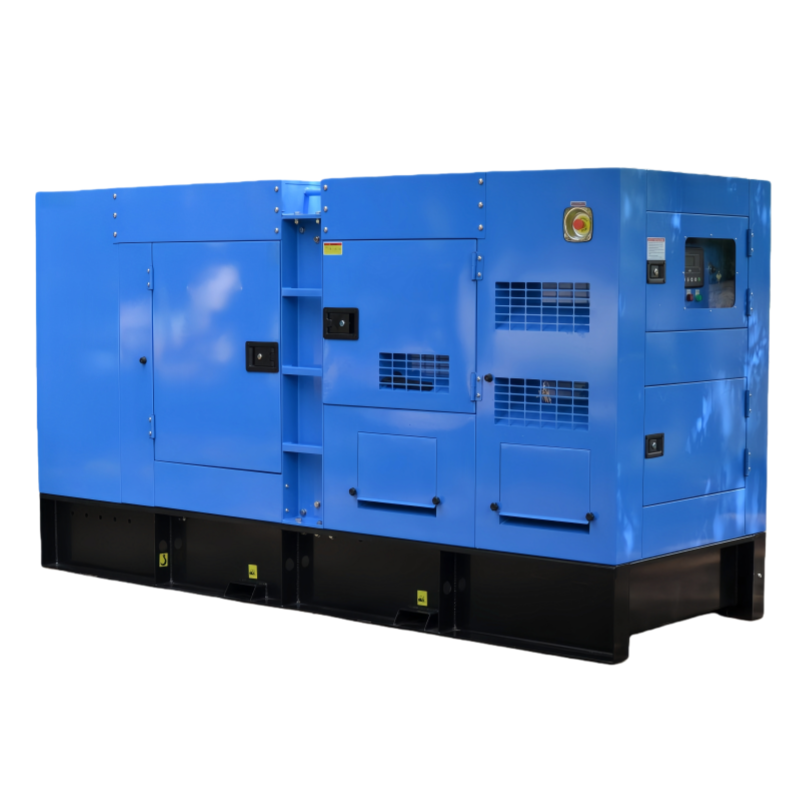
Getting generator sizing right is one of the most critical decisions in any industrial project. When generator sizing is handled incorrectly, the consequences range from frequent equipment failures to costly operational downtime. Industrial facilities depend on reliable power, and errors made during the generator sizing phase can undermine an entire power system design before a single machine ever runs.
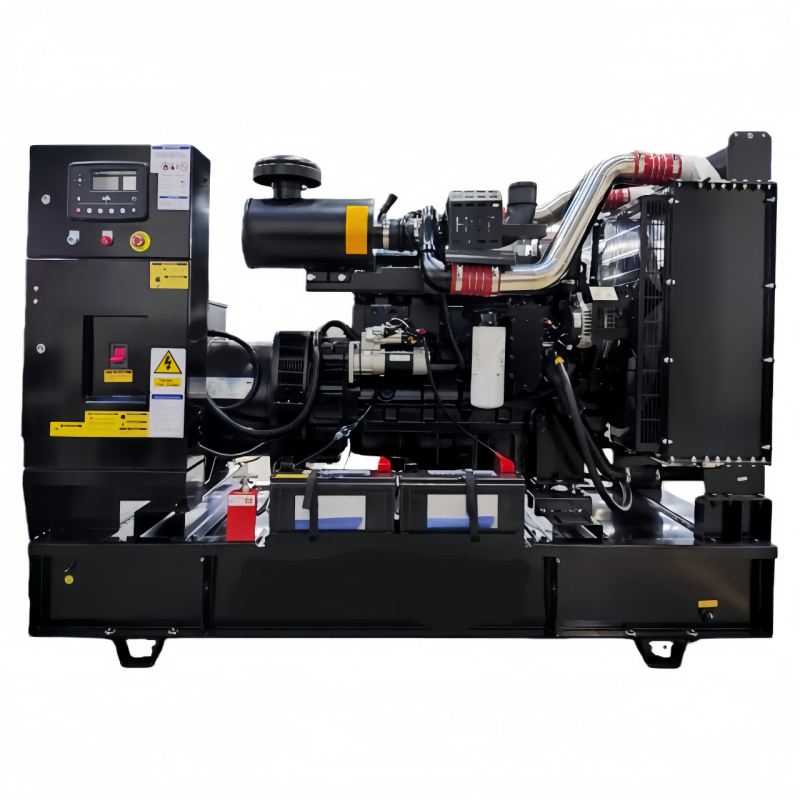
Understanding where generator sizing goes wrong helps project engineers, procurement managers, and facility planners make smarter choices. This article examines the most common generator sizing mistakes observed across industrial environments, explains why they occur, and offers practical guidance to avoid them. Whether you are planning a new facility or upgrading an existing power system, accurate generator sizing is non-negotiable.
Underestimating Load Requirements
Failing to Account for Total Connected Load
One of the most frequent generator sizing mistakes is calculating load based only on average consumption rather than total connected load. Industrial sites often run multiple high-draw machines simultaneously, and generator sizing must account for all connected equipment at peak demand. Ignoring startup surges from motors, compressors, and HVAC systems leads to a generator that trips under real operating conditions. Proper generator sizing requires a detailed load audit that captures every electrical load in the facility, not just the obvious ones.
Ignoring Future Load Growth
Generator sizing that only reflects today's load will fail tomorrow. Industrial projects frequently expand, adding new production lines, automation systems, or auxiliary equipment. When generator sizing does not include a growth buffer, facilities are forced into expensive generator replacements or parallel additions within a few years. A sound generator sizing approach factors in projected load increases over a five-to-ten year horizon, building in adequate headroom without grossly oversizing the unit.
Misapplying Power Factor and Efficiency Assumptions
Overlooking Power Factor in Generator Sizing Calculations
Power factor is frequently misunderstood or simply ignored during generator sizing. Industrial loads are rarely purely resistive. Motors, welding equipment, and variable frequency drives introduce significant reactive power demand, reducing the effective power factor well below 1.0. When generator sizing is based on kilowatt demand alone without correcting for power factor, the generator is effectively undersized in terms of kilovolt-ampere capacity. Accurate generator sizing requires converting real power requirements into apparent power using the actual power factor of the connected load mix.
Using Incorrect Efficiency Assumptions
Another generator sizing mistake involves assuming the generator will operate at or near its rated efficiency across all load levels. In practice, generator sizing must consider derating factors related to altitude, ambient temperature, and fuel quality. A generator sized for sea-level performance may deliver noticeably less output at a high-altitude industrial site. Generator sizing calculations should always include manufacturer-specified derating tables and site-specific environmental conditions to ensure the rated capacity is genuinely achievable on-site.
Neglecting Transient and Harmonic Load Behavior
Underestimating Motor Starting Demands in Generator Sizing
Motor starting currents can reach five to seven times the normal running current, and this transient demand is one of the most mishandled aspects of generator sizing. Industrial projects commonly involve large induction motors for pumps, fans, and conveyors. If generator sizing does not account for these starting transients, voltage dips and frequency instability will occur during each motor start event. Proper generator sizing includes a step-load analysis that evaluates how the generator responds to the largest single motor start and whether voltage recovery falls within acceptable limits.
Ignoring Harmonic Distortion from Non-Linear Loads
Modern industrial facilities increasingly rely on variable speed drives, uninterruptible power supplies, and rectifier-based equipment. These non-linear loads generate harmonic currents that distort the generator's voltage waveform. Generator sizing that ignores harmonic content can result in overheating of the alternator windings and nuisance tripping of sensitive control systems. When harmonic-producing loads make up a significant portion of the connected load, generator sizing should specify an alternator with a low subtransient reactance and consider specifying harmonic mitigation measures as part of the overall power system design.
FAQ
What is the most common generator sizing mistake in industrial projects?
The most common generator sizing mistake is underestimating peak demand by relying on average consumption data rather than full connected load analysis. This leads to a generator that cannot handle simultaneous startup events or peak production cycles, resulting in voltage collapse or automatic shutdown. Thorough generator sizing always starts with a complete load schedule that captures every load and its operating pattern.
How does power factor affect generator sizing decisions?
Power factor directly affects generator sizing because generators are rated in kilovolt-amperes, not just kilowatts. When industrial loads have a low power factor, the generator must supply more apparent power than the real power demand suggests. Generator sizing that ignores power factor results in an undersized unit that cannot sustain the reactive power needs of the load, leading to voltage instability and potential overloading of the alternator.
Should generator sizing include a safety margin for future expansion?
Yes, generator sizing should always incorporate a capacity reserve for future load growth. Most industrial generator sizing guidelines recommend sizing the generator to operate at no more than 70 to 80 percent of its rated capacity under normal running conditions. This reserve allows for load additions without requiring immediate generator replacement and also ensures the generator runs within an efficient and thermally stable operating range during normal production cycles.