 EN
EN

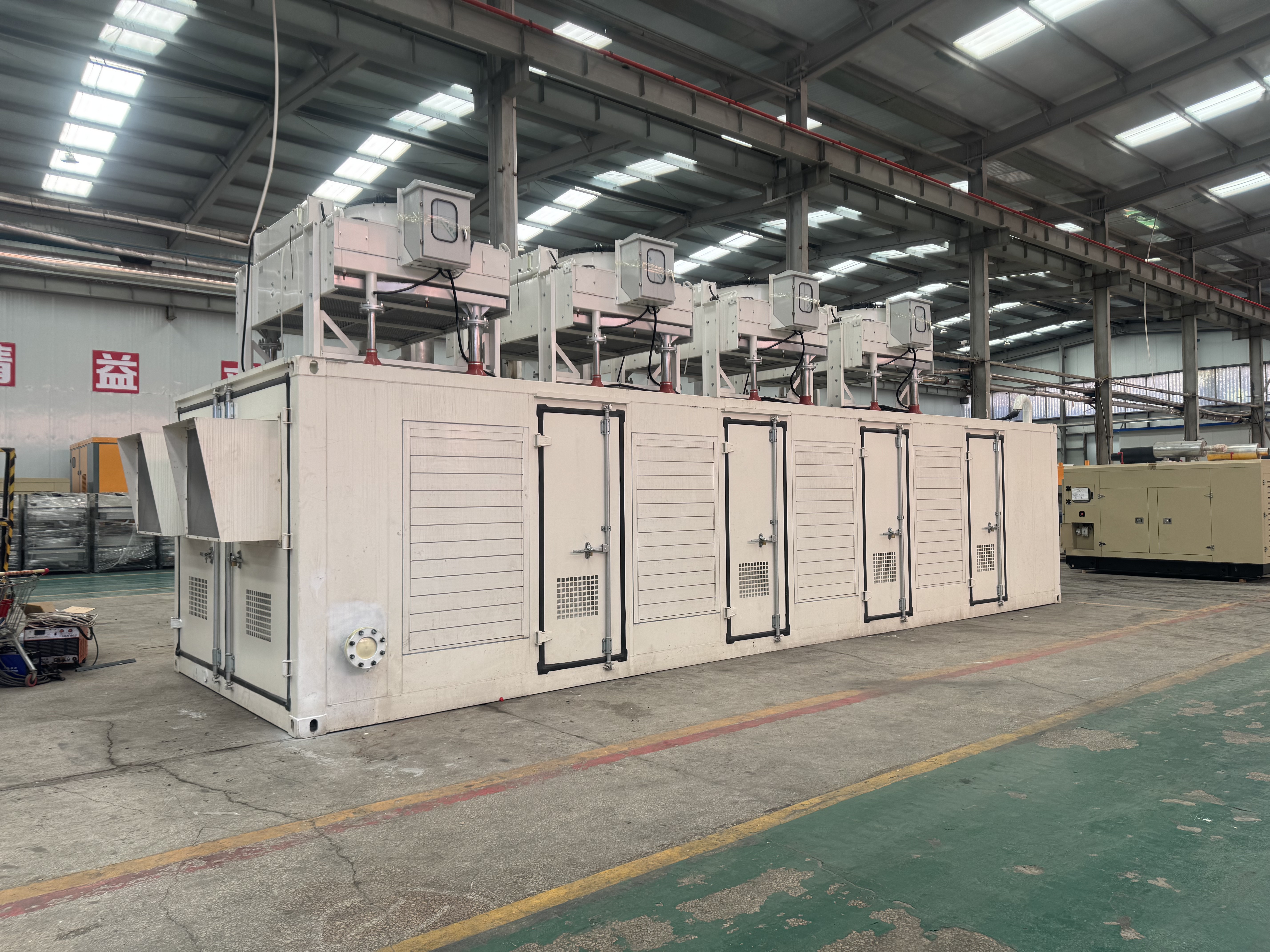
Selecting silent generators for urban environments and indoor facilities demands rigorous attention to acoustic performance, emission compliance, and spatial constraints that differ fundamentally from open-field or industrial applications. In densely populated areas and climate-controlled interior spaces, conventional generator installations often violate noise ordinances, compromise air quality, and disrupt operations. The specification process must address multiple engineering disciplines simultaneously: acoustic attenuation engineering to meet strict decibel limits, ventilation design that ensures adequate combustion air without introducing outdoor noise, and structural integration that prevents vibration transmission through building frameworks. Urban planners, facility managers, and consulting engineers increasingly recognize that silent generators represent not merely quieter equipment but complete acoustic enclosure systems engineered to specific performance standards.

The critical standards governing silent generator specification span regulatory frameworks, technical performance benchmarks, and application-specific criteria that collectively determine installation success. Municipal noise ordinances typically establish baseline requirements, but these general limits prove insufficient for applications like healthcare facilities requiring ISO 14644 cleanroom compatibility or mixed-use developments where residential units share walls with mechanical rooms. Effective specification requires understanding how international standards such as ISO 3744 for sound power measurement, EPA Tier 4 emission regulations, and NFPA 110 emergency power requirements interact with site-specific architectural acoustics and operational demands. This article examines the essential standards and specification criteria that ensure silent generator installations meet performance expectations while maintaining regulatory compliance across urban and indoor deployment scenarios.
Acoustic Performance Standards and Measurement Protocols
Understanding Decibel Ratings and Regulatory Thresholds
Silent generators must meet specific sound pressure level targets measured at standardized distances, typically seven meters from the enclosure perimeter in accordance with ISO 3744 methodology. Urban noise ordinances commonly establish limits between 45 and 65 dBA depending on zoning classification and time of day, with residential zones enforcing the most stringent requirements. The specification process must distinguish between sound pressure levels, which decrease with distance, and sound power levels, which represent the total acoustic energy output independent of measurement location. Many manufacturers advertise sound pressure readings taken at optimal distances under ideal conditions, creating potential specification errors when these figures are applied to constrained urban sites where reflection surfaces and proximity to sensitive receivers amplify perceived noise.
Professional specification of silent generators requires analysis of the complete acoustic spectrum, not merely A-weighted overall levels. Low-frequency components below 125 Hz penetrate building structures more effectively than mid-range frequencies, often causing vibration-induced noise in adjacent spaces despite acceptable overall decibel readings. The specification must address both airborne noise transmission through ventilation openings and structure-borne vibration transmitted through mounting systems and connected piping. Urban applications frequently require acoustic consultants to perform site-specific modeling that accounts for reflective surfaces, building geometry, and ambient noise floors to establish realistic performance targets. Indoor installations face additional complexity because reverberation within mechanical rooms can elevate sound pressure levels by 3 to 6 dB compared to free-field conditions, necessitating more aggressive attenuation than outdoor installations of equivalent generators.
Enclosure Design Standards and Acoustic Treatment
The acoustic enclosure represents the primary noise control element in silent generators, employing mass-loaded barriers, acoustic absorption materials, and structural isolation to achieve specified attenuation levels. Effective enclosures utilize multi-layer construction with exterior steel panels providing mass barrier effect, intermediate airspace breaking acoustic bridging, and interior absorption layers dissipating reflected sound energy. The specification must define minimum transmission loss values across octave bands from 63 Hz to 8 kHz, ensuring balanced attenuation rather than addressing only mid-frequency ranges where A-weighting emphasizes human hearing sensitivity. Urban installations often require custom enclosure designs that extend attenuation capabilities beyond standard offerings, particularly for applications near hospitals, recording studios, or luxury residential developments where ambient noise floors remain exceptionally low.
Ventilation openings present the most significant acoustic challenge in silent generator enclosures because combustion air requirements mandate substantial airflow paths that compromise sound barrier integrity. Industrial-grade acoustic louvers with baffled designs provide 15 to 25 dB insertion loss while maintaining adequate free area for combustion air intake and cooling system discharge. The specification must balance acoustic performance against thermal management, as excessive restriction of airflow degrades engine performance and reduces equipment lifespan through elevated operating temperatures. Advanced silent generator designs incorporate acoustic plenums that create tortuous paths for sound propagation while allowing relatively unrestricted airflow, though these systems add substantial cost and spatial volume to the installation. Indoor applications frequently require ducted ventilation systems with inline silencers to route combustion air from exterior penetrations through acoustically treated pathways, adding complexity to both specification and installation coordination.
Vibration Isolation and Structure-Borne Noise Control
Structure-borne vibration transmission often becomes the limiting factor in achieving silent generator performance within buildings, as reciprocating engine forces couple through mounting systems into building structures that act as sounding boards. Specification must address isolation frequency, which determines the effectiveness of vibration isolation systems across the operational speed range of the generator set. Spring isolators provide effective isolation at frequencies above their natural resonance, typically requiring isolation frequencies below 10 Hz for diesel generators operating at 1500 or 1800 rpm. Inertia bases add mass to the isolated system, lowering the combined center of gravity and improving stability while enhancing low-frequency isolation effectiveness through increased system mass.
The specification of vibration isolation systems must consider not only the generator set itself but all connected services including fuel lines, exhaust systems, and electrical conduits that can create acoustic flanking paths. Flexible connectors in fuel and exhaust systems prevent transmission of vibratory forces, while electrical conduits should incorporate flexible sections or utilize cable trays with isolation breaks. Indoor installations in multi-story buildings require particular attention to isolation system performance because even minimal vibration transmission can excite structural resonances that radiate noise into occupied spaces several floors away from the generator location. The specification should reference standards such as ASHRAE Applications Handbook guidelines for vibration isolation, which provide selection criteria based on equipment type, operating speed, and installation sensitivity. Premium silent generator installations may incorporate floating floor systems that isolate the entire mechanical room, though these solutions add substantial cost and require careful structural engineering to ensure adequate load support.
Emission Standards and Indoor Air Quality Requirements
EPA Tier Standards and Regional Emission Regulations
Urban and indoor deployment of silent generators must comply with progressively stringent emission standards that vary by regional jurisdiction and generator capacity. EPA Tier 4 Final standards represent the most demanding requirements for non-road diesel engines in North America, mandating particulate matter reductions to 0.02 grams per kilowatt-hour and nitrogen oxide limits of 0.67 grams per kilowatt-hour for emergency standby generators. Equivalent European Stage V regulations impose similar constraints while adding particle number limits that affect diesel particulate filter specifications. The selection of emission control technology fundamentally impacts silent generator design, as aftertreatment systems including diesel oxidation catalysts, selective catalytic reduction, and diesel particulate filters add complexity, maintenance requirements, and potential performance limitations under the intermittent duty cycles typical of emergency standby applications.
Indoor generator installations face additional scrutiny regarding emission dispersion and ventilation system design to prevent accumulation of combustion byproducts within occupied spaces. While emergency generators typically operate only during power outages and periodic testing, even brief operation can introduce significant quantities of carbon monoxide, nitrogen oxides, and particulate matter into mechanical rooms with inadequate ventilation. Specification must ensure exhaust systems discharge at sufficient elevation and distance from air intakes, operable windows, and outdoor spaces to prevent re-entrainment of emissions. ASHRAE Standard 62.1 provides minimum ventilation rates for mechanical equipment rooms, though these general guidelines may prove insufficient for generator installations requiring combustion air quantities that exceed normal mechanical ventilation design parameters. Urban applications in air quality non-attainment areas often face additional permitting requirements that limit annual operating hours or mandate specific emission control technologies regardless of generator capacity or duty classification.
Exhaust System Design and Dispersion Modeling
The exhaust system represents a critical interface between silent generators and building occupants, requiring careful design to achieve adequate dispersion while maintaining acoustic performance and preventing visual intrusion in urban contexts. Exhaust flow velocities must balance competing requirements: sufficient velocity to achieve plume rise and dispersion, yet not so excessive as to create flow noise that undermines acoustic enclosure performance. Specification typically targets exhaust velocities between 25 and 40 meters per second at the discharge point, though urban installations may require reduced velocities with correspondingly larger exhaust pipe diameters to minimize noise generation. The exhaust system must incorporate critical-grade silencers that provide 25 to 35 dB insertion loss across broad frequency ranges without creating excessive backpressure that degrades engine performance.
Dispersion modeling using EPA SCREEN3 or equivalent computational tools helps establish minimum exhaust discharge heights relative to nearby air intakes and occupied spaces. Urban sites with limited available discharge height may require dilution air injection systems that reduce exhaust temperature and increase plume buoyancy, though these systems add complexity and energy consumption. The specification must address condensate management in exhaust systems, as cooling of exhaust gases in long vertical runs or external silencers can produce acidic condensate that corrodes system components and creates maintenance issues. Exhaust rain caps and terminal fittings require careful selection to prevent water intrusion during shutdown periods while avoiding excessive flow restriction or noise generation during operation. Indoor generator installations typically utilize building penetrations for exhaust systems that require fire-rated seals, structural support provisions, and thermal insulation to protect building materials from high exhaust temperatures, all while maintaining acoustic integrity through the building envelope.
Combustion Air Management in Confined Spaces
Indoor silent generator installations demand rigorous combustion air supply calculations to ensure adequate oxygen availability while managing ventilation system noise and maintaining building pressurization control. Diesel engines consume approximately 3.5 to 4.5 cubic meters of air per liter of fuel burned, translating to substantial volumetric flow requirements that can overwhelm standard mechanical room ventilation systems. Specification must account for not only engine combustion air demand but also radiator cooling airflow if the generator utilizes radiator cooling rather than remote heat exchangers with separated cooling loops. The combined airflow requirement often exceeds 200 air changes per hour in the mechanical room, necessitating dedicated combustion air intake systems with acoustic treatment to prevent the ventilation system from undermining enclosure acoustic performance.
Combustion air intake systems for indoor silent generators must address multiple simultaneous requirements: sufficient free area to limit static pressure loss below manufacturer specifications, acoustic treatment to prevent noise intrusion from exterior sources, and weather protection to exclude rain and snow while minimizing pressure drop. Motorized dampers in combustion air intake systems provide thermal protection during standby periods, preventing cold air infiltration that could freeze associated piping or cooling systems. However, damper systems must incorporate fail-safe operation with battery backup or pneumatic spring-return mechanisms to ensure automatic opening upon generator start command, as combustion air starvation causes rapid engine damage and prevents successful emergency power restoration. The specification should require combustion air intake locations that draw from clean exterior zones away from loading docks, parking structures, or other sources of contaminated air that could introduce debris into engine intake systems. Indoor applications in high-rise buildings may utilize vertical shafts to route combustion air from roof-level intakes to basement generator locations, though these configurations add substantial cost and require acoustic treatment throughout the shaft length.
Electrical and Installation Standards for Critical Applications
NFPA 110 Compliance and Emergency Power System Classifications
National Fire Protection Association Standard 110 establishes comprehensive requirements for emergency and standby power systems, defining performance classifications that govern silent generator specifications for critical facilities. Level 1 systems serving life safety applications including hospital operating rooms and exit lighting must restore power within 10 seconds of utility failure, while Level 2 systems supporting less critical loads permit longer transfer times up to 60 seconds. The specification must address installation type classifications that determine maintenance requirements and testing protocols: Type 10 systems require monthly testing under full load, while less critical Type classification systems may test on extended schedules. Urban healthcare facilities and high-rise residential buildings typically require NFPA 110 Level 1 systems, imposing stringent requirements on silent generator transfer switch coordination, fuel system design, and load bank testing capabilities.
NFPA 110 compliance extends beyond the generator set itself to encompass complete systems including fuel storage with day tanks maintaining two-hour runtime capacity at rated load, automatic transfer switches with bypass isolation provisions for maintenance continuity, and comprehensive monitoring systems providing local and remote status indication. The standard mandates specific fuel quality maintenance practices including periodic testing, filtration, and biocide treatment to ensure reliable starting during extended standby periods common in urban installations with high utility reliability. Silent generators serving NFPA 110 applications must incorporate redundant battery charging systems, block heaters maintaining engine temperatures above 32°C for reliable cold-weather starting, and enclosure heating systems preventing fuel gelling and battery degradation. The specification should reference specific NFPA 110 system type and class designations to establish unambiguous performance expectations rather than generic emergency power terminology that permits varied interpretations.
Load Calculation and Transient Response Requirements
Proper specification of silent generators requires detailed load analysis that accounts for simultaneous starting currents, motor acceleration transients, and the sequential restoration of building systems during utility outage recovery. Healthcare facilities with sophisticated HVAC systems, medical imaging equipment, and extensive lighting loads present particularly complex load profiles that challenge generator transient response capabilities. The specification must distinguish between continuous rated capacity, which the generator can support indefinitely at rated ambient conditions, and short-term overload capacity required for motor starting transients that may reach six times running current for several seconds. Modern silent generators with digital voltage regulators achieve transient voltage regulation within ±10 percent during single-step load applications up to rated capacity, representing significant improvement over older electromechanechanical governing systems.
Load bank testing provisions must appear in specifications for critical silent generator applications to validate actual performance under realistic operating conditions rather than relying solely on manufacturer nameplate ratings. Monthly testing under NFPA 110 requirements should include load bank supplementation to achieve minimum 30 percent rated load when building loads prove insufficient, preventing wet stacking and carbon buildup that degrades engine performance over time. Annual testing should exercise generators at 100 percent rated load for minimum two-hour durations to validate cooling system performance, fuel system integrity, and exhaust system adequacy under sustained operation. Indoor silent generator installations face particular challenges conducting load bank testing because supplemental heat rejection from resistive load banks can overwhelm mechanical room ventilation systems designed for generator waste heat alone. The specification should address load bank connection provisions including appropriate circuit breakers, cable termination facilities, and either permanent outdoor installation of load banks or access provisions for portable equipment during testing events.
Seismic Restraint and Structural Integration Standards
Silent generators in urban applications, particularly those serving critical facilities in seismically active regions, must comply with seismic restraint requirements established by International Building Code provisions and referenced standards including ASCE 7. Seismic certification requires analysis of equipment component importance factor, seismic design category based on site soil conditions and building occupancy, and component amplification factors that account for mounting elevation within the building structure. Generators mounted on upper floors of buildings experience greater seismic accelerations than ground-floor installations, potentially requiring more robust restraint systems and affecting vibration isolation design that must accommodate both normal operational isolation and seismic restraint functions simultaneously.
Specification must address the interconnection between vibration isolation systems and seismic restraint systems, as these functions involve contradictory design objectives: isolation systems should minimize stiffness to achieve low natural frequencies, while seismic restraint systems require high stiffness to limit displacement during seismic events. Contemporary seismic isolation systems incorporate snubbing restraints that allow free vibration isolation under normal operational deflections but engage rigid limits during seismic displacements exceeding operational amplitudes. The specification should require detailed structural analysis confirming adequate floor loading capacity for generator installation including inertia base mass, fuel storage systems, and acoustic enclosure weight that collectively may exceed three times the generator nameplate weight alone. Indoor installations must coordinate floor penetrations for fuel lines and exhaust systems with structural framing members, often requiring supplemental framing and fire-rated seals that maintain building compartmentation. Urban high-rise applications may necessitate crane access provisions or modular generator designs that permit transportation through standard building openings and elevator systems, constraining available equipment options and affecting acoustic enclosure configurations.
Fuel System Standards and Urban Installation Constraints
Fuel Storage Regulations and Fire Code Compliance
Urban silent generator installations must navigate complex fuel storage regulations that vary significantly based on jurisdictional authority, building occupancy classification, and storage quantity. International Fire Code and NFPA 30 establish baseline requirements limiting fuel storage quantities in building mechanical rooms, typically restricting diesel storage to 660 liters above grade and 2,500 liters below grade without requiring separate fire-rated enclosures. Healthcare facilities and high-rise residential buildings often trigger more restrictive limits based on occupancy classification and proximity to property lines. The specification must balance runtime requirements against storage constraints, often necessitating day tank systems with automatic replenishment from larger remote bulk storage tanks located at ground level or below-grade vaults that comply with fire separation requirements.
Double-wall fuel storage tanks with interstitial monitoring represent standard practice for indoor and urban silent generator installations, providing leak detection and environmental protection that satisfies both fire codes and environmental regulations. The specification should mandate listed and approved tank construction complying with UL 142 standards for aboveground tanks or UL 2085 for protected aboveground tanks requiring fire resistance. Fuel system design must incorporate leak detection provisions, automatic shutoff valves, and spill containment consistent with EPA Spill Prevention Control and Countermeasure (SPCC) requirements applicable to facilities with aggregate fuel storage exceeding 4,920 liters. Urban installations face additional scrutiny regarding fuel delivery access, as tank filling operations must prevent spills on public sidewalks and roadways while maintaining adequate separation from building air intakes and occupied spaces. Remote fill connections with camlock fittings and overfill prevention devices provide controlled fuel delivery that minimizes environmental exposure and operational disruption during replenishment activities.
Fuel Quality Management and Cold Weather Performance
Silent generators serving critical applications in urban environments require fuel quality maintenance protocols that ensure reliable starting and operation after extended standby periods characteristic of high-reliability utility grids. Diesel fuel degradation through oxidation, microbial growth, and water accumulation compromises ignition quality and can cause fuel system component failure that prevents successful generator starting during power outages. The specification should mandate fuel polishing systems with periodic circulation, filtration, and water separation to maintain fuel quality throughout storage periods potentially extending multiple years between generator runtime cycles. Fuel additives including biocides, stabilizers, and cetane improvers help maintain fuel quality, though specification should emphasize proper storage conditions including full tanks minimizing water condensation and temperature control preventing accelerated degradation.
Cold weather operation presents particular challenges for silent generators in northern urban environments where mechanical room temperatures may drop substantially during winter utility outages exceeding building thermal mass capacity. Diesel fuel gelling at temperatures approaching -10°C causes fuel system blockage and starting failure despite adequate battery capacity and engine preheating. Specification must address seasonal fuel blending with appropriate cold flow improver additives or winter-grade fuel meeting ASTM D975 Grade 1D or 2D classification with cloud point temperatures below anticipated ambient conditions. Engine block heaters maintaining coolant temperatures above 32°C ensure reliable starting and reduce wear during cold starts, while fuel system heaters prevent wax crystal formation in fuel filters and injection components. Indoor installations benefit from mechanical room heating that maintains minimum temperatures above 10°C, though specification must ensure heating system operation during utility outages through generator-backed circuits or independent propane heating that functions during electrical failures.
Runtime Capacity and Refueling Logistics
Silent generator specifications must establish runtime capacity targets that reflect realistic expectations for extended utility outages while acknowledging fuel storage constraints common in urban installations. Healthcare facilities regulated under Centers for Medicare and Medicaid Services (CMS) requirements must maintain 96-hour runtime capacity at average essential electrical load, substantially exceeding the 24 to 48-hour capacity typical of commercial and residential applications. The calculation of runtime capacity must account for actual building load profiles rather than peak design loads, as simultaneous operation of all building systems rarely occurs in practice. Sophisticated control systems incorporating load shedding sequences extend runtime by prioritizing critical loads during fuel supply constraints, though specification must ensure these systems maintain life safety functions including exit lighting, fire alarm systems, and minimum ventilation in occupied spaces.
Urban installation constraints often preclude on-site bulk fuel storage adequate for extended runtime requirements, necessitating refueling logistics planning and supplier arrangements ensuring fuel delivery during widespread outages affecting multiple facilities simultaneously. The specification should address auxiliary fuel connections permitting truck-to-tank direct delivery that bypasses fill pipe restrictions and accelerates refueling during emergency operations. Facilities in hurricane-prone coastal regions or areas susceptible to ice storms causing multi-day outages may require permanent auxiliary tanks or trailer-mounted portable tanks providing supplemental capacity during seasonal high-risk periods. Fuel sharing arrangements between nearby facilities offer potential efficiency improvements, though specification must ensure adequate fuel reserve for the subject facility before considering mutual aid frameworks. The specification should mandate fuel delivery contracts with multiple suppliers providing redundancy during supply chain disruptions that may accompany widespread disasters affecting urban areas, ensuring reliable fuel access when generator operation becomes most critical for facility continuity.
Integration with Building Management and Safety Systems
Monitoring and Remote Management Requirements
Modern silent generators serving urban and indoor applications must integrate with building management systems providing comprehensive monitoring, remote diagnostics, and performance trending that supports predictive maintenance and regulatory compliance documentation. The specification should mandate communication protocols including Modbus, BACnet, or SNMP enabling bidirectional data exchange between generator controllers and facility management platforms. Critical data points including voltage and frequency parameters, engine operating temperatures and pressures, fuel level monitoring, and battery charging system status require continuous logging with alarm notification escalation for parameters exceeding acceptable ranges. Cloud-based monitoring platforms enable remote access by facility management personnel, maintenance contractors, and equipment manufacturers supporting rapid troubleshooting and minimizing downtime during service events.
Historical data trending provides valuable insights into generator performance degradation, enabling proactive component replacement before failures occur during critical utility outage events. Specification should require data retention periods minimum one year with exportable formats supporting regulatory compliance documentation and operational analysis. Advanced monitoring systems incorporate predictive algorithms that analyze operating parameters and identify emerging issues including cooling system degradation, battery deterioration, or fuel system contamination requiring intervention. Urban facilities with multiple generators benefit from centralized monitoring dashboards providing fleet-wide visibility and enabling comparative performance analysis identifying outlier units requiring additional attention. The integration of generator monitoring with facility fire alarm and security systems enables coordinated response during emergencies, automatically notifying facility management and emergency responders when generator operation commences, ensuring appropriate personnel awareness during critical events affecting building operations.
Life Safety System Coordination and Code Compliance
Silent generator installations must coordinate with life safety systems including fire alarm, smoke control, emergency lighting, and fire pump power supplies that maintain function during utility outages. NFPA 72 requires fire alarm systems including notification appliances and detection devices to operate continuously during power failures through backup batteries providing minimum 24-hour capacity, with generator power restoration ensuring indefinite operation during extended outages. The specification must address transfer switch coordination ensuring life safety circuits transfer to generator power within time limits prescribed by applicable codes, typically 10 seconds for fire pump applications and 60 seconds for emergency lighting systems. Selective coordination analysis ensures circuit protective devices operate in proper sequence, isolating faults without causing upstream breaker trips that de-energize entire emergency distribution systems.
Smoke control systems in high-rise buildings rely on generator power to maintain stairwell pressurization and exhaust fan operation enabling occupant evacuation during fires coinciding with utility failures. The specification must ensure adequate generator capacity for simultaneous operation of smoke control equipment, fire pumps, emergency lighting, and fire alarm systems representing worst-case loading scenarios during fire events. Monthly and annual testing protocols should exercise these combined loads validating system integration and identifying control sequence errors that might prevent proper operation during actual emergencies. Indoor generator installations require particular attention to exhaust system routing preventing smoke or combustion gases from entering exit stairwells or areas of refuge that serve as evacuation routes. The specification should mandate exhaust discharge locations minimum 6 meters from stairwell ventilation intakes and operable windows in residential units, with dispersion analysis confirming adequate dilution before exhaust plumes reach sensitive building openings during generator operation accompanying fire scenarios.
Maintenance Access and Operational Safety Provisions
Specification of silent generators for urban and indoor installation must address maintenance accessibility ensuring technicians can perform required service activities safely within confined mechanical room environments. NFPA 110 mandates minimum clearances surrounding generators enabling inspection, adjustment, and component replacement, typically requiring 1 meter minimum on sides where no maintenance access is needed and 1.5 meters where regular service activities occur. Indoor installations often face space constraints limiting available clearances, necessitating careful equipment selection and room layout planning to maintain code compliance while fitting within available building footprints. Removable acoustic enclosure panels must provide adequate access to engine service points including oil fill and drain locations, coolant service points, air filter elements, and fuel filter replacements without requiring complete enclosure disassembly.
Ventilation and lighting in generator mechanical rooms must support safe maintenance activities with minimum illumination levels 300 lux at equipment surfaces and adequate air changes preventing accumulation of combustion gases during operation or fuel vapors during tank service activities. The specification should mandate emergency lighting and exit signage providing egress from generator rooms during power failures, with battery-backed or generator-fed lighting ensuring technician safety during service activities coinciding with utility outages. Mechanical room doorways must accommodate equipment removal for major overhaul activities, with specifications documenting maximum component dimensions and rigging provisions including floor-mounted eye bolts or overhead structural attachment points supporting chain falls or lifting equipment. Urban installations in below-grade locations require particular attention to component removal pathways ensuring adequate clearances through building corridors, elevator capacities, and door openings that enable transportation of major components including generator end assemblies or engine blocks during rebuilds. Fire suppression systems in generator mechanical rooms utilizing clean agent or water mist technologies provide fire protection without introducing corrosive residues that damage sensitive electrical equipment, though specification must address pre-discharge alarm systems providing technician evacuation warning before suppression system activation occurs.
FAQ
What sound level should I specify for a silent generator in an urban residential area?
Urban residential applications typically require silent generators producing 60 to 65 dBA at seven meters during daytime hours, with some jurisdictions imposing stricter limits of 45 to 55 dBA during nighttime periods between 10 PM and 7 AM. Specification should reference local noise ordinances establishing specific limits based on zoning classification, property line measurements, and time-of-day variations. Consider that ambient noise floors in quiet residential neighborhoods may range from 35 to 45 dBA at night, meaning generator noise should not exceed ambient levels by more than 5 to 10 dB to avoid complaints. Premium acoustic enclosures with hospital-grade silencing can achieve sound levels below 55 dBA at seven meters, appropriate for installations adjacent to bedrooms or noise-sensitive spaces. Always conduct site-specific acoustic analysis accounting for reflective surfaces, nearby buildings, and sensitive receiver locations to establish realistic performance targets that balance cost against acoustic requirements.
Can silent generators operate safely in basement mechanical rooms of commercial buildings?
Silent generators can operate safely in basement mechanical rooms when installations comply with combustion air supply requirements, exhaust system design standards, and fuel storage regulations applicable to below-grade locations. The specification must ensure adequate combustion air volume typically requiring dedicated intake systems with minimum 200 air changes per hour during operation, often necessitating shaft or duct connections to exterior air sources. Exhaust systems must route to exterior discharge points with adequate height for proper dispersion, requiring vertical exhaust runs through building structures with appropriate fire-rated penetrations and thermal protection. Fuel storage in below-grade locations faces restrictions under fire codes, though protected tanks in separate fire-rated enclosures with leak detection and spill containment may permit storage up to 2,500 liters depending on jurisdictional requirements. Ventilation during generator operation must prevent carbon monoxide accumulation in basement spaces, requiring mechanical ventilation systems with interlocks ensuring operation whenever the generator runs. Professional engineering analysis addressing these multiple requirements determines feasibility of basement installations in specific buildings.
How do emission standards affect silent generator selection for indoor use?
Emission standards significantly influence silent generator selection for indoor applications by mandating specific engine technologies and aftertreatment systems that affect equipment cost, maintenance requirements, and operational characteristics. EPA Tier 4 Final and equivalent European Stage V standards require diesel particulate filters and selective catalytic reduction systems on most new generators, adding $15,000 to $50,000 to equipment cost depending on generator capacity. These aftertreatment systems require periodic regeneration cycles that may complicate indoor installations through increased exhaust temperatures and potential for nuisance smoke during regeneration events. Emergency standby generators benefit from relaxed emission standards compared to prime power applications, but still must comply with regional air quality regulations that vary by state and local jurisdiction. Indoor installations face additional scrutiny regarding exhaust dispersion and building ventilation to prevent accumulation of combustion byproducts even from compliant low-emission engines. Natural gas fueled silent generators offer cleaner combustion with lower particulate emissions but require utility gas service or on-site liquefied natural gas storage, introducing different infrastructure requirements compared to diesel installations. Specification should evaluate emission compliance requirements early in project development to ensure selected equipment meets applicable standards while fitting within project budget and spatial constraints.
What maintenance intervals apply to silent generators in critical urban facilities?
Critical facilities including hospitals, data centers, and emergency operations centers typically maintain silent generators under NFPA 110 Level 1 requirements mandating weekly inspection, monthly load testing minimum 30 percent rated capacity, and annual load bank testing at 100 percent rated load for minimum two hours. Engine oil and filter changes occur at manufacturer-specified intervals typically every 250 to 500 operating hours or annually regardless of runtime, whichever occurs first, ensuring lubricant quality despite extended standby periods common in urban locations with reliable utility service. Coolant system service including testing antifreeze concentration and supplemental coolant additive levels occurs annually, with complete coolant replacement every two to five years depending on coolant type and manufacturer recommendations. Fuel system maintenance including tank inspection, fuel quality testing, and fuel polishing should occur quarterly to annually depending on storage conditions and fuel age, preventing microbial growth and water accumulation that compromise fuel quality. Battery systems require monthly specific gravity testing and terminal cleaning, with battery replacement typically every three to five years before reliability degradation causes starting failures. Air filter replacement intervals vary based on installation environment, with urban locations exposed to particulate pollution requiring more frequent filter changes than clean suburban installations. Comprehensive maintenance contracts with qualified service providers ensure consistent execution of required activities and provide documentation supporting regulatory compliance and insurance requirements applicable to critical facility generators.
Table of Contents
- Acoustic Performance Standards and Measurement Protocols
- Emission Standards and Indoor Air Quality Requirements
- Electrical and Installation Standards for Critical Applications
- Fuel System Standards and Urban Installation Constraints
- Integration with Building Management and Safety Systems
-
FAQ
- What sound level should I specify for a silent generator in an urban residential area?
- Can silent generators operate safely in basement mechanical rooms of commercial buildings?
- How do emission standards affect silent generator selection for indoor use?
- What maintenance intervals apply to silent generators in critical urban facilities?