 EN
EN

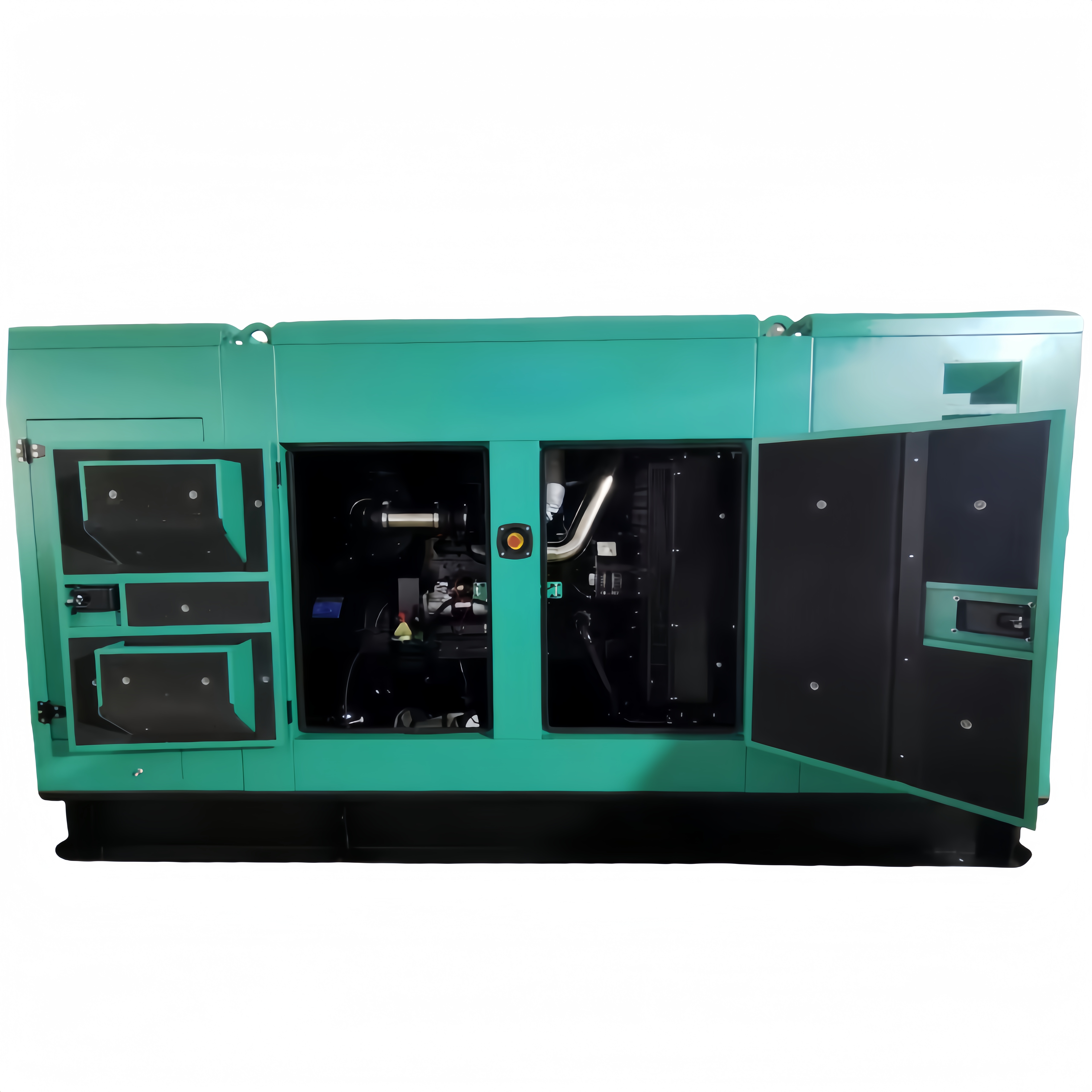
A standby generator for hospital use is not simply a backup appliance — it is a life-critical infrastructure component. Hospitals and healthcare facilities operate around the clock, and any interruption to electrical power can directly jeopardize patient safety, disrupt surgical procedures, disable life-support equipment, and compromise refrigerated medications. Unlike commercial buildings, healthcare environments face uniquely strict requirements that govern how a standby generator for hospital settings must be selected, installed, tested, and maintained.
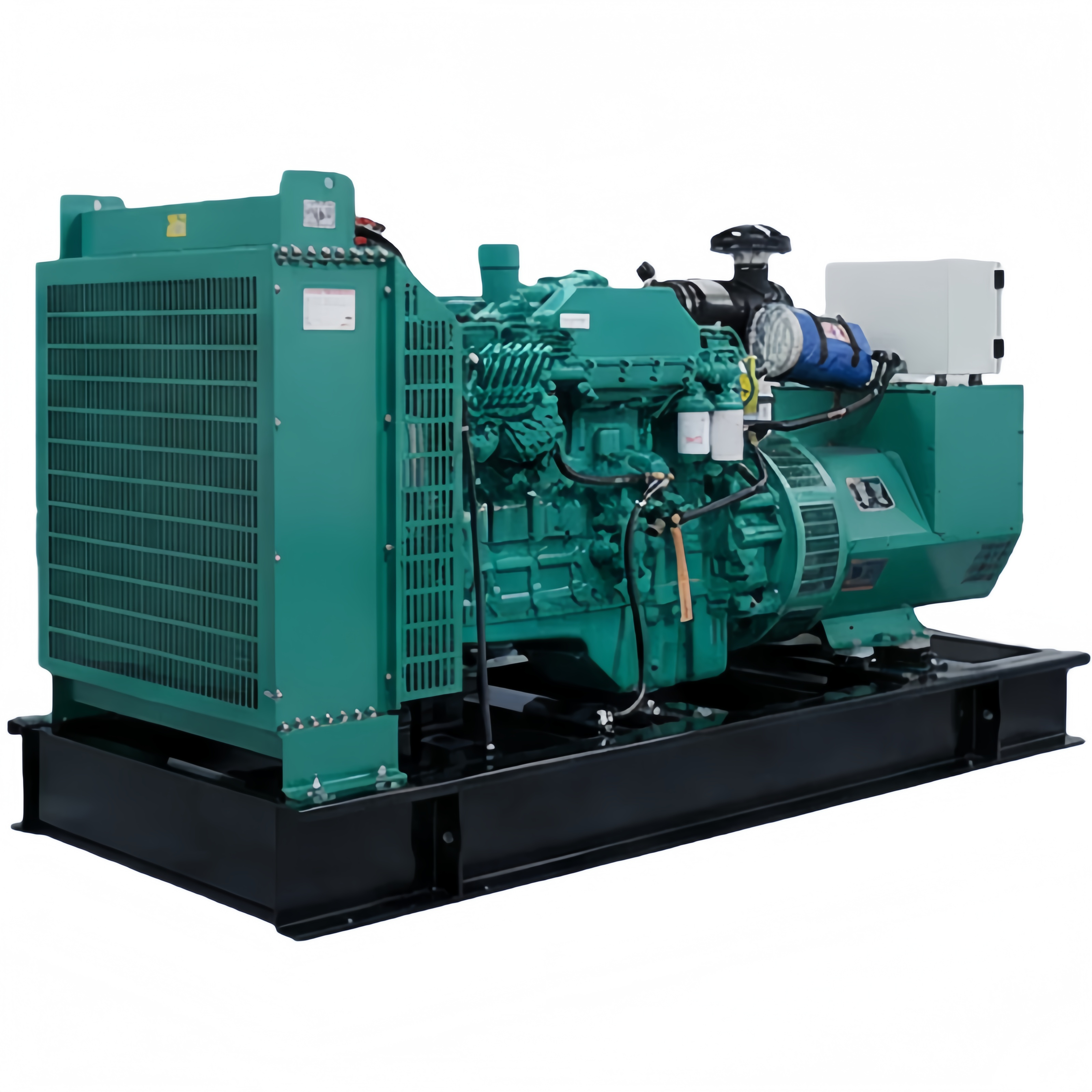
Understanding these requirements is essential for facility managers, electrical engineers, and procurement teams responsible for keeping healthcare operations running safely. Every standby generator for hospital deployment must comply with national codes, healthcare accreditation standards, and engineering best practices. This article outlines the core technical, regulatory, and operational requirements that define a compliant and effective standby generator for hospital and healthcare facility environments.
Regulatory Standards Governing Hospital Generator Systems
Key Codes and Standards That Apply
The standby generator for hospital applications is heavily regulated to protect patient lives. In the United States, the National Fire Protection Association (NFPA) 99 and NFPA 110 set the foundation for emergency power supply systems in healthcare. NFPA 99 classifies healthcare facilities into risk categories and assigns specific power requirements to each. NFPA 110 defines the performance standards for emergency and standby power systems, including how quickly a standby generator for hospital settings must reach full load after a utility outage.
According to NFPA 110, a standby generator for hospital use must reach full operating voltage and frequency within ten seconds of a utility failure. This rapid response requirement ensures that critical loads — including operating rooms, intensive care units, and emergency departments — receive uninterrupted power almost immediately. Internationally, equivalent frameworks such as IEC standards and local electrical codes impose similar demands on any standby generator for hospital deployment.
Healthcare Accreditation and Compliance
Beyond electrical codes, healthcare accreditation bodies such as The Joint Commission (TJC) in the US require documented evidence that a standby generator for hospital use undergoes regular load testing, preventive maintenance, and performance verification. Facilities must maintain detailed logs showing test results, service intervals, and fuel levels. Failure to comply can result in accreditation penalties that affect a hospital's operating license. This means the standby generator for hospital settings is subject to both technical and administrative compliance requirements simultaneously.
Technical Specifications for Hospital-Grade Standby Generators
Power Capacity and Load Classification
Sizing a standby generator for hospital environments requires a precise load analysis. Hospital electrical systems are divided into three branches under NFPA 99: the life safety branch, the critical branch, and the equipment branch. Each branch carries different load priorities, and the standby generator for hospital use must be capable of powering all three simultaneously without voltage or frequency instability. Common capacity ranges for a standby generator for hospital settings span from 200 kW for small clinics to over 2000 kW for large acute-care hospitals.
A properly sized standby generator for hospital use accounts for starting surge loads from motors, HVAC compressors, and medical imaging equipment. Undersizing creates dangerous voltage dips that can damage sensitive diagnostic equipment or cause automatic transfer switches to behave unpredictably. Engineers must apply demand factors and diversity calculations when specifying a standby generator for hospital projects to ensure reliable performance under worst-case conditions.
Noise, Fuel, and Environmental Requirements
A standby generator for hospital setting must operate within strict acoustic limits, since hospitals require quiet environments for patient recovery and staff concentration. Silent or super-silent enclosure designs, featuring sound-attenuating canopies, are standard for any standby generator for hospital installation located near patient wards or residential zones. Noise levels should generally remain below 75 dB(A) at one meter to meet both healthcare environment standards and local zoning regulations.
Fuel selection is another critical factor for a standby generator for hospital project. Diesel remains the most widely used fuel type because it offers high energy density, long storage stability, and reliable cold-start performance. A standby generator for hospital must have sufficient on-site fuel storage — typically a minimum of 96 hours of full-load operation according to NFPA 110 — so that the facility can sustain operations through extended utility outages or supply chain disruptions. Emission controls, including diesel particulate filters and proper exhaust routing, are also required to protect indoor air quality.
Installation, Testing, and Ongoing Maintenance
Proper Installation Practices
Installing a standby generator for hospital use demands careful attention to physical placement, automatic transfer switch (ATS) configuration, and electrical integration. The standby generator for hospital must be positioned in a dedicated generator room or outdoor enclosure that provides adequate ventilation, vibration isolation, and flood protection. Transfer switches must be tested to confirm that they respond within the required ten-second window, and the wiring design must prevent back-feed hazards to utility workers during an outage event.
Commissioning a standby generator for hospital installation involves running full-load acceptance tests witnessed by the facility's electrical team and, in many cases, by third-party inspectors. These tests simulate real utility failure scenarios and verify that the standby generator for hospital meets all specified performance parameters before clinical operations depend on it.
Routine Testing and Preventive Maintenance
A standby generator for hospital must be tested under load for a minimum of 30 minutes every month, as required by NFPA 110. Annual load bank testing, which applies a simulated electrical load to the generator, is also recommended to verify that the standby generator for hospital can sustain rated output under realistic demand conditions. Preventive maintenance schedules should include engine oil and filter changes, coolant checks, battery inspections, fuel polishing, and belt and hose examinations.
Facilities that neglect maintenance on a standby generator for hospital installation risk unexpected failures at the worst possible time — during an actual power emergency. Documented maintenance records are not only a best practice but a compliance requirement. Any facility relying on a standby generator for hospital power must assign clear responsibility for these maintenance tasks to qualified personnel or a licensed service provider.
FAQ
How quickly must a standby generator for hospital start during a power outage?
A standby generator for hospital use must reach full operating voltage and frequency within ten seconds of a utility failure, as required by NFPA 110. This ensures that life-safety and critical branch loads are restored almost immediately to protect patient care.
What fuel type is recommended for a standby generator for hospital use?
Diesel is the most commonly recommended fuel for a standby generator for hospital because it offers reliable cold-start performance, high energy density, and long-term storage stability. NFPA 110 also requires a minimum of 96 hours of on-site fuel storage at full load for healthcare facilities.
How often should a standby generator for hospital be tested?
A standby generator for hospital must undergo monthly load testing for a minimum of 30 minutes under load, with annual full load bank testing also strongly recommended. These tests verify that the standby generator for hospital performs reliably and that all transfer switching systems function correctly under simulated outage conditions.