 EN
EN

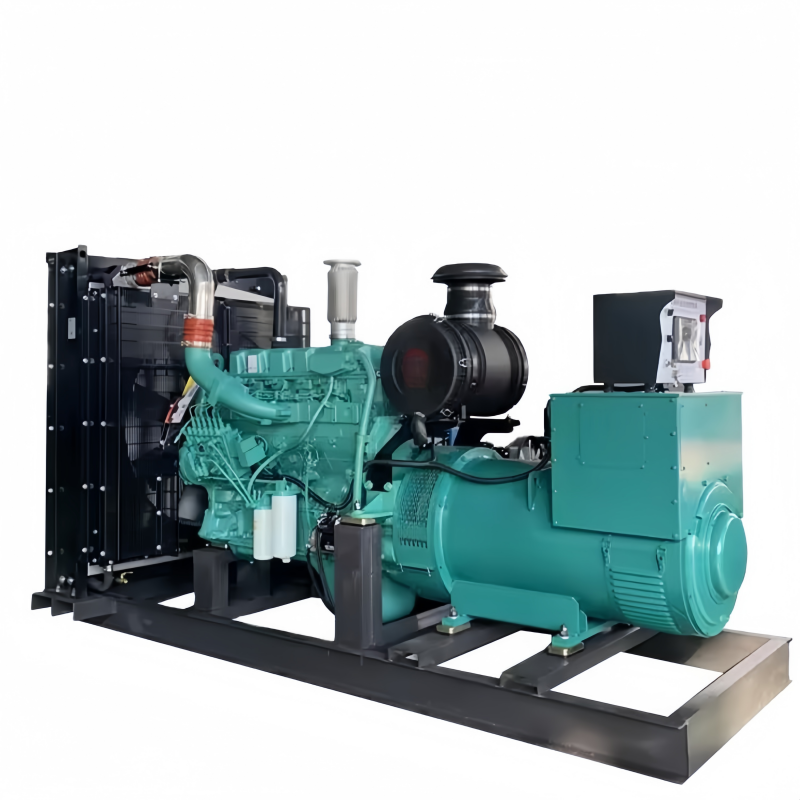
تُعَدُّ مولِّدات مراكز البيانات حجر الزاوية في استمرارية التغذية الكهربائية الحاسمة للمهمة، ومع ذلك فإن دمجها في البنية التحتية الكهربائية القائمة يتضمَّن تعقيدًا أكبر بكثيرٍ من مجرد تركيب محرك احتياطي. ويشمل هذا الإجراء التنسيق الكهربائي المتطور، ومزامنة أنظمة التحكم، واللوجستيات المتعلقة بتوريد الوقود، والامتثال الصارم لمعايير جودة الطاقة. وللفهم الجيد لكيفية دمج مولِّدات مراكز البيانات في البنية التحتية الكهربائية، لا بدَّ من دراسة الطبقات التقنية التي تربط أصول التوليد الاحتياطي بمصادر التغذية العامة (الشبكة)، وأنظمة التغذية غير المنقطعة (UPS)، والمفاتيح الانتقالية الأوتوماتيكية (ATS)، والشبكات التوزيعية. ويحدِّد هذا الدمج ليس فقط ما إذا كانت طاقة التغذية الاحتياطية ستُفعَّل أثناء انقطاع التيار، بل أيضًا مدى سلاسة هذه العملية الانتقالية، ومدة استمرار تشغيل المنشأة، وما إذا كانت الأحمال الحاسوبية الحرجة ستتعرَّض لأي انقطاع أثناء عمليات الانتقال.
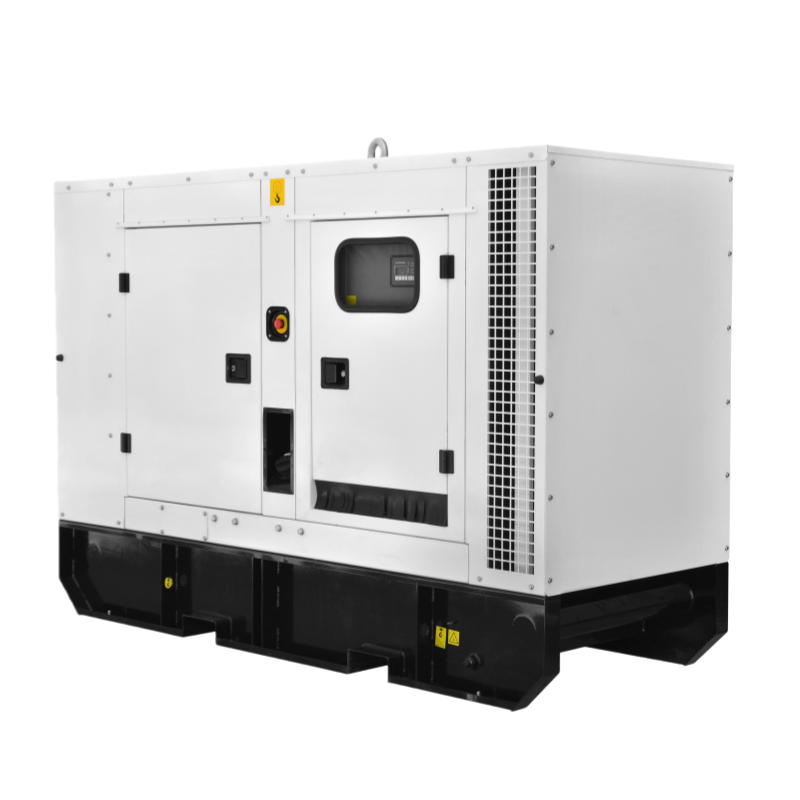
تتطلب معمارية الطاقة الحديثة لمراكز البيانات أن تعمل المولدات كعناصر متكاملة ضمن إطار متعدد المستويات للموثوقية، بدلًا من كونها أجهزة طوارئ معزولة. ويبدأ عملية التكامل في مرحلة التصميم، حيث يجب على المهندسين تحديد سعة المولدات وفقًا لمتطلبات أقصى حمل، وأخذ التوسعات المستقبلية في الاعتبار، وإنشاء مسارات كهربائية واضحة بين خدمة المرافق، ومعدات التحويل، والمحطات التوزيعية الحرجة. ويضمن التكامل السليم أن تتمكن مولدات مركز البيانات من استيعاب كامل حمل المنشأة خلال ثوانٍ معدودة بعد انقطاع التغذية من الشبكة، والحفاظ على استقرار الجهد والتردد تحت متطلبات الحوسبة المتغيرة، واستعادة التحكم في التغذية من الشبكة دون التسبب في اضطرابات عابرة. وتتميز المنشآت التي تحقق تكاملًا فعّالًا للمولدات بمؤشرات أعلى قابلة للقياس من حيث وقت التشغيل الفعلي (Uptime)، وانخفاض مخاطر حدوث أعطال متسلسلة، وزيادة المرونة التشغيلية أثناء حالات الانقطاع الممتدة.
معمارية الاتصال الكهربائي لمولدات مراكز البيانات
تصميم المعدات الكهربائية الرئيسية وواجهة الاتصال بالشبكة العامة
يبدأ دمج مولدات مراكز البيانات في البنية التحتية للطاقة عند مستوى المعدات الكهربائية الرئيسية، حيث تدخل خدمة الشبكة العامة إلى المنشأة وتتصل بالنظام الرئيسي للتوزيع. ويقوم المهندسون بتصميم هذه الواجهة لاستيعاب كلٍّ من التغذية العادية من الشبكة العامة والتغذية العكسية من المولدات، وذلك عبر آليات تبديل منسَّقة بدقة. وتشمل المعدات الكهربائية الرئيسية عادةً قواطع الدوائر المصممة لتحمل السعة الكاملة لإنتاج المولدات، وأنظمة الحماية التتابعية لاكتشاف حالات العطل، وآليات القفل التبادلي التي تمنع الاتصال المتزامن لمصدري التغذية (الشبكة العامة والمولدات). ويجب أن يراعي هذا الهيكل الكهربائي لربط المصادر مساهمة تيار العطل من كلا المصدرين، ويضمن استمرارية التأريض الصحيح، ويوفر نقاط عزل لإجراءات الصيانة دون المساس بعمليات المنشأة.
تتصل مولدات مراكز البيانات بالتجهيزات الكهربائية الرئيسية عبر كابلات تغذية مخصصة مُصمَّمة لتحمل التيار المقنن الكامل مع عوامل خفض مناسبة تراعي درجة حرارة البيئة وكمية الكابلات داخل القنوات ومدى طول الكابل. وتتبع مسارات الكابلات بروتوكولات فصل صارمة لمنع التلف المادي الناتج عن أنشطة الإنشاء أو المخاطر البيئية أو التداخل الكهرومغناطيسي. أما نقاط الاتصال عند قاطع التيار الخارج من المولد والقاطع الداخل إلى التجهيزات الكهربائية الرئيسية، فهي تستخدم وصلات مُحكَمة بعزم دوران مُحقَّق ومزودة برصد حراري لاكتشاف النقاط الساخنة الناشئة قبل أن تتسبب في أعطال. كما يشمل هيكل الاتصال الكهربائي مسارات احتياطية في المرافق ذات المستويات العليا، مما يسمح لمولد واحد بتغذية عدة حافلات توزيع أو تمكين التشغيل المتوازي لمجموعات مولدات متعددة لدعم أحمال أكبر.
دمج مفتاح التحويل الآلي والتنسق معه
تمثل مفاتيح التحويل الآلي نقطة القرار الحرجة التي تنتقل فيها مولدات مراكز البيانات إلى تحمل مسؤولية التغذية الكهربائية أثناء انقطاع التيار الكهربائي من الشبكة العامة. وتراقب هذه الأجهزة باستمرار جودة التيار الكهربائي الوارد من الشبكة العامة، وتقاس فيه شدة الجهد، واستقرار التردد، وتوازن الطور مقارنةً بالقيم المُحدَّدة مسبقًا. وعندما يخرج التيار الكهربائي من الشبكة العامة عن الحدود المقبولة لمدة مستمرة — عادةً ما تتراوح بين ثلاث وعشر ثوانٍ — يبدأ مفتاح التحويل تسلسلًا منسَّقًا يتضمَّن تشغيل المولِّد، والانتظار حتى يصل إلى ظروف التشغيل المستقرة، ثم فتح الاتصال مع الشبكة العامة وإغلاق الاتصال مع المولِّد. أما المفاتيح الحديثة المستخدمة مع مولدات مراكز البيانات فهي مزوَّدة بأنظمة تحكُّم قائمة على المعالجات الدقيقة، وتتوصَّل مع أنظمة إدارة المباني، وتُسجِّل أحداث الانتقال، وتوفر تشخيصات تفصيلية عن جودة التيار الكهربائي في كلا المصدرين.
يتطلب دمج مفاتيح التحويل مع مولدات مراكز البيانات تنسيقًا دقيقًا للتوقيت لمنع انقطاع الحمل بما يتجاوز حدود التحمل المسموح بها للأجهزة المتصلة. ويمكن لمفاتيح التحويل الثابتة إتمام عمليات الانتقال في أقل من أربعة ملي ثانية، وهي سرعة كافية لمنع أي اضطراب في إمدادات طاقة الخوادم التي تحتفظ بقدرة احتفاظ مؤقتة عبر المكثفات الداخلية. أما مفاتيح التحويل الميكانيكية فتتطلب عادةً ما بين ١٠٠ و٣٠٠ ملي ثانية لإتمام انتقال التلامس، مما يستلزم وجود أنظمة إمداد طاقة غير منقطعة (UPS) في الجهة العليا لتغطية هذه الفجوة الزمنية. ويجب على المهندسين تحديد مواصفات مفاتيح التحويل بدقة لضمان قدرتها على التعامل مع كلٍّ من تيار التشغيل العادي والتيارات اللحظية الابتدائية (Inrush Currents) الناتجة عند إعادة تغذية الأحمال المرتبطة بالمحولات. كما يتناول دراسة التنسيق أيضًا منطق الانتقال المؤجل الذي يمنع عمليات التحويل غير الضرورية أثناء اضطرابات الشبكة المؤقتة، مع ضمان استجابة سريعة في حالات الانقطاع المستمرة.
التشغيل المتوازي وأنظمة مزامنة الأحمال
غالبًا ما تدمج مرافق مراكز البيانات الكبيرة عدة مولدات في بنية التحتية للطاقة من خلال أنظمة التشغيل المتوازي التي تسمح لمجموعات المولدات بتقاسم الحمل بشكل نسبي وتوفير احتياطي أثناء عمليات الصيانة أو حالات الأعطال. إن مولدات مركز البيانات المشاركة في التشغيل المتوازي يجب أن تكون متزامنة بدقة فيما يتعلق بقيمة الجهد، والتردد، وزاوية الطور قبل الاتصال بالحافلة المشتركة. وترصد وحدات التحكم الرقمية في التزامن هذه المعايير باستمرار وتعمل على ضبط أنظمة المنظم والتحفيز لتحقيق شروط التطابق، والتي تتطلب عادةً أن يكون الجهد ضمن نسبة اثنين في المئة، والتردد ضمن 0.1 هرتز، وزاوية الطور ضمن عشر درجات قبل إغلاق القاطع المتصل بالتشغيل المتوازي.
وبمجرد التزامن، تشارك مولدات مركز البيانات في حمل الطاقة من خلال آليات التحكم بالانحدار (Droop Control) التي تُعدِّل الإخراج استنادًا إلى الانحراف في التردد، مما يضمن توزيعًا نسبيًّا وفقًا لتصنيفات المولدات. وتشمل بنية التكامل خطوط مشاركة الحمل التي تتواصل بين وحدات تحكم المولدات، ما يسمح بضبط دقيق للإخراج للحفاظ على توازن التحميل. وتتيح هذه القدرة على التشغيل المتوازي للمنشآت تشغيل النظام في وضع الاختبار بعدد مولدات أقل، وإجراء الصيانة على الوحدات الفردية دون فقدان القدرة الاحتياطية، وكذلك توسيع سعة التوليد تدريجيًّا مع نمو أحمال الحوسبة. كما تُدار أنظمة التزامن أيضًا عمليات الإيقاف المنظمة، حيث تُحوَّل الأحمال إلى المولدات المتبقية قبل فصل أي وحدة فردية، ومنع حدوث انقلابات مفاجئة في الأحمال قد تُخلّ باستقرار المولدات المتبقية.
تكامل أنظمة التحكم وأطر المراقبة
تنفيذ نظام الإشراف والتحكم وجمع البيانات
يعتمد دمج مولدات مراكز البيانات الحديثة على أنظمة التحكم الإشرافي وجمع البيانات (SCADA)، التي توفر رؤية مركزية لحالة المولدات ومعايير الأداء وحالات الإنذار. وتقوم هذه الأنظمة التحكمية بجمع البيانات من وحدات تحكم محركات المولدات، ومفاتيح الانتقال، وأنظمة مراقبة الوقود، وأجهزة قياس جودة الطاقة، وذلك عبر بروتوكولات اتصال قياسية مثل Modbus وBACnet أو واجهات خاصة. ويعرض تنفيذ نظام SCADA معلومات فورية عن المعاملات التشغيلية للمولد، ومنها مستوى التحميل، ودرجة حرارة سائل التبريد، وضغط الزيت، ومعدل استهلاك الوقود، وحالة شحن البطارية. ويتيح هذا الدمج لمُشغِّلي المنشأة مراقبة البنية التحتية الكاملة للطاقة من واجهة واحدة، مما يمكّنهم من اكتشاف المشكلات الناشئة قبل أن تؤدي إلى انقطاعات في التيار الكهربائي، وكذلك تحسين تشغيل المولدات لتحقيق كفاءة أعلى في استهلاك الوقود وجدولة عمليات الصيانة.
كما يمكّن دمج نظام التحكم من تسلسل استجابات آلية تنسّق الإجراءات عبر مكونات البنية التحتية المتعددة أثناء أحداث انقطاع التيار الكهربائي. وعند حدوث عطل في شبكة المرافق، يقوم نظام التحكم والإشراف الآلي (SCADA) بتسجيل زمن الحدث، وبدء إجراءات تشغيل المولدات، ومراقبة تشغيل مفتاح الانتقال، وضبط تشغيل نظام التبريد ليتوافق مع كمية الحرارة التي يُفرزها المولد، وإخطار موظفي التشغيل عبر مسارات تصعيد الإنذارات القابلة للتخصيص. وتوفّر جمع البيانات التاريخية قدرات تحليل الاتجاهات التي تكشف الأنماط في جودة تيار المرافق، وتراكم أوقات تشغيل المولدات، والتغيرات في ملف الأحمال. وتستخدم المنشآت هذه المعلومات لصقل جداول الصيانة، والتحقق من افتراضات تخطيط السعة، وإثبات الامتثال لاتفاقيات مستوى الخدمة التي تحدد أقصى فترة مسموح بها لانقطاع الخدمة.
اتصال وحدة تحكم المحرك والتشخيص
تضم مولدات مراكز البيانات وحدات تحكم محركات متطورة تُنظِّم توقيت حقن الوقود، وتنظيم دخول الهواء، وأنظمة التحكم في الانبعاثات، مع توفير قدرات تشخيصية واسعة النطاق. ويسمح دمج هذه وحدات تحكم المحركات في بنية الطاقة الخاصة بالمنشأة بمراقبة بُعدية للمعايير التشغيلية التفصيلية التي تشير إلى حالة المحرك ومستوى أدائه. وتبلغ وحدات التحكم الحديثة المئات من نقاط البيانات، ومنها ضغط الاحتراق في كل أسطوانة على حدة، ومستويات ضغط الشاحن التوربيني، ودرجة حرارة غاز العادم، وضغط غرفة الكرنك. ويتدفق هذا المعلومات التشخيصية عبر نظام تكامل التحكم إلى منصات إدارة الصيانة التي تتتبع ساعات التشغيل، وتحدد مواعيد المهام الوقائية للصيانة، وتُرسل تنبيهات إلى الفنيين عند ظهور ظروف تتطلب التحقيق.
يجب أن تتيح بنية الاتصال بين وحدات تحكم المحرك وأنظمة المنشأة التحكم التشغيلي في الوقت الفعلي والإبلاغ التشخيصي غير الحرج في آنٍ واحد، دون التسبب في ازدحام الشبكة أو إدخال ثغرات أمنية. ويحقِّق المهندسون ذلك من خلال شبكات منفصلة تُفرِّق بين وظائف التحكم الحرجة وحركة مرور المراقبة والتشخيص. كما يدعم دمج تحكم المحرك القدرات عن بُعد لاستكشاف الأخطاء وإصلاحها، ما يسمح لفنيي الخدمة بمراجعة رموز الأعطال وتحليل اتجاهات الأداء والتحقق من فعالية الإصلاحات دون الحاجة إلى زيارات ميدانية. أما المنشآت التي تشغِّل عدَّة مولِّدات لمراكز البيانات، فهي تستفيد من تقارير موحَّدة تقدِّم مقاييس متسقة عبر طرازات المحركات المختلفة ومنصات وحدات التحكم، مما يمكِّن من إجراء تحليل مقارن يكشف الوحدات ذات الأداء الضعيف أو المشكلات النظامية المؤثرة في عدة مولِّدات.
تنسيق نظام إدارة المباني
يمتد دمج مولدات مراكز البيانات ليشمل ما هو أبعد من الأنظمة الكهربائية وأنظمة التحكم، ليتضمن التنسيق مع منصات إدارة المباني الأوسع التي تشرف على أنظمة التدفئة والتهوية وتكييف الهواء (HVAC)، وأنظمة الحماية من الحرائق، وأنظمة الأمن، ونظم مراقبة البيئة. وعند تشغيل المولدات، تقوم أنظمة إدارة المباني بتعديل تشغيل نظام التبريد لاستيعاب الحرارة الناتجة عن المولدات، وتعديل معدلات التهوية في غرف المولدات للحفاظ على تركيز آمن لغازات العادم، وضبط أنظمة التحكم في الدخول لتقييد الوصول إلى مناطق المولدات أثناء التشغيل. ويضمن هذا التنسيق أن تشغيل المولدات لا يُحدث مشاكل ثانوية مثل ارتفاع درجة حرارة غرف المعدات، أو نقص إمداد هواء الاحتراق، أو تعريض العاملين لمachinery متحركة.
كما يدعم دمج نظام إدارة المباني استراتيجيات تحسين كفاءة استهلاك الطاقة أثناء التشغيل المطول لمولدات الكهرباء. ويمكن لهذه الأنظمة تنفيذ تسلسلات خفض الأحمال الكهربائية التي تقلل من الاستهلاك الكهربائي غير الحيوي، وتُطيل مدة توفر وقود التشغيل، وتحافظ على حمل المولد ضمن نطاقات الكفاءة المثلى. ويتيح الدمج المتقدم جدولة الصيانة التنبؤية استنادًا إلى التحليل المدمج لبيانات تشغيل المولد وأنماط الأحمال في المنشأة والظروف البيئية. وتستخدم المنشآت هذه الرؤية الشاملة لتشغيل البنية التحتية لتحسين جداول تشغيل المولدات الاختبارية، وتنسيق أنشطة الصيانة مع فترات الطلب المنخفض، والتحقق من أن جميع الأنظمة المترابطة تعمل بشكل صحيح أثناء أحداث التحويل التلقائي للتشغيل (Failover).
بنية تحتية إمداد الوقود وأنظمة إدارته
شبكات التخزين والتوزيع الأولية للوقود
إن دمج مولدات مراكز البيانات في البنية التحتية للطاقة يتطلب بالضرورة أنظمة إمداد وقود قوية قادرة على دعم العمليات الممتدة خلال انقطاعات التغذية الكهربائية الطويلة. وتُحسب سعات خزانات الوقود الأساسية استنادًا إلى حسابات المدة المطلوبة للتشغيل، والتي تأخذ في الاعتبار الحمل الكامل للمنشأة، ومنحنيات استهلاك الوقود للمولدات، والفترة المستهدفة للاستقلالية التي تتراوح بين ٢٤ ساعةً وعدة أيام. وتتكامل هذه الأنظمة التخزينية مع المولدات عبر شبكات أنابيب التوزيع التي تحافظ على توافر الوقود في الخزان اليومي الخاص بالمولد، وفي الوقت نفسه تمنع تلوث الوقود بالماء أو الرواسب أو نمو الكائنات الدقيقة. وتشمل بنية الوقود التحتية أنظمة ترشيح لإزالة الجسيمات، وفواصل للماء تمنع وصول الماء الحر إلى أنظمة الحقن، ودوائر إعادة التدوير التي تحافظ على جودة الوقود أثناء فترات التخزين الطويلة.
تتضمن أنظمة وقود مولدات مراكز البيانات أجهزة رصدٍ تتعقب مستويات الخزانات ودرجة حرارة الوقود ومعايير جودته التي تؤثر على أداء المولد. وتوفّر أجهزة استشعار المستوى إشارات تناظرية لمراقبة الاتجاهات، وكذلك نقاط إنذار منفصلة تُفعِّل عملية توريد الوقود قبل أن تنخفض المخزونات إلى مستويات حرجة. ويضمن رصد درجة الحرارة بقاء الوقود ضمن المواصفات المحددة للّزوجة لضمان التفتيت والاحتراق السليمين. وتقوم أنظمة إدارة الوقود المتقدمة بأخذ عيّناتٍ لاختبار معايير جودة الوقود، ومنها محتوى الماء وتركيز الجسيمات والتلوث الميكروبي، مع تنبيه المشغلين عند الحاجة إلى تنقية الوقود أو معالجته. ويمنع هذا التكامل حدوث أعطال في المولدات ناجمة عن الوقود، والتي قد تُضعف موثوقية الطاقة الاحتياطية أثناء انقطاع التيار الفعلي.
أتمتة نقل الوقود وخزانات التشغيل اليومية
توفر خزانات الاستخدام اليومي المُركَّبة بالقرب من مولدات مراكز البيانات وقودًا جاهزًا للاستخدام الفوري، مع عزل أنظمة وقود المحركات عن التلوث المحتمل في خزانات التخزين الضخمة. وتشمل عملية دمج أنظمة خزانات الاستخدام اليومي مضخات نقل أوتوماتيكية تحافظ على مستويات الوقود ضمن الحدَّين الأعلى والأدنى المُحدَّدين، مما يضمن توافر إمداد كافٍ دون حدوث امتلاء زائد. وتُنسِّق منطقية التحكم تشغيل المضخات مع حالة المولدات، فتزيد من معدلات النقل عند تشغيل المولدات تحت حملٍ عالٍ، وتُعلِّق النقل أثناء إيقاف المولدات لمنع الانسكاب. وتوفِّر أجهزة استشعار مستوى خزان الاستخدام اليومي مؤشرات احتياطية عبر كلٍّ من أنظمة العوامات الميكانيكية المباشرة والمحولات الإلكترونية التي ترسل بياناتها إلى منصات مراقبة المنشأة.
تشمل معمارية تكامل خزان اليوم أحكام احتواء تلتقط تسربات الوقود، وتمنع الإطلاقات البيئية، وتوفر إشعارات إنذار عن الظروف غير الطبيعية. وترصد أنظمة كشف التسرب أحواض الاحتواء لتراكم الوقود، مما يُفعِّل سلاسل إيقاف التشغيل التي تعزل مضخات التوريد وتُغلق صمامات الإغلاق الطارئة. كما تمنع أجهزة الحماية من الفيضان الزائد امتلاء الخزان عبر مفتاحي مستوى احتياطيين يُعطِلان تشغيل المضخة ويُطلقان إنذارات محلية. وتتضمن المنطق الآلي تأخيرات زمنية تمنع الإنذارات الكاذبة الناتجة عن تقلبات مؤقتة في المستوى، مع ضمان استجابة سريعة للحالات العطلية الحقيقية. وغالبًا ما تقوم المنشآت بدمج أنظمة خزان اليوم مع لوحات تحكم المولدات، مما يوفّر للمشغلين حالة إمداد الوقود الكاملة جنبًا إلى جنب مع معايير تشغيل المولد.
مراقبة جودة الوقود وتكامل الصيانة
يُشكِّل التخزين طويل الأمد للوقود تحدياتٍ لمولدات مراكز البيانات التي قد تعمل بشكل غير متكرر، مما يسمح بتدهور الوقود عبر الأكسدة وتراكم الماء والتلوث الميكروبي. وتوفر أنظمة مراقبة جودة الوقود اكتشافاً مبكراً للمشاكل الناشئة قبل أن تؤثر على موثوقية المولد. وتستخرج أنظمة أخذ العينات الآلية عيّنات وقود دوريّاً لتحليلها في المختبر، حيث تقيس معاملاتٍ تشمل عدد السيتان، ومحتوى الكبريت، والتلوث بالماء، ومستويات الجسيمات، ومؤشرات النمو البيولوجي. وبعض التثبيتات المتقدمة تتضمّن محلِّلات إلكترونية تعمل على الإنترنت لتوفير مراقبة مستمرة أو شبه مستمرة للمقاييس الحرجة لجودة الوقود.
تشمل تكامل صيانة الوقود عمليات تلميع مجدولة تُمرر الوقود المخزن عبر أنظمة الترشيح وإزالة المياه، للحفاظ على مواصفات الجودة طوال فترة التخزين. وتتولى أنظمة التلميع التنسيق مع عمليات المنشأة لتفادي أي تداخل مع الأنشطة الحرجة، مع ضمان تكرار كافٍ لعمليات الصيانة. أما أنظمة حقن مواد إضافية للوقود فتُوزِّع المبيدات الحيوية ومواد تعزيز الاستقرار ومحسِّنات تدفق الوقود في درجات الحرارة المنخفضة وفقًا لنتائج اختبارات جودة الوقود والظروف الموسمية. ويوفِّر تكامل إدارة الوقود الكامل سجلًّا موثَّقًا لمراقبة سلسلة حيازة الوقود وجودته، ما يُظهر للمُنظِّمين ومراجعي الحسابات أن مولدات الطاقة ستؤدي أداءً موثوقًا به عند تشغيلها فعليًّا في ظروف الطوارئ.
إدارة جودة الطاقة وتنسيق الأحمال
أنظمة تنظيم الجهد والتردد
يجب أن تحافظ مولدات مراكز البيانات على تنظيم دقيق للغاية للجهد والتردد لمنع تعطيل المعدات الحاسوبية الحساسة التي تتوقع جودة طاقة تطابق أو تفوق معايير شركات التوزيع. ويبدأ دمج أنظمة تنظيم الجهد بالتحكم في إثارة المولد، الذي يُعدِّل التيار المغناطيسي لضمان بقاء جهد الخرج ضمن نسبة زائد أو ناقص واحد في المئة من القيمة الاسمية، وذلك على الرغم من التغيرات في الحمل. وتستجيب أجهزة تنظيم الجهد الرقمية الحديثة لتغيرات الحمل خلال جزء من الألف من الثانية، ما يمنع انخفاض الجهد عند تشغيل الأحمال الكبيرة وارتفاعه عند فصل الأحمال. كما تتضمن أنظمة التنظيم إعدادات الانحدار (Droop) للتشغيل المتوازي، وتعويض درجة الحرارة لتغير الظروف المحيطة، ومنطق مشاركة القدرة العكسية الذي يوزع متطلبات الفولت أمبير الرجعية (VAR) بشكل نسبي بين عدة مولدات.
يعتمد تنظيم التردد بشكل رئيسي على أنظمة المُنظِّمات (الجوفيرنورات) الخاصة بالمولِّدات، والتي تتحكم في سرعة المحرك عبر تعديل كمية الوقود المُزودة. وتوفِّر المُنظِّمات الإلكترونية المستخدمة مع مولِّدات مراكز البيانات استقرارًا في التردد ضمن مدى ±٠٫٢٥ هرتز في ظل الظروف المستقرة، كما تحد من الانحرافات الترددية أثناء التغيرات المفاجئة في الحمل للحفاظ على الامتثال لمعايير معهد مهندسي الكهرباء والإلكترونيات (IEEE). ويشمل دمج المنظِّمات الوضع الأيزوكروني (Isochronous Mode) للتشغيل بوجود مولِّد واحد، حيث يبقى التردد ثابتًا بدقة عند ٦٠ هرتز، والوضع المائل (Droop Mode) للتشغيل المتوازي، حيث يؤدي التباين الطفيف في التردد إلى توزيع الحمل بنسبة طردية. أما التثبيتات المتقدمة فتدمج خوارزميات توقُّع الحمل التي تتوقع التغيرات في الحمل استنادًا إلى حالة مفتاح النقل (Transfer Switch)، وتُهيِّئ المنظِّمات مسبقًا لتقليل التذبذبات الترددية.
استراتيجيات تخفيف التشويه التوافقي
تولِّد أحمال مراكز البيانات الحديثة تيارات توافقية كبيرة عبر مصادر الطاقة القائمة على المقومات، ومحركات التردد المتغير، وأنظمة الإضاءة LED. وتؤدي هذه التيارات التوافقية إلى تشويه الجهد عند مرورها عبر مقاومة المصدر للمولدات، مما قد يتسبب في عطل المعدات، أو ارتفاع درجة حرارتها، أو فشلها المبكر. ويجب أن يراعي دمج مولدات مراكز البيانات تخفيف التوافقيات من خلال تحديد سعة المولدات بشكل مناسب، واستخدام المحولات العازلة، وأنظمة الترشيح النشطة. وعادةً ما يحدد المهندسون مولداتٍ بقيم مفاعلة تحت الانتقالية (sub-transient reactance) مناسبة للحمولة التوافقية المتوقعة، ما يستلزم في كثير من الأحيان مولدات ذات سعة أكبر مما تقترحه حسابات الحمولة الأساسية.
تدمج بعض تركيبات مولدات مراكز البيانات مرشحات التوافقيات عند نقاط استراتيجية في نظام توزيع الطاقة، باستخدام مرشحات سالبة LC مُضبوطة على الترددات التوافقيّة السائدة، أو مرشحات نشطة تقوم بإدخال تيارات تعويضية لإلغاء التوافقيات عند مصدرها. ويجب أن تأخذ بنية التكامل هذه بعين الاعتبار موقع المرشحات، وتنسقها مع معدات تصحيح معامل القدرة الموجودة مسبقًا، وحماية مكونات المرشح من الحمل الزائد أثناء الظروف التشغيلية غير الطبيعية للنظام. وتوفّر أجهزة مراقبة جودة الطاقة المدمجة في نظام التوزيع قياسًا مستمرًا لمعامل التشويه التوافقي الكلي لكلٍّ من الجهد والتيار، وتُنبّه المشغلين عند تجاوز المستويات للمواصفات الفنية الخاصة بالمعدات أو المعايير الصناعية السارية. وتتيح هذه المراقبة إجراء صيانة استباقية وإدخال تعديلات على التصميم قبل أن تتسبب المشكلات التوافقيّة في فشل المعدات.
اختبار حمل البنك والتحقق من الأداء
تفرض المتطلبات التنظيمية وأفضل ممارسات الموثوقية إجراء اختبارات دورية لمولدات مراكز البيانات تحت أحمال كبيرة للتحقق من قدرتها على دعم المرافق الحرجة أثناء انقطاع التيار الفعلي. ويسمح دمج أنظمة اختبار البنوك الحِملية بتطبيق محكوم للأحمال المقاومية أو التفاعلية التي تحاكي استهلاك المرفق الفعلي دون تعطيل عمليات الحوسبة الفعلية. وتتصل البنوك الحِملية المحمولة بمخرج المولد عبر كابلات مؤقتة وتجهيزات تبديل، في حين قد تشمل التركيبات الدائمة بنوك حِمل مدمجة في نظام توزيع الطاقة الخاص بالمنشأة مع قواطع مخصصة وضوابط تداخلية تمنع الاتصال المتزامن للبنوك الحِملية والأحمال الحرجة.
توفر دمج اختبارات حمل البنوك بيانات قيمة للتحقق من الأداء، بما في ذلك دقة تنظيم الجهد، واستقرار التردد، وخصائص الاستجابة العابرة، ومعدلات استهلاك الوقود عند مستويات حمل مختلفة. وتتضمّن بروتوكولات الاختبار زيادة الحمل تدريجيًّا على مراحل مع مراقبة معايير المولِّد، مما يسمح باكتشاف المشكلات المتعلقة باستجابة جهاز التحكم في السرعة (الغُوفرنور)، أو أداء منظم الجهد، أو سعة نظام التبريد قبل أن تتسبّب في أعطال أثناء حالات الطوارئ الفعلية. وتدمج المرافق المتقدمة اختبارات حمل البنوك مع أنظمة جمع البيانات الآلية التي تقارن نتائج الاختبار بالأداء المرجعي، وتتتبّع المعايير الأساسية عبر الزمن لاكتشاف التدهور التدريجي الذي يتطلّب صيانة تصحيحية. كما يحقّق هذا الدمج أيضًا من عمل مفتاح الانتقال (Transfer Switch)، ووظائف نظام التحكّم، وإجراءات المشغلين في ظروف تشبه إلى حدٍّ كبير سيناريوهات الانقطاع الفعلية.
دمج أنظمة السلامة والامتثال التنظيمي
أنظمة الإيقاف الطارئ ومنطق القفل التفاعلي
يتضمن دمج مولدات مراكز البيانات أنظمة شاملة لإيقاف التشغيل في حالات الطوارئ، والتي تحمي الأفراد والمعدات من الظروف الخطرة مثل الحرائق وتسرب الوقود وفشل أنظمة التبريد أو الأعطال الميكانيكية. وتُفعِّل أزرار إيقاف التشغيل الطارئ، المُركَّبة عند نقاط الوصول إلى المولد وفي غرف التحكم، سلاسل إيقاف فورية تُغلق صمامات إمداد الوقود، وتُفعِّل قواطع المولد، وتمنع إعادة التشغيل حتى يتم إعادة تعيين النظام يدويًّا. ويتم تنسيق عملية الإيقاف مع أنظمة إخماد الحرائق، لضمان انقطاع التغذية الكهربائية عن المولدات قبل إطلاق عامل الإطفاء، وذلك لتفادي المخاطر الكهربائية وتلف المعدات. كما تمنع المنطق التبادلي تشغيل المولد عند وجود ظروف غير آمنة، مثل انخفاض مستوى سائل التبريد أو ارتفاع درجة حرارة سائل التبريد أو انخفاض ضغط زيت التزييت بشكلٍ غير كافٍ.
يمتد دمج نظام السلامة ليشمل وصلات التهوية التي تتحقق من توفر هواء الاحتراق الكافي وقدرة العادم قبل السماح بتشغيل المولد. ويُفعِّل كاشف أحادي أكسيد الكربون في غرف المولدات إنذاراتٍ وإيقافًا طارئًا في حال تراكم غاز العادم إلى تركيزات خطرة. كما تكشف كواشف ارتفاع درجة الحرارة الظروف الحرارية غير الطبيعية التي تشير إلى نشوب حريق أو ارتفاع حرارة المعدات. وتنسق البنية التحتية الكاملة للوصلات المتداخلة عدة أنظمة فرعية للسلامة مع توفير إمكانية تجاوزها في حالات التشغيل الطارئة، حيث يبرر الحفاظ على إمداد الطاقة قبول مستويات مخاطر مرتفعة ضمن ظروف خاضعة للرقابة وبإشراف مشغّل معزَّز.
دمج نظام العادم والضوابط الخاصة بالانبعاثات
تتطلب اللوائح البيئية التي تنظم تشغيل مولدات مراكز البيانات دمج أنظمة العادم التي تتحكم في انبعاثات أكاسيد النيتروجين، والجسيمات العالقة، وأول أكسيد الكربون، والهيدروكربونات غير المحترقة. ويبدأ دمج نظام العادم من المولد نفسه عبر وصلات جمع العادم إلى أنابيب معزولة تُوجِّه غازات الاحتراق إلى نقاط التفريغ في الجو، والتي يُحدَّد موقعها لمنع تلوث هواء مداخل المبنى. وتتضمن أنظمة العادم الخاصة بالمولدات المتوافقة مع المستوى الرابع (Tier 4) فلاتر الجسيمات الديزلية، وأنظمة التخفيض الحفزي الانتقائي، والمحفزات الأكسدة الديزلية، والتي تتطلب دمج أنظمة الرصد للتحقق من سلامة التشغيل وجدولة عمليات التجديد أو الصيانة.
يشمل تكامل نظام مراقبة الانبعاثات أجهزة استشعار تقيس درجة حرارة غاز العادم، وفرق الضغط في مرشح الجسيمات، ومؤشرات كفاءة المحفز. تُغذي هذه البيانات أنظمة التحكم في المولدات التي تُعدّل تشغيل المحرك لتحقيق الأداء الأمثل للانبعاثات، ومنصات إدارة المرافق التي توثق الامتثال للوائح. تشترط بعض السلطات القضائية أنظمة مراقبة انبعاثات مستمرة تقيس تركيزات الملوثات مباشرةً، وترسل النتائج إلى الهيئات البيئية عبر واجهات إعداد تقارير آلية. كما يُعالج تكامل نظام العادم التمدد الحراري من خلال وصلات مرنة، وأنظمة تصريف المكثفات التي تمنع تراكم السوائل المسببة للتآكل، وعناصر تخفيف الصوت التي تحدّ من انبعاثات ضوضاء المولد إلى مستويات مقبولة لموقع المنشأة.
تنسيق نظام الحماية من الحرائق وإخمادها
تتكامل غرف المولدات التي تستوعب مولدات مراكز البيانات مع أنظمة حماية المنشأة من الحرائق عبر عناصر الكشف والإنذار والإخماد المصممة خصيصًا لمخاطر الحرائق الكهربائية وحرائق الوقود. ويوفّر كشف الدخان التحذيري المبكر أول إشارة على ظهور ظروف الحريق، فيُفعِّل استجابات التحقيق قبل تفاقم هذه الظروف. وتوفّر كواشف الحرارة اكتشافًا احتياطيًّا أقل عرضةً للإنذارات الكاذبة الناتجة عن عوادم الديزل أو الغبار. كما ينسق نظام اكتشاف الحرائق مع أنظمة إنذار الحريق في المبنى، مع توفير إشعارات محلية في مناطق المولدات لتنبيه العاملين القريبين من المعدات.
عادةً ما تستخدم أنظمة إخماد الحرائق المدمجة مع مولدات مراكز البيانات أنظمة عوامل نظيفة مثل FM-200 أو غمر الغاز الخامل لإطفاء الحرائق دون ترك أي بقايا قد تتسبب في تلف المعدات الكهربائية أو تتطلب عمليات تنظيف موسعة. وتتولى نظام الإخماد التنسيق مع وحدات تحكم المولدات لإيقاف المحركات وإغلاق صمامات الوقود وفصل الدوائر الكهربائية عن التغذية قبل إطلاق العامل الإطفائي. كما توفر أجهزة الإنذار السابقة على الإطلاق تحذيرًا ل,evacuation الأفراد، بينما تُرسل إشارات تأكيد الإطلاق إخطاراتٍ إلى فرق الإطفاء ومشغلي المنشأة بشأن تفعيل نظام الإخماد. ويتم اختبار نظام الحماية من الحرائق المتكامل بالكامل سنويًّا للتحقق من عمل كواشف الحريق ووظائف دوائر التحكم وكفاية العامل الإطفائي، مع الاحتفاظ بالتوثيق المطلوب لتغطية التأمين والامتثال للأنظمة واللوائح.
الأسئلة الشائعة
ما هي الجداول الزمنية النموذجية الخاصة بتثبيت مولدات مراكز البيانات ضمن المرافق القائمة؟
تتراوح الجداول الزمنية الخاصة بتثبيت مولدات مراكز البيانات في البنية التحتية الكهربائية القائمة عادةً بين ثلاثة وستة أشهر، وذلك تبعًا لدرجة تعقيد المنشأة، وعمليات الموافقة التنظيمية، وأوقات التوريد المطلوبة للمعدات. وتشمل هذه الجدول الزمني مراحل التصميم الهندسي وإصدار التصاريح والتي تستغرق ستة إلى عشرة أسابيع، ومرحلة شراء المعدات التي تتطلب ثمانية إلى اثني عشر أسبوعًا لمجموعات المولدات القياسية، واستعداد الموقع وأعمال الأساس التي تمتد من أسبوعين إلى أربعة أسابيع، وعمليات التركيب والتشغيل التي تستغرق أربعة إلى ستة أسابيع. وقد تشهد المنشآت التي تتطلب تكوينات مخصصة للمولدات أو تعديلات كهربائية واسعة النطاق أو تركيب أنظمة وقود جداول زمنية أطول. ويمكن تسريع المشاريع من خلال شراء المعدات مبكرًا، وتنفيذ عمليات إصدار التصاريح بالتوازي، واستخدام مكونات مسبقة التصنيع التي تقلل من الوقت المطلوب للتركيب في الموقع.
كيف تحافظ مولدات مراكز البيانات على جودة الطاقة بما يعادل جودة التزويد من الشبكة العامة؟
تحافظ مولدات مراكز البيانات على جودة الطاقة المماثلة لتلك التي تقدمها شركات التوزيع الكهربائية، وذلك من خلال أنظمة تنظيم الجهد الدقيقة التي تحافظ على الجهد الناتج ضمن مدى ±١٪ من القيمة الاسمية، ومن خلال أجهزة التحكم الإلكترونية في السرعة التي تحافظ على استقرار التردد ضمن ±٠٫٢٥ هرتز، إضافةً إلى التصميم المناسب للمولد الذي يحد من تشوه الجهد الناجم عن الأحمال التوافقيّة. وتضم المولدات الحديثة أنظمة تحكم رقمية تستجيب لتغيرات الحمل خلال جُزء من الألف من الثانية، مما يمنع انخفاضات الجهد والانحرافات في التردد التي قد تؤدي إلى تعطيل المعدات الحاسوبية. وتشمل العديد من المنشآت عناصر إضافية لتحسين جودة الطاقة، مثل المحولات العازلة التي تقلل من الاقتران التوافقي، وأنظمة التغذية غير المنقطعة (UPS) التي تقوم بتنقية الخرج الناتج عن المولد، وكذلك المرشحات التوافقيّة التي تخفف التشويه الناجم عن الأحمال غير الخطية. ويُجرى اختبار المولدات المدمجة بانتظام تحت ظروف حمل واقعية للتحقق من تحقيقها أو تجاوزها لمعايير معهد المهندسين الكهربائيين والإلكترونيين (IEEE) الخاصة بجودة الطاقة المطلوبة للمعدات الإلكترونية الحساسة.
ما الهوامش القدرة الموصى بها عند تحديد حجم المولدات لتطبيقات مراكز البيانات؟
توصي أفضل الممارسات الصناعية بتحديد سعة مولدات مراكز البيانات بحيث تتجاوز السعة المحسوبة للحمل الأقصى بنسبة تتراوح بين ٢٥ و٤٠ في المئة، وذلك لاستيعاب النمو المستقبلي وتأثيرات التحميل التوافقي وعوامل خفض السعة بسبب الارتفاع عن مستوى سطح البحر أو ارتفاع درجة الحرارة. وتأخذ هامش السعة هذا في الاعتبار التيارات الأولية العالية الناتجة عند بدء تشغيل المحركات، وانخفاض إنتاج المولد عند درجات حرارة محيطة مرتفعة، والانبعاثات العابرة الناتجة عن تشغيل وفصل مكثفات تصحيح معامل القدرة. كما تتطلب المنشآت الواقعة في المناطق المرتفعة خفضًا إضافيًّا في السعة بمقدار أربعة في المئة تقريبًا لكل ألف قدم فوق مستوى سطح البحر. وغالبًا ما تتطلب المولدات التي تدعم أحمالًا ذات محتوى توافقي عالٍ زيادةً في السعة بنسبة تتراوح بين ٣٠ و٥٠ في المئة فوق متطلبات الحمل الأساسي لضمان الحفاظ على مستويات تشويه الجهد ضمن الحدود المقبولة. ويُحقِّق هامش السعة الأمثل توازنًا بين تكلفة المعدات الأولية والمرونة التشغيلية وكفاءة استهلاك الوقود عند مستويات الأحمال النموذجية، وقدرة النظام على استيعاب التوسُّع المستقبلي دون الحاجة إلى استبدال المولد مبكرًا.
ما مدى تكرار إجراء اختبارات التحميل لمولدات مراكز البيانات المدمجة؟
عادةً ما تفرض المتطلبات التنظيمية ومعايير الصناعة إجراء تشغيل تجريبي بدون حمل شهريًا لمدة ٣٠ دقيقة للحفاظ على جاهزية المحرك، وإجراء اختبار تحميل باستخدام مقاومة تحميل (Load Bank) سنويًا عند سعة تبلغ ٥٠٪ أو أكثر لمدة لا تقل عن ساعتين للتحقق من الأداء في ظروف واقعية. وتقوم العديد من المرافق عالية الموثوقية بتنفيذ اختبارات تحميل ربع سنوية عند سعة تتراوح بين ٧٥٪ و١٠٠٪ للكشف المبكر عن المشكلات الناشئة قبل أن تؤدي إلى أعطال أثناء انقطاعات التيار الفعلية. ويتم زيادة تكرار الاختبارات بعد إجراء أعمال الصيانة، أو بعد فترات طويلة من عدم التشغيل، أو عند اكتشاف أنظمة المراقبة لتدهور في الأداء. ويسمح دمج اختبارات التحميل بالتحقق المتحكم فيه من سعة المولد، وتنظيم الجهد، واستقرار التردد، وعملية تشغيل مفتاح التحويل (Transfer Switch)، ومعدلات استهلاك الوقود، مع توثيق الامتثال لاتفاقيات مستوى الخدمة (SLA) والمتطلبات التأمينية التي تحدد الحد الأدنى لفترات الاختبار.
جدول المحتويات
- معمارية الاتصال الكهربائي لمولدات مراكز البيانات
- تكامل أنظمة التحكم وأطر المراقبة
- بنية تحتية إمداد الوقود وأنظمة إدارته
- إدارة جودة الطاقة وتنسيق الأحمال
- دمج أنظمة السلامة والامتثال التنظيمي
-
الأسئلة الشائعة
- ما هي الجداول الزمنية النموذجية الخاصة بتثبيت مولدات مراكز البيانات ضمن المرافق القائمة؟
- كيف تحافظ مولدات مراكز البيانات على جودة الطاقة بما يعادل جودة التزويد من الشبكة العامة؟
- ما الهوامش القدرة الموصى بها عند تحديد حجم المولدات لتطبيقات مراكز البيانات؟
- ما مدى تكرار إجراء اختبارات التحميل لمولدات مراكز البيانات المدمجة؟