Advanced Control Systems and Monitoring Technology
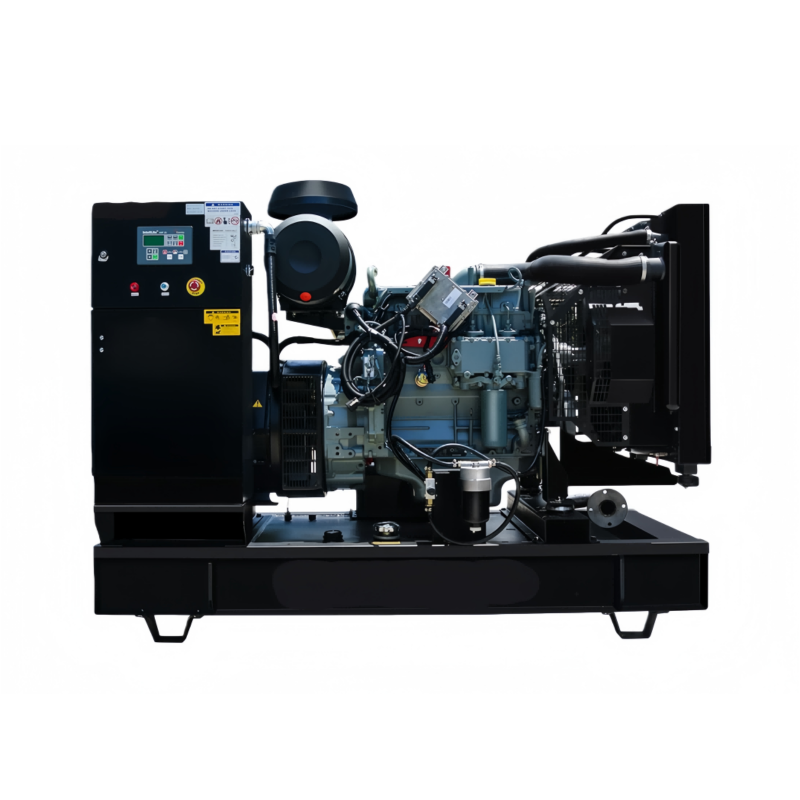
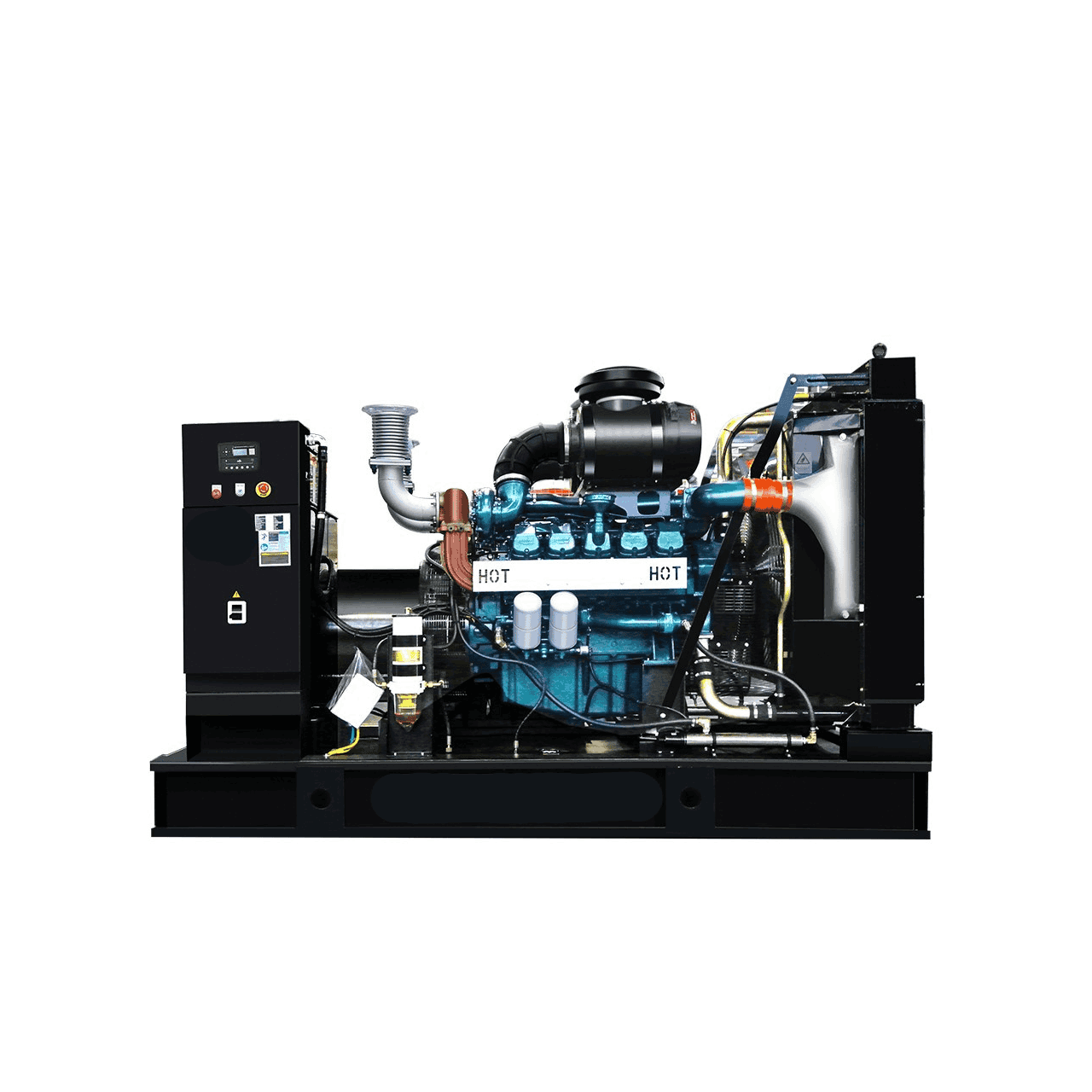
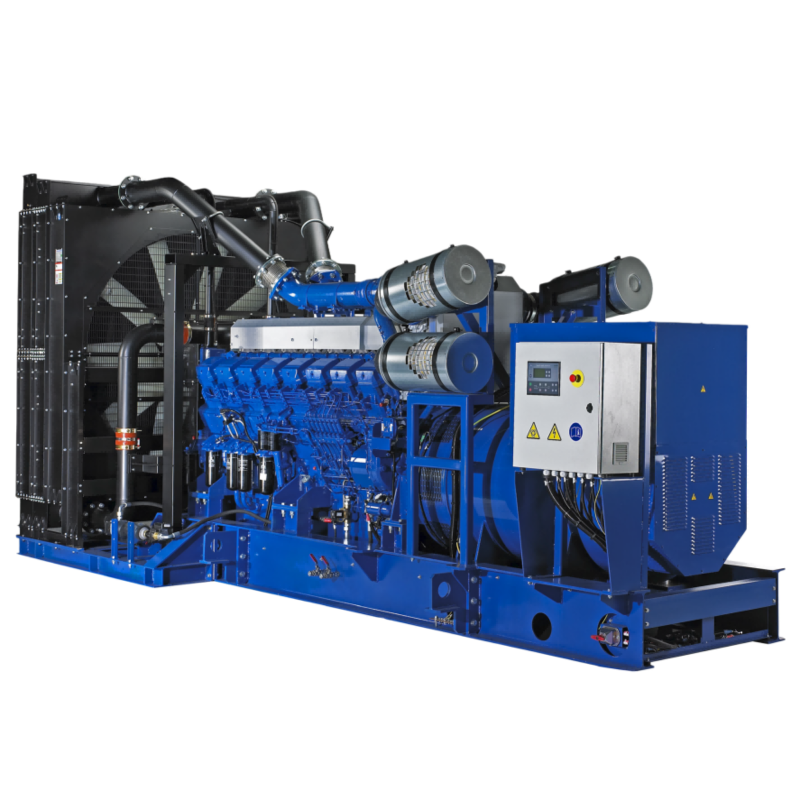
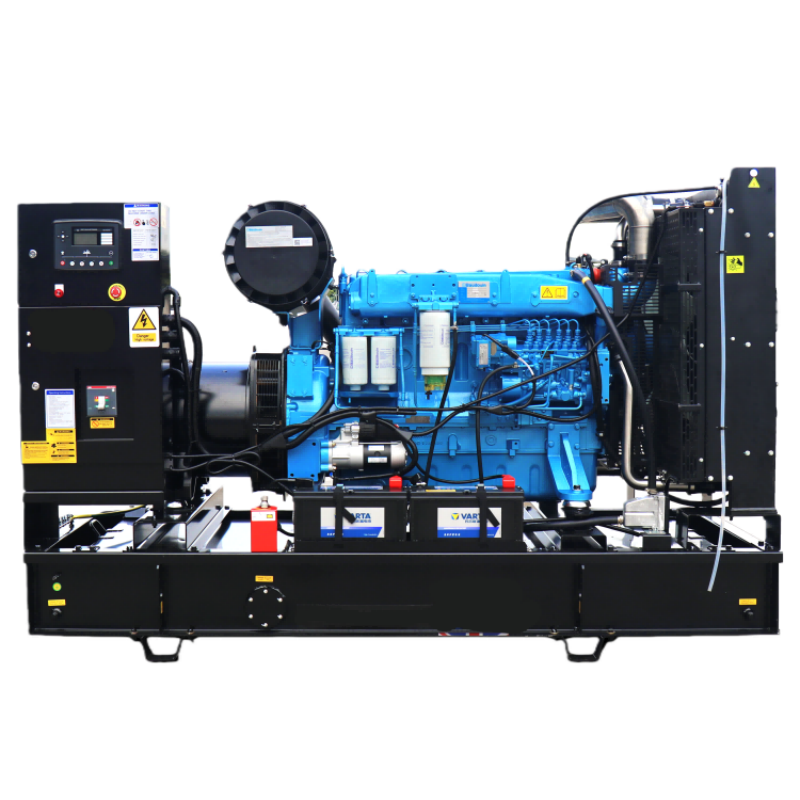
Modern Perkins genset systems incorporate sophisticated electronic control modules that transform traditional generator operation into intelligent power management platforms capable of autonomous operation and predictive maintenance. The central control unit monitors dozens of operational parameters simultaneously, including engine speed, oil pressure, coolant temperature, fuel levels, battery voltage, and alternator output characteristics. This comprehensive monitoring enables the Perkins genset to detect potential issues before they develop into costly failures, automatically adjusting operating parameters to maintain peak efficiency while protecting critical components from damage. The intuitive human-machine interface provides operators with real-time status information through high-resolution color displays that present complex data in easily understood formats, eliminating the need for specialized technical training to monitor Perkins genset operation. Remote monitoring capabilities enable facility managers to track generator performance from anywhere in the world through secure internet connections, receiving instant notifications of status changes, alarm conditions, or maintenance requirements. The programmable logic controller integrated into each Perkins genset can execute complex operational sequences, including automatic load transfer, load bank testing, and exercise routines that maintain system readiness during extended standby periods. Data logging functionality captures operational history for analysis and regulatory compliance reporting, with storage capacity for years of detailed performance records. The control system automatically manages engine warm-up and cool-down cycles to optimize component life while ensuring rapid response to power outage conditions. Integration capabilities allow Perkins genset systems to communicate with building management systems, utility monitoring equipment, and other facility infrastructure through industry-standard communication protocols. Diagnostic capabilities built into the control system enable service technicians to quickly identify and resolve issues using laptop computers or mobile devices, reducing service time and associated costs for customers.
 EN
EN