Open Genset Power Solutions: Cost-Effective Generators for Industrial and Commercial Applications

All Categories

Get a Free Quote

Our representative will contact you soon.
Email
Name
Tel/WhatsApp
Company Name
Message
0/1000

open genset

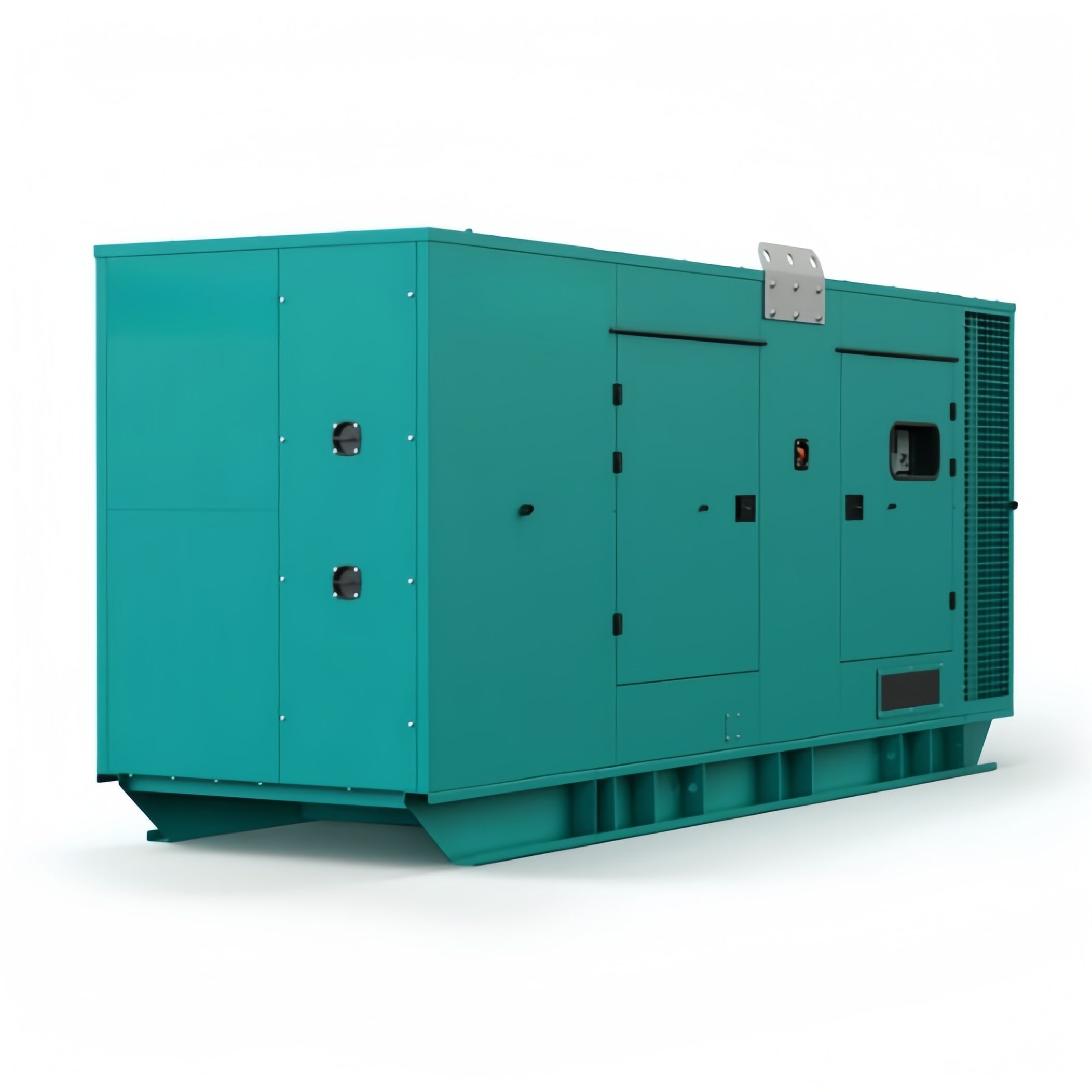
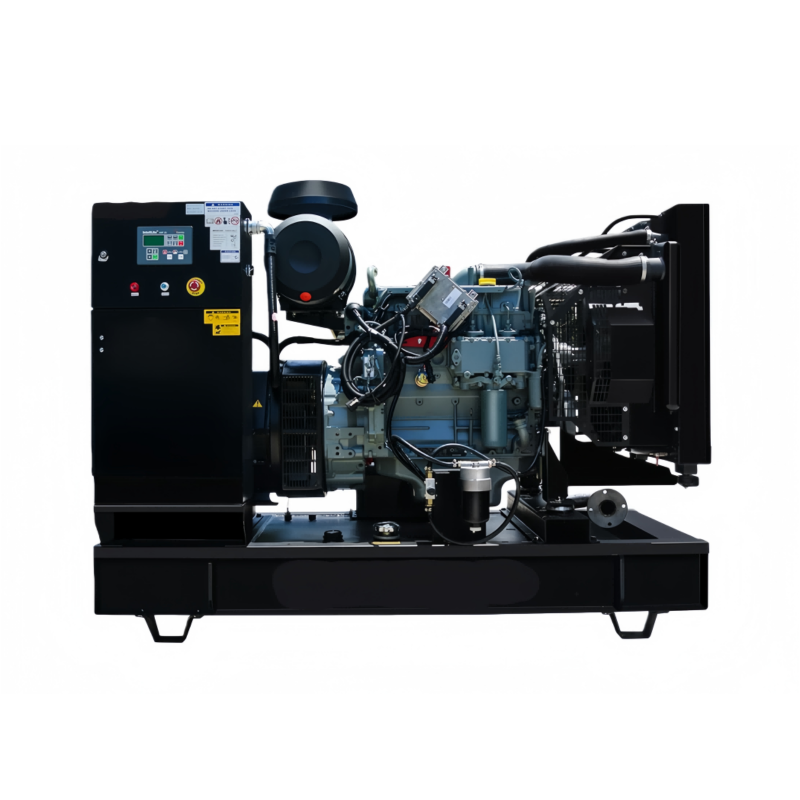
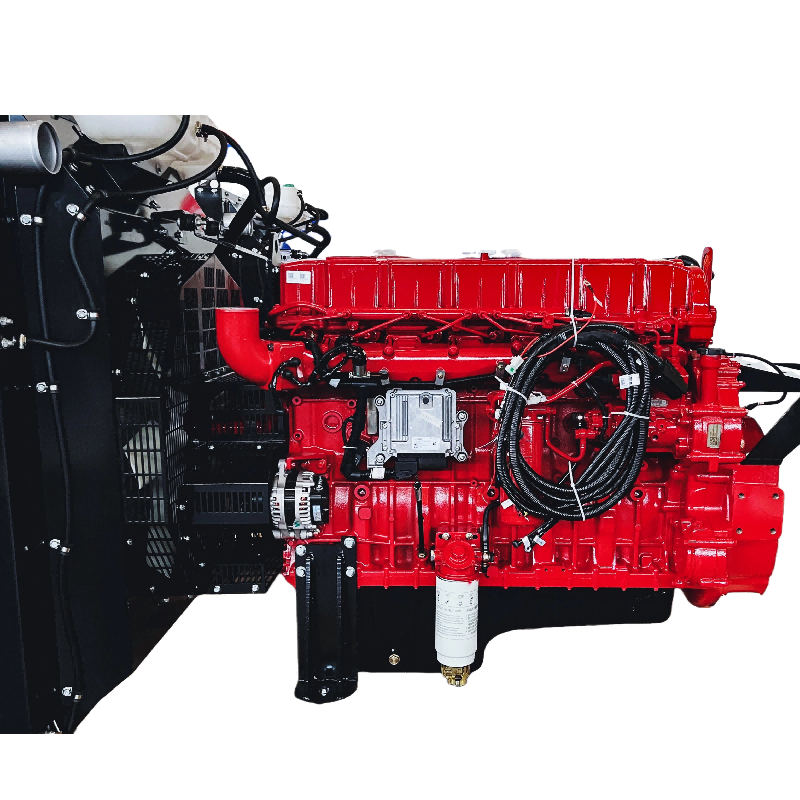
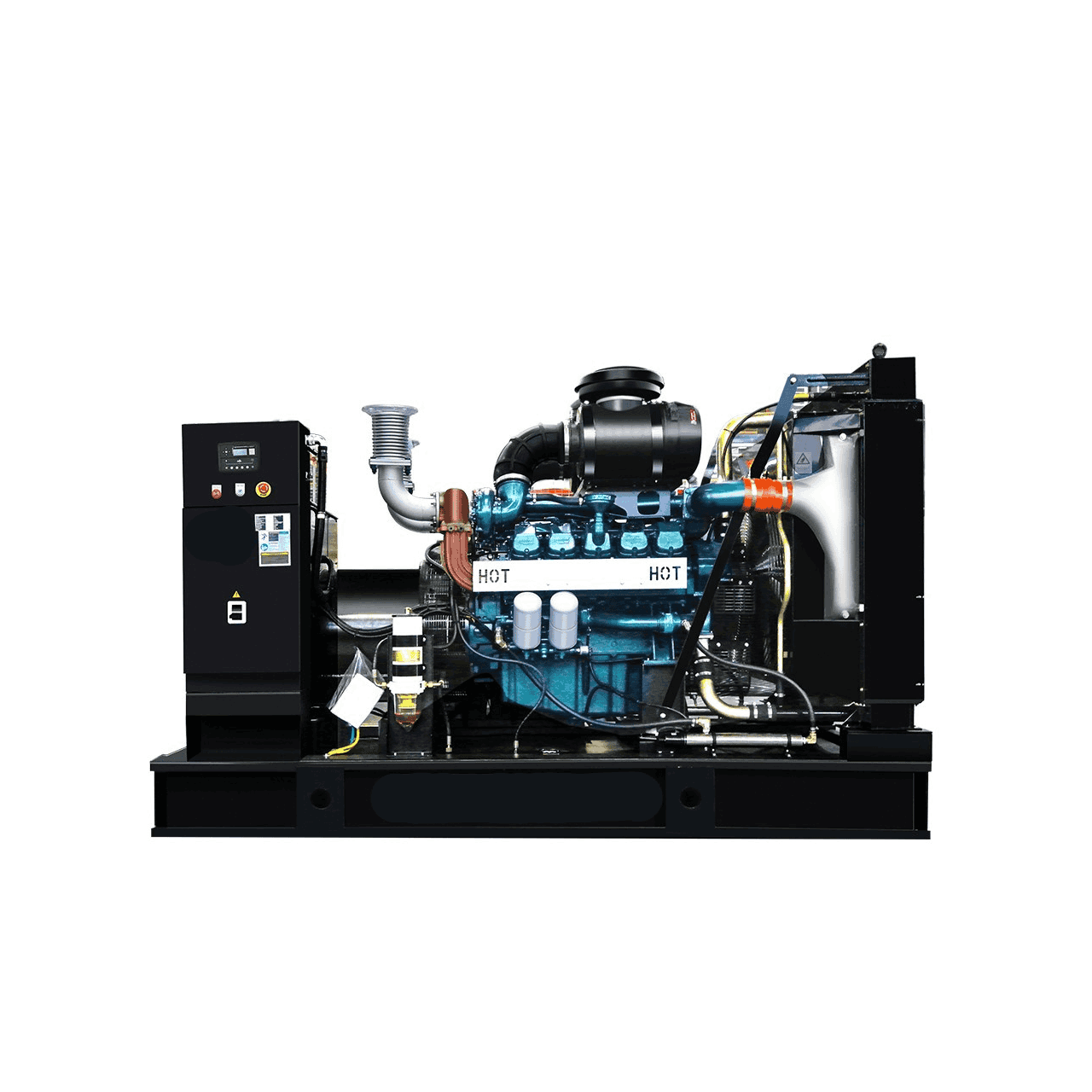
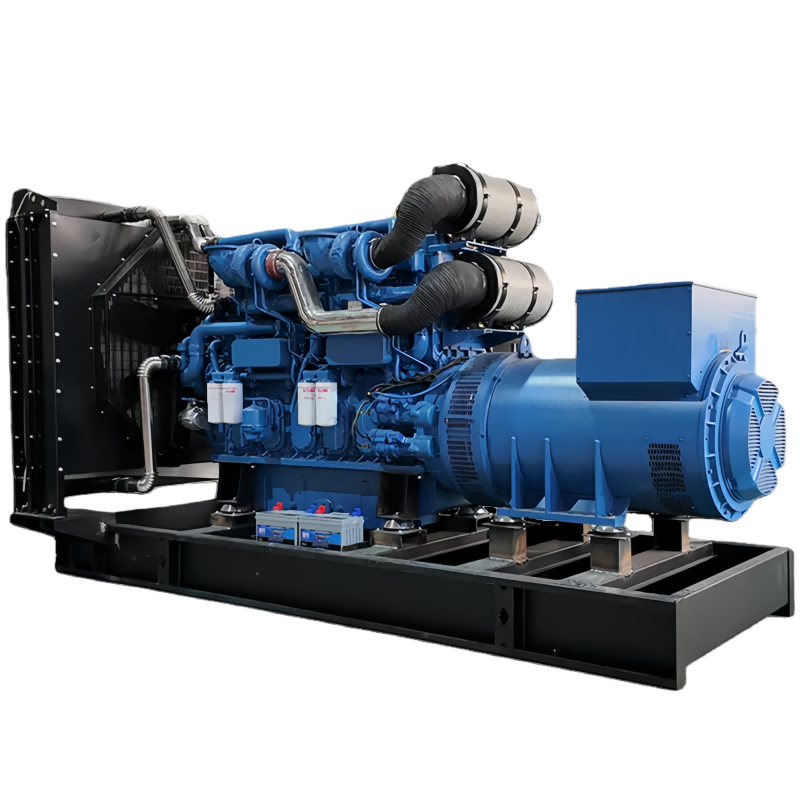
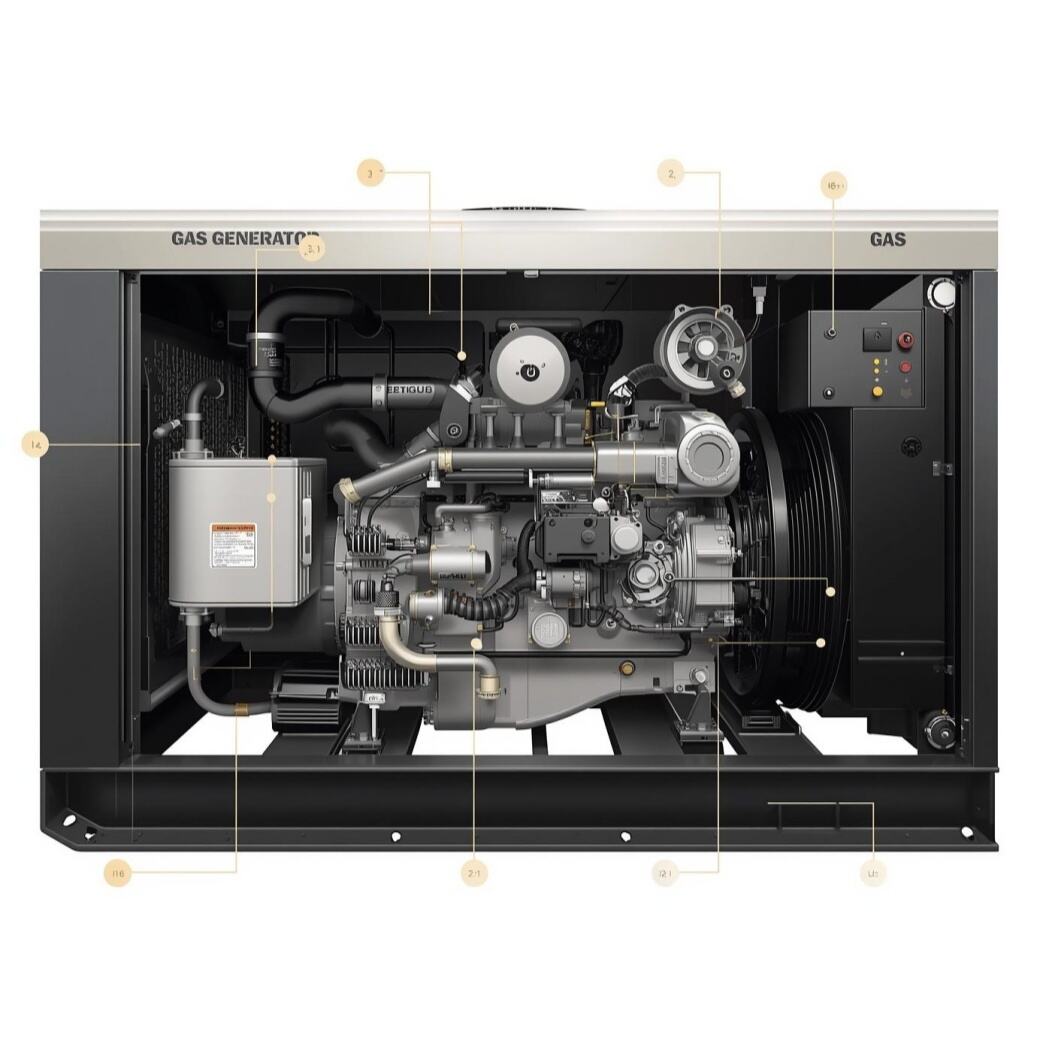
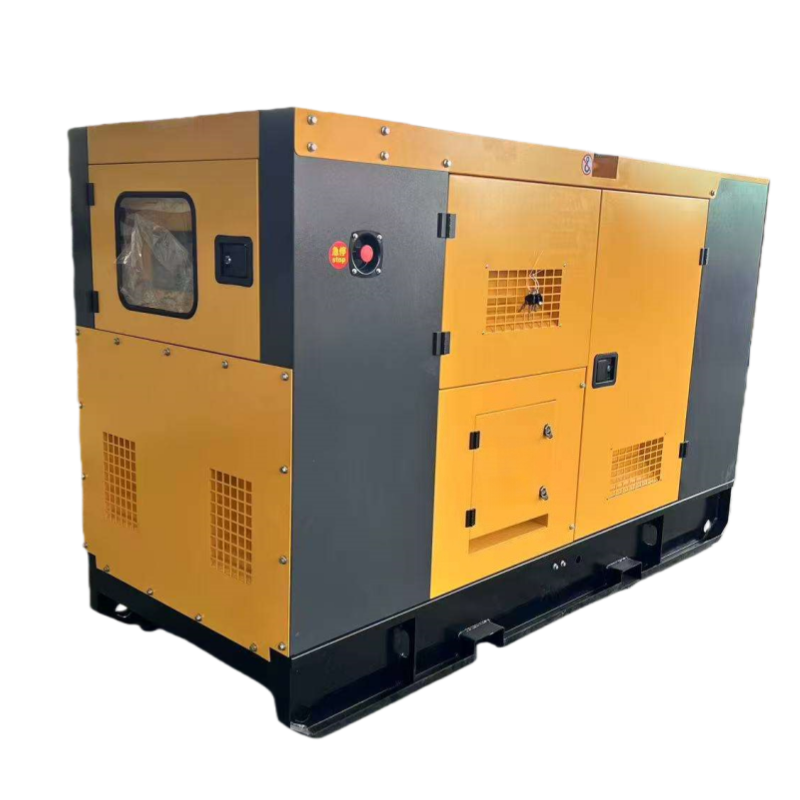
An open genset represents a fundamental power generation solution designed to provide reliable electricity in various commercial and industrial applications. This type of generator system features an exposed engine and alternator configuration that offers direct access to all major components for maintenance and monitoring purposes. The open genset operates by converting mechanical energy from a diesel, gas, or alternative fuel engine into electrical energy through an integrated alternator system. The primary functions of an open genset include emergency backup power during electrical outages, continuous power supply for remote locations without grid connectivity, and peak load support during high demand periods. These systems typically incorporate advanced control panels that monitor engine parameters such as oil pressure, coolant temperature, fuel levels, and electrical output metrics. Modern open genset units feature sophisticated protection systems including low oil pressure shutdown, high temperature alarms, and overcurrent protection to safeguard equipment and ensure operational safety. The technological features encompass electronic fuel injection systems for optimal fuel efficiency, digital control modules for precise load management, and remote monitoring capabilities that allow operators to track performance from distant locations. Applications for open genset systems span across construction sites where temporary power is essential, manufacturing facilities requiring uninterrupted production capabilities, data centers needing critical backup power protection, hospitals demanding reliable emergency power, and residential complexes seeking standby power solutions. The versatility of open genset configurations allows customization for specific power requirements ranging from small-scale residential applications to large industrial installations. Integration capabilities include automatic transfer switches that seamlessly transition between utility and generator power, load bank testing systems for performance verification, and paralleling controls for multiple unit operations. The open design philosophy prioritizes accessibility for routine maintenance procedures, component inspection protocols, and troubleshooting activities that ensure long-term operational reliability and cost-effective ownership.
New Products

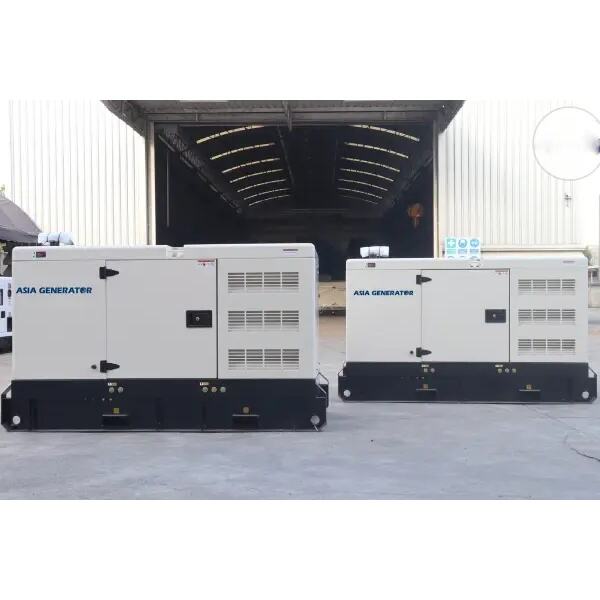
The open genset design delivers significant practical benefits that make it an preferred choice for power generation needs across multiple industries and applications. Cost-effectiveness stands as the primary advantage, as the open configuration eliminates expensive acoustic enclosures and weatherproof housings, reducing initial purchase prices by twenty to thirty percent compared to enclosed alternatives. This affordability extends to maintenance expenses since technicians can easily access all engine components, alternator connections, and control systems without removing protective panels or navigating confined spaces. The enhanced accessibility translates into faster diagnostic procedures and reduced labor costs during service intervals. Cooling efficiency represents another crucial benefit of open genset systems, as unrestricted airflow around the engine and alternator prevents overheating issues common in enclosed units. The natural ventilation allows optimal heat dissipation, extending equipment lifespan and maintaining consistent performance during extended operation periods. This thermal management advantage proves particularly valuable in high ambient temperature environments where enclosed generators struggle with heat buildup. Flexibility in installation configurations provides operators with numerous placement options that enclosed genset systems cannot accommodate. The open design permits installation in existing buildings, temporary structures, and custom-built generator rooms where space constraints or specific ventilation requirements dictate placement parameters. Users can position open genset units adjacent to existing infrastructure while maintaining proper clearances for air intake and exhaust systems. Maintenance simplicity emerges as a compelling advantage for facility managers and service technicians who appreciate direct visual access to all system components. Routine inspections become straightforward procedures that identify potential issues before they escalate into costly repairs or unexpected downtime events. The ability to observe oil levels, coolant conditions, belt tensions, and electrical connections during operation enables proactive maintenance strategies that maximize equipment reliability. Customization possibilities expand significantly with open genset platforms, allowing integration of specialized control systems, custom mounting configurations, and application-specific accessories that enhance functionality for unique operational requirements. This adaptability ensures that each installation can optimize performance characteristics while meeting precise power delivery specifications and regulatory compliance standards.

Latest News

How Noise Is A Silent Type Generator Set?

09

Dec

How Noise Is A Silent Type Generator Set?

View More
How Does a Gas Generator Work?

09

Dec

How Does a Gas Generator Work?

View More
What Is The Difference between Open Generator And Silent Generator?

09

Dec

What Is The Difference between Open Generator And Silent Generator?

View More

Get a Free Quote

Our representative will contact you soon.
Email
Name
Tel/WhatsApp
Company Name
Message
0/1000

open genset

Superior Accessibility for Comprehensive Maintenance Operations

Superior Accessibility for Comprehensive Maintenance Operations

The open genset configuration provides unmatched accessibility to all critical components, establishing a significant operational advantage for maintenance teams and facility managers. This design philosophy prioritizes easy access to engine compartments, alternator assemblies, fuel systems, cooling circuits, and electrical connections without requiring specialized tools or complex disassembly procedures. Technicians can perform routine maintenance tasks such as oil changes, filter replacements, belt inspections, and coolant system servicing in substantially less time compared to enclosed generator systems. The visual accessibility allows immediate identification of potential issues including fluid leaks, worn components, loose connections, or unusual wear patterns that might indicate developing problems. This proactive approach to maintenance significantly reduces the likelihood of unexpected failures and extends overall equipment lifespan through timely interventions. The open design facilitates comprehensive inspections during planned maintenance windows, enabling thorough evaluation of all system components without time-consuming removal of protective panels or enclosures. Service personnel can easily access diagnostic ports, testing points, and adjustment mechanisms while the unit operates, allowing real-time performance optimization and troubleshooting procedures. The enhanced accessibility translates directly into reduced maintenance costs through decreased labor hours and simplified service procedures that eliminate the need for specialized access equipment or confined space protocols. Furthermore, the open configuration supports on-site repairs and component replacements that might otherwise require factory service or complete unit removal in enclosed systems. This accessibility advantage proves particularly valuable in critical applications where minimizing downtime is essential for business continuity and operational efficiency.
Exceptional Cost-Effectiveness Throughout Ownership Lifecycle

Exceptional Cost-Effectiveness Throughout Ownership Lifecycle

Open genset systems deliver outstanding value propositions through comprehensive cost advantages that extend far beyond initial purchase prices. The elimination of expensive acoustic enclosures, weatherproof housings, and integrated ventilation systems reduces manufacturing costs that manufacturers pass directly to customers through lower retail prices. This initial cost savings typically ranges from twenty to forty percent compared to equivalent enclosed generator systems, making open genset solutions accessible to budget-conscious buyers without compromising power generation capabilities. The cost-effectiveness extends throughout the ownership lifecycle through reduced maintenance expenses enabled by simplified service procedures and enhanced component accessibility. Service technicians complete routine maintenance tasks more efficiently, reducing labor costs while ensuring thorough inspections that prevent costly emergency repairs. The open design eliminates the need for specialized tools or access equipment required for enclosed systems, further reducing service expenses and enabling in-house maintenance capabilities for qualified facility personnel. Operational cost advantages include improved fuel efficiency through optimized engine cooling and reduced parasitic loads from ventilation systems common in enclosed units. The natural airflow characteristics of open genset installations maintain optimal engine operating temperatures without energy-consuming cooling fans or complex ventilation controls. Replacement parts and consumables remain readily accessible through standard supplier networks, avoiding premium pricing associated with proprietary enclosure components or specialized access panels. The open configuration supports longer service intervals in many applications due to improved cooling characteristics and reduced contamination from enclosed environment conditions. Insurance premiums often reflect lower risk profiles for open genset installations that provide superior fire safety characteristics through improved ventilation and reduced fuel vapor accumulation compared to enclosed systems. These comprehensive cost advantages make open genset systems attractive investments for commercial facilities, industrial operations, and institutional applications where total ownership costs significantly impact purchasing decisions and long-term operational budgets.
Optimal Thermal Management and Performance Reliability

Optimal Thermal Management and Performance Reliability

The open genset design delivers superior thermal management characteristics that directly enhance performance reliability and operational longevity across diverse operating conditions. Unrestricted airflow around engine components, alternator assemblies, and electrical systems prevents heat buildup that commonly affects enclosed generator performance during extended operation periods. This natural cooling advantage becomes particularly significant in high ambient temperature environments where enclosed systems struggle with inadequate ventilation and heat dissipation limitations. The enhanced thermal management translates into consistent power output characteristics that maintain rated capacity even during prolonged operation cycles or peak demand situations. Engine cooling systems operate more efficiently when surrounded by ambient air circulation, reducing coolant temperatures and minimizing thermal stress on critical components such as cylinder heads, exhaust valves, and turbocharger assemblies. The alternator benefits substantially from improved airflow that prevents winding overheating and maintains optimal magnetic characteristics essential for stable voltage regulation and power quality. Open genset installations demonstrate superior performance in challenging environmental conditions including dusty construction sites, humid coastal locations, and high-altitude installations where enclosed systems often experience cooling difficulties. The natural ventilation characteristics prevent moisture accumulation and condensation issues that can compromise electrical components and control systems in enclosed environments. This thermal advantage extends equipment lifespan through reduced thermal cycling stress and lower operating temperatures that minimize wear rates on moving components such as bearings, seals, and gaskets. The improved cooling efficiency enables higher continuous power ratings in open genset applications compared to equivalent enclosed units that must derate capacity to prevent overheating. Maintenance intervals often extend in open installations due to reduced thermal stress and contamination levels that occur in properly ventilated environments. The thermal management benefits contribute to enhanced fuel efficiency through optimal engine operating temperatures and reduced cooling system parasitic loads, delivering measurable operational cost savings over the equipment lifecycle while maintaining exceptional reliability standards.
Open Genset Power Solutions: Cost-Effective Generators for Industrial and Commercial Applications

Get a Free Quote

Our representative will contact you soon.
Email
Name
Tel/WhatsApp
Company Name
Message
0/1000