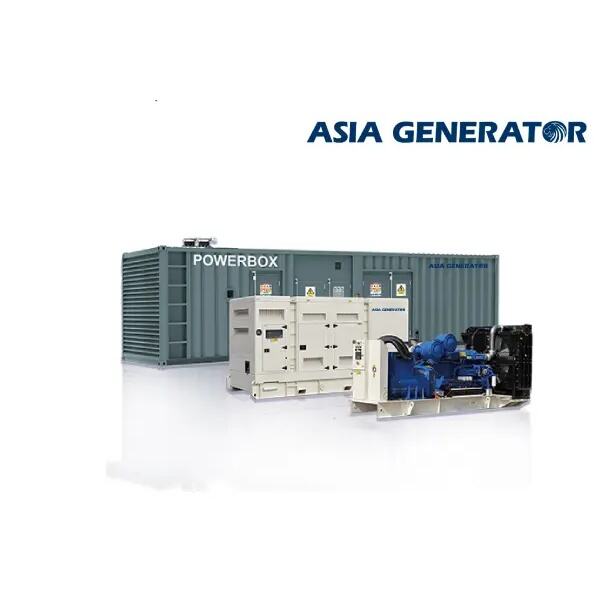
Gas Power Plant Solutions: Efficient, Clean, and Flexible Electricity Generation

All Categories

Get a Free Quote

Our representative will contact you soon.
Email
Name
Tel/WhatsApp
Company Name
Message
0/1000

gas power plant

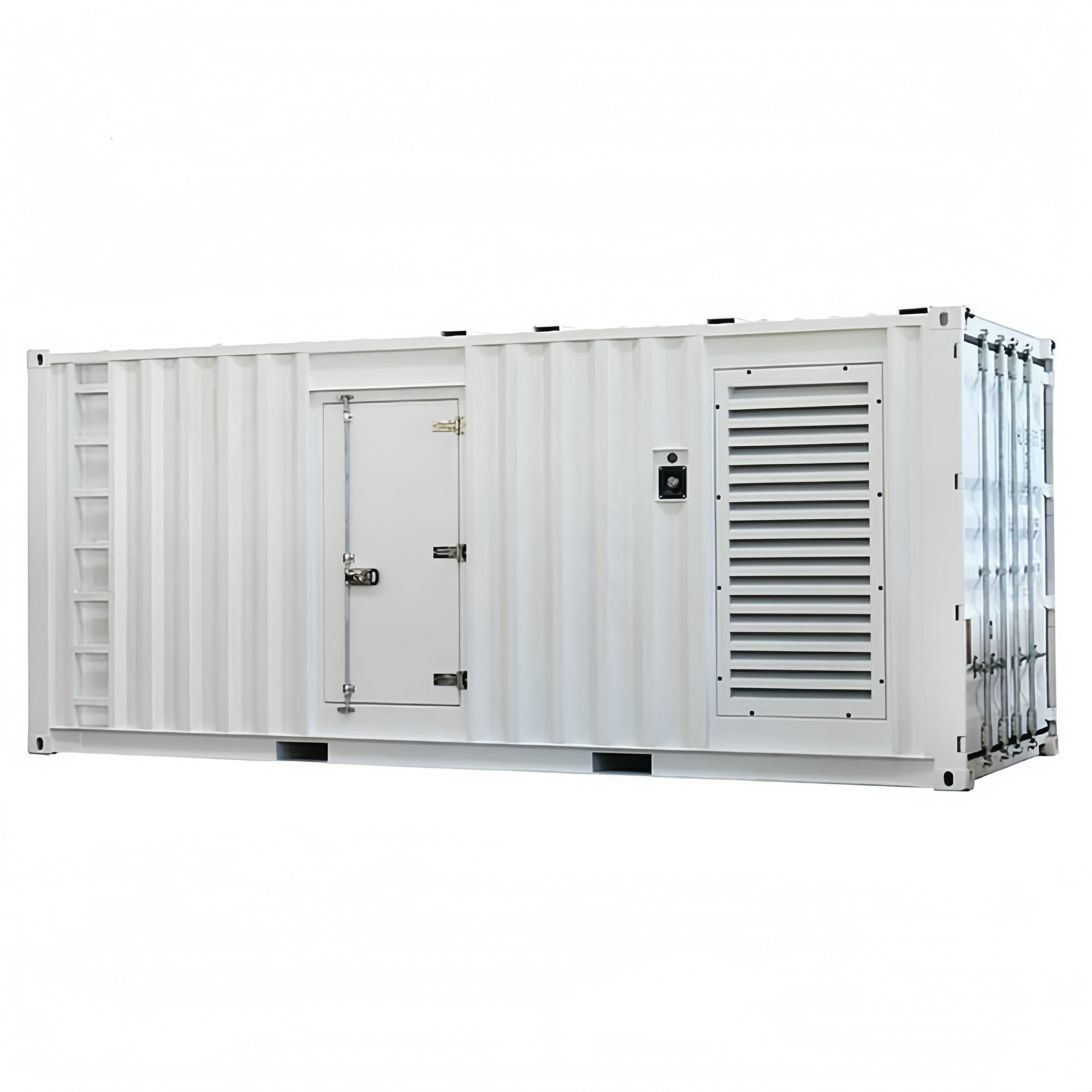
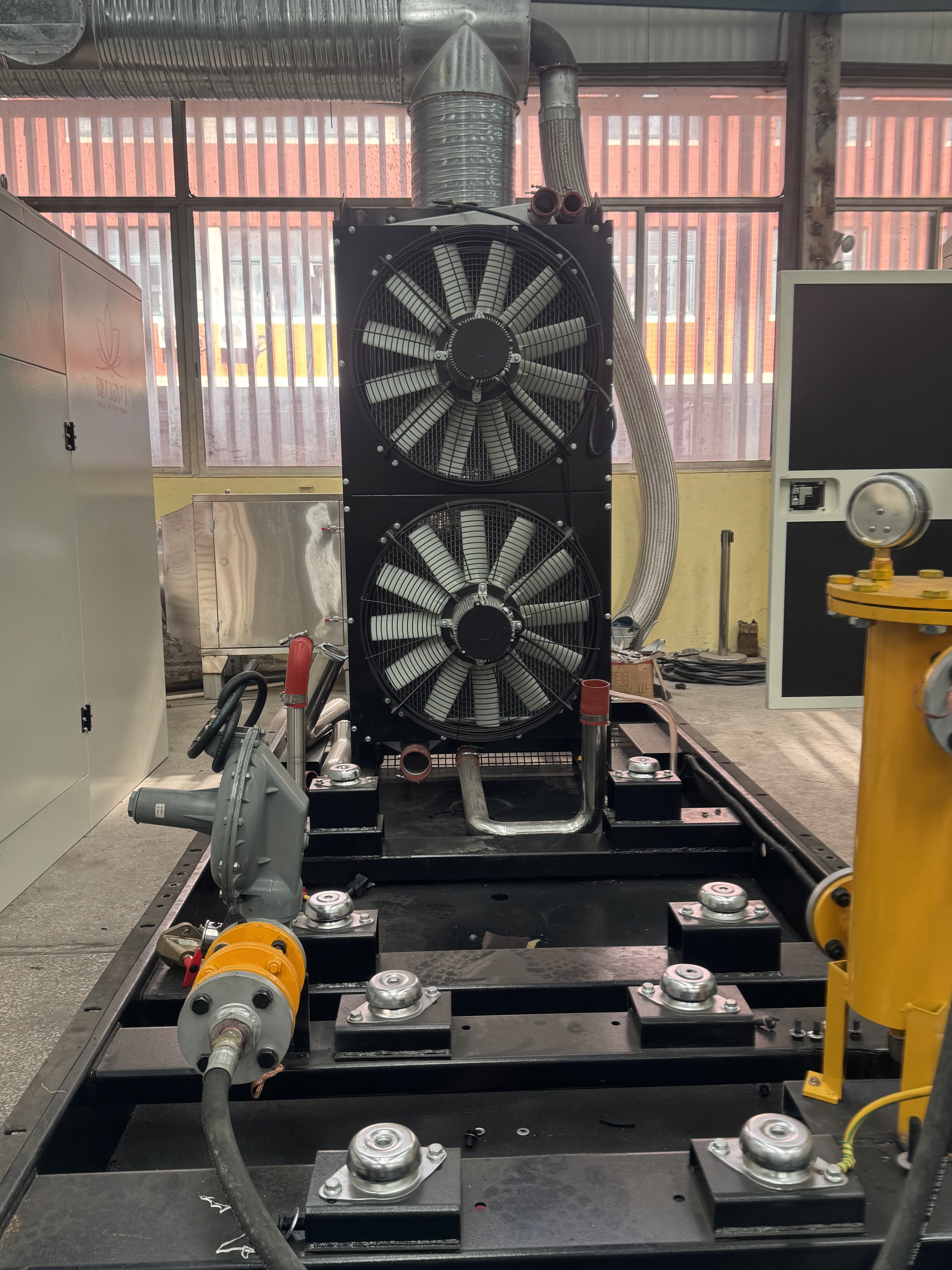
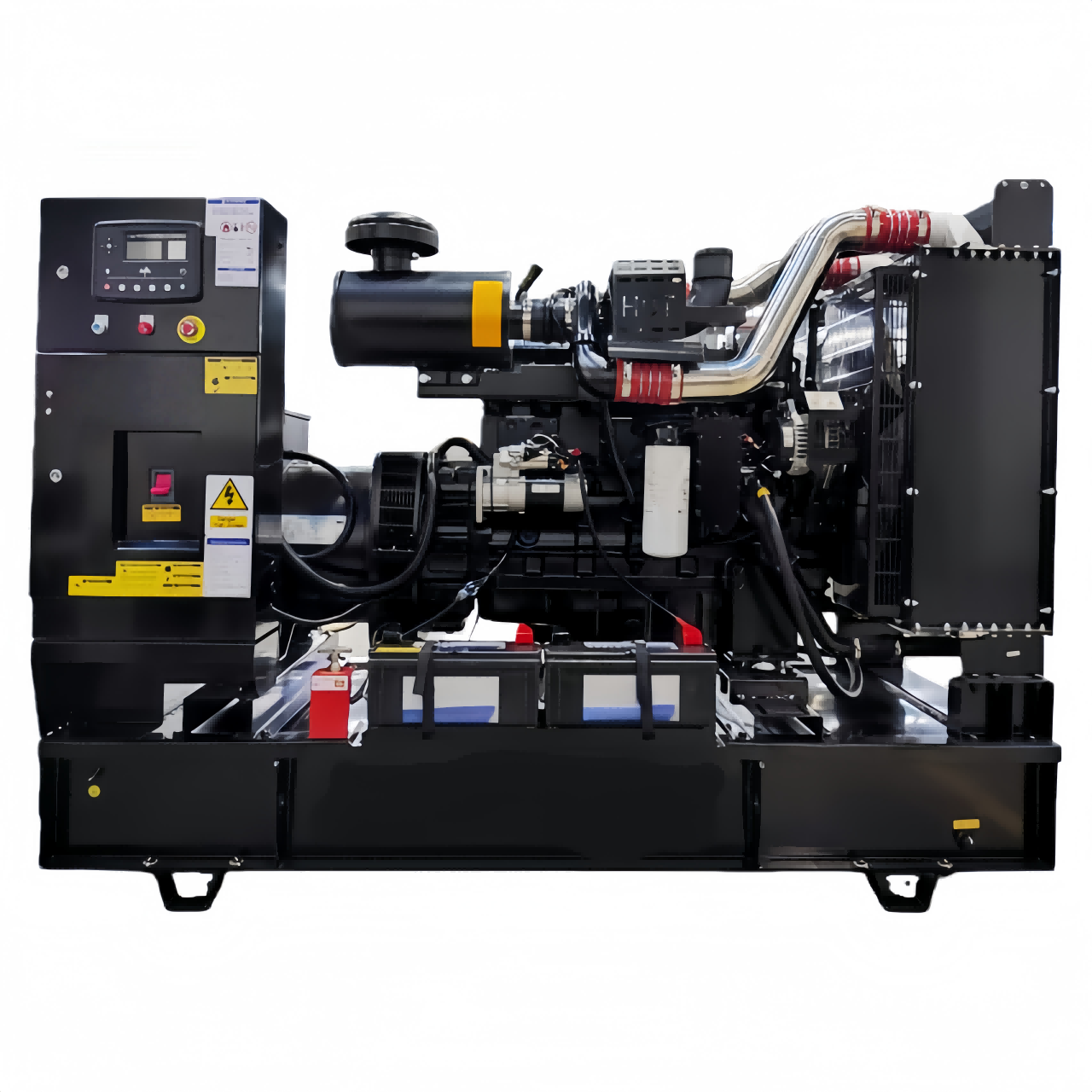
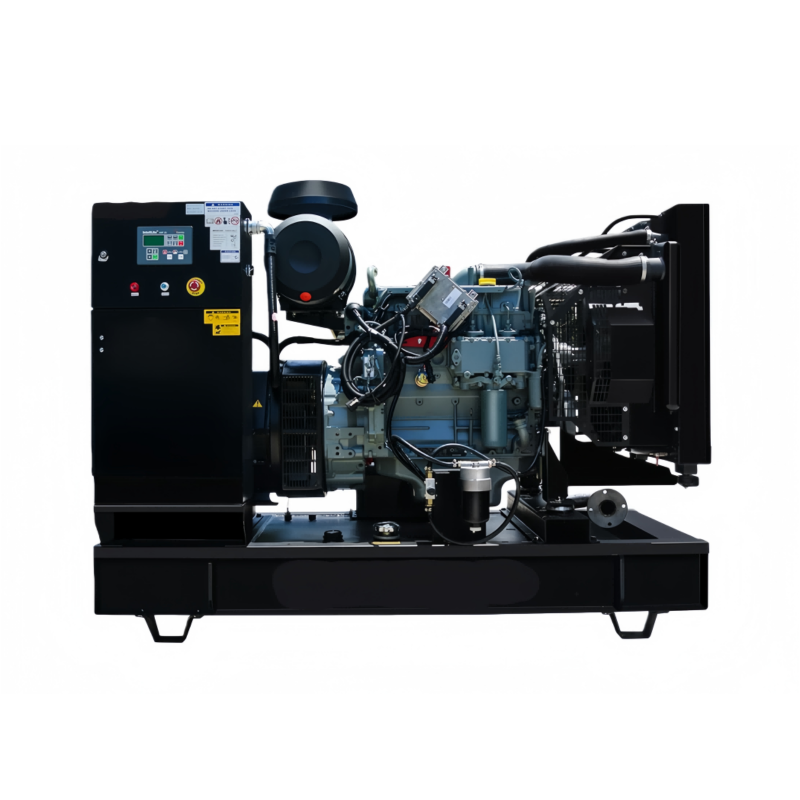
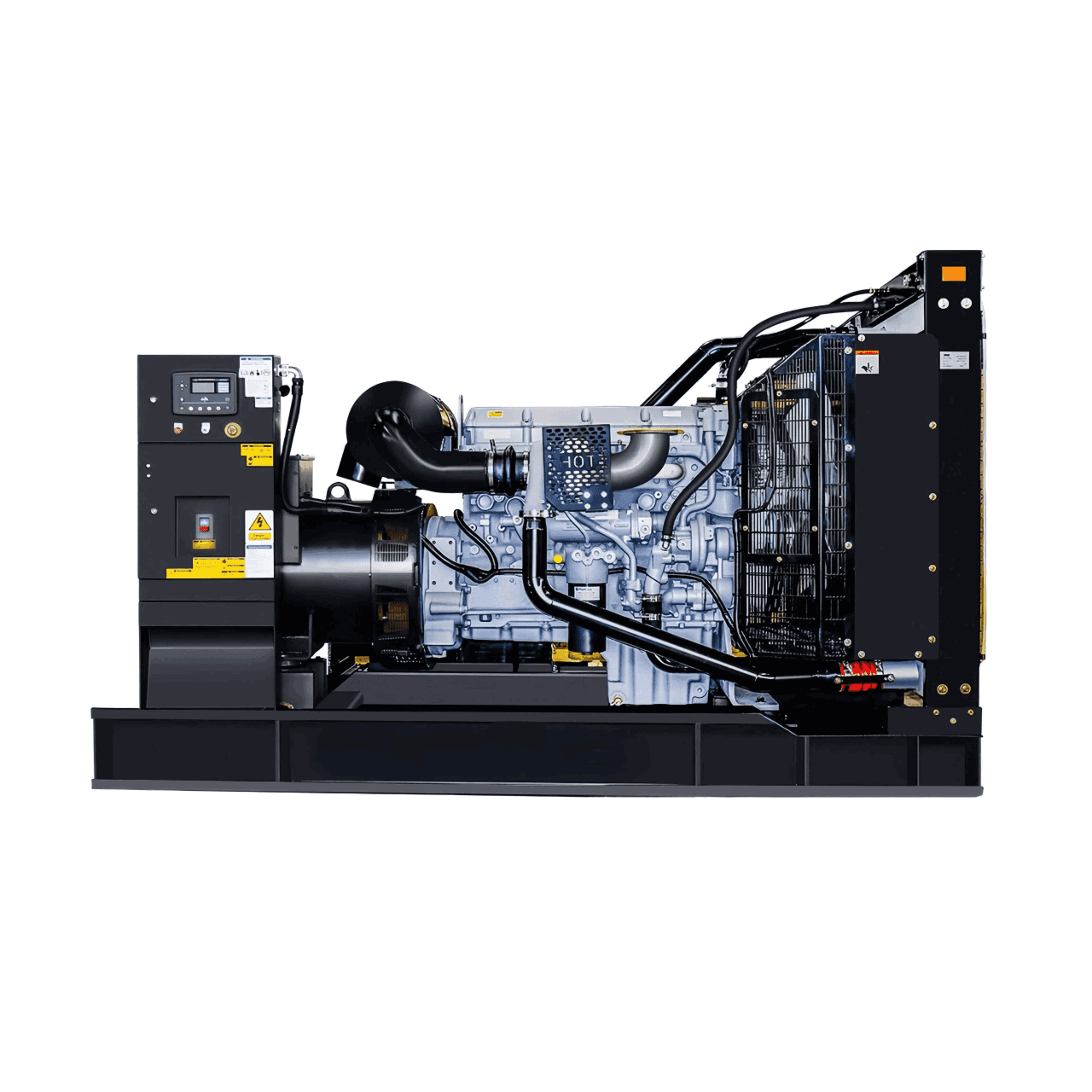
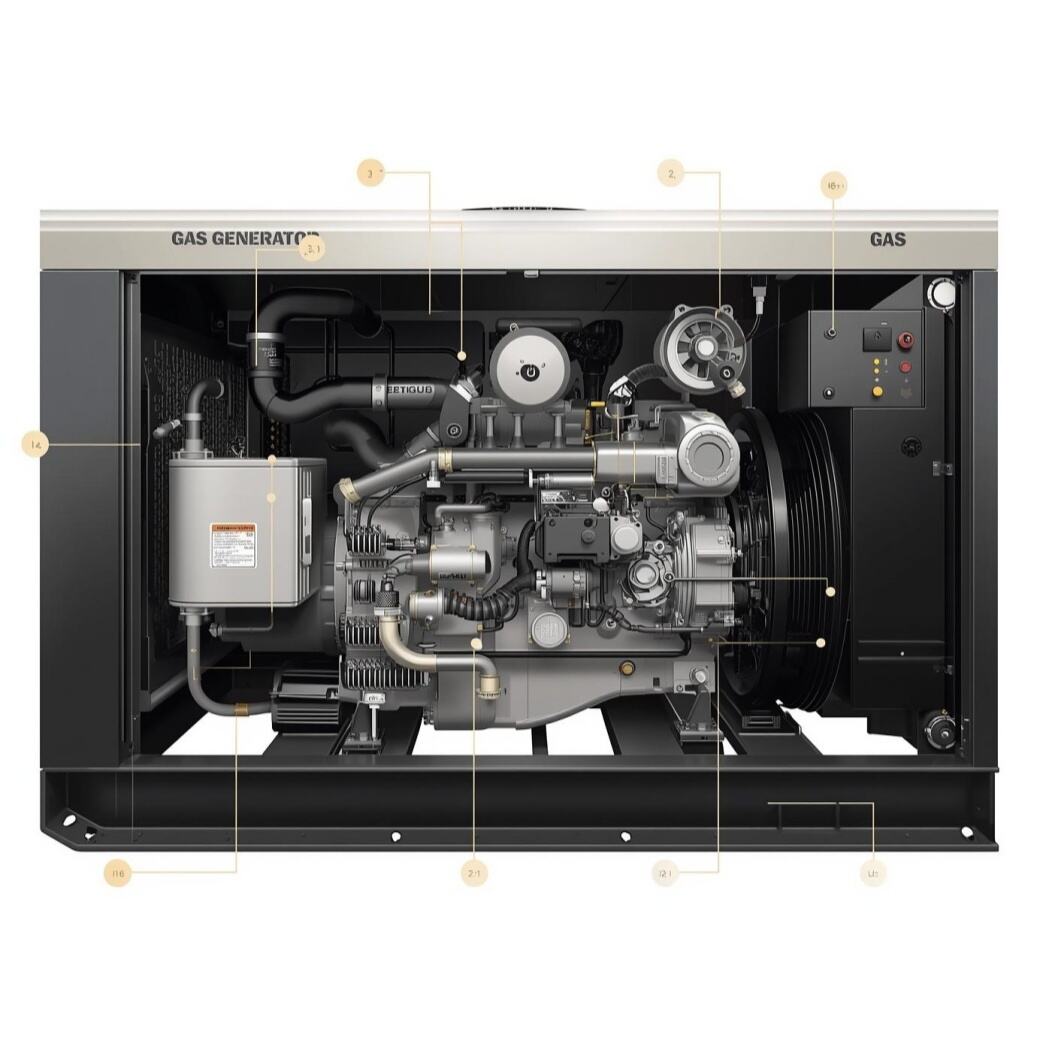
A gas power plant represents one of the most efficient and reliable solutions for electricity generation in today's energy landscape. These sophisticated facilities convert natural gas into electrical energy through a combustion process that drives turbines connected to generators. The gas power plant operates by burning natural gas in specialized combustion chambers, where the resulting hot gases expand rapidly to rotate turbine blades at extremely high speeds. This mechanical energy transfers to electrical generators that produce the electricity distributed through power grids to homes, businesses, and industrial facilities. Modern gas power plant installations incorporate advanced technologies including combined cycle systems, where waste heat from gas turbines powers additional steam turbines, significantly boosting overall efficiency rates. The technological features of a gas power plant include state-of-the-art control systems that monitor and optimize every aspect of the generation process. These systems ensure optimal fuel consumption, emissions control, and output stability. The gas power plant utilizes sophisticated filtration and treatment systems to minimize environmental impact while maintaining peak performance standards. Digital monitoring capabilities enable real-time adjustments to operating parameters, ensuring consistent electricity production even during varying demand periods. Applications for gas power plant technology span multiple sectors and scenarios. Utility companies deploy these systems for baseload power generation, providing steady electricity supply to entire regions. Industrial facilities often integrate gas power plant units to meet their substantial energy requirements while reducing dependence on grid electricity. Emergency backup applications utilize gas power plant systems to maintain critical operations during outages. Distributed generation networks incorporate smaller gas power plant units to enhance grid stability and reduce transmission losses. The versatility of gas power plant technology makes it suitable for both large-scale commercial deployments and smaller specialized applications across diverse industries and geographical locations.

New Products

The gas power plant delivers exceptional advantages that make it an intelligent choice for modern energy needs. Rapid startup capabilities distinguish the gas power plant from other generation technologies, allowing facilities to reach full operational capacity within minutes rather than hours. This quick response time proves invaluable for meeting sudden increases in electricity demand or compensating for fluctuations in renewable energy sources. The gas power plant offers superior fuel efficiency compared to traditional coal-fired alternatives, converting approximately 60 percent of input energy into usable electricity through advanced combined cycle configurations. This efficiency translates directly into reduced operating costs and lower fuel consumption per unit of electricity generated. Environmental benefits position the gas power plant as a cleaner alternative to conventional fossil fuel generation methods. These facilities produce significantly fewer carbon emissions, particulate matter, and sulfur compounds compared to coal plants. The gas power plant generates approximately 50 percent fewer carbon dioxide emissions than equivalent coal-fired facilities, supporting environmental compliance and sustainability goals. Operational flexibility represents another compelling advantage of the gas power plant. These systems can adjust output levels quickly and efficiently to match changing demand patterns, making them ideal partners for intermittent renewable energy sources like wind and solar. The gas power plant can operate effectively across a wide range of load conditions, from minimum stable generation to maximum rated capacity. Maintenance requirements for the gas power plant remain relatively straightforward and predictable. The cleaner burning characteristics of natural gas result in less equipment fouling and corrosion compared to other fossil fuels. This translates to extended equipment lifespans, reduced maintenance intervals, and lower overall maintenance costs. The gas power plant typically requires fewer personnel for operation and maintenance compared to alternative generation technologies. Economic benefits extend beyond operational savings to include competitive capital costs and shorter construction timelines. The gas power plant can be built and commissioned more quickly than nuclear or coal facilities, allowing faster return on investment and more responsive capacity additions to meet growing electricity demand.

Practical Tips

How Noise Is A Silent Type Generator Set?

09

Dec

How Noise Is A Silent Type Generator Set?

View More
How Does a Gas Generator Work?

09

Dec

How Does a Gas Generator Work?

View More
What Is The Difference between Open Generator And Silent Generator?

09

Dec

What Is The Difference between Open Generator And Silent Generator?

View More

Get a Free Quote

Our representative will contact you soon.
Email
Name
Tel/WhatsApp
Company Name
Message
0/1000

gas power plant

Advanced Combined Cycle Technology Maximizes Energy Efficiency

Advanced Combined Cycle Technology Maximizes Energy Efficiency

The gas power plant incorporates cutting-edge combined cycle technology that represents the pinnacle of thermal efficiency in electricity generation. This sophisticated system operates by utilizing both gas turbines and steam turbines in a carefully orchestrated process that extracts maximum energy from every unit of natural gas consumed. The primary gas turbine burns natural gas at extremely high temperatures, typically exceeding 2,000 degrees Fahrenheit, to generate mechanical energy that drives electrical generators. However, the innovation of the gas power plant lies in its ability to capture and utilize the substantial heat energy that would otherwise be wasted in the exhaust stream. The hot exhaust gases from the gas turbine pass through a heat recovery steam generator, where they produce high-pressure steam that powers additional steam turbines. This dual-generation approach enables the gas power plant to achieve efficiency rates approaching 60 percent, compared to simple cycle systems that typically operate at 35-40 percent efficiency. The enhanced efficiency of the gas power plant translates directly into reduced fuel costs, lower emissions per unit of electricity generated, and improved economic performance. Customers benefit from more competitive electricity rates and reduced environmental impact without sacrificing reliability or performance. The sophisticated control systems in the gas power plant continuously optimize the balance between gas and steam generation cycles, ensuring peak efficiency across varying load conditions. This technological advantage becomes particularly valuable during periods of fluctuating energy demand or when integrating with renewable energy sources that require flexible backup generation. The combined cycle configuration of the gas power plant also provides exceptional operational flexibility, allowing rapid adjustments to output levels while maintaining optimal efficiency. This capability proves essential for modern grid management, where electricity demand can vary significantly throughout the day. The gas power plant can respond to these changes quickly and efficiently, providing stable power supply while minimizing fuel consumption and operational costs.
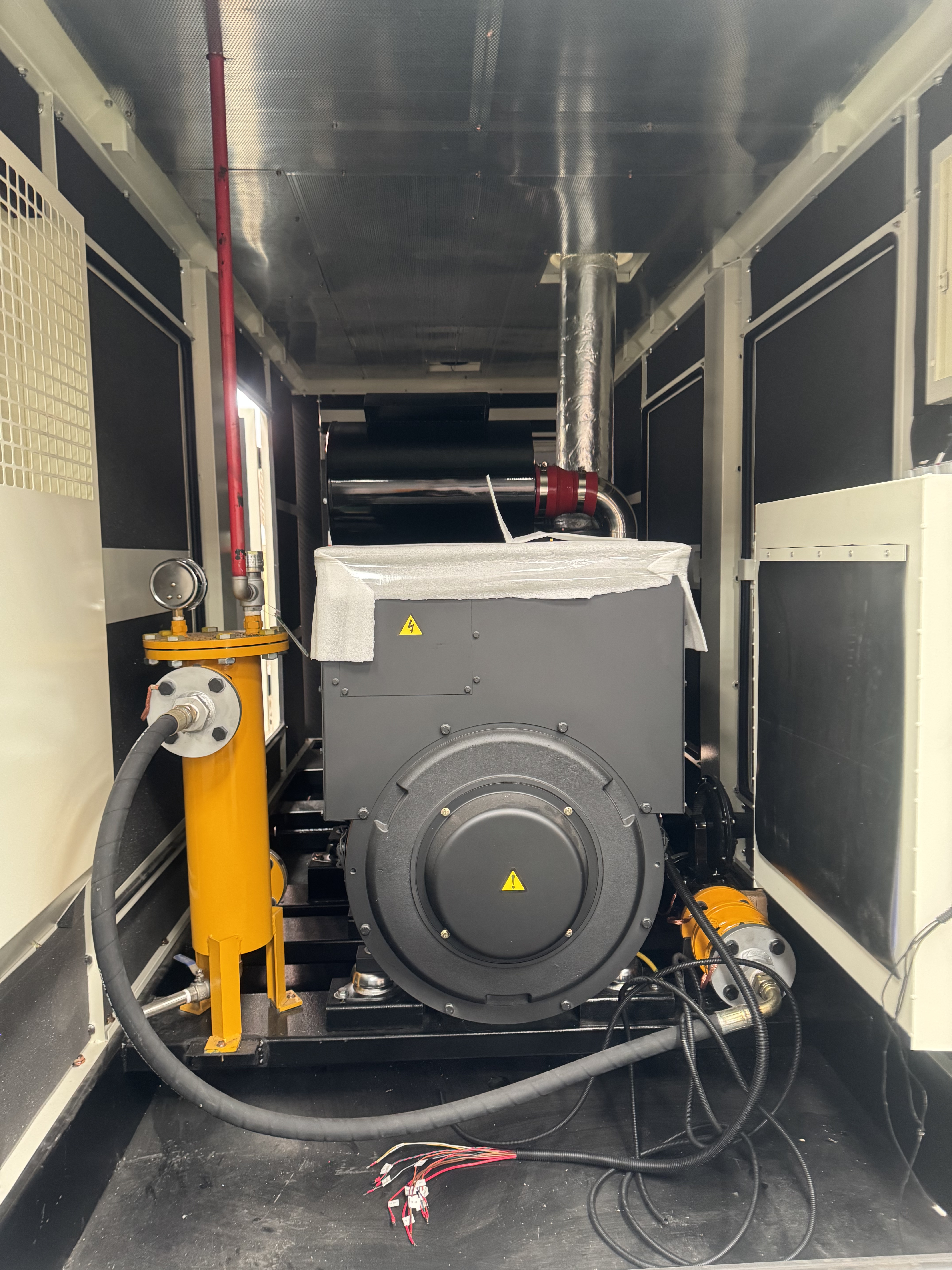
Exceptional Environmental Performance and Emissions Control

Exceptional Environmental Performance and Emissions Control

The gas power plant stands as a benchmark for environmental responsibility in the power generation industry, offering dramatically reduced emissions compared to traditional fossil fuel alternatives. Natural gas combustion in the gas power plant produces significantly fewer pollutants, including carbon dioxide, nitrogen oxides, sulfur dioxide, and particulate matter. The clean-burning characteristics of natural gas eliminate virtually all sulfur emissions, which are a major contributor to acid rain and respiratory health issues associated with coal-fired power generation. The gas power plant produces approximately 50 percent fewer carbon dioxide emissions than equivalent coal plants, making it an important bridge technology in the transition toward cleaner energy systems. Advanced emissions control systems in the gas power plant include selective catalytic reduction technology that further reduces nitrogen oxide emissions to minimal levels. These systems utilize precise injection of reducing agents to neutralize harmful compounds before they can be released into the atmosphere. The gas power plant incorporates sophisticated monitoring equipment that continuously tracks emissions levels, ensuring compliance with all environmental regulations while providing real-time data for optimization. Water consumption represents another environmental advantage of the gas power plant. These facilities require significantly less water for cooling compared to nuclear or coal plants, reducing strain on local water resources and minimizing thermal impacts on nearby water bodies. The gas power plant can utilize air-cooled condensing systems in water-scarce regions, eliminating the need for large cooling water intake and discharge systems. Waste generation from the gas power plant remains minimal, as natural gas combustion produces no solid ash or slag that requires disposal. This eliminates the environmental concerns associated with ash ponds and landfills required for coal plant waste management. The reduced environmental footprint of the gas power plant makes it more acceptable to local communities and regulatory agencies, facilitating faster permitting and construction processes. These environmental benefits position the gas power plant as a responsible choice for organizations committed to sustainability goals while meeting essential electricity needs.
Superior Operational Flexibility and Grid Integration Capabilities

Superior Operational Flexibility and Grid Integration Capabilities

The gas power plant excels in providing unmatched operational flexibility that makes it indispensable for modern electrical grid management and integration with renewable energy sources. Unlike base-load power plants that operate most efficiently at constant output levels, the gas power plant can adjust its electricity production rapidly and efficiently across a wide range of operational parameters. This flexibility enables the gas power plant to respond within minutes to changes in electricity demand, making it ideal for peak shaving applications and emergency backup scenarios. The rapid startup capability of the gas power plant allows it to go from cold shutdown to full power generation in less than 30 minutes, compared to hours or even days required for coal or nuclear facilities. This responsiveness proves crucial for maintaining grid stability and meeting unexpected demand spikes. The gas power plant can also operate efficiently at partial loads, maintaining good fuel efficiency even when producing 50-70 percent of its rated capacity. This part-load efficiency makes the gas power plant valuable for following daily demand patterns and compensating for the intermittent nature of renewable energy sources. Grid integration capabilities of the gas power plant include advanced synchronization systems that allow seamless connection and disconnection from electrical networks. These systems automatically adjust frequency, voltage, and phase relationships to match grid requirements, ensuring stable and reliable power delivery. The gas power plant can provide essential grid services including frequency regulation, voltage support, and spinning reserves that help maintain overall system stability. Modern gas power plant installations incorporate intelligent control systems that can respond automatically to grid signals and market conditions. These systems enable the gas power plant to participate in electricity markets by adjusting output in response to price signals or grid operator instructions. The operational flexibility of the gas power plant makes it an ideal complement to renewable energy installations, providing backup generation when wind or solar output decreases. This complementary relationship supports the integration of higher percentages of renewable energy into electrical grids while maintaining reliable electricity supply for consumers and businesses.
Gas Power Plant Solutions: Efficient, Clean, and Flexible Electricity Generation

Get a Free Quote

Our representative will contact you soon.
Email
Name
Tel/WhatsApp
Company Name
Message
0/1000