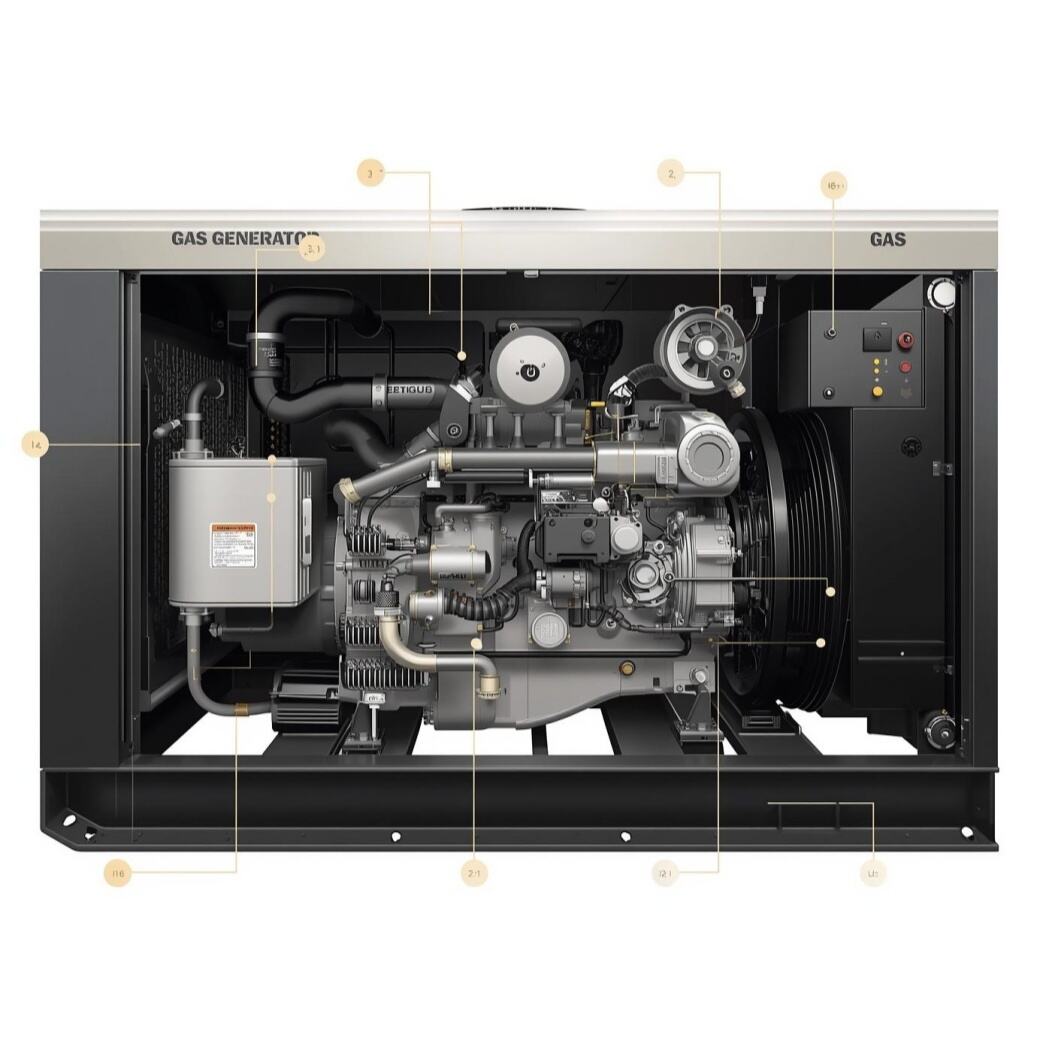
gasoline marine generator
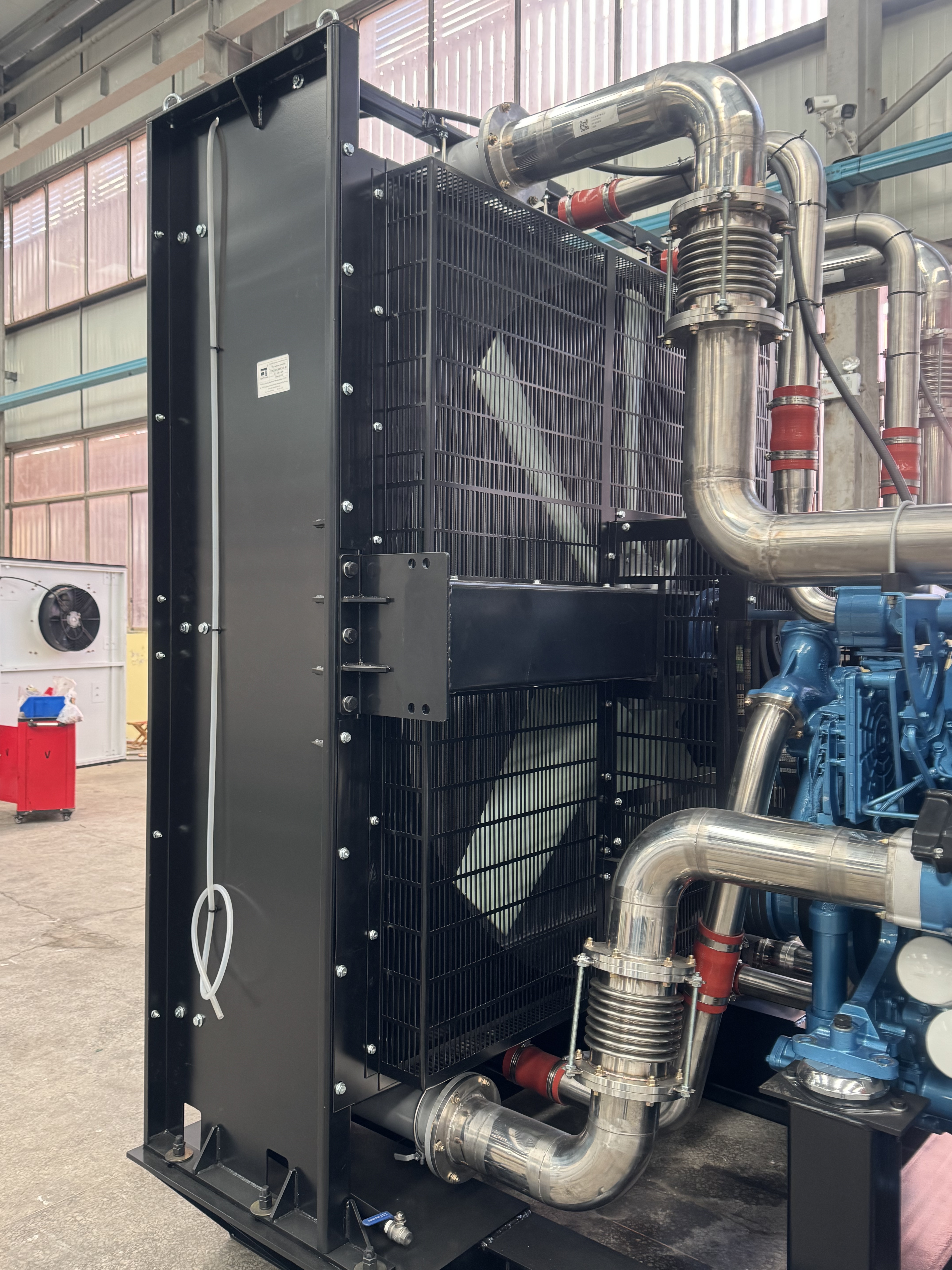
A gasoline marine generator represents an essential piece of equipment designed specifically for maritime applications, providing reliable electrical power aboard boats, yachts, and various watercraft. This specialized power generation system operates using gasoline fuel to produce electricity through an internal combustion engine coupled with an alternator assembly. The primary function of a gasoline marine generator involves converting chemical energy stored in gasoline into mechanical energy, which subsequently transforms into electrical energy for powering onboard systems and equipment. These generators feature robust construction materials specifically engineered to withstand harsh marine environments, including saltwater exposure, constant vibration, and temperature fluctuations. The technological architecture incorporates advanced cooling systems that prevent overheating during extended operation periods, while sophisticated fuel delivery mechanisms ensure consistent performance across varying sea conditions. Modern gasoline marine generator units integrate electronic control panels that monitor engine parameters, fuel consumption rates, and electrical output levels, providing operators with real-time performance data. Safety features include automatic shutdown protocols activated by low oil pressure, high engine temperature, or electrical overload conditions. The compact design philosophy maximizes power output while minimizing space requirements, making these generators suitable for installation in confined marine environments. Sound dampening technology reduces operational noise levels, ensuring comfortable onboard experiences during power generation cycles. Weatherproof housings protect internal components from moisture infiltration and corrosive marine atmospheres. Applications span recreational boating, commercial fishing vessels, emergency backup power systems, and offshore work platforms. The gasoline marine generator serves as a critical component for maintaining essential electrical services including navigation equipment, communication systems, lighting, refrigeration units, and water pumps, ensuring maritime safety and operational efficiency across diverse marine activities.
 EN
EN