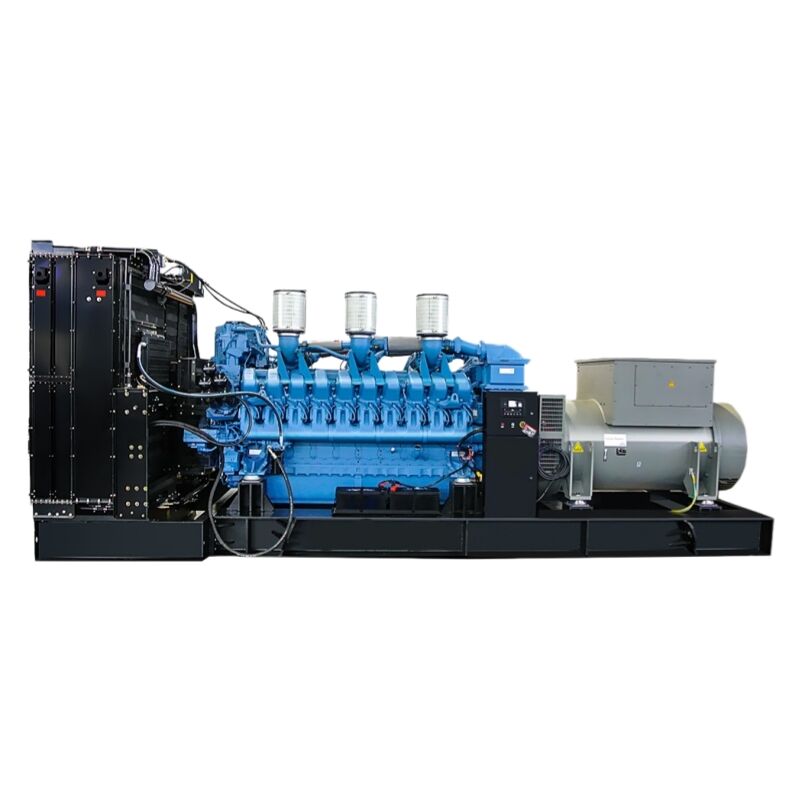
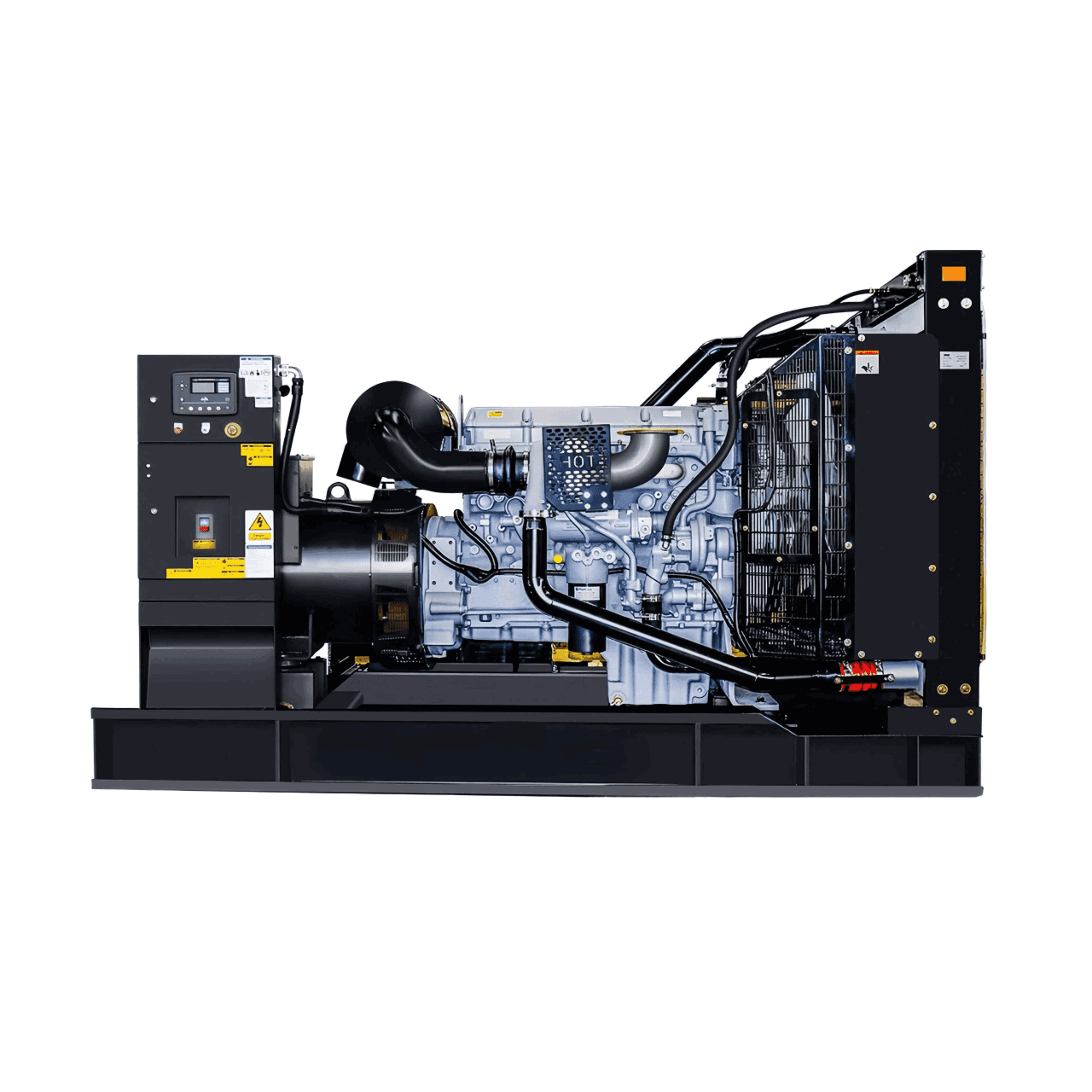
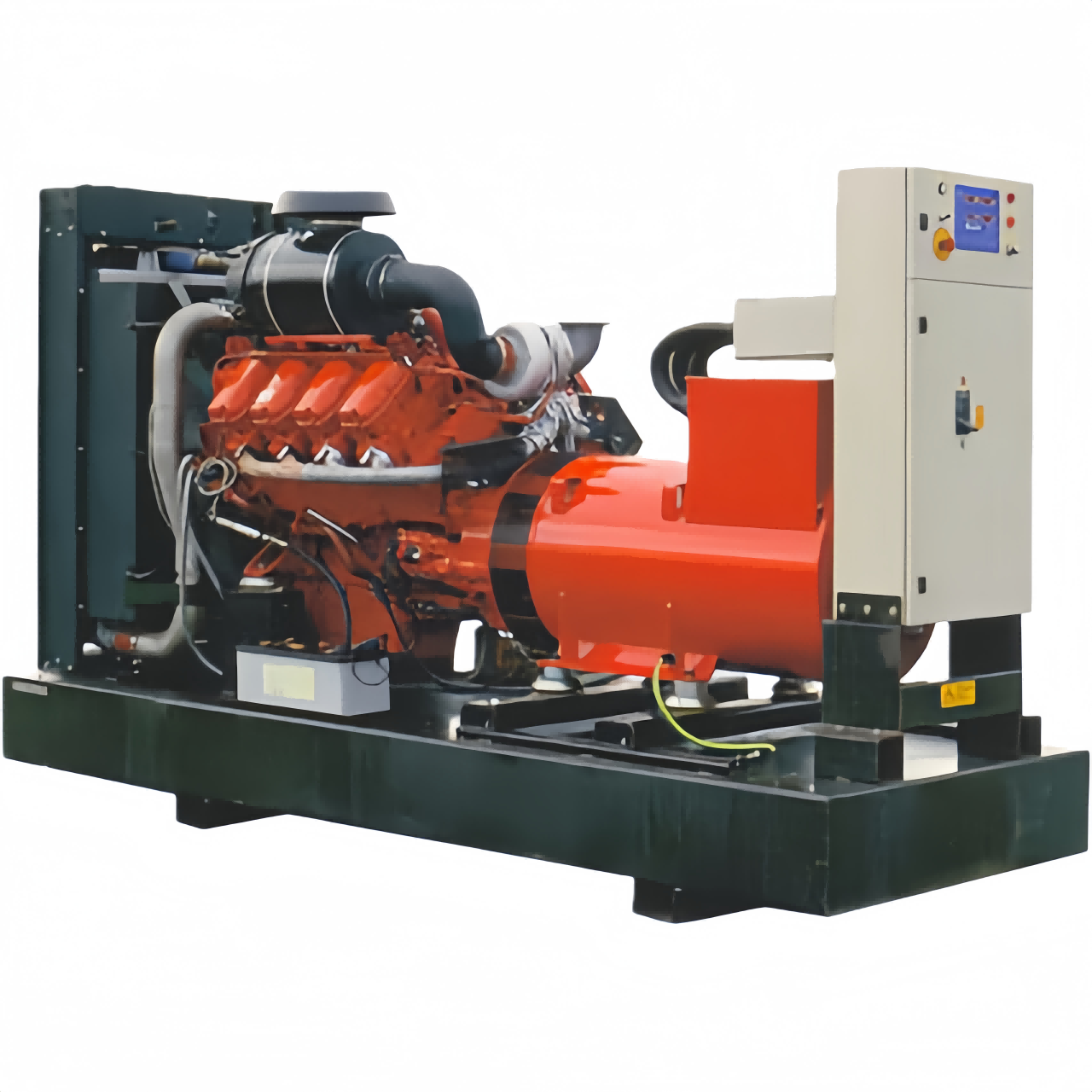
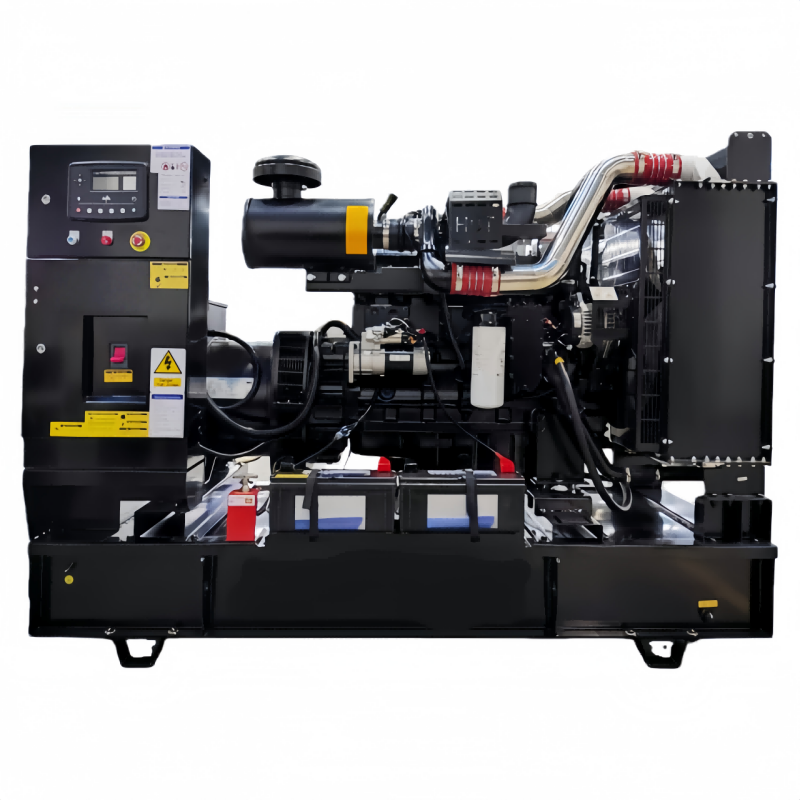
Cost-Effective Long-Term Investment
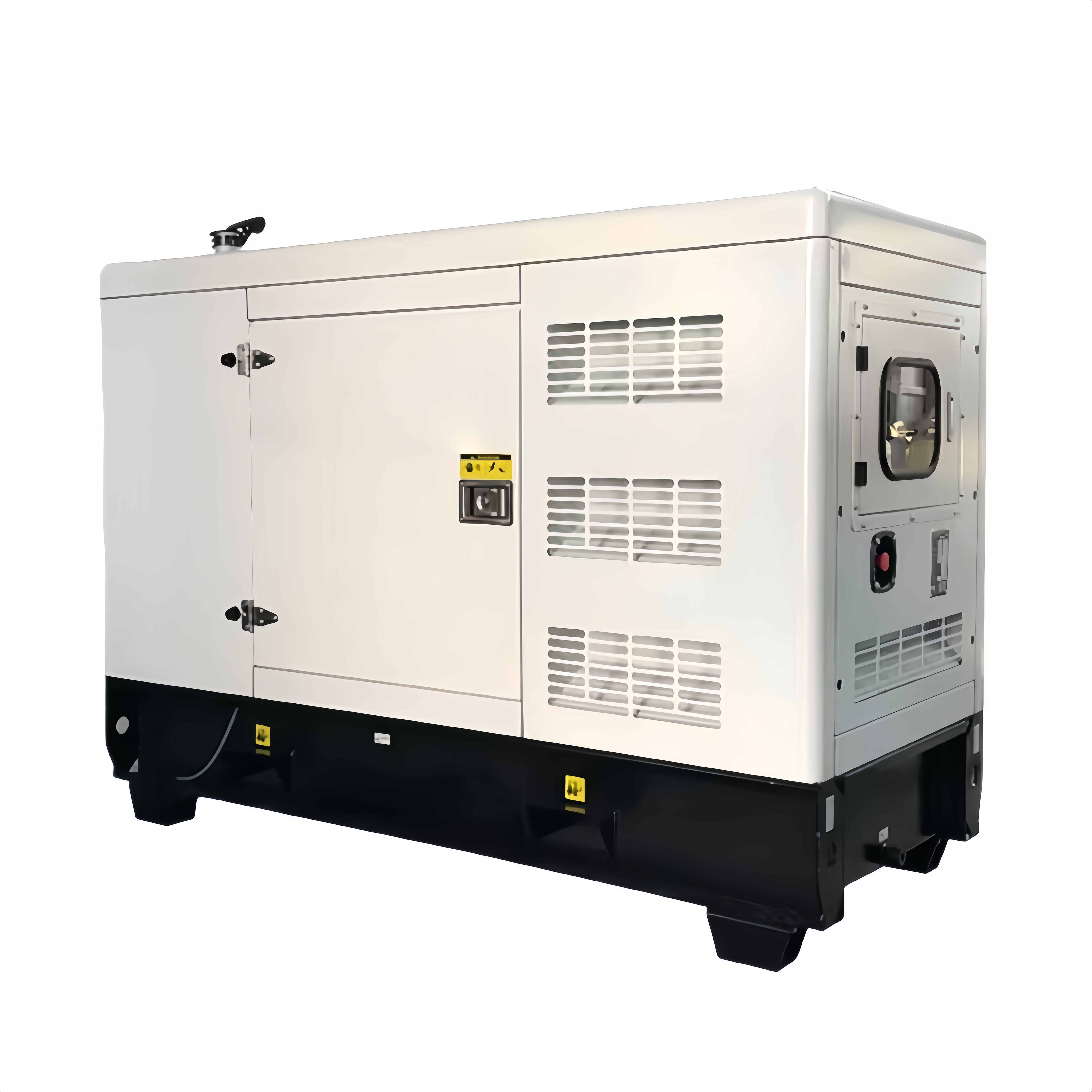
The commercial natural gas generator represents an exceptionally cost-effective long-term investment that delivers substantial financial benefits through reduced operational costs, minimal maintenance requirements, and extended equipment lifespan. The primary cost advantage of commercial natural gas generator systems lies in the significantly lower fuel costs compared to diesel alternatives, with natural gas typically costing 30-50 percent less per BTU than diesel fuel. This fuel cost differential becomes increasingly significant during extended runtime periods, where the cumulative savings can amount to thousands of dollars annually for businesses with regular power needs. The commercial natural gas generator eliminates fuel storage costs and associated infrastructure requirements, as connection to existing natural gas pipelines provides continuous fuel supply without the need for storage tanks, fuel monitoring systems, or regular delivery scheduling. This infrastructure advantage reduces initial installation costs while eliminating ongoing expenses related to fuel inventory management, storage tank maintenance, and environmental compliance monitoring. Maintenance costs for commercial natural gas generator systems are substantially lower than diesel alternatives due to the cleaner combustion characteristics of natural gas, which produces fewer engine deposits and contaminants. This cleaner operation results in extended oil change intervals, reduced filter replacement frequency, and longer spark plug life, significantly reducing routine maintenance expenses. The commercial natural gas generator typically requires maintenance intervals that are 50-100 percent longer than diesel generators, translating to reduced service costs and minimized operational disruption. The extended lifespan of commercial natural gas generator equipment provides exceptional return on investment, with properly maintained units often operating reliably for 20-30 years or more. The absence of fuel degradation issues, which plague stored diesel fuel, eliminates costs associated with fuel treatment, replacement, and disposal that diesel generator owners regularly face. Insurance costs are typically lower for commercial natural gas generator installations due to reduced fire and environmental risks associated with the absence of stored fuel. The commercial natural gas generator also qualifies for various tax incentives and rebates in many jurisdictions, particularly when installed as part of energy efficiency or environmental improvement initiatives. The high resale value of well-maintained commercial natural gas generator systems protects the investment, as demand for clean, reliable backup power continues to grow. Additionally, the commercial natural gas generator can provide revenue opportunities through peak shaving programs and demand response initiatives, where businesses can reduce utility costs by using generator power during peak rate periods, further enhancing the financial benefits of ownership.
 EN
EN