 EN
EN

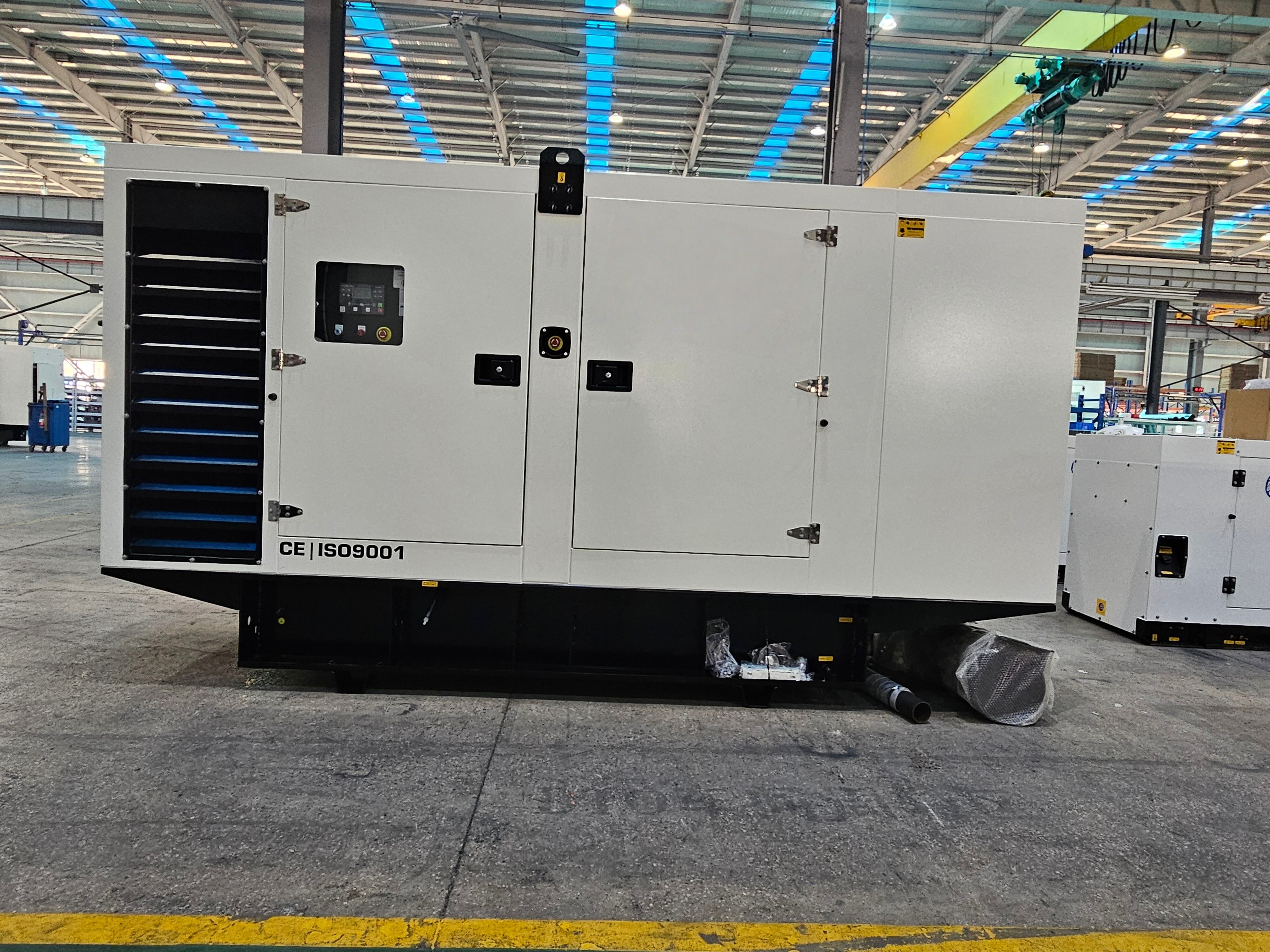
جب اہم بنیادی ڈھانچہ بندش، قدرتی آفات یا بجلی کے نظام کی ناکامی کے دوران مسلسل بجلی کی فراہمی پر منحصر ہو، تو آپ کے ہنگامی بجلی کے نظام کی قابل اعتمادی آپریشنل بقا کا معاملہ بن جاتی ہے۔ ہنگامی جنریٹر فراہم کرنے والے اداروں کے ذخیرہ سے انتخاب کرنا صرف ایک خریداری کا فیصلہ نہیں ہے— بلکہ یہ لچک، کاروباری استحکام اور خطرات کے انتظام میں ایک حکمت عملی کے تحت کی گئی سرمایہ کاری ہے۔ صحتِ عامہ، ڈیٹا سنٹرز، ت manufacturing، اور عوامی حفاظت کے شعبوں میں کام کرنے والے ادارے اس بات کو سمجھتے ہیں کہ ہنگامی صورتحال میں جنریٹر کی ناکامی سے تباہ کن مالی نقصانات، حفاظت کے معاملات میں خلل اور غیر قابل تلافی ساکھ کو نقصان پہنچ سکتا ہے۔ اس لیے ممکنہ ہنگامی جنریٹر فراہم کرنے والے اداروں کا جائزہ لینا ایک سخت گیر، پیمائش پر مبنی جانچ کے چارچوب کی ضرورت رکھتا ہے جو صرف ابتدائی قیمت کے موازنہ سے آگے بڑھ کر مشینری اور فراہم کرنے والے ادارے کے درمیان تعلق دونوں کی حقیقی برداشت کی صلاحیتوں کا جائزہ لیتا ہے۔
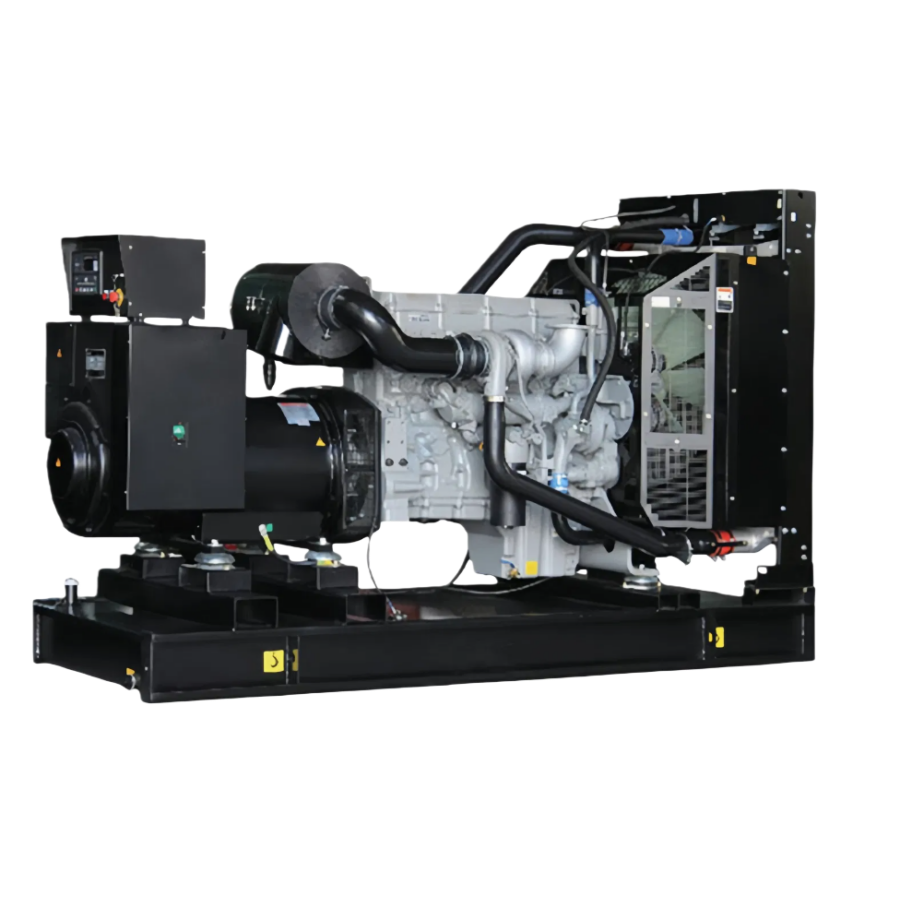
ہنگامی جنریٹر کے فراہم کنندگان کا منظر حالیہ سالوں میں کافی حد تک تبدیل ہو چکا ہے، جہاں عالمی نوعیت نے مختلف تیاری کے معیارات، سروس کی صلاحیتوں اور معیار کی ضمانت کے طریقوں کو متعارف کرایا ہے۔ اس وسعت کے باوجود خریداری کی ٹیموں کو زیادہ اختیارات فراہم ہوتے ہیں، لیکن اس کے ساتھ ساتھ فراہم کنندگان کا جائزہ لینا بھی پیچیدہ ہو جاتا ہے۔ نامناسب فراہم کنندہ کے انتخاب کے نتائج صرف ابتدائی لین دین تک محدود نہیں رہتے—بلکہ یہ مرمت کے چیلنجز، قطعات کی دستیابی کے مسائل، وارنٹی کے تنازعات اور آخرکار نظام کی ناکامی کی شکل میں ظاہر ہوتے ہیں جب قابل اعتمادی سب سے زیادہ اہم ہوتی ہے۔ اس مضمون میں ہنگامی جنریٹر کے فراہم کنندگان کا جامع جائزہ لینے کا ایک ڈھانچہ پیش کیا گیا ہے جو قابلِ شمار پیمانوں، آپریشنل ریکارڈز اور استقامت کے اشاروں پر مبنی ہے، جو طویل المدتی شراکت داری کی کامیابی اور سب سے مشکل حالات میں سامان کی کارکردگی کی پیش گوئی کرتے ہیں۔
تیاری کے معیار اور انجینئرنگ کے معیارات کا جائزہ
پیداواری سہولت کا سرٹیفیکیشن اور معیار کے انتظامی نظام
سپلائر کی استحکام کی بنیاد پیداوار کے معیار سے شروع ہوتی ہے، جو براہ راست جنریٹر کی عمر اور عملکرد کی قابل اعتمادی سے وابستہ ہوتی ہے۔ ایمرجنسی جنریٹر کے سپلائرز کا جائزہ لیتے وقت، خریداری کے ماہرین کو پیداواری سہولیات کے حاصل کردہ سرٹیفیکیشنز کا جائزہ لینا چاہیے، خاص طور پر آئی ایس او 9001 معیارِ معیاری انتظامی نظام کی پابندی۔ یہ سرٹیفیکیشن ظاہر کرتا ہے کہ سپلائرز ڈیزائن کنٹرول، پیداواری نگرانی، اور مسلسل بہتری کے اقدامات کے لیے دستاویزی طریقہ کار برقرار رکھتے ہیں۔ بنیادی آئی ایس او سرٹیفیکیشنز کے علاوہ، ایمرجنسی جنریٹر کے اعلیٰ درجے کے سپلائرز اکثر ماحولیاتی انتظام کے لیے آئی ایس او 14001 اور پیشہ ورانہ صحت و حفاظت کے لیے او ایچ ایس اے ایس 18001 جیسے صنعتی خاص ایکریڈیشنز بھی حاصل کرتے ہیں، جو آپریشنل ا Excellence کے لیے ایک جامع التزام کو ظاہر کرتے ہیں جو مصنوعات کی قابل اعتمادی میں ترجمہ ہوتا ہے۔
تصنیعی سہولیات کی جسمانی بنیادی ڈھانچہ سپلائر کی صلاحیتوں کے بارے میں اہم بصیرت فراہم کرتا ہے۔ جدید ایمرجنسی جنریٹر سپلائرز درستگی کے لیے مشیننگ سنٹرز، خودکار ٹیسٹنگ آلات اور موسمیاتی طور پر کنٹرول شدہ اسمبلی ماحول میں سرمایہ کاری کرتے ہیں تاکہ پیداواری دوران مسلسل تعمیر کی معیاری ضمانت دی جا سکے۔ جب ممکن ہو تو سپلائر کی سہولیات کے دورے کا مقصد اسمبلی عمل کے دوران معیار کنٹرول کے اہم نقاط کا مشاہدہ کرنا ہونا چاہیے، جس میں آنے والے اجزاء کا معائنہ سے لے کر آخری لوڈ ٹیسٹنگ تک تمام مراحل شامل ہوں۔ وہ سپلائر جو فیکٹری آڈٹ کی اجازت دیتے ہیں اور معیار کے اعداد و شمار کو کھلے عام شیئر کرتے ہیں، اپنے عملوں پر اعتماد اور ذمہ داری کے لیے عزم کا اظہار کرتے ہیں۔ اس کے علاوہ، تصنیعی سہولیات کے اندر مخصوص تحقیق و ترقی کے محکموں کا وجود سپلائر کی مسلسل مصنوعاتی بہتری اور نئے صنعتی معیارات کے مطابق اپنے آپ کو ڈھالنے کی صلاحیت کو ظاہر کرتا ہے۔
اجزاء کی خریداری اور سپلائی چین کی درستگی
ہنگامی بجلی کے نظاموں کی قابل اعتمادی بنیادی طور پر ان کے اجزاء کی معیار پر منحصر ہوتی ہے، جس کی وجہ سے اجزاء کی ترسیل کی حکمت عملی کا جائزہ لیے بغیر فراہم کنندگان کی جانچ نامکمل رہ جاتی ہے۔ معتبر ہنگامی جنریٹر فراہم کنندگان کمینز، پرکنس، ایم ٹی یو، یا کیٹرپلر جیسے درجہ اول کے انجن سازان کے ساتھ شراکت داریاں قائم کرتے ہیں، جن کے طاقت کے پلانٹس سخت گھنے تصدیقی ٹیسٹوں سے گزرتے ہیں اور عالمی سطح پر سروس کے نیٹ ورک برقرار رکھتے ہیں۔ انجن ساز کے ساتھ تعلقات صرف لین دین کی خریداری تک محدود نہیں ہونے چاہیے بلکہ اس میں تکنیکی تعاون، وارنٹی کی ہم آہنگی، اور مشترکہ مسائل کے حل کی صلاحیتوں کو بھی شامل کرنا چاہیے۔ وہ فراہم کنندگان جو پریمیم انجن برانڈز کے ساتھ مجاز شراکت داریاں برقرار رکھتے ہیں، عام طور پر زیادہ مجموعی نظام کی قابل اعتمادی کا مظاہرہ کرتے ہیں کیونکہ وہ ساز کی انجینئرنگ کی حمایت اور اصل ریپلیسمنٹ پارٹس تک رسائی سے فائدہ اٹھاتے ہیں۔
بنیادی حرکت پیدا کرنے والے اجزا کے علاوہ، الٹرنیٹر کی معیار جنریٹر کی استحکام اور مختلف لوڈز کے تحت وولٹیج کی مستحکم رکھنے کی صلاحیت پر اہم اثر ڈالتی ہے۔ جب جانچ کی جا رہی ہو تو ہنگامی جنریٹر کے فراہم کنندہ ، ان کے الٹرنیٹر کی ترسیل کا تعین اسٹیمفورڈ، لیروئے سومر، یا میراتھن الیکٹرک جیسے قائم شدہ کارخانوں سے کریں، جن کے مصنوعات بین الاقوامی معیارات کے مطابق عزل کلاس، حفاظتی درجہ بندیاں، اور ہارمونک ڈسٹورشن کی حدود پر پورا اترتی ہیں۔ کنٹرول سسٹم کے اجزاء، بشمول خودکار ٹرانسفر سوئچ، تحفظی ریلے، اور نگرانی انٹرفیسز، کو بھی تسلیم شدہ صنعتی آٹومیشن فراہم کنندگان سے حاصل کرنا چاہیے جن کا اہم طاقت کے درخواستوں میں ثابت شدہ ریکارڈ ہو۔ وہ فراہم کنندہ جو مواد کی تفصیلی فہرست (بِل آف میٹیریلز) فراہم کرتے ہیں اور اجزاء کے ماخذ کو ظاہر کرنے میں آزادانہ طور پر تعاون کرتے ہیں، وہ اپنی سپلائی چین کی درستگی کے بارے میں شفافیت اور اعتماد کا مظاہرہ کرتے ہیں، جبکہ وہ فراہم کنندہ جو اجزاء کے ماخذ کو چھپاتے ہیں، لمبے عرصے تک قابل اعتماد عمل کو متاثر کیے بغیر مقابلہ پسند قیمتیں حاصل کرنے کے لیے غیر معیاری اجزاء کا استعمال کر سکتے ہیں۔
ٹیسٹنگ کے طریقہ کار اور عملکردی تصدیق
جامع فیکٹری ٹیسٹنگ اعلیٰ معیار کے ایمرجنسی جنریٹر فراہم کنندگان کو ان فراہم کنندگان سے الگ کرتی ہے جو کم از کم تصدیق شدہ سامان کے ساتھ معمولی درجے کا سامان پیش کرتے ہیں۔ صنعت میں پیش پیش فراہم کنندگان ہر جنریٹر سیٹ کو حقیقی دنیا کے آپریٹنگ حالات کی نقل کرنے والے اور شائع شدہ کارکردگی کی خصوصیات کے مطابق تصدیق کرنے والے متعدد مرحلہ ٹیسٹنگ طریقوں کے تحت لاتے ہیں۔ ٹیسٹنگ کا نظام میکانی اسمبلی کی سالمیت کی تصدیق کے لیے بوجھ کے بغیر آپریشن (نو-لوڈ آپریشن) پر مشتمل ہونا چاہیے، جس کے بعد مستحکم وولٹیج ریگولیشن، فریکوئنسی کنٹرول اور حرارتی انتظام کی تصدیق کے لیے 25%، 50%، 75% اور 100% درجہ بندی شدہ صلاحیت پر تدریجی بوجھ کی ٹیسٹنگ ہونی چاہیے۔ توسیع شدہ مکمل بوجھ کی ٹیسٹنگ، جو عام طور پر سامان کے سائز کے مطابق چار سے آٹھ گھنٹوں تک ہوتی ہے، اس بات کی تصدیق کرتی ہے کہ جنریٹرز درجہ بندی شدہ آؤٹ پٹ کو بے ضرورت گرم ہونے، زیادہ وائبریشن یا لوبریکیشن سسٹم کی ناکامی کے بغیر برداشت کر سکتے ہیں۔
جداً طرزِ تجربہ کاری کی صلاحیتیں فراہم کنندہ کی ماہریت اور معیار کے اطمینان کے لیے اس کے عزم کو ظاہر کرتی ہیں۔ ایمرجنسی جنریٹر فراہم کنندگان کی تلاش کریں جو غیر متوقع لوڈ کے اطلاق یا خارج کرنے کے دوران وولٹیج اور فریکوئنسی کی بحالی کے وقت کو ناپنے کے لیے عارضی ردعمل کی جانچ (ٹرانزیئنٹ ریسپانس ٹیسٹنگ) کرتے ہوں، کیونکہ یہ حالات عام طور پر یوٹیلیٹی ٹرانسفر کے واقعات کے دوران پیش آتے ہیں۔ ہارمونک ڈسٹورشن کا تجزیہ یقینی بناتا ہے کہ جنریٹر کا آؤٹ پٹ معیار جدید سہولیات میں عام حساس الیکٹرانک لوڈز کے لیے مناسب رہے۔ ماحولیاتی جانچ، جس میں منفی درجہ حرارت پر سرد شروعات (کول اسٹارٹ) کی توثیق اور گرم موسم میں کارکردگی کی تصدیق شامل ہے، یہ تصدیق کرتی ہے کہ جنریٹر مختلف انتہائی موسمی حالات میں کام کرنے کے لیے تیار ہے۔ وہ فراہم کنندہ جو جانچ کے نتائج کو جامع طور پر دستاویزی شکل دیتے ہیں اور بڑے خریداری کے مواقع پر گواہی دی گئی جانچ (ویٹنسڈ ٹیسٹنگ) کے مواقع فراہم کرتے ہیں، اپنی مصنوعات پر اعتماد اور اپنے دعوؤں کی تصدیق کو صرف مارکیٹنگ کے دعوؤں پر انحصار کی بجائے موضوعی پیمائش کے ذریعے کرنے کی اپنی خواہش کو ظاہر کرتے ہیں۔
بعد از فروخت سپورٹ کی زیر ساخت اور سروس نیٹ ورک کی گہرائی
جغرافیائی سروس کا احاطہ اور ردعمل کے وقت کے التزامات
ہنگامی جنریٹر فراہم کرنے والوں کی قدر کا تصور ابتدائی سامان کی ترسیل سے کہیں زیادہ وسیع ہوتا ہے، جو دہائیوں تک کے ممکنہ سروس کے تعلقات کو بھی شامل کرتا ہے۔ جغرافیائی سروس کا احاطہ ایک انتہائی اہم جانچ کا معیار ہے، خاص طور پر ان اداروں کے لیے جن کی سہولیات یا آپریشنز مختلف مقامات یا دور دراز علاقوں میں ہوں۔ وہ فراہم کرنے والے جن کے پاس استحکام حاصل سروس نیٹ ورک ہو اور جن کے ماہر فنی عملہ کو حکمت عملی کے مطابق مناسب مقامات پر تعینات کیا گیا ہو، وہ ہنگامی سروس کی درخواستوں کے جواب میں زیادہ تیزی سے ردعمل دے سکتے ہیں اور روزمرہ کی دیکھ بھال کو زیادہ موثر طریقے سے انجام دے سکتے ہیں، جب کہ وہ فراہم کرنے والے جو ذیلی ٹھیکیداروں کی سروس کے حوالے سے منحصر ہوں یا مرکزی طور پر منظم ڈسپیچ ماڈلز پر انحصار کرتے ہوں، ان کی صلاحیتیں اس سے کم ہوتی ہیں۔ سروس کی صلاحیتوں کا جائزہ لیتے وقت، اپنی سہولیات کے حوالے سے فنی عملے کے مقامات کے بارے میں تفصیلی معلومات، ہنگامی کالز کے لیے اوسط ردعمل کے وقت، اور انتہائی اہم صورتحال کے لیے ایسکلیشن پروٹوکولز کے بارے میں دریافت کریں جن کے فوری توجہ کی ضرورت ہو۔
ردعمل کے وقت کے التزامات کو صرف خواہشاتی نہیں بلکہ قراردادی طور پر معاہدے کے ذریعے طے کیا جانا چاہیے، جس میں مختلف شدت کی درجہ بندیوں کے لیے زیادہ سے زیادہ ردعمل کے وقفوں کو واضح طور پر مقرر کرنے والے سروس لیول معاہدے (SLA) شامل ہوں۔ اہم ایمرجنسی جنریٹر فراہم کنندگان عام طور پر درجہ بند شدہ ردعمل کے التزامات پیش کرتے ہیں، جیسے کہ بنیادی ایمرجنسی بجلی کے نظاموں کو متاثر کرنے والی انتہائی سنگین خرابیوں کے لیے چار گھنٹے کا ردعمل اور غیر اہم روزمرہ کی دیکھ بھال کے معاملات کے لیے اگلے کاروباری دن کا ردعمل۔ ان التزامات کی قابل اعتمادی مناسب سروس عملہ کی موجودگی اور اجزاء کے اسٹاک کی جگہ کے مناسب انتظام پر منحصر ہوتی ہے۔ سپلائر کا جائزہ لیتے وقت مقامی سطح پر اجزاء کے اسٹاک کی سطح کے بارے میں استفسار کریں، خاص طور پر فلٹرز، بیلٹس اور عام استعمال ہونے والے پہننے والے اجزاء جیسی خریداری کی جانے والی چیزوں کے بارے میں، تاکہ دور دراز کے تقسیم مرکز سے شپمنٹ کا انتظار کیے بغیر تیزی سے مرمت مکمل کی جا سکے۔
فنی مہارت اور سرٹیفیکیشن کے پروگرام
سروس ٹیکنیشن کی ماہریت براہ راست مرمت کی معیار، تشخیصی درستگی اور مرمت کی موثریت کو متاثر کرتی ہے، جس کی وجہ سے ہنگامی جنریٹر فراہم کرنے والوں کا انتخاب کرتے وقت تکنیکی صلاحیتوں کا جائزہ لینا ایک ضروری عنصر بن جاتا ہے۔ اعلیٰ معیار کے فراہم کرنے والے ادارے اپنے ٹیکنیشنوں کی تربیت کے پروگراموں میں قابلِ ذکر سرمایہ کاری کرتے ہیں جو نہ صرف نظری دانش بلکہ ان کے آلات کے ڈیزائن کے مطابق عملی طور پر خرابیوں کی تشخیص اور درستگی کے مہارتی پہلوؤں کو بھی شامل کرتے ہیں۔ اُن ٹیکنیشنوں کی تشخیصی صلاحیتیں اور مرمت کی ماہریت زیادہ ہوتی ہے جو کہ سازندہ کی جانب سے تصدیق شدہ ہوں، جو رسمی تربیتی نصاب مکمل کر چکے ہوں اور مستقل تعلیم کے ذریعے اپنی تصدیق کو برقرار رکھتے ہوں، جب کہ عمومی بجلی کے ماہرین یا مشینی ماہرین جو ہنگامی جنریٹر کی سروس کے لیے مخصوص تربیت کے بغیر کام کرنے کی کوشش کرتے ہیں، ان کی صلاحیتیں ان سے کم ہوتی ہیں۔
سپلائر کے تربیتی پروگراموں کی ساخت اور سختی کا جائزہ لینے کے لیے نصاب کے مواد، تربیت کی مدت، سرٹیفیکیشن کی ضروریات اور دوبارہ سرٹیفیکیشن کے وقفوں کے بارے میں معلومات کا طلب کریں۔ ایمرجنسی جنریٹر کے سپلائرز جو انجن کے سازندگان کے ساتھ مشترکہ تربیتی پروگرام فراہم کرنے کے لیے شراکت داری کرتے ہیں، یقینی بناتے ہیں کہ ان کے ٹیکنیشنز جنریٹر سسٹم کی انٹیگریشن اور پرائم موور کی پیچیدگیوں دونوں کو سمجھتے ہیں۔ کمپیوٹرائزڈ کنٹرول سسٹمز، پیش گوئی کرنے والی رکھ راستی کی ٹیکنالوجیوں اور پاور کوالٹی تجزیہ کے آلات میں ماہر ہونا، جیسی جدید تشخیصی صلاحیتیں، جدید سروس تنظیموں کو بنیادی رکھ راستی فراہم کرنے والے اداروں سے ممتاز کرتی ہیں۔ اس کے علاوہ، ٹیکنیشنز کی ریٹینشن شرح اور اوسط تجربہ کے بارے میں استفسار کریں، کیونکہ زیادہ موڑ (ٹرن اوور) تربیتی سرمایہ کاری کو کمزور کرتا ہے اور سپلائر کے جغرافیائی حلقے میں غیر مسلسل سروس کی معیار کا باعث بنتا ہے۔
پارٹس کی دستیابی اور انوینٹری کا انتظام
ہنگامی جنریٹر کی قابل اعتمادی صرف ابتدائی تیاری کی معیار پر منحصر نہیں ہوتی بلکہ سامان کے پورے زندگی کے دوران اجزاء کی دستیابی پر بھی منحصر ہوتی ہے۔ فراہم کنندہ کا جائزہ لینے کے دوران، ان انVENTORY مینجمنٹ کے طریقوں اور اجزاء کے ذخیرہ کرنے کے فلسفوں کی تحقیق کریں جو آپ کی سامان کو آپریشنل حالت میں برقرار رکھنے کی صلاحیت کو متاثر کریں گے۔ ماہر ہنگامی جنریٹر فراہم کنندہ متعدد سطحی اجزاء کے تقسیم نیٹ ورک برقرار رکھتے ہیں جن میں علاقائی گوداموں میں عام روزمرہ کی مرمت کے اجزاء اور استعمال میں آنے والے اجزاء موجود ہوتے ہیں، جبکہ مرکزی تقسیم کے مراکز میں کم استعمال ہونے والے اجزاء اور بڑے اسمبلیز کا ذخیرہ ہوتا ہے۔ یہ ہرمیٹیکل نقطہ نظر انVENTORY کے بوجھ کے اخراجات اور سروس کی جواب دہی کے درمیان توازن قائم کرتا ہے، جس سے روزمرہ کی مرمت کی ضروریات کو فوری طور پر پورا کیا جا سکتا ہے اور غیر متوقع مرمت کے لیے جامع اجزاء کے کیٹلاگ تک رسائی برقرار رہتی ہے۔
باقیات کے لوازمات کی قدامت کی منصوبہ بندی لمبے عرصے تک جاری رہنے والے ایمرجنسی جنریٹر فراہم کنندگان کے انتخاب کے وقت ایک اور اہم نکتہ ہے۔ سامان کی انسٹالیشنز اکثر بیس سے تیس سال تک کام کرتی ہیں، جس دوران اجزاء کے ڈیزائن تبدیل ہوتے ہیں اور تیاری کے ذرائع بدل جاتے ہیں۔ معروف فراہم کنندگان اپنے لوازمات کی دستیابی کے وعدوں کو پیداوار کے زندگی کے دوران سے آگے بڑھا کر برقرار رکھتے ہیں، خواہ وہ اہم اجزاء کی تیاری جاری رکھ کر یا قدیمی اجزاء کے حکمت عملی کے ذخیرہ میں ان کی موجودگی کو یقینی بنانے کے ذریعے۔ لوازمات کی دستیابی کے ضمانتوں کے بارے میں معلومات کا دریافت کریں، ماڈل کی منسوخی کے بعد عام طور پر ذخیرہ کرنے کی مدت، اور قدیمی اجزاء کی جگہ دوسرے اجزاء کے استعمال یا اپ گریڈ حل کی پالیسیوں کے بارے میں معلومات حاصل کریں۔ وہ فراہم کنندگان جو اجزاء میں تبدیلیوں کے بارے میں فعال طور پر آگاہ کرتے ہیں اور پرانے سامان کے لیے اپ گریڈ کے راستے فراہم کرتے ہیں، وہ صرف ابتدائی فروخت کے لین دین سے آگے کسٹمر کے تعلقات کے لیے اپنی التزام کو ظاہر کرتے ہیں۔
مالی استحکام اور کاروباری مسلسلی کے اشارے
کارپوریٹ طوالت اور منڈی میں موجودگی
ہنگامی جنریٹر کے سپلائرز کا استقامت کا جائزہ لینے کے دوران سپلائر ادارے کی اپنی استحکام اور آپ کے آلات کی سروس لائف کے دوران آپریشنل رہنے کے امکانات پر غور کرنا ضروری ہے۔ کارپوریٹ طوالت، کاروباری ماڈل کی قابلیتِ برقراری، منڈی میں قبولیت، اور انتظامی مہارت کی ایک غیر مستقیم نشاندہی ہے۔ وہ سپلائر جن کا کئی دہائیوں پر محیط آپریشنل تاریخ ہے، انہوں نے معیشتی دور، ٹیکنالوجی کے انتقال، اور مقابلے کے دباؤ جیسے حالات سے نمٹنے کی صلاحیت ثابت کر دی ہے جو کمزور سپلائرز کو باہر کر دیتے ہیں۔ حالانکہ نئے داخل ہونے والے سپلائرز اکثر جدت طراز طریقوں یا مقابلے کے قابل قیمتیں پیش کرتے ہیں، لیکن ان کے بارے میں تعلقات کا خطرہ زیادہ ہوتا ہے کیونکہ ان کی مشکل کاروباری حالات میں قائم رہنے کی صلاحیت ابھی تک ثابت نہیں ہوئی ہے۔
مارکیٹ میں موجودگی کے اشارے صرف عمر کے بنیادی معیارات سے آگے بڑھ کر مارکیٹ کا حصہ، صارفین کی تنوع پذیری، اور جغرافیائی وسعت تک پھیلے ہوئے ہوتے ہیں۔ مختلف صنعتوں میں متعدد مارکیٹ سیگمنٹس کو سروس فراہم کرنے والے ایمرجنسی جنریٹر سپلائرز ایسے کاروباری ماڈل کی مضبوطی کو ظاہر کرتے ہیں جو صنعت کے خاص اتراؤ کے مقابلے میں کم حساس ہوتے ہیں۔ اسی طرح، بین الاقوامی موجودگی رکھنے والے سپلائرز جغرافیائی طور پر مختلف ذرائع سے آمدِ آمدن سے فائدہ اُٹھاتے ہیں اور عام طور پر صرف علاقائی کھیل کود کرنے والے کھلاڑیوں کے مقابلے میں زیادہ جدید آپریشنل انفراسٹرکچر برقرار رکھتے ہیں۔ جب جانچ کی جا رہی ہو تو سپلائر کی صنعتی ایسوسی ایشنز میں شمولیت، بڑے تجارتی میلے میں نمائش کی موجودگی، اور صنعتی اشاعت میں نمایاں ہونا کا جائزہ لیں، کیونکہ یہ سرگرمیاں مارکیٹ میں مصروفیت اور برانڈ کی ترقی میں سرمایہ کاری کو ظاہر کرتی ہیں جو طویل المدتی کاروباری نقطہ نظر کے مطابق ہوتی ہے نہ کہ مختصر المدتی موقع پرستی کے تحت۔
مالی صحت کا جائزہ اور کریڈٹ کا جائزہ
مالی استحکام براہ راست فراہم کنندگان کی ضمانتوں کو پورا کرنے، سروس انفراسٹرکچر کو برقرار رکھنے اور مسلسل مصنوعات کی ترقی میں سرمایہ کاری کرنے کی صلاحیت کو متاثر کرتا ہے۔ جبکہ نجی طور پر قائم ایمرجنسی جنریٹر فراہم کنندگان تفصیلی مالی بیانات شائع نہیں کرتے ہیں، کئی جانچ کے طریقوں کے ذریعے ان کی مالی صحت کا غیر براہ راست جائزہ لینا ممکن ہوتا ہے۔ وہ حوالہ جات دریافت کریں جو مالی اداروں، ضمانتی بانڈ فراہم کنندگان یا صنعتی کریڈٹ رپورٹنگ خدمات سے حاصل کیے جا سکتے ہیں، تاکہ فراہم کنندہ کی کریڈٹ ورتھی نیس کی تصدیق کی جا سکے بغیر اس کے ذاتی مالی تفصیلات کو ظاہر کیے بغیر۔ عوامی طور پر منسلک فراہم کنندگان یا ان کی والد کمپنیاں جو عوامی طور پر منسلک ہوں، کے لیے سالانہ رپورٹس، آمدنی کے بیانات اور تجزیہ کاروں کی تبصرہ نویسی کا جائزہ لیں تاکہ مالی کارکردگی کے رجحانات، قرض کی سطح اور سرمایہ کاری کے الگورتھم کو سمجھا جا سکے۔
قابل مشاہدہ کاروباری اشارے فراہم کنندگان کی جانچ کے دوران مالی صحت کے بارے میں اضافی بصیرت فراہم کرتے ہیں۔ ایمرجنسی جنریٹر فراہم کنندگان جو جدید سہولیات برقرار رکھتے ہیں، نئی مشینری میں سرمایہ کاری کرتے ہیں، اور اپنی سروس کی بنیادی ڈھانچے کو وسعت دیتے ہیں، وہ اپنے کاروباری توسیع کے لیے مالی صلاحیت کا اظہار کرتے ہیں، نہ کہ صرف اپنے آپریشنز کو جاری رکھنے کے لیے۔ اس کے برعکس، سہولیات کی مرمت میں تاخیر، پرانی گاڑیوں کے بیڑے، یا عملے میں کمی کے اشارے مالی تنگی کی علامت ہو سکتے ہیں جو سروس کی معیار اور طویل المدتی قابلیتِ بقا کو متاثر کر سکتی ہے۔ سائٹ کے دورے یا سروس کے تعامل کے دوران، یہ مشاہدہ کریں کہ کیا فراہم کنندگان اپنے آپریشنل سائز اور منڈی میں اپنی پوزیشن کے لحاظ سے مناسب طور پر سرمایہ کاری کیے ہوئے نظر آتے ہیں۔ اس کے علاوہ، ادائیگی کی شرائط میں لچک، یا کارکردگی کے بانڈز یا طویل المدتی ضمانتیں پیش کرنے کی رضامندی مالی طاقت اور طویل المدتی ذمہ داریوں کے بارے میں اعتماد کی علامت ہے۔
سپلائی چین کی مضبوطی اور خطرے کے ازالے
حالیہ عالمی سپلائی چین کے اختلالات نے سامان کی دستیابی اور خدمات کی مسلسل فراہمی کو برقرار رکھنے میں سپلائرز کی لچک کی اہمیت کو اجاگر کیا ہے۔ ایمرجنسی جنریٹرز کے سپلائرز کا جائزہ لیتے وقت، اجزاء کی کمی یا لاگسٹکس کے اختلالات کے لیے سپلائی چین رسک مینجمنٹ کی حکمت عملیوں اور احتیاطی منصوبہ بندی کا جائزہ لیں۔ وہ سپلائرز جو اہم ذیلی نظاموں کے لیے اجزاء کے متعدد ذرائع کے ساتھ حکمت عملی کے تعلقات برقرار رکھتے ہیں، وہ ایسے سپلائرز کے مقابلے میں واحد ذریعہ کی ناکامی کے لیے کم خطرہ ہوتے ہیں جو اہم اجزاء کے لیے صرف ایک سپلائر پر انحصار کرتے ہیں۔ اسی طرح، وہ سپلائرز جن کے پاس جغرافیائی طور پر مختلف تیاری کے مقامات ہوں یا جن کے پاس قائم متبادل ذرائع کے معاہدے ہوں، وہ علاقائی اختلالات سے نمٹنے میں زیادہ مؤثر ہوتے ہیں جو مخصوص تیاری کے مقامات کو متاثر کرتے ہیں۔
کمپوننٹ کی قلت کے دوران انوینٹری مینجمنٹ کے طریقے سپلائرز کی ترجیحات اور صارفین کے وابستگی کے درجے کو ظاہر کرتے ہیں۔ ایمرجنسی جنریٹر سپلائرز جو لمبے وقت تک لیڈ ٹائم والے کمپوننٹس کا حفاظتی اسٹاک برقرار رکھتے ہیں اور موجودہ صارفین کی ضروریات کو نئی فروخت سے قبل پورا کرنے کے لیے دستیاب انوینٹری کا تعین کرتے ہیں، وہ صارف محور اقدار کو ظاہر کرتے ہیں جو طویل المدتی تعلقات کی ترقی کے ساتھ ہم آہنگ ہیں۔ جانچ کے دوران بات چیت میں، کمپوننٹ کی قلت یا تولید میں تاخیر کے فرضی مندوبات کے بارے میں سوالات پوچھ کر سپلائر کے مسئلہ حل کرنے کے طریقوں اور صارفین کے وعدوں کو ترجیح دینے کی رضامندی کا جائزہ لیا جا سکتا ہے۔ وہ سپلائرز جو سپلائی کے چیلنجز کے بارے میں شفاف رابطہ فراہم کرتے ہیں اور فعال متبادل حل پیش کرتے ہیں، انہیں زیادہ اعتماد حاصل ہوتا ہے، جبکہ وہ سپلائرز جو مسائل کو کم تر سمجھتے ہیں یا ایسے وعدے کرتے ہیں جن کو پورا کرنے کی ان کی صلاحیت نہیں ہوتی، کم اعتماد کے مستحق ہوتے ہیں۔
صارفین کے حوالہ جات کی تصدیق اور ساکھ کا تجزیہ
حوالہ جاتی صارفین کے انتخاب اور انٹرویو کے طریقہ کار
براہ راست صارف کی رائے فراہم کنندگان کی کارکردگی کے بارے میں ناقابلِ قدر بصیرت فراہم کرتی ہے جو مارکیٹنگ کے مواد یا فروخت کے پیش کش کے ذریعے حاصل نہیں کی جا سکتی۔ ایمرجنسی جنریٹر فراہم کنندگان کی جانچ پڑتال کرتے وقت، ان حوالہ جاتی فہرستوں کا مطالبہ کریں جن میں اسی قسم کے استعمال کے لیے گاہک شامل ہوں، اسی طرح کے سائز کے آلات اور کافی آپریشنل تاریخ کے ساتھ تاکہ معنی خیز کارکردگی کی رائے دی جا سکے۔ ان فراہم کنندگان سے ہوشیار رہیں جو صرف حالیہ حوالہ جات یا غیر متعلقہ استعمال کے گاہکوں کے حوالہ جات پیش کرتے ہوں، کیونکہ یہ عام طور پر عام صارف کے تجربات یا آپ کی ضروریات کے مطابق ماحول میں کارکردگی کی درست عکاسی نہیں کرتے۔ ا ideally، حوالہ جاتی گاہکوں میں ایسی انسٹالیشنز شامل ہونی چاہئیں جو کم از کم تین سے پانچ سال سے کام کر رہی ہوں، جو متعدد ریموینٹ کے دوروں اور ممکنہ سروس کے چیلنجز کا تجربہ کرنے کے لیے کافی عرصہ ہے۔
منظم حوالہ انٹرویوز سے غیر رسمی گفتگو کے مقابلے میں زیادہ قیمتی معلومات حاصل ہوتی ہیں۔ آلات کی قابلیتِ اعتماد، سروس کی جواب دہی، فنی مہارت، اجزاء کی دستیابی، اور سپلائر کے ساتھ تعلقات سے متعلق مجموعی اطمینان جیسے پہلوؤں پر مبنی مخصوص سوالات تیار کریں۔ انسٹالیشن، کمیشننگ، یا مستقل آپریشن کے دوران پیش آنے والے غیر متوقع چیلنجز کے بارے میں پوچھیں اور جانچیں کہ سپلائر نے ان مسائل کو کتنی موثر طرح حل کیا۔ حوالہ دینے والے صارفین سے پوچھیں کہ کیا وہ آئندہ خریداری کے لیے وہی ایمرجنسی جنریٹر سپلائرز کا انتخاب کریں گے اور ان کی اطمینان یا عدم اطمینان کو کون سے عوامل سب سے زیادہ متاثر کرتے ہیں۔ اس کے علاوہ، جہاں ممکن ہو، سائٹ وزٹس کے دوران چلتے ہوئے آلات کا مشاہدہ کرنے کی اجازت حاصل کریں، کیونکہ انسٹالیشن کی معیار، دیکھ بھال کے شواہد، اور آپریشنل کارکردگی کا براہِ راست مشاہدہ دیے گئے ذاتی بیانات سے بھی زیادہ قابلِ اعتبار تصدیق فراہم کرتا ہے۔
صنعتی شہرت اور تیسرے فریق کی توثیق
براہ راست صارفین کے حوالہ جات کے علاوہ، وسیع صنعتی ساکھ کی تحقیق انفرادی نقطہ نظر کو مجموعی بازار کی تاثر کے ساتھ مکمل کرتی ہے۔ ایمرجنسی جنریٹر کے فراہم کنندگان کی تحقیق کے لیے صنعتی ایسوسی ایشنز، تجارتی اشاعتیں اور پیشہ ورانہ شبکوں کا استعمال کریں تاکہ صارفین کی اطمینان کے رجحانات یا بار بار آنے والی شکایات کی نشاندہی کی جا سکے۔ ان فراہم کنندگان کو جن کی صنعت میں مضبوط ساکھ ہوتی ہے، عام طور پر صنعتی اعزازات، خودمختار ٹیسٹنگ لیبارٹریوں کی جانب سے سرٹیفیکیشن، یا بڑی انجینئرنگ فرمیں یا خریداری کونسورشیا کے ذریعہ برقرار رکھی جانے والی منظور شدہ فراہم کنندہ کی فہرستوں میں شامل ہونے کے ذریعہ تسلیم کیا جاتا ہے۔ اس کے برعکس، صارفین کی شکایات کے رجحانات، حل نہ ہونے والے وارنٹی تنازعات، یا ریگولیٹری خلاف ورزیاں ممکنہ تعلقات کے خطرات کی نشاندہی کرتی ہیں جو اضافی جانچ یا فراہم کنندہ کو خارج کرنے کی ضرورت ہوتی ہے۔
آن لائن جائزہ پلیٹ فارمز اور صنعتی فورمز اضافی نقطہ نظر کے ذرائع فراہم کرتے ہیں، حالانکہ ان کی تشریح میں احتیاط کی ضرورت ہوتی ہے کیونکہ ان میں ممکنہ رجحان اور محدود سیاق و سباق کی وجہ سے غلط فہمی کا اندیشہ ہوتا ہے۔ الگ الگ شکایات کے بجائے متعدد جائزہ جات میں بار بار آنے والے موضوعات کو تلاش کریں، کیونکہ انفرادی منفی تجربات عام طور پر نظامی فراہم کنندہ کی کمزوریوں کے بجائے منفرد حالات کو ظاہر کرتے ہیں۔ تنقیدی فیڈ بیک کے جواب میں فراہم کنندہ کے رویے پر خاص توجہ دیں، کیونکہ ناراض مشتریوں کے ساتھ پیشہ ورانہ اور تعمیری تعامل گاہک خدمت کے لیے عزم کو ظاہر کرتا ہے، جبکہ دفاعی یا نظرانداز کرنے والا رویہ منظم ثقافت کے مسائل کی نشاندہی کرتا ہے۔ اہم خریداری کے معاملات کے لیے، تیسرے فریق کے ماہرین یا صنعتی ماہرین کو شامل کرنے پر غور کریں جو وسیع بازار کا علم رکھتے ہوں اور ایمرجنسی پاور صنعت کے تناظر میں فراہم کنندگان کی نسبتی پوزیشن اور ساکھ کے بارے میں آگاہ نقطہ نظر فراہم کر سکیں۔
منصوبہ کارکردگی کا عملی ریکارڈ تجزیہ
تاریخی منصوبہ کارکردگی فراہم کنندہ کی صلاحیتوں اور انجام دہی کی مسلسل ہونے کا غیر جانبدارانہ ثبوت فراہم کرتی ہے۔ اپنی ضروریات کے لحاظ سے، ہنگامی جنریٹر فراہم کنندگان سے معاملہ کی مثالیں یا منصوبہ خلاصے طلب کریں جو آپ کی ضروریات کے لحاظ سے، دائرہ کار، پیچیدگی اور درجہ حرجیت کے لحاظ سے مشابہ انسٹالیشنز کا ذکر کرتے ہوں۔ تفصیلی منصوبہ دستاویزات میں اصل خصوصیات، عملی ترتیبات (as-built configurations)، شروعاتی کامیابی کے نتائج (commissioning results)، اور کسی بھی انحراف کی وضاحت شامل ہونی چاہیے۔ وہ فراہم کنندہ جو جامع منصوبہ کی معلومات، بشمول درپیش چیلنجز اور ان کے حل کے طریقوں سمیت، شیئر کرنے کو تیار ہوں، وہ اپنی انجام دہی کی صلاحیتوں کے بارے میں شفافیت اور اعتماد کا مظاہرہ کرتے ہیں۔
مکمل شدہ منصوبوں سے حاصل ہونے والے کارکردگی کے معیارات مقابلہ کرنے والے ایمرجنسی جنریٹرز کے فراہم کنندگان کے درمیان قابلِ شمار موازنہ کے نقاط فراہم کرتے ہیں۔ متعلقہ معیارات میں وقت پر ترسیل کی شرح، بڑی ازسرنو کام کے بغیر کامیاب کمیشننگ، وارنٹی کے دعوؤں کی تعدد، اور انسٹالیشن کے بعد کے سروے کے ذریعے جمع کیے گئے صارفین کی اطمینان کی درجہ بندیاں شامل ہیں۔ وہ فراہم کنندگان جو منصوبوں کی کارکردگی کے اعداد و شمار کو منظم طریقے سے جمع کرتے ہیں اور ان کا تجزیہ کرتے ہیں، وہ معیارِ انتظام کی پیچیدگی اور مستقل بہتری کے لیے عزم کو ظاہر کرتے ہیں۔ اس کے علاوہ، منصوبوں کی ناکامی کے تجربات اور سیکھی گئی سبق کے بارے میں استفسار کریں، کیونکہ وہ فراہم کنندگان جو گذشتہ چیلنجز کے بارے میں صاف اور بے باکانہ طور پر بات کرتے ہیں اور درستگی کے اقدامات نافذ کرتے ہیں، وہ تنظیمی بالغیت اور سیکھنے کی ثقافت کو ظاہر کرتے ہیں جو بے لوث کارکردگی کے دعووں کی نسبت زیادہ قیمتی ہوتی ہے جو قابلِ اعتبار نہیں ہوتے۔
فنی ایجاد اور مصنوعات کی ترقی کا رجحان
اساتذہ کی سرمایہ کاری اور تحقیق و ترقی کی صلاحیتیں
ہنگامی بجلی کے شعبے میں کنٹرول سسٹمز، اخراجات کو کم کرنے کی ٹیکنالوجیز، دور سے نگرانی کی صلاحیتوں، اور قابل تجدید توانائی کے نظاموں کے ساتھ انضمام میں مسلسل پیش رفت جاری ہے۔ لمبے عرصے تک شراکت داری کے لیے ہنگامی جنریٹرز کے فراہم کنندگان کا انتخاب کرتے وقت، ان کی نئی ٹیکنالوجیوں کے لیے وقفیت اور اپنے مصنوعات کی ترقی کی صلاحیت کا جائزہ لیں۔ وہ فراہم کنندگان جو مخصوص انجینئرنگ شعبوں کو برقرار رکھتے ہیں اور تحقیق و ترقی میں قابلِ ذکر سرمایہ کاری کرتے ہیں، وہ آگے کی سوچ رکھتے ہیں اور اپنی مصنوعات کی لائن میں نئی ابھرتی ہوئی ٹیکنالوجیوں کو شامل کرنے کی صلاحیت رکھتے ہیں۔ حالیہ مصنوعاتی نئی ایجادات، پیٹنٹ کے ذخائر، اور صنعتی معیارات کی تشکیل کے کمیٹیوں میں شرکت کے بارے میں استفسار کریں، کیونکہ یہ سرگرمیاں فنی قیادت کی نشاندہی کرتی ہیں نہ کہ صرف بازار کے رجحانات کی غیر فعال پیروی۔
پروڈکٹ ترقی کے راستہ نام، سپلائر کی حکمت عملی کی سمت اور ابھرتی ہوئی مارکیٹ کی ضروریات کے ساتھ ان کی ہم آہنگی کو ظاہر کرتے ہیں۔ ترقی پسند ایمرجنسی جنریٹر سپلائرز صنعتی رجحانات جیسے ٹیئر 4 اخراج کی پابندی، بیٹری اسٹوریج کو شامل کرنے والے ہائبرڈ پاور سسٹمز، اور مائیکروگرڈ درخواستوں کے لیے جدید موازی (پیرلیل) صلاحیتوں کو فعال طور پر سنبھالتے ہیں۔ جب جانچ کی جا رہی ہو تو منصوبہ بند پروڈکٹ بہتریوں، ٹیکنالوجی شراکت داریوں، اور اگلی نسل کی پیشکش کے لیے ترقی کے وقتی جدول کے بارے میں معلومات کا مطالبہ کریں۔ وہ سپلائرز جو واضح ایجاداتی حکمت عملیوں کو بیان کرتے ہیں اور مستقل پروڈکٹ ترقی کا ثبوت دیتے ہیں، لمبے عرصے تک چلنے والے سازوسامان کے لیے زیادہ اعتماد کا باعث بنتے ہیں، جبکہ وہ سپلائرز جو غیر متغیر پروڈکٹ لائنز پیش کرتے ہیں اور طویل عرصے تک ترقی کے بہت کم ثبوت دیتے ہیں، اس قسم کا اعتماد پیدا نہیں کر سکتے۔
ڈیجیٹل انضمام اور دور سے نگرانی کی صلاحیتیں
جدید ایمرجنسی پاور مینجمنٹ بڑھتی ہوئی حد تک ڈیجیٹل ٹیکنالوجیز پر انحصار کرتا ہے، جو پریڈیکٹو رکھ رکھاؤ، دور دراز سے تشخیص اور خودکار رپورٹنگ کو ممکن بناتی ہیں۔ جدید ایمرجنسی جنریٹر فراہم کرنے والی کمپنیاں جدید کنٹرول سسٹمز پیش کرتی ہیں جن میں مضبوط کنیکٹیویٹی، کلاؤڈ پر مبنی نگرانی پلیٹ فارم اور موبائل ایپلیکیشنز شامل ہیں، جو سہولت کے منتظمین کو کسی بھی مقام سے جنریٹر کی موجودہ حالت کا حقیقی وقتی نقطہ نظر فراہم کرتی ہیں۔ یہ ڈیجیٹل صلاحیتیں آپریشنل کارکردگی کو بہتر بناتی ہیں، کیونکہ وہ درحقیقت آپریٹنگ کی حالتوں کی بنیاد پر فعال رکھ رکھاؤ کے شیڈول کو ممکن بناتی ہیں، نہ کہ مقررہ کیلنڈر وقفے کی بنیاد پر؛ اور یہ دور دراز سے ٹیکنیشن کو تشخیصی ڈیٹا تک رسائی فراہم کرکے، آن سائٹ سروس کے لیے بھیجنے سے پہلے ہی تیزی سے مسئلہ حل کرنے میں مدد دیتی ہیں۔
سپلائر کے ڈیجیٹل پلیٹ فارمز کی پختگی اور عملکردی صلاحیت کا جائزہ ویٹنگ کے دوران لینا چاہیے۔ بہترین حل مکمل ڈیٹا لاگنگ، من customizable الرٹ اطلاعات، خودکار رکھ راستہ یاد دہانیاں، اور عمارت کے انتظامی نظام یا سہولیات کے آپریشنز پلیٹ فارمز کے ساتھ انضمام کی صلاحیت فراہم کرتے ہیں۔ صارف انٹرفیس کی معیار، موبائل ایپلیکیشن کی صلاحیت، اور ڈیٹا ویژولائزیشن کے اوزاروں کا معیار نگرانی کے نظام کے عملی استعمال کو براہ راست متاثر کرتا ہے۔ اس کے علاوہ، ڈیٹا کی حفاظت کے اقدامات، رازداری کی پالیسیاں، اور نظام کی بروقت دوبارہ تنصیب کے طریقے کا جائزہ لیں تاکہ یہ یقینی بنایا جا سکے کہ نگرانی کے پلیٹ فارم کی قابل اعتمادی نگرانی کی جا رہی اشیاء کی اہمیت کے مطابق ہو۔ ایمرجنسی جنریٹر فراہم کرنے والے وہ سپلائر جو مضبوط ڈیجیٹل ماہول فراہم کرتے ہیں، اپنے صارفین کو آپریشنل فائدہ فراہم کرتے ہیں، جبکہ جن کے پاس جدید رابطہ کی صلاحیتیں نہیں ہوتیں، وہ مستقبل میں انتظامی کارکردگی کو محدود کر سکتے ہیں۔
پائیداری کے اقدامات اور ماحولیاتی کارکردگی
ماحولیاتی آگاہی میں اضافہ اور ضروری قوانین کے تقاضے اب ایمرجنسی جنریٹرز کے انتخاب کے معیارات کو بڑھتی ہوئی حد تک متاثر کر رہے ہیں۔ دور اندیش ایمرجنسی جنریٹر فراہم کنندگان ماحولیاتی کارکردگی کو بہتر بنانے کے لیے پیشگیانہ اقدامات کرتے ہیں، جن میں جدید اخراج کنٹرول کی ٹیکنالوجیز، ایندھن کی کارکردگی کو بہتر بنانا، اور متبادل ایندھن کی صلاحیتوں کی تحقیق شامل ہیں۔ فراہم کنندگان کی پائیداری کے لیے وقف ہونے کا جائزہ لینے کے لیے ان کے مصنوعات کی ماحولیاتی خصوصیات، اختیاری اخراج کم کرنے کے پروگراموں میں شرکت، اور کارپوریٹ پائیداری کی رپورٹنگ کے طریقوں کا جائزہ لیں۔ وہ فراہم کنندگان جو ماحولیاتی سرٹیفیکیشن حاصل کرنے یا کاربن غیر جانبداری کے اہداف کی طرف کام کر رہے ہوں، وہ اُن تنظیموں کے ساتھ اپنی اقدار کی ہم آہنگی ظاہر کرتے ہیں جو آپریشنل کارکردگی کے ساتھ ساتھ پائیداری کو بھی ترجیح دیتی ہیں۔
پروڈکٹ سطح کے ماحولیاتی کارکردگی کے معیارات فراہم کنندگان کے درمیان غیر جانبدار موازنہ کے اشارے فراہم کرتے ہیں۔ جدید جنریٹر کے ڈیزائنز میں جدید احتراق کنٹرول، پیچیدہ اخراج کے بعد کے علاج کے نظام، اور بہتر بنایا گیا حرارتی انتظام شامل ہوتا ہے جو قدیم ڈیزائنز کے مقابلے میں اخراج اور ایندھن کی خوراک دونوں کو کم کرتا ہے۔ ایمرجنسی جنریٹر فراہم کنندگان کا جائزہ لیتے وقت آپ کو تفصیلی اخراج کی خصوصیات، مختلف لوڈ کے اشاروں پر ایندھن کی خوراک کے اعداد و شمار، اور شور کے اخراج کی سطحیں دریافت کرنی چاہئیں، کیونکہ یہ پیرامیٹرز تمام سامان کے زندگی کے دوران ریگولیٹری مطابقت اور آپریشنل لاگت دونوں کو متاثر کرتے ہیں۔ وہ فراہم کنندگان جو قابل تجدید ایندھن کی سازگاری، جیسے بایو ڈیزل یا قابل تجدید ڈیزل کے آپریشن کی پیشکش کرتے ہیں، ان تنظیموں کو زیادہ لچک فراہم کرتے ہیں جو کاربن کم کرنے کے سخت اہداف کو حاصل کرنے کے ساتھ ساتھ ایمرجنسی پاور کی مضبوطی برقرار رکھنا چاہتی ہیں۔
فیک کی بات
آپ جائزہ کے عمل کے دوران ایمرجنسی جنریٹر فراہم کنندگان سے کون سی دستاویزات کی دریافت کرنا چاہیں گے؟
جامع سپلائر کی جانچ پڑتال کے لیے وسیع دستاویزات کی ضرورت ہوتی ہے، جن میں تیاری کے مقام کے سرٹیفیکیشنز، انجامی منحنیوں کے ساتھ تفصیلی تکنیکی خصوصیات، تمام اہم ذیلی نظاموں کے سازندگان کی نشاندہی کرتی ہوئی اجزاء کی مواد کی فہرست (بِل آف میٹیریلز)، شائع شدہ درجات کے مطابق مطابقت کا ثبوت دینے والی فیکٹری ٹیسٹ رپورٹس، واضح طور پر احاطہ کردہ اور مستثنیٰ باتوں کے ساتھ وارنٹی کے شرائط، ٹیکنیشنوں کے مقامات اور جوابی وقت کے التزامات کو ظاہر کرنے والے سروس نیٹ ورک کے نقشے، مشابہ استعمالات کے لیے رابطہ کی معلومات کے ساتھ صارفین کی حوالہ جاتی فہرستیں، کریڈٹ حوالہ جات یا بانڈنگ صلاحیت جیسے مالی استحکام کے اشارے، اور موازنہ کے قابل منصوبوں کے انجام کی دستاویزی تفصیلات شامل ہیں۔ اس کے علاوہ، معیار کے انتظام کے طریقوں کی نقلیں، ٹیکنیشنوں کی تربیت کے نصاب، اجزاء کی دستیابی کی پالیسیوں، اور کسی بھی متعلقہ تیسرے فریق کے سرٹیفیکیشنز یا آزاد ٹیسٹ لیبارٹری کی تصدیق کی درخواست کریں۔ وہ سپلائر جو جامع دستاویزات فراہم کرنے میں ہچکچا رہے ہوں، شاید اپنی صلاحیتوں پر اعتماد نہیں رکھتے یا ایسی کمزوریوں کو چھپانے کی کوشش کر رہے ہوں جو جامع جانچ پڑتال سے واضح ہو جائیں گی۔
ہنگامی جنریٹر کے سپلائرز کا موازنہ کرتے وقت انجن کے برانڈ کے انتخاب کی اہمیت کتنی ہے؟
اینجن کا انتخاب طویل مدتی قابل اعتمادی، رکھ راستہ کے اخراجات اور پرزے دستیاب ہونے کے لحاظ سے انتہائی اہم اثر انداز ہوتا ہے، جس کی وجہ سے یہ ایک انتہائی اہم جانچ کا عنصر بن جاتا ہے۔ کیومنز، پرفکنس، ایم ٹی یو، کیٹرپیلر اور جان ڈیئر جیسے معروف انجن ساز برانڈز ٹکاؤ پن کی انجینئرنگ پر بڑی رقم خرچ کرتے ہیں، وسیع سروس نیٹ ورک برقرار رکھتے ہیں اور اپنے مصنوعات کو طویل عمر کے دوران مکمل پرزہ فراہمی کے ساتھ سپورٹ کرتے ہیں۔ ایمرجنسی جنریٹر فراہم کرنے والے ادارے جو درجہ اول کے انجن برانڈز کا استعمال کرتے ہیں، عام طور پر مقابلہ پسند قیمتیں حاصل کرنے کے لیے کم شہرت یا معیشت کے درجے کے انجنوں کو شامل کرنے والے اداروں کے مقابلے میں زیادہ قابل اعتماد نظام اور بہتر طویل المدتی سپورٹ فراہم کرتے ہیں۔ تاہم، صرف انجن کا برانڈ معیار کی ضمانت نہیں دیتا، کیونکہ مجموعی سسٹم کی کارکردگی پر اس کے ایکسپریشن انجینئرنگ، الٹرنیٹر کے انتخاب، کنٹرول سسٹم کی پیچیدگی اور اسمبلی کے معیار کا بھی اتنی ہی اہمیت کا اثر پڑتا ہے۔ مکمل پیکیج کا جائزہ لیں، نہ کہ صرف انجن کے برانڈ کو، اس بات کو تسلیم کرتے ہوئے کہ معیاری پاور پلانٹس کلیدی فائدے فراہم کرتے ہیں جو ایمرجنسی جنریٹر انسٹالیشنز کے لیے عام طور پر بیس سے تیس سال کے آپریشنل افق تک کل مالکیت کی لاگت (ٹی سی او) کو متاثر کرتے ہیں۔
کیا مجھے مقامی ایمرجنسی جنریٹر کے فراہم کنندگان کو قومی یا بین الاقوامی فراہم کنندگان پر ترجیح دینی چاہیے؟
جغرافیائی قربت کے حوالے سے درج ذیل جائز فوائد حاصل ہوتے ہیں: خدمات کا تیزی سے جواب دینا، مواصلات کا آسان ہونا، اور مقامی معیشت کی ترقی کی حمایت؛ لیکن اسے خود بخود دیگر اہم جانچ کے معیارات پر غلبہ دینے کے لیے استعمال نہیں کیا جانا چاہیے۔ مقامی ایمرجنسی جنریٹر کے فراہم کنندگان روزمرہ کی ضروریات کے لیے عمدہ ذاتی نوعیت کی سروس اور تیزی سے جواب دینے کی صلاحیت فراہم کر سکتے ہیں، لیکن ان میں پیچیدہ ٹیکنیکل سپورٹ، وسیع پرزے کا اسٹاک، یا بڑے اداروں کے مقابلے میں مالی استحکام کے وسائل کی کمی ہو سکتی ہے۔ اس کے برعکس، قومی یا بین الاقوامی فراہم کنندگان وسیع تر وسائل، زیادہ گہری ٹیکنیکل ماہریت، اور زیادہ جدید سروس انفراسٹرکچر فراہم کرتے ہیں، حالانکہ ان کی جانب سے ذاتی توجہ کم ہو سکتی ہے اور جواب دینے میں وقت زیادہ لگ سکتا ہے۔ بہترین انتخاب مخصوص درجہ حرارت کی اہمیت، مقام کی جگہ، اور ادارے کی سروس کی ترجیحات پر منحصر ہوتا ہے۔ زیادہ اہم سہولیات کے لیے جن میں زیادہ سے زیادہ قابل اعتماد ہونے کی ضمانت کی ضرورت ہو، اکثر وہ بڑے فراہم کنندگان جن کا ثابت شدہ ریکارڈ ہو، ابتدائی لاگت کے باوجود بہترین قدر فراہم کرتے ہیں۔ کم اہم درجہ کے استعمال کے لیے جو اچھی طرح سے سروس فراہم کرنے والے بازاروں میں واقع ہوں، مقامی فراہم کنندگان تعلقات کے فوائد کے ساتھ مقابلے کے لائق کارکردگی فراہم کر سکتے ہیں۔ تمام فراہم کنندگان کا ایک ہی معیار کے تحت غیر جانبدارانہ جائزہ لیا جائے، نہ کہ جغرافیائی قربت کو بنیادی فیصلہ سازی کے عنصر کے طور پر خود بخود استعمال کیا جائے۔
معتبر ایمرجنسی جنریٹر فراہم کنندگان سے میں کون سے وارنٹی کے شرائط کی توقع کر سکتا ہوں اور یہ سامان کی معیار کے بارے میں ان کے اعتماد کا کیا اظہار کرتے ہیں؟
صنعتی ایمرجنسی جنریٹرز کے معیاری وارنٹی کے شرائط عام طور پر مکمل سسٹمز کے لیے ایک سے دو سال یا 2000 سے 4000 آپریٹنگ گھنٹوں تک کے احاطہ کو شامل کرتے ہیں، جو بھی پہلے واقع ہو، جبکہ انجن کے سازندہ اکثر اپنے معیاری شرائط کے مطابق الگ وارنٹی فراہم کرتے ہیں۔ قابل اعتماد ایمرجنسی جنریٹر فراہم کنندہ وارنٹی کے واضح طور پر تعریف شدہ احاطہ کو پیش کرتے ہیں جس میں شامل اجزاء، احاطہ شدہ خرابی کے اقسام، مرمت کے ذمہ داریوں اور صاف طور پر مستثنیٰ اشیاء جیسے صرف استعمال کی جانے والی اشیاء (کنسیومیبلز) یا غلط آپریشن کی وجہ سے ہونے والے نقصان کو بھی درج کیا جاتا ہے۔ وارنٹی کا وسیع احاطہ، جو اکثر اضافی سالوں یا آپریٹنگ گھنٹوں کے لیے خریدا جا سکتا ہے، فراہم کنندہ کے اپنے سامان کی لمبی عمر کے بارے میں اعتماد کو ظاہر کرتا ہے اور بجٹ کے حوالے سے محتاط تنظیموں کے لیے خطرے کو کم کرنے کا ایک ذریعہ فراہم کرتا ہے۔ انڈسٹری کے معیارات سے کہیں کم وارنٹی کے شرائط معیار کے بارے میں تشویش کا اشارہ دے سکتے ہیں یا فراہم کنندہ کی ممکنہ خرابیوں کے مقابلے میں اپنے جوکھم کو محدود رکھنے کی کوشش کو ظاہر کر سکتے ہیں۔ جب جانچ کی جا رہی ہو تو وارنٹی کے دستاویزات کو غور سے پڑھیں تاکہ مشروط شرائط جیسے مخصوص روزانہ کی دیکھ بھال کے طریقہ کار، اجازت یافتہ سروس فراہم کنندہ کے استعمال یا اصل اجزاء کی منفرد شرطیں جو پوشیدہ اخراجات یا آپریشنل رکاوٹیں پیدا کر سکتی ہیں، کو نوٹ کیا جا سکے۔ وہ فراہم کنندہ جو اپنے اجزاء کے بارے میں اعتماد کا اظہار کرتے ہوئے واضح اور جامع وارنٹی پیش کرتے ہیں اور جن کے وارنٹی کے شرائط مناسب ہوں، وہ اپنے مصنوعات پر اعتماد اور وارنٹی کے دوران اپنے سامان کی کارکردگی کے لیے اپنی ذمہ داری کو برقرار رکھنے کے عزم کو ظاہر کرتے ہیں۔
موضوعات کی فہرست
- تیاری کے معیار اور انجینئرنگ کے معیارات کا جائزہ
- بعد از فروخت سپورٹ کی زیر ساخت اور سروس نیٹ ورک کی گہرائی
- مالی استحکام اور کاروباری مسلسلی کے اشارے
- صارفین کے حوالہ جات کی تصدیق اور ساکھ کا تجزیہ
- فنی ایجاد اور مصنوعات کی ترقی کا رجحان
-
فیک کی بات
- آپ جائزہ کے عمل کے دوران ایمرجنسی جنریٹر فراہم کنندگان سے کون سی دستاویزات کی دریافت کرنا چاہیں گے؟
- ہنگامی جنریٹر کے سپلائرز کا موازنہ کرتے وقت انجن کے برانڈ کے انتخاب کی اہمیت کتنی ہے؟
- کیا مجھے مقامی ایمرجنسی جنریٹر کے فراہم کنندگان کو قومی یا بین الاقوامی فراہم کنندگان پر ترجیح دینی چاہیے؟
- معتبر ایمرجنسی جنریٹر فراہم کنندگان سے میں کون سے وارنٹی کے شرائط کی توقع کر سکتا ہوں اور یہ سامان کی معیار کے بارے میں ان کے اعتماد کا کیا اظہار کرتے ہیں؟