 EN

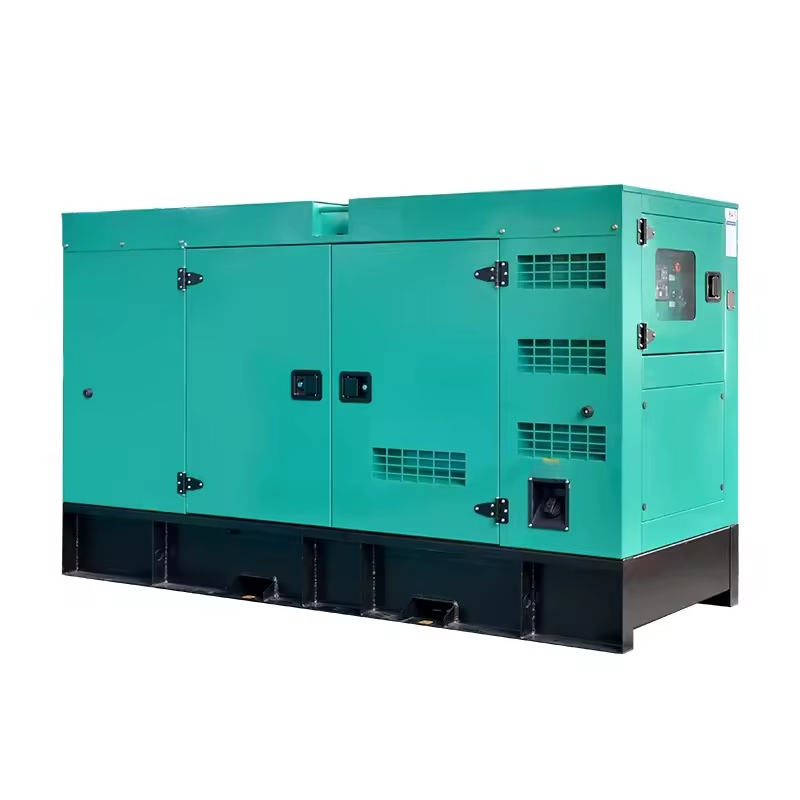
Installing a power generator in an industrial setting demands precision, planning, and adherence to strict safety and regulatory standards. A power generator serves as a critical backup system or primary energy source for manufacturing facilities, data centers, hospitals, and other industrial operations where downtime can be costly. Proper power generator installation ensures reliable operation, extends equipment lifespan, and protects your workforce and infrastructure investment from potential hazards and compliance violations.

The process of power generator installation involves multiple interdependent phases, from site evaluation and equipment selection through commissioning and staff training. Each step in the installation process directly impacts the reliability, efficiency, and safety of your power generation system. This comprehensive guide walks through the essential stages of power generator installation for industrial environments, helping project managers, facility directors, and engineering teams understand what to expect and how to ensure successful deployment.
Pre-Installation Assessment and Planning
Site Evaluation for Power Generator Installation
Before any power generator equipment arrives on-site, thorough site evaluation is essential to identify challenges, constraints, and requirements specific to your facility. A professional site survey examines load requirements, available space, ventilation capacity, fuel storage options, and proximity to sensitive equipment. For power generator installation, engineers must verify that your facility can accommodate the physical footprint, weight distribution, and structural requirements of the chosen unit. Site conditions such as ambient temperature, humidity, altitude, and dust levels all influence power generator installation methodology and ongoing operational performance.
Load analysis determines the appropriate power generator size and capacity for your industrial operation. This assessment calculates total continuous power demands, peak surge requirements, and future expansion scenarios to ensure your power generator can handle all operational modes without overload. During power generator installation planning, engineers document all connected equipment, starting currents, and critical systems requiring priority power sequencing. Accurate load profiling prevents undersizing that causes equipment failure or oversizing that reduces efficiency and increases capital expenditure.
Regulatory Compliance and Permitting
Industrial power generator installation is governed by local building codes, environmental regulations, fire safety standards, and electrical codes that vary by jurisdiction. Before purchasing equipment or commencing work, verify all applicable regulations, obtain necessary permits, and coordinate with local authorities. Power generator installation documentation must include noise compliance assessments, emissions standards verification, and fuel storage regulations. Many jurisdictions require third-party inspections at multiple stages of power generator installation to confirm adherence to code and safety standards.
Environmental considerations directly affect power generator installation scope and location decisions. Exhaust discharge points, fuel spill containment requirements, and noise mitigation strategies shape the power generator installation layout within your facility. Some industrial zones enforce strict emissions limits or noise thresholds that necessitate specialized silencing systems or exhaust treatment equipment integrated into your power generator installation design. Engaging environmental consultants and permitting specialists early prevents costly redesigns or installation delays later in the project timeline.
Equipment Selection and Procurement
Choosing the Right Power Generator Specifications
Selecting appropriate power generator specifications requires balancing fuel type, power output, runtime capabilities, and integration with existing infrastructure. Diesel-powered units dominate industrial power generator installations due to superior fuel efficiency, extended runtime, and proven reliability in demanding environments. Natural gas-powered options offer cleaner emissions and lower operating costs where fuel supply is stable. Your power generator installation success depends on matching engine specifications, alternator quality, control systems, and ancillary components to your facility's unique operational demands and growth trajectory.
Power generator capacity must account for both steady-state loads and transient peak demands inherent in industrial operations. Variable frequency drives, motor starting sequences, and intermittent high-demand processes create surge requirements that exceed average consumption. Professional power generator installation engineers design systems with appropriate load sharing, automatic transfer switches, and control logic that prioritizes critical systems during supply interruptions. This approach ensures your power generator maintains stable frequency and voltage while preventing equipment damage from electrical disturbances during power transitions.
Fuel Supply and Storage Infrastructure
Fuel logistics represent a critical component of every power generator installation project in industrial settings. On-site fuel storage capacity, supply chain reliability, and fuel quality management directly influence runtime duration and operational continuity. Diesel-fueled power generator installations typically include above-ground or underground tanks with secondary containment systems, fuel treatment equipment, and automated delivery monitoring. Power generator installation specifications must define tank capacity sufficient for your facility's backup requirements, often ranging from 24 to 72 hours of continuous operation depending on local codes and business continuity policies.
Fuel quality maintenance becomes increasingly important in long-term power generator installations where stored fuel can degrade over extended periods. Biofouling, oxidation, and water contamination compromise power generator performance and damage fuel injection systems. Professional power generator installation plans include fuel sampling protocols, tank inspection schedules, and additives that stabilize fuel chemistry. Regular fuel management preserves the reliability of your power generator investment and prevents costly repairs from neglected fuel system maintenance.
Physical Installation and Electrical Integration
Foundation, Mounting, and Vibration Control
Power generator installation begins with proper foundation design that supports equipment weight, absorbs vibration, and prevents equipment migration during operation. Concrete pads, equipment frames, and isolation mounts protect surrounding structures from continuous low-frequency vibration that accumulates structural damage over months and years. Power generator installation foundations must accommodate thermal expansion, account for uneven ground settlement, and provide adequate drainage around the equipment base. Improper foundation work during power generator installation causes chronic maintenance issues, accelerates component wear, and creates safety hazards for personnel working near the equipment.
Vibration isolation systems reduce noise transmission to building structures and protect sensitive equipment located nearby. Elastomeric or spring-based isolators decouple the power generator from the foundation, preventing vibration resonance that amplifies noise and structural stress. Power generator installation engineers specify isolation systems appropriate to your equipment's mass, operating frequency, and facility sensitivity requirements. Inadequate vibration control undermines the effectiveness of other noise mitigation strategies and diminishes employee comfort in adjacent work areas.
Electrical Connections and Control Systems
Electrical integration during power generator installation connects the generator output to facility distribution systems through transfer switches, protective devices, and control panels that coordinate power flow and equipment synchronization. Automatic transfer switches detect utility power loss, initiate power generator startup sequences, and redirect electrical loads within milliseconds to prevent service interruption. Power generator installation electrical design incorporates redundant safety interlocks, emergency shutdown systems, and protective relays that isolate equipment during faults. This complex integration requires expertise in generator control systems, power distribution architecture, and electrical safety protocols specific to industrial environments.
Control and monitoring systems integrated during power generator installation provide real-time visibility into operational status, maintenance requirements, and performance metrics. Modern installations include remote monitoring capabilities that alert facility managers to abnormal conditions, enable predictive maintenance scheduling, and document operational history for compliance purposes. Power generator installation projects must account for communication infrastructure, software licensing, and training requirements necessary to operate these advanced control systems effectively. Poor integration of control systems compromises power generator reliability and prevents timely detection of emerging maintenance issues.
Commissioning, Testing, and Staff Training
Performance Testing and Load Bank Validation
Before placing a power generator into regular service, comprehensive testing validates that installation work meets design specifications and equipment operates safely under all expected conditions. Load bank testing simulates facility power demands and verifies power generator output stability, voltage regulation, and frequency control across the full operating range. Power generator installation commissioning includes engine performance verification, fuel system functionality, cooling system effectiveness, and battery charging system reliability. Load testing often reveals installation defects, control system programming errors, or equipment deficiencies that must be corrected before the power generator enters service.
Extended runtime testing during power generator installation commissioning confirms sustained performance under continuous operation, identifying problems that only emerge after hours of running time. Fuel consumption verification, coolant temperature management, and exhaust system back pressure assessment all factor into commissioning protocols. Power generator installation engineers document test results, create baseline performance data, and develop maintenance schedules aligned with actual operating conditions. This documentation becomes invaluable for warranty claims, insurance verification, and future troubleshooting when issues arise during normal operation.
Operator Training and Maintenance Planning
Successful power generator installation requires comprehensive training for facility staff responsible for daily operation, routine maintenance, and emergency procedures. Operators must understand startup procedures, load management protocols, automatic transfer switch logic, and shutdown sequences specific to your power generator system. Power generator installation training addresses safety hazards, fuel handling procedures, electrical dangers, and environmental protocols. Well-trained operators respond effectively to alarms, troubleshoot basic problems, and maintain detailed operational logs that support long-term equipment reliability.
Preventive maintenance programs initiated during power generator installation extend equipment lifespan and minimize unexpected downtime. Regular oil changes, filter replacement, fuel system servicing, and battery maintenance follow manufacturer specifications and industry best practices tailored to your facility's climate and operational intensity. Professional power generator installation projects establish maintenance schedules, document spare parts inventories, and identify qualified service providers before the power generator enters service. These foundational preparations prevent reactive maintenance crises and ensure your power generator remains dependable throughout its operational life. A properly maintained power generator delivers decades of reliable service, protecting your facility and operations from supply interruptions.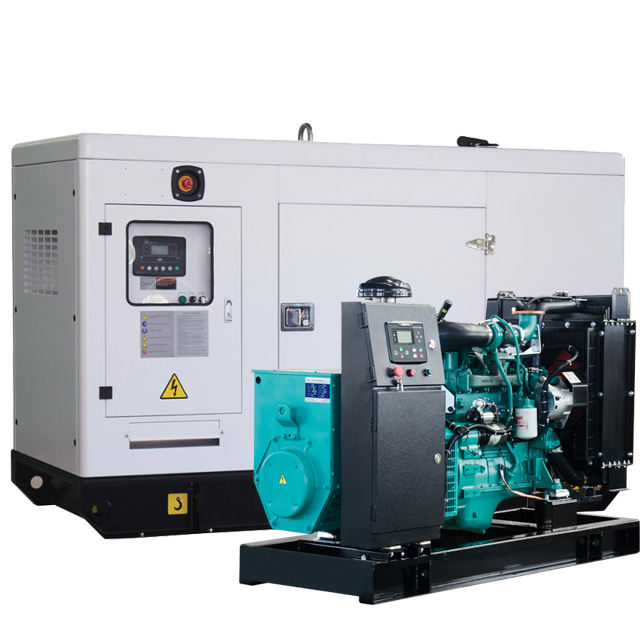
FAQ
What are the typical timelines for power generator installation in industrial facilities?
Power generator installation timelines vary based on project complexity, equipment size, and facility-specific requirements. Simple standby installations may require 4 to 8 weeks from initial planning through commissioning, while complex systems with redundancy, parallel operation, or extensive integration may require 12 to 24 weeks. Site preparation, permitting delays, equipment procurement lead times, and weather conditions all impact overall project duration. Professional project management and advance coordination of all stakeholders help compress timelines and ensure power generator installation completion aligns with facility operational needs.
What maintenance requirements should facility managers expect after power generator installation is complete?
Post-installation maintenance for a power generator includes monthly runtime testing, quarterly oil and filter changes, semi-annual fuel system inspection, and annual battery replacement depending on your specific equipment and operating environment. Power generator installations demand regular inspections for corrosion, loose fasteners, hose deterioration, and electrical connection integrity. Professional maintenance contracts often provide preventive service schedules, emergency repair support, and parts availability that protect your power generator investment. Neglecting routine maintenance accelerates component wear and dramatically increases the probability of equipment failure during critical backup power scenarios.
Can existing industrial facilities retrofit a power generator installation without major facility modifications?
Many existing industrial facilities can retrofit power generator installations with careful planning, though modifications often prove necessary to accommodate equipment, fuel storage, and electrical integration. Facility constraints such as limited floor space, low ceiling heights, or existing structural limitations may require smaller capacity units, creative equipment layout, or even external installation locations. Power generator installation feasibility depends on available electrical infrastructure, fuel supply options, and compatibility with existing distribution systems. Experienced installation engineers evaluate existing conditions and develop retrofit strategies that balance operational requirements with physical facility limitations.
Table of Contents
- Pre-Installation Assessment and Planning
- Equipment Selection and Procurement
- Physical Installation and Electrical Integration
- Commissioning, Testing, and Staff Training
-
FAQ
- What are the typical timelines for power generator installation in industrial facilities?
- What maintenance requirements should facility managers expect after power generator installation is complete?
- Can existing industrial facilities retrofit a power generator installation without major facility modifications?