 EN

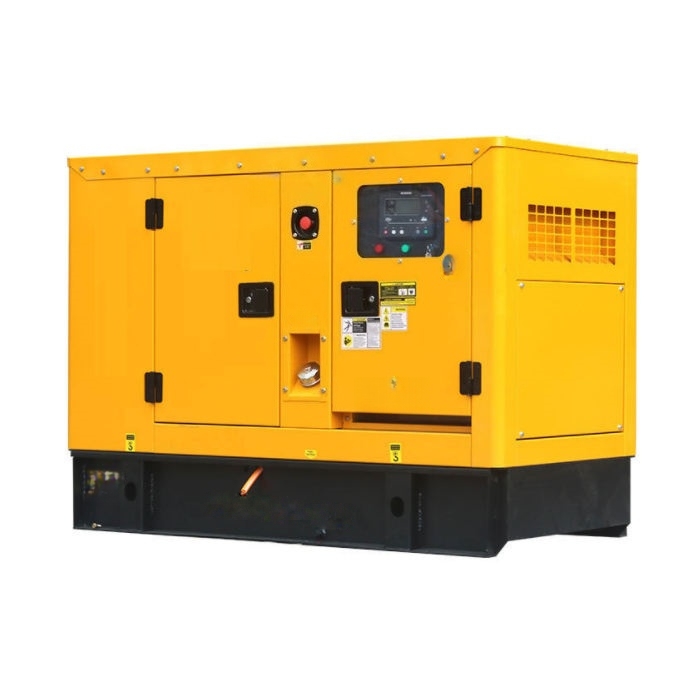
A chinese industrial generator is a complex machine composed of multiple interconnected systems working together to convert fuel energy into electrical power. Understanding the main components of a chinese industrial generator is essential for operators, maintenance technicians, and facility managers who depend on these machines for continuous power supply. Whether you operate a chinese industrial generator in a manufacturing plant, data center, or remote facility, knowing how each component functions directly impacts equipment reliability, efficiency, and operational lifespan. The architecture of a chinese industrial generator reflects decades of engineering refinement, combining proven mechanical principles with modern electrical systems to deliver stable, high-quality power output across varying load conditions.
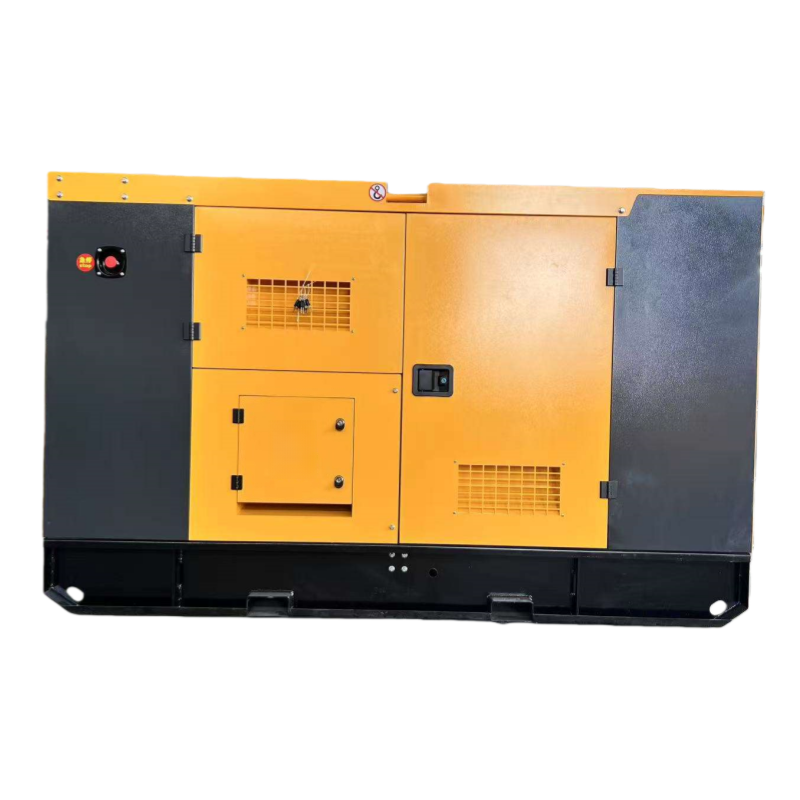
Every chinese industrial generator operates through a coordinated partnership between its engine, alternator, fuel system, cooling system, and electrical controls. When maintenance teams or operators understand the role of each component within a chinese industrial generator, they can identify problems faster, perform preventive maintenance more effectively, and extend the overall service life of the equipment. This comprehensive guide walks through the essential components found in industrial-grade chinese industrial generator units, explaining their functions, interdependencies, and why quality engineering in each component matters for your operation.
The Engine and Power Generation Core
Diesel Engine as the Primary Prime Mover
The diesel engine represents the heart of every chinese industrial generator, converting chemical energy from fuel into mechanical energy through controlled combustion. In a typical chinese industrial generator, the diesel engine operates at constant speed, usually 1500 RPM or 1800 RPM, to maintain synchronization with electrical output frequency and voltage stability. Quality chinese industrial generator engines feature robust cylinder blocks, high-pressure injection systems, and efficient cooling jackets designed to handle continuous duty cycles. The engine's displacement, bore size, and stroke length directly determine the power output capacity of the entire chinese industrial generator installation, making engine selection one of the most critical decisions in generator procurement.
Fuel Injection and Combustion Efficiency
Modern chinese industrial generator systems use advanced fuel injection technology to optimize combustion timing, fuel atomization, and burn efficiency. Precision fuel injectors in a chinese industrial generator deliver exact amounts of diesel at precise moments during the engine cycle, directly affecting power output, emissions compliance, and fuel consumption rates. The injection pressure, nozzle design, and electronic control systems within a chinese industrial generator work in concert to adapt fuel delivery based on load demand and operating conditions. Maintaining clean fuel and regular injector servicing keeps a chinese industrial generator running at peak efficiency and prevents costly downtime from fuel system complications.
The Alternator and Electrical Generation System
Alternator Design and Rotor-Stator Configuration
The alternator converts the mechanical rotation from the engine into three-phase electrical current, making it an absolutely critical component in any chinese industrial generator. In a chinese industrial generator, the rotor spins inside a stationary stator, with the rotating magnetic field inducing electrical voltage in the stator windings through electromagnetic induction principles. Industrial-grade alternators used in chinese industrial generator sets feature heavy-duty construction, superior insulation materials rated for extended operating temperatures, and precision winding geometry to deliver clean, stable voltage output. The alternator's capacity, measured in kilovolt-amperes, directly determines the maximum power that a chinese industrial generator can supply to connected electrical loads.
Voltage Regulation and Load Response
Every chinese industrial generator must maintain consistent voltage output despite changing load conditions, a function managed by the Automatic Voltage Regulator, or AVR, integrated into the alternator system. The AVR in a chinese industrial generator continuously monitors output voltage and adjusts the excitation current flowing through the field coil to compensate for load variations and maintain voltage within strict industrial standards. This feedback mechanism ensures that a chinese industrial generator supplies equipment with the stable voltage required for reliable operation, preventing voltage sag or spike damage to sensitive machinery. When selecting a chinese industrial generator, verifying that the AVR meets your facility's voltage stability requirements is essential for protecting downstream equipment.
Support Systems and Auxiliary Components
Cooling System Management
Heat management is critical to chinese industrial generator longevity, making the cooling system one of the most important support mechanisms within the unit. A properly functioning cooling system in a chinese industrial generator removes excess heat from the engine block and alternator windings, preventing thermal stress that degrades insulation and reduces component lifespan. Most modern chinese industrial generator installations use radiator-based cooling with electric fans that adjust speed based on coolant temperature, improving efficiency while maintaining safe operating temperatures. Without adequate cooling capacity, a chinese industrial generator will overheat under sustained load, triggering automatic shutdown and causing operational interruptions that impact your facility's productivity.
Fuel Storage and Supply Management
The fuel tank and supply system form the logistical foundation of any chinese industrial generator operation, storing diesel and delivering consistent fuel pressure to the engine at all load levels. A chinese industrial generator fuel tank must be sized to provide sufficient autonomy for your facility's requirements, whether that means four hours of runtime, one day, or longer extended operation periods. Fuel quality significantly affects chinese industrial generator performance, with contaminated or low-grade diesel causing injector fouling, filter clogging, and reduced engine efficiency. Regular fuel system maintenance, including filter replacement and tank cleaning protocols, keeps your chinese industrial generator operating reliably and prevents fuel-related breakdowns that interrupt critical operations.
Lubrication and Engine Protection
The lubrication system in a chinese industrial generator circulates engine oil to reduce friction, dissipate heat, and protect engine internals from wear and corrosion. Quality engine oil, changed at manufacturer-recommended intervals, remains essential to maintaining a chinese industrial generator's performance and preventing catastrophic engine failure from oil degradation or starvation. The oil pump, filters, and distribution galleries within a chinese industrial generator work continuously to keep oil flowing and pressure stable across all engine components during operation. Monitoring oil pressure, temperature, and condition through regular analysis helps identify developing problems in your chinese industrial generator before they escalate into expensive repairs or emergency breakdowns.
Control Systems and Safety Integration
Electrical Control Panel and Monitoring
Modern chinese industrial generator sets include sophisticated control panels that manage engine start sequences, load transfer, and automatic shutdown in response to out-of-specification conditions. The control panel on a chinese industrial generator continuously monitors engine speed, fuel pressure, coolant temperature, battery charge status, and electrical output parameters, alerting operators to any deviations from normal operation. These intelligent monitoring systems allow a chinese industrial generator to operate automatically, starting when utility power fails and shutting down safely when normal power returns or when critical limits are exceeded. Remote monitoring capabilities on advanced chinese industrial generator systems enable facility managers to track performance and receive alerts from anywhere, improving response times and operational awareness.
Starting System and Battery Integration
The starting system in a chinese industrial generator includes a high-capacity battery, starter motor, and automatic charging circuit that ensures reliable cold starts regardless of ambient conditions. When automatic transfer switches sense power loss, the chinese industrial generator starting system activates immediately, spinning the engine through the starter motor until combustion begins and the engine reaches operating speed. A chinese industrial generator battery must be sized and maintained properly to handle multiple start cycles and provide backup power for control systems during transient events. Preventive maintenance of the starting system keeps your chinese industrial generator ready for instant activation when emergency power becomes necessary.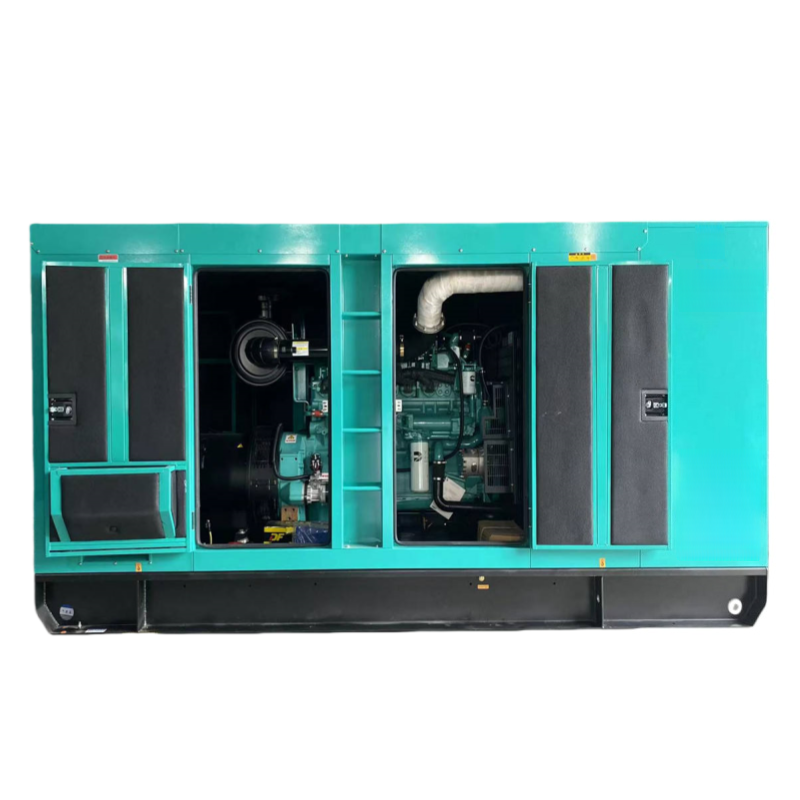
FAQ
What is the most critical component in a Chinese industrial generator?
The alternator and engine represent equally critical components in a chinese industrial generator, as both must function perfectly for reliable power delivery. The engine provides the mechanical power, while the alternator converts that power into usable electricity, so failure in either component renders the entire chinese industrial generator non-functional. Supporting systems like cooling, fuel delivery, and electrical controls are also essential, as inadequate support can cause preventive shutdowns or damage to the primary components in your chinese industrial generator installation.
How does maintenance affect Chinese industrial generator component lifespan?
Regular maintenance directly extends the lifespan of every component in a chinese industrial generator by preventing wear, contamination, and thermal stress that accelerate degradation. Changing engine oil, replacing fuel filters, cleaning cooling systems, and checking electrical connections at recommended intervals keeps your chinese industrial generator operating efficiently and prevents secondary damage from component failures. Facilities that follow comprehensive maintenance schedules report significantly fewer emergency breakdowns and achieve greater value from their chinese industrial generator investments over the equipment's operational life.
Can a Chinese industrial generator operate in harsh environmental conditions?
Most chinese industrial generator models are designed for robust operation in challenging environments, but protection modifications may be necessary depending on your specific location's climate and conditions. Enhanced cooling capacity helps a chinese industrial generator maintain safe operating temperatures in hot climates, while sealed fuel systems and corrosion-resistant coatings protect components in humid or salty environments. Selecting a chinese industrial generator configuration matched to your facility's environmental conditions, combined with regular maintenance, ensures reliable long-term performance regardless of challenging operating circumstances.