Automatic Operation and Seamless Power Transfer
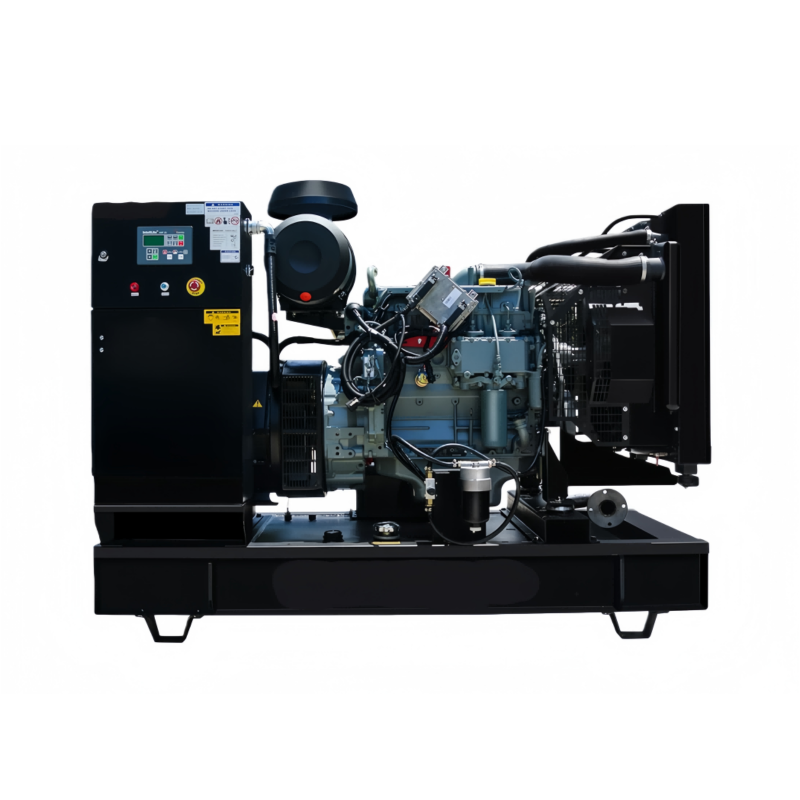
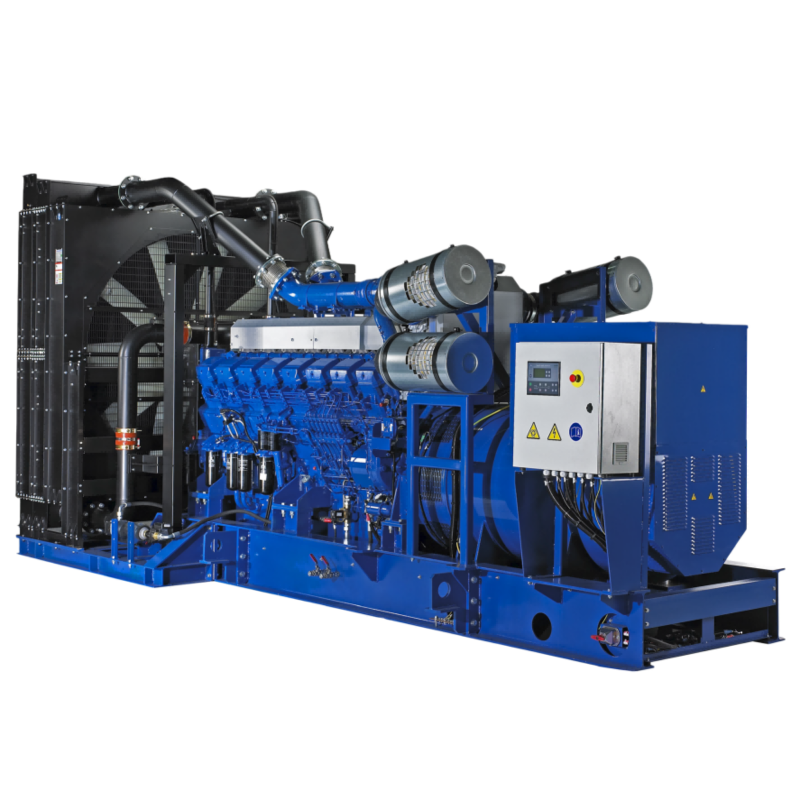
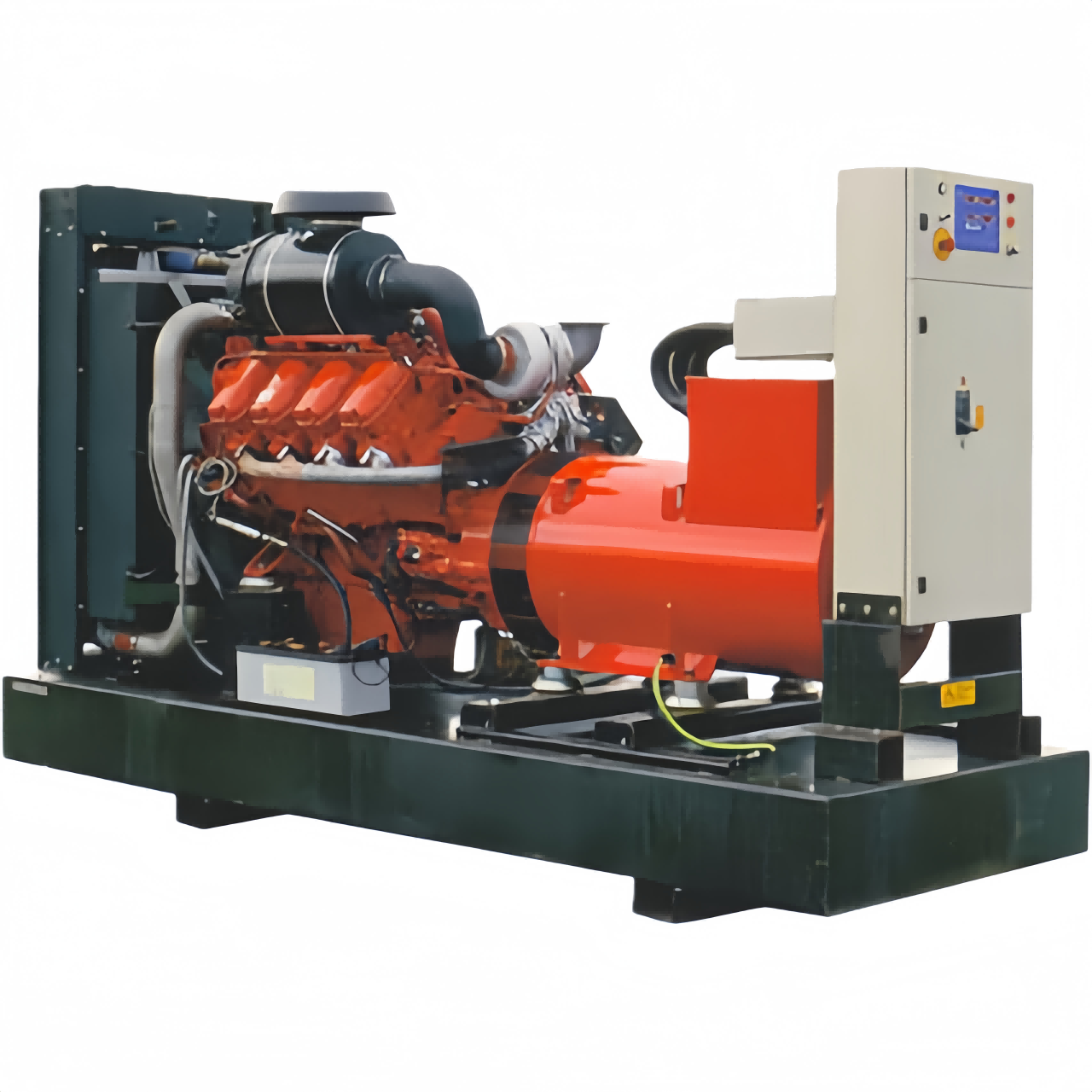
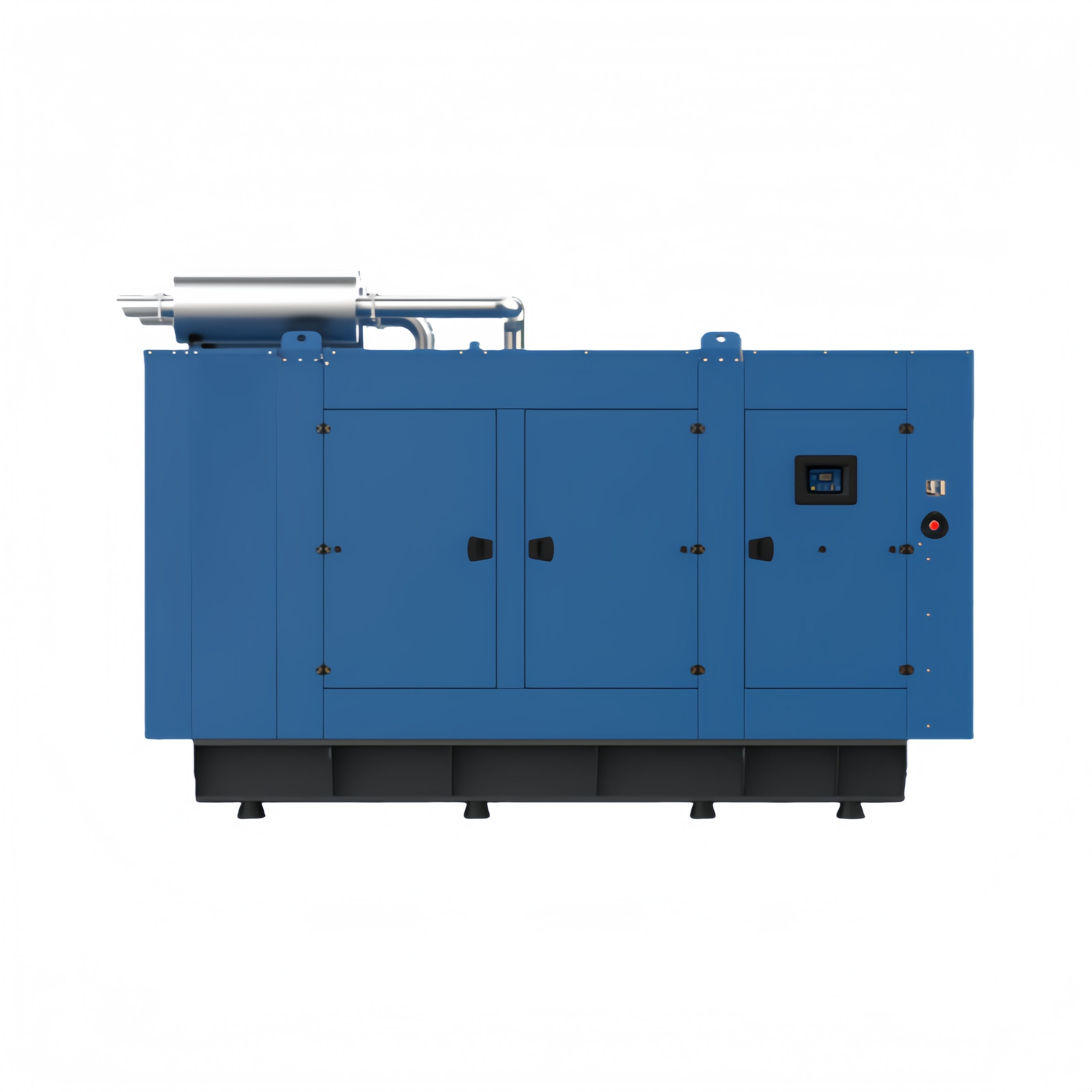
The standby generator excels through its sophisticated automatic operation system that eliminates human intervention during power emergencies. This advanced capability stems from an integrated transfer switch that continuously monitors incoming utility power quality and voltage levels twenty-four hours daily. When the system detects power loss, voltage drops, or frequency variations beyond acceptable parameters, the standby generator receives an immediate start signal and begins its startup sequence within ten seconds. The transfer switch temporarily isolates your home's electrical system from the utility grid, preventing dangerous back-feed conditions that could electrocute utility workers attempting repairs. Once the standby generator reaches proper operating temperature and voltage stabilization, typically within twenty to thirty seconds, the transfer switch seamlessly connects your home's electrical panel to generator power. This entire process occurs without homeowner involvement, ensuring continuous power supply even when residents are sleeping, traveling, or otherwise unable to respond to outages. The standby generator maintains this automatic vigilance through a sophisticated microprocessor controller that performs comprehensive system diagnostics, including engine oil pressure monitoring, coolant temperature tracking, fuel level assessment, and battery voltage verification. Should utility power restoration occur, the transfer switch automatically reconnects your home to grid power while allowing the standby generator to continue running briefly for cool-down purposes before shutting down gracefully. This seamless transition capability proves invaluable for protecting sensitive electronics, maintaining refrigeration systems, and ensuring uninterrupted operation of medical devices, security systems, and communication equipment. The automatic operation feature becomes particularly crucial during severe weather events when manually operating portable generators poses significant safety risks from carbon monoxide exposure, fuel handling dangers, and exposure to hazardous conditions.
 EN
EN