 EN
EN

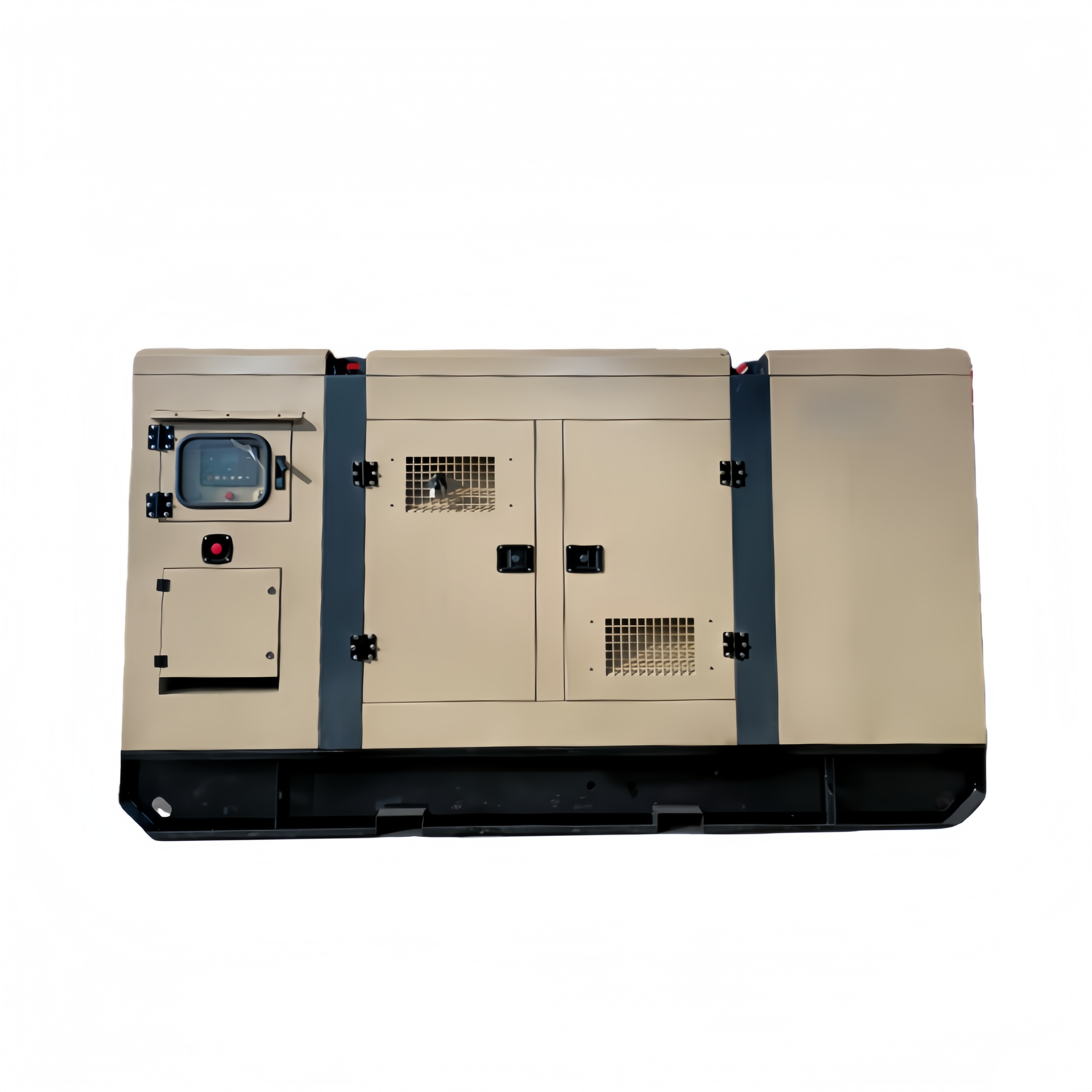
Persekitaran operasi kapal secara signifikan mempengaruhi setiap aspek rekabentuk penjana marin, dari spesifikasi enjin utama hingga pelindung luaran dan sistem penyejukan. Berbeza dengan penjana berasaskan darat yang beroperasi dalam keadaan yang relatif stabil, penjana marin mesti tahan terhadap pergerakan berterusan di laut, kakisan air masin, pelbagai suhu, serta had kekangan ruang yang unik dalam aplikasi maritim. Memahami bagaimana faktor-faktor persekitaran ini secara langsung mempengaruhi keputusan rekabentuk adalah penting bagi pengendali kapal, jurutera marin, dan pakar pembelian yang memerlukan sistem penjanaan kuasa yang boleh dipercayai dan berprestasi konsisten dalam keadaan lautan yang mencabar.
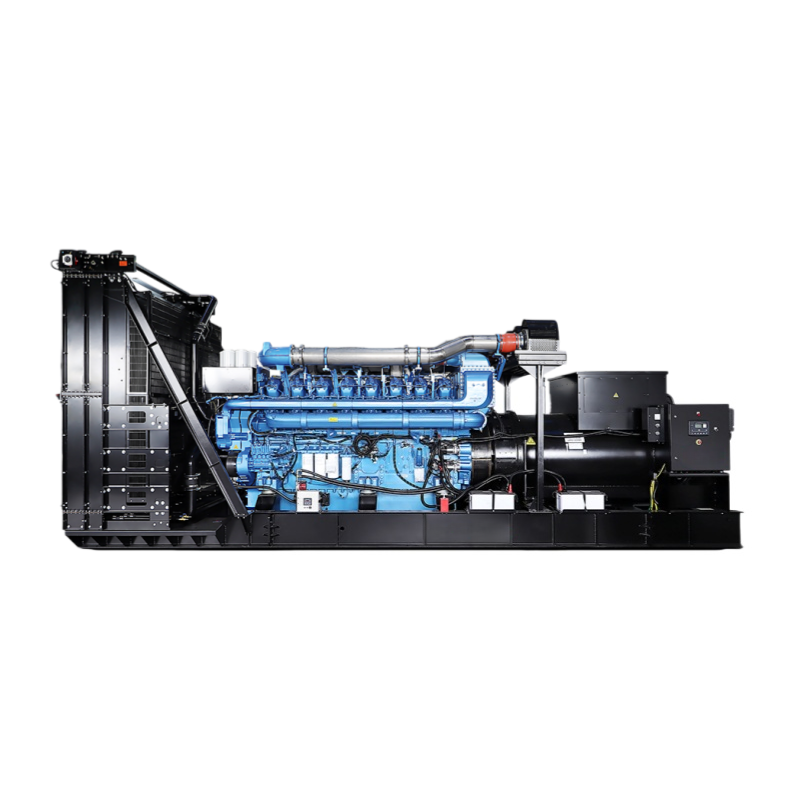
Hubungan antara persekitaran operasi dan rekabentuk penjana marin merangkumi pelbagai faktor yang saling berkait yang mesti diimbangkan dengan teliti oleh pengilang semasa proses kejuruteraan. Setiap cabaran persekitaran membawa keperluan teknikal tertentu yang secara langsung diterjemahkan kepada ubahsuai rekabentuk, pilihan bahan, dan ciri prestasi. Daripada kesan korosif semburan garam yang menentukan pilihan salutan hingga pergerakan ombak yang mempengaruhi sistem pemasangan, setiap elemen persekitaran meninggalkan kesannya terhadap konfigurasi akhir penjana, menjadikan analisis persekitaran langkah asas dalam pembangunan sistem kuasa marin.
Faktor Persekitaran yang Mendorong Rekabentuk Penjana Marin
Korosi Air Masin dan Pilihan Bahan
Kandungan garam yang tinggi dalam persekitaran marin mencipta salah satu cabaran paling besar bagi rekabentuk penjana marin, memaksa pengilang untuk memilih bahan dan salutan dengan teliti agar mampu menahan pendedahan berterusan terhadap unsur-unsur korosif. Komponen keluli piawai yang digunakan dalam penjana berasaskan darat cepat rosak dalam keadaan marin, menjadikan penggunaan aloi aluminium gred marin, keluli tahan karat, dan salutan khas tahan korosi menjadi wajib di seluruh pembinaan penjana. Persekitaran air masin menuntut setiap permukaan luaran—mulai daripada rumah penjana hingga kepada pendakap pemasangan—mendapat rawatan pelindung yang mampu mengekalkan integritinya sepanjang tempoh pendedahan yang panjang.
Di luar pemilihan bahan, persekitaran marin yang korosif mempengaruhi rekabentuk komponen dalaman, khususnya dalam sistem penyejukan dan mekanisme pengambilan udara. Litar penyejukan penjana marin mesti menggunakan penukar haba tahan korosi, biasanya dibina daripada aloi kupro-nikel atau titanium, untuk mengelakkan degradasi akibat garam yang boleh menjejaskan kecekapan penyejukan. Sistem penapisan udara memerlukan penapis tahan garam yang ditingkatkan serta perumahan pelindung bagi menghalang hablur garam daripada memasuki ruang pembakaran dan menyebabkan kerosion dalaman.
Pertarungan berterusan melawan kakisan juga membentuk ciri-ciri kebolehcapaian penyelenggaraan dalam rekabentuk penjana marin. Pengilang perlu merekabentuk titik-titik perkhidmatan dan panel pemeriksaan dengan pengikat tahan kakisan dan sistem pengedap yang kekal berfungsi walaupun selepas pendedahan lanjut terhadap semburan garam. Pertimbangan alam sekitar ini secara langsung mempengaruhi susun atur keseluruhan penjana, memastikan titik-titik penyelenggaraan kritikal kekal boleh diakses sambil mengekalkan integriti pelindung sistem pembungkusannya.
Hujung Suhu dan Pengurusan Tepu
Persekitaran operasi laut menghadapkan penjana kepada variasi suhu yang melampau yang jarang ditemui oleh unit berasaskan darat, dari keadaan Artik di perairan kutub hingga haba tropika di kawasan khatulistiwa. Keadaan suhu yang melampau ini secara langsung mempengaruhi reka bentuk penjana marin melalui keperluan penebat yang dipertingkatkan, kapasiti penyejukan yang diperluaskan, dan sistem permulaan cuaca sejuk. Sistem pengurusan haba penjana harus menampung bukan sahaja haba yang dihasilkan semasa operasi tetapi juga mengimbangi perubahan suhu persekitaran yang boleh berkisar dari bawah beku hingga lebih dari 40 °C dalam satu perjalanan.
Operasi dalam cuaca sejuk membentangkan cabaran khusus yang mendorong pengubahsuaian rekabentuk tertentu pada penjana marin, termasuk pemanas blok, sistem pemanasan bateri yang ditingkatkan, dan pelincir cuaca sejuk yang mengekalkan kelikatan yang sesuai pada suhu rendah. Sistem permulaan penjana marin mesti direkabentuk dengan saiz yang sesuai untuk mengatasi rintangan tambahan akibat minyak yang menebal ketika sejuk dan nisbah pemampatan enjin yang meningkat dalam keadaan suhu rendah. Pertimbangan cuaca sejuk ini sering kali menghasilkan bank bateri yang lebih besar, motor pemula yang lebih berkuasa, serta sistem pra-panasan yang canggih yang terintegrasi ke dalam rekabentuk keseluruhan penjana.
Operasi suhu tinggi dalam persekitaran marin tropika mempengaruhi rekabentuk sistem penyejukan, yang sering memerlukan radiator berukuran lebih besar, sistem aliran udara yang ditingkatkan, dan komponen tahan suhu di seluruh pemasangan penjana. Penjana marin mesti mengekalkan suhu operasi optimum walaupun suhu udara sekitar hampir mencapai had reka bentuk maksimum, sambil pada masa yang sama menghadapi ketumpatan udara yang berkurangan yang boleh menjejaskan kecekapan penyejukan dan prestasi pembakaran. Cabaran haba ini kerap mendorong penggunaan sistem penyejukan cecair berbanding rekabentuk berpendingin udara dalam aplikasi penjana marin berskala besar.
Pertimbangan Pergerakan dan Kestabilan
Kesan Pergerakan Ombak terhadap Rekabentuk Penjana
Pergerakan berterusan yang dialami oleh kapal di laut mencipta cabaran rekabentuk unik yang secara asasnya membezakan penjana marin daripada rakan sejawatnya yang digunakan di darat. Gerakan berguling, berayun, dan berpusing akibat gelombang mengenakan daya pecutan berterusan ke atas penjana, yang boleh menjejaskan penghantaran bahan api, peredaran minyak, dan keseluruhan kestabilan mekanikal. Rekabentuk penjana marin mesti mengambil kira kesan-kesan pergerakan ini melalui sistem pemasangan khas, pam peredaran minyak yang ditingkatkan, serta ubah suai sistem bahan api untuk mengekalkan prestasi yang konsisten tanpa mengira kedudukan kapal.
Rekabentuk sistem bahan api mendapat tumpuan khusus dalam aplikasi penjana marin disebabkan cabaran penghantaran bahan api akibat pergerakan. Sistem bahan api berdasarkan graviti biasa yang digunakan dalam penjana pegun menjadi tidak boleh dipercayai apabila terdedah kepada pergerakan kapal berterusan, maka penggunaan pam angkat bahan api, injap anti-sifon, dan sistem penghalang tangki bahan api menjadi wajib. jenerator Maritim sistem bahan api mesti mengekalkan tekanan bahan api yang konsisten dan kadar aliran walaupun semasa pergerakan kapal yang melampau, sering memerlukan pam bahan api dan sistem peraturan tekanan yang berlebihan.
Pengubahsuaian sistem pelinciran mewakili satu lagi bidang kritikal di mana pergerakan kapal secara langsung mempengaruhi reka bentuk penjana marin. Tangki minyak standard dan sistem peredaran mungkin mengalami kebuluran minyak semasa sikap kapal yang melampau, yang memerlukan pelaksanaan sistem pelinciran tangki kering, simpanan minyak yang diperbesar, dan peningkatan kapasiti pam minyak. Pengubahsuaian ini memastikan komponen enjin kritikal menerima pelinciran yang mencukupi tanpa mengira kedudukan kapal, mencegah kerosakan enjin yang dahsyat semasa keadaan laut yang bergelora.
Sistem pemasangan dan kawalan getaran
Kombinasi getaran enjin dan pergerakan kapal dalam persekitaran marin mencipta cabaran pengasingan yang kompleks, yang secara langsung mempengaruhi rekabentuk sistem pemasangan penjana marin. Sistem pemasangan kaku tradisional yang digunakan untuk penjana berbasis darat terbukti tidak sesuai dalam aplikasi marin, di mana penjana perlu diasingkan daripada kedua-dua getaran yang dihasilkan oleh enjin dan pergerakan kapal sambil mengekalkan integriti struktural di bawah keadaan beban dinamik. Sistem pemasangan penjana marin biasanya menggabungkan unsur-unsur fleksibel, penyerap kejut, dan struktur asas yang diperkukuh untuk menampung daya-daya berarah pelbagai.
Kawalan getaran meluas di luar pemasangan asas untuk merangkumi keseluruhan struktur penjana, mempengaruhi susunan komponen, sokongan dalaman, dan kaedah sambungan di seluruh sistem. Penjana marin memerlukan pengukuhan struktur yang ditingkatkan untuk mengelakkan kelesuan komponen dan mengekalkan penyelarasan di bawah tekanan getaran berterusan. Keperluan persekitaran ini sering menghasilkan rangka penjana yang lebih berat dan lebih kukuh dengan sokongan dalaman tambahan serta titik sambungan yang dikukuhkan—yang tidak diperlukan dalam aplikasi pegun.
Reka bentuk sistem pemasangan juga harus mengambil kira keanjalan struktur kapal, kerana kapal marin mengalami pesongan lambung dan pergerakan struktur yang boleh memberikan tekanan tambahan ke atas peralatan yang dipasang secara kaku. Pemasangan penjana marin sering memasukkan sambungan fleksibel, sambungan pengembangan, dan unsur penyerap kejut dalam sistem ekzos, saluran penyejukan, dan sambungan elektrik untuk mengelakkan kerosakan akibat pergerakan struktur kapal semasa keadaan cuaca buruk.
Had Keluasan dan Keperluan Pemasangan
Keutamaan Reka Bentuk Ringkas
Hadnya ruang di atas kapal mencipta salah satu pendorong reka bentuk paling signifikan untuk penjana marin, memaksa pengilang mengoptimumkan setiap inci padu isipadu penjana sambil mengekalkan piawaian prestasi. Berbeza dengan aplikasi berbasis darat di mana ruang jarang menjadi pemboleh ubah utama, reka bentuk penjana marin mesti menyeimbangkan output kuasa dengan dimensi fizikal yang sesuai dalam ruang enjin yang terhad. Pemalar ruang ini secara langsung mempengaruhi pemilihan komponen, reka bentuk sistem penyejukan, dan konfigurasi keseluruhan penjana untuk mencapai ketumpatan kuasa maksimum dalam isipadu pemasangan yang tersedia.
Keperluan rekabentuk yang padat mempengaruhi setiap aspek kejuruteraan penjana marin, dari pemilihan enjin hingga susun atur sistem kawalan. Pengilang sering memilih enjin berkelajuan tinggi dengan penguat turbo untuk mencapai keluaran kuasa yang lebih besar daripada enjin berisi padu kecil, dengan menerima keperluan penyelenggaraan yang meningkat sebagai pertukaran bagi pengurangan penggunaan ruang. Sistem penyejukan mesti direkabentuk secara menegak dan bukan mengufuk untuk meminimumkan jejak ruang, sambil mengekalkan kapasiti pembuangan haba yang mencukupi bagi operasi berterusan dalam ruang terhad.
Ketercapaian komponen menjadi pertimbangan reka bentuk yang kritikal apabila had ruang menghadkan akses perkhidmatan di sekitar pemasangan penjana marin. Jurutera mesti merancang titik akses penyelenggaraan dengan teliti, memastikan item penyelenggaraan rutin seperti penapis, saluran pelincir minyak, dan titik pemeriksaan tetap dapat diakses dalam ruang pemasangan yang terhad. Keperluan ketercapaian ini sering kali mempengaruhi orientasi keseluruhan penjana dan susun atur komponen, kadangkala memerlukan konfigurasi tersuai yang mengutamakan kemudahan penyelenggaraan berbanding reka bentuk mekanikal yang optimal.
Pengudaraan dan Pengurusan Aliran Udara
Pengudaraan terhad yang wujud di bilik enjin kapal mencipta cabaran besar terhadap rekabentuk penjana marin, khususnya dari segi bekalan udara pembakaran dan pengurusan aliran udara penyejukan. Alam sekitar pemasangan yang terhad ini sering tidak mempunyai aliran udara semula jadi yang tersedia bagi penjana berbasis darat, menjadikan sistem pengudaraan paksa serta penyaluran masuk dan keluar udara yang direkabentuk secara teliti menjadi suatu keperluan. Rekabentuk penjana marin mesti mengambil kira pengurangan ketersediaan udara dan suhu sekitar yang lebih tinggi—ciri lazim dalam alam sekitar bilik enjin.
Sistem bekalan udara pembakaran dalam penjana marin memerlukan perhatian khas disebabkan kemungkinan pengambilan udara berisi garam dan ketumpatan udara yang berkurangan di bilik enjin yang panas. Sistem penapisan udara penjana marin mesti diukur saiznya untuk mengendali tidak hanya penapisan zarah piawai tetapi juga penyingkiran garam dan pemisahan lembapan bagi melindungi komponen dalaman enjin. Reka bentuk sistem pengambilan udara sering memasukkan pra-penapisan, pemisahan lembapan, dan sistem pengurangan suhu untuk mengondisikan udara pembakaran sebelum mencapai enjin.
Penolakan haba dari penjana marin yang beroperasi dalam ruang terhad atau terkurung memerlukan kerjasama teliti dengan sistem pengudaraan kapal untuk mengelakkan haba berlebihan di kawasan pemasangan. Sistem penyejukan penjana mesti direka bentuk supaya berfungsi secara efektif bersama aliran udara pengudaraan yang tersedia, sambil mengelakkan pembentukan corak peredaran semula udara panas yang boleh menjejaskan kecekapan penyejukan. Ini sering memerlukan pemodelan aliran udara yang canggih dan rekabentuk saluran udara tersuai untuk memastikan pengeluaran haba yang mencukupi daripada ruang pemasangan penjana.
Spesifikasi Alam Sekitar Pengoperasian
Kualiti Kuasa dan Ciri-ciri Beban
Sistem elektrik marin menunjukkan ciri-ciri beban yang unik yang secara langsung mempengaruhi spesifikasi rekabentuk penjana marin, khususnya dari segi kualiti kuasa, kestabilan frekuensi, dan keupayaan mengikuti beban. Beban elektrik kapal sering kali termasuk peralatan navigasi yang sensitif, sistem komunikasi, dan jentera tepat yang memerlukan bekalan kuasa yang stabil walaupun dalam pelbagai keadaan operasi. Sistem kawalan penjana marin mesti direkabentuk untuk mengekalkan pengaturan voltan dan frekuensi yang ketat sambil menyesuaikan perubahan beban mendadak yang biasa berlaku dalam operasi marin.
Sifat sistem elektrik marin yang terpencil bermakna penjana marin mesti mengurus semua isu kualiti kuasa tanpa sokongan daripada penstabilan grid utiliti. Keperluan terpencil ini mendorong keperluan terhadap sistem pengawal kelajuan yang ditingkatkan, pengatur voltan automatik, dan peralatan pengondisian kuasa yang diintegrasikan dalam rekabentuk penjana marin. Perubahan beban secara mendadak akibat permulaan motor besar atau peristiwa pelepasan beban secara tiba-tiba mesti dikendalikan sepenuhnya oleh sistem penjana, yang memerlukan sistem kawalan yang kukuh dan inersia putar yang mencukupi untuk mengekalkan kestabilan sistem.
Sistem penjana marin kerap beroperasi dalam konfigurasi selari untuk memberikan ketahanan dan kapasiti yang lebih tinggi, memerlukan sistem kawalan perkongsian beban serta pensinkronan yang canggih. Potensi persekitaran marin terhadap kegagalan titik-tunggal mendorong keperluan akan sistem pemindahan beban automatik, pengalihan kuasa kecemasan, dan kemampuan penyelarian penjana secara lancar. Keperluan operasi ini secara langsung mempengaruhi kerumitan dan kos sistem kawalan penjana marin berbanding aplikasi berasaskan darat yang mudah.
Standard perlindungan alam sekitar
Peraturan persekitaran maritim antarabangsa memberikan pengaruh yang ketara terhadap rekabentuk penjana marin, khususnya dari segi kawalan pelepasan, pengoptimuman penggunaan bahan api, dan sistem pemulihan haba sisa. Penjana marin mesti mematuhi peraturan IMO mengenai pelepasan oksida nitrogen, had kandungan sulfur, dan piawaian kecekapan bahan api yang berbeza-beza bergantung pada saiz kapal dan kawasan operasinya. Keperluan peraturan ini mendorong penggabungan sistem kawalan pembakaran lanjutan, rawatan selepas ekzos, dan sistem pengurusan bahan api ke dalam rekabentuk penjana marin.
Sistem pemulihan haba sisa semakin diintegrasikan ke dalam rekabentuk penjana marin untuk meningkatkan kecekapan keseluruhan sistem dan mengurangkan kesan terhadap alam sekitar. Persekitaran operasi marin memberikan peluang untuk integrasi pemulihan haba dengan sistem pemanasan kapal, penghasilan air panas domestik, dan aplikasi pemanasan proses. Rekabentuk penjana marin mesti membolehkan integrasi penukar haba, sistem pengurusan haba, dan antara muka kawalan yang mengoptimumkan pemanfaatan haba sisa tanpa menjejaskan prestasi penjanaan kuasa utama.
Peraturan mengenai pencemaran bunyi di pelabuhan dan kawasan pesisir mempengaruhi rekabentuk penjana marin melalui penggunaan kandang akustik yang ditingkatkan, sistem pengasingan getaran, dan keperluan peredaman ekzos. Penjana marin mesti mencapai had tahap bunyi tertentu, baik untuk keselesaan anak kapal mahupun pematuhan terhadap peraturan, yang menuntut kejuruteraan akustik yang canggih diintegrasikan ke dalam rekabentuk keseluruhan penjana. Keperluan kawalan bunyi ini kerap bertentangan dengan sekatan ruang serta keperluan penyejukan, mencipta cabaran pengoptimuman rekabentuk yang kompleks.
Soalan Lazim
Bagaimanakah udara berasin mempengaruhi pemilihan komponen penjana marin?
Pendedahan kepada udara berasin memerlukan penjana marin menggunakan bahan tahan kakisan di seluruh pembinaannya, termasuk aloi aluminium gred marin, komponen keluli tahan karat, dan salutan pelindung khas. Semua permukaan luar, komponen sistem penyejukan, dan sistem pengambilan udara mesti direka dengan rintangan kakisan yang ditingkatkan untuk mengekalkan kebolehpercayaan jangka panjang dalam persekitaran marin. Peningkatan bahan ini memberi kesan ketara terhadap kos awal tetapi mengelakkan kegagalan awal dan mengurangkan keperluan penyelenggaraan jangka panjang.
Mengapa penjana marin memerlukan sistem pemasangan yang berbeza daripada unit berasaskan darat?
Penjana marin mengalami pergerakan berterusan akibat tindakan ombak, manuver kapal, dan getaran enjin, yang memerlukan sistem pemasangan fleksibel khusus untuk mengasingkan penjana daripada pergerakan kapal sambil mengekalkan integriti struktural. Tunggak tegar piawai yang digunakan di darat akan memindahkan getaran berlebihan ke struktur kapal dan boleh menyebabkan keletihan komponen atau masalah pelarasan. Sistem pemasangan marin mesti mampu menampung daya dalam pelbagai arah serta kelenturan lambung kapal sambil mengelakkan keadaan resonans.
Apakah pengubahsuaian sistem penyejukan yang diperlukan untuk aplikasi penjana marin?
Penjana marin biasanya memerlukan sistem penyejukan berkitar tertutup dengan penukar haba tahan kakisan, kapasiti penyejukan yang diperbesar untuk suhu sekitar yang tinggi, serta perlindungan anti-beku untuk operasi dalam cuaca sejuk. Sistem penyejukan mesti berfungsi secara efektif tanpa mengira kedudukan kapal dan sering kali menggabungkan litar penyejukan air mentah dengan penukar haba kupro-nikel atau titanium untuk menangani pendedahan kepada air masin. Pam peredaran yang ditingkatkan dan tangki pengembangan diambil kira untuk kesan pergerakan kapal terhadap aliran cecair penyejuk.
Bagaimanakah had sekatan ruang di bilik enjin mempengaruhi rekabentuk penjana marin?
Ruang enjin yang terhad mendorong penjana marin ke arah rekabentuk yang padat dan berketumpatan kuasa tinggi untuk memaksimumkan output setiap kaki padu isipadu pemasangan. Sekatan ini mempengaruhi pemilihan komponen, orientasi sistem penyejukan, dan perancangan akses servis bagi memastikan keperluan penyelenggaraan dapat dipenuhi dalam ruang yang terhad. Susunan sistem penyejukan menegak, panel kawalan bersepadu, dan titik servis yang dirancang dengan teliti menjadi ciri-ciri rekabentuk penting untuk mengakomodasi had ruang sambil mengekalkan kebolehpercayaan operasi.
Kandungan
- Faktor Persekitaran yang Mendorong Rekabentuk Penjana Marin
- Pertimbangan Pergerakan dan Kestabilan
- Had Keluasan dan Keperluan Pemasangan
- Spesifikasi Alam Sekitar Pengoperasian
-
Soalan Lazim
- Bagaimanakah udara berasin mempengaruhi pemilihan komponen penjana marin?
- Mengapa penjana marin memerlukan sistem pemasangan yang berbeza daripada unit berasaskan darat?
- Apakah pengubahsuaian sistem penyejukan yang diperlukan untuk aplikasi penjana marin?
- Bagaimanakah had sekatan ruang di bilik enjin mempengaruhi rekabentuk penjana marin?