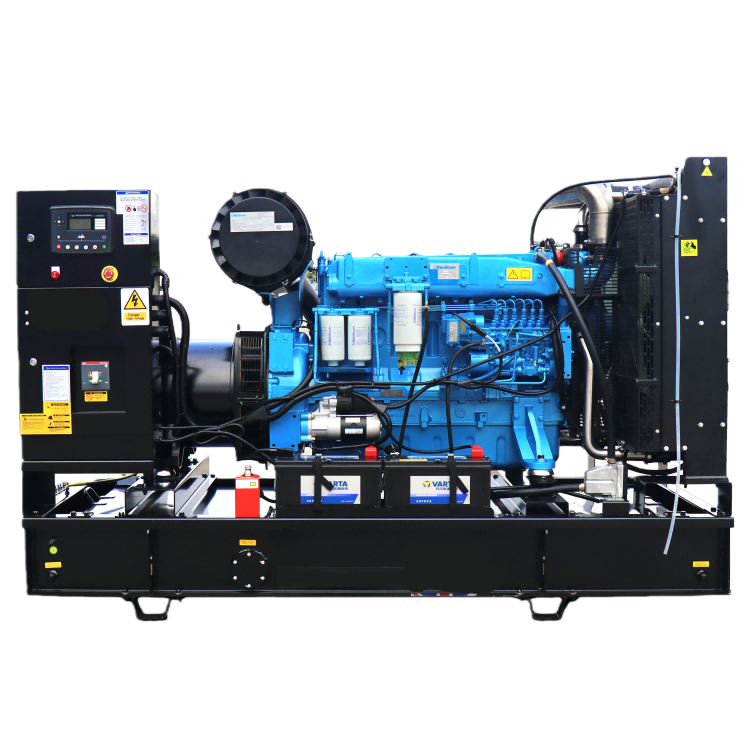
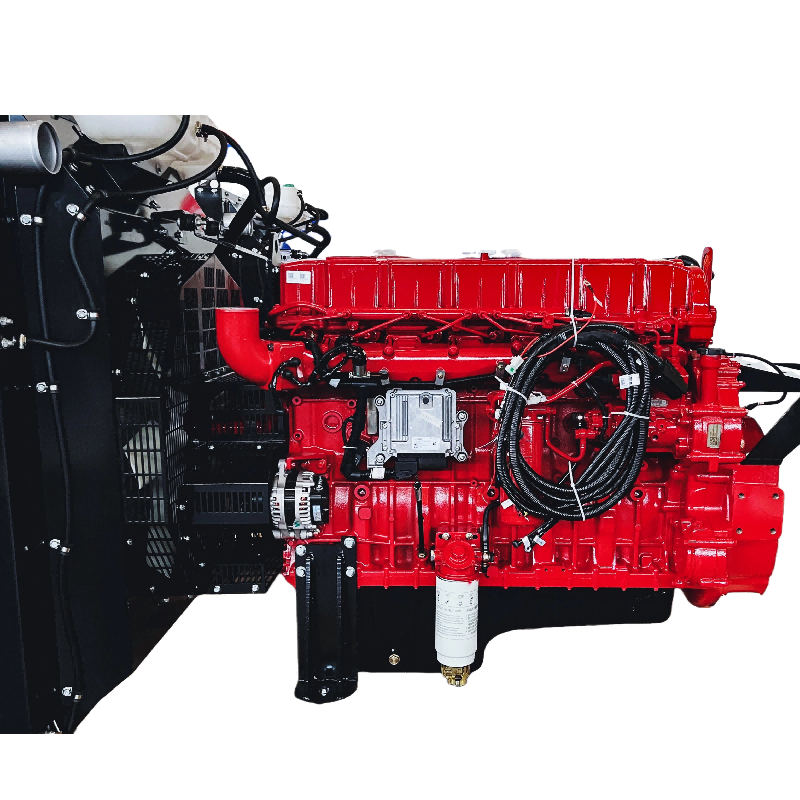
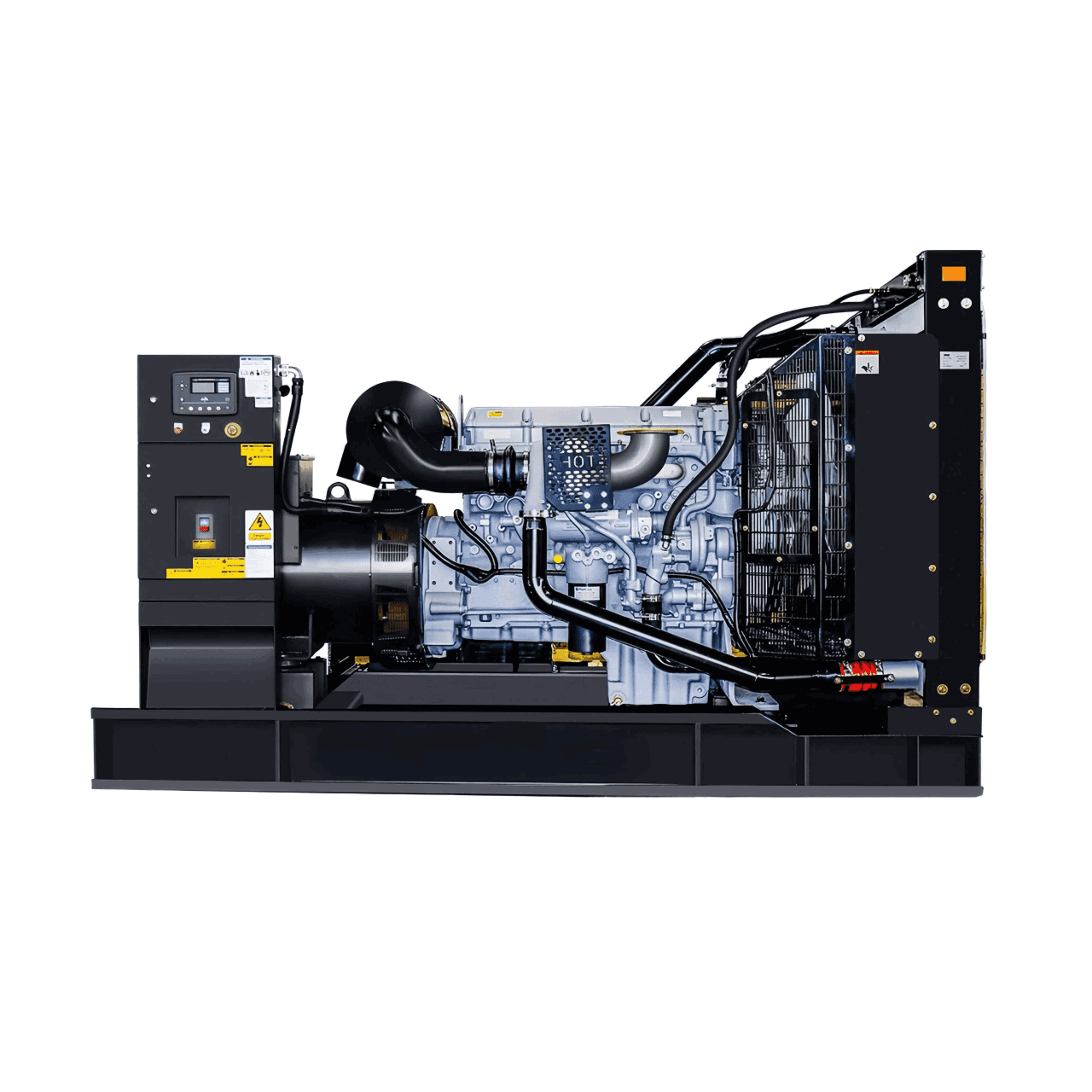
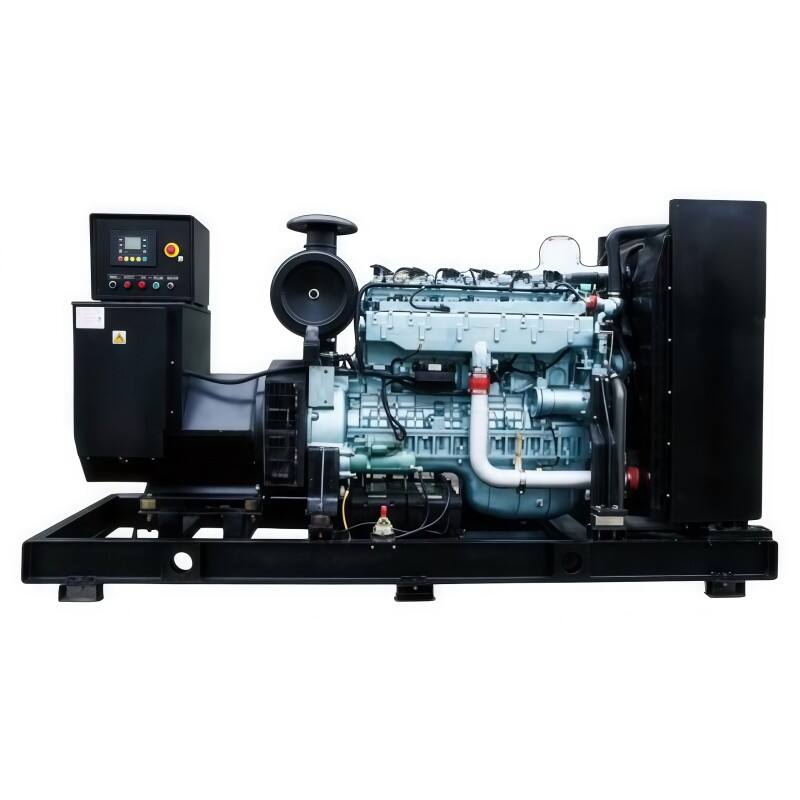
էլեկտրամատակարարման ռեզերվային համակարգ
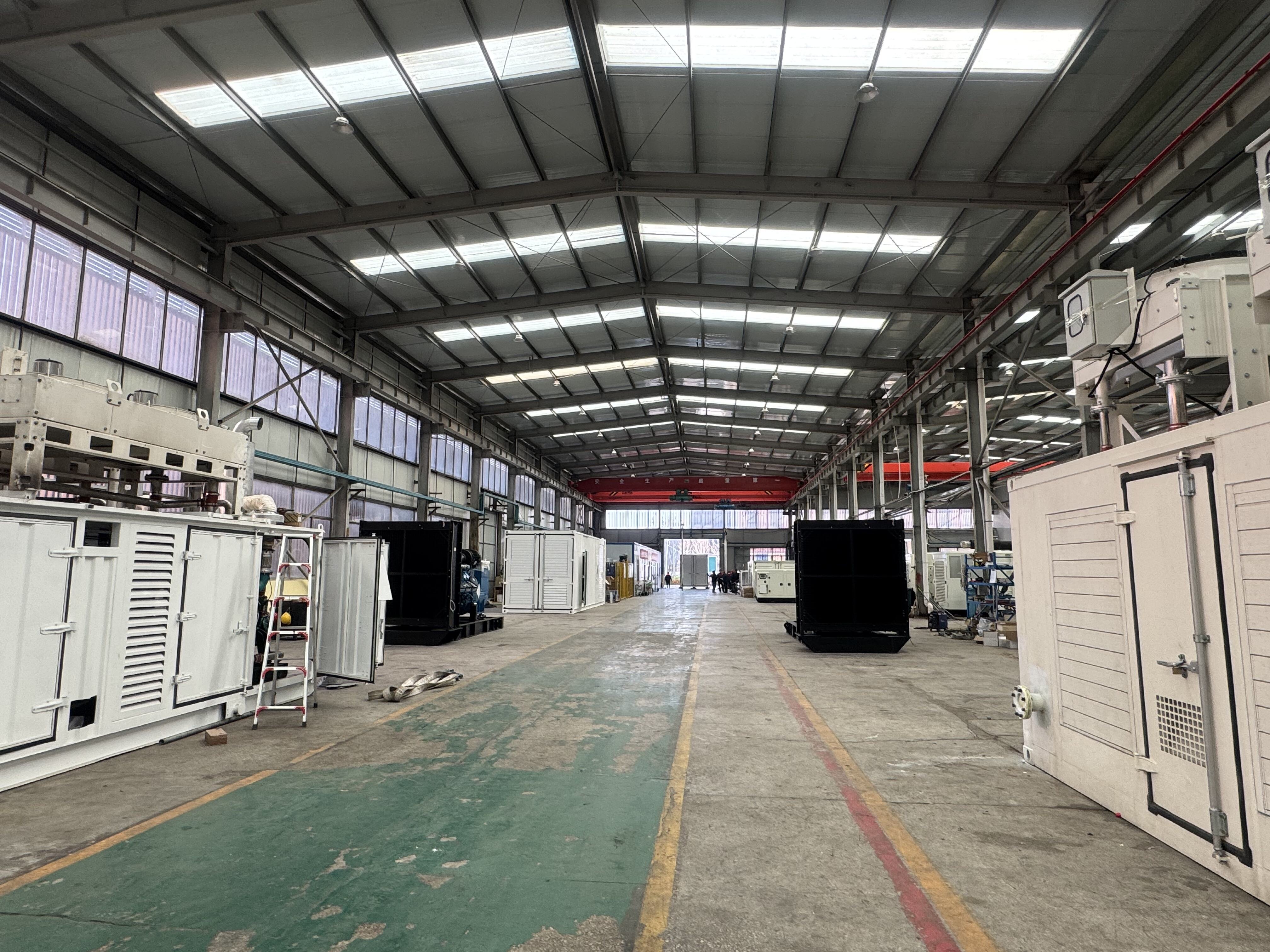
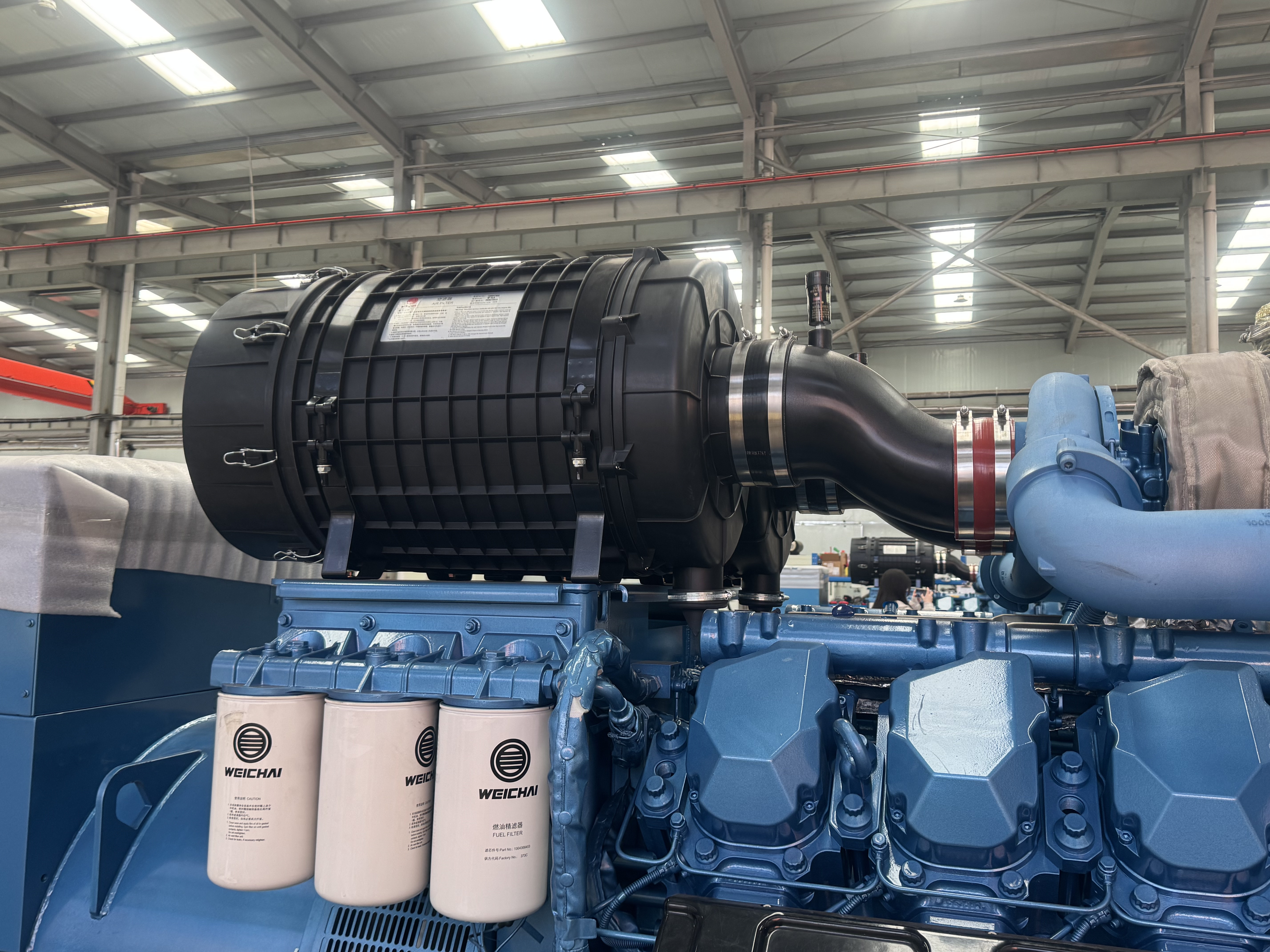
Էլեկտրականության պահուստային համակարգը հանդիսանում է կարեւոր ենթակառուցվածքային բաղադրիչ, որը ապահովում է անընդհատ էլեկտրականության մատակարարումը անջատումների կամ ցանցի անսարքությունների ժամանակ: Այս կարեւոր տեխնոլոգիան ավտոմատ կերպով հայտնաբերում է էլեկտրաէներգիայի անջատումները եւ անխափան փոխանցում է այլընտրանքային էներգիայի աղբյուրներ՝ անխափան պահելով տների, բիզնեսների եւ արդյունաբերական հաստատությունների աշխատանքները: Ժամանակակից էլեկտրականության պահուստային համակարգերը ներառում են վերապրած վերահսկողության հնարավորություններ, իրական ժամանակում վիճակի թարմացումներ եւ ինտելեկտուալ բեռների կառավարման առանձնահատկություններ, որոնք օպտիմալացնում են էներգիայի բաշխումը ՝ հիմնվելով առաջնահերթության պահանջների վրա: Հիմնական գործառույթը շրջում է էներգիայի պահեստավորման տեխնոլոգիաների շուրջ, ներառյալ լիթիում-իոնային մարտկոցները, թթու-թթխվածքային մարտկոցները կամ վառելիքի բջիջները, համակցված առաջադեմ ինվերտոր տեխնոլոգիայի հետ, որը պահվող DC Այս համակարգերը պարունակում են ավտոմատ փոխանցման անջատիչներ, որոնք մլիսեկունդների ընթացքում հայտնաբերում են ցանցի խափանումները, ապահովելով զրոյական անջատման ժամանակի անցում, որոնք պաշտպանում են զգայուն սարքավորումները եւ պահպանում արտադրողականությունը: Ժամանակակից էլեկտրաէներգիայի պահուստային համակարգերը ինտեգրված են խելացի ցանցի համատեղելիության հետ, ինչը թույլ է տալիս հեռավար վերահսկողություն եւ վերահսկողություն իրականացնել բջջային ծրագրերի եւ վեբ-բաց հարթակների միջոցով: Օգտագործողները կարող են իրական ժամանակում հետեւել մարտկոցի վիճակին, էներգիայի սպառման մոդելներին եւ համակարգի կատարողականի չափանիշներին: Տեխնոլոգիան ներառում է տարբեր հզորությունների տիրույթներ՝ սկսած փոքր բնակարանային միավորներից, որոնք աջակցում են հիմնական սարքավորումների արտադրությանը, մինչեւ մեծածավալ առեւտրային սարքավորումներ, որոնք էլեկտրաէներգիա են տրամադրում ամբողջ հաստատություններին: Կառուցման ճկունությունը թույլ է տալիս ներքին եւ արտաքին կոնֆիգուրացիաներ, եղանակային դիմացկուն փակարաններով, որոնք պաշտպանում են բաղադրիչները շրջակա միջավայրի գործոններից: Անվտանգության մեխանիզմները ներառում են գերբեռնվածության կանխարգելում, գերբեռնվածության կանխարգելում եւ ավտոմատ անջատման արձանագրություններ, որոնք կանխում են սարքավորումների վնասը: Էլեկտրական պահուստային համակարգի ճարտարապետությունը սովորաբար ներառում է լիցքավորման վերահսկիչներ, որոնք օպտիմալացնում են մարտկոցի լիցքավորման ցիկլերը, երկարացնում բաղադրիչների կյանքի տեւողությունը եւ պահպանում են առավելագույն կատարողականը: Էներգիայի կառավարման ալգորիթմները ավտոմատ կերպով առաջնահերթություն են տալիս կրիտիկական բեռներին երկարատեւ անջատումների ժամանակ, առավելագույնս մեծացնելով պահուստային տեւողությունը: Այս համակարգերը աջակցում են վերականգնվող էներգիայի ինտեգրմանը, ինչը թույլ է տալիս արեւային վահանակներին կամ քամու գեներատորներին լիցքավորել պահեստային բաղադրիչները' նվազեցնելով էլեկտրական ցանցից կախվածությունը: Պրոֆեսիոնալ տեղադրումը ապահովում է օպտիմալ տեղադրումը, պատշաճ օդափոխությունը եւ էլեկտրական կանոնների համապատասխանությունը, իսկ լայն երաշխիքային ապահովումը պաշտպանում է ներդրումները եւ հանգիստ է ապահովում օգտագործողներին:
 EN
EN