EN
EN


How ESG Procurement Policies Are Reshaping Generator Set Specifications
Time : 2026-07-07
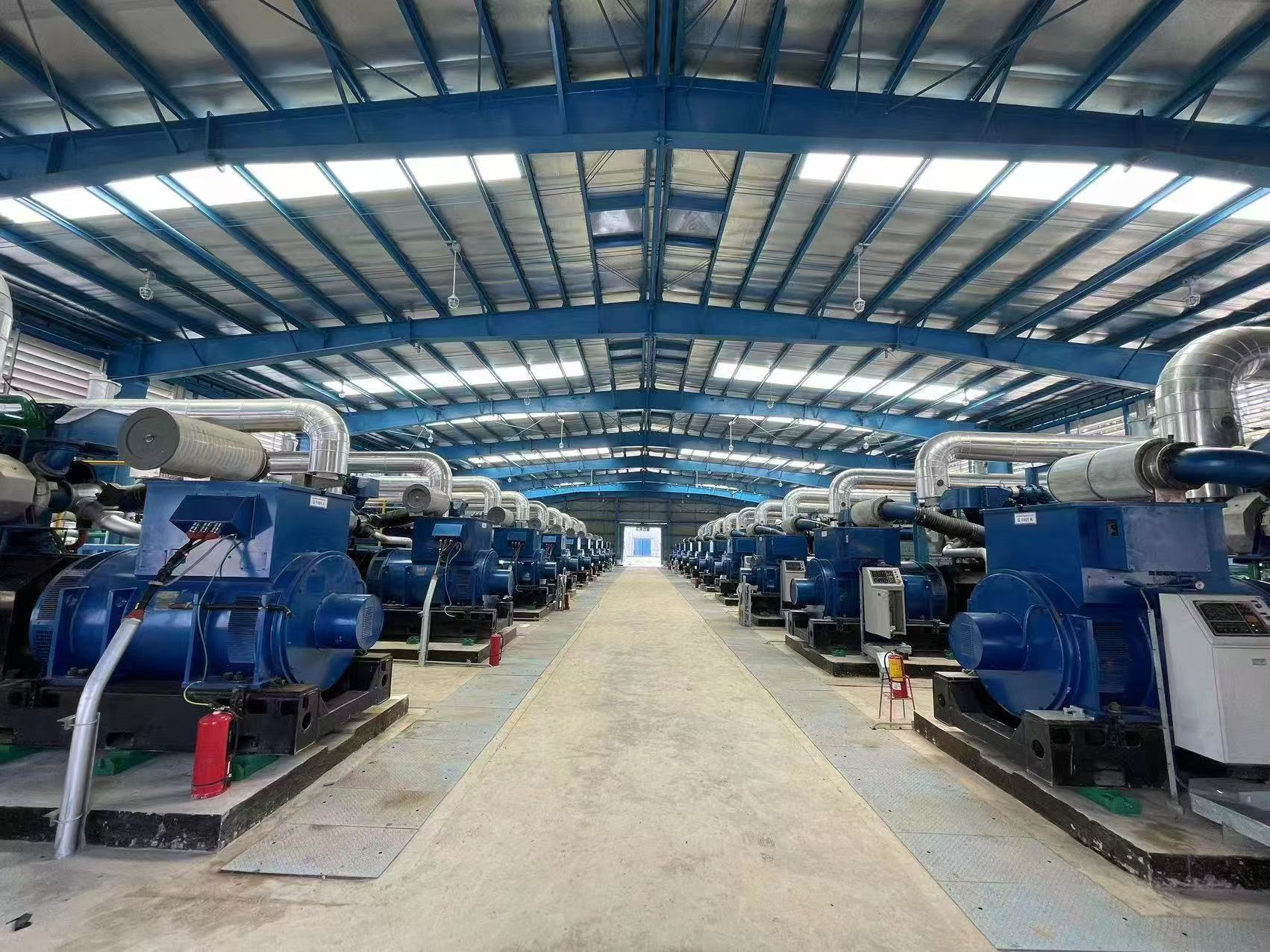
As core industrial power equipment, generator sets have long been evaluated based on key specifications such as power output, fuel consumption, and operational reliability. However, ESG (Environmental, Social, and Governance) procurement policies are now being comprehensively implemented and deeply integrated across the industry.
<br>
ESG procurement policies involve incorporating non-financial indicators—specifically environmental, social, and governance factors—into the corporate procurement process for goods and services. Their core value lies in moving beyond the traditional, singular focus on cost and quality; instead, they ensure that procurement activities maximize comprehensive sustainable value—encompassing environmental, social, and economic dimensions—while meeting operational needs. This drives a fundamental transformation from price-driven procurement models to a new system centered on sustainable value.
<br>
By restructuring the underlying logic of product specifications, procurement evaluation criteria, and the competitive landscape, ESG procurement policies are injecting a new paradigm of green development into the traditional power equipment industry.
<br>
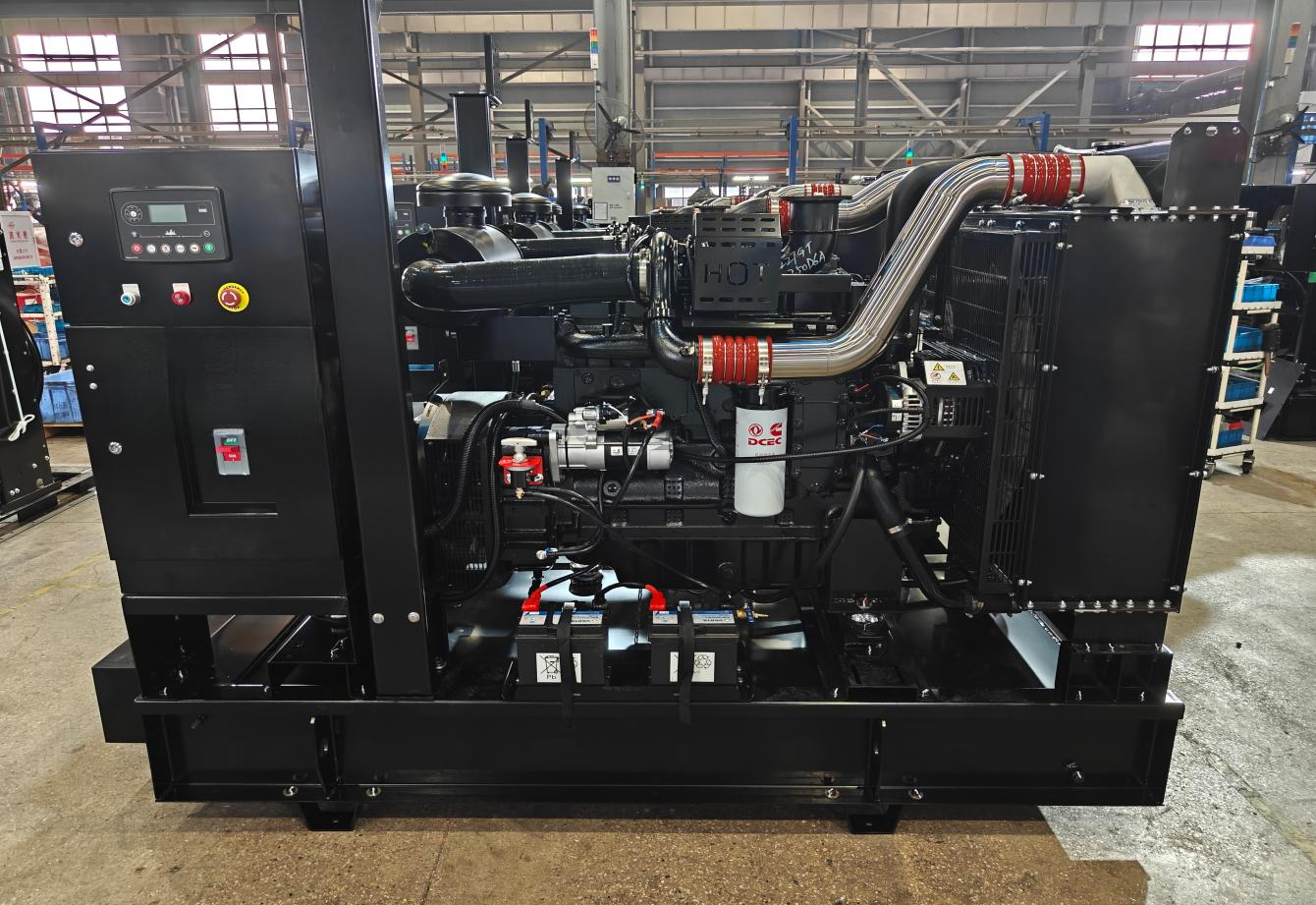
I. Environmental (E): From Passive Emissions Compliance to Full-Lifecycle Carbon Management
The environmental dimension is the core area where ESG procurement policies exert the most direct and profound influence on generator set specifications. Traditional environmental evaluations for generator sets were merely retrospective compliance checks, characterized by singular standards and limited scope.
<br>
Under the ESG procurement framework, the scope of environmental evaluation has been comprehensively expanded. This marks a shift from evaluating only the operational phase to managing carbon emissions across the entire product lifecycle, establishing a quantitative, standardized, and traceable green evaluation benchmark. This forward-looking, guiding approach compels the evolution of generator set products toward ultra-low emissions, ultra-low noise levels, and ultra-high energy efficiency.
<br>
Green attributes—such as high-efficiency energy-saving technologies, exhaust purification systems, noise reduction technologies, and the use of low-carbon materials—have evolved from mere "value-added" features into core, fundamental specifications for generator sets. Quantitative metrics, including full-lifecycle carbon footprint accounting, carbon emission intensity, and energy conservation performance, have been formally integrated into core procurement evaluation systems, fundamentally redefining the green entry standards for this equipment.
<br>
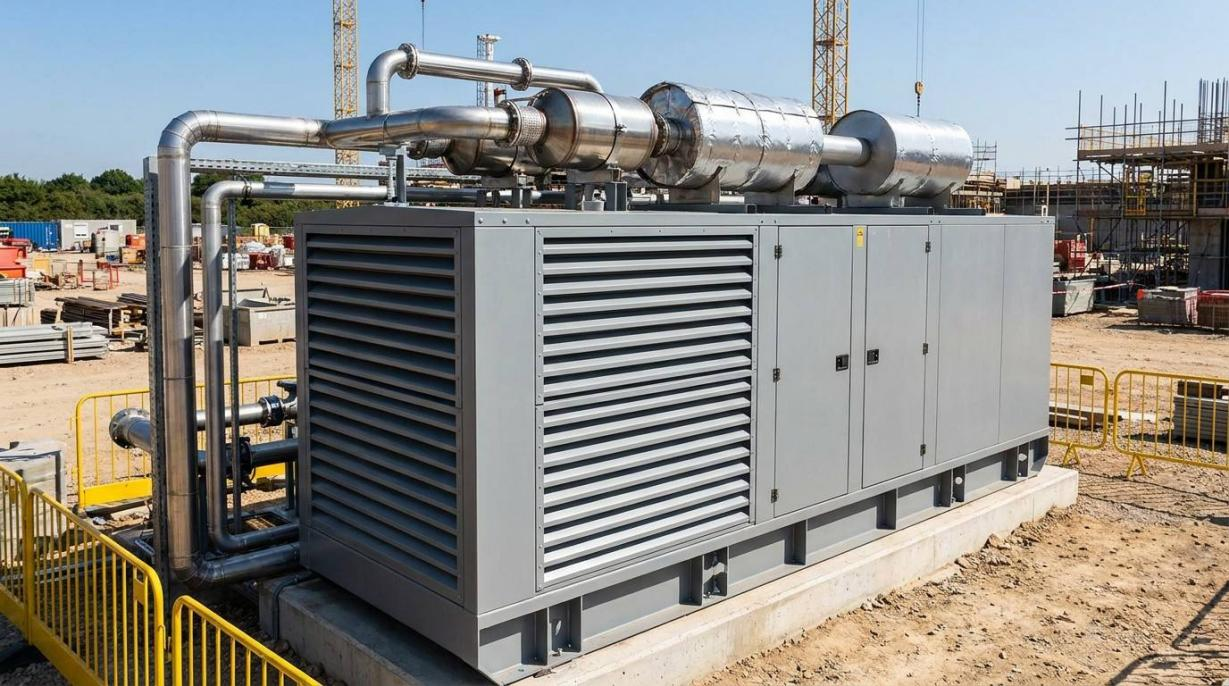
II. Social (S): From Single-Product Delivery to a Closed-Loop of Supply Chain Responsibility
The social dimension of ESG procurement shatters the traditional evaluation mindset that focuses solely on the product itself. It extends the scope of assessment from the delivery of a single piece of equipment to the entire industry and value chains behind the product, establishing a comprehensive social responsibility management system across the whole chain.
<br>
On one hand, occupational health and safety have become mandatory entry requirements. Issues such as continuous operating noise, exhaust emissions, and thermal pollution from generator sets directly impact the occupational health of operators and the living environment of surrounding communities. Guided by ESG social responsibility principles, purchasers now mandate that generator sets come equipped with high-efficiency noise suppression, exhaust filtration, and safety protection systems. These safety, environmental, and health features are no longer optional value-adds but indispensable standard specifications, effectively mitigating safety and health risks at the source of production and operation.
<br>
On the other hand, the scrutiny of supply chain social responsibility has become increasingly granular and routine. Purchasers no longer limit their review to the qualifications and compliance of the generator set manufacturer; instead, they trace the supply chain upstream, conducting systematic checks on labor rights protection, occupational health management, workplace safety standards, and business ethics compliance. Furthermore, they require manufacturers to cascade these ESG control standards down to upstream suppliers of components, raw materials, and processing services.
<br>
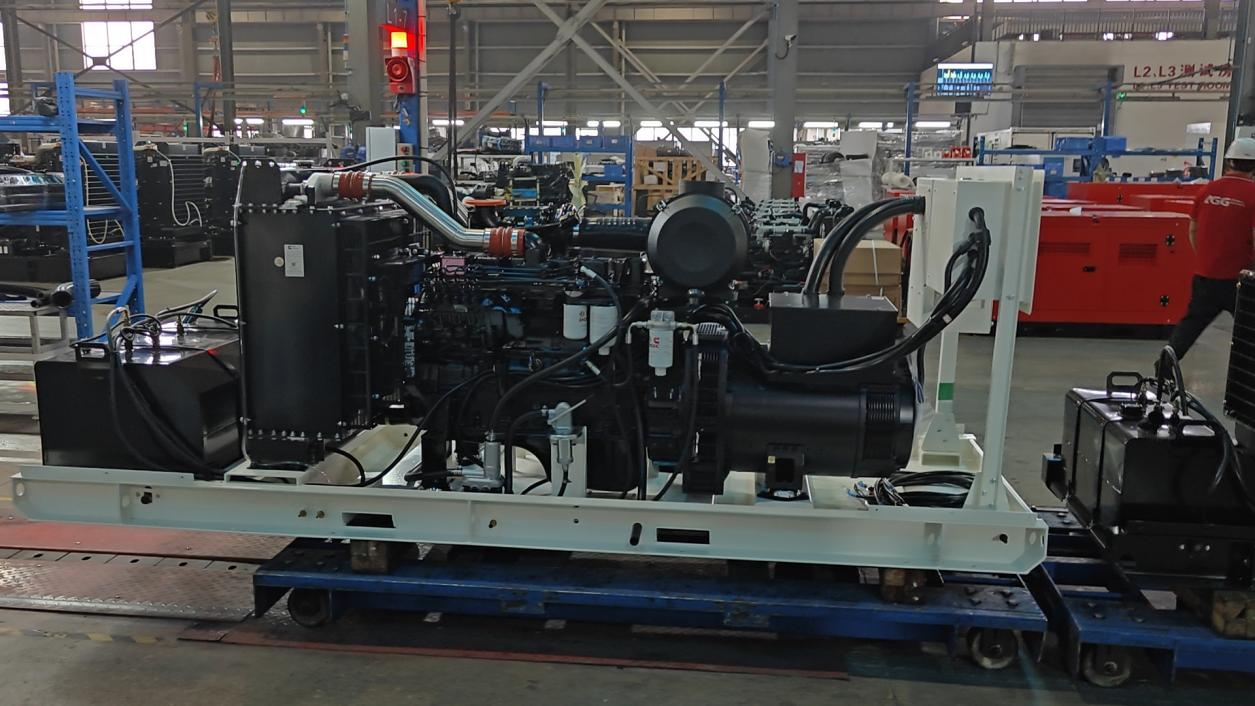
III. Governance (G): From Low-Price-Driven Selection to Transparent, Compliance-Based Value Assessment
The transformation in the governance dimension represents the most disruptive restructuring of traditional generator set procurement rules, effectively ending the industry's long-standing practice of awarding contracts solely based on the lowest price.
<br>
In this new ESG procurement framework, the weight given to price is reasonably adjusted, while over a dozen core elements—such as ESG reporting, green design, compliant operations, internal controls, credit systems, and sustainability capabilities—are formally integrated into the evaluation criteria. This shift is far more than a mere adjustment of evaluation metrics; it signifies a systematic upgrade of the industry's procurement system toward greater compliance, operational excellence, market orientation, and ecosystem integration.
<br>
At the same time, information transparency and data disclosure capabilities have become mandatory prerequisites for bidding. In current procurement evaluations for major projects, issues such as a lack of corporate carbon data, incomplete ESG management systems, or the absence of compliant disclosure reports will result in immediate disqualification.
<br>
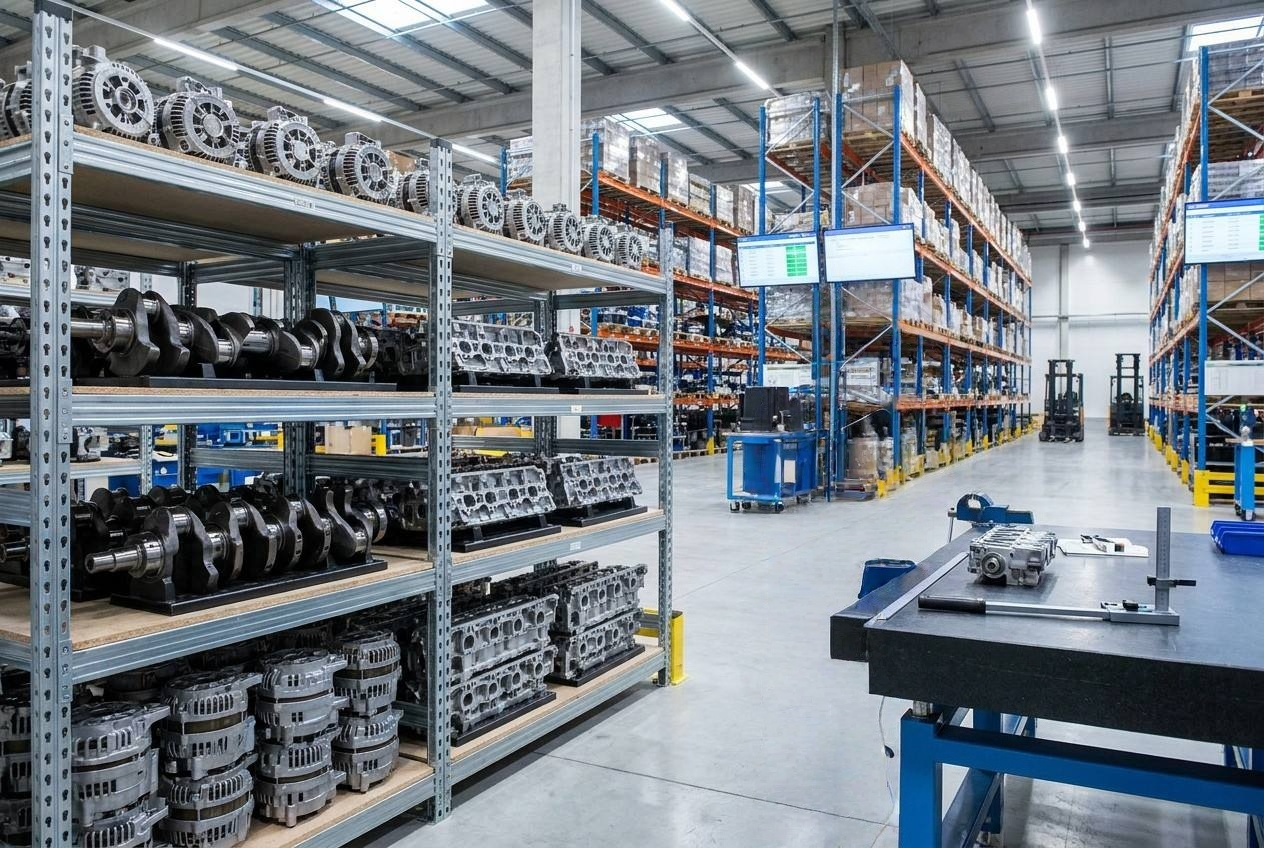
IV. Industry-wide Ripple Effects: Reshaping the Competitive Landscape
The comprehensive implementation of ESG procurement policies goes beyond merely redefining product specifications and purchasing rules; it has triggered profound changes within the generator set industry, driving industrial upgrading and a restructuring of the competitive landscape.
<br>
Industry concentration continues to rise. Small and medium-sized enterprises (SMEs)—characterized by a reliance on low-price competition,
<br>
<br>
weak R&D capabilities, severe product homogenization, and a lack of ESG management capacity—are seeing their market share shrink and are being rapidly phased out as they fail to meet the new procurement standards. Conversely, leading enterprises—possessing green technology reserves, robust ESG management systems, and full-chain compliance capabilities—are leveraging their first-mover advantage to capture market share, with industry resources increasingly consolidating around these high-quality market leaders.
<br>
Collaborative green transformation across the supply chain has become the norm. The industry has established a new operational mechanism defined by the principle of "no procurement without green credentials, no partnership without compliance." Original Equipment Manufacturers (OEMs) are no longer the sole drivers of product upgrades; instead, they are spearheading ESG rectification and green upgrades among upstream suppliers of raw materials, components, and ancillary services, thereby achieving collaborative carbon reduction and compliant development across the entire industry chain.
<br>
The comprehensive reshaping of generator set specifications driven by ESG procurement policies represents, in essence, a paradigm shift from a cost-centric model to one focused on sustainable value. The core logic for product evaluation has undergone a fundamental transformation: generator sets are no longer assessed solely on power output, price, fuel consumption, and reliability; instead, carbon emissions, green manufacturing standards, supply chain compliance, data transparency, and sustainable operational capabilities have emerged as the new core performance indicators.
<br>
For generator set manufacturers, ESG is no longer merely an optional "value-add" but a critical imperative—a core competency essential for survival and growth. Only by deeply integrating ESG principles into every stage of the value chain—from product R&D and manufacturing to supply chain management and O&M services—and by aligning with new green procurement standards, can companies seize the initiative and secure a firm foothold in this new era of industry transformation.
<br>
For the industry as a whole, this green transformation—initiated from the procurement side—translates sustainable development from a mere slogan into a set of mandatory industry standards that are quantifiable, traceable, comparable, and auditable. It marks a definitive departure from the old model of extensive growth and cutthroat price competition, propelling the generator set industry into a new phase of high-quality development characterized by greater transparency, compliance, environmental friendliness, and sustainability.